Tag: health

  • How the gut and the lungs are connected

    How the gut and the lungs are connected

    How the gut and the lungs are connected

    What you eat can keep your respiratory health in top shape

    There was a time when we assumed that the gut is for eating and lungs are for breathing. Not long ago, research revealed that they communicate, and that means that your choice of food may help lower your risk of respiratory illnesses.

    What is the gut-lung axis?

    Bacteria get into the lungs from your mouth, from the air you breathe, and from the gut, hence both environmental factors and your gut microbiota will affect respiratory health. Metabolites such as short chain fatty acids (SCFAs) reach the lungs through the lymphatic system and blood circulation. They help reduce inflammation, repair the gut lining, and protect against lung infections.

    Though lungs have fewer bacteria than the gut, they are still a dynamic environment with ability to impact immunity.

    The gut-lung dialogue

    A healthy gut microbiome means better respiratory health and intact mucous layers in the gut and respiratory system. Gut dysbiosis (imbalance), on the other hand, increases the risk of asthma and allergies. Also, chronic respiratory illnesses occur more often in people with irritable bowel syndrome or inflammatory bowel disease.

    Antibiotic treatments, anti-ulcer, and anti-reflux medications affect the gut microbiota and can increase the risk of asthma, allergies, and upper respiratory infections.

    From the lung end, influenza and pneumonia can cause gut dysbiosis and can impact the renewal of intestinal cells.

    Microbiome 101

    Bacteria start colonizing the gut from birth, thriving as they feed on breastmilk prebiotic sugars. Then come solid foods, which further build the gut microbiome.

    Fiber and exposure to dirt help increase the diversity of bugs in our body microbiome, boosting overall health. Because the gut is not an isolated organ, any gut imbalance, or dysbiosis, will affect various parts of the body.

    Dysbiosis can occur at any age and for many reasons: environmental, unhealthy lifestyle, diet, and/or medication. The microbiome tends to become less robust as we age—yet another reason to maintain a fiber-rich diet.

    Supplements for digestive health

    Oral probiotics can reduce the severity of asthma attacks and allergy symptoms in children. They can also improve the gut barrier and reduce inflammation. However, given the multitude of options, consult with a health professional for best suited probiotic supplement.

    Meanwhile, munch on naturally fermented foods such as sauerkraut and kimchi regularly. They contain probiotic bacteria and prebiotics, plus vitamins and minerals formed during fermentation.

    Other supplements that may help include:

    • L-glutamine
    • Vitamin D
    • Vitamin C

    Check with your health care practitioner before taking a new supplement.

    Eating for trillions

    FoodsBenefits for our microbiomes
    legumessoluble and insoluble fiber; resistant starch
    flaxseedssoluble fiber
    chia seedssoluble fiber and mucilage
    fruitsoluble fiber; boosts respiratory health
    berriespolyphenols which impact gut microbiota directly or are metabolized into beneficial compounds
    leafy greenssoluble and insoluble fiber; complex carbohydrates that gut bacteria metabolize into pathogen-fighting compounds
    whole grainssoluble and insoluble fiber, resistant starch, and complex carbohydrates

    Article Provided by Alive Magazine

  • It’s Time for Digestive Enzymes!

    It’s Time for Digestive Enzymes!

    It’s Time for Digestive Enzymes!

    Do you experience the following after eating?

    1. Digestive distress

    2. Reduced energy

    3. Irregularity

    Well you’re not alone. Nearly 1 in 3 people in the U.S experience some kind of digestive problem.* And Enzymedica’s digestive enzymes can help!

    What are digestive enzymes?

    Enzymes are the super-efficient worker bees of your digestive system. They facilitate the chemical breakdown of foods, so that your body can send its nutrients off to cells to be converted into usable energy. Different enzymes work on different types of foods, and sometimes your body needs a little extra support making them depending on your diet.

    Take the quiz below to find out which enzyme is right for you!

    (You may need to refresh the webpage for the quiz to pop-up)

    November 2022 SALE – All Enzymedica products are 25% OFF! Sale ends November 30, 2022.

    *These statements have not been evaluated by the Food and Drug Administration. These products are not intended to diagnose, treat, cure or prevent any disease.

    Resources:

    https://www.instagram.com/p/CkQ8BYJJ1XG/

    https://enzymedica.com/blogs/ingredient-science/enzymes-vs-probiotics

    https://enzymedica.com/blogs/digest-this/what-are-digestive-enzymes-and-what-do-they-do

    https://enzymedica.com/collections/all?limit=60

  • Sleep better tonight!

    Sleep better tonight!

    Sleep better tonight!

    Try sound therapy for sleeping

    If you’re looking for a natural way to achieve relaxation and promote sleep, listen up! Sound therapy has been found to relieve stress, pain, and tension and increase spiritual well-being. It can also promote healing by sending you off to a sound snooze.

    What is sound therapy?

    “Sound therapy uses sounds, special instruments, voice and/or music, which are then played for the client in therapeutic ways to achieve certain frequencies and promote holistic well-being,” explains certified sound therapist May Globus.

    In Globus’s view, this therapy is both science and art, developed through the centuries. Sound therapists use instruments and modalities gathered from cultures including from Asia and Egypt, along with Indigenous cultures.

    Instruments used during a sound therapy session might include crystal bowls, gongs, drums, rattles, and tuning forks. Some, like Globus, also use their voice. During a sound therapy session, the client lies down with eyes closed and absorbs the sound frequencies created by the practitioner, says Globus.

    A sound way to improve sleep

    Some research shows that one particular method of sound therapy can prompt the brain to operate at a brainwave pattern that promotes relaxation, lowers anxiety, and makes it easier to fall asleep more easily and more soundly. One small study also found that sound therapy that creates this brainwave state also creates three other chemicals associated with sleep: DHEA, cortisol, and melatonin.

    Globus sees this borne out in practice. When she conducts her routine post-session check-in, most of her clients say they experienced a deep sleep.

    Getting started on sound therapy

    If you’re serious about experiencing sound therapy, Globus believes it’s best to start out by seeing a certified practitioner or by attending a group sound therapy session.

    “That way, you can feel the frequencies and vibrations in your body for an extended period of time,” says Globus. During a session, some people will feel physical sensations, some will see colors, and, for others, memories and scenes will come to mind.

    If you find this experience enjoyable, says Globus, you may want to visit a specialty store that carries sound therapy instruments, such as a sound bowl. Look for the one that resonates with you, suggests Globus. Then, you can make it part of your nightly bedtime ritual.

    Sound therapy is also easily accessible through YouTube. “Amazing practitioners from around the world upload videos of themselves playing bowls and other instruments,” says Globus.

    Supplements to help when you’re tired all the time

    Fatigue can have a wide variety of causes. It can come from conditions such as diabetes or other chronic illnesses or from lifestyle habits such as poor sleep management or stress. Consult your health care practitioner to eliminate any underlying conditions if you’re experiencing long-lasting and unexplained fatigue.

    You may find the following supplements helpful in supporting a stressed and fatigued system.

    • Melatonin
    • Magnesium
    • Valerian root
    • Lavender
    • Passionflower

    Article Provided by Alive Magazine

  • Power Your Immune System with MegaFood

    Power Your Immune System with MegaFood

    Power Your Immune System with MegaFood

    Looking to power your immune system? Look no further than Immune Defense by MegaFood 🎉 Loaded with Vitamin C, Zinc & Black Elderberry, and herbs like Echinacea and Andrographis – your immune system will be locked and loaded, ready to go! Go ahead and show your immune system some love ❤️

    Immune Defense

    Starting to feel a cold coming on? Take two tablets three times per day for five days to get that immune boost you need!

    AND it checks ALL of the boxes:

    ✔️Powered by Elderberry
    ✔️Made with real food and added nutrients
    ✔️Non-GMO Project Verified
    ✔️Glyphosate residue free certified
    ✔️Gluten free
    ✔️Dairy & Soy free
    ✔️Vegan

    CLICK HERE to order online!

    Blood Builder Liquid Iron

    Did you know their Blood Builder Liquid Iron is clinically shown to:

    ✔️ support overall immune health*
    ✔️ increase iron levels and reduce fatigue*
    ✔️ help maintain healthy red blood cell production*
    ✔️ support optimal iron absorption*

    CLICK HERE to order online!

    OCTOBER 2022 BOGO – With the purchase of ANY MegaFood product, you’ll receive a FREE Blood Builder Liquid Iron supplement!*

    *While supplies last. Promotion ends 10/31/2022.

    *These statements have not been evaluated by the Food and Drug Administration. These products are not intended to diagnose, treat, cure or prevent any disease.

    Resources:

    https://megafood.com/blogs/all/blog-product-edu-acute-defense-immune-system-boost-html?q=acute%20defense

    https://megafood.com/products/blood-builder-liquid-iron-once-daily?_pos=3&_sid=254ff4a57&_ss=r

    https://megafood.com/products/immune-defense?_pos=1&_sid=db72b83f8&_ss=r

    https://megafood.com/blogs/all/blog-product-edu-lets-talk-immune-health-html

    https://megafood.com/blogs/all/blog-elderberry-winter-immune-herb-html

    https://megafood.com/blogs/all/the-health-problems-caused-by-low-iron

  • How to maintain muscle and bone health

    How to maintain muscle and bone health

    How to maintain muscle and bone health

    Let’s be proactive

    It’s a natural part of the aging process: degradation and loss of our cartilage, bone density, and muscle strength. So, what can be done throughout those intervening years? How can we manage joint pain and bone and muscle loss before they become unbearable? Read on.

    A lifetime of wear and tear

    Dr. Pascal-André Vendittoli is an orthopedic surgeon with a sub-specialty in hip and knee replacement. He says that past the age of 40, we lose about 1 percent of our bone density annually. He adds that for many people, the degradation can be more severe.

    “We know that in the general population there are about 15 percent of people who will really suffer from wear and tear on their knees and hips throughout their life. They will need to receive treatments to try to improve their condition. This can be a medical treatment, or a surgical treatment to replace the joint with a prosthetic,” says Vendittoli.

    Vendittoli emphasizes that surgery is a last resort, to be considered only once the chronic discomfort and lack of function interferes with daily tasks such as walking, standing, or being able to perform your job.

    Managing joint pain and bone and muscle loss

    Manage stress

    Naturopathic doctor Amanda Capasso says that one of the most important steps in managing bone loss is managing stress. This will reduce your body’s natural hormonal reaction to anxiety and worry, which can be damaging.

    “Having long, chronic elevated cortisol is not great for bone health. It creates a lot of inflammation, and it just changes … your bones, how much calcium they release back into your bloodstream, and how much they take out.”

    Capasso says that stress reduction can be as simple as reorganizing your priorities and giving yourself a little bit more time for a walk, or yoga, or meditating.

    She says that your stress reduction should not be an additional burden to your already busy life. “Some people are going to hate meditating, and some people are going to hate yoga … So it’s just individualizing care and finding what works for them. For a lot of people … it’s just taking a bath or going to get your nails done.”

    Consider your diet

    Diet also plays a big role in bone and muscle health. Capasso has seen a lot of success with patients who have switched to the Mediterranean diet—reducing red meat and adding more vegetables, oils, and fish.

    Exercise

    Both professionals agree that there is no substitute for regular exercise. Vendittoli says, “When it comes to hips and knees, you cannot stop moving. Quite the opposite … It could become a vicious circle. When you have pain from wear and tear in your joints and you stop moving, it becomes worse and worse.”

    If you are experiencing joint or muscle pain, Vendittoli suggests switching to a less impactful activity such as walking instead of running, or swimming instead of tennis.

    Article Provided by Alive Magazine

  • Seasonal changes are coming… LifeSeasons is here to help!

    Seasonal changes are coming… LifeSeasons is here to help!

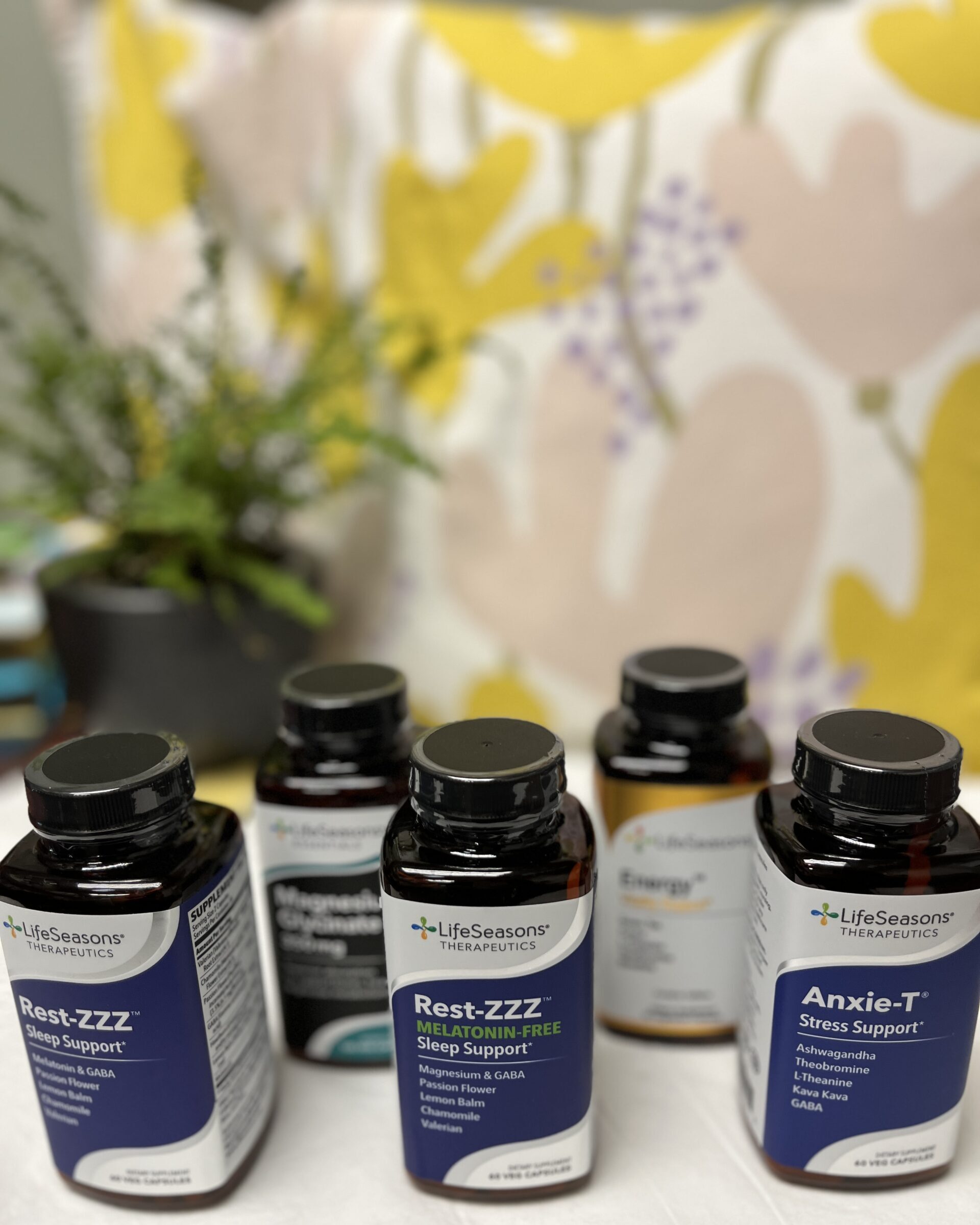
    Do you ever feel like when the seasons change, you change slightly, too? First of all, that’s totally normal! But you can help yourself feel more like yourself again. Check out a few of our favorite LifeSeasons products to help you get back to feeling like yourself again.

    Anxie-T

    A better you starts with a better mood – staying cool, calm, and collected should be a part of your routine. A massage, facial, and Anxie-T is a great way to start your self care stress relief – and all it takes is 30 minutes!

    Breathe-X

    With cooler outdoor temperatures, means warmer indoor temperatures. This can cause some stress on your sinuses and respiratory tract. Breathe-X helps manage that healthy tissue and promotes normal immune function. Keep those germs out and good vibes in!

    Inflamma-X

    Maybe you’re feeling a little sore and achey? Inflamma-X helps soothe discomfort and inflammation from everyday aches and pains. Made with Meriva® Turmeric, your body can absorb the all of the healthy benefits of turmeric without the harsher effects some people feel from black pepper.

    Digestivi-T

    The holidays are coming and you know what that means – the holiday bloat is upon us! Digestivi-T focuses on balancing your gut microbiome and helps ease digestion. So you can enjoy your pie and not worry about unbuttoning your pants to make room for your food-baby afterwards.

    All LifeSeasons supplements are 25% OFF all month long!

    Resources:

    https://lifeseasons.com/product/inflamma-x-intestinal-anti-inflammation-supplement/

    https://lifeseasons.com/product/anxie-t/

    https://lifeseasons.com/product/breathe-x/

    https://lifeseasons.com/product/digestivi-t-digestive-enzymes-probiotic-supplement/

    https://www.instagram.com/lifeseasons/

  • Co-pilot vitamins

    Co-pilot vitamins

    Co-pilot vitamins

    How vitamin D and vitamin K2 work together

    Vitamin D got our attention for its promising role in immune health in 2020, but it doesn’t work alone. Learn about its lesser-known co-pilot, vitamin K2, and how these two nutrients collaborate for many aspects of health.

    Teamwork

    No nutrient works in isolation. For many aspects of well-being, notably bone and heart health, vitamin D teams up with vitamin K. Some of the same chronic illnesses that predict poor COVID prognosis also happen to be associated with reduced vitamin K status.

    Balancing act

    At the simplest level, vitamin D facilitates calcium absorption, while vitamin K2 directs that calcium toward bones and away from blood vessels. This particular synergy also means K2 may play a role in safeguarding against potential ill effects of excess vitamin D-induced calcium absorption, such as by restoring flexibility to hardened arteries.

    Digging deeper, vitamin D stimulates the production of metabolic proteins that remain essentially inactive until vitamin K2 flips their switch to “on.” Vitamin D encourages the action of bone-building cells, while vitamin K2 reins in the action of bone breakdown cells, a balance central to maintaining bone density. The combination of D and K2 together appear to help make bones both stronger and more flexible.

    This may be especially important for children’s health, since growing bones need vitamin K2 to effectively incorporate calcium into healthy bone architecture.

    Homing in on immune health, both vitamin D and K2 play a role in healthy lung function, with D modulating immune response to respiratory pathogens, while K2 is believed to help protect elastic tissues that give lungs their ability to expand and contract.

    Clearing up vitamin K confusion

    Vitamin K is not a singular vitamin but is actually a small family of vitamins largely represented by the siblings K1 and K2. While it’s rare to be deficient in vitamin K1, researchers believe that inadequate levels of vitamin K2 may be common.

    Vitamin D deficiency is common too. While vitamin D is mostly derived from sun exposure, with fatty fish being one of the very few food sources, so low levels are no mystery. The reasons behind a potential low vitamin K2 status are a little more complex. Some animal-based fare, namely egg yolks and butter, contain a pinch of K2. Certain fermented foods that are underrepresented in the North American diet, such as specific cheeses, are rich in vitamin K2.

    Supporting our immune health

    Many of us are thinking about the big picture of health resilience. Exercise and nutrition are parts of the solution. Topping up with key nutrients may prove inexpensive insurance against health vulnerabilities.

    To be clear, no nutrient has been proven to prevent or treat COVID-19. Clinical trials are ongoing. In the meantime, there’s no downside to making sure we are getting adequate amounts of important nutrients. Check with your health care practitioner for personalized advice.

    Article Provided by Alive Magazine

  • 10 quick remedies for a sore throat

    10 quick remedies for a sore throat

    10 quick remedies for a sore throat

    Use your pantry staples!

    No one wants to fall prey to a sore throat! Wouldn’t it be great if you could simply go to your fridge or pantry to find relief? Well, you can! Many natural sore throat remedies are staples you probably have on hand.

    1. Saltwater gargle

    Gargling with saltwater is a tried-and-true method to relieve sore throat pain. Gargle with this mixture every three hours to achieve the best results. As an added benefit, gargling with saltwater can help flush out the virus causing your sore throat.

    2. Warm and cold fluids

    Have something to drink. Cold drinks, ice cubes, and popsicles reduce pain by lowering the temperature of the throat’s nerve endings. When you consume a warm drink, on the other hand, salivation increases. This increases lubrication and makes your throat feel better.

    3. Rest

    Your body is using its energy to fight off an infection or irritation. If you have a sore throat and want to rest, do so in an elevated position. Try propping yourself up with pillows or using a reclining chair.

    4. Honey

    Honey has been valued for centuries for its antibacterial properties. Make a soothing drink by stirring 2 Tbsp (30 mL) honey into a cup of tea or warm water. Remember, though, that honey is not to be given to infants under one year of age.

    5. Hot sauce

    Capsaicin, which is found in peppers used to make hot sauce, can help reduce pain by fighting the inflammation of a sore throat. Get sore throat relief from hot sauce by mixing a few drops of it in warm water and gargling.

    6. Lemon

    Lemon has vitamin C, which is thought to be effective in fighting infections. Lemon water can help reduce inflammation, and it can help break up the mucus that might be irritating your throat.

    7. Chicken soup

    Like a warm drink, chicken soup can break up the mucus in your throat to help ease your discomfort. It will also help to keep you hydrated. Chicken soup can be a good source of nutrients too, which is helpful when you’re not feeling well.

    8. Tea

    Many herbal teas offer anti-bacterial and anti-inflammatory properties, which help in soothing and healing a sore throat. There are a number that you can choose from to help reduce sore throat irritation, such as peppermint or chamomile.

    9. Humidity and steam

    Dry air can cause congestion, dry skin, a dry nose, itchy eyes, and throat irritation. One way to ease and help lubricate your sore throat is to have a warm shower. You can add moisture to the air in your home by using a vaporizer or humidifier.

    10. Zinc

    Studies show that zinc lozenges can help you kick a cold faster, including shortening the severity and duration of symptoms like sore throat. For best results, take zinc supplements within 24 hours of the onset of cold symptoms.

    Article Provided by Alive Magazine

  • 7 health benefits of echinacea

    7 health benefits of echinacea

    7 health benefits of echinacea

    There’s more to this herb than meets the eye

    Echinacea isn’t just a pretty purple flower. It has some impressive healing properties. You may already know it helps the common cold—more on that below—but there are a lot of other health benefits of echinacea.

    1. Shortens the common cold

    A lot of people turn to echinacea at the start of a cold and with good reason. Research shows that echinacea possesses chemicals that may help increase the number of white blood cells in your body. White blood cells support your body while you fight off infections. Echinacea is a great immune-boosting supplement to keep on hand when you start to feel under the weather.

    2. Reduces inflammation

    Chronic inflammation may lead to illnesses such as heart disease, cancer, and Alzheimer’s disease. In one small study, participants who were non-responsive to non-steroidal anti-inflammatory drugs experienced reduced pain and anti-inflammatory results using a ginger and echinacea extract.

    3. Helps to reduce respiratory illness after travel

    When we fly, we encounter countless people and their microbes. However, echinacea may act as a defense against the germs we encounter when we travel. In one study, participants were asked to take either echinacea or placebo tablets before and during air travel. The echinacea group reported that they had lower respiratory symptoms compared to the placebo group.

    4. Boosts antioxidants

    When antioxidants are introduced to the body, they can delay or stop the damage from oxidative stress. Certain species of echinacea contain high levels of cichoric acid, which is a powerful antioxidant. By taking echinacea, the boost in free-radical fighting antioxidants may decrease the damage caused by oxidative stress.

    5. Protects against cancer

    In one study, researchers discovered the cichoric acid from Echinacea purpurea extract decreased colon cancer cell activity and eliminated some cancer cells. In another study, echinacea extract caused the death of lung cancer cells. Researchers need to conduct more research on these effects.

    6. Reduces the need for antibiotics

    Bacterial infections linked to ear infections, pneumonia, and sinus infections may require antibiotics. However, if antibiotics are used too frequently, it can lead to antimicrobial resistance and wipe out the “good” bacteria in our bodies. In a search to discover alternative treatments, scientists administered echinacea or vitamin C to a group of children. The children given echinacea were less likely to have respiratory illnesses that could develop into bacterial infections thus reducing the need for antibiotics.

    7. Relieves sore throats

    Although sore throats are often thought to be associated with strep throat, most are caused by viral infections. With a virus, you must wait for it to run its course and find symptom relief in the meantime. As a natural treatment option, echinacea has proven to be effective in relieving the symptoms of sore throats.

    Article Provided by Alive Magazine

  • 8 tricks for staying focused

    8 tricks for staying focused

    8 tricks for staying focused

    Squash that brain fog

    We’ve all had trouble focusing before. It’s natural for our minds to wander now and then, but it can be frustrating when it happens often. Take a few minutes to find out how you can stay focused and defeat that brain fog.

    1. Get more sleep

    When we don’t get enough sleep, we can’t concentrate, our thought process slows, and our memory is impaired. It’s recommended we get about seven to eight hours of sleep per night. Unfortunately, a lot of people don’t dedicate enough time to sleep, but it’s something we should all prioritize.

    2. Exercise

    Another step you can take to improve focus and concentration is to exercise. One study showed that participants increased the size of their hippocampus, the area of the brain responsible for memory and learning, after aerobic exercise.

    3. Meditate

    There are many great reasons to meditate, including improving focus and concentration. Researchers say our mind wanders about half of the time, which makes it hard to concentrate on just about anything. Meditation can help us reset and bring our attention back to the task at hand.

    4. Play cognitive training games

    A decade-long study tracked participants as they performed cognitive training exercises. Those participants who participated in cognitive interventions either maintained their level of cognitive function or experienced improvement in brain function. Examples of cognitive training activities that may train your mind to focus are completing crossword puzzles and playing video games.

    5. Spend time in nature

    When we spend time outside in nature our anxiety levels decrease, our immune systems get a boost, and our focus improves. Researchers asked study participants to spend 50 minutes walking in either an urban or natural environment. Those individuals who spent time in nature had better cognitive function than those in the urban setting.

    6. Add some caffeine to your diet

    Caffeine can block adenosine receptors, which results in the release of several neurotransmitters responsible for healthy cognitive function. One of those neurotransmitters, dopamine, helps the brain focus. In moderation, caffeine can help you focus and increase your concentration.

    7. Have breakfast every morning

    While we often associate blood sugar levels with diabetic patients, low glucose levels can affect just about anyone. Keeping blood sugar levels up is also key to optimal brain function and will help you to maintain your focus. Eating full meals and snacks can help, especially after fasting all night while you sleep.

    8. Eat a brain-boosting diet

    Omega-3 fatty acids can be found in fish, nuts, and supplements. They play a crucial role in the body by fighting off heart disease, joint pain, and even depression, though more research is needed. Omega-3s can also help you focus. In a study performed with healthy adults, omega-3 supplements improved cognitive performance compared to the placebo group.

    Article Provided by Alive Magazine