Tag: herbalism

  • Herbal Rehydration Drink

    Herbal Rehydration Drink


    Herbal Rehydration Drink featuring BodyBio

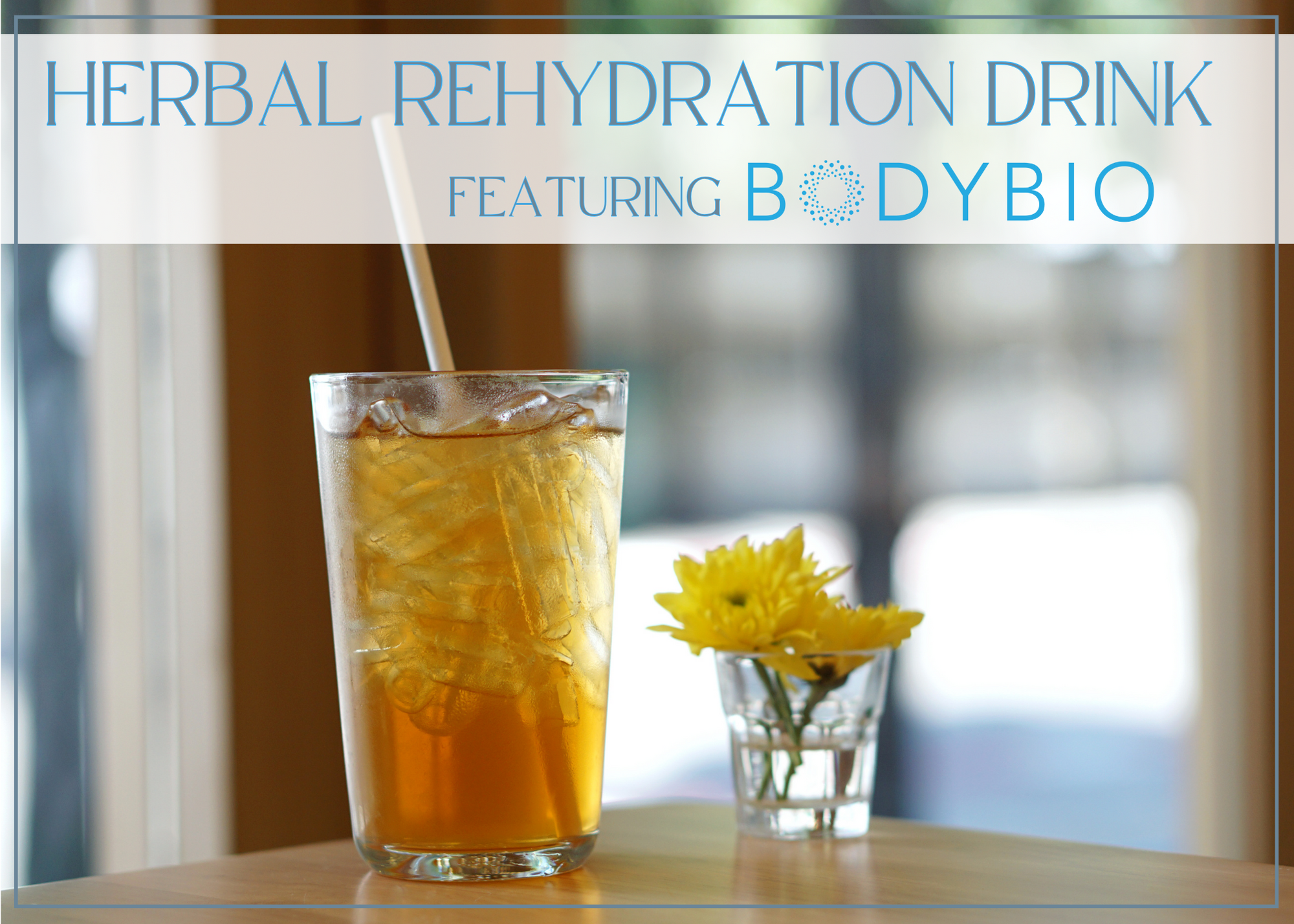
    A cold, long infusion of nourishing and healing herbs combine with the rehydration benefits of BodyBio’s E-Lyte. Think iced tea that is healing and hydrating on every level. Drink as a replacement of sugary sports drinks, after or during illness, or daily for optimal full spectrum health.


    This drink recipe was formulated for people who need a boost in hydration, vitality, and overall health. An excellent choice for pre and post-workouts and sports activities, nourishing during and after an illness where dehydration is a symptom, and an informed choice for those who seek to support adaptogenic homeostasis of their bodies.

    Below is a breakdown of the medicinal properties of each ingredient:

    E-Lyte by BodyBio:

    Simply put, E-Lyte mimics electrolyte levels in the body for optimal hydration. Think Gatorade, but more powerful, and without all the nasty ingredients.

    It is specially formulated to:

    • Fight cramps
    • Improve stamina and reduce fatigue
    • Boost energy
    • Maintain body temperature
    • Aid neurological function and enhance nerve signaling

    No sugars, no artificial sweeteners, just pure electrolytes in the millequivalent of human blood. E-Lyte is the perfect combination of sodium which contracts muscles, potassium, which relaxes them, and magnesium, which plays a role in more than 300 enzymatic processes and is the force that drives potassium to relax a contracted muscle. Ideal for everyday athletes, pregnant women, or anyone looking to reduce painful cramps and stay energized all day—without all the unnecessary ingredients.

    Most electrolyte concentrates are formulated specifically for professional athletes and contain levels of sodium and sugar that are way too high for daily use. That’s why we formulated E-Lyte with more potassium, less sodium, and no sugar to mimic human blood and give the body exactly what it needs!

    Marshmallow Root:

    (Althaea officinalis) has been used for centuries in traditional medicine for its potential healing properties. While scientific research on its benefits is ongoing, marshmallow root is believed to possess several potential health benefits, primarily due to its mucilage content—a thick, gel-like substance that forms when the root is mixed with water. Here are some of the healing properties associated with marshmallow root:

    Soothing Sore Throats and Coughs: Marshmallow root is known for its soothing properties and is often used to alleviate sore throats, dry coughs, and irritation. It forms a protective layer on the throat’s mucous membranes, providing relief from discomfort.

    Gastrointestinal Relief: The mucilage in marshmallow root may help soothe and protect the digestive tract. It can be used to relieve symptoms of conditions like gastritis, acid reflux, and irritable bowel syndrome (IBS). It may also help alleviate constipation by promoting regular bowel movements.

    Anti-Inflammatory Effects: Marshmallow root may have mild anti-inflammatory properties, making it useful for conditions involving inflammation, such as skin irritations, eczema, and joint pain.

    Respiratory Health: In addition to soothing sore throats and coughs, marshmallow root may help with respiratory issues like bronchitis and asthma by reducing irritation and inflammation in the airways.

    Urinary Health: Marshmallow root is sometimes used to alleviate symptoms of urinary tract infections (UTIs) and bladder issues due to its potential anti-inflammatory and soothing properties.

    Tulsi Leaf:

    Also known as holy basil (Ocimum sanctum or Ocimum tenuiflorum), is a popular herb in traditional Ayurvedic medicine and is revered in many cultures for its potential healing properties. While more research is needed to fully understand the extent of its therapeutic effects, tulsi is believed to have several healing properties:

    Adaptogenic: Tulsi is often classified as an adaptogen, which means it may help the body adapt to stress and promote overall resilience. It can help manage the body’s response to physical and emotional stressors.

    Immune Support: Tulsi is believed to boost the immune system. Its anti-inflammatory and antioxidant properties may help the body defend against infections and illnesses.

    Antioxidant: Tulsi is rich in antioxidants, which can help protect cells from damage caused by free radicals. This may contribute to its potential anti-aging and disease-fighting properties.

    Anti-Inflammatory: Tulsi has anti-inflammatory properties that can help reduce inflammation in the body. It may be beneficial for conditions characterized by chronic inflammation.

    Respiratory Health: Tulsi is often used to relieve respiratory issues, such as coughs, colds, and asthma. Its antimicrobial and anti-inflammatory properties may help clear the respiratory tract and provide relief from congestion.

    Digestive Health: Tulsi can aid in digestion and help alleviate digestive discomfort. It may be used to relieve symptoms of indigestion, gas, and bloating.

    Cardiovascular Health: Some studies suggest that tulsi may help lower cholesterol levels and regulate blood pressure, potentially reducing the risk of heart disease.

    Stress Reduction: Tulsi is known for its calming properties and is used to reduce stress and anxiety. It may help improve mental clarity and promote a sense of well-being.

    Antimicrobial: Tulsi possesses antimicrobial properties that can help combat various infections, including bacterial, viral, and fungal infections.

    Chamomile Flower:

    Chamomile is a well-known herb that has been used for centuries for its potential healing properties. Chamomile flowers, particularly those from the German chamomile (Matricaria chamomilla) and Roman chamomile (Chamaemelum nobile) species, are the parts of the plant most commonly used for therapeutic purposes. Here are some of the healing properties associated with chamomile flowers:

    Anti-Inflammatory: Chamomile contains compounds like chamazulene and alpha-bisabolol, which have anti-inflammatory properties. These properties make chamomile useful for reducing inflammation in various conditions, including skin irritations and gastrointestinal discomfort.

    Digestive Aid: Chamomile tea is often used to soothe digestive issues such as indigestion, bloating, and gas. It can help relax the muscles of the gastrointestinal tract and ease discomfort.

    Stress and Anxiety Reduction: Chamomile is known for its calming and mild sedative effects. Drinking chamomile tea or using chamomile essential oil in aromatherapy can help reduce stress and anxiety, promote relaxation, and improve sleep.

    Skin Health: Chamomile can be used topically to soothe skin irritations, such as insect bites, rashes, and minor burns. It may also help with conditions like eczema and psoriasis due to its anti-inflammatory and anti-itch properties.

    Oral Health: Chamomile’s anti-inflammatory and antimicrobial properties can be beneficial for oral health. It may help reduce gum inflammation, soothe mouth sores, and alleviate toothache discomfort.

    Respiratory Health: Inhaling steam from chamomile tea may help relieve congestion and ease respiratory discomfort associated with colds and allergies.

    Menstrual Pain Relief: Chamomile tea may help alleviate menstrual cramps and reduce the severity of premenstrual symptoms due to its muscle-relaxant and anti-inflammatory properties.

    Wound Healing: Chamomile may promote wound healing when applied topically, as it can help reduce inflammation and provide a soothing effect.

    Antioxidant Properties: Chamomile is rich in antioxidants, which can help protect cells from oxidative stress and may contribute to its anti-aging and disease-preventing effects.

    Anti-allergic: Chamomile may help reduce allergic reactions and symptoms by inhibiting the release of histamines, which play a role in allergy-related inflammation.

    Nettle Leaf:

    Nettle leaf, derived from the common stinging nettle plant (Urtica dioica), has been used traditionally for various medicinal purposes. It is rich in nutrients and bioactive compounds, which contribute to its potential healing properties. Here are some of the healing properties associated with nettle leaf:

    Anti-Inflammatory: Nettle leaf contains compounds like flavonoids and polyphenols that have anti-inflammatory properties. It may help reduce inflammation in conditions like arthritis, allergies, and inflammatory bowel diseases.

    Allergy Relief: Nettle leaf is often used to alleviate symptoms of seasonal allergies, such as hay fever. It may help reduce the release of histamines, which are responsible for allergy symptoms like sneezing and itching.

    Joint Health: Nettle leaf may provide relief from joint pain and stiffness in conditions like osteoarthritis and rheumatoid arthritis due to its anti-inflammatory and pain-reducing properties.

    Diuretic Effect: Nettle leaf has mild diuretic properties, which can promote the removal of excess fluids from the body. This may be beneficial for individuals with conditions like edema and high blood pressure.

    Prostate Health: Some studies suggest that nettle root, rather than the leaves, may have benefits for prostate health by reducing symptoms of benign prostatic hyperplasia (BPH), such as urinary frequency and urgency.

    Digestive Health: Nettle leaf can be used to soothe gastrointestinal discomfort, reduce symptoms of indigestion, and alleviate diarrhea. It may also support a healthy digestive tract.

    Hair and Skin Health: Topical application of nettle leaf extract or oil is believed to promote hair growth, reduce dandruff, and improve skin conditions like eczema and acne.

    Nutrient-Rich: Nettle leaf is a rich source of vitamins (such as A, C, and K), minerals (including iron, calcium, and magnesium), and antioxidants. Consuming nettle leaf as a tea or supplement can help meet nutritional needs.

    Blood Sugar Control: Some research suggests that nettle leaf may help regulate blood sugar levels, potentially benefiting individuals with diabetes or those at risk of developing the condition.

    Urinary Tract Health: Nettle leaf may be used to support urinary tract health, as it can help soothe irritation and reduce symptoms of urinary tract infections (UTIs).

    Give this drink a try, it’s not only nourishing, healing, and rehydrating, it is actually also very delicious and refreshing! Have questions? Come on in to any of our locations to speak with our wellness ambassadors, and don’t forget that we carry herbs in bulk for all of your herbalism and wellness needs!


    Elisa Franco

    Herbal Rehydration Drink

    A cold, long infusion of nourishing and healing herbs combine with the rehydration benefits of BodyBio's E-Lyte. Think iced tea that is healing and hydrating on every level. Drink as a replacement of sugary sports drinks, after or during illness, or daily for optimal full spectrum health.
    Servings: 4

    Ingredients
      

    • 30 ounces Water
    • 3 teabags Nettle Leaf
    • 3 teabags Chamomile Flower
    • 3 teabags Tulsi Leaf
    • 2 teabags Marshmallow Root
    • 2 capfuls BodyBio E-Lyte
    • 1 tblsp Honey, or sweetener of choice optional

    Equipment

    • 1 32 ounce Mason Jar with Lid

    Method
     

    1. Add water to a 32 ounce (quart size) mason jar, or other glass vessel with a lid.
    2. Add all of the tea bags to the water, no need to boil the water, room temperature or cold is fine.
    3. Put the lid on your mason jar. Place it in the fridge and let the herbs infuse into the water for 12-24 hours.
    4. After 12-24 hours, remove from fridge, remove all tea bags, add the 2 capfuls of E-Lyte, honey or sweetener of choice, cover with the lid again, and vigorously shake.
    5. Serve over ice, or as is, and enjoy!

    Product Information about E-Lyte is from BodyBio’s website.
  • Healing Herb & Vegetable Broth

    Healing Herb & Vegetable Broth


    Healing Herb & Vegetable Broth

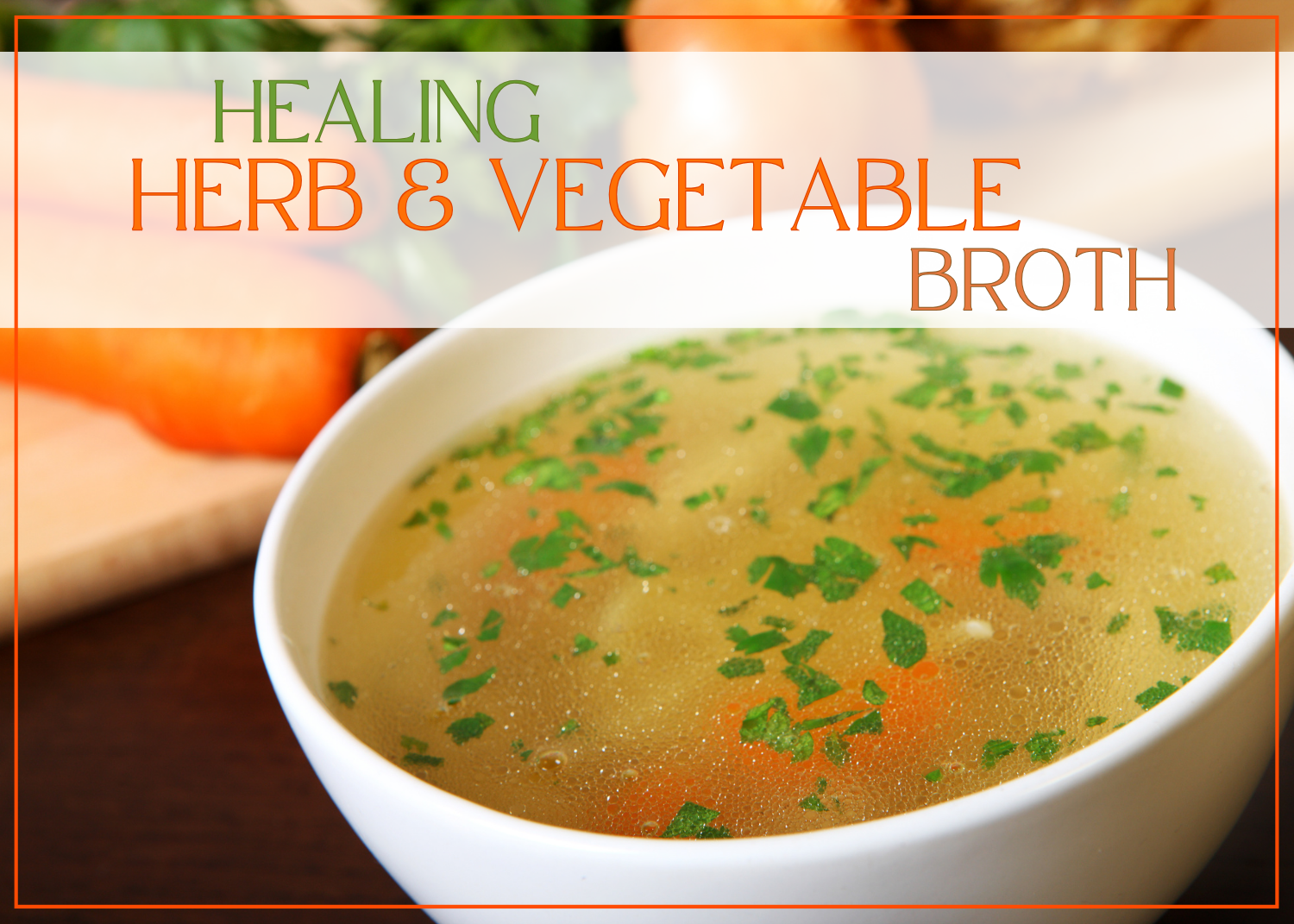
    When you’re looking for a soothing and nourishing recipe that can help boost your immune system and provide comfort, a healing herbal vegetable broth is the perfect choice.


    Packed with a variety of vegetables and aromatic herbs, this broth not only tastes delicious but also provides a wealth of vitamins, minerals, and antioxidants. Whether you’re feeling under the weather or just want to warm up on a chilly day, this recipe is sure to become a go-to in your kitchen.


    Elisa Franco

    Healing Herb & Vegetable Broth

    This healing herbal vegetable broth is a kitchen staple that you'll want to keep on hand year-round. Its nourishing properties make it a go-to when you're feeling unwell, and its delicious taste makes it a versatile addition to various recipes. Sip and enjoy the benefits of this homemade broth and share it with your loved ones. Store extra in the freezer to have at the ready.
    Servings: 4

    Ingredients
      

    • 2 carrots chopped
    • 2 celery stalks chopped
    • 1 onion peeled and quartered
    • 6 cloves garlic smashed
    • 1/2 whole lemon washed thoroughly
    • 1 leek cleaned and sliced
    • 1 red or green pepper chopped
    • 1 parsnip chopped
    • 1 small bunch of fresh parsley or cilantro
    • 1 sprig of fresh thyme, or 1 tsp dried
    • 1 sprig of fresh rosemary, or 1 tsp dried
    • 1 bay leaf
    • 1 tsp whole black peppercorns
    • 1 tsp coriander seeds
    • 1 tsp fennel seeds
    • 1 tsp turmeric powder or a small piece of fresh turmeric root
    • 1-inch knob of ginger sliced
    • 1 small handful of dried shiitake mushrooms
    • 12 cups water
    • salt and pepper to taste
    • 3 jalapeño slices optional, for heat
    • 1/2 cup sliced reishi mushroom, or 2 tbsp powdered optional, for immune boost
    • 1 piece kombu optional, for immune boost
    • 1 tbsp dried astragalus optional, for immune boost

    Method
     

    1. Gather all your ingredients and chop the vegetables as indicated.
    2. In a large soup pot, dry-toast the coriander seeds and fennel seeds over medium heat for a few minutes until fragrant. This step enhances their flavors.
    3. Add all of your ingredients, except the water, to the pot. Stir to combine.
    4. Pour 12 cups of water into the pot, covering all the ingredients. Slowly bring the mixture to a soft boil over medium high heat.
    5. Once it boils, reduce the heat to low, cover, and let the broth simmer for about 1.5 to 3 hours. This allows the flavors to meld and the vegetables to release their goodness. Add salt and pepper to taste during this time.
    6. After simmering, carefully strain the broth into another pot or large bowl. Discard the solids or save them for compost.
    7. Your healing herbal vegetable broth is ready to serve. Sip it as a comforting and soothing drink or use it as a base for soups, stews, or any recipe that calls for broth. It's a wonderful way to nourish your body and support your immune system.

  • Homemade Fire Cider

    Homemade Fire Cider


    Homemade Fire Cider

    Fire cider is a traditional herbal remedy known for its immune-boosting and warming properties. It is a potent infusion of herbs, spices, and vegetables steeped in apple cider vinegar.


    Fire cider is known for its potent and spicy flavor, as well as its potential health benefits. Feel free to adjust the ingredients to suit your taste and heat tolerance.

    Here are some common uses for fire cider:

    Immune Support

    Fire cider is often consumed as a daily tonic or during cold and flu season to help support the immune system. Its ingredients, such as garlic, ginger, and horseradish, are believed to have immune-boosting properties.

    Cold and Flu Relief

    Many people use fire cider at the onset of a cold or flu to help alleviate symptoms and speed up recovery. The warming and spicy nature of fire cider can help clear congestion and soothe a sore throat.

    Digestive Aid

    Fire cider can aid digestion and help relieve symptoms like indigestion, gas, and bloating. The combination of apple cider vinegar and herbs like ginger and rosemary may promote digestive health.

    Anti-Inflammatory

    Some of the ingredients in fire cider, such as turmeric and cayenne pepper, are known for their anti-inflammatory properties. It may be used by some individuals to help reduce inflammation in the body.

    Energy Booster

    The spicy and tangy nature of fire cider can provide an energy boost. It’s often taken in the morning as a natural pick-me-up.

    Circulation Support

    Ingredients like cayenne pepper in fire cider may help improve blood circulation. Some people use it to promote cardiovascular health.

    Sinus Congestion Relief

    The spicy components in fire cider, particularly horseradish and chili peppers, can help clear sinuses and provide relief from nasal congestion.

    General Wellness

    Many people incorporate fire cider into their wellness routines as a preventive measure to maintain overall health and vitality.

    Before using fire cider or any herbal remedy, it’s advisable to consult with a healthcare professional, especially if you have underlying health conditions, are pregnant or nursing, or are taking medications.


    Homemade Fire Cider

    Fire cider is a traditional immune-supporting remedy with deep roots in folk medicine.

    Ingredients
      

    • 1 medium onion chopped
    • 1/2 cup fresh horseradish root grated
    • 1/2 cup fresh ginger root grated
    • 1/2 cup fresh turmeric root grated
    • 10 cloves garlic crushed or minced
    • 2 jalapeño peppers chopped, adjust for spice preference
    • Zest and juice of 1 lemon
    • Zest and juice of 1 orange
    • 2 tbsp dried rosemary
    • 2 tbsp dried thyme
    • 1/4 tsp cayenne pepper adjust for spice preference
    • raw, unfiltered apple cider vinegar enough to cover all ingredients
    • raw honey to taste, optional

    Method
     

    1. Wash and chop the onion, horseradish, ginger, turmeric, garlic, and jalapeño peppers. You can leave the seeds in the jalapeños for extra heat, or remove them for milder fire cider.
    2. Zest the lemon and orange, and then juice them.
    3. In a clean, quart-sized glass jar, layer the chopped onion, grated horseradish, grated ginger, minced garlic, chopped jalapeño peppers, lemon zest, orange zest, dried rosemary, dried thyme, and cayenne pepper.
    4. Pour raw, unfiltered apple cider vinegar over the ingredients in the jar until they are completely covered. Make sure to leave a little space at the top for expansion.
    5. Seal the jar with a tight-fitting lid. If using a metal lid, place a piece of parchment paper or plastic wrap between the jar and the lid to prevent corrosion.
    6. Place the jar in a dark, cool place (like a pantry) for about 3 to 4 weeks. Shake the jar daily to help mix the ingredients.
    7. After 3 to 4 weeks, strain the mixture through a fine-mesh sieve or cheesecloth into a clean glass container.
    8. If you find the fire cider too strong, you can add raw honey to taste. This will also sweeten it a bit and make it more palatable.
    9. Store your fire cider in the refrigerator, where it can last for several months.
    10. To use, take 1-2 tablespoons daily as a tonic or when you feel like you need an immune boost. You can also use it in cooking or as a salad dressing ingredient.

  • What’s the deal with BCAAs?

    What’s the deal with BCAAs?

    What’s the deal with BCAAs?

    Breaking down the basics of branched-chain amino acids.


    BCAA supplements may be the talk of your gym, but are they all they’re cracked up to be? Before you make any decisions, go back to the BCAA basics. Here are 10 things you should know about BCAAs.


    1. Needed by your body

    Getting their name from their “branched” molecular structure, there are three types of BCAAs: leucine, isoleucine, and valine. This trio makes up three of your body’s nine essential amino acids—called so because your body needs them to function, but can’t produce them on its own.

    2. Found in your food 

    BCAAs are found in protein-rich plant and animal sources. In addition to beef, chicken, fish, eggs, and milk, you can get BCAAs from corn, soy, beans, chickpeas, lentils, whole wheat, brown rice, almonds, cashews, and pumpkin seeds.

    3. Available in supplements 

    If you are eating a balanced diet—especially one with adequate protein—you’re likely already getting enough BCAAs. Still, there are reasons that you may want to add a BCAA supplement to your routine. If you and your health care practitioner determine that a BCAA supplement could provide needed support, you’ll find them most commonly in the form of powders, tablets, or capsules.

    4. Ease muscle soreness 

    BCAAs can aid in reducing the muscle soreness you may feel after a workout.  Known as delayed-onset muscle soreness (DOMS), you may know the feeling best two or three days after a particularly hard workout.  Research has shown that BCAAs, especially when ingested prior to working out, can help suppress DOMS.

    5. Help you exercise longer 

    Studies have found that BCAAs can help enhance athletic performance by reducing exercise fatigue. The reason for this benefit has been linked to BCAAs’ ability to lower serotonin levels and interfere with tryptophan absorption—two chemicals that work to make you feel more tired during your workout.

    6. Protect your liver 

    Studies have shown that BCAAs help protect the liver of those who eat high-fat diets by providing support to gut flora that prevent fat accumulation in the liver. Further, BCAA supplementation has been shown to provide beneficial effects in those with advanced cirrhosis, a severe liver disease.

    7. Prevent muscle wasting 

    Muscle wasting is the reduction in skeletal muscle, which is brought on by a number of causes including disuse. BCAAs can help slow this muscle-wasting process. Separate studies have shown that BCAAs can provide beneficial effects to slow or prevent muscle wasting in a range of cases, including those involving cancer, advanced liver disease, and kidney damage.

    8. Support your well-being

    Adequate intake of BCAAs has been linked to a reduced risk of anxiety and depression, and an improved stress response.  In fact, one study showed that subjects with severe depression showed decreased BCAAs in their systems, suggesting that a low level of BCAAs could play a role in depression symptoms and low energy metabolism.


    Article courtesy of Alive Magazine by Laura Newton

  • Hawthorn, a Tonic for the Heart

    Hawthorn, a Tonic for the Heart

    Hawthorn berries, leaves, and flowers have been used as food and medicine for centuries. Their use as a heart tonic, though, is relatively recent.  That story is interesting and goes like this:

    A Dr. Green of Ennis in County Clare, Ireland practiced medicine in the 19th century and was known to have great success with patients with heart ailments.  This Victorian era doctor was secretive about his methods, never revealing the ingredients of his cures for dropsy(edema), flux of humor(circulation problems), heart weakness in aging, and the like.  When he died, his daughter revealed that his protocol consisted largely of administering tinctures of the ripe berries of the very common Hawthorn tree.

    Hawthorn is a gentle herbal medicine.  It seems to work primarily by enhancing the hearts ability to utilize oxygen.  It can be taken on a regular basis over a long period of time.  In separate double-blind studies, patients with either cardiac insufficiency or weakened cardiac performance showed significant improvement.  In other studies, Hawthorn exhibited the ability to  increase coronary blood flow, decrease arterial blood pressure, decrease heart rate, and improve the contractility of the heart muscle.

    There is no one constituent within the plant that can do all of the above.  The whole plant extract is preferred, including  the leaf, flower and berry.  Hawthorn doesnt work to stimulate the heart, like digitalis (a genus of about 20 species of herbaceous perennials, shrubs, and biennials), but works on the nutrition of heart cells and their ability to store and release energy.  Dr. Rudolf Weiss, MD, of Germany states that Hawthorn has a long-term sustained effect on degenerative, age-related changes in the muscular tissue of the heart.

    Hawthorns are shrubby trees which grow prolifically in our area. They are in the genus Crataegus, and part of the Rose family.  They have noticeable white flowers, but care should be taken to avoid the long sharp thorns on the branches!  Extracts are available in both capsule and liquid form.

    Come in and speak with one of our knowledgeable Wellness Ambassadors about Hawthorn today. We carry many options to choose from and, this month only, are featuring a special smoothie in our café that includes this wellness-promoting ingredient. Shot Through the Heart, appropriately named, is available through the end of February, so stop by and grab one to enjoy!

    Written By Ralph Celebre, Registered Herbalist (AHG)