
Tag: lifestyle

  • Your back-to-school guide

    Your back-to-school guide

    Your back-to-school guide

    10 tips for a smooth seasonal transition

    Although we’re enjoying summer, September is just around the corner with its stricter bedtimes, busy mornings, and lunch-packing routines. To help ease this transition, here are some mindful, enjoyable, and sustainable tips for the new school year.

    Familiarize yourself with your school

    Visit the school multiple times during summer to make it familiar and fun. Play on the playground, walk the route you’ll take daily, and teach safety boundaries. Attending orientation sessions is also helpful.

    Set up your home

    Designate specific areas for school gear like backpacks and lunchboxes. Creating a dedicated homework space with supplies but minimal distractions can support older students.

    Practice for independence

    Practice handling lunch items, such as lunchboxes and water bottles, using timers to simulate school lunchtime. Also, work on dressing skills, like putting on coats and using the bathroom independently, to build confidence.

    Help with worries

    Validate children’s anxieties rather than dismissing them. Common concerns include missing home or worries about friendships. Acknowledging emotions teaches children how to express their feelings and feel supported.

    Create a routine

    Establish a consistent morning routine. Prepare outfits, pack bags, and make lunches the night before. Practice the routine with children beforehand to reduce stress on the first day.

    Be strategic

    Avoid overbuying by reviewing what you already have. Have children try on clothes and assess needed supplies early. Shopping from what’s already available teaches resourcefulness and saves money.

    Choose secondhand first

    Opt for secondhand stores for supplies, clothes, and gear. Resale apps and online groups are also good options. Involving children in shopping helps them feel invested and prepares them emotionally for school.

    Get a good night’s sleep

    Establish a fixed bedtime routine weeks before school starts. Ensure children get the recommended hours of sleep for their age. Bedtime can also be a calming family time, like reading or meditation.

    Embrace downtime

    Children need time to relax after school. A snack and quiet activity help transition from school to home. Overscheduling extracurriculars can be overwhelming, so find a balance that suits your family.

    Give your kids grace

    Transitions are tough—kids face new teachers, classmates, and environments each year. After a busy day, children may have strong emotions or meltdowns at home. Recognize that behaviour is communication, and be gentle. Transitions are challenging, and patience is key.

    By Leah Payne

    Article Courtesy of Alive Magazine

  • Tapping into the mind-body magic (and science) of EFT

    Tapping into the mind-body magic (and science) of EFT

    Tapping into the mind-body magic (and science) of EFT

    The surprising power of a simple, gentle technique

    “I wish I could just press a button and make this go away!” Whether “this” is physical or psychological (or both), many have wished for an easy fix. While the magic button doesn’t exist, proponents of EFT (emotional freedom technique) have found a method that often yields impressive results.

    A simple but powerful intervention

    EFT, also known as tapping, blends cognitive therapy with acupressure principles from traditional Chinese medicine. Practitioners tap on specific points on the body while focusing on particular issues or emotions. The more specific the focus, the more effective the process, though multiple sessions can address complex problems. This mind-body approach aims to reduce stress and promote emotional and physical healing.

    What’s going on when we tap?

    Tapping appears to calm the amygdala, the brain’s stress response center, decreasing cortisol production—the hormone linked to stress. Studies suggest EFT benefits mental health by reducing anxiety, PTSD, depression, and overall stress.

    In addition to psychological benefits, EFT has shown effectiveness in alleviating physical pain. Focusing attention on pain while tapping seems to decrease brain activity in pain-processing regions, leading to reduced pain severity and interference. This can enhance quality of life, especially for chronic pain sufferers.

    The body as messenger

    EFT trials also demonstrate the deep connection between mind and body. The body often signals subconscious issues through physical sensations. For example, a neck ache might symbolize frustration or annoyance, while foot pain could reflect an inability to tolerate certain life circumstances.

    Understanding the language of the body allows somatic therapies like EFT to help interpret and address these messages more effectively. Recognizing physical sensations as signals from the subconscious can guide healing and emotional release.

    While EFT may not instantly resolve all problems, it is a proven, accessible tool for managing both emotional and physical discomfort. Whether using simple steps or working with a certified practitioner for more complex issues, EFT offers a promising approach for those seeking relief.

    By Heather Burt

    Article Courtesy of Alive Magazine

  • Fighting forever chemicals

    Fighting forever chemicals

    Fighting forever chemicals

    The pervasive substances that may affect bone health

    There are chemicals and then there are “forever chemicals,” the name given to per- and polyfluoroalkyl substances, or PFAS. They don’t easily break down in the environment or in our bodies.

    What are PFAS?

    PFAS is a broad group of synthetic chemicals used since the 1950s. They make products greaseproof, waterproof, stain-resistant, and stick-proof. PFAS are found in items like pizza boxes, makeup, carpets, and waterproof clothing. They also contaminate drinking water and food, accumulating in humans and animals over time. Exposure has been linked to health issues, including potential impacts on bone health.

    How prevalent are PFAS?

    There are about 4,700 known PFAS chemicals. The CDC’s National Exposure Report found PFAS in nearly every American’s blood. In Canada, exposure is almost universal but slightly lower, with levels decreasing over time due to regulation changes.

    How are we exposed to PFAS?

    People mainly encounter PFAS through contaminated water or food, products made with PFAS, or breathing air near manufacturing sites. PFAS can contaminate drinking water sources, and accumulate in fish, shellfish, livestock, and game animals. Once in the body, PFAS persist even after exposure stops, though blood levels may decrease over time.

    What about children?

    Children are more vulnerable because they breathe more, eat more, and crawl on floors, increasing exposure risks from dust, toys, and household products. Infants can be exposed via breast milk, contaminated formula, or in utero during pregnancy.

    What are the dangers of exposure?

    PFAS exposure is linked to health issues such as:

    – Reproductive effects like decreased fertility and high blood pressure in pregnant women

    – Developmental delays, low birth weight, behavioral changes

    – Increased risk of cancers (prostate, kidney, testicular)

    – Weakened immune response

    – Hormonal interference

    – Elevated cholesterol

    – Obesity risk

    How do PFAS affect bones?

    Emerging evidence links PFAS to lower bone mineral density, which can lead to osteoporosis. Bone density peaks between 20-30 years and declines with age. Studies show PFAS exposure may reduce bone density in adolescents. To mitigate risk, avoiding nonstick pans and PFAS-containing personal care products, along with staying active and maintaining a healthy weight, may help protect bone health.

    By Joanne Peters

    Article Courtesy of Alive Magazine

  • Pain points

    Pain points

    Pain points

    Turning to the breath and body for more balanced sleep

    When struggling with pain, it can be extraordinarily difficult to sleep, yet sleep is the very thing that heals or eases pain. While pharmaceutical interventions are often prescribed, breathwork, meditation, and understanding pain can also bring relief and rest.

    Painful nights

    Physical pain can hinder finding a restful sleep position. Pain during the day, along with restrictions on movement and exercise, can impact sleep quality. This creates a cycle: disrupted sleep at night and reduced activity during the day, which further worsens sleep and pain sensitivity.

    Whether from injury, headaches, arthritis, or chronic conditions, this cycle can make restful sleep impossible, increasing fatigue and pain sensitivity.

    Beginning with the basics

    Pain is the body’s way of recognizing harm or damage. It’s a feedback loop providing sensory information on tissue health, experienced as fast, reflexive, or slow, chronic sensations. Pain is felt through sensory nerves that report across muscles, bones, organs, and vessels, relayed via pathways to the brain.

    Further foundations

    Sleep is a vital rhythm for health, necessary for digestion, circulation, menstruation, and respiration. Each core process depends on sleep, and pain can disrupt these cycles.

    Putting things together

    Pain interferes with sleep by making core processes more difficult. When in pain, the body releases chemicals associated with the fight-or-flight response, which counteracts the calm needed for deep sleep. This stress cycle worsens sleep quality, increases pain, and hampers healing, creating a vicious cycle with added stress on the body.

    Bringing in breath

    While many products aim to improve sleep, breathwork offers a simple, effective approach. Breathwork involves consciously engaging with breathing to alter feelings, reduce pain, manage chronic symptoms, and combat sleep issues.

    Breath is an ancient, powerful medicine. Practices focusing on breath awareness and control can significantly impact stress, pain, and sleep quality.

    Five stories

    Breathwork changes breathing patterns and posture, influencing the body’s pressure distribution. The body has multiple diaphragms, including the pelvic floor, which work together. Proper movement of these diaphragms maintains nervous system balance and supports restful sleep. When diaphragms stop functioning rhythmically, tension builds, making quality sleep difficult.

    Diaphragmatic breathing

    Deep, intentional diaphragmatic breathing slows the heart rate, stabilizes blood pressure, reduces cortisol, and activates the vagus nerve. It can support symptoms of chronic pain, irritable bowel syndrome, anxiety, and sleep disorders.

    Daily activities, like washing dishes or walking, can be turned into mindful breathing exercises. Paying attention to how you breathe during routine tasks encourages slower, more aware breathing, promoting relaxation.

    A sigh of relief

    Focusing on and mobilizing diaphragms through attentive breathing helps sense internal states, reducing pain and stress, and improving sleep. Developing awareness of these internal processes can foster better rest and pain management.

    By Deena Kara Shaffer, PhD

    Article Courtesy of Alive Magazine

  • 10 Clever Workout Tips for Busy People

    10 Clever Workout Tips for Busy People

    10 Clever Workout Tips for Busy People

    Just because your schedule won’t slow down, doesn’t mean you have to

    With a new year comes an even busier schedule. That project you said you’d revisit? That after-school activity your child wants? That postponed get-together with friends? Everything seems to converge at once.

    Fitting regular exercise into your list might seem impossible. That’s why we’ve gathered quick workout ideas for your busy schedule.

    1. Prep your workouts

    You may have tried meal prepping, but what about workout prepping? Set aside time each week to plan your workouts, like hitting the gym or taking a daily walk—make it your own!

    Pro tip: Set out your workout clothes or pack your gym bag the night before to make exercise easier the next day.

    2. Walk and talk

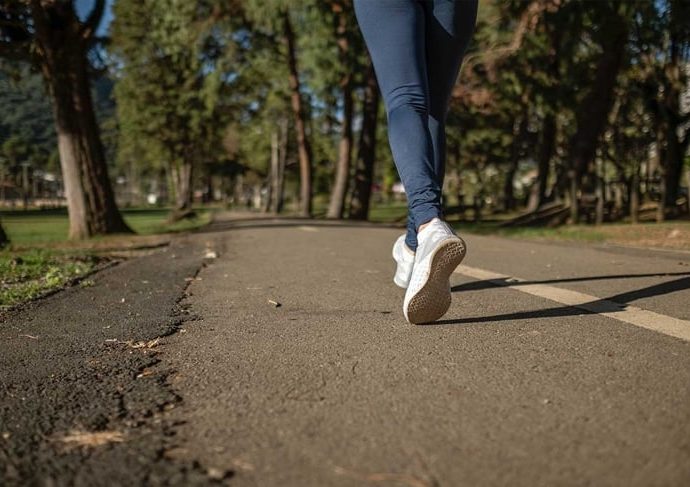
    Don’t sacrifice time with loved ones for your workout. Combine social time by walking together around the neighborhood or on trails.

    Pro tip: Bring a health-boosting drink like matcha or rooibos tea to enjoy during your walk.

    3. Try bedtime yoga

    Can you only find time at night? Bedtime yoga helps you move and relax, prepping you for sleep while improving balance and strength.

    Pro tip: List what you’re thankful for during your yoga session to enhance your practice.

    4. Give HIIT workouts a shot

    High-intensity interval training (HIIT) packs big benefits into shorter sessions. Example: 45 seconds of jumping rope followed by a short break, then 45 seconds of squats. HIIT is ideal for those short on time.

    Pro tip: Download a HIIT timer app to track your sets.

    5. Multitask with a treadmill

    Working while walking on a treadmill is becoming popular for remote employees. It allows you to move while getting work done; walking can also curb cravings and boost immune function.

    Pro tip: Choose easy tasks to complete while walking, like reading or answering emails.

    6. Switch up your commute

    Vary your commute by running, walking, or biking a few days a week for a built-in workout. These activities can decrease stress and improve focus.

    Pro tip: Biking instead of driving once a day can decrease your carbon footprint by around 67 percent.

    7. Involve the kiddos

    Can’t find alone time? Involve the kids! Have them do yoga with you or bike alongside you while you run.

    Pro tip: If they can’t join, sign them up for an activity near your gym.

    8. Take a resistance band on the go

    Keep a resistance band handy for mini workouts anywhere. They’re affordable and effective for building strength.

    Pro tip: A jump rope is another portable tool for a great cardio workout.

    9. Create healthy hobbies

    Find exercises that bring you joy, like dancing, geocaching, or walking to your favorite coffee shop.

    Pro tip: Try indoor rock climbing for a unique, heart-pumping hobby.

    10. Switch it up

    Don’t stick to one workout. Mix it up with gym days, long walks, and yoga sessions to stay motivated throughout the year!

    Pro tip: Schedule rest days for muscle recovery and relaxation.

    By Makena Wardle

    Article Courtesy of Alive Magazine
  • Bridging the gap

    Bridging the gap

    Bridging the gap

    Empowering men to prioritize health

    Stark gender differences exist in seeking both physical and mental health care. Understanding these differences and how professionals can identify those less likely to seek help will aid in developing targeted strategies.

    A 2016 Canadian study published in BMC Family Practice highlighted factors influencing why men are less likely to seek medical help than women. It suggests greater variability in how individuals decide to seek mental health help due to stigma, particularly among men.

    Why it matters

    Prioritizing health is crucial for men, aiding their well-being and positively impacting those around them. When men take care of their health, they can live longer, healthier lives, reducing chronic disease risk and enhancing their quality of life.

    This proactive approach can lead to increased energy, better mental clarity, and positive outlooks, improving interactions with family and friends. Men who prioritize health become role models, inspiring healthier lifestyles within their communities and families, encouraging children to adopt good habits themselves for a healthier next generation.

    Prioritizing men’s health: A call to action

    Men’s reluctance to seek health care, especially for mental health, can have serious consequences. Recognizing the factors deterring men from seeking help is the first step to breaking down barriers.

    Addressing these issues can create a more inclusive health system encouraging men to prioritize their health. However, the challenge lies in turning this knowledge into actionable strategies.

    Physical health

    There is a slightly greater inclination among men to seek help for physical health issues, but improvements are needed. Encouraging regular checkups and educating men about critical health screenings can save lives.

    Mental health

    The gender gap in seeking mental health care highlights the need for a cultural shift. Normalizing conversations about mental health among men and providing resources can help them seek assistance without fear of judgment.

    Regular checkups

    Identifying reluctant men allows for targeted interventions. Health practitioners can reach out, offering information and support to encourage regular health checkups.

    Healthy relationships and work-life balance

    Promoting healthy relationships and balanced lifestyles creates supportive environments, making it easier for men to seek help.

    Improving eating habits and reflecting on unhealthy behaviors

    Educating men on nutrition and the effects of unhealthy behaviors can motivate long-term health changes.

    Supplements and overall health

    While supplements can support health, their use should be informed by healthcare advice, complementing healthy choices rather than replacing them.

    Encouragement for the journey ahead

    To advance, we must break down barriers preventing men from seeking care, creating a society where they feel supported in prioritizing their health, benefiting themselves and those around them.

    Change won’t happen overnight, but with targeted policies, supportive communities, and shifting societal attitudes, we can close the gap in health care seeking between genders. Let’s champion a healthier future for all men, making health care access inclusive and a priority for everyone.

    By Theodore D. Cosco, PhD (Cantab) Cpsychol

    Article Courtesy of Alive Magazine
  • Give yourself a life detox!

    Give yourself a life detox!

    Give yourself a life detox!

    Follow through on your healthy living goals

    A healthy lifestyle is an accumulation of small actions that add up to vitality and longevity. Sometimes we know what changes we need to make in our lives but have a hard time getting around to doing them. And sometimes we know we need changes but aren’t clear about what to do. These tips from a professional psychotherapist will help you clarify goals, stop procrastinating, and start thriving.

    Step 1: Specify your goals

    “You can’t heal what you don’t acknowledge,” says Elenora Molnar, master therapeutic counselor.

    Step 2: Reflect on the goal

    It’s helpful to understand why you developed the unhealthy habit in the first place, so you can replace it with a healthier habit that fulfills the same need, says Molnar. If your mornings are hectic because you look at your phone for an hour before getting out of bed, it may be because you want to delay the start of the day without having to think or problem-solve.

    “Make a plan to start off your day without looking at your phone for one hour,” suggests Molnar. Instead of looking at social media, replace that time with a quick yoga video or walk around the neighbourhood. This gets your body active, while also letting your mind rest and gear up for the day.

    You may want to try a digital detox. Set some firm boundaries around screen time, consider deleting certain apps from your phone, or take a break from social media for a designated amount of time.

    Replace a bad habit with a good one

    “Start overriding your bad habits with new routines,” suggests Molnar. For example, if you want to start jogging, overwrite being sedentary in the evening by taking an easy jog at the same time you would usually be sitting down.

    If you’re trying to stop eating junk food at night, instead of turning on the TV, work on a puzzle, read a book, or do any activity that you don’t associate with snacking. Start with small steps that slowly become your new habits.

    Be flexible

    It’s great to have ambitious goals, but if you’re unrealistic at the beginning, you’ll have trouble meeting them. This can cause you to give up completely. “It’s great to have goals, but give yourself permission to say that goals can change. Always have a plan, but know you can change your plan,” says Molnar.

    Step 3: Find a support group

    Experts say that one of the surest ways to keep with your physical or mental health goals is to find a support group of likeminded people looking to accomplish similar goals.

    Explains Molnar, “When you’re in a group where everyone is focused on the same thing, it’s really powerful because you can be compassionately witnessed by those people. I’m thinking of therapy, but it doesn’t necessarily have to be therapy. It could be a running group or a gardening group.”

    By Stephanie MacDonald

    Article Courtesy of Alive Magazine

  • Think beyond your lifespan

    Think beyond your lifespan

    Think beyond your lifespan

    Consider your “healthspan” with regenerative medicine

    Regenerative medicine is a rapidly evolving field that promises to alter the way we view health and the aging process. Combining the fields of biology, medicine, and engineering, regenerative medicine aims to repair or replace damaged tissues and organs by harnessing the body’s capacity for self-healing.

    A beacon of hope for improved aging

    While we are far from discovering a “Fountain of Youth,” work in this area highlights the body’s potential to counteract time’s effects more efficiently than we previously understood, given the right tools and conditions. Consequently, regenerative medicine has emerged, showing promise as a source of improved natural aging.

    Aging is an inevitable process, and despite our best efforts, nothing can turn back the hands of time. That said, our understanding of the aging process has been profoundly deepened by the advancements in fields such as regenerative medicine.

    Innovative treatments, such as stem cell therapies and platelet-rich plasma (PRP) treatments, have moved from the realm of science fiction to reality, presenting opportunities for individuals with a range of health conditions to benefit from these therapies. However, to make the most informed decision, those interested in moving forward with these treatments should consult a trusted healthcare professional.

    Enriching our healthspan

    The promise of regenerative medicine extends beyond merely increasing our lifespan. It’s all about enriching our “healthspan”—the part of our lives spent in good health. The physical benefits associated with regenerative medicine should be matched with enhanced mental well-being, highlighting the connection between physical and mental health.

    The role of regenerative medicine in mental health has become increasingly important. Neurodegenerative diseases, like Alzheimer’s and Parkinson’s, are a significant concern for aging populations, but could potentially be combatted through the regeneration of brain cells. Overall, the improvement of cognitive function and overall mental health through regenerative therapies could drastically enhance the quality of life for aging individuals.

    Lifestyle influences aging

    Alongside regenerative therapies, lifestyle factors significantly influence aging. Adequate nutrition, regular physical activity, sufficient sleep, and active social engagement, alongside regenerative therapies, could contribute to a fulfilling aging experience.

    Envision a future where aging is not synonymous with decline, but with growth, wisdom, and an improved quality of life. That is the potential of regenerative medicine. It offers a proactive approach to health, promising a future where we don’t merely bear witness to our aging process but actively shape it.

    Regenerative lifestyle tips

    Adopting regenerative principles in daily life can foster greater healthspan.

    • There is strong evidence that physically active people have better health-related physical fitness and are at lower risk of developing many chronic diseases.
    • Eating a balanced diet rich in omega-3s improves cognitive health.
    • Maintaining social connections improves mental resilience.

    By Theodore D. Cosco, PhD

    Article Courtesy of Alive Magazine

  • Your menopause journey

    Your menopause journey

    Your menopause journey

    Tips to help you navigate

    Somewhere in our fourth decade of life, our bodies start acting up—hot flashes, night sweats, sleep problems, and irregular periods. Ditto for depression and mood swings, joint pain, bloating, memory issues, low libido, hair changes, and weight gain, particularly in the midsection.

    It’s a rollercoaster, and it starts with perimenopause around the age of 40 (or earlier) and it can last between six to eight years.

    Menopause is the one-day milestone women reach once they have gone without a period for a year (tracking makes sense!). After that, it’s all post-menopause. Many symptoms subside, but the risk of some chronic diseases can go up.

    Behind the scenes

    Estrogen and progesterone work together to orchestrate the menstrual cycle, and they start fluctuating during perimenopause. So does testosterone, which can cause depression and lower libido, and may increase the risk of cardiovascular diseases and insulin resistance during post-menopause.

    Estrogen keeps almost everything running smoothly in a woman’s body: menstrual cycles, glucose balance, brain and heart health, temperature control, immunity, bone and muscle health, pelvic floor health, and skin and hair, too. Low estrogen means hot flashes, insomnia, vaginal dryness, and incontinence, among others. Too much of it leads to breast tenderness, bloating, and heavy periods.

    How our bodies change

    After 30, we lose approximately 3 to 5 percent of our muscle mass each decade, which is due to aging (so is fat tissue accumulation), but menopause can add to it due to dwindling estrogen levels.

    We also lose bone tissue (20 percent of bone loss happens during menopause), more so after 50.

    Both menopause and the aging process have impacts on metabolism. Postmenopausal women often have higher blood glucose and insulin levels, which can increase the risk of metabolic syndrome and heart disease.

    Not exactly hot news, but it’s not all gloom and doom either. Science has answers!

    Eat better for a better journey

    • Consider following the Mediterranean diet
    • Get enough protein
    • Eat fermented foods such as sauerkraut and kimchi
    • Consume calcium-rich foods
    • Don’t forget vitamin D

    Lifestyle matters, too

    The menopausal journey overlaps high stress times for many women: parenting, work demands, caring for aging parents, and/or dramatic life changes.

    Slash stress levels with yoga and meditation and prioritize sleep with good habits: early dinners, choosing books over screens, reducing alcohol, swapping out beverages for soothing herbal teas, and staying social.

    Two to three sessions of resistance exercise weekly may help prevent muscle loss and bone loss, improve body composition, and boost cognition.

    Supplements to consider

    Remember, always check with your health care practitioner to ensure a supplement is right for you.

    flaxseedssource of fiber, omega-3s, and lignans (help eliminate excess estrogen)
    probiotics and prebioticsmay help with gut imbalances, including bloating and gas
    omega-3 fatty acidsanti-inflammatory, cardioprotective, increase insulin sensitivity
    vitamin B12red blood cell and DNA production, cardio- and neuroprotective

    By Daniela Ginta, MSc, NNCP

    Article Courtesy of Alive Magazine

  • Kick seasonal allergies to the curb

    Kick seasonal allergies to the curb

    Kick seasonal allergies to the curb

    Magnifying the immune response

    Seasonal allergies plague sufferers with aggravating symptoms, which can reduce productivity, incur expenses, and have a negative impact on health-related quality of life. Having seasonal allergies also increases the risk of developing related conditions, such as asthma, chronic sinusitis, and nasal polyps. Those with seasonal allergies may wonder, why me?

    Staying immune

    The immune system is overworked and underpaid. It’s constantly responsible for scanning the body for precancerous cells, sensing and fighting infection, and regulating inflammation. The immune system must also maintain tolerance to the body’s own cells and tissues, as well as to antigens from food and the environment.

    Immune tolerance is the prevention of an immune response against a certain antigen. This is important for maintaining overall balance in the body and preventing autoimmune and allergic reactions. But when it comes to seasonal allergies, tolerance to a normally harmless environmental antigen, such as grass or birch pollen, is lost.

    What’s in a name?

    Also known as hay fever, allergic rhinitis symptoms include nasal congestion, runny nose, frequent sneezing, and itchy nose and eyes. Allergic rhinitis may result from both seasonal and perennial allergies.

    Seasonal allergens are airborne particles from the environment that, in those who are hypersensitive, trigger allergic rhinitis upon inhalation. Symptoms wax and wane with the season. Common seasonal allergens include pollen from grass, trees (including birch), ragweed, and mold.

    Perennial allergens are unrelated to the season and may cause allergic rhinitis in hypersensitive individuals all year long. Common perennial allergen sources include pet dander, house dust mites, and cockroaches.

    Treatment options

    If over-the-counter allergy medications just aren’t cutting it, consider asking for help. Allergists may offer skin prick testing and other forms of assessment. Treatment may include an intranasal, oral, or ocular antihistamine or corticosteroid, or a combination of both.

    Allergen immunotherapy (“allergy shots”) may be indicated for patients with persistent symptoms. This involves administering a small amount of allergen into the skin or under the tongue to stimulate an allergic response, with the goal of building tolerance over time.

    Acupuncturists and naturopaths can also provide individualized treatments for seasonal allergy sufferers.

    Lifestyle strategies

    • Wear a hat, glasses, and nasal filters when outdoors.
    • Shower upon return from work or a walk.
    • Irrigate nasal passageways via neti pot with distilled water and salt.
    • Keep windows closed.
    • Wash curtains, carpets, and bedding regularly.
    • Mop floors regularly.
    • Use HEPA air filters.
    • Eradicate mold.

    Supplements for seasonal allergies

    The following supplements may reduce symptom severity:

    • quercetin
    • green tea
    • propolis
    • bee pollen
    • probiotics
    • vitamin c

    Remember, always check with your health care practitioner before taking a new supplement.

    By Dr. Cassie Irwin, ND

    Article Courtesy of Alive Magazine