Tag: seasonal

  • Finding joy in the darkness

    Finding joy in the darkness

    Finding joy in the darkness

    Tips for coping with seasonal affective disorder

    Do you look forward to the coziness of colder months, or do you find yourself contemplating hibernation until spring? About 15 percent of Canadians experience variations of the winter blues, and seasonal affective disorder (SAD) affects two to three percent, especially women and younger people.

    For some, adjusting to rain, snow, and darkness is a matter of reframing their mindset. But beyond mindset shifts, there are ways to ease the seasonal journey.

    Shades of (winter) blues

    Winter blues are milder than SAD, a depressive mood disorder linked to seasonal changes. SAD usually occurs in fall or winter but can also happen in spring or summer.

    The blues may cause slight sadness, less motivation, and a desire to curl up with comfort foods. SAD, however, can be more severe—interfering with routines, social withdrawal, loneliness, irritability, weight gain, and disrupted sleep.

    Light levels matter

    Less sunlight affects serotonin, a mood-regulating neurotransmitter. Reduced light increases melatonin, making us sleepier. Low vitamin D levels, common in winter, are also linked to lower moods.

    Some find relief with light therapy—using bright light sources far stronger than regular indoor lighting.

    Plan for darker days

    Balancing hibernation and activity is key. Schedule regular social events like dinners or movie nights, and aim for daily walks. Talking about feelings can help; cognitive behavioral therapy is often as effective as light therapy.

    Setting up for sleep

    Too little sleep harms mood, but oversleeping can also be problematic. Maintaining consistent bedtimes and wake times, aiming for seven to nine hours, supports mood. Routine sleep patterns maximize mood-boosting benefits.

    Eat to support your body (and theirs, too)

    Regular mealtimes help regulate your circadian rhythms and improve mood. Feed your gut bacteria with fiber, protein, healthy fats, and unrefined carbs—they boost serotonin and support mental health.

    Taking care of ourselves during cold months doesn’t mean avoiding a “down” day. Observe, breathe deeply, and allow yourself slow, restful days. Balance is everything.

    By Daniela Ginta

    Article Courtesy of Alive Magazine

  • Kick seasonal allergies to the curb

    Kick seasonal allergies to the curb

    Kick seasonal allergies to the curb

    Magnifying the immune response

    Seasonal allergies plague sufferers with aggravating symptoms, which can reduce productivity, incur expenses, and have a negative impact on health-related quality of life. Having seasonal allergies also increases the risk of developing related conditions, such as asthma, chronic sinusitis, and nasal polyps. Those with seasonal allergies may wonder, why me?

    Staying immune

    The immune system is overworked and underpaid. It’s constantly responsible for scanning the body for precancerous cells, sensing and fighting infection, and regulating inflammation. The immune system must also maintain tolerance to the body’s own cells and tissues, as well as to antigens from food and the environment.

    Immune tolerance is the prevention of an immune response against a certain antigen. This is important for maintaining overall balance in the body and preventing autoimmune and allergic reactions. But when it comes to seasonal allergies, tolerance to a normally harmless environmental antigen, such as grass or birch pollen, is lost.

    What’s in a name?

    Also known as hay fever, allergic rhinitis symptoms include nasal congestion, runny nose, frequent sneezing, and itchy nose and eyes. Allergic rhinitis may result from both seasonal and perennial allergies.

    Seasonal allergens are airborne particles from the environment that, in those who are hypersensitive, trigger allergic rhinitis upon inhalation. Symptoms wax and wane with the season. Common seasonal allergens include pollen from grass, trees (including birch), ragweed, and mold.

    Perennial allergens are unrelated to the season and may cause allergic rhinitis in hypersensitive individuals all year long. Common perennial allergen sources include pet dander, house dust mites, and cockroaches.

    Treatment options

    If over-the-counter allergy medications just aren’t cutting it, consider asking for help. Allergists may offer skin prick testing and other forms of assessment. Treatment may include an intranasal, oral, or ocular antihistamine or corticosteroid, or a combination of both.

    Allergen immunotherapy (“allergy shots”) may be indicated for patients with persistent symptoms. This involves administering a small amount of allergen into the skin or under the tongue to stimulate an allergic response, with the goal of building tolerance over time.

    Acupuncturists and naturopaths can also provide individualized treatments for seasonal allergy sufferers.

    Lifestyle strategies

    • Wear a hat, glasses, and nasal filters when outdoors.
    • Shower upon return from work or a walk.
    • Irrigate nasal passageways via neti pot with distilled water and salt.
    • Keep windows closed.
    • Wash curtains, carpets, and bedding regularly.
    • Mop floors regularly.
    • Use HEPA air filters.
    • Eradicate mold.

    Supplements for seasonal allergies

    The following supplements may reduce symptom severity:

    • quercetin
    • green tea
    • propolis
    • bee pollen
    • probiotics
    • vitamin c

    Remember, always check with your health care practitioner before taking a new supplement.

    By Dr. Cassie Irwin, ND

    Article Courtesy of Alive Magazine

  • Cranberry Hot Toddy

    Cranberry Hot Toddy

    Cranberry Hot Toddy


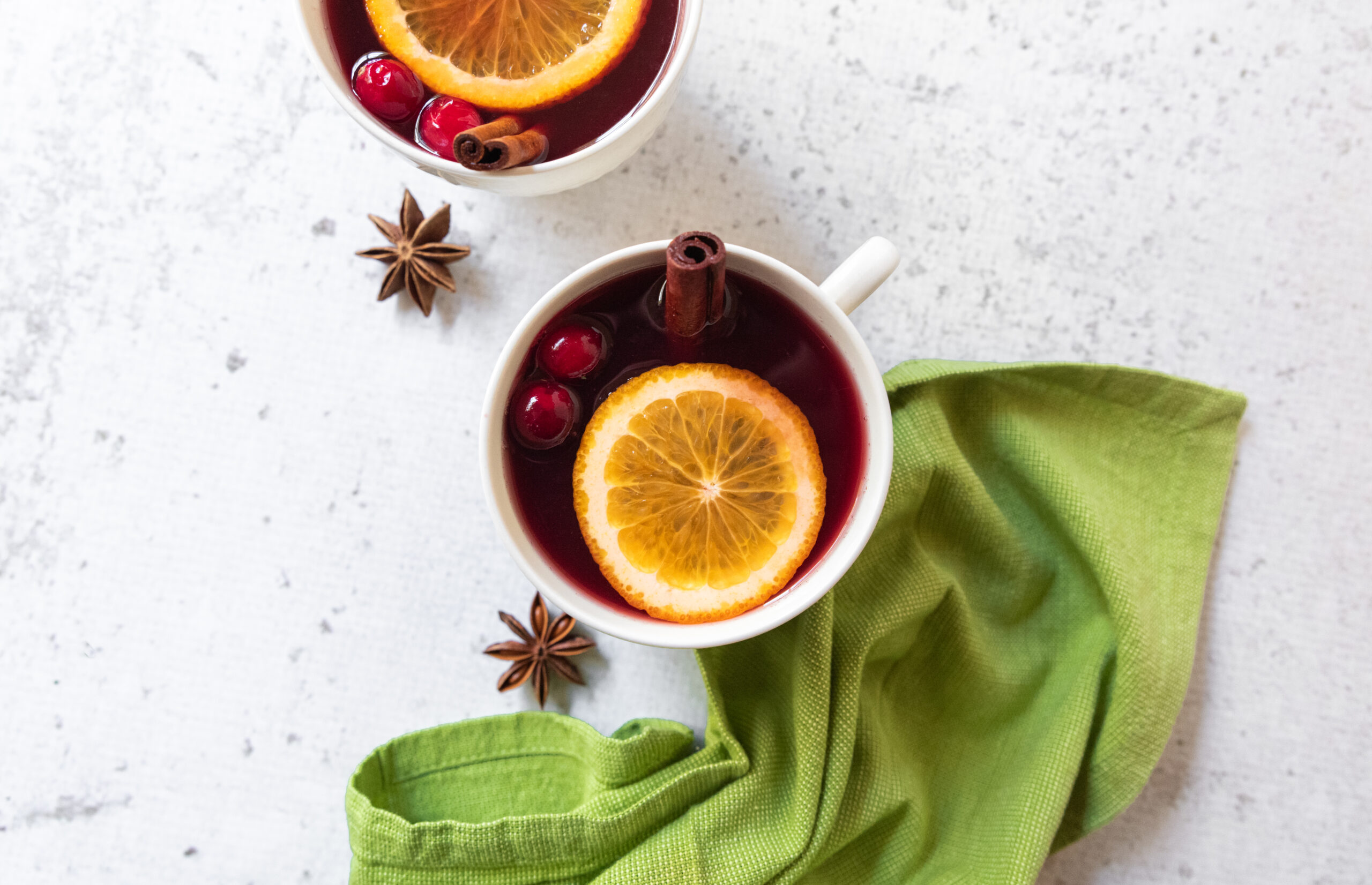
    When you’re looking for a seasonal drink to keep the cold at bay, try this cranberry hot toddy. With a base of warming spices and an optional tipple of whiskey, this toddy will soothe your throat and keep you wassailing all season long!

    Cranberry Hot Toddy

    Servings 1

    Ingredients

    • 3 ¾ cups cranberry juice (unsweetened)
    • 1 ¼ cups water
    • 6 tbsp honey
    • ¼ cup cane sugar
    • 1 orange sliced
    • 3 cinnamon sticks
    • 10 whole cloves
    • 3-4 inches fresh ginger thinly sliced
    • 2 star anise
    • ½ cup Bourbon or Whiskey optional

    Instructions

    • In a quart-size saucepan, add all the ingredients except for the bourbon.
    • Bring mixture to a gentle simmer and cook for 5–10 minutes. Turn off heat and adjust sweetness to taste by adding more cane sugar and/or honey.
    • Carefully strain mixture and add bourbon, if using.
    • Serve in heat proof mugs and garnish with orange slices, cinnamon sticks, and fresh cranberries.

    Notes

    Substitute agave for honey to make vegan.

    Recipe Provided by INFRA

  • Asparagus Pappardelle

    Asparagus Pappardelle

    Asparagus Pappardelle


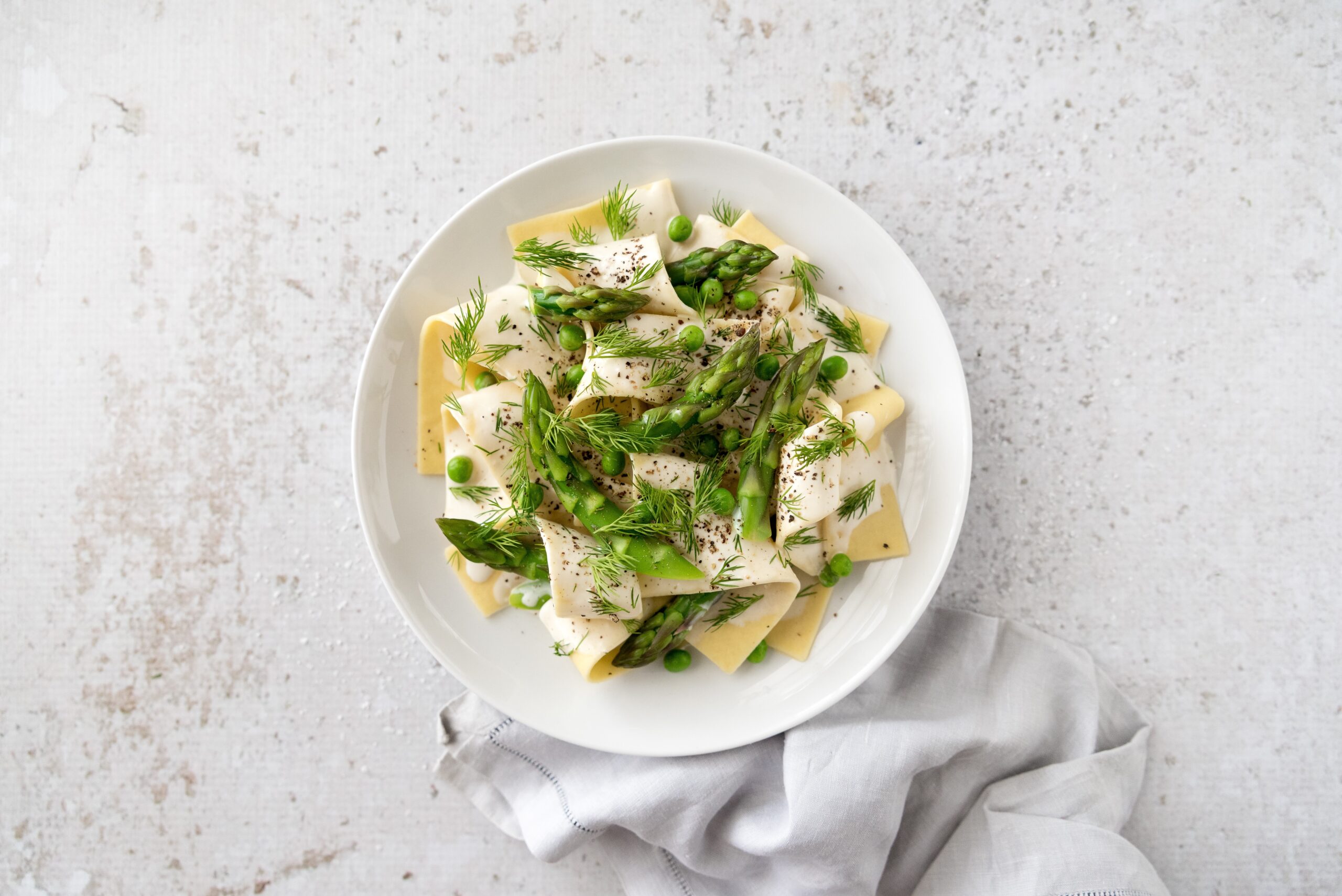
    Spring is in the air! With this asparagus pappardelle, you can have spring in your bowl, too! Whether you like pencil thin asparagus or heartier thicker stalks, asparagus is the quintessential spring vegetable. It’s the harbinger of the season. Combined with other tender green produce, dill and peas, and a light cream sauce, you know you can have dinner on the table in less than 30 minutes. The asiago cheese and shallots build a lot of flavor without overpowering the freshness of the veggies. We’ll be making this recipe all spring long as we wait to see what else our local farmers have to offer.

    Asparagus Pappardelle

    Spring is in the air! With this asparagus pappardelle, you can have spring in your bowl, too! Plus you can have dinner on the table in less than 30 minutes.
    Servings: 4

    Ingredients
      

    • 4 tablespoons olive oil
    • cup shallots minced
    • 3 Large garlic cloves minced
    • 1 pound pappardelle pasta
    • 1 pound fresh asparagus cut into 1-inch pieces (discard woody parts)
    • ½ cup frozen peas
    • cups heavy cream
    • cups asiago cheese shredded
    • ½ teaspoon sea salt
    • ½ teaspoon coarse ground black pepper
    • ½ ounce fresh dill stemmed

    Method
     

    1. Bring a large pot of salted water to a boil.
    2. Heat oil in a large saucepan and add shallots. Cook shallots until translucent then add garlic and cook for a minute. Add cream and bring to a gentle simmer. Add shredded cheese and stir until melted. Reduce heat to low.
    3. Cook pasta as directed on package. Add asparagus and peas one minute before pasta is done. Strain and add to sauce. 
    4. Toss pasta to coat and season with salt and pepper. Sprinkle with dill and serve promptly.
    5. Enjoy!

    Recipe Provided by INFRA

  • Avoid seasonal stress-based eating

    Avoid seasonal stress-based eating

    Avoid seasonal stress-based eating

    Tips from a pro

    Everyone knows the holidays can be stressful. But it’s not just the effort to stay on budget or the dinnertime antics of your oddball uncle that make this time of year challenging. Healthy eating can take a nosedive at this time of year, too. End your year on a high with proactive measures to avoid getting caught in the food trap.

    Plan ahead

    Joan Ifland, PhD is the chief executive officer of Food Addiction Training, LLC, and is a leading innovator in the field of recovery from food addiction. She shares some insights about how to prepare for the holidays and its associated overindulging.

    At this time of year, the holiday gathering, with its lavish edible spread, is often the culprit. Simply saying you won’t indulge may not be enough to spare you from getting sucked into that vortex of stress and indulging, Ifland warns.

    “You get [to a party] and after an hour or two, you’re eating [unhealthy foods],” she says. “It’s because cravings and loss of control build up over time.”

    Instead, take your own snacks—think crudités, healthy proteins, or other foods that are as close to their natural, unprocessed shape and form as possible—and keep it near you. If that’s not possible, avoid standing in a place with a clear view of the hors d’oeuvres table.

    Drink water

    Be sure to get a glass of water as soon as you arrive, and hang onto it. It keeps one hand busy, and reduces the chance of someone passing you a cocktail chock full of simple syrup and alcohol.

    Be easy on yourself

    Whatever happens, go easy on yourself, Ifland advises. Changing our behaviors to break the processed food addiction cycle can take years.

    “There are so many foods that have been deliberately processed to make them addictive. It can take a couple of years to get off all of them. When people know it’s a long, slow process, they give themselves permission to celebrate their wins.”

    What about alcohol?

    Getting into the holiday spirit, for many, often means getting into the spirits. But pouring yourself a tall cold one to make things merrier might actually make the season far less bright.

    Binge drinking increases around the holidays, which is often related to social or financial stress that comes with celebrating at this time of year. Stress and alcohol can create a toxic cocktail for our brains, no matter how much we might think we’re being released from our inhibitions when we imbibe.

    “Alcohol [can be] highly addictive,” says Ifland. And it can have potentially serious consequences that include impairing cognitive skills and our self-control. While that might feel fun in the moment, any feelings of comfort and joy experienced while tippling are fleeting, Ifland warned. If you are concerned about your relationship with alcohol, chat with your doctor.

    Article Provided by Alive Magazine

  • How-To: Cut Butternut Squash

    How-To: Cut Butternut Squash

    How-To: Cut Butternut Squash

    Thanks to Christine Waltermyer

    Christine Waltermyer is a local and renowned Wellness Chef, private chef to celebrities, published cookbook author and founder of the Natural Kitchen Cooking School, which offers an online Plant-Based Cooking Program. She also loves shopping at Basil Bandwagon! Visit naturalkitchenschool.com to subscribe to her email newsletter for new recipes, tips, and FREE access to the Power of Veggies mini-course!


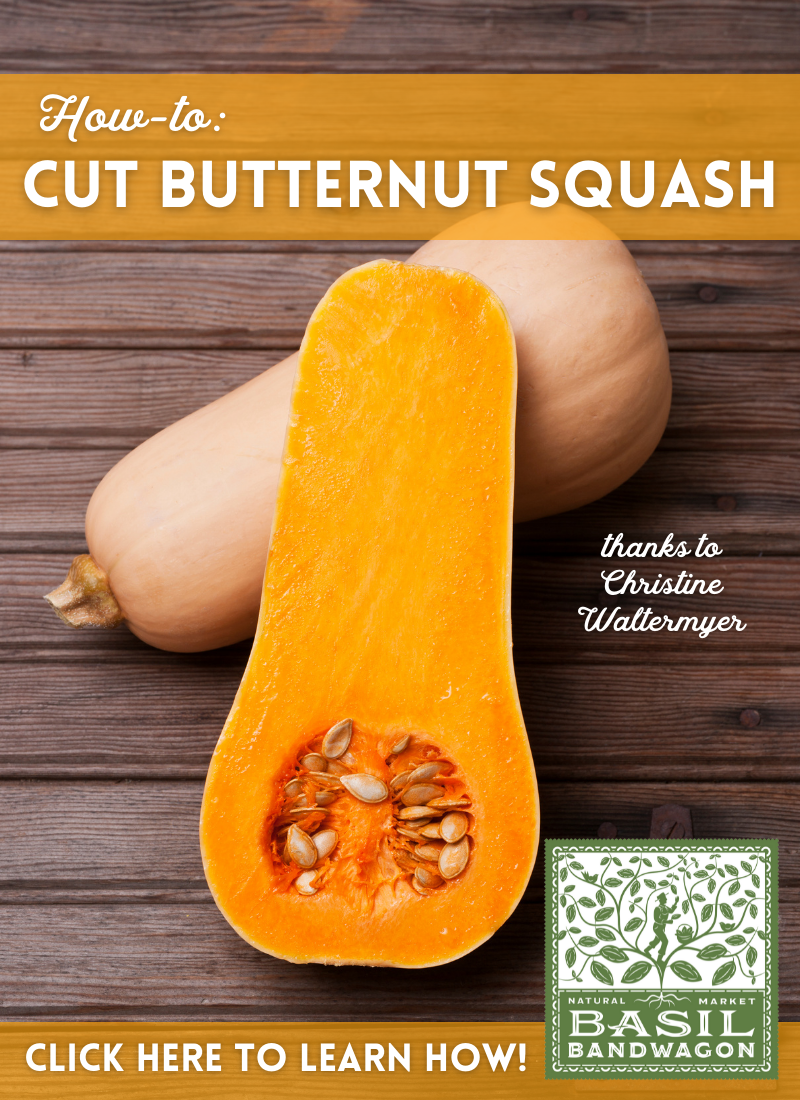
    Did you know that squash and melons are related? Although related, cutting them is slightly different! Thankfully, Christine Waltermyer and The Natural Kitchen Cooking School has perfected how to cut a butternut squash – and created a how-to video for us. The next time you shop at Basil Bandwagon Natural Market, pick up a fresh, organic butternut squash, practice your cutting skills, and add it into your favorite recipe!

    How-To: Cut Butternut Squash

    Keyword butternut squash, how-to

    Ingredients

    • 1 butternut squash

    Instructions

    • Place the butternut squash on a cutting board. Using a sharp knife, carefully remove any bad spots. Carefully slice off both ends of the squash.
    • If you want to peel the squash, use a peeler to remove the skin. Note that the peeled squash is slippery. So if you find it difficult to hold onto, you can use a paper towel to dry it off a bit.
    • Cut the length of the squash in half, separating the part that contains the seeds from the “neck” of the squash.
    • Use a spoon to remove any seeds from the neck of the squash. Place on the cutting board the flat cut side of the half containing the seeds. Cut this in half. Use a large spoon to remove the seeds.
    • Decide what size pieces you want to cut: fine dice, small dice, medium dice, large dices, etc. If cutting into fine diced pieces, slice the squash into very thin pieces. Then cut those pieces into long thin sticks. Cut the other direction to make small dices. If making big chunks, cut into roughly ½-inch size long pieces, then cut them into long strips and cut the other direction to make ½-inch squares. Use in your favorite recipes.

    Thank you to Christine Waltermyer and the Natural Kitchen Cooking School for working with us to help promote healthy, nutritious meals and products that are affordable, full of nutrients, and simple to make at home!