Tag: supplements

  • Maintaining the brain as we age

    Maintaining the brain as we age

    Maintaining the brain as we age

    How to leverage nutrition and lifestyle science to slow brain aging

    A 2024 brain-imaging study in older adults compared intake measures of key nutrients with signs of brain health, identifying the foods and nutrients most strongly associated with slower brain aging.

    Omega-3 fatty acids

    Individuals who demonstrated signs of delayed brain aging tended to have higher bodily concentrations of the anti-inflammatory omega-3 fatty acids Inflammation is considered a hallmark of brain aging as it disrupts the blood-brain barrier, making the brain more susceptible to structural damage over time.

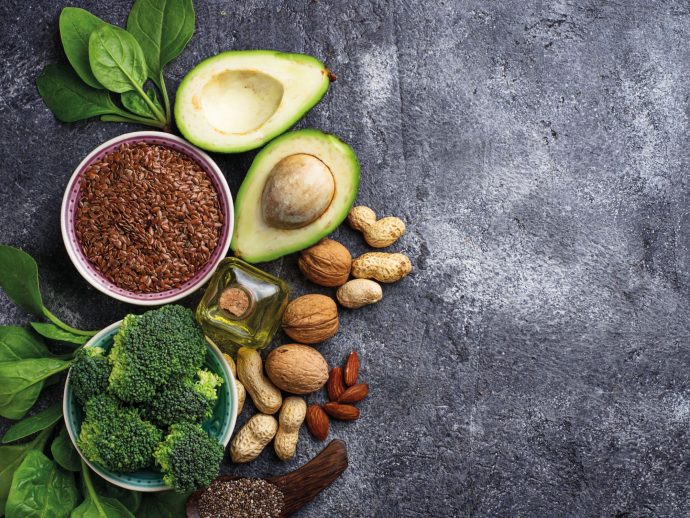
    EPA and DHA are found in fatty fish like salmon, sardines, and trout, while ALA is found in flaxseed, hempseed, chia seed, soy-based foods, and walnuts.

    Carotenoids

    Oxidative stress, which carotenoids help to combat, is considered another hallmark of brain aging. It’s unsurprising that a high carotenoid intake was associated with better brain health.

    Carotenoid sources include spinach, kale, bell peppers, tomato, watermelon, broccoli, carrots, grapefruit, and cantaloupe.

    Vitamin E and choline

    Having higher bodily levels of vitamin E is associated with better cognitive health. Vitamin E is found primarily in nuts, seeds, leafy greens, and fish.

    Choline is a precursor to creating a compound known as phosphatidylcholine, which populates brain cell membranes and regulates the release of various neurotransmitters required for optimal brain function. Choline is found in foods including eggs, edamame, cauliflower, beef, chicken, peas, pork, broccoli, and milk.

    The gut-brain connection

    Older adults with cognitive issues are much more likely to have a gut microbiome characterized by imbalances in good and bad bacteria, with an overrepresentation of pro-inflammatory species.

    A healthy gut microbiome produces beneficial compounds known as short-chain fatty acids (SCFAs), which have an anti-inflammatory influence and facilitate healthy gut-brain communication via multiple pathways.

    These influences include enhanced nutrient absorption and keeping the intestinal lining strong, thus preventing toxins from entering the blood stream and crossing the blood-brain barrier via the gastrointestinal tract. This is where polyphenols come in.

    Polyphenols―the gut-brain connectors

    Polyphenols are a family of plant-based compounds known to encourage gut bacteria to produce beneficial SCFAs.

    In 2018, Neurology published a study—involving 1,329 older adults followed over 12 years—that found those in the highest consumption category of polyphenols had a 50 percent lower risk of dementia than those in the lowest consumption category.

    Easy ways to boost your dietary exposure to polyphenols include cocoa powder, ground flaxseed, artichoke, blueberries, and more frequent use of culinary herbs/spices.

    by Andy De Santis, RD, MPH

    Article Courtesy of Alive Magazine

  • Break free from conventions with traditional medicine

    Break free from conventions with traditional medicine

    Break free from conventions with traditional medicine

    Bridge the gap between conventional and traditional medicine to enhance health

    Traditional Chinese medicine

    Traditional Chinese medicine (TCM) revolves around qi, a concept in Chinese culture describing the energy that flows through everything. An imbalance of qi can cause disease. The ancient Chinese believed that good health comes down to achieving an equilibrium between your internal organs and natural surroundings. Acupuncture, tai chi, and cupping therapy are all TCM modalities.

    Traditional Indian medicine

    In India, traditional medicine is divided into three categories: Ayurveda, Siddha, and Unani. Ayurveda, the most used, is a holistic, personalized system aimed at promoting longevity. As in TCM, Indian medicine is centred on balancing bodily organs and external elements.

    Traditional Indigenous medicine

    For centuries, Indigenous populations in North America have practised their own traditional forms of wellness through ceremonies; plant, animal, or mineral-based medicines; energetic therapies; and physical or hands-on techniques, all of which rely upon an emphasis on Mother Earth.

    Traditional African medicine

    Traditional African medicine is deeply rooted in the spiritual, with many practitioners using divination to connect with the gods and ancestral spirits for diagnosis before treatment with herbal medicines.

    How is traditional medicine different?

    Traditional medicine is often treated as pre-scientific, but a lot of conventional medicines come from plants. For example, aspirin was derived from the bark of a willow tree and morphine is extracted from the opium poppy, while vincristine—long-used in chemotherapy treatments—was isolated in 1961 from a Madagascar periwinkle flower.

    Benefits of traditional medicine

    One of the key benefits of traditional and alternative medicine is its holistic approach to health. Alternative medicine practitioners often spend over an hour with a patient each session, addressing a myriad of different concerns.

    Complementary and alternative medicines

    HerbUses
    garlicmay help reduce inflammation, cholesterol, blood pressure, and blood sugar levels and to help support immunity
    gingermay help treat nausea, heartburn, and bloating; may help reduce inflammation
    elderfloweris used to help treat colds, flu, and constipation; may help lower blood pressure
    ginsengmay boost energy and sex drive
    shea butteris anti-inflammatory; protects skin cells; is used to treat skin and eczema
    ashwagandhamay reduce inflammation, pain, and anxiety
    cuminmay help reduce cholesterol; may help maintain healthy blood sugar levels
    turmericmay help treat arthritis pain, anxiety, and inflammation
    cardamommay help treat nausea; may help to reduce blood pressure, blood sugar, inflammation
    echinaceamay help treat colds, flus, infections, and wounds

    Article Courtesy of Alive Magazine

  • Autoimmune management

    Autoimmune management

    Autoimmune management

    Activate your best assets against autoimmune flares

    An autoimmune disorder (AD) occurs when your body’s defense system can’t differentiate between its own cells and external, threatening cells that results in an attack on your own healthy cells. Some of the more common ADs that you may have heard of include rheumatoid arthritis; psoriasis; lupus; thyroid diseases, such as Graves’ and Hashimoto’s; and type 1 diabetes.

    It’s also worth noting that an AD is a highly biased jerk: it discriminates against women to the tune of about 80 percent of all diagnosed cases. Where it gets serious, and painful, is when the individual with AD experiences flares.

    Flares: these aren’t your momma’s dancin’ pants

    Autoimmune flares are like mini storms in your body, and depending on the type of AD that you have, those flares can attack different organs.

    What causes these flares?

    For some people, consuming alcohol; processed/fried foods; foods with lots of sugar; and high-fat foods, like cheese and some dairy, may be dietary triggers, and they certainly exacerbate the symptoms of flares.

    With time, most individuals managing an AD usually come to an understanding of what triggers a flare in their body. But if someone is undiagnosed, it could really be anything:

    • viral infections like influenza and HPV
    • fungal infections like Candidiasis
    • processed meats, refined sugars, dairy products, or gluten for those with celiac disease
    • environmental factors, like air pollutants, cleaning products, or makeup
    • psychological or physical stress

    Flare management through exercise

    In those with an AD, studies show that regular exercise can help improve mobility, reduce pain, and even offer a much-needed energy boost. It also helps regulate immune function, which means fewer and less intense flares.

    Holistic approach to flare management

    If autoimmune management was as simple as exercising, there would be no need for specialists, but like anything in life, the best approach is the one that considers the important factors: diet, stress, and sleep.

    Diet―let’s talk superfoods!

    When it comes to ADs, what you eat can either fan the flames or cool them down. Luckily, there are some pretty tasty ways to help keep inflammation in check:

             omega-3sfound in fish oil; may help heart health and reduce inflammation.
             curcuminfound in turmeric; is known to fight inflammation
             garlichas immune-supportive effects
             ginsengmay help reduce stress and give energy levels a nudge
            gingeris anti-inflammatory for digestion
            pineapplehelps relieve some inflammation symptoms

    Stress―the silent assassin

    Stress is one of the biggest AD flare triggers. Try some mindfulness techniques like meditation or deep breathing exercises. Yoga or tai chi can be a great way to combine stress reduction with gentle movement.

    Sleep―an underrated ally

    The important role of sleep as an autoimmune regulator cannot be overstated. As best as you can, develop a sleep routine that includes creating a calming environment in your bedroom and limiting late-night doomscrolling.

    By Brendan Rolfe

    Article Courtesy of Alive Magazine

  • Beating winter blues

    Beating winter blues

    Beating winter blues

    Strategies for getting out of our heads and thriving all winter long

    The beginning of a new year brings rejuvenation, goal creation, soul searching, and hope. New year, new you … right? Unfortunately, it’s not always that simple—the bleak winter months can make it hard to realize everything we set our minds to.

    About 15 percent of Canadians report having seasonal depression. Does winter get you down? It doesn’t have to; there are plenty of simple strategies to help mitigate the effects of the season’s gloom.

    What causes winter depression?

    Seasonal affective disorder (aptly referred to by the acronym SAD) is a yearly recurring form of depression that usually coincides with the onset of fall and ends around spring. The loss of natural light impacts our circadian rhythms; our bodies produce more melatonin and less serotonin, reducing our energy levels and overall feelings of happiness.

    What are the symptoms of SAD?

    Some symptoms of winter-onset SAD include the following:

    • oversleeping
    • craving more carbs; overeating
    • weight gain
    • irritability
    • trouble concentrating
    • feelings of hopelessness and guilt
    • loss of interest in social activities
    • negative thoughts

    Who is most vulnerable?

    Women and girls are disproportionately more affected by SAD than men and boys, likely due to hormonal differences and different social expectations. Onset of SAD often occurs in early adulthood.

    How do we get out of our heads?

    Exercise

    Physical activity releases mood-boosting chemicals and, although it may be harder to feel motivated to get active, it’s perhaps even more crucial this time of year when the body is deprived of happiness chemicals dopamine and serotonin.

    Socialize

    Socializing is another key factor. Connecting with others can greatly reduce feelings of isolation and stress and help us feel supported and loved.

    Meditate

    Meditation has been shown to diminish symptoms of depression and anxiety by shifting the brain away from negative thoughts, calming the mind, and changing how the brain responds to triggering situations.

    Get more light

    Light therapy uses a flatscreen device called a light box that emits a strong fluorescent light to mimic the effects of sunlight and, over time, restore natural circadian rhythms. Usually administered for 30 to 60 minutes every morning, most notice results within three to five days.

    How do we affect SAD through diet?

    Eat healthy whole foods

    It’s important to maintain a balanced diet of high-quality foods, like fruits, vegetables, and whole grains, that nourish us with vitamins, minerals, and antioxidants,

    Supplement

    Because there’s less sunlight in the winter, we get less vitamin D, a nutrient that plays a key role in the development of the happiness chemicals in our brains.

    Probiotic supplements encourage the production of healthy bacteria in our gut, which produce serotonin that is then transmitted from the gastrointestinal tract to the central nervous system.

    By Emilie Richardson-Dupuis

    Article Courtesy of Alive Magazine

  • Unravelling the mysteries of memory

    Unravelling the mysteries of memory

    Unravelling the mysteries of memory

    Sharpen your brain with a deeper understanding

    Nearly half of us say we’re concerned about memory loss and declining brain health, despite these issues affecting a smaller group of people. These statistics reveal common misunderstandings about memory and encourage us to explore how we can keep our minds sharp at any age.

    The building blocks of memory

    Memory involves both conscious and unconscious processes. When learning a new skill, like riding a bike, you actively think about each action. Repetition moves this information into a subconscious part of the brain, where recall becomes automatic.

    Information is initially received through senses and encoded into the brain in visual, auditory, or semantic forms. Stored in areas like the hippocampus, this information can be retrieved when needed, prompted by cues such as questions, sensory experiences, or visual triggers.

    Short-term versus long-term memory

    Short-term memory holds information for seconds to minutes. Without effort to transfer it into long-term storage, it’s forgotten. Long-term memory retains information for days, years, or a lifetime, including memories from childhood or recent events.

    Stacking (and unstacking) the building blocks of memory

    Research shows that many can recall moments from when they were just two years old. As we age, brain networks become less segregated, making multitasking more difficult and increasing the risk of cognitive decline.

    Cognition begins to decline in our thirties, with more noticeable changes in our sixties and beyond. Memory can be affected by diseases like Alzheimer’s, which impair recall. As we age, information storage increases, and retrieval can slow down.

    How much of your brain do you really use?

    The myth that we only use 10 percent of our brains is false. Older adults often remember past events better than recent ones because memory-impairing diseases tend to affect parts of the brain responsible for recent information.

    Protect the building blocks of memory

    Lifestyle choices are crucial for brain health and memory preservation.

    Diet

    A healthy diet, such as the Mediterranean or MIND diets, emphasizes whole grains, fresh produce, and fish. Maintaining these diets over decades supports long-term brain health.

    Sleep

    Sleep is vital for clearing toxins and consolidating memories. Seven to eight hours of rest help the brain process and store new information. Even lying down with eyes closed offers rest.

    Exercise

    Physical activity helps re-establish brain connections and enhances encoding abilities. Just one session of exercise, like cycling, can improve learning, speed, accuracy, and memory recall. Exercise also guards against age-related cognitive decline.

    In summary, understanding memory and brain health highlights the importance of healthy lifestyle habits—balanced diet, restful sleep, and regular exercise—to keep our minds sharp at any age.

    By Joshua Duvauchelle

    Article Courtesy of Alive Magazine

  • Fortify your immune system naturally

    Fortify your immune system naturally

    Fortify your immune system naturally

    Simple strategies to fortify your defense system and thrive this cold and flu season

    When fall arrives, the air becomes brisk and fills with the familiar scent of pencils, signaling a new school year. But along with that, harmful germs are also present, ready to strike. Luckily, there are simple ways to support immunity and stay strong against viruses.

    Illnesses to beware of this fall and winter

    Common illnesses include RSV, which causes cold-like symptoms; the flu, with a stuffy nose, sore throat, cough, body aches, and fever; the common cold, with similar symptoms minus aches and fever; and COVID-19, which can cause flu-like symptoms and, in severe cases, shortness of breath.

    Who’s most vulnerable?

    Children, due to their underdeveloped immune systems, are highly susceptible. Vulnerable groups also include those over 65, pregnant women, smokers, and people with chronic illnesses or weakened immune systems.

    What to eat for immune health

    Since the immune system and gut health are linked, focus on gut-supporting foods. Nutrient-dense macronutrients—carbohydrates, proteins, and healthy fats—are essential. Avoid simple carbs, sugars, and processed foods, which can cause blood sugar spikes and stress responses.

    Antioxidants

    Eat a variety of brightly colored fruits and vegetables high in antioxidants—such as berries, leafy greens, carrots, and squash—that offer anti-inflammatory and anti-aging benefits, and help prevent chronic diseases.

    Healthy fats

    Include healthy fats like extra-virgin olive oil, coconut oil, avocado, and nuts to combat inflammation and support cellular health.

    Fermented foods

    Foods with live bacteria—like kefir, sauerkraut, kimchi, and yogurt—provide probiotics that support gut health and the immune system.

    Herbal teas and soups

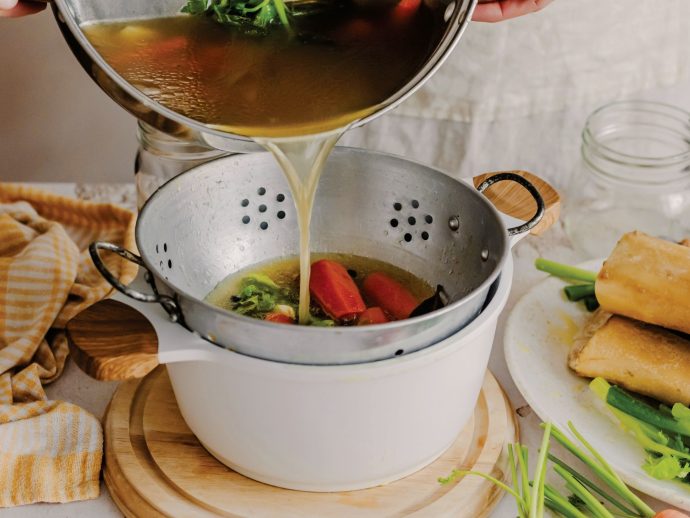
    Herbal teas, soups, and bone broth are nourishing and soothing. Add garlic and warming spices like ginger, cinnamon, and turmeric for their antioxidant and antimicrobial properties.

    Supplements for immune support

    While nutrients from food are ideal, supplements can help fill gaps. They are a convenient way to ensure adequate intake of immune-boosting compounds.

    Echinacea

    Echinacea has antiviral, anti-inflammatory, and antioxidant properties that may help reduce the risk of illness and ease symptoms.

    N-acetylcysteine (NAC)

    Found in onions and garlic, NAC converts in the body to cysteine, supporting glutathione production. It can thin mucus, reduce inflammation, and support immune function.

    Get active to activate immunity

    Exercise increases circulation of immune cells, helping detect and respond to illnesses earlier. It also flushes bacteria from the lungs and airways, with additional benefits like reduced stress and improved overall health.

    Prioritize sleep

    Sleeping less than seven hours increases cold risk. During sleep, the body builds defenses; without enough rest, it lacks antibodies to fight infections. Establishing a bedtime routine, avoiding screens, and limiting caffeine can improve sleep quality.

    De-stress

    Stress weakens white blood cells, making us more vulnerable to infection. Simple practices like yoga or relaxing teas can support mental and physical health.

    By Emilie Richardson-Dupuis

    Article Courtesy of Alive Magazine

  • Children and the flu

    Children and the flu

    Children and the flu

    Arm yourself and your kids for flu season

    The coming fall season brings back-to-school time as well as back-to-cold-and-flu time for many families. What better time to arm ourselves with the information we need to keep our kids—and ourselves—safe against the viral onslaught.

    What is the flu?

    Caused by influenza viruses A, B, or C, the flu is a respiratory infection lasting about a week to 10 days. Seasonal outbreaks involving influenza A or B occur between November and April. While it can be severe in a small percentage of children under five, only about 1 percent require hospitalization.

    How is the flu different from a cold?

    The flu has a rapid onset of more severe symptoms compared to a cold. Flu symptoms include headache, chills, cough, fever, loss of appetite, muscle aches, and tiredness, sometimes with nausea, vomiting, and diarrhea. Fever lasts 3-4 days, with illness resolving in 7-10 days, and can be infectious for up to a week.

    A cold typically involves a runny nose, watery eyes, and sore throat, with milder symptoms developing gradually.

    How can influenza be prevented?

    Influenza spreads through droplets in the air and via contact with contaminated surfaces like toys or doorknobs. Since the virus can survive up to 48 hours on surfaces, frequent handwashing is essential. Other strategies include staying home when sick, teaching children to cover coughs and sneezes, and disinfecting surfaces.

    Can natural health products help in prevention?

    Natural health products can support immunity and reduce complications from secondary infections.

    • Probiotics have been shown to reduce respiratory infections, including the flu, by strengthening immune response.
    • Echinacea may stimulate immune activity and has been linked to fewer respiratory infections and flu cases when used preventively.
    • Vitamin D deficiency is associated with increased risk of respiratory infections; supplementation may help prevent influenza, especially in deficient children.
    • Medicinal mushrooms like turkey tail, shiitake, reishi, and chaga contain compounds that modulate the immune system and have shown antiviral activity in vitro.

    How do you treat the flu?

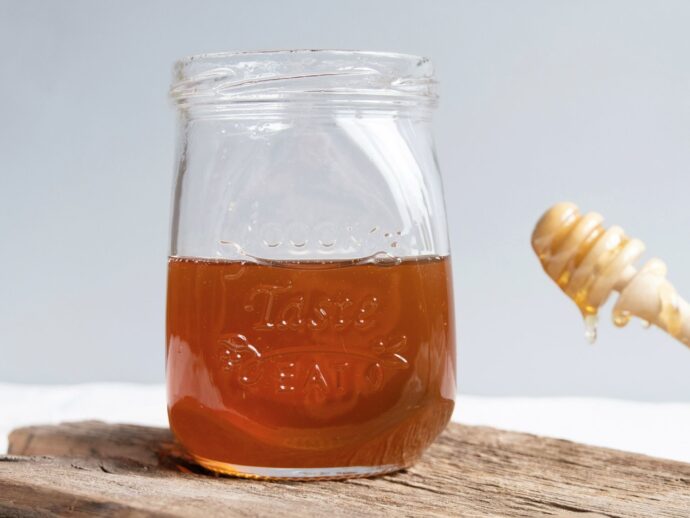
    Mild flu symptoms in children are best managed with supportive care: hydration, light clothing, and a comfortable environment. Tepid baths and cool-mist humidifiers can help reduce discomfort. Honey lozenges (for children over 3) and saltwater gargles can soothe symptoms.

    Over-the-counter cold medicines are not recommended for children under 6 without a doctor’s approval. Aspirin should never be given due to Reye syndrome risk.

    Treating with natural health products

    To reduce symptoms and disease duration, consider echinacea, elderberry, or vitamin D, tailored to your child’s age.

    • Elderberry has antiviral and anti-inflammatory effects and has been associated with reduced upper respiratory symptoms.
    • Echinacea at the start of symptoms may shorten illness duration and promote viral clearance.

    A naturopathic doctor can develop a customized protocol for your child at the first signs of cold or flu.

    By Heidi Fritz, MA, ND

    Article Courtesy of Alive Magazine

  • Bridging the gap

    Bridging the gap

    Bridging the gap

    Empowering men to prioritize health

    Stark gender differences exist in seeking both physical and mental health care. Understanding these differences and how professionals can identify those less likely to seek help will aid in developing targeted strategies.

    A 2016 Canadian study published in BMC Family Practice highlighted factors influencing why men are less likely to seek medical help than women. It suggests greater variability in how individuals decide to seek mental health help due to stigma, particularly among men.

    Why it matters

    Prioritizing health is crucial for men, aiding their well-being and positively impacting those around them. When men take care of their health, they can live longer, healthier lives, reducing chronic disease risk and enhancing their quality of life.

    This proactive approach can lead to increased energy, better mental clarity, and positive outlooks, improving interactions with family and friends. Men who prioritize health become role models, inspiring healthier lifestyles within their communities and families, encouraging children to adopt good habits themselves for a healthier next generation.

    Prioritizing men’s health: A call to action

    Men’s reluctance to seek health care, especially for mental health, can have serious consequences. Recognizing the factors deterring men from seeking help is the first step to breaking down barriers.

    Addressing these issues can create a more inclusive health system encouraging men to prioritize their health. However, the challenge lies in turning this knowledge into actionable strategies.

    Physical health

    There is a slightly greater inclination among men to seek help for physical health issues, but improvements are needed. Encouraging regular checkups and educating men about critical health screenings can save lives.

    Mental health

    The gender gap in seeking mental health care highlights the need for a cultural shift. Normalizing conversations about mental health among men and providing resources can help them seek assistance without fear of judgment.

    Regular checkups

    Identifying reluctant men allows for targeted interventions. Health practitioners can reach out, offering information and support to encourage regular health checkups.

    Healthy relationships and work-life balance

    Promoting healthy relationships and balanced lifestyles creates supportive environments, making it easier for men to seek help.

    Improving eating habits and reflecting on unhealthy behaviors

    Educating men on nutrition and the effects of unhealthy behaviors can motivate long-term health changes.

    Supplements and overall health

    While supplements can support health, their use should be informed by healthcare advice, complementing healthy choices rather than replacing them.

    Encouragement for the journey ahead

    To advance, we must break down barriers preventing men from seeking care, creating a society where they feel supported in prioritizing their health, benefiting themselves and those around them.

    Change won’t happen overnight, but with targeted policies, supportive communities, and shifting societal attitudes, we can close the gap in health care seeking between genders. Let’s champion a healthier future for all men, making health care access inclusive and a priority for everyone.

    By Theodore D. Cosco, PhD (Cantab) Cpsychol

    Article Courtesy of Alive Magazine

  • Habits for healing

    Habits for healing

    Habits for healing

    Supplements and strategies to reach your health goals

    There are certain fundamental steps needed to reach any goals. Most of us know these things, but reminders are sometimes necessary to get back on track.

    These essential strategies—eating a healthy diet rich in colorful produce; exercising; getting plenty of sleep; drinking pure water; reducing harmful foods like fast food, fried food, and processed food; and eliminating habits that sabotage efforts, such as smoking and excessive drinking or eating—form the foundation for other health goals.

    Improve brain and mental health

    Nutrition and lifestyle choices play a large role in brain and mental health:

    • Following the Mediterranean diet—rich in fruits, vegetables, olive oil, and whole grains, plus fish, poultry, and eggs—can reduce the risk of cognitive decline and depression.
    • Supplementing with saffron may help protect against memory loss.
    • Drinking green tea may help reduce harmful amyloid-B plaques in the brain, linked to Alzheimer’s disease.
    • Exercising improves memory, so head out for a brisk walk on your lunch break or hit the gym after work.
    • Adding mushrooms to your diet at least twice a week may help reduce cognitive decline.
    • Supplementing with vitamin D3, if deficient, may significantly improve cognitive performance.

    Boost cardiovascular health

    The journey to cardiovascular health also involves healthy diet and lifestyle habits:

    • Engaging in regular activity—moderate to vigorous aerobic activities, with at least 150 minutes per week and muscle-strengthening activities twice a week.
    • Following a Mediterranean diet is linked to a reduction in stroke risk.
    • Drinking two to three cups of green tea may prevent fat buildup in arteries.
    • Sleeping seven to nine hours nightly; insufficient sleep may increase heart disease
    • Managing stress through self-care, connecting with loved ones, practicing yoga or meditation, journaling, or engaging in
    • Eating a diet high in anthocyanins (berries, cherries, and purple cabbage) has been linked to a significant reduction in heart disease risk.
    • Supplementing with omega-3 fatty acids—including wild salmon, mackerel, flaxseeds, and walnuts—may help reduce heart disease risk.

    Live a longer, healthier life

    To extend your life, what you don’t eat is as important as what you do:

    • Engaging in caloric restriction or fasting while maintaining optimal nutrition can effectively extend your life and ward off illness.
    • Maintaining a healthy body weight and reducing excessive abdominal fat through an active lifestyle improves
    • Eating at least three servings of nuts per week has been linked to a significant reduction in mortality risk.
    • Supplementing with curcumin has been linked to improved brain, heart, and lung health, and protection against age-related diseases.
    • Drinking green tea regularly has significant links to reduced risk of cognitive decline.
    • Finding purpose in life has been shown to lower inflammation, which can affect lifespan.

    By Michelle Schoffro Cook, PhD, DNM

    Article Courtesy of Alive Magazine

  • Get to the heart of circulation

    Get to the heart of circulation

    Get to the heart of circulation

    Healthy blood flow, explained

    The circulatory system is a closed loop that starts and ends with the heart. While that sounds simple enough, it’s actually a highly intricate network composed of approximately 60,000 miles of blood vessels.

    The purpose of circulation

    The body’s muscles, tissues, and organs require a continuous replenishment of oxygen, nutrients, and hormones to maintain their physiologic functions. These materials are packaged in the blood and pumped by the heart to the target tissues via blood vessels.

    Once these goods are delivered to the muscles, tissues, and organs, the blood collects waste products, such as carbon dioxide, to be eliminated from the body.

    Anatomy

    Arteries are strong, muscular blood vessels which carry oxygen-rich blood away from the heart (except for the pulmonary arteries, which carry oxygen-poor blood from the heart to the lungs).

    Capillaries  are tiny, thin-walled blood vessels responsible for the delivery of oxygen, nutrients, and hormones to the tissues, as well as the collection of carbon dioxide and waste products.

    Veins are vessels responsible for returning deoxygenated blood to the heart. Veins operate with a system of valves to ensure blood moves in one direction.

    Live circuit

    Imagine the blood vessel network as a tree. A tree’s trunk branches off into a couple large branches, which continue to divide into smaller, more numerous twigs.

    In a similar way, the left side of the heart pumps oxygen-rich blood through the aorta, which then branches off into large arteries going to different places in the body. Arteries divide into smaller arterioles as they get closer to their destination, and then end in tiny capillaries which perfuse the target tissues with blood.

    Capillaries have thin walls, which allows for the delivery of oxygen, nutrients, and hormones from the blood to the tissues, as well as the collection of carbon dioxide and waste products.

    The capillaries also begin the process of returning oxygen-poor blood to the heart. Capillaries merge into venules, which eventually converge to form larger veins. Veins deliver deoxygenated blood to the heart.

    The right side of the heart then pumps this blood to the lungs to release carbon dioxide and reoxygenate the blood via respiration. The pulmonary veins return oxygenated blood to the heart so that the circuit can begin again.

    The heart of the matter

    The heart is the key player in the circulatory system. This hollow, muscular organ is responsible for maintaining strong, rhythmic contractions that pump blood into the arteries and maintain blood pressure.

    A healthy circulatory system depends upon the proper functioning of the heart itself, comprising its electrical conduction, valve system, as well as its own blood perfusion.

    Problems may arise if the heart’s electrical signaling becomes dysregulated (e.g., arrhythmia), its valves become leaky and allow for backward blood flow (e.g., valvular insufficiency), or if the heart muscles are poorly perfused with blood (e.g., coronary artery disease).

    Poor circulation

    Circulation is compromised if there is an obstacle to delivering blood to the tissues. This obstacle might arise anywhere in the circulatory system (e.g., plaque in the coronary artery, embolism in the lungs, valve dysfunction in the veins).

    Although the extremities are commonly affected, poor circulation can present with myriad signs and symptoms all over the body. The symptom presentation depends on the tissues being affected by the lack of oxygen.

    Bear in mind that poor circulation isn’t a disease in itself but a result of an underlying condition. Share your concerns with your healthcare provider so that you receive a thorough assessment and appropriate treatment.

    Symptoms of poor circulation include

    • cold extremities
    • numbness
    • tingling
    • muscular weakness or pain while walking
    • pale or blue skin
    • swelling
    • bulging veins

    Common causes of poor circulation include

    • diabetes
    • obesity
    • smoking
    • hypertension
    • atherosclerosis
    • peripheral artery disease
    • varicose veins
    • Raynaud’s disease
    • deep vein thrombosis

    Circulation-supporting supplements

    • Curcumin
    • Ginger
    • Chinese patent medicines
    • Ginkgo biloba
    • Hawthorn
    • L-arginine

    Always check with your health care practitioner before trying a new supplement, to make sure it’s right for you.

    By Dr. Cassie Irwin, ND

    Article Courtesy of Alive Magazine