Tag: supplements

  • A new vitamin D discovery

    A new vitamin D discovery

    A new vitamin D discovery

    The sunshine vitamin and our cardiovascular health

    The celebrated “sunshine vitamin,” otherwise known as vitamin D, is commonly praised for its ability to support overall bone strength and immune function, but emerging research also continues to illuminate its benefits related to heart health.

    “Traditionally, [vitamin D] is known as something that’s good for the bones, because it helps improve calcium absorption in the bloodstream,” explains Laura Brass, ND. “But it’s been discovered over the years to benefit almost every system in the body—from the immune system to the cardiovascular system.”

     The power of vitamin D

    This powerhouse vitamin has many essential roles in the body. One of its long-hailed benefits is supporting calcium absorption in the gut for optimal bone health. It also promotes overall muscle strength and repair, and our immune system depends on the nutrient to ward off unwelcome bacteria and viruses.

    Recent research also indicates its potential impact on reducing major cardiovascular events among older adults, such as heart failure and hypertension, and suggests a deficiency in vitamin D could raise the risk factor for these diseases.

    “Vitamin D is known to help from an arterial perspective,” says Caitlyn Keates, ND. “It helps the blood vessel lining and blood to flow more freely through that lining, thereby reducing a lot of the inflammation that’s within the arterial wall of the heart.”

    While research is still emerging, and the connection between vitamin D and heart health is not yet conclusive, Brass says it’s about looking at the nutrient’s significance more holistically.

    “D” for deficient

    Vitamin D deficiency has been identified as a public health problem around the globe.  “When we see patients in practice, I’d say nine times out of 10, we see some sort of deficiency in vitamin D in their bloodwork,” explains Keates.

    While our body synthesizes vitamin D when our skin is exposed to sunlight, sunscreen (an obvious skincare essential) can hinder absorption by as much as 90 percent. Other factors such as age can also lessen the amount of the vitamin our skin absorbs. A person in their eighties, for instance, will produce about half as much vitamin D compared to someone in their twenties.

    Few foods naturally contain the nutrient. Some of the best whole food sources include fatty fish like salmon and trout, fish liver oils, and egg yolks.

    Supplementation

    Since adequate vitamin D levels are difficult to obtain from sun exposure and food sources alone, a supplement is often recommended by health professionals.

    Brass encourages people to prioritize a supplement containing vitamin D3 (versus D2) which has been shown to be a more effective form of the nutrient.

    Keates says the correct daily dosage will fluctuate for each person, and will depend on factors such as age, weight, and level of deficiency (which requires a blood test to determine). Your health care practitioner can help guide you in the right direction.

    By Brittany Devenyi

    Article Courtesy of Alive Magazine

  • Supporting your body’s detox processes

    Supporting your body’s detox processes

    Supporting your body’s detox processes

    The basics and beyond

    Daily living exposes us and our environment to an increasing number of foreign chemicals and byproducts, often called xenobiotics. But our body is equipped with a complex system of detoxification processes that work to expel these foreign substances. Supporting this amazing system is key to good health.

    What are xenobiotics?

    The term xenobiotics includes a number of substances that are foreign to animal biological systems, such as drugs and pollutants.

    Many xenobiotics have been linked to negative health effects, including hormone-disrupting effects (xenoestrogens), neurological and immunological effects (heavy metals), and carcinogenic effects (alcohol, tobacco, nitrates, pesticides, and heterocyclic aromatic amines from charred food).

    Detoxification phases

    In addition to reducing potential exposures, detoxification involves enhancing the safe elimination of these products through the body’s internal systems of biotransformation. The detoxification pathway is divided into two main steps, phase I detoxification and phase II detoxification.

    Factors influencing detox

    When our detox and biotransformation processes don’t function optimally, it may be due to genetic factors, environmental overload, and/or nutrient deficiencies.

    A healthy diet, of course, influences beneficial effects on our body’s detoxification functions. A whole foods diet that includes a rich variety of fruits and vegetables, whole grains, and healthy proteins contains many phytonutrients and amino acids that enhance phase II enzyme activity. Research continues to uncover the complexities of specific food-derived components to the complex processes of biotransformation.

    Detox programs

    Fad detox programs beyond count have been popularized over the years. Unfortunately, many of these are unlikely to achieve long-term benefits. Given the pervasive ongoing nature of xenobiotic exposure in our world, a more consistent, comprehensive, and sustainable approach to detoxification is best.

    There’s a long tradition of spring cleanses or fasting periods in many cultures. This speaks to the wisdom of enforcing periods of time dedicated to cleaning up one’s diet and lifestyle. Additionally, it may be necessary at times to adopt ongoing changes to sustain long-term health improvement, particularly when it comes to nutritional strategies.

    According to Dr. Philip Rouchotas, ND, in general, components of a successful detox program should include the following elements.

    Clean diet

    Eliminate highly processed foods, sugars, alcohol, and excess caffeine; emphasize green vegetables and sufficient water intake. Check for food intolerances.

    Regular bowel function

    Diet and supplements such as probiotics, bitter herbs, or magnesium can help with this.

    Exercise

    Regular physical activity promotes mobilization of stored toxins from fat and the lymphatic system (a circulatory system made up of lymph vessels that includes the tonsils, spleen, lymph nodes, and lymph vessels).

    Natural detox support

    Always check with your primary care practitioner before trying a new supplement. Some commonly utilized natural health products include:

    • Sulphoraphane
    • Green tea
    • Indole-3-carbinol (I3C)
    • Curcumin
    • N-acetylcysteine (NAC)

    By Dr. Heidi Fritz, MA, ND

    Article Courtesy of Alive Magazine

  • How stress affects our bodies…

    How stress affects our bodies…

    How stress affects our bodies…

    …and what we can do about it

    We tend to think of stress as a bad thing, and that’s certainly fair considering how many chronic diseases and mental health issues are stress related. But we often fail to distinguish between sources of stress and the body’s response to those stressors. In doing so, we downplay our ability to change how we perceive life’s slings and arrows, thereby mitigating the effect of stress on our well-being.

    Understanding the body’s response to stressors and learning techniques to cope with stress are paramount for cultivating health now and minimizing the risk of stress-related disease in the years to come.

    How stress works

    The physiological stress response is triggered when we perceive there is a threat. The stress response, commonly referred to as the “fight-or-flight” response, is mediated by the sympathetic nervous system. Coming face-to-face with a lion, tiger, or bear triggers the adrenal glands to release neurotransmitters such as adrenalin and noradrenalin, as well as the hormone cortisol.

    For most of us, however, our stressors tend to look less like wild animals and more like rising inflation, work deadlines, and family responsibilities. While many of these stressors don’t pose a threat to our immediate survival, the body perceives them as a danger nonetheless, and launches the stress response to help us cope and perform.

    Coping mechanisms

    Acknowledging where you may be taking on unnecessary stressors may be helpful. “Many people with anxiety tend toward perfectionist thinking,” says Dr. Katie Thomson Aitken. This might present as feeling the need to maintain a spotless home at the expense of getting enough sleep, for instance. “This is the type of stressor that can be changed by internal work to challenge and reframe perfectionism.”

    When confronted by a stressor that feels massive, Thomson Aitken recommends reframing the problem by identifying what is within our control and what is not. “This type of thinking moves us from despair to hope,” says Thomson Aitken, “and can make a huge difference in how we experience a stressor.”

    Stress management

    Many people are aware of the benefits of meditation, deep breathing, and yoga for stress management. But oftentimes these practices are overwhelming for those who are new to them and are already feeling stressed.

    In this case, Thomson Aitken recommends getting back to basics by considering the foundations of health. Invest in your bedtime routine, nutrition habits, exercise regimen, mindfulness practice, and social connections. If that still feels like too much, choose one and watch what changes!

    You may benefit from outsourcing your stress management so that you can feel taken care of. Consider acupuncture or massage therapy to reduce stress and promote relaxation.

    Natural supports for stress

    Always chat with your health care practitioner before trying a new supplement to make sure it’s right for you. Supplements commonly used for stress include:

    • ashwagandha
    • L-theanine
    • magnesium
    • vitamin D and omega-3s
    • probiotics

    By Dr. Cassie Irwin, ND

    Article Courtesy of Alive Magazine

  • Wake up to the reality of sleeping pills

    Wake up to the reality of sleeping pills

    Wake up to the reality of sleeping pills

    Alternatives for safe, natural sleep

    Sleep has long been an underappreciated determinant of health. It’s often the first thing cut from our crammed and overflowing routines. Sleep quantity and quality, however, affect many seemingly divergent areas of health, including hormonal and metabolic health; it’s also an essential prerequisite for normal daily functioning.

    When we don’t get enough

    A sleep disorder may be a wake-up call to address a more serious issue. Chronic sleep deprivation is linked with increased risk of heart disease, obesity, immune dysfunction, hormonal imbalances, and even cancer.

    Health risks of common sleep meds

    An alarmingly large percentage of the population relies on various sleep medications, but may be unaware of potential risks associated with their use, including dependency.

    The most common sleep medications are the older class benzodiazepines such as lorazepam (Ativan), alprazolam (Xanax), and diazepam (Valium), and the newer benzodiazepine-like drugs (“Z-drugs”) zopiclone and zolpidem.

    These drugs are all associated with risk of dependency and need to be used carefully in conjunction with other medications, especially opioids and alcohol, which can result in oversedation and even death.

    Recently, the US Food and Drug Administration (FDA) updated labeling requirements for all benzodiazepines due to “serious risks of abuse, addiction, physical dependence, and withdrawal reactions” which are common problems of benzodiazepine use even when only used regularly for days to weeks, and even at approved doses.

    Acute withdrawal can lead to seizures and even death, so these drugs need to be tapered slowly with medical supervision. Benzodiazepine use is also associated with increased risk of falls and injury in the elderly, as well as increased risk of pneumonia, because sedation leads to altered respiration.

    Natural sleep alternatives

    There are several natural health products with good safety profiles that may be helpful for those suffering from insomnia. Some of these include melatonin, magnesium, and valerian or passionflower.  Patients should consult a licensed health care practitioner for personalized advice regarding the use of natural health products as well as addressing the root cause of your insomnia. Do not stop the use of prescription medications without consulting your medical doctor.

    Melatonin

    One of the best-studied natural agents, melatonin has been shown to improve sleep parameters including sleep latency and total sleep time without significant side effects in several systematic reviews and meta-analyses. Melatonin secretion may be altered among people with altered sleep/wake schedules, such as shift workers and the elderly; melatonin supplementation may help correct this.

    Magnesium

    A relaxing mineral found in the muscles and the nervous system, many people find magnesium supplements helpful for promoting sleep. Magnesium supplementation has been shown to reduce sleep latency and increase total sleep time.

    Valerian and passionflower

    These mild sedative herbs have a long history of use for anxiety and insomnia. Constituents in these herbs bind to GABA receptors in the brain, exerting calming, inhibitory effects.

    By Dr. Heidi Fritz, MA, ND

    Article Courtesy of Alive Magazine

  • Beat the relentless cold

    Beat the relentless cold

    Beat the relentless cold

    End the cycle

    When it comes to colds, most of us find solace in knowing that our sore throat or cough will be over quickly. But for some unlucky people, the prolonged suffering often called the “never-ending cold” may continue for weeks or months. Fortunately, these remedies and strategies might just help you feel back to normal in no time.

    The cold, harsh facts

    There are more than 200 viruses that cause colds, including rhinoviruses, coronaviruses, and respiratory syncytial viruses (RSV). The typical cold lasts one week but may last longer in children, the elderly, and those in poor health.

    The average adult gets two to four colds per year, while children average six to eight colds annually. Colds are typically characterized by congestion, coughing, reduced sense of taste and smell, runny nose, sneezing, and scratchy throat.

    Preventing colds

    It’s important to maintain a healthy lifestyle that promotes respiratory and immune health. There are some simple things you can do to help avoid getting colds:

    • Regularly wash your hands.
    • Avoid touching your eyes and nose.
    • Avoid smoking or vaping.
    • Exercise regularly.
    • Drink plenty of water or hydrating fluids.
    • Reduce sugar intake.
    • Eat plentiful amounts of vegetables.

    Treating the relentless cold

    If your suffering seems unending, consult a physician to determine whether other opportunistic infections, such as bronchitis or ear or sinus infections, may have taken hold. This is especially important if you suffer from a chronic condition like asthma. If you experience a high fever, ear pain, or unusually severe cold symptoms, it’s best to consult a physician.

    Chat with your primary health provider before trying any new supplement. Natural remedies that are thought to be hard-hitters against cold viruses include the following.

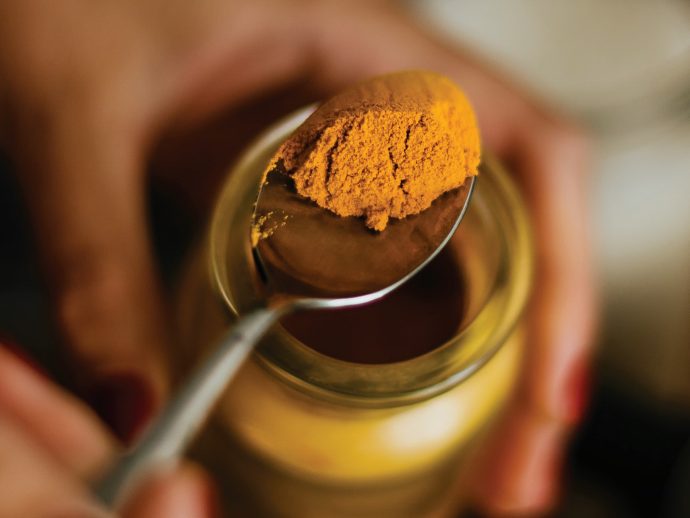
    • Curcumin. The yellow pigment that gives curries their signature yellow color has potent antiviral properties.
    • Echinacea. One of the most widely used herbs in the world, echinacea acts as an immune stimulant and antimicrobial agent.
    • Elderberry. This is an important traditional medicine, long used by the Indigenous peoples of North America.
    • Garlic. A culinary herb of choice and a popular traditional herb for the treatment of the common cold.
    • Ginger. Fresh ginger has long been used to ease the symptoms of the common cold.
    • Panax ginseng. Korean red (panax) ginseng has antiviral effects.
    • Quercetin. A type of flavonoid found in many fruits and vegetables, quercetin has been found, in cell studies, to be a potent antiviral agent, inhibiting viral replication of several respiratory viruses.
    • Vitamin C. Long-term supplementation with vitamin C has been shown to help shorten the duration of symptoms in those who are infected with respiratory viruses.
    • Vitamin D. Research over many decades has solidified the importance of maintaining adequate vitamin D levels for immune health to protect against viral infections.
    • Zinc. Important for the body’s ability to fight off viral and bacterial invaders, zinc is found in cells throughout the body.

    By Michelle Schoffro Cook, PhD, DNM

    Article Courtesy of Alive Magazine

  • Reboot your wellness routine

    Reboot your wellness routine

    Reboot your wellness routine

    It’s the perfect time of year

    For many, September represents a fresh start—in school, work, and a new season. This makes it the perfect time of year to revamp our wellness routines to better align with the needs of our bodies and minds.

    A new season

    This coming fall season demands different wellness supports, says Ashley Margeson, ND. We encounter two significant shifts in the fall, says Margeson: the drop in UV exposure, which can lead to plunging energy levels, and an increased pace of life.

    Adjusting your wellness routine for the needs of your season

    Margeson suggests looking at the foundations of what’s currently working in your life. She counsels her patients on approaching these cornerstones in the following areas.

    Sleep

    Keeping your bedtime and wake time consistent across the seasons means your circadian rhythm is consistent, which indicates your hormones are consistent as well. Creating a bedtime routine is one of the best things we can do in this area, says Margeson. That could involve drinking a cup of tea with a book, performing yoga, or stretching.

    Movement

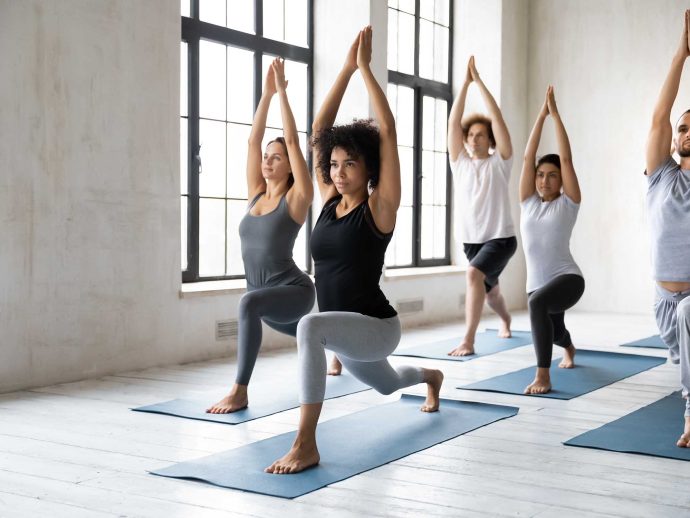
    In this area, it’s important to think about how sustainable your movement routine is. For instance, a yoga class that involves a two-hour total commitment might not be as sustainable as 20 minutes a few times a week in your kitchen.

    Fueling

    This wellness cornerstone involves thinking about how much you need to eat for recovery and how you can make this work within your budget. Protein is critical here. Margeson says that fueling can be as simple as ensuring you ingest protein, greens, healthy fat, and fiber at most meals.

    Assessing your current wellness routine

    When assessing a wellness strategy, says Margeson, you should look at areas that aren’t working and where you have capacity to adjust. You’ll also want to build flexibility into your wellness plan. For instance, instead of planning each and every meal, try focusing on protein prep instead.

    Supplements for seasonal support

    Always check with your health care practitioner before trying a new supplement to make sure it’s right for you.

    SupplementHow it may help
    vitamin Dmay help provide support for mood, bones, and reducing inflammation
    probioticscan help improve the immune system
    elderberryhas been heralded for antioxidant, antidiabetic, anti-inflammatory, immune-modulating, and antidepressant properties
    vitamin Cmight help shorten the duration and decrease the severity of the common cold
    oil of oreganohas antibacterial, antioxidant; antifungal, antiviral, and potential cancer-preventive properties

    Sync with the season

    • Meditate on what you can be grateful for about the weather.
    • Journal about some of your favorite images of fall and winter.
    • Spend a moment experiencing the weather as it comes into contact with your skin. Pay attention to what arises in your mind and body in these moments.
    • Take a walk and collect a piece from nature—perhaps a leaf. Choose the piece that speaks to you and meditate on its beauty.

    By Carimé Lane

    Article Courtesy of Alive Magazine

  • Alternative therapies 101

    Alternative therapies 101

    Alternative therapies 101

    Discover optimal well-being

    We’re at a pivotal time in the wellness world. As we gain greater consciousness of our physical, mental, emotional, and spiritual needs, many of us are embracing alternative lifestyle practices, healing modalities, and technologies.

    Growing evidence shows the benefit of alternative therapies. As a naturopathic doctor, I’ve seen the remarkable changes that can occur when someone gets the right support at the right time. In some cases, people might have great nutrition, supplements, and stress management in place, but they don’t see the progress they’d like to. In my clinical practice, I’ve observed how incorporating some of the following alternative therapies can catalyze the healing response and facilitate significant change in how a person feels.

    Start with the therapy that intrigues you, is available to you, and is within your budget. For advice on incorporating alternative therapies alongside your medical care, chat with your health care practitioner.

    Hydrotherapy is the therapeutic application of water. Hydrotherapy spas allow you to circulate among hot, warm, and cold pools to reduce inflammation, enhance the immune system, and promote relaxation.

    Balneotherapy is a type of hydrotherapy that uses mineral-rich, gaseous water (such as a natural spring), paired with mud applications. Research strongly supports using balneotherapy for osteoarthritis, as well as cardiovascular, digestive, respiratory, neurological, hormonal, dermatological, and stress-related conditions.

    Sauna use, whether wet, dry, or infrared, is associated with reduced morbidity and mortality and increased “healthspan.” Frequent sauna use may protect against cardiovascular and neurodegenerative disease, as well as age-related loss of muscle mass.

    Massage therapy involves the manual manipulation of the soft tissues. Many people find massage to be relaxing for the body and mind. Massage therapy may reduce shoulder pain and knee pain, and promote function among those with low back pain.

    Reflexology involves the application of pressure to specific locations on the feet, hands, and ears. Reflexology may be effective for constipation; sleep disturbances; infantile colic; and pain, anxiety, and depression among cancer patients.

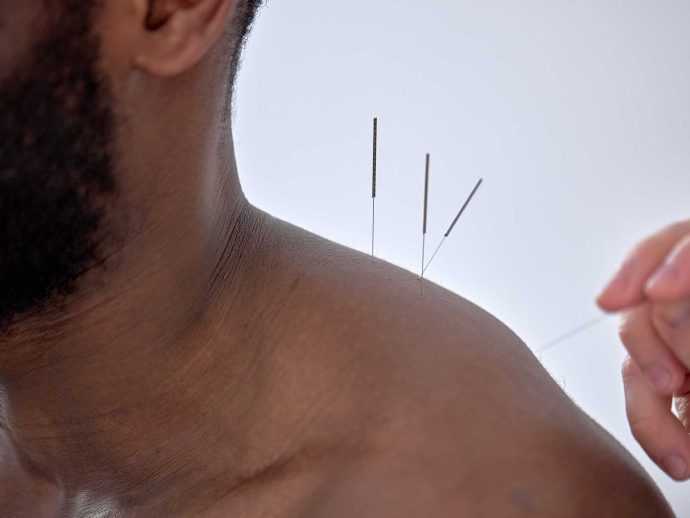
    Acupuncture is a traditional Chinese medicine (TCM) practice, involving the insertion of hair-thin needles along specific locations on the body. Research abounds for the use of acupuncture for several conditions, including postpartum depression, insomnia, and tinnitus. Acupuncture also enhances overall well-being by increasing parasympathetic tone, which promotes relaxation, digestion, and repair.

    Meditation has been shown to reduce pain, depression, and anxiety, while improving memory, cognitive function, and quality of life. Meditation is associated with having longer telomeres (the caps at the end of chromosomes), which are biomarkers associated with improved health and longevity.

    Biofeedback is a technology designed to enhance the mind-body connection. Electrodes are applied to measure either skin temperature, brain activity, or muscle tension and show real-time physiological data about the efficacy of relaxation techniques. Research supports the use of biofeedback for constipation, headaches, hypertension, TMJ disorder, and ADHD.

    By Dr. Cassie Irwin, ND

    Article Courtesy of Alive Magazine

  • Get ready for virus season

    Get ready for virus season

    Get ready for virus season

    Helping your kids through infections

    In the wake of a surge of respiratory infections, parents are looking ahead with some trepidation and wondering how we can best support our kids. Dr. Caroline Meyer, a naturopathic doctor with a passion for pediatric medicine, shares her strategies for surviving the upcoming virus season.

    Virus basics

    Unlike bacteria, viruses lack their own cellular structure. Viruses are simply strands of genetic material that hijack other cells to drive ongoing replication and spread. Antibiotics are completely ineffective against viruses.

    Antiviral medications do exist for the flu, RSV, and COVID-19 but benefit only those at high risk of complications. For most people, our immune systems are the ones doing the heavy lifting of clearing infection and restoring health. Supporting immune function is the key to coping with viral infections.

    Avoid going viral

    Meyer highlights the importance of healthy habits, mental health, and nutrient testing for infection prevention.

    Sleep

    Sleep has a significant role in immunity. Bedtime screen use disturbs sleep, and poor sleep can lead to more infections. Reinforcing bedtime routines and limiting nighttime access to devices can build immunity.

    Movement

    Movement is the perfect immune system primer. In a study of preschoolers, kids moving less had more frequent and more severe infections. Exercise also improves sleep quality, providing indirect but important immune effects. Get kids (and yourself) out and moving daily.

    Diet

    Diet matters. Children who eat more fruits and vegetables get fewer infections.

    Mental health

    Emotional distress impairs the immune system and has impacts on food choices, sleep patterns, and exercise. Reach out for support if mental health challenges are present in your family.

    Nutrient deficiencies

    Nutrient deficiencies can undermine immunity. Low stores of iron and zinc can also reduce resistance to infection. Get your kids checked for deficiencies if they’re having recurrent infections.

    When to get help

    While many infections can be managed at home, urgent care is needed in the following cases.

    • difficulty breathing or blue lips
    • dehydration (not urinating, dry lips)
    • pain that doesn’t improve with medication
    • seizure
    • fever in kids 12 weeks or younger

    If your parental spidey-senses tell you that something is not right, take your child to hospital.

    Want more immune support?

    Talk to your health care practitioner about these supplements.

    SupplementBest form for kidsActions
    vitamin Ddropsdeficiencies are associated with higher infection rates and longer/more severe illnesses
    probioticspowder or liquidcan prevent diarrhea associated with antibiotic use; may reduce duration of colds
    zinclozengesreduces number of ear infections and speeds recovery

    Take action against viruses!

    • Wash, wash, wash your hands. Handwash before eating, after bathroom use, and on return from outside your home.
    • Stay home when sick. Keep your cold to yourself!
    • Cover nose and mouth when sneezing. Use a tissue or sleeve.

    Dr. Gillian Flower, ND

    Article Courtesy of Alive Magazine
  • Learn with all your senses

    Learn with all your senses

    Learn with all your senses

    How multimodal enrichment works

    How do we learn best? New scientific evidence suggests that learning that incorporates the use of multiple senses and movement—known as multimodal enrichment—may be the way of the future when it comes to teaching and learning for all ages.

    Coming back to our senses

    Multimodal enrichment (a.k.a. multisensory learning) transforms the traditional classroom into a more natural setting, using all of the sights, sounds, odors, tastes, and proprioceptive information that comes with it. It may engage some—or all—of our senses at once.

    There are five different sensory “modes” known to kick learning into hyperdrive: linguistic, visual, audio, gestural, and spatial.

    Utilizing one or all of these modes can help enhance learning in multiple skill areas, including letter and vocabulary acquisition, reading, mathematics, music, and spatial navigation.

    Sense-based learning in the classroom—and beyond

    Educational therapist Dr. Bibi Pirayesh knows first-hand that using your senses is essential to learning for kids with learning disabilities.

    “You experience life through all of your senses,” says Pirayesh. “From a young age, it’s important that kids are engaging their senses and their entire bodies in their learning.”

    Adults can benefit, too

    Director, speaker, and clinical psychologist Dr. Brianna Gaynor says they begin with the understanding that everyone learns differently.

    They help employees identify and then apply the learning style that works best for them. Then, they enable employees to learn in a way suited to them, which means they provide manuals with visuals and meetings for auditory learners, but they also understand that those who learn by doing may have to be shown how to complete a task.

    Multimodal enrichment in practice

    There are myriad ways to apply the magic of multimodal learning. Here are some examples.

    • Physical movement can be integrated into learning in multiple ways. For instance, Pirayesh has learners move before sessions to engage the brain: she may have students draw or walk the infinity sign or move across the midline of their bodies by, for example, bringing up their left knee and touching it with their right hand and vice versa.
    • Think-pair-share is an active learning strategy first introduced by Professor Frank Lyman in 1981. Students are given time to think or jot their thoughts down. Then, they’re paired with one other student or a small group to discuss what they just thought about. Lastly, some students are selected to share what they discussed in their pairs or groups.
    • Case-based learning refers to the use of real-life examples when introducing or going through a concept in class. The instructor’s role is to facilitate a discussion where the students analyze and problem-solve as a group.

    Supplements to consider

    These supplements may help support learning, according to scientific research. Remember to chat with your health care practitioner before trying a new supplement.

    • L-theanine
    • Green tea/matcha
    • Omega-3
    • Curcumin

    By Carimé Lane

    Article Courtesy of Alive Magazine
  • Reach out – don’t “man up”

    Reach out – don’t “man up”

    Reach out – don’t “man up”

    Why stress is different for men

    Men are no less immune than women from the effects of stress. But it’s the manifestations of that stress and how men deal with them that often differs dramatically. Here are some effective ways for men to manage that stress.

    What are the consequences of chronic stress?

    A certain amount of short-term stress can be a good thing: it boosts alertness and primes the brain for enhanced performance. Chronic stress, on the other hand, can lead to an increased risk of type 2 diabetes, high blood pressure, heart disease, depression, and anxiety, among other conditions. In men, high stress can also contribute to erectile dysfunction.

    What are the expectations for men versus women?

    Society places different, if outdated, expectations on men and women as to how they should deal with stressful situations. Men commonly feel that not revealing emotion is a show of strength. “A lot of times guys will revert to this or think it’s taboo,” says professor and research chair John Oliffe. Traditional expectations of “manning up” can affect men’s abilities to deal with stress in meaningful ways.

    Often, the way things unfold can be summed up by what Oliffe refers to as the “three I’s.”

    1. Injury (a major life transition such as a breakup or job loss), with men feeling as though they should be able to push through it until it goes away
    2. Interiority, with men looking internally to deal with a major stressor rather than reaching out to others, possibly turning to substance use to blunt their emotions
    3. Isolation—social isolation, Oliffe notes, is the biggest predictor of male suicide: “If you’ve got an injury and look internally—you’re not dealing with it and you’re isolating to conceal the injury—there’s a great amount of shame in not being able to solve problems or even in just having problems.”

    What can men do to effectively deal with stress?

    Exercise

    Physical activity boosts the body’s production of endorphins, or feel-good neurotransmitters; it improves mood, focus, productivity, and sleep.

    Reach out

    Reaching out to a partner, friends, or other trusted people in your life is another way to manage stress. “Think about it as mutual help: a lot of times if you have a conversation with another guy, they’ll have things that affirm you in your experience. There’s a reciprocity there. We do better with people around us, especially good people.”

    Consider professional help

    Accessing professional help can go a long way in handling stress, and more men are accessing such services, Oliffe says. Speaking with someone who’s outside of their personal situation can help men debrief with a view to seeing things from another point of view, ultimately giving them back some control.

    Supplements for stress

    Remember, always check with your health care practitioner before trying a new supplement to make sure it’s right for you.

    • B-complex vitamins
    • L-theanine
    • Lemon balm
    • Magnesium
    • Ashwagandha

    By Joanne Peters

    Article Courtesy of Alive Magazine