Tag: wellness

  • Children’s herbal head-start

    Children’s herbal head-start

    Introducing kids to the healing power of plants

    Start at the source

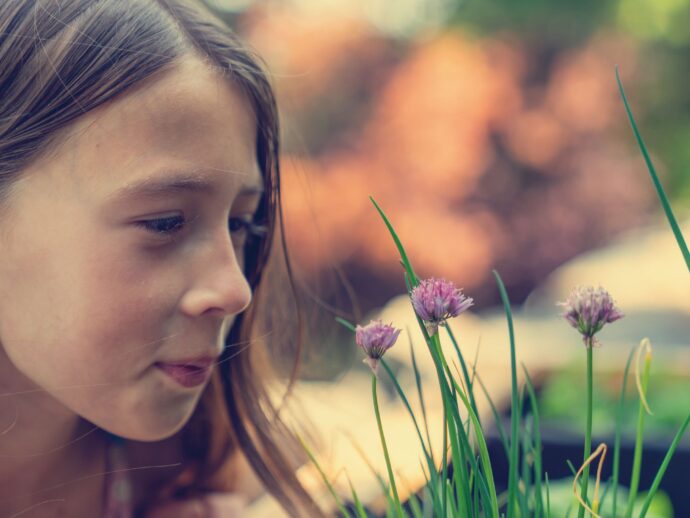
    Sure, effective herbs can be bought at the store, but sensory learning really begins when kids grow or gather the plants themselves. In the yard or a window box, culinary herbs, like oregano and peppermint, give off tell-tale aromas when rubbed between their little thumbs and fingers.

    Children will be proud to create the garden markers or snip the right species for tea or a savoury dish. Reinforce this hands-on experience with sensory descriptors like “spicy” or “aromatic” that suit the herbs and hint at their therapeutic properties.

    Wild foraging is another way to collect medicinal plant material but must be restricted to species we can identify with absolute certainty. If you know your yarrow, its magic ability to stop the bleeding on a youngster’s scraped knee would make quite an impression. Still, we have to remember that many herbs considered beneficial for adults aren’t recommended for children―another reason to stick to the gentle effectiveness of kitchen herbs.

    Tea time

    With herbs on hand, how do we turn them into medicine that kids will actually consume? The potency of a tincture isn’t likely to win over young taste buds, but teas and honeys might.

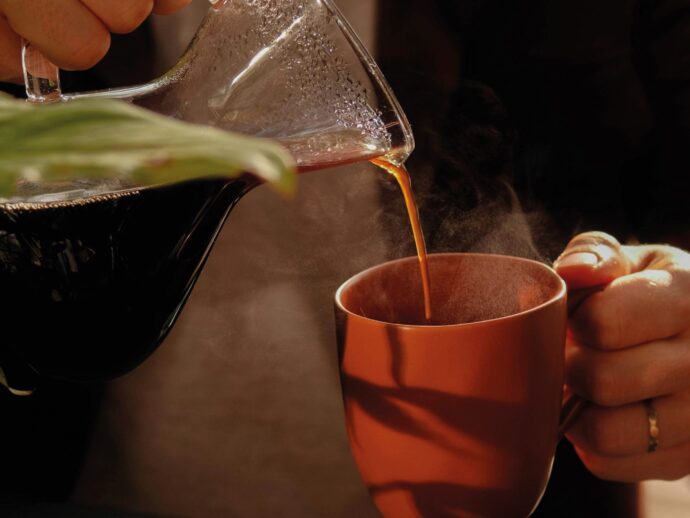
    Children can crush, tear, or chop the plant material, committing the look, feel, and smell to memory. Try turning tea-making into a visual delight by using a glass pot through which they can watch the herbs release their essence and flavour.

    Chamomile is a favourite, both for its relaxing qualities and because it pairs well with milk or cream, creating a bloom of white when added to the transparent vessel.

    So sweet

    Honey also makes an excellent vehicle for medicine. Kids can help fill a jar with antimicrobial and immune-boosting garlic cloves, then cover them with honey and wait for the whole thing to transform into a medicinal syrup with “candied” cloves. Similarly, they can infuse honey with fennel and thyme to have on hand as a cough remedy. (A note here that honey is not recommended for children younger than one year.)

    Four seasons

    Your little ones can access dried or otherwise preserved summer herbs year-round, or they can stretch the season by having an indoor windowsill garden. Plus, many plants can still be identified in their dormant state or by their dead stalks over the winter.

    Just see what your herbal explorations naturally uncover!

    Kid-friendly medicinal herbs

    These familiar culinary herbs can double as safe and gentle kids’ medicine:

    HerbPotential benefitsSuggested use
    lavendercalming, antimicrobialessential oil in a diffuser, part of a tea blend
    peppermintaids with digestion, nausea, and congestiontea, essential oil in a diffuser (not for kids under 30 months)
    fennelmay help soothe gastrointestinal upset and coughtea―seeds or leaves (use caution in infants)
    thymecough suppressiontea, honey, or prepared cough remedy
    chamomilecalming, aids sleeptea, diluted essential oil (topical)
    rosemarymay enhance working memory (schoolwork, etc.)essential oil in a diffuser

    By Jackie Skrypnek

    Article Courtesy of Alive Magazine

  • Calming children’s anxiety around healthcare settings

    Calming children’s anxiety around healthcare settings

    A guide for parents and providers

    We need to help kids of all ages mitigate their anxiety about medical appointments to invest in their long-term health. By helping our kids feel informed, confident, and in control of their healthcare, parents and providers set them up for a lifetime of better health outcomes.

    Symptoms of anxiety in children

    Worry and fear are common among young children. In fact, it is developmentally appropriate for older infants to be wary of strangers as they learn to differentiate between their familiar caregivers and other adults they meet.

    Kids often use behaviour, rather than words, to communicate the emotions they feel. When your child feels afraid, helpless, or anxious, they may demonstrate aggression, withdrawal, lack of cooperation, and regression, such as bedwetting and thumb-sucking. Anxiety may also manifest in physical symptoms, like fatigue, headache, or stomachache.

    Take these signs of anxiety as a cue to have an open conversation about your child’s feelings before going to the doctor.

    Prepare at home

    Manage your child’s expectations about how the visit will go.

    • Using age-appropriate language, explain what will happen at the doctor’s office. For older children, specify whether the visit will include physical exams, blood work, or vaccinations to alleviate fear of the unknown.
    • Role-play with toy medical equipment so your young child becomes familiar with the appearance and function of a stethoscope, for instance.
    • Watch kid-friendly videos about different types of doctor visits, for example, family doctor, dentist, and eye doctor.
    • Have your child choose which activity they’d like to bring into the waiting room, and a comfort item they’d like with them during the visit.
    • Encourage your child to think about what they’d like to learn about their body and what questions they’d like to ask their doctor.
    • Tell your teen that you can step out of the room if they’d like to speak with their doctor privately.

    Your child’s healthcare team

    Having a caring, understanding practitioner who is confident working with children can make your child’s medical experience a positive one. Look for a clinic with friendly front-end staff and an inviting physical environment, both of which can help your child feel at ease.

    You may also consider filling the gaps in your child’s healthcare by seeking the services of allied health professionals, such as a naturopathic doctor, chiropractor, or osteopath. Having a discovery session with a provider before diving into an initial appointment is a nice way to ‘catch a vibe’ and see if you would be comfortable working together.

    By Cassie Irwin, ND

    Article Courtesy of Alive Magazine

  • Put summertime sleep problems to bed

    Put summertime sleep problems to bed

    Strategies to help children get the sleep they need

    Good sleep and happy moods

    School is out and so are bedtime routines. Some kids can handle disrupted sleep schedules better than others can. Longer stretches of daylight and sweltering heat that carries into the night can impact children’s ability to fall asleep.

    Also, despite the appeal of “relaxed” bedtimes, kids who don’t sleep well become more sensory-sensitive, and some children really struggle with the lack of routine, which is reason enough to stick to the usual.

    Consistency pays off

    Our kids relish the magic of summer as much as we did once, so it matters that we mix summer fun with bedtime routines that maintain optimal sleep times. Parents can promote a healthy secretion of melatonin (the sleep hormone) by helping kids have a regular bedtime and waking time, and by exposing them to morning daylight.

    If sleep times get out of whack, adjust summer sleep schedules gradually. It takes approximately two weeks to get back on track, depending on the age of the child. Go for increments of 10 to 15 minutes daily and make sure to adjust not only bedtime but also wake time and mealtimes, which are key to maintaining the circadian rhythm.

    Summer sleep basics

    Dark, cool bedrooms are best for sleep. Use blackout curtains if summer’s later sunsets interfere with sleep and, if needed, an unobtrusive nightlight.

    Cool can be more difficult as summer heat sets in. Hot nights can increase the risk of fatigue and poor sleep quality, and they make it difficult for children to settle as body temperature needs to stay cool to enable sleep.

    If air conditioning is not an option, there are alternatives. Keep the bedroom dark during the day and keep the hot air out as much as you can. Running a fan with a bucket of ice in front of it or hanging damp bedsheets over an open window can also work.

    Create sleepiness

    Getting kids outside to play can help to build tiredness. A cool bath or shower, putting away screens (at least one hour before bedtime), dimming lights, and reading together can all help to prepare for sleep. Cooling body temperatures approaching bedtime coincides with an increase in melatonin, which also helps with falling asleep.

    Balancing summer magic and good sleep routines may not always be easy, but it’s a part of what memories are made of … drifting off to sleep (eventually) knowing that summer doesn’t last forever–and you made the best of it!

    Sleep matters

    • Children between five and 13 years old need 9 to 11 hours of uninterrupted sleep per night, while those between 14 and 17 years need between 8 and 10 hours.
    • Melatonin levels peak in early childhood and decrease as children transition into puberty and adolescence.

    By Daniela Ginta, MSc

    Article Courtesy of Alive Magazine

  • Through the fog

    Through the fog

    Hope and healing beyond conventional chronic pain methods

    The ebb and flow of chronic pain is tough to navigate. A complex and deeply personal experience, it comes crashing in waves on some days and feels like treading water on others.

    The complexities of pain

    Fibromyalgia, arthritis, herniated discs—the list of chronic conditions is varied and long. Without effective treatment, the pain associated with these conditions can affect many aspects of life, including work, social functions, and family life.

    The complex nature of chronic pain often demands a multifaceted approach to treatment. By exploring and combining alternative treatments with traditional ones, we can create a personalized path toward greater comfort, balance, and overall wellness.

    The need for a new approach

    While conventional medicine provides essential tools—medications, surgical interventions, counselling—they often aren’t enough to fully address the root cause of pain.

    Alternative therapies can offer ways to manage symptoms and restore a sense of control over your body―to complement conventional methods, rather than replacing them.

    Alternative pain relief options

    Integrating alternative approaches into a broader pain management strategy may also empower one to actively participate in the healing journey.

    TENS

    Transcutaneous electrical nerve stimulation (TENS) provides a mild electrical current to the nerves. It’s thought that this offers pain relief by blocking or altering the perception of pain and raising the body’s endorphin level.

    Sound therapy

    Used to influence a person’s physiological and psychological states, sound therapy is thought to help recalibrate the brain’s perception of pain and discomfort and promote relaxation.

    Examples of sound therapy can include the following:

    • chimes
    • singing bowls
    • chanting
    • drumming
    • music

    Other excellent modalities

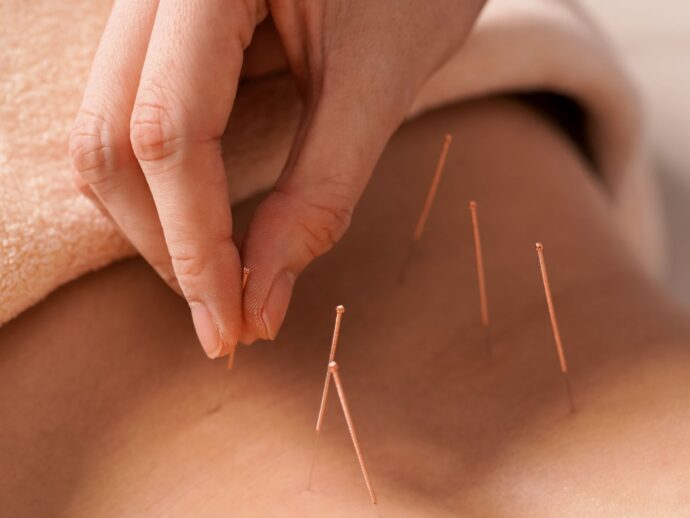
    Other complementary alternative therapies include acupuncture, massage therapy, and meditation.

    Although it may be an ongoing challenge, with a holistic approach that embraces both modern medicine and alternative healing, we can shift focus from pain to self-care and from limitation to possibility.

    Catch some zzzs

    Even short bouts of sleep can often feel elusive when dealing with chronic pain.

    Some simple tips can help alleviate or improve your health outcomes; after all, <some> relief is better than no relief:

    • Try relaxing distraction: Look into guided meditation or rhythmic breathing to alter your focus.
    • Take pain medications right before bed: Help your body relax and feel more comfortable when trying to wind down.
    • Stay consistent: Aim to fall asleep and wake up at the same time every day to create a routine.

    Eating for chronic pain

    Anti-inflammatory foods, such as the following, can help manage symptoms and improve pain outcomes:

    • fatty fish (salmon, sardines)
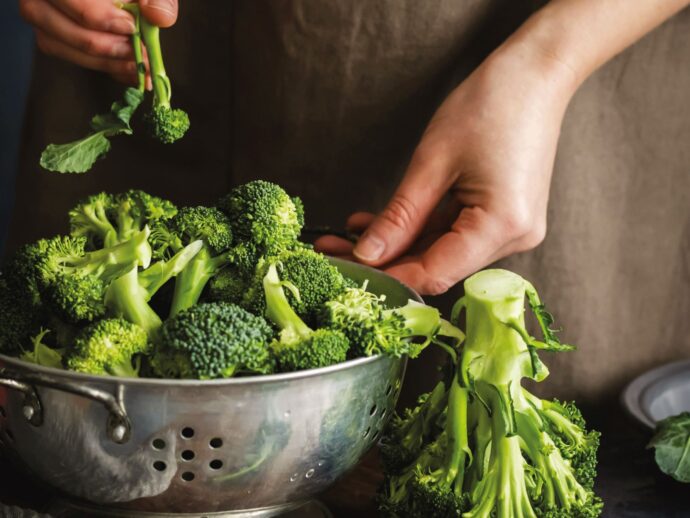
    • leafy greens (kale, spinach)
    • fruits (berries, grapes)
    • nuts (almonds and walnuts)
    • seeds (chia, hemp)
    • extra-virgin olive oil
    • tomatoes
    • citrus fruits (grapefruit, oranges)
    • whole grains (wheat, brown rice)

    By Melissa Curman

    Article Courtesy of Alive Magazine

  • Healthy hydration for your next vacation

    Healthy hydration for your next vacation

    Sip your way to a better summer holiday

    While you may be focused on bookmarking favourite sightseeing spots in your travel guide and packing essentials like sunscreen, don’t forget an oft-overlooked essential of healthy travel: a healthy hydration plan.

    Hydration―an essential part of a great vacation

    Many people often get sick after a vacation. This may be due to an array of factors, all of which hydration can play a part in ameliorating.

    Weakened immune system

    That enclosed airplane cabin is notoriously germ-ridden. Staying hydrated improves your immune system strength. For example, mucous membranes in your sinuses stay moist with proper hydration, thus aiding them in their role as natural defenders against viruses. Drinking water also flushes out toxins that build up on your trip, whether it’s bacteria or too many greasy poolside burgers.

    Travel fatigue and time zone changes

    Don’t let those red-eye flights leave you too tired to enjoy your destination. Lack of quality sleep weakens your immune system. Staying hydrated can help improve sleep and helps you overcome jet lag.

    “Fasten seat belt” sign = dehydration

    Dehydration during travel is a common issue. This is especially true if you’re flying. Airplanes have a much lower percentage of moisture in the air, because airplanes pull air from outside to pressurize the cabins; and being at a high altitude makes the air naturally dry. Airplane cabins are also dehumidified. These two factors create an environment that has about 5 to 20 percent humidity, whereas the average home has about 40 to 60 percent.

    The result? Faster water loss simply by being on an airplane.

    What to pack to stay hydrated

    Pre-flight checklist

    Don’t wait until you’re thirsty; start hydrating at least four hours before you hit the road. Try to up my water and eat foods with a high water content: things like cucumbers and oranges.

    Reusable water bottle

    Bring a refillable water bottle and fill it after going through security. Having a refillable bottle is also really handy during your trip.

    Electrolytes and supplements

    Replacing your sodium, potassium, and magnesium is especially helpful after flights. Try coconut water, hyaluronic acid supplements, and B vitamins to help with energy and cellular hydration.

    Safe water FAQs

    Is the drinking water at my destination safe?

    Choose bottled water if you have any doubts about water safety. In some countries, it may be a good idea to skip ice in your drinks and use bottled water to brush your teeth.

    When should I see a doctor?

    If you discover the water you’ve consumed is contaminated water, consult a doctor if you’ve been sick for longer than two days, have severe pains, notice blood after going to the bathroom, or have a fever above 39 C (102 F).

    By Joshua Duvauchelle

    Article Courtesy of Alive Magazine
  • Greenifying the concrete jungle

    Greenifying the concrete jungle

    How urban green spaces combat environmental challenges

    As our cities grow, the importance of green spaces becomes increasingly evident. While skyscrapers and bustling streets are iconic of urban environments, access to natural landscapes and parks is invaluable.

    The impact of green spaces on urban environments

    Green spaces can act as natural air filters, absorbing pollutants and releasing oxygen. Therefore, the more green spaces in a community, the better the air quality.

    In addition, urban dwellers with access to more green areas experience fewer instances of mental distress and are less likely to suffer from anxiety, depression, and other diseases.

    Urban Heat Island effect

    The urban heat island (UHI) effect is a phenomenon creating waves for city dwellers in multiple areas. Big cities where natural vegetation has been replaced with dense concentrations of buildings and large amounts of materials such as asphalt, concrete, and pavement result in higher temperatures than surrounding rural areas due to surfaces absorbing and retaining heat from the sun. Nature’s natural cooling systems, such as trees and vegetation, are no longer available to mitigate the heat.

    UHIs can lead to heat-related illnesses, higher energy consumption, and increased air pollution (from air conditioning units, for example). Green spaces help to combat this issue by providing shade, evaporative cooling, and natural ventilation.

    Start a community garden

    Interested in growing a garden, but don’t have a big enough space? Here are some tips on how start your own community garden:

    1. Gather interested community members and form a garden committee to plan and organize.
    2. Find a suitable location, such as a vacant lot or a space within a park.
    3. Seek out grants and funding opportunities to help with the costs of materials and tools.
    4. Consider partnering with local organizations and businesses for support.

    With determination and collaboration, a community garden can be a thriving green space for all to enjoy and reflect the uniqueness of your community.

    By Adam Meyer

    Article Courtesy of Alive Magazine
  • Tech neck

    Tech neck

    How screen time is straining your body

    Tech neck: how screen time is straining your body

    From laptops to smartphones, screens have become a constant companion in modern life. But the hours we spend hunched over our devices are contributing to a common complaint known as tech neck.”

    Characterized by neck stiffness, headaches, and shoulder pain, the condition is largely the result of prolonged forward head posture while looking down at screens.

    When the head tilts forward, the strain on the neck increases dramatically. Research suggests that even a modest downward tilt can place several times the normal load on the cervical spine. Over time, this posture can irritate muscles, compress joints, and lead to chronic tension in the neck, shoulders, and upper back. Many people also experience tension headaches or eye strain, especially after long stretches of computer work.

    Fortunately, a few small changes can make a big difference.

    Adjust your screen position Ideally, the top of your computer screen should be at or slightly below eye level so you’re looking straight ahead rather than downward. If you work on a laptop, consider using a stand or stack of books to raise the screen and pair it with an external keyboard.

    Check your posture: Sit with your shoulders relaxed and your ears aligned over your shoulders—not drifting forward. Your feet should rest flat on the floor, with knees roughly level with your hips.

    Use ergonomic micro-adjustments Instead of staying frozen in one position, shift your posture frequently. Adjust your chair angle, change the angle of your screen, or sit slightly farther back for a few minutes. These small movements help prevent muscle fatigue and reduce tension buildup.

    Protect your eyes Eye strain can contribute to neck tension because people tend to lean forward when they struggle to see clearly. Follow the “20-20-20 rule”: every 20 minutes, look at something about 20 feet away for at least 20 seconds to relax the eye muscles.

    Stretch it out Simple stretches throughout the day can help counteract screen-time strain.

    • Chin tuck: Sit tall and gently draw your chin straight back, as if making a double chin. Hold for five seconds and repeat five times to strengthen deep neck muscles.
    • Shoulder rolls: Lift your shoulders toward your ears, then roll them back and down. Repeat 10 times to release upper-back tension.
    • Neck side stretch: Tilt your left ear toward your left shoulder until you feel a gentle stretch along the opposite side of your neck. Hold for 15 seconds and repeat on the other side.

    By Carimé Lane

    Article Courtesy of Alive Magazine

  • Lead an anti-inflammatory lifestyle

    Lead an anti-inflammatory lifestyle

    A few lifestyle changes can make all the difference

    Inflammation is a process of immune activation the body takes to defend against infection, toxins, or tissue injury, with the purpose of healing the body’s tissues. Our immune cells “turn on” inflammation in response to perceived threats by secreting an array of chemical mediators called cytokines, which can be measured in the blood, such as interleukin 6 (IL-6) and C-reactive protein (CRP).

    When prolonged, however, chronic low-grade inflammation becomes the common underlying pathway of a myriad diseases. These include skin conditions, arthritis, heart disease, cancer, and even depression. Most commonly, the factors contributing to chronic inflammation involve diet, the gut microbiome, toxic chemical exposures, bodyweight, and chronic stress.

    Eat a healthy diet

    The standard Western diet is characterized by consumption of processed and ultra-processed foods. The chronic, low-grade inflammation caused by such metabolic excess has been called “meta-inflammation” and has been linked to the development of heart disease and cancer.

    Diets such as the Mediterranean diet, characterized by high consumption of vegetables, fruits, whole grains, legumes, and fish are associated with lower inflammatory cytokines in the blood compared to high-caloric intake and consumption of sweets, refined cereals, processed meats, snacks, and sugary drinks.4 Ultra-processed foods may also contain harmful chemicals, such as bisphenol or phthalates, which have been associated with higher levels of IL-6 and CRP.

    Engage in regular exercise

    Fat tissue secretes inflammatory cytokines, and exercise can suppress this activity. Exercise actually causes muscle to release -inflammatory cytokines.

    The Canadian 24-Hour Movement Guidelines recommend performing a variety of types and intensities of physical activity:
    • moderate to vigorous aerobic physical activities for at least 150 minutes per week
    • muscle strengthening activities using major muscle groups at least twice a week
    • several hours of light physical activities, including standing

    Stepwise strategy to reduce inflammation

    StrategyHow-to
    reduce sugar intakehalve the sugar in your tea or coffee; better yet, don’t use sugar at all!
    improve sleepgo to bed one hour earlier
    break up your stressengage in prayer, meditation, or spiritual reading 10 to 20 minutes a day
    forgivenessexpress forgiveness toward those who’ve offended you (“I forgive her”) so you can let go of those grievances
    sense of purposebook time to spend doing something <fun> with your kids or spouse, or a hobby on your own
    exercisewalk laps around the arena or field instead of sitting while at your kids’ sports practices
    increase antioxidantsensure half your plate contains vegetables and fruits (rich in phytonutrients); consume antioxidant-rich teas like green tea, dandelion, and nettle
    improve microbiomeintroduce fermented foods like kombucha tea or unpasteurized sauerkraut

    By Heidi Fritz

    Article Courtesy of Alive Magazine
  • Exercise and mental health

    Exercise and mental health

    Marrying your movement to your mood

    Life does get in the way

    Exercise and poor mental health are at war with each other: exercise can be an effective treatment for a condition that, by its very nature, dampens your will to move.

    Most exercise programs don’t consider psychological hurdles. Motivation is the nucleus of self-improvement. It is the ocean between should and can. Mass market programs are made to be sold; asking “Is this even possible for you?” is a poor retail tactic.

    The most important point when motivation is at play is just emphasizing that any exercise is better than none.

    A systematic review and meta-analysis of 15 prospective studies of nearly 200,000 people noticed “significant mental health benefits from being physically active, even at levels below the public health recommendations.”

    Quality, not quantity. Never mind 150 minutes—let’s start with five.

    There’s such a thing as too much

    In fact, too much physical activity too quickly can manifest as a form of self-harm, masking important emotions.

    Listen to your body

    A structured exercise program can be a catalyst. However, trusting yourself and being in touch with your emotions is paramount. Whatever gets you out the door: do you like to walk, play tennis, hike?

    Antidepressants have the common side effect of weight gain, which can lead to body dysmorphia. While both sexes can feel pressure to conform to a societal norm, men suffer differently.

    Some men are trying to achieve an unrealistic goal, which leaves them in a state of dissatisfaction. While chasing it, they’re still doing things that seem outwardly healthy, like going to the gym. They’re eating food in what seems to be a healthy manner, but perhaps that has led them to use performance-enhancing drugs. It circles back to just being someone who is trying to deal with those demons themselves and not seeking support.

    It’s a beautiful thing to move in your body, be in your body, and just listen.

    Sources of hydration for exercise

    watercarbonated water is just as effective
    sports drinksmake your own by adding 1/2 tsp (2 mL) of salt per litre of water, along with some sweetener or fruit.
    coconut watercontains high levels of potassium
    chocolate milkcontains the necessary fat and protein
    green teaimproves the function of the body during exercise

    How to get started

    • Start simple.

    • Do what you enjoy.

    • Set reasonable goals.

    • Try not to think of exercise as a chore.

    • Plan for, and accept, setbacks.

    Article Courtesy of Alive Magazine
  • Smarty plants

    Smarty plants

    Why their memory and communication matter for our health

    Plants can “remember”

    Plants have a kind of memory. For example, sunflowers track the sun throughout the day, return to their starting position at night, and anticipate sunrise even in total darkness. Similarly, albizia tree leaves open and close in rhythm with daylight cycles, continuing their movement even when placed in a dark environment.

    Certain species of seeds have been shown to “remember” the daylight conditions their parent plants experienced, which determines when they germinate. In some cases, these memory-driven adaptations last for decades, helping to ensure survival in specific environmental conditions.

    Plants as timekeepers

    Beyond memory, plants also display a remarkable ability to measure time. Some seeds require specific night lengths to trigger germination, demonstrating an internal biological clock. For instance, begonia seeds will not sprout unless nighttime darkness falls below a particular threshold.

    Other plants, like bamboo, seem to take timekeeping one step further. Certain varieties bloom and die in synchronization across the globe despite growing in different conditions. This finding suggests an innate, built-in calendar that spans years or even decades.

    Plants communicate through chemical signals

    Perhaps the most fascinating discovery has been that plants “talk” to one another (and to other organisms) through chemical signals. When attacked by herbivores, plants release airborne compounds that act as distress signals, warning neighbouring plants to activate their defenses. Some even enlist the help of insects. When under threat, certain plants emit chemicals that attract predatory insects to eliminate their attackers.

    Many plants use specific chemical compounds to attract pollinators. Some even mimic pheromones or give off scents resembling rotting meat to trick insects into visiting. Others, like the skunk cabbage, generate heat to amplify their scent and attract pollinators.

    What this means for us

    Understanding plant “intelligence” can reshape the way we interact with nature. Here’s how these findings can be applied in practical ways.

    Better nurturing and relating to plants

    If plants are capable of memory and communication, how we care for them matters. Recognizing their ability to respond to environmental cues can help us cultivate healthier, more resilient plant life.

    Designing healthier spaces

    Urban planners are increasingly implementing research that suggests green spaces improve air quality, reduce stress, and enhance well-being. They’re betting that urban environments that integrate plants with known adaptive behaviours into their designs can benefit residents in multiple ways.

    Creating therapeutic environments

    The presence of plants has been shown to lower anxiety and boost mood. Understanding plant behaviour could inform how we design healing spaces, such as hospitals and therapy rooms.

    As plant research continues, we may uncover even deeper insights into their cognitive-like abilities. Recognizing plants as active participants in ecosystems, not just as resources, can help us create more sustainable, healthy, and harmonious environments for both humans and plants alike.

    By Adam Meyer

    Article Courtesy of Alive Magazine