Tag: wellness

  • Why gratitude matters

    Why gratitude matters

    Why gratitude matters

    Improving your quality of life

    What is gratitude, and does it really matter?

    What is gratitude?

    Meaningful gratitude, the kind that can actually enhance our quality of life, is more than saying please and thank you. It’s more than a rote recitation of things we should appreciate. And it’s more than routinely entering something in a gratitude diary.

    Of course, all of these things are aspects of gratitude. However, if we genuinely want to understand and get the most from practising gratitude, we need to appreciate its nuances, depth, and impact.

    Gratitude, in this light, is part of a positive attitude where we’re intentionally and consciously present to our lives. In this state we may notice, for example, how our bodies function, what nature is capable of, how the sun warms our skin, the miracle of birth, and the inevitability of death.

    Gratitude is not blind optimism. It’s the choice to be pragmatic, noticing the ups and downs, and striking a balance that favours possibilities rather than limitations.

    Why does gratitude matter?

    Diana Brecher, EdD, a clinical psychologist at Toronto Metropolitan University, works in the area of positive psychology. She trains students, faculty, and staff in resilience―and gratitude is a key component.

    Does gratitude practice have a scientific basis?

    Brecher says that gratitude can support resilience and an increased sense of well-being. She notes that well-accepted research as far back as 2005 has shown the effect and lasting impact of interventions aimed at increasing individual happiness.

    In the 2005 study, five exercises to promote happiness (two specifically focused on gratitude) were administered over the course of a week. Impact was assessed immediately post test, at one week, one month, and six months. The exercise with the greatest impact of all five at the six-month post-test mark was focused on gratitude.

    Gratitude practices

    Some easy and effective gratitude practices include the following:

    Write a gratitude letter

    • Think of someone who had a positive influence in your life.
    • Consider the deeper impact of this influence and what this says about who they are and how they’re living their lives.
    • Write these thoughts down and share directly with the person if possible; if not, share with someone connected who can understand.

    Savour awe

    • Notice when you experience awe and learn to seek these experiences out. This may be anything from soulful music to old-growth forests or a meteor shower.
    • Take in this experience with all of your senses so that you can remember it, recall it, and share it.
    • Intentionally share an experience of awe, including all of the sensory information as well as how you felt.

    Now, take a leap of faith and try something. It’s up to you to decide where you will focus. And it begins with an action.

    By Carole Ames

    Article Courtesy of Alive Magazine

  • Cultivating sustainability

    Cultivating sustainability

    Cultivating sustainability

    A look into the future of farming

    The work Elijah Goerzen does as a farmer conjures times past. His Deep Roots Farm, set in Maple Ridge, BC, is small by modern Canadian farming standards. The eight-acre parcel near Vancouver is worked by hand rather than machine, resulting in healthy, nutrient-rich soil that’s fertile ground for vegetables to grow and for beneficial organisms, such as earthworms, to thrive.

    Goerzen doesn’t spray his heritage lettuce, microgreens, and vegetable crops with toxic pesticides or infuse them with chemical fertilizers either. Instead, he chooses to nurture biodiversity by planting flowers between his kale to attract hungry ladybugs that keep any aphid infestations in check or to serve as beacons to pepper-propagating pollinators.

    The future of farming?

    Really, though, the regenerative agriculture methods he uses to tease crops from his soil every growing season are considered by some to be the future of farming.

    It works out well for the planet, too. Unlike conventional agriculture, regenerative farming is rooted in harnessing the power of natural processes to produce food rather than dominating them with human-made inputs and interventions.

    The sky’s the limit

    Vision Greens, a vertical farm in Welland, Ontario, is proving him right. Set in a southern Ontario rust belt city abutting Niagara’s shrinking tender fruit belt, Vision Greens is putting stock in growing up rather than out to help meet a demand for food that the UN projects will increase by 60 percent by 2050.

    It’s disrupting the imported lettuce market with its controlled environment agriculture that marries continuous food production with sustainability.

    Vision Greens’ headquarters in an industrial park is filled with towers of hydroponic trays loaded with organic seeds grown by a computer-controlled system that regulates LED lighting, organic nutrients, reverse osmosis water filtration, air flow, and carbon dioxide levels to meet crop needs. The result: perfect, nutrient-dense lettuce harvested every 26 days, winter, spring, summer, or fall.

    Those crops are perfect because they aren’t exposed to insects, disease, or weather fluctuations, eliminating the need to spray.

    Harvests are delivered to a warehouse, often on the day they’re picked, 76 km away. Meanwhile, most conventional and organic romaine sold here must travel more than 4,300 km from California’s Salinas Valley, where growing and shipping conditions vary and make produce vulnerable to dangerous bacterial contamination.

    The very nature of their production and transport methods means Vision Greens lettuce will never have to be pulled off store shelves in the name of safety. And with plans to build one-acre vertical farms elsewhere in Canada that have 60 times the growing density and 135 times greater crop yield than field lettuce, the company is poised to play as significant a role in building secure local food systems as Deep Roots Farm.

    By Tiffany Mayer

    Article Courtesy of Alive Magazine

  • Can’t stomach it?

    Can’t stomach it?

    Can’t stomach it?

    How to manage food allergy, intolerance, and sensitivity

    The prevalence of food allergy and intolerance is on the rise in urbanized countries, now affecting one in five people.

    Health care practitioners often misuse the terms food allergy, intolerance, and sensitivity in conversation. Knowing what type of food reaction you’re experiencing is key for making appropriate dietary choices that address the underlying problem.

    What’s in a name?

    Food allergy

    Food allergy is a pathological immune reaction against normally harmless proteins in foods, which can be life-threatening. This immune reaction can trigger acute symptoms in the gut, skin, respiratory tract, cardiovascular system, and neurological system.

    Common food allergens include dairy, egg, fish, shellfish, tree nuts, peanuts, soy, and wheat.

    Food intolerance

    Food intolerance is a non-immune mediated reaction arising from an insufficiency of enzymes required to break down a specific component of food. This reaction commonly causes gastrointestinal symptoms such as diarrhea.

    Common causes of food intolerance include lactose, gluten, FODMAPs (a group of short-chain carbohydrates), additives, and biogenic amines such as histamine.

    Food sensitivity

    A food sensitivity is an adverse reaction to food that is not related to food allergy, food intolerance, or celiac disease.

    Food sensitivities can cause digestive issues in addition to widespread symptoms such as chronic joint pain, fatigue, rash, and brain fog.

    In contrast to fast-acting food allergy, food sensitivity reactions may be delayed hours to days after eating the problematic food. To complicate matters further, reactions may not occur every time you eat the food.

    Diagnosis and management

    Begin by asking your family doctor for a referral to an allergist. Food allergy is best managed with complete avoidance and emergency medication.

    If your allergy testing comes back normal, then you might want to consider intolerance or sensitivity as the cause of your symptoms. Harvard Health considers the elimination diet to be the gold standard for identifying problematic foods.

    Elimination diet how-to

    This diagnostic tool involves a brief elimination of common food culprits, followed by a food reintroduction phase.

    Elimination phase

    Foods that are commonly removed during the elimination phase include dairy, eggs, wheat, sugar, soy, potato, tomato, corn, strawberries, and nuts.

    The general guideline is to maintain a symptom-free state for two to four weeks before the reintroduction phase.

    Reintroduction phase

    Reintroduce a single food at a time and have a couple of servings per day for a few consecutive days. To test dairy, for instance, you could have cheese, yogurt, and milk on back-to-back days.

    Observe whether this food reintroduction triggers your symptoms. If it does, then it’s a problematic food that is best kept out of your regular diet. Wait until your symptoms clear before reintroducing the next food on your list.

    If the food doesn’t cause any symptoms, then you can keep eating that food and proceed to testing the next. Continue until you’ve reintroduced all the foods you’d eliminated.

    By Dr. Cassie Irwin

    Article Courtesy of Alive Magazine

  • The whole (food) picture

    The whole (food) picture

    The whole (food) picture

    Understanding the vital role macros and micros play in our everyday lives

    Fat, protein, and carbs—the big three macronutrients have all had their turn being vilified throughout diet culture (from problematic phrases such as “all fats are unhealthy” and “watch your carbs” to misguided rhetoric about protein being the only way to build muscle). Yet this powerful triad of nutrients, in tandem with essential vitamins and minerals, is what our body relies on to thrive.

    The ABCs of macros and micros

    So, what exactly are these all-important nutrients?

    Macros

    In simple terms, macronutrients refer to the nutrients our body relies on for energy, which we require in large amounts (hence the term macro) to make up our total caloric intake. The big three macros: protein, carbohydrates, and fat.

    Micros

    On the other hand, micronutrients are the nutrients our body requires in trace amounts. These come in the form of vitamins and minerals. And while they don’t affect our diet from a caloric standpoint, they’re still essential for our health and well-being—from B-complex vitamins’ role in energy production and digestion to iron’s impact on cognitive function and immune support.

    The big three players

    While protein, carbohydrates, and fat are widely known nutrients, there’s plenty of mixed messaging around them, such as the “correct” daily protein requirement and the “healthiest” form of carbs. Here, we dig into the fundamentals of each and explain why it’s the balance of all three macros that deserves our true attention.

    Protein

    This powerhouse nutrient is something of a workhorse. Made up of amino acids (the “building blocks” of protein), it helps build and repair our muscles, bones, skin, and other tissues. It also plays a role in hormone and enzyme production.

    Fat

    Despite a once-shaky reputation, fat (especially the heart-healthy unsaturated variety) is integral to a healthy, balanced diet. One of its main superpowers: helping the body absorb fat-soluble vitamins A, D, E, and K. Fat also protects our organs, aids in cell growth, promotes better cognitive function, and provides us with sustained energy.

    Carbohydrates

    Carbs are broken down into simple sugars (called monosaccharides) that enter the bloodstream and are used by all cells in the body for energy. When we’re consuming carbs in their whole food form (think fruits, vegetables, whole grains, and legumes), they also provide us with fibre and prebiotics, which are necessary for efficient digestion.

    A well-rounded diet

    While no nutrient alone holds the key to overall well-being, the secret is to consume a balance of macros and micros in their minimally processed form.

    Ultimately, our diets should be filled with foods that bring us joy—whether it’s a veggie-packed stir-fry or our favourite homemade dessert. That, as it turns out, is the closest thing to a winning recipe.

    By Brittany Devenyi

    Article Courtesy of Alive Magazine

  • Unravelling the mysteries of memory

    Unravelling the mysteries of memory

    Unravelling the mysteries of memory

    Sharpen your brain with a deeper understanding

    Nearly half of us say we’re concerned about memory loss and declining brain health, despite these issues affecting a smaller group of people. These statistics reveal common misunderstandings about memory and encourage us to explore how we can keep our minds sharp at any age.

    The building blocks of memory

    Memory involves both conscious and unconscious processes. When learning a new skill, like riding a bike, you actively think about each action. Repetition moves this information into a subconscious part of the brain, where recall becomes automatic.

    Information is initially received through senses and encoded into the brain in visual, auditory, or semantic forms. Stored in areas like the hippocampus, this information can be retrieved when needed, prompted by cues such as questions, sensory experiences, or visual triggers.

    Short-term versus long-term memory

    Short-term memory holds information for seconds to minutes. Without effort to transfer it into long-term storage, it’s forgotten. Long-term memory retains information for days, years, or a lifetime, including memories from childhood or recent events.

    Stacking (and unstacking) the building blocks of memory

    Research shows that many can recall moments from when they were just two years old. As we age, brain networks become less segregated, making multitasking more difficult and increasing the risk of cognitive decline.

    Cognition begins to decline in our thirties, with more noticeable changes in our sixties and beyond. Memory can be affected by diseases like Alzheimer’s, which impair recall. As we age, information storage increases, and retrieval can slow down.

    How much of your brain do you really use?

    The myth that we only use 10 percent of our brains is false. Older adults often remember past events better than recent ones because memory-impairing diseases tend to affect parts of the brain responsible for recent information.

    Protect the building blocks of memory

    Lifestyle choices are crucial for brain health and memory preservation.

    Diet

    A healthy diet, such as the Mediterranean or MIND diets, emphasizes whole grains, fresh produce, and fish. Maintaining these diets over decades supports long-term brain health.

    Sleep

    Sleep is vital for clearing toxins and consolidating memories. Seven to eight hours of rest help the brain process and store new information. Even lying down with eyes closed offers rest.

    Exercise

    Physical activity helps re-establish brain connections and enhances encoding abilities. Just one session of exercise, like cycling, can improve learning, speed, accuracy, and memory recall. Exercise also guards against age-related cognitive decline.

    In summary, understanding memory and brain health highlights the importance of healthy lifestyle habits—balanced diet, restful sleep, and regular exercise—to keep our minds sharp at any age.

    By Joshua Duvauchelle

    Article Courtesy of Alive Magazine

  • Finding joy in the darkness

    Finding joy in the darkness

    Finding joy in the darkness

    Tips for coping with seasonal affective disorder

    Do you look forward to the coziness of colder months, or do you find yourself contemplating hibernation until spring? About 15 percent of Canadians experience variations of the winter blues, and seasonal affective disorder (SAD) affects two to three percent, especially women and younger people.

    For some, adjusting to rain, snow, and darkness is a matter of reframing their mindset. But beyond mindset shifts, there are ways to ease the seasonal journey.

    Shades of (winter) blues

    Winter blues are milder than SAD, a depressive mood disorder linked to seasonal changes. SAD usually occurs in fall or winter but can also happen in spring or summer.

    The blues may cause slight sadness, less motivation, and a desire to curl up with comfort foods. SAD, however, can be more severe—interfering with routines, social withdrawal, loneliness, irritability, weight gain, and disrupted sleep.

    Light levels matter

    Less sunlight affects serotonin, a mood-regulating neurotransmitter. Reduced light increases melatonin, making us sleepier. Low vitamin D levels, common in winter, are also linked to lower moods.

    Some find relief with light therapy—using bright light sources far stronger than regular indoor lighting.

    Plan for darker days

    Balancing hibernation and activity is key. Schedule regular social events like dinners or movie nights, and aim for daily walks. Talking about feelings can help; cognitive behavioral therapy is often as effective as light therapy.

    Setting up for sleep

    Too little sleep harms mood, but oversleeping can also be problematic. Maintaining consistent bedtimes and wake times, aiming for seven to nine hours, supports mood. Routine sleep patterns maximize mood-boosting benefits.

    Eat to support your body (and theirs, too)

    Regular mealtimes help regulate your circadian rhythms and improve mood. Feed your gut bacteria with fiber, protein, healthy fats, and unrefined carbs—they boost serotonin and support mental health.

    Taking care of ourselves during cold months doesn’t mean avoiding a “down” day. Observe, breathe deeply, and allow yourself slow, restful days. Balance is everything.

    By Daniela Ginta

    Article Courtesy of Alive Magazine

  • Exercise is critical to maintain your brain

    Exercise is critical to maintain your brain

    Exercise is critical to maintain your brain

    Vitality happens where sweat meets synapse

    Lost in the grunts, groans, reps, and sets, we might overlook and undervalue the remarkable impact exercise has on our most vital organ, the brain. Before we get to the sweat, let’s ground ourselves in science.

    Recent studies reveal a strong link between regular exercise and improved brain health. As little as 2.5 hours of physical activity weekly can enhance memory, cognitive efficiency, and problem-solving skills, while also slowing age-related decline and disorders.

    Let’s get moody … or not

    Exercise also influences mood regulation, acting as a powerful stress reliever. It promotes the secretion of endorphins, hormones, and neurotransmitters that elevate mood and boost brain function. These effects can begin after just one workout, rewiring neural pathways over time.

    Your brain on proteins

    The food we eat also impacts cognitive health. A 2022 Harvard study of over 77,000 people over 20 years found that replacing animal proteins with plant proteins reduced dementia risk by up to 26 percent. Incorporating a scoop of plant-based protein daily can be a simple step toward better brain health.

    Your brain on proteins

    The food we eat also impacts cognitive health. A 2022 Harvard study of over 77,000 people over 20 years found that replacing animal proteins with plant proteins reduced dementia risk by up to 26 percent. Incorporating a scoop of plant-based protein daily can be a simple step toward better brain health.

    Rewiring your circuits

    Neuroplasticity, the brain’s ability to create new pathways, is key to learning new skills and adapting. Cardiovascular exercise triggers biochemical changes, increasing growth factors that promote neuroplasticity and angiogenesis, or new blood vessel formation. This process helps improve brain function and resilience.

    Brain-boosting workout

    Try three rounds (or four if you’re feeling squirrely) of this cardiovascular, circuit-rewiring circuit to boost your brain and brawn.

    The World’s Greatest Stretch

    3 sets of 8 repetitions per side

    • Step into a lunge, placing your right hand inside your right foot.
    • Rotate your torso, reaching your left arm up, opening your chest.
    • Return to start and repeat on the other side.

    Walkout Push-Up

    3 sets of 10 repetitions

    • Bend at the waist, place hands on the ground, walk into a plank.
    • Perform a push-up, then walk hands back to standing.

    Wall-Sit Wall Angels

    3 sets of 12 repetitions

    • Lean against a wall in a squat position.
    • Extend your arms out to the sides at shoulder height, bend your elbows at 90 degrees, and press the backs of your hands against the wall.
    • Keeping your back and arms in contact with the wall, slowly slide your arms up overhead.
    • Continue to slide your arms upward as far as you can comfortably go without arching your back or allowing your arms to lift off the wall.
    • Hold the top position for a moment, then slowly lower your arms back down to the starting position.

    Land Swimmers

    3 sets of 30-second intervals

    • Lie face down, lift chest and legs slightly off the ground, keeping your neck in a neutral position.
    • Raise opposite arm and leg, hold, then switch sides in a controlled fluttering motion.

    Where to begin?

    If structured workouts aren’t your thing, incorporate activity naturally: park farther away, take the stairs, garden, cook, or do housework. The key is consistent movement, and the most beneficial exercise is one you will stick with, gradually increasing intensity while exercising safely. Moving more not only benefits your body but also keeps your brain sharp and resilient.

    By Brendan Rolfe, BA, DipA

    Article Courtesy of Alive Magazine

  • Fortify your immune system naturally

    Fortify your immune system naturally

    Fortify your immune system naturally

    Simple strategies to fortify your defense system and thrive this cold and flu season

    When fall arrives, the air becomes brisk and fills with the familiar scent of pencils, signaling a new school year. But along with that, harmful germs are also present, ready to strike. Luckily, there are simple ways to support immunity and stay strong against viruses.

    Illnesses to beware of this fall and winter

    Common illnesses include RSV, which causes cold-like symptoms; the flu, with a stuffy nose, sore throat, cough, body aches, and fever; the common cold, with similar symptoms minus aches and fever; and COVID-19, which can cause flu-like symptoms and, in severe cases, shortness of breath.

    Who’s most vulnerable?

    Children, due to their underdeveloped immune systems, are highly susceptible. Vulnerable groups also include those over 65, pregnant women, smokers, and people with chronic illnesses or weakened immune systems.

    What to eat for immune health

    Since the immune system and gut health are linked, focus on gut-supporting foods. Nutrient-dense macronutrients—carbohydrates, proteins, and healthy fats—are essential. Avoid simple carbs, sugars, and processed foods, which can cause blood sugar spikes and stress responses.

    Antioxidants

    Eat a variety of brightly colored fruits and vegetables high in antioxidants—such as berries, leafy greens, carrots, and squash—that offer anti-inflammatory and anti-aging benefits, and help prevent chronic diseases.

    Healthy fats

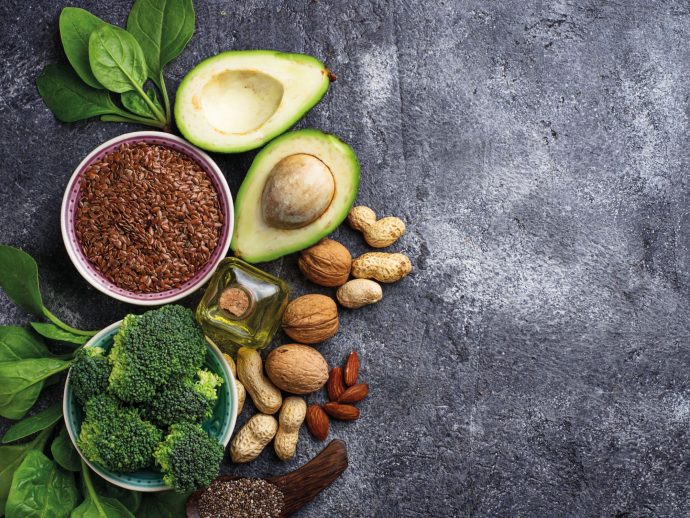
    Include healthy fats like extra-virgin olive oil, coconut oil, avocado, and nuts to combat inflammation and support cellular health.

    Fermented foods

    Foods with live bacteria—like kefir, sauerkraut, kimchi, and yogurt—provide probiotics that support gut health and the immune system.

    Herbal teas and soups

    Herbal teas, soups, and bone broth are nourishing and soothing. Add garlic and warming spices like ginger, cinnamon, and turmeric for their antioxidant and antimicrobial properties.

    Supplements for immune support

    While nutrients from food are ideal, supplements can help fill gaps. They are a convenient way to ensure adequate intake of immune-boosting compounds.

    Echinacea

    Echinacea has antiviral, anti-inflammatory, and antioxidant properties that may help reduce the risk of illness and ease symptoms.

    N-acetylcysteine (NAC)

    Found in onions and garlic, NAC converts in the body to cysteine, supporting glutathione production. It can thin mucus, reduce inflammation, and support immune function.

    Get active to activate immunity

    Exercise increases circulation of immune cells, helping detect and respond to illnesses earlier. It also flushes bacteria from the lungs and airways, with additional benefits like reduced stress and improved overall health.

    Prioritize sleep

    Sleeping less than seven hours increases cold risk. During sleep, the body builds defenses; without enough rest, it lacks antibodies to fight infections. Establishing a bedtime routine, avoiding screens, and limiting caffeine can improve sleep quality.

    De-stress

    Stress weakens white blood cells, making us more vulnerable to infection. Simple practices like yoga or relaxing teas can support mental and physical health.

    By Emilie Richardson-Dupuis

    Article Courtesy of Alive Magazine

  • Bring the outdoors in!

    Bring the outdoors in!

    Bring the outdoors in!

    How introducing indoor plants can awaken your senses

    As summer fades into cooler temperatures and shorter days, many people spend more time indoors. But you don’t have to lose your connection to nature. Bringing houseplants into your home can help you preserve a bit of summer and boost your well-being.

    The power of plants in person

    Plants can help improve your mood during seasonal transitions. Exposure to greenery, even indoors, has been shown to reduce blood pressure, heart rate, and stress hormones. Several studies confirm that having houseplants can elevate happiness and reduce symptoms of depression, especially during periods of limited outdoor activity.

    Simply grouping a few plants with a nearby reading nook can create a cozy, nurturing environment. Plants provide a sense of being embraced by nature, fostering comfort and happiness inside the home.

    Caring for plants and yourself

    Taking care of houseplants offers mental health benefits like increased life satisfaction and cognitive clarity. Nurturing plants requires responsibility—watering, feeding, and tending to them. Watching plants grow, produce buds, or sprout new leaves can bring feelings of achievement and joy.

    Research shows that repotting and caring for plants can reduce stress and lower blood pressure, providing physical health benefits alongside mental well-being.

    Ready to create your indoor garden?

    Start with easy, low-maintenance plants and expand your collection as you become more comfortable. Choose placement based on space and light: vines can hang from shelves, plants can cluster in sunny windows, and orchids thrive on bright kitchen windowsills.

    Select containers that match your interior style. Modern homes may benefit from sleek pots with clean lines, while varied levels of plant stands or podiums can add visual interest and depth to your indoor garden.

    Indoor plants serve as a reminder that spring and summer will return. The best plants are often the ones that excite you most—bringing a bit of nature’s beauty and health benefits into your everyday life.

    By Rebecca Heaton

    Article Courtesy of Alive Magazine

  • Finding balance at the autumnal equinox

    Finding balance at the autumnal equinox

    Finding balance at the autumnal equinox

    A time to get grounded and prepare for the colder, darker season ahead

    September 22 marks the autumnal equinox and the start of fall. It is one of two times a year when daylight and night are equal. In nature, plants and animals use this time to balance and store energy for the longer nights and colder weather ahead. Trees, for example, shed their leaves and focus on their roots—something we can emulate. It’s a good time to slow down, look inward, and let go of what no longer serves us.

    Start with the harvest

    During fall, it’s beneficial to focus on seasonal foods that support health and energy. Root vegetables and orange squashes are especially important, providing grounding and warming qualities for the body. These foods are rich in antioxidants like beta carotene and vitamin A, essential for healthy skin, bones, and organs. Traditional autumnal foods such as cranberries, salmon, and wild game also support immune health with their mineral and protein content.

    Support your immune system

    Supporting the immune system during fall is crucial to prevent seasonal colds and flu. Nutrients like beta carotene, vitamins C and D, zinc, probiotics, and protein are vital. Maintaining gut health is especially important, as the digestive tract is a key part of immune defense. Probiotics can help keep gut flora balanced, strengthening the body’s ability to fend off illness.

    The season of sleep

    Autumn’s cooler temperatures and shorter days can improve sleep quality, which benefits overall health, mood, and immunity. Less daylight leads to increased melatonin production, the hormone responsible for regulating sleep cycles. Tart cherries are a natural source of melatonin, and early research suggests that drinking tart cherry juice may promote better, longer sleep. Additionally, it’s ideal to have three hours between eating and sleeping to optimize both sleep and metabolic health.

    Self-care tips for autumnal mental health

    This season also offers an opportunity to nurture mental health. Engaging in simple self-care practices—such as reading, taking baths, or walking in nature—can help ground and center you. Autumn’s energy encourages grounding, centering, and nurturing oneself, which can be especially helpful during this reflective time of year.

    By: Stephanie MacDonald

    Article Courtesy of Alive Magazine