Tag: wellness

  • The skinny on sore throats

    The skinny on sore throats

    The skinny on sore throats

    Ways to soothe and prevent

    How to manage a sore throat

    Gargling with salt water hourly at the first sign may help reduce pain and inflammation. Stay home if sick, avoid irritants, and use a cool mist vaporizer if dry air worsens symptoms. Keep hydrated and rest. Warm drinks like tea with honey can soothe the throat.

    Viral or bacterial?

    Most sore throats—about 90 percent—are caused by viruses. Viral infections often accompany symptoms like runny nose and cough, while bacterial infections tend to be more painful and may cause fever and swollen lymph nodes. Bacterial infections, such as strep throat, require a swab and possibly antibiotics. It’s important to see a doctor for an accurate diagnosis, as antibiotics only work against bacterial infections and do not treat viruses.

    Using antibiotics unnecessarily can pose health risks. They can cause side effects like rash, nausea, diarrhea, and yeast infections, and more serious issues include <Clostridioides diffcile> infection (also known as C. diffcile or C. diff), which causes diarrhea that can lead to severe colon damage. Overuse or misuse of antibiotics also contributes to antibiotic resistance, a growing global health concern. Bacteria that become resistant no longer respond to these drugs, making infections harder to treat. The World Health Organization reports that antimicrobial resistance was responsible for over 1.27 million deaths worldwide in 2019.

    Most sore throats will resolve on their own with home care. Seek medical attention if symptoms are severe, last more than two days, or if you notice white or red patches on your tonsils, a high fever, swollen lymph nodes, or a rash.

    Prevention tips

    Supporting a healthy immune system through a diet rich in whole foods, regular exercise, and adequate sleep can help prevent sore throats. Good hygiene practices, especially frequent handwashing, are essential to avoid catching or spreading infections.

    By Joanne Peters

    Article Courtesy of Alive Magazine

  • Children and the flu

    Children and the flu

    Children and the flu

    Arm yourself and your kids for flu season

    The coming fall season brings back-to-school time as well as back-to-cold-and-flu time for many families. What better time to arm ourselves with the information we need to keep our kids—and ourselves—safe against the viral onslaught.

    What is the flu?

    Caused by influenza viruses A, B, or C, the flu is a respiratory infection lasting about a week to 10 days. Seasonal outbreaks involving influenza A or B occur between November and April. While it can be severe in a small percentage of children under five, only about 1 percent require hospitalization.

    How is the flu different from a cold?

    The flu has a rapid onset of more severe symptoms compared to a cold. Flu symptoms include headache, chills, cough, fever, loss of appetite, muscle aches, and tiredness, sometimes with nausea, vomiting, and diarrhea. Fever lasts 3-4 days, with illness resolving in 7-10 days, and can be infectious for up to a week.

    A cold typically involves a runny nose, watery eyes, and sore throat, with milder symptoms developing gradually.

    How can influenza be prevented?

    Influenza spreads through droplets in the air and via contact with contaminated surfaces like toys or doorknobs. Since the virus can survive up to 48 hours on surfaces, frequent handwashing is essential. Other strategies include staying home when sick, teaching children to cover coughs and sneezes, and disinfecting surfaces.

    Can natural health products help in prevention?

    Natural health products can support immunity and reduce complications from secondary infections.

    • Probiotics have been shown to reduce respiratory infections, including the flu, by strengthening immune response.
    • Echinacea may stimulate immune activity and has been linked to fewer respiratory infections and flu cases when used preventively.
    • Vitamin D deficiency is associated with increased risk of respiratory infections; supplementation may help prevent influenza, especially in deficient children.
    • Medicinal mushrooms like turkey tail, shiitake, reishi, and chaga contain compounds that modulate the immune system and have shown antiviral activity in vitro.

    How do you treat the flu?

    Mild flu symptoms in children are best managed with supportive care: hydration, light clothing, and a comfortable environment. Tepid baths and cool-mist humidifiers can help reduce discomfort. Honey lozenges (for children over 3) and saltwater gargles can soothe symptoms.

    Over-the-counter cold medicines are not recommended for children under 6 without a doctor’s approval. Aspirin should never be given due to Reye syndrome risk.

    Treating with natural health products

    To reduce symptoms and disease duration, consider echinacea, elderberry, or vitamin D, tailored to your child’s age.

    • Elderberry has antiviral and anti-inflammatory effects and has been associated with reduced upper respiratory symptoms.
    • Echinacea at the start of symptoms may shorten illness duration and promote viral clearance.

    A naturopathic doctor can develop a customized protocol for your child at the first signs of cold or flu.

    By Heidi Fritz, MA, ND

    Article Courtesy of Alive Magazine

  • Tapping into the mind-body magic (and science) of EFT

    Tapping into the mind-body magic (and science) of EFT

    Tapping into the mind-body magic (and science) of EFT

    The surprising power of a simple, gentle technique

    “I wish I could just press a button and make this go away!” Whether “this” is physical or psychological (or both), many have wished for an easy fix. While the magic button doesn’t exist, proponents of EFT (emotional freedom technique) have found a method that often yields impressive results.

    A simple but powerful intervention

    EFT, also known as tapping, blends cognitive therapy with acupressure principles from traditional Chinese medicine. Practitioners tap on specific points on the body while focusing on particular issues or emotions. The more specific the focus, the more effective the process, though multiple sessions can address complex problems. This mind-body approach aims to reduce stress and promote emotional and physical healing.

    What’s going on when we tap?

    Tapping appears to calm the amygdala, the brain’s stress response center, decreasing cortisol production—the hormone linked to stress. Studies suggest EFT benefits mental health by reducing anxiety, PTSD, depression, and overall stress.

    In addition to psychological benefits, EFT has shown effectiveness in alleviating physical pain. Focusing attention on pain while tapping seems to decrease brain activity in pain-processing regions, leading to reduced pain severity and interference. This can enhance quality of life, especially for chronic pain sufferers.

    The body as messenger

    EFT trials also demonstrate the deep connection between mind and body. The body often signals subconscious issues through physical sensations. For example, a neck ache might symbolize frustration or annoyance, while foot pain could reflect an inability to tolerate certain life circumstances.

    Understanding the language of the body allows somatic therapies like EFT to help interpret and address these messages more effectively. Recognizing physical sensations as signals from the subconscious can guide healing and emotional release.

    While EFT may not instantly resolve all problems, it is a proven, accessible tool for managing both emotional and physical discomfort. Whether using simple steps or working with a certified practitioner for more complex issues, EFT offers a promising approach for those seeking relief.

    By Heather Burt

    Article Courtesy of Alive Magazine

  • 10 Clever Workout Tips for Busy People

    10 Clever Workout Tips for Busy People

    10 Clever Workout Tips for Busy People

    Just because your schedule won’t slow down, doesn’t mean you have to

    With a new year comes an even busier schedule. That project you said you’d revisit? That after-school activity your child wants? That postponed get-together with friends? Everything seems to converge at once.

    Fitting regular exercise into your list might seem impossible. That’s why we’ve gathered quick workout ideas for your busy schedule.

    1. Prep your workouts

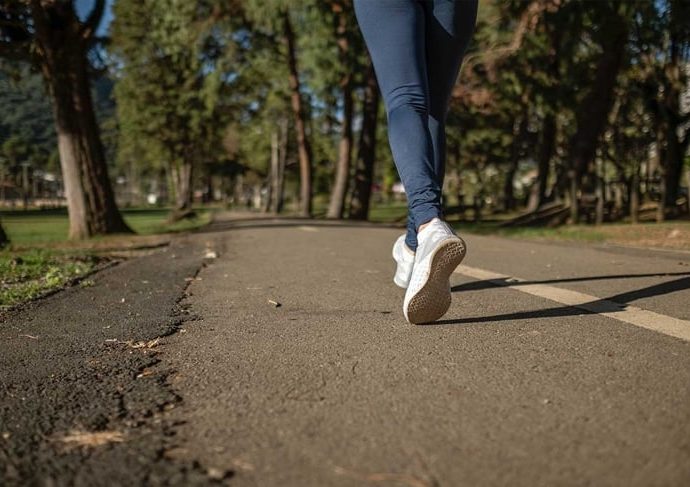
    You may have tried meal prepping, but what about workout prepping? Set aside time each week to plan your workouts, like hitting the gym or taking a daily walk—make it your own!

    Pro tip: Set out your workout clothes or pack your gym bag the night before to make exercise easier the next day.

    2. Walk and talk

    Don’t sacrifice time with loved ones for your workout. Combine social time by walking together around the neighborhood or on trails.

    Pro tip: Bring a health-boosting drink like matcha or rooibos tea to enjoy during your walk.

    3. Try bedtime yoga

    Can you only find time at night? Bedtime yoga helps you move and relax, prepping you for sleep while improving balance and strength.

    Pro tip: List what you’re thankful for during your yoga session to enhance your practice.

    4. Give HIIT workouts a shot

    High-intensity interval training (HIIT) packs big benefits into shorter sessions. Example: 45 seconds of jumping rope followed by a short break, then 45 seconds of squats. HIIT is ideal for those short on time.

    Pro tip: Download a HIIT timer app to track your sets.

    5. Multitask with a treadmill

    Working while walking on a treadmill is becoming popular for remote employees. It allows you to move while getting work done; walking can also curb cravings and boost immune function.

    Pro tip: Choose easy tasks to complete while walking, like reading or answering emails.

    6. Switch up your commute

    Vary your commute by running, walking, or biking a few days a week for a built-in workout. These activities can decrease stress and improve focus.

    Pro tip: Biking instead of driving once a day can decrease your carbon footprint by around 67 percent.

    7. Involve the kiddos

    Can’t find alone time? Involve the kids! Have them do yoga with you or bike alongside you while you run.

    Pro tip: If they can’t join, sign them up for an activity near your gym.

    8. Take a resistance band on the go

    Keep a resistance band handy for mini workouts anywhere. They’re affordable and effective for building strength.

    Pro tip: A jump rope is another portable tool for a great cardio workout.

    9. Create healthy hobbies

    Find exercises that bring you joy, like dancing, geocaching, or walking to your favorite coffee shop.

    Pro tip: Try indoor rock climbing for a unique, heart-pumping hobby.

    10. Switch it up

    Don’t stick to one workout. Mix it up with gym days, long walks, and yoga sessions to stay motivated throughout the year!

    Pro tip: Schedule rest days for muscle recovery and relaxation.

    By Makena Wardle

    Article Courtesy of Alive Magazine

  • Bridging the gap

    Bridging the gap

    Bridging the gap

    Empowering men to prioritize health

    Stark gender differences exist in seeking both physical and mental health care. Understanding these differences and how professionals can identify those less likely to seek help will aid in developing targeted strategies.

    A 2016 Canadian study published in BMC Family Practice highlighted factors influencing why men are less likely to seek medical help than women. It suggests greater variability in how individuals decide to seek mental health help due to stigma, particularly among men.

    Why it matters

    Prioritizing health is crucial for men, aiding their well-being and positively impacting those around them. When men take care of their health, they can live longer, healthier lives, reducing chronic disease risk and enhancing their quality of life.

    This proactive approach can lead to increased energy, better mental clarity, and positive outlooks, improving interactions with family and friends. Men who prioritize health become role models, inspiring healthier lifestyles within their communities and families, encouraging children to adopt good habits themselves for a healthier next generation.

    Prioritizing men’s health: A call to action

    Men’s reluctance to seek health care, especially for mental health, can have serious consequences. Recognizing the factors deterring men from seeking help is the first step to breaking down barriers.

    Addressing these issues can create a more inclusive health system encouraging men to prioritize their health. However, the challenge lies in turning this knowledge into actionable strategies.

    Physical health

    There is a slightly greater inclination among men to seek help for physical health issues, but improvements are needed. Encouraging regular checkups and educating men about critical health screenings can save lives.

    Mental health

    The gender gap in seeking mental health care highlights the need for a cultural shift. Normalizing conversations about mental health among men and providing resources can help them seek assistance without fear of judgment.

    Regular checkups

    Identifying reluctant men allows for targeted interventions. Health practitioners can reach out, offering information and support to encourage regular health checkups.

    Healthy relationships and work-life balance

    Promoting healthy relationships and balanced lifestyles creates supportive environments, making it easier for men to seek help.

    Improving eating habits and reflecting on unhealthy behaviors

    Educating men on nutrition and the effects of unhealthy behaviors can motivate long-term health changes.

    Supplements and overall health

    While supplements can support health, their use should be informed by healthcare advice, complementing healthy choices rather than replacing them.

    Encouragement for the journey ahead

    To advance, we must break down barriers preventing men from seeking care, creating a society where they feel supported in prioritizing their health, benefiting themselves and those around them.

    Change won’t happen overnight, but with targeted policies, supportive communities, and shifting societal attitudes, we can close the gap in health care seeking between genders. Let’s champion a healthier future for all men, making health care access inclusive and a priority for everyone.

    By Theodore D. Cosco, PhD (Cantab) Cpsychol

    Article Courtesy of Alive Magazine
  • Bros need bros

    Bros need bros

    Bros need bros

    In-person relationships affect men’s mental and physical health

    When you were younger, you likely had more friends than you knew what to do with. Through school, sports, and clubs, you connected with people who shared your interests. It was easy—just show up.

    As life became more complex with careers, partners, kids, and more, you probably found yourself with just one or two close friends and rarely see them in person. Does it matter? Your mental and physical health may depend on those friendships.

    Benefits with friends

    Social connection serves as a buffer against stress, depression, and other mental health issues, correlating with a greater likelihood of seeking help.

    Thirty years ago, 55 percent of men had at least six close friends, but today, only about 27 percent report having that many, with 15 percent having no close friendships.

    When men do have friends, how do they “hang”?

    The American Journal of Men’s Health identifies three distinct patterns:

    1. Relationships with men are often “instrumental,” centered on shared activities, while those with women involve more personal sharing.
    2. Men typically find it challenging to confide in other men, often attributing emotional expression to femininity, which is often seen as undesirable in male groups.
    3. Many men take pride in being “independent” and reject the need for social support, preferring to handle difficulties alone.

    Social connection and health

    Strong social connections can insulate against loneliness, anxiety, and depression. They can also help maintain a healthy BMI, improve blood sugar control, and enhance cancer-fighting odds.

    Tim Geromini, nutrition and strength coach, states, “If you spend time with people who are physically active, you’re more likely to be fit. Social connectedness with the right people will positively impact your mental wellness and physical health.”

    Partner power

    If this resonates with someone you know, consider your role in empowering your partner. The “independent guy” might not ask for help even when he needs it.

    With connection benefiting health, consider this your green light. Here are a few tips from Geromini:

    Offer gentle encouragement

    Approach the topic with empathy and encourage open conversations about their social concerns.

    Lead by example

    Demonstrate the positive impact of social connections by actively engaging in your own social life, inspiring your partner to follow suit.

    Identify shared interests

    Participate in social activities together, like local classes or events you both enjoy.

    Support networking

    Accompany your partner to social or networking events, offering emotional support and encouragement.

    Act as a resource

    Help find resources and communities relevant to your partner’s interests, such as local groups and online communities.

    Encourage gradual exposure

    Promote small steps in building connections through casual gatherings or small group outings.

    Express unconditional support

    Maintain a nonjudgmental approach and assure your partner of your support.

    By Brendan Rofe, BA, DipA

    Article Courtesy of Alive Magazine
  • Rest and repeat

    Rest and repeat

    Rest and repeat

    Harness the power of yoga during pregnancy and postpartum

    In today’s fast-paced society, many of us emphasize the value of “doing” and diminish the significance of downtime—a mindset that often extends into pregnancy.

    Expectant moms are frequently burdened by anxiety about managing responsibilities, whether it be maintaining workout routines throughout trimesters or focusing on household tasks during postpartum recovery. In reality, we’re not supposed to do it all (or do it the same).

    Here’s how to reclaim rest and tap into the benefits of yoga during this transformative period of motherhood.

    The pressure to be productive

    With the pace of modern life pulling our attention in various directions, we often end up in a continual state of reactivity. The pressure to be productive can impact everything from sleep quality to hormone regulation, both vital during pregnancy and postpartum to create a nurturing environment for ourselves and our little ones. Failing to allow ourselves time to heal and discover what it means to mother can lead to struggle.

    The power of rest

    How can we embrace downtime? What does it mean to truly rest? Rest isn’t necessarily about sleep quality but our capacity to simply stop and be. It’s our ability to downregulate the nervous system or take moments of conscious rest throughout the day.

    Whether pregnant or caring for a newborn, carving out time for rest allows us to surrender to our circumstances. How we think and relate to ourselves and others is rooted in our capacity to rest. Practicing conscious rest in pregnancy and postpartum can take many forms, such as reading a book, meditating while breastfeeding, or gentle stretching. It means letting go of the pressure to run outdoors or clean before the baby wakes.

    Author Kimberly Ann Johnson explores this in her book The Fourth Trimester: “Exercise is a healthy stress reliever, but sometimes it is the only way that women know how to regulate their stress levels. [Pregnancy] is a great time to strengthen internal practices like meditation.”

    Yoga as a form of rest and recovery

    Embracing rest throughout each perinatal stage doesn’t mean giving up movement. Yoga connects our bodies and minds during this transitory time. While standard yoga centers on stretching, prenatal yoga emphasizes structural alignment and stability-focused work—from strengthening the pelvic floor to releasing lower back tension. It also includes breathwork and visualization techniques.

    Research indicates prenatal yoga can reduce labor pain, lower the likelihood of intervention during childbirth, and boost the birthing parent’s immune function. Additionally, studies suggest yoga enhances psychological well-being during pregnancy and postpartum by mitigating stress and improving sleep quality.

    Reframing the concept of self-care

    Whether pregnant or caring for a newborn, committing to a standard yoga practice each week may be unrealistic. Instead, reframing self-care and not fixating on a previous workout routine is crucial. Smaller but more regular practices of self-care can be as beneficial as an hour at the gym. There’s no going back after having a child; you’re creating something new.

    By Brittany Devenyi

    Article Courtesy of Alive Magazine

  • Habits for healing

    Habits for healing

    Habits for healing

    Supplements and strategies to reach your health goals

    There are certain fundamental steps needed to reach any goals. Most of us know these things, but reminders are sometimes necessary to get back on track.

    These essential strategies—eating a healthy diet rich in colorful produce; exercising; getting plenty of sleep; drinking pure water; reducing harmful foods like fast food, fried food, and processed food; and eliminating habits that sabotage efforts, such as smoking and excessive drinking or eating—form the foundation for other health goals.

    Improve brain and mental health

    Nutrition and lifestyle choices play a large role in brain and mental health:

    • Following the Mediterranean diet—rich in fruits, vegetables, olive oil, and whole grains, plus fish, poultry, and eggs—can reduce the risk of cognitive decline and depression.
    • Supplementing with saffron may help protect against memory loss.
    • Drinking green tea may help reduce harmful amyloid-B plaques in the brain, linked to Alzheimer’s disease.
    • Exercising improves memory, so head out for a brisk walk on your lunch break or hit the gym after work.
    • Adding mushrooms to your diet at least twice a week may help reduce cognitive decline.
    • Supplementing with vitamin D3, if deficient, may significantly improve cognitive performance.

    Boost cardiovascular health

    The journey to cardiovascular health also involves healthy diet and lifestyle habits:

    • Engaging in regular activity—moderate to vigorous aerobic activities, with at least 150 minutes per week and muscle-strengthening activities twice a week.
    • Following a Mediterranean diet is linked to a reduction in stroke risk.
    • Drinking two to three cups of green tea may prevent fat buildup in arteries.
    • Sleeping seven to nine hours nightly; insufficient sleep may increase heart disease
    • Managing stress through self-care, connecting with loved ones, practicing yoga or meditation, journaling, or engaging in
    • Eating a diet high in anthocyanins (berries, cherries, and purple cabbage) has been linked to a significant reduction in heart disease risk.
    • Supplementing with omega-3 fatty acids—including wild salmon, mackerel, flaxseeds, and walnuts—may help reduce heart disease risk.

    Live a longer, healthier life

    To extend your life, what you don’t eat is as important as what you do:

    • Engaging in caloric restriction or fasting while maintaining optimal nutrition can effectively extend your life and ward off illness.
    • Maintaining a healthy body weight and reducing excessive abdominal fat through an active lifestyle improves
    • Eating at least three servings of nuts per week has been linked to a significant reduction in mortality risk.
    • Supplementing with curcumin has been linked to improved brain, heart, and lung health, and protection against age-related diseases.
    • Drinking green tea regularly has significant links to reduced risk of cognitive decline.
    • Finding purpose in life has been shown to lower inflammation, which can affect lifespan.

    By Michelle Schoffro Cook, PhD, DNM

    Article Courtesy of Alive Magazine

  • You can protect biodiversity

    You can protect biodiversity

    You can protect biodiversity

    Saving soil and ocean health now and for the future

    Land and sea may seem like opposites, but the two are intricately connected. What happens on land, especially with our soils, has an impact on the health of our oceans, and it’s imperative to the well-being of all living things that both are treated carefully.

    How soil health affects the health of our planet

    “Poor agricultural practices can cause soil erosion and soil pollution,” says James Campbell, a research associate with the Research Centre for Carbon Solutions at Heriot-Watt University.

    About 33 percent of the Earth’s soil is degraded, largely due to agriculture, and more than 90 percent faces the same fate by 2050, according to the United Nations (UN) Food and Agriculture Organization. But more than just the future of food production is thrown into jeopardy by this fact. So, too, is the planet’s ability to sustain any kind of life at all.

    Soil stores carbon, helping to regulate the planet’s temperature. When it’s degraded, all that stored carbon gets released back into the atmosphere, making it one of the biggest contributors to climate change.

    The connection between soil health and our oceans

    Land and soil degradation also affects our oceans. After all, carbon dioxide (CO2) being released through activities such as tilling or clear-cutting forests to make way for food production has to go somewhere. It goes into the Earth’s other carbon sink: oceans. And when CO2 dissolves in seawater, it becomes carbonic acid, raising the acidity of the ocean.

    Ocean acidification is devastating for underwater ecosystems. Also known as “osteoporosis of the sea,” it decreases carbonate in seawater, which is used by shellfish, coral, and crustaceans to build their shells, reefs, and skeletons.

    Individual actions can affect the future

    A 2020 UN report on biodiversity and ecosystem services estimated that a quarter of all terrestrial, freshwater, and marine vertebrates and invertebrates and plants are threatened with extinction, and many of those have only decades left before they’re gone forever.

    It’s a bleak prognosis, but if we want to change course, we can start by thinking more critically about the impact of our individual actions.

    Buy local

    Shorter transportation distances generally mean less carbon dioxide is emitted into the atmosphere.

    Avoid using chemicals at home

    This includes fertilizers, insecticides, and pesticides on lawns or in gardens, which are harmful to humans, insects, birds, fish, and pets.

    Swap the lawn for native plant species

    To decrease the amount of mowing, watering, and even fertilizing required to keep your lawn lush, start switching out grass for vegetation that grows naturally where you are.

    Keep Fluffy indoors

    Cats are stealthy hunters, posing a threat to birds, small animals, and reptiles that call your yard or neighborhood home. If Fluffy is desperate to get out, dress him up in a collar with a bell to alert prey to his presence.

    By Tiffany Mayer

    Article Courtesy of Alive Magazine

  • Slow down!

    Slow down!

    Slow down!

    It’s time for reflection and a fresh start

    Springtime is the perfect opportunity to start fresh by consciously pausing to rest, reflect, and recalibrate. Create space for quiet time and make the most of it. Here’s how.

    Back to basics

    Take several deep conscious breaths and reflect on your

    • energy level
    • physical health
    • emotional state
    • financial condition
    • relationship health

    Notice where you may be out of balance, depleted, or too full. This gives you a quick baseline, a reference point to guide you forward.

    Shouldn’t I be doing something?

    When we’ve been doing a lot, it can seem like there’s something off if we don’t continue to keep busy. However there’s so much to be learned when we shift focus from doing to being.

    Judy Cashmore is a movement and embodiment teacher. She sees numerous benefits to embracing the quiet of being:

    • deep restoration of our nervous system
    • sparking of creative impulses and problem-solving approaches
    • clearer perspective on ourselves and on our lives
    • space to process and release any stuck or repetitive thoughts and feelings
    • connection with the natural world by allowing ourselves our own “season” of quiet

    We’re all wired differently!

    The 20th-century analyst Carl Jung posited that people either recharge themselves in solitude (introverts) or socially (extroverts). The contrasting styles are on a continuum where each person has differing proportions of each style. Thus, we may have different levels of comfort with social stimulation and also different ways of centring and recharging.

    If you’re more introverted and yearning for downtime, yet still have family, work, or social obligations, try intentionally integrating boundaries and breathers. If, on the other hand, you’re more extroverted and yearning for social activity to continue, try reaching out to others and do something together.

    Reframing alone time

    Notice what story you tell yourself about alone time—because that story will inevitably influence your perspective. If you think there’s something wrong because you are alone right now, try reframing to encompass the notion of space for something new.

    If you’ve been spending a great deal of time alone and telling yourself it’s good because it’s solitude, consider if you’re avoiding or missing something else. You might reframe your experience as a period of isolation from which you can shift.

    Recognize that your beliefs affect your perceptions and thoughts—so if you want a different experience, change up your assumptions!

    Find the gold

    This season will transition into the next. Before it does, you have some space to give yourself a shake and begin anew. Take your time, and maybe appreciate yourself in the process. There is really no one like you!

    By Carole Ames

    Article Courtesy of Alive Magazine