Author: Basil Bandwagon

  • Healthy skin = healthy immune system

    Healthy skin = healthy immune system

    Healthy skin = healthy immune system

    The best offense is a good defense

    As the body’s largest organ, skin’s primary role is to maintain a healthy barrier between you and potential harm from the elements, including sun and rain, bacteria and germs, and stress. But are you protecting this important ally of your immune system?

    Skin: A complex system of protection

    The skin comprises three major divisions or layers, including the epidermis, the dermis, and the hypodermis.

    Epidermis

    This layer of your skin is the part you can see and touch. Despite the fact that it can be about as thin as tissue paper, the epidermis itself contains five sublayers. The uppermost sublayer is the stratum corneum, and it’s the first line of immune defense.

    Dermis

    Skin’s middle layer, or dermis, houses collagen that gives your skin strength as well as elastin that provides flexibility. Nerves located here keep you safe by triggering pain or letting you know, for example, when your hand is too close to the stove.

    Hair follicles are rooted in the dermis, as well as oil and sweat glands. They play critical roles in your immune defense. Oil, for example, may help to seal hair follicles so that unfriendly microbes can’t enter deeper layers of the skin. It also helps repel water. Sweat helps you maintain a healthy body temperature.

    Hypodermis

    The hypodermis (also known as the subcutis or subcutaneous layer) is the deepest skin layer and consists primarily of connective tissue and fatty tissue. This layer allows skin to move smoothly over tissue and muscle and to act as a shock absorber. The hypodermis also insulates your body to protect you from the cold.

    Skin’s microbiome

    Given its extensive surface area, skin provides room and board to millions of bacteria. This adds an extra layer of protection, as these bacteria help prevent colonization and invasion by pathogenic microbes.

    Barrier breakdown

    Despite various skin fortifications, barrier function can be compromised—and it might start with simple water loss. H2O deficiency is associated with skin dysfunction, including atopic dermatitis and skin wrinkling. To keep skin healthy, you want to drink plenty of water and minimize transepidermal water loss or the moisture lost from skin cells through evaporation.

    There are a lot of things working against that goal, such as stress and pollution. Certain topicals can also cause a breakdown in barrier function. Common foaming agents such as sodium lauryl sulphate and sodium laureth sulphate can strip away valuable moisture and cause skin irritation. Alcohols such as isopropyl alcohol, propanol, and benzyl alcohol may also rob your skin of moisture.

    To lock in moisture, look for skincare helpers that mimic the natural lipids found in your skin. Borage, carrot, and evening primrose oil are rich in fatty acids. Try camelina oil, which is high in vitamin E and a rare plant source of omega-3 fats.

    Article courtesy of Alive Magazine
  • Eat for the Planet

    Eat for the Planet

    Eat for the Planet

    Sustainable recipes you’ll love

    More of us than ever are coming to understand the links between the food we eat and its impact on the planet. Eating a diet rich in legumes and organic vegetables, with a reduced emphasis on meat, is recognized as being better for us and the planet. Read on to discover delicious recipes that will help you include more sustainable ingredients in your meal plans.

    Leek and Mushroom Tartines with Wilted Watercress

    Watercress is relatively disease and pest resistant, so it doesn’t require pesticides. It’s easy to grow, and it’s packed with nutrition.
    Servings: 2

    Ingredients
      

    • 1 tablespoon olive oil divided
    • 1 teaspoon olive oil divided
    • 10 Mushrooms, mixture of white and brown cleaned and diced, about 2 cups
    • 2 sprigs thyme
    • ¼ teaspoon salt divided
    • 1 tablespoon lemon juice
    • 1 Leek trimmed, quartered, and diced, about 1½ cups
    • 1 teaspoon Honey
    • 1 cup watercress
    • 2 slices whole grain or sourdough bread
    • Black pepper, to taste

    Method
     

    1. In large skillet on high, heat 1 Tbsp (15 mL) olive oil. When oil is hot, add mushrooms and thyme sprigs and cook for about 5 minutes, shaking pan from time to time to toss, but otherwise keeping movement to a minimum. Once mushrooms are browned, add a pinch of salt and lemon juice, stir through, and tip out onto plate to rest.
    2. Reduce heat to medium and, in the same pan, add remaining 1 tsp (5 mL) olive oil, leeks, and remaining salt. Cook leeks, being careful not to brown, for about 5 minutes, or until just soft. Tip mushrooms and thyme sprigs back into the pan, add honey, and combine with leeks. Remove pan from heat.
    3. Toast 2 pieces of bread. When ready, add watercress to still-warm leek and mushroom mixture and mix through, just wilting watercress. Spoon onto toasted and plated bread and season with black pepper.
    4. Enjoy!

    Herby Lentil Salad with Spinach and Peas

    Symbiotic bacteria called Rhizobium invade the roots of lentils and legumes such as peas and beans, allowing them to “fix,” or use, nitrogen. This also improves the quality of the soil they grow in.
    Servings: 4

    Ingredients
      

    • 1 cup black beluga or French Puy lentils
    • 1 Bay leaf
    • ¼ cup green peas
    • ¼ cup cilantro finely sliced
    • ¼ cup parsley finely sliced
    • ¼ cup mint finely sliced
    • ¼ cup red wine vinegard
    • 1 tablespoon olive oil
    • ¼ teaspoon salt
    • 3 Green onions finely sliced
    • 1 cup baby spinach

    Method
     

    1. Pick over lentils, removing pebbles or debris, and rinse. Bring a large pot of water to boil and add lentils and bay leaf. Reduce to medium-low and cook lentils at a slow simmer for 20 minutes, or until tender but not mushy. Drain and rinse with cool water to stop the cooking process.
    2. In separate pot, blanch green peas for 2 to 3 minutes; drain and rinse with cool water.
    3. In small bowl, combine herbs, vinegar, olive oil, and salt.
    4. In large bowl, place cooked and cooled lentils. Pour dressing overtop lentils; add green onions, peas, and baby spinach; and toss together. Tip out onto large shallow platter to serve.
    5. Enjoy!

    Poached Rhubarb with Cinnamon, Mint, and Ginger

    Selecting seasonal fruit reduces the need for heating, refrigeration, artificial lighting, pesticides, and increased transport. While rhubarb’s season may be short, the plant is a perennial that can produce for years.
    Servings: 2

    Ingredients
      

    • 2 cups rhubarb cut into 1 in. pieces
    • 1 piece gingerroot, about thumb-size cut into 3 or 4 chunks
    • 1 stick cinnamon
    • 1 large sprig mint
    • ½ cup orange juice
    • ½ cup water
    • 1 tablespoon honey

    Method
     

    1. Preheat oven to 375 F (190 C).
    2. In shallow 10 x 10 x 3 in (26 x 26 x 8 cm) baking pan, arrange rhubarb in one layer. Cut ginger in 3 or 4 chunks and add to pan along with cinnamon stick and mint sprig.
    3. In small bowl or jug, mix together orange juice, water, and honey. Pour over rhubarb mixture.
    4. Place baking tray in preheated oven and poach for approximately 20 to 30 minutes. Rhubarb is done when it is fork tender but still retains its shape. Serve over porridge or granola, or use as a dessert topping or cake filling.
    5. Enjoy!

    Article Provided by Alive Magazine

  • New insights into immune health

    New insights into immune health

    New insights into immune health

    Pandemic lessons on immunity

    Health has never been a more prominent topic or concern than in the era of COVID. But for all of us, supporting our immune system is the cornerstone of our well-being, whether we’re living in a pandemic or not.

    “Health is defined now by most medical establishments as a state of complete physical, mental, and social well-being and not merely the absence of disease and infirmity,” says naturopathic doctor Brian Davies.

    Immune system redux

    To best support our immune system, it helps to have a sense of how it works. Put simply, its job is to defend against disease-causing microorganisms. It has two main components.

    1. Innate immunity, the immune system we’re born with, consists of physical barriers like our skin as well as cells that attack pathogens that enter the body, responding quickly via effects like fever.
    2. Adaptive immunity is the part of our immune system that learns to react to foreign agents. When it’s exposed to a new germ for the first time, it responds by trying to fight it off; we might get sick, but our immune cells remember the invader and mount a more rapid response when it returns.

    Having a healthy immune system doesn’t mean never getting ill. It’s quite the opposite, in fact. And remember that not all viruses are created equal, as we’ve all learned with SARS-CoV-2, the virus that causes COVID.

    “Having symptoms such as fever, cough, muscle aches, headache, and the like are indications that your immune system is working to fight off infection, not the infection itself,” says Ashley Stapleton, naturopathic doctor. Nevertheless, the global health crisis may have led to a greater awareness of the importance of taking care of ourselves, a wake-up call of sorts.

    Immune system support

    “When looking at key support for general immune health, a healthy lifestyle is a critical part of supporting our immune systems,” Davies says. Some people who should consider modifications to their lifestyle to better support their immune systems are those who

    • eat highly processed foods
    • don’t sleep well
    • are under excessive emotional or physical stress from injury or overexercise
    • consume excessive amounts of alcohol
    • smoke cigarettes

    All of these factors put excess stress on the body, which is known to suppress innate immunity and dysregulate our adaptive immune system.

    Caring for your immune system

    Here are some other approaches to providing your immune system with support.

    • Cut out sugar
    • Avoid alcohol
    • Get plenty of good sleep
    • Reduce stress

    Supplemental immune support

    Always check with your health care practitioner before trying a new supplement. Supplements that may help support your immune system include:

    • Probiotics
    • Vitamin C
    • Vitamin D
    • Zinc

    Article courtesy of Alive Magazine

  • Nacho’ Normal Nachos

    Nacho’ Normal Nachos

    Nacho’ Normal Nachos


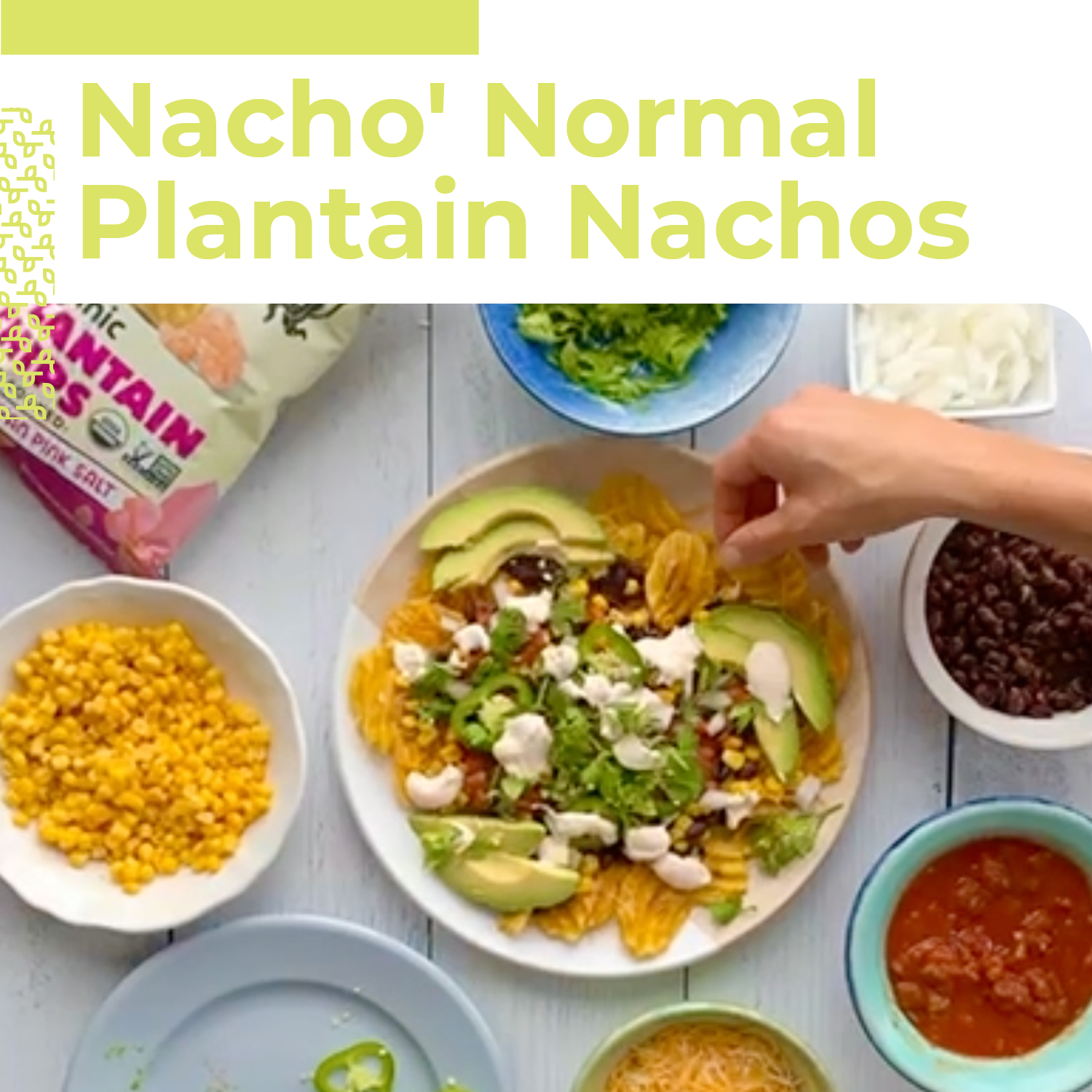
    Check out the super easy, super tasty recipe for Nacho’ Normal Nachos below! ‘Cause sometimes, you just don’t feel like doing the “norm.” A base of crunchy plantain chips is the perfect spin on your traditional nachos. Thick enough to withstand a heap of toppings and more flavorful than your average corn chip! Also, don’t sleep on the special sauce. It’s the perfect savory, creamy addition to a zesty plate of nachos. Plus, these nachos are so quick, you’ll be ready to go when the next craving strikes! We love that Barnana Plantain Chips are made from upcycled plantains which help keep food out of the waste stream and gives you delicious, sustainable treats! 

    Nacho’ Normal Nachos

    Check out the super easy, super tasty recipe for Nacho’ Normal Nachos below! ‘Cause sometimes, you just don’t feel like doing the “norm.” 💚

    Ingredients
      

    • 1 5-ounce bag (any flavor) Barnana Oranic Plantain Chips
    • 1 cup cheese (swap for a plant-based option if you are vegan)
    • ½ cup organic black beans
    • ½ cup organic corn
    • ¼ cup cilantro chopped
    • ¼ cup onion chopped
    • ¼ cup salsa
    • 1 Avocado sliced
    • Sliced jalapeño, optional
    Plant Based ”Special Sauce“
    • ½ cup vegan mayo
    • Dash of garlic powder
    • Dash of smoked paprika

    Method
     

    1. Spread Barnana Organic Plantain Chips out evenly on a microwave-safe plate.
    2. Layer on cheese, beans, corn, and salsa.
    3. Microwave on high for one to two minutes until cheese is slightly melted and toppings are warm.
    4. Top with chopped onions, cilantro, avocado, and jalapeño.
    5. Stir vegan mayo, garlic powder, and smoked paprika until well combined.
    6. Drizzle with special sauce and enjoy!

    Recipe Provided by INFRA

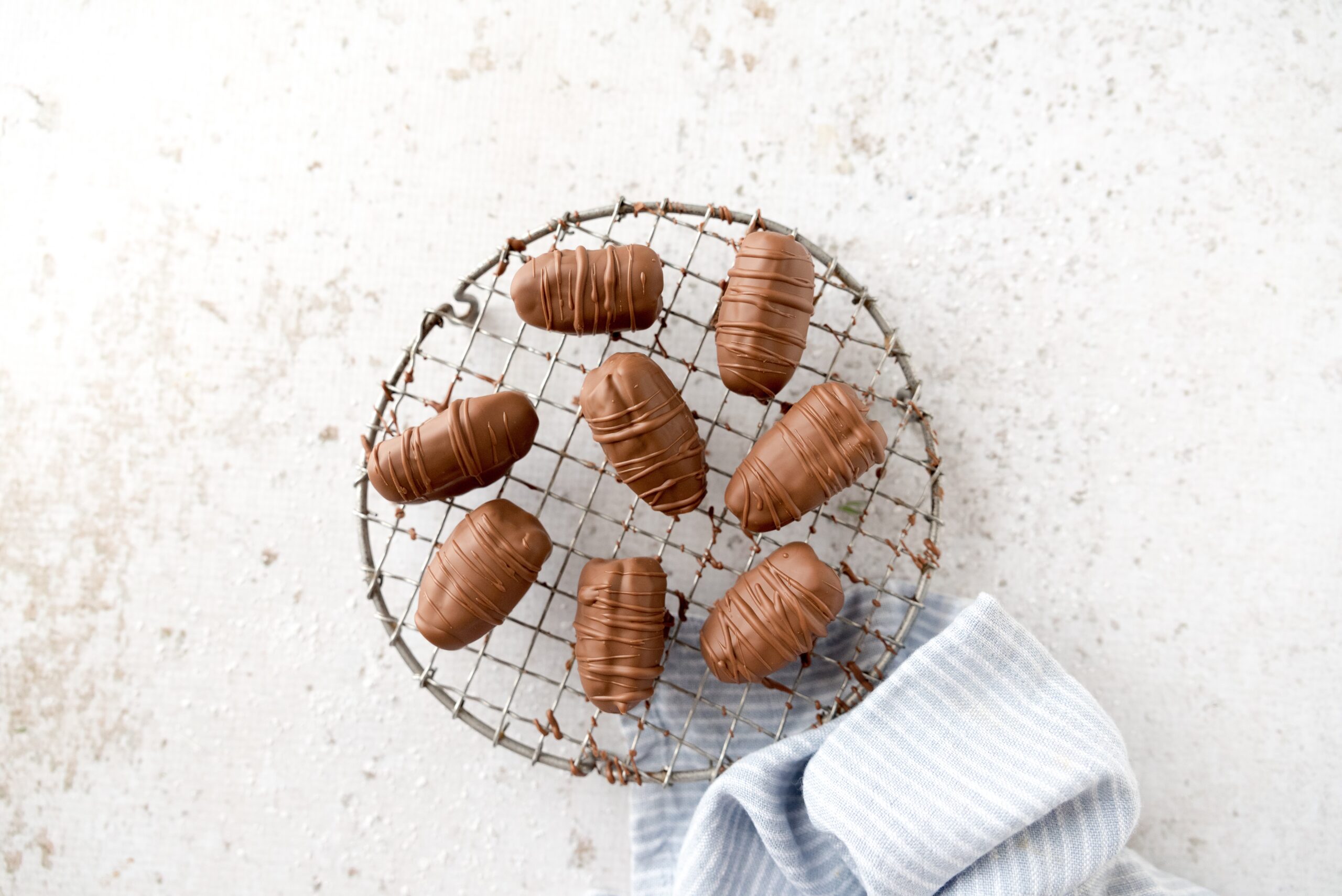
  • Chai Spiced Chocolate Covered Dates

    Chai Spiced Chocolate Covered Dates

    Chai Spiced Chocolate Covered Dates


    These chai spiced chocolate covered dates are the perfect sweet treat! They’re so easy, and you can keep them in the fridge until you’re ready to eat them. If you can’t find a chai spiced chocolate bar, you can always mix a personalized batch of your own chai spices. You can use a scalable recipe to make as much or as little as you’d like and add it to all sorts of baked goods and desserts. We don’t recommend using the spice blend for actual chai tea, as you’d want to use whole spices for that application. Filling dates with almond butter, or the nut butter of your choice, adds a bit of protein and fat to make this a perfect little bite-sized snack. 

    Chai Spiced Chocolate Covered Dates

    These chai spiced chocolate covered dates are the perfect sweet treat! They’re so easy, and you can keep them in the fridge until you’re ready to eat them.
    Servings: 24 dates

    Ingredients
      

    • 24 Medjool dates
    • ½ cup almond butter
    • 12 ounces chai spiced chocolate chopped
    • ½ teaspoon avocado oil

    Method
     

    1. Cut open each date halfway and remove pit.
    2. Place one teaspoon of nut butter inside the date to stuff and close.
    3. Place chocolate and oil in a small bowl and heat over gently simmering water, stirring frequently until melted.
    4. Dip dates in chocolate and coat using a fork. Transfer to a parchment-lined baking tray. Place dates in the freezer for 10 minutes to set the chocolate.
    5. Drizzle remaining chocolate over dates and store in refrigerator until serving.
    6. Enjoy!

    Notes

    Vegetarian, Gluten-Free
    If you can’t find a chai spiced chocolate bar, you can add a blend of spices to the chocolate in step 3. Start with:
    ½ teaspoon cinnamon
    ¼ teaspoon ground cardamom
    ¼ teaspoon ground ginger
    A pinch of ground cloves
    A pinch of ground nutmeg
    A pinch of ground allspice

    Recipe Provided by INFRA

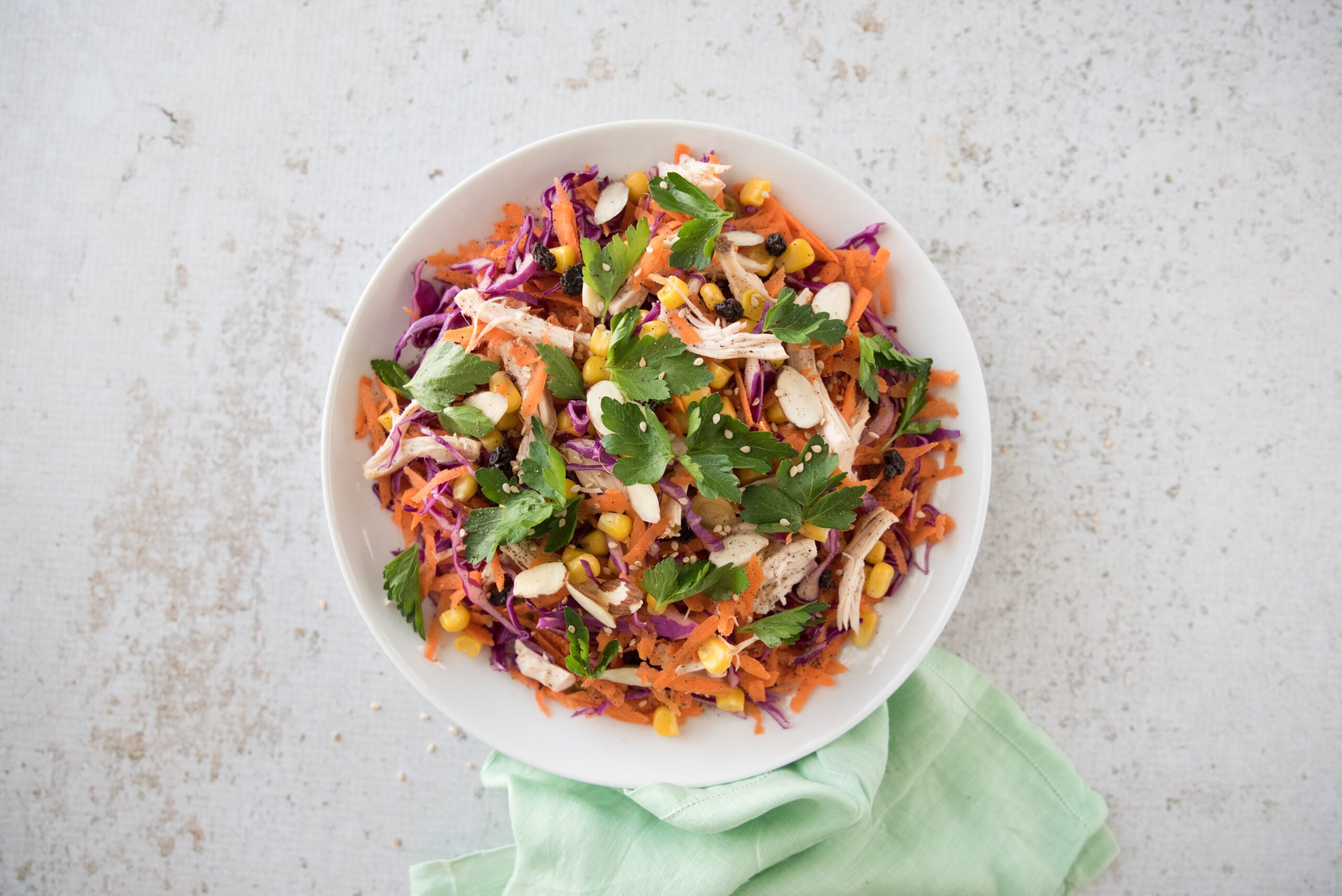
  • Shredded Carrot Salad

    Shredded Carrot Salad

    Shredded Carrot Salad


    Colorful, flavorful, and oh so simple, this shredded carrot salad could be your next lunch. Pick up a rotisserie chicken for dinner tonight and use the rest of the pulled chicken to take this salad to the next level! Crunchy shredded veggies like carrots and cabbage give coleslaw vibes, but the sesame tamari dressing keeps things light. With a hearty base, this riot of fiber is perfect for meal prepping. It won’t get soggy in the fridge or over the course of a barbecue or potluck. You may have lots of carrots for the easter bunny or just to celebrate spring. This is the perfect recipe to make use of that bounty. 

    Shredded Carrot Salad

    Colorful, flavorful, and oh so simple, this shredded carrot salad could be your next lunch. Pick up a rotisserie chicken for dinner tonight and use the rest of the pulled chicken to take this salad to the next level! 
    Servings: 4

    Ingredients
      

    • 1 pound carrots peeled and shredded
    • 1 pound red cabbage finely shredded
    • 2 cups pulled Rotisserie chicken
    • ¾ cup frozen corn thawed
    • 1 handful fresh parsley chopped
    • 4 Green onions thinly sliced
    • ½ cup sliced almonds toasted
    • ¼ cup currants or raisins
    Dressing
    • cup toasted sesame oil
    • 3 tablespoons tamari
    • ¼ teaspoon cayenne pepper

    Method
     

    1. In a large bowl, combine carrots, cabbage, chicken, and corn.
    2. Whisk together toasted sesame oil, tamari, and cayenne pepper.
    3. Pour dressing over salad and toss to coat. Adjust seasoning to taste.
    4. Top with parsley, green onions, sliced almonds, and currants or raisins.
    5. Enjoy!

    Notes

    Gluten-free

    Recipe Provided by INFRA

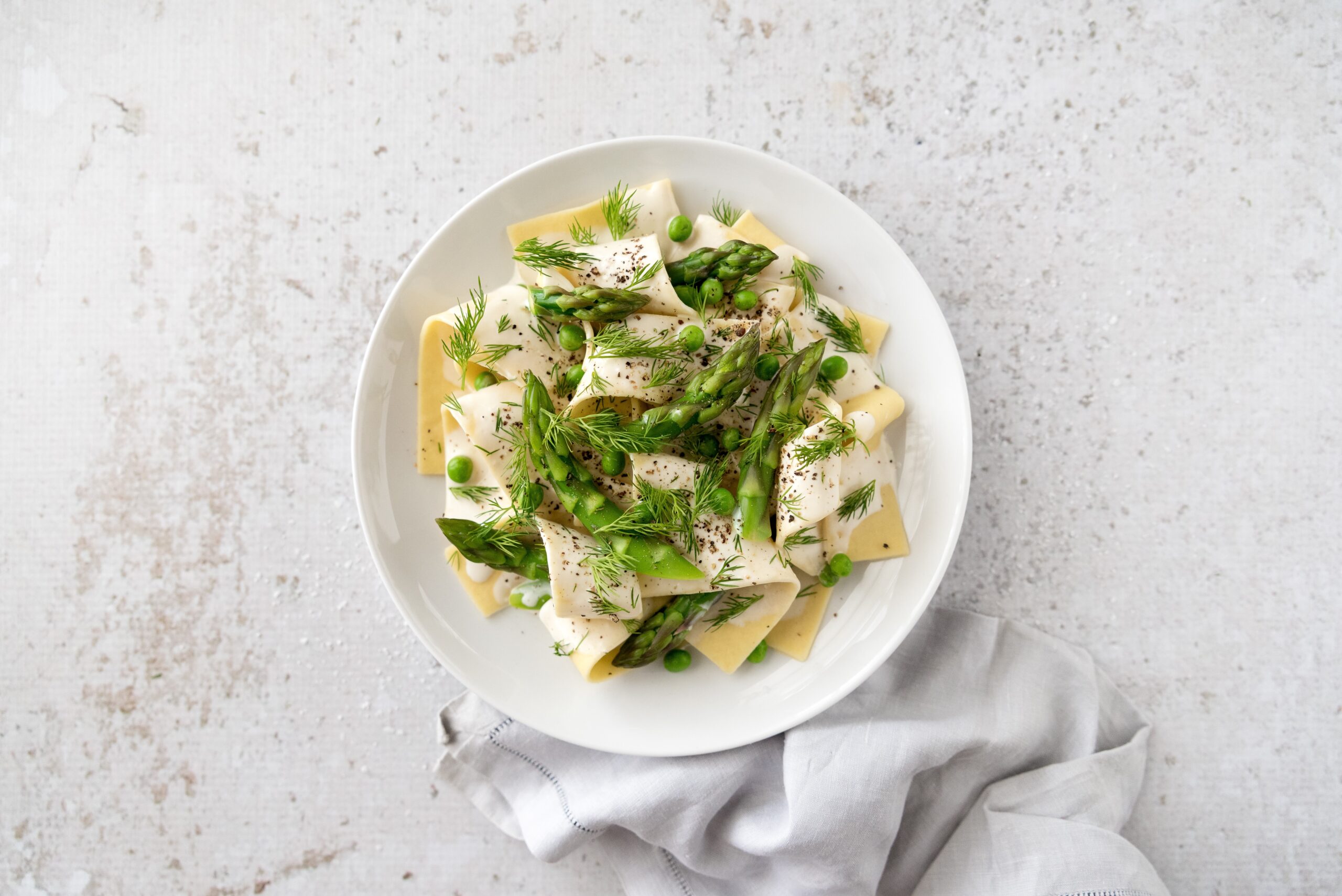
  • Asparagus Pappardelle

    Asparagus Pappardelle

    Asparagus Pappardelle


    Spring is in the air! With this asparagus pappardelle, you can have spring in your bowl, too! Whether you like pencil thin asparagus or heartier thicker stalks, asparagus is the quintessential spring vegetable. It’s the harbinger of the season. Combined with other tender green produce, dill and peas, and a light cream sauce, you know you can have dinner on the table in less than 30 minutes. The asiago cheese and shallots build a lot of flavor without overpowering the freshness of the veggies. We’ll be making this recipe all spring long as we wait to see what else our local farmers have to offer.

    Asparagus Pappardelle

    Spring is in the air! With this asparagus pappardelle, you can have spring in your bowl, too! Plus you can have dinner on the table in less than 30 minutes.
    Servings: 4

    Ingredients
      

    • 4 tablespoons olive oil
    • cup shallots minced
    • 3 Large garlic cloves minced
    • 1 pound pappardelle pasta
    • 1 pound fresh asparagus cut into 1-inch pieces (discard woody parts)
    • ½ cup frozen peas
    • cups heavy cream
    • cups asiago cheese shredded
    • ½ teaspoon sea salt
    • ½ teaspoon coarse ground black pepper
    • ½ ounce fresh dill stemmed

    Method
     

    1. Bring a large pot of salted water to a boil.
    2. Heat oil in a large saucepan and add shallots. Cook shallots until translucent then add garlic and cook for a minute. Add cream and bring to a gentle simmer. Add shredded cheese and stir until melted. Reduce heat to low.
    3. Cook pasta as directed on package. Add asparagus and peas one minute before pasta is done. Strain and add to sauce. 
    4. Toss pasta to coat and season with salt and pepper. Sprinkle with dill and serve promptly.
    5. Enjoy!

    Recipe Provided by INFRA

  • The Joy of Sleep: LifeSeasons helps you get the rest you need!

    The Joy of Sleep: LifeSeasons helps you get the rest you need!

    National Sleep Awareness Week (March 12-18, 2023) highlights commitment to the vital refreshment of a good night’s sleep. Our bodies accomplish a great deal during sleep: bone, muscle, and tissue are repaired; our immune system is strengthened; memories are stored. Our systems slow down overnight, resetting energy levels for a fresh start.

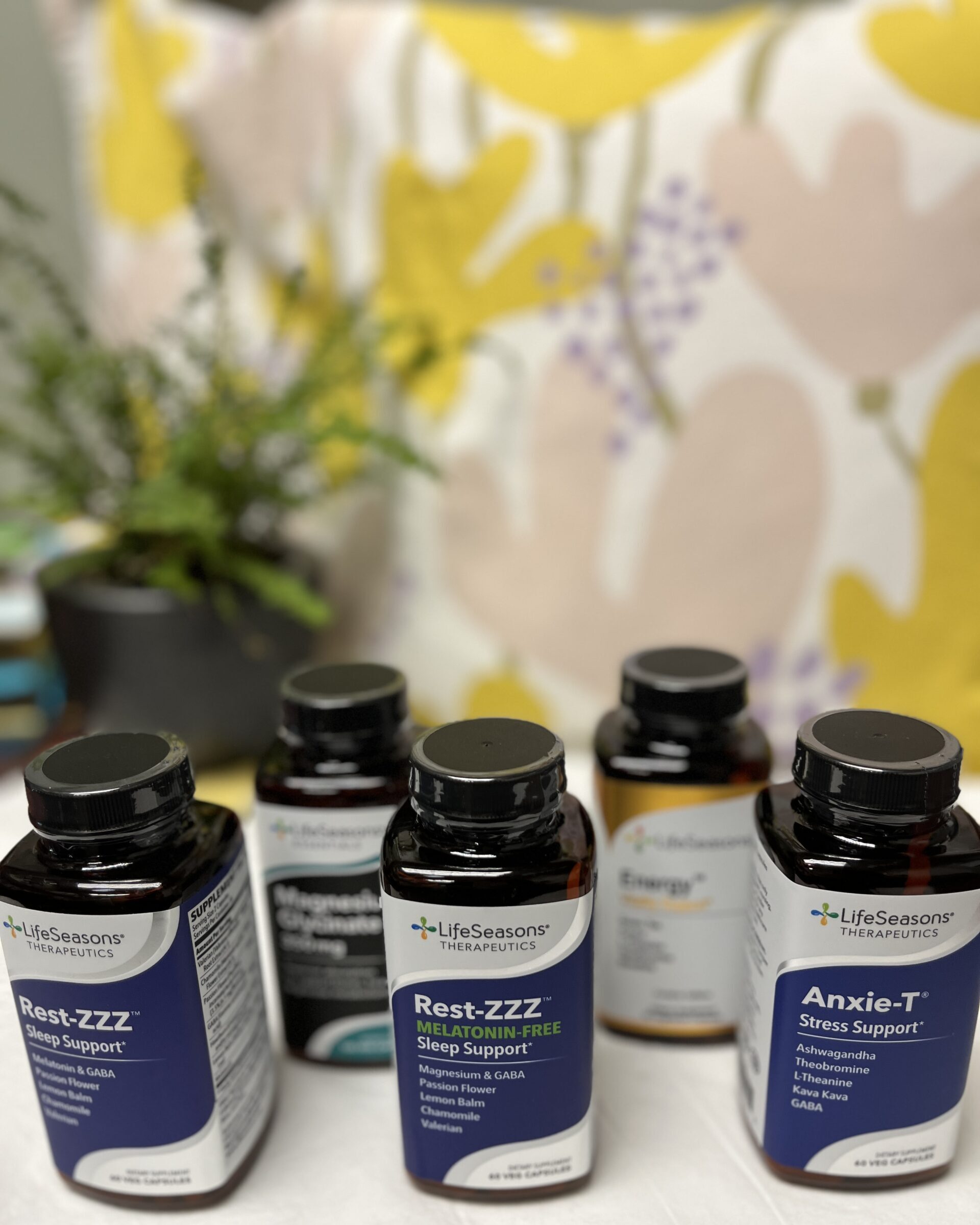
    LifeSeasons offers a studied, full-body range of care, including support for stress, mind, and mood, all conducive to a productive night’s sleep. They also offer supplements that enhance the natural relaxation that leads to restful sleep.

    All LifeSeasons supplements are 25% OFF through March!

    Rest-ZZZ Sleep Support

    Encourage a healthy, restorative night’s rest with some soothing habits: a cool, darkened room, a warm bath, and a break from your screens. Rest-ZZZ can help by calming your nervous system, promoting your natural sleep cycle, and easing muscle tension, restlessness, and nerve-related sleeplessness.

    Rest-ZZZ Melatonin-Free

    Prefer to skip the melatonin? Rest-ZZZ Melatonin-FREE offers sleep support for those unable to tolerate melatonin. Ease yourself into a restful night’s sleep without feeling groggy or “hung over” the next morning.

    Anxie-T

    Stress challenges all our systems and can certainly interfere with the ability to fall asleep. Anxie-T nurtures a relaxed and calm mind by supporting the body’s natural abililty to respond to stress. This is a great way to start your self care stress relief.

    Magnesium Glycinate

    A better you starts with a better mood — create a routine to prioritize staying cool, calm, and collected. Both you and your sleep will benefit! Magnesium Glycinate aids mood and sleep support, while promoting bone and heart health, and helping to maintain normal blood sugar levels.

    Energy

    We all have those days when it’s just hard to get started. LifeSeasons’ Energy helps overcome tiredness and fatigue with a gentle boost to energy and mood. Natural ingredients such as green tea and cacao supply support for circulation and focus without unwanted jitters.

    Resources:

    https://lifeseasons.com/blog/sleep-stages/

    https://lifeseasons.com/product/rest-zzz/

    https://lifeseasons.com/product/rest-zzz-melatonin-free/

    https://lifeseasons.com/product/anxie-t/

    https://lifeseasons.com/product/magnesium-glycinate/

    https://lifeseasons.com/product/energy-natural-caffeine-supplement/

    https://www.instagram.com/lifeseasons/

  • Tea benefits to support rejuvenation

    Tea benefits to support rejuvenation

    Tea benefits to support rejuvenation

    Harness the power of this simple pleasure

    As a new season approaches, it’s common to turn our minds toward rejuvenation—detoxifying ourselves from what’s not serving us and refocusing on what nurtures us.

    Tea, both true tea—made from the tea plant Camellia sinensis, including green, white, and black teas—and certain herbal infusions, can help in the physical process of detoxification by supporting the body’s metabolic and natural detoxification processes. These teas can also work to detoxify our mental state by helping to clear away stress, anxiety, and emotional blocks that may be weighing us down.

    The value of doing less

    Guided by Jude Wang of Cultivate Tea, we take a deeper look at how tea helps to detoxify and refocus the mind and body to enhance overall well-being. Wang explains that, while certain teas may be particularly helpful to physically detox, sometimes it is more about giving your body the space and time to carry out the self-care that it has been designed to perform.

    “Sometimes detox is about doing less,” says Wang. “These days, detoxing our mind and soul can be so much more important to think about than physical detoxing.” That’s where the ritual of tea comes in.

    Wang points out that our fast-paced, modern culture can often treat tea with a transactional attitude. “We have a tendency to think of it in terms of what it can give to us: tasting notes, health benefits.”

    Wang believes that tea provides the opportunity for a more nuanced experience: a chance to slow down, declutter the mind, acknowledge emotions, and nurture meaningful bonds with others. Time out to tune in.

    The tea experience for mental detoxification

    Sitting down with Wang to share the ritual of tea is a fluid experience that is tailored to the tea being served and the person, or people, he is sharing it with. Wang notes that it doesn’t so much matter how your tea ritual is conducted but rather the spirit in which it’s carried out.

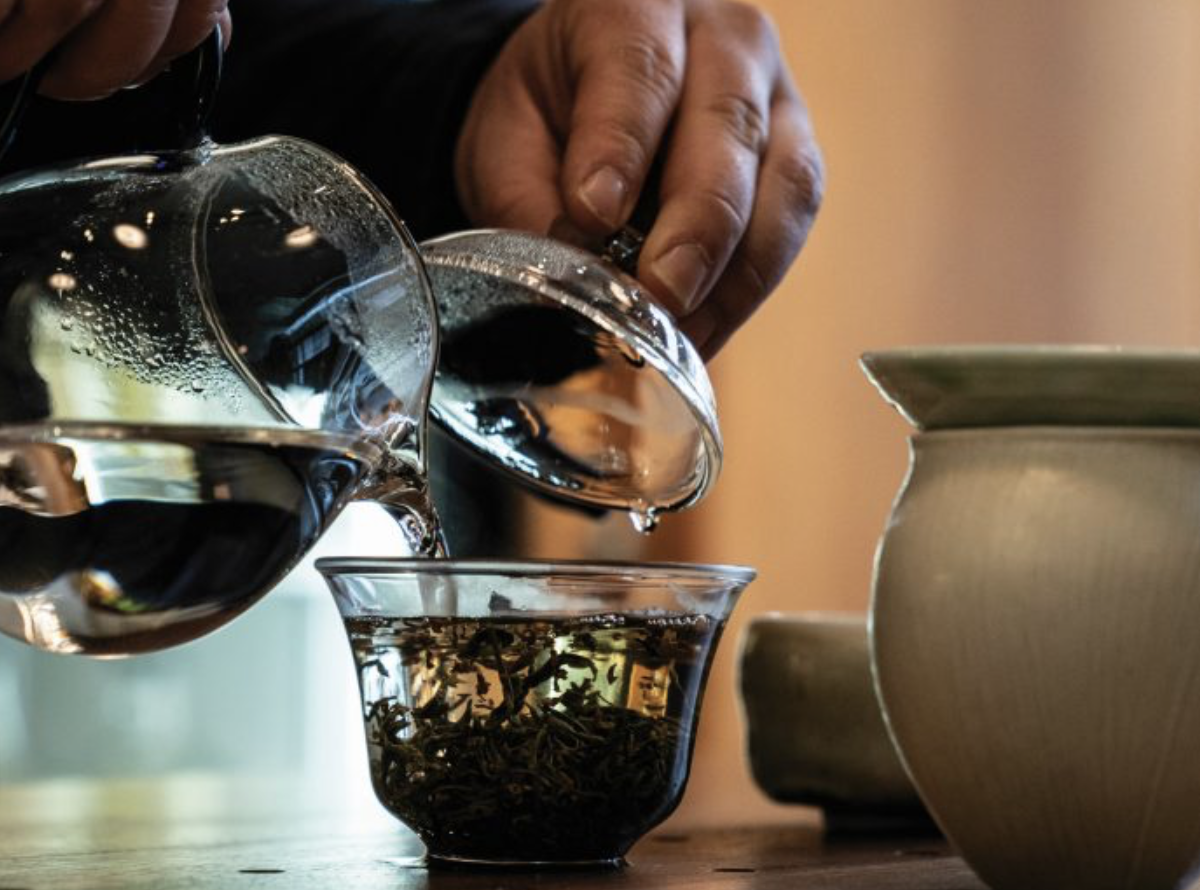
    From experiencing the look and smell of the leaves, watching them unfurl as they steep in the water, exploring the taste and mouthfeel—and how it evolves through multiple steepings—Wang values the meditation that tea provides.

    The power of tea ceremony

    Research shows that tea ceremonies enable participants to share common emotions, capture a sense of personal progression, improve concentration, and increase feelings of mindfulness. Further, the act of preparing and drinking tea has been found to help curb stress and boost psychological well-being.

    Finding meaningful rejuvenation

    Wang suggests that, if you come to tea with an open mind, its power can be transformative and its contribution to daily life invaluable. “It’s something so simple. It’s just tea leaves. But at the same time, it has so much behind it.”

    Article courtesy of Alive Magazine
  • Detox myths, debunked

    Detox myths, debunked

    Detox myths, debunked

    Unburden your body in a toxic world

    Without getting all doom and gloom, the unavoidable truth is that our environment is way more toxic than it was when our great-grandparents grew up. And that’s changing what we need to do to keep our bodies unburdened.

    Toxic burden

    Our food is sprayed with pesticides, our municipal water is chlorinated, and our air and soil are marred by persistent organic pollutants. Many of these compounds are fat soluble, meaning they accumulate in fat cells over time in a process called bioaccumulation. Since we’re all exposed to environmental toxicants, supporting natural detoxification is key for reducing our toxic burden and improving overall well-being.

    What is detoxification?

    Detoxification is the body’s built-in system for minimizing the harmful effect of toxicants, toxins, hormones, pharmaceuticals, and supplements, by transforming them into stable, water-soluble compounds that can be excreted from the body. While intestinal bacteria and body tissues including the skin and kidneys perform local detoxification, most detoxification reactions take place in the liver.

    While it’s true that our food and lifestyle choices can enhance detoxification, we don’t need to do a juice cleanse or embark upon a rigorous fast to do so.

    On the other hand, it’s a misconception that we don’t need to do anything to support the body; many detoxification pathways require essential nutrients we can only get from the diet.

    Support the important routes of elimination

    When the bowels aren’t emptying regularly, we reabsorb our toxins and estrogen through a process called enterohepatic recirculation. Once you’ve ensured your routes of elimination are working well (starting with plenty of fiber, water, and exercise), then you can incorporate targeted food, vitamins, and herbs to enhance natural liver detoxification.

    Food physiology

    What we eat consistently has a more profound impact on detoxification than an annual week-long “detox.” Here are some foods and nutrients to incorporate in your diet.

    • Glutathione: Foods rich in vitamin B6, magnesium, selenium (Brazil nuts), and folate have been shown to restore depleted glutathione levels.
    • Resveratrol: Foods high in resveratrol (grapes, cacao) enhance liver enzyme activity.
    • B vitamins and magnesium: Methylation reactions are important components of detoxification, and they depend upon adequate vitamin B12, vitamin B6 (animal protein), betaine (beets), folate (leafy greens), and magnesium (seeds).
    • Protein: Detoxification also involves the conjugation of toxins with amino acids, which are the building blocks of protein. Supplement diet gaps with protein powder or specific amino acids including taurine, glycine, arginine, and glutamine.
    • Water: Support bile excretion by ensuring you’re getting enough water.

    Supplements to consider

    Supplements that may help support your body’s natural detoxification include:

    • Spirulina
    • Chlorella
    • Probiotics
    • Dandelion
    • Milk thistle
    • Curcumin

    Always check with your health care practitioner before starting a new supplement.

    Article courtesy of Alive Magazine