Blog

  • Budget-friendly and high-protein

    Budget-friendly and high-protein

    Budget-friendly and high-protein

    Recipes for rising food costs

    “Ouch” is a common word now heard at the checkout counter. Food costs are soaring, and it hurts. That’s why you’ll want an assist from these recipes that showcase budget-friendly protein foods that can help you get a meal on the table for less.

    Anytime Egg and Bean Casserole

    For breakfast, lunch, or dinner, each slice of this veggie-studded egg casserole is super satisfying. Because it’s a make-ahead dish, it’s convenient when you have little time to spare to get a meal on the table.
    Protein power: Yes, food inflation has also hit the egg carton, but eggs are still good-value protein. Beans are an ultra-nutritious plant-based protein that fits into all budgets.
    Servings: 6

    Ingredients
      

    • 4 cups 1 inch cubes of crusty bread
    • 2 teaspoons grapeseed oil or avocado oil
    • 1 small yellow onion diced
    • 2 cups chopped cremini or button mushrooms
    • 1 large red, orange, or yellow bell pepper seeded and diced
    • 3 plum (Roma) tomatoes seeded and diced
    • 1 teaspoon dried oregano
    • ½ teaspoon salt divided
    • 4 cups baby spinach
    • 2 cups canned or cooked black beans
    • 10 large eggs
    • cup half-and-half cream, or milk
    • 1 cup shredded cheddar cheese plus more for topping
    • ¼ teaspoon black pepper

    Method
     

    1. Grease 9 x 13 inch baking dish or line with parchment paper. Place bread cubes in bottom of dish.
    2. In large skillet over medium, heat oil. Add onion and heat for 3 minutes. Add mushrooms and heat for another 3 minutes. Stir in bell pepper, tomato, oregano, and 1/4 tsp salt; heat for 3 minutes. Stir in spinach and heat until wilted. Stir in black beans.
    3. In large bowl, whisk together eggs, half-and-half or milk, cheese, black pepper, and 1/4 tsp salt. Add vegetable mixture to egg mixture and stir to combine. Pour over bread cubes in baking dish. Refrigerate for at least 30 minutes and up to 24 hours.
    4. Preheat oven to 375°F.
    5. Bake casserole for 40 minutes, until edges are crisp and center of casserole is set.

    Notes

    Each serving contains: 391 calories; 25 g protein; 20 g total fat (9 g sat. fat); 29 g total carbohydrates (5 g sugars, 8 g fiber); 547 mg sodium
     

    Whipped Cottage Cheese Breakfast Bowls with Peanut Granola

    Whipped cottage cheese is a light, fluffy, smooth version of the curd-studded dairy and a delicious base for crunchy granola.
    Protein power: Cottage cheese has protein numbers on par with Greek yogurt but at a lower price point. Since peanuts are technically a legume, they supply higher amounts of protein than tree nuts such as almonds and are significantly less expensive.
    Servings: 4

    Ingredients
      

    • 1 ½ cups rolled oats
    • ¾ cup unsalted shelled and crushed peanuts
    • ¼ cup dried coconut flakes
    • 2 tablespoons brown sugar or coconut sugar
    • 1 teaspoon cinnamon divided
    • ½ teaspoon ginger powder
    • ¼ teaspoon salt
    • 3 tablespoons melted coconut oil or mild-flavored oil such as grapeseed
    • 2 tablespoons maple syrup, date syrup, or brown rice syrup
    • 3 teaspoons vanilla divided
    • ½ cup raisins
    • 2 cups cottage cheese
    • 1 teaspoon orange zest

    Method
     

    1. Preheat oven to 250°F.
    2. In large bowl, toss together oats, peanuts, coconut, sugar, 1/2 tsp cinnamon, ginger, and salt.
    3. In small bowl, whisk together oil, syrup, and 1 tsp vanilla. Pour over oat mixture and mix well until everything is moist. Spread granola on rimmed baking sheet in an even layer. In preheated oven, bake for 40 minutes, stirring granola every 10 minutes. Stir in raisins and let cool to room temperature.
    4. To food processor, add cottage cheese, orange zest, 2 tsp vanilla and 1/2 tsp cinnamon; pulse a few times, then process until smooth.
    5. Divide cottage cheese mixture among serving bowls and top with granola. If you’re looking for a little sweetening, you can also top with a drizzle of local honey or pure maple syrup.

    Notes

    Each serving contains: 531 calories; 24 g protein; 31 g total fat (17 g sat. fat); 44 g total carbohydrates (26 g sugars, 5 g fiber); 615 mg sodium

    Lemony Fishcakes with Red Sauce

    If you’re a fan of sardines and looking for a new way to incorporate them into your diet, these lemon-scented fishcakes are sure to satisfy. And for the timid, the strong “fishy” taste of canned sardines is subdued, especially when the patties are adorned with a vibrant tomato-red pepper sauce.
    Protein power: With up to 24 g of protein in a can, inexpensive sardines are a great way to get enough of this macronutrient for less cost.
    Servings: 2

    Ingredients
      

    Fishcakes
    • 2 cups peeled, cooked, and cubed sweet potato
    • 3 3.75 oz cans sardines drained
    • 1 egg lightly beaten
    • ½ cup breadcrumbs
    • ½ cup finely diced red onion
    • 1 lemon zested and juiced
    • 1 tablespoon fresh thyme
    • ¼ teaspoon salt
    • 1 tablespoon grapeseed oil or avocado oil
    Sauce
    • cup dry-packed sun-dried tomatoes
    • ½ cup roasted red pepper
    • 1 garlic clove peeled and chopped
    • ¼ teaspoon dried red pepper flakes

    Method
     

    1. In large bowl, mash together sweet potato and sardines. Stir in egg, bread crumbs, red onion, lemon zest, lemon juice, thyme, and salt. Shape mixture into 4 patties.
    2. In frying pan over medium-high, heat oil. Add fishcakes and cook for 4 to 5 minutes on each side, until golden brown crust forms.
    3. To make sauce, in blender container, place sun-dried tomatoes and 1/2 cup boiled water and let tomatoes soak for at least 15 minutes. Add roasted red pepper, garlic, and red pepper flakes to blender container and blend until smooth.
    4. Serve fishcakes topped with red pepper sauce.

    Notes

    Each serving contains: 339 calories; 22 g protein; 14 g total fat (2 g sat. fat); 31 g total carbohydrates (2 g sugars, 4 g fiber); 664 mg sodium

    By Matthew Kadey, MSc, RD

    Article Courtesy of Alive Magazine

  • Beat the relentless cold

    Beat the relentless cold

    Beat the relentless cold

    End the cycle

    When it comes to colds, most of us find solace in knowing that our sore throat or cough will be over quickly. But for some unlucky people, the prolonged suffering often called the “never-ending cold” may continue for weeks or months. Fortunately, these remedies and strategies might just help you feel back to normal in no time.

    The cold, harsh facts

    There are more than 200 viruses that cause colds, including rhinoviruses, coronaviruses, and respiratory syncytial viruses (RSV). The typical cold lasts one week but may last longer in children, the elderly, and those in poor health.

    The average adult gets two to four colds per year, while children average six to eight colds annually. Colds are typically characterized by congestion, coughing, reduced sense of taste and smell, runny nose, sneezing, and scratchy throat.

    Preventing colds

    It’s important to maintain a healthy lifestyle that promotes respiratory and immune health. There are some simple things you can do to help avoid getting colds:

    • Regularly wash your hands.
    • Avoid touching your eyes and nose.
    • Avoid smoking or vaping.
    • Exercise regularly.
    • Drink plenty of water or hydrating fluids.
    • Reduce sugar intake.
    • Eat plentiful amounts of vegetables.

    Treating the relentless cold

    If your suffering seems unending, consult a physician to determine whether other opportunistic infections, such as bronchitis or ear or sinus infections, may have taken hold. This is especially important if you suffer from a chronic condition like asthma. If you experience a high fever, ear pain, or unusually severe cold symptoms, it’s best to consult a physician.

    Chat with your primary health provider before trying any new supplement. Natural remedies that are thought to be hard-hitters against cold viruses include the following.

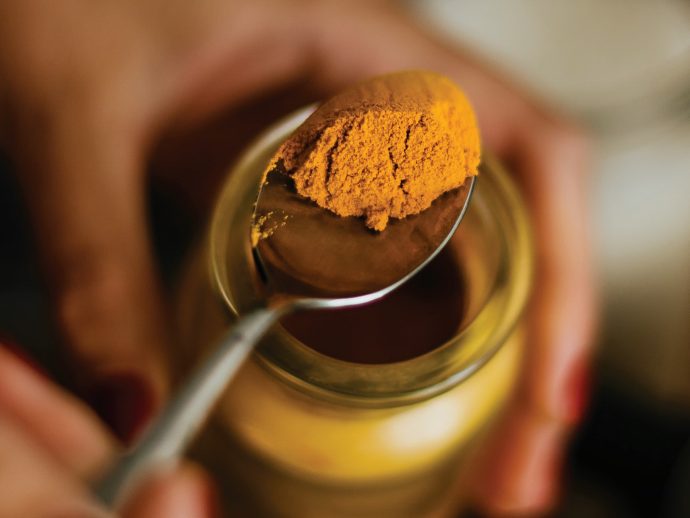
    • Curcumin. The yellow pigment that gives curries their signature yellow color has potent antiviral properties.
    • Echinacea. One of the most widely used herbs in the world, echinacea acts as an immune stimulant and antimicrobial agent.
    • Elderberry. This is an important traditional medicine, long used by the Indigenous peoples of North America.
    • Garlic. A culinary herb of choice and a popular traditional herb for the treatment of the common cold.
    • Ginger. Fresh ginger has long been used to ease the symptoms of the common cold.
    • Panax ginseng. Korean red (panax) ginseng has antiviral effects.
    • Quercetin. A type of flavonoid found in many fruits and vegetables, quercetin has been found, in cell studies, to be a potent antiviral agent, inhibiting viral replication of several respiratory viruses.
    • Vitamin C. Long-term supplementation with vitamin C has been shown to help shorten the duration of symptoms in those who are infected with respiratory viruses.
    • Vitamin D. Research over many decades has solidified the importance of maintaining adequate vitamin D levels for immune health to protect against viral infections.
    • Zinc. Important for the body’s ability to fight off viral and bacterial invaders, zinc is found in cells throughout the body.

    By Michelle Schoffro Cook, PhD, DNM

    Article Courtesy of Alive Magazine

  • Reboot your wellness routine

    Reboot your wellness routine

    Reboot your wellness routine

    It’s the perfect time of year

    For many, September represents a fresh start—in school, work, and a new season. This makes it the perfect time of year to revamp our wellness routines to better align with the needs of our bodies and minds.

    A new season

    This coming fall season demands different wellness supports, says Ashley Margeson, ND. We encounter two significant shifts in the fall, says Margeson: the drop in UV exposure, which can lead to plunging energy levels, and an increased pace of life.

    Adjusting your wellness routine for the needs of your season

    Margeson suggests looking at the foundations of what’s currently working in your life. She counsels her patients on approaching these cornerstones in the following areas.

    Sleep

    Keeping your bedtime and wake time consistent across the seasons means your circadian rhythm is consistent, which indicates your hormones are consistent as well. Creating a bedtime routine is one of the best things we can do in this area, says Margeson. That could involve drinking a cup of tea with a book, performing yoga, or stretching.

    Movement

    In this area, it’s important to think about how sustainable your movement routine is. For instance, a yoga class that involves a two-hour total commitment might not be as sustainable as 20 minutes a few times a week in your kitchen.

    Fueling

    This wellness cornerstone involves thinking about how much you need to eat for recovery and how you can make this work within your budget. Protein is critical here. Margeson says that fueling can be as simple as ensuring you ingest protein, greens, healthy fat, and fiber at most meals.

    Assessing your current wellness routine

    When assessing a wellness strategy, says Margeson, you should look at areas that aren’t working and where you have capacity to adjust. You’ll also want to build flexibility into your wellness plan. For instance, instead of planning each and every meal, try focusing on protein prep instead.

    Supplements for seasonal support

    Always check with your health care practitioner before trying a new supplement to make sure it’s right for you.

    SupplementHow it may help
    vitamin Dmay help provide support for mood, bones, and reducing inflammation
    probioticscan help improve the immune system
    elderberryhas been heralded for antioxidant, antidiabetic, anti-inflammatory, immune-modulating, and antidepressant properties
    vitamin Cmight help shorten the duration and decrease the severity of the common cold
    oil of oreganohas antibacterial, antioxidant; antifungal, antiviral, and potential cancer-preventive properties

    Sync with the season

    • Meditate on what you can be grateful for about the weather.
    • Journal about some of your favorite images of fall and winter.
    • Spend a moment experiencing the weather as it comes into contact with your skin. Pay attention to what arises in your mind and body in these moments.
    • Take a walk and collect a piece from nature—perhaps a leaf. Choose the piece that speaks to you and meditate on its beauty.

    By Carimé Lane

    Article Courtesy of Alive Magazine

  • Alternative therapies 101

    Alternative therapies 101

    Alternative therapies 101

    Discover optimal well-being

    We’re at a pivotal time in the wellness world. As we gain greater consciousness of our physical, mental, emotional, and spiritual needs, many of us are embracing alternative lifestyle practices, healing modalities, and technologies.

    Growing evidence shows the benefit of alternative therapies. As a naturopathic doctor, I’ve seen the remarkable changes that can occur when someone gets the right support at the right time. In some cases, people might have great nutrition, supplements, and stress management in place, but they don’t see the progress they’d like to. In my clinical practice, I’ve observed how incorporating some of the following alternative therapies can catalyze the healing response and facilitate significant change in how a person feels.

    Start with the therapy that intrigues you, is available to you, and is within your budget. For advice on incorporating alternative therapies alongside your medical care, chat with your health care practitioner.

    Hydrotherapy is the therapeutic application of water. Hydrotherapy spas allow you to circulate among hot, warm, and cold pools to reduce inflammation, enhance the immune system, and promote relaxation.

    Balneotherapy is a type of hydrotherapy that uses mineral-rich, gaseous water (such as a natural spring), paired with mud applications. Research strongly supports using balneotherapy for osteoarthritis, as well as cardiovascular, digestive, respiratory, neurological, hormonal, dermatological, and stress-related conditions.

    Sauna use, whether wet, dry, or infrared, is associated with reduced morbidity and mortality and increased “healthspan.” Frequent sauna use may protect against cardiovascular and neurodegenerative disease, as well as age-related loss of muscle mass.

    Massage therapy involves the manual manipulation of the soft tissues. Many people find massage to be relaxing for the body and mind. Massage therapy may reduce shoulder pain and knee pain, and promote function among those with low back pain.

    Reflexology involves the application of pressure to specific locations on the feet, hands, and ears. Reflexology may be effective for constipation; sleep disturbances; infantile colic; and pain, anxiety, and depression among cancer patients.

    Acupuncture is a traditional Chinese medicine (TCM) practice, involving the insertion of hair-thin needles along specific locations on the body. Research abounds for the use of acupuncture for several conditions, including postpartum depression, insomnia, and tinnitus. Acupuncture also enhances overall well-being by increasing parasympathetic tone, which promotes relaxation, digestion, and repair.

    Meditation has been shown to reduce pain, depression, and anxiety, while improving memory, cognitive function, and quality of life. Meditation is associated with having longer telomeres (the caps at the end of chromosomes), which are biomarkers associated with improved health and longevity.

    Biofeedback is a technology designed to enhance the mind-body connection. Electrodes are applied to measure either skin temperature, brain activity, or muscle tension and show real-time physiological data about the efficacy of relaxation techniques. Research supports the use of biofeedback for constipation, headaches, hypertension, TMJ disorder, and ADHD.

    By Dr. Cassie Irwin, ND

    Article Courtesy of Alive Magazine

  • Cook with mint

    Cook with mint

    Cook with mint

    Fast and fresh summertime recipes

    Let’s bring the refreshing flavor of mint into the kitchen this summer. With its distinctive flavor profile and heady aroma, mint is the perfect herb to incorporate into a variety of fresh, summery dishes. Read on for inspiration and then run, don’t walk, to grab your nearest bunch of mint and whip up some delicious fresh mint dishes today.

    Mint Chip Smoothie Breakfast Bowl

    Who wouldn’t want to eat ice cream for breakfast? This cool and creamy concoction only feels like an indulgence. Packed with fiber from bananas, spinach, mint, and oats, this breakfast is sure to keep you feeling full and satisfied until lunchtime.
    Servings: 2

    Ingredients
      

    • ½ cup plain yogurt
    • ¼ cup rolled oats
    • cup packed fresh spinach leaves
    • cup packed fresh mint leaves plus extra for garnish
    • ½ teaspoon vanilla extract
    • 3 medium frozen bananas chopped into 1 inch pieces
    • 1 ½ tablespoons raw cacao nibs plus extra for garnish
    • ½ cup fresh raspberries for garnish

    Method
     

    1. In blender, combine yogurt, oats, spinach, mint, and vanilla until smooth. Add frozen bananas and blend, scraping down sides of blender as needed, until thick and creamy. With blender turned off, fold cacao nibs into smoothie mixture.
    2. Divide smoothie into 2 serving bowls. Garnish each bowl with some extra cacao nibs, fresh raspberries, and a few mint leaves. Serve immediately.

    Notes

    Each serving contains: 307 calories; 8 g protein; 6 g total fat (3 g sat. fat); 58 g total carbohydrates (28 g sugars, 10 g fiber); 55 mg sodium

    Minted Watermelon and Rice Noodle Salad

    This vibrant summer salad works equally great as a side dish or light lunch. It also travels well. Leftovers keep well refrigerated for a few days.
    Servings: 5

    Ingredients
      

    • 2 tablespoons unseasoned rice vinegar
    • 2 tablespoons fish sauce
    • 1 tablespoon liquid honey
    • 1 tablespoon water
    • 1 teaspoon sambal oelek or 1 finely chopped bird's eye chili
    • 1 tablespoon + ⅓ cup loosely packed mint leaves divided
    • 1 cup snow peas ends trimmed
    • 1 cup bean sprouts
    • 5 ½ oz rice vermicelli noodles
    • 1 cup halved cherry tomatoes
    • 14 oz watermelon cut into bite-sized pieces
    • ¼ cup loosely packed Thai basil leaves or regular basil leaves
    • 2 green onions thinly sliced
    • 2 tablespoons roughly chopped toasted peanuts (optional)
    • 1 lime cut into wedges for serving

    Method
     

    1. In small bowl, whisk together rice vinegar, fish sauce, honey, water, and sambal oelek or chopped chili until well combined. Finely chop 1 Tbsp mint leaves and stir into dressing. Set aside while preparing salad, or transfer to airtight container and refrigerate for up to 1 week.
    2. Bring large saucepan of water to boil over high heat. While water is coming to a boil, prepare ice bath by placing a couple of handfuls of ice into large bowl and covering with cold water. Set aside.
    3. Blanch snow peas in boiling water for 10 seconds. Using slotted spoon, transfer to ice bath for 1 minute before placing on clean kitchen towel to drain. Repeat blanching and ice water bath treatment with bean sprouts, taking care to blanch bean sprouts in boiling water for only 5 seconds. Place bean sprouts to drain on clean kitchen towel alongside snow peas.
    4. Cook rice noodles according to package instructions and place in large bowl. Add about half the reserved dressing and toss to combine.
    5. Cut snow peas into bite-sized pieces and add to bowl with noodles along with bean sprouts, cherry tomato halves, watermelon pieces, torn basil leaves, green onion, and remaining 1/3 cup torn mint leaves. Drizzle with remaining dressing before gently tossing all together. Pile onto serving plates and garnish with a sprinkling of chopped peanuts, if using, and lime wedges.

    Notes

    Each serving contains: 215 calories; 6 g protein; 2 g total fat (0 g sat. fat); 45 g total carbohydrates (11 g sugars, 4 g fiber); 590 mg sodium

    Sweet Mint Pesto with Grilled Peaches

    For this recipe, sun-kissed peaches are used; however, other fruits such as pineapple, mango, nectarine, or plums would work equally well. Paired with a refreshing minty pesto sauce, this speedy dessert is sure to be a hit at your next BBQ.
    Servings: 4

    Ingredients
      

    • 2 cups packed fresh mint leaves
    • 4 tablespoons grapeseed oil divided
    • 2 tablespoons olive oil
    • ¼ cup raw pine nuts, raw cashews, or raw sunflower seeds
    • 2 tablespoons honey
    • 1 teaspoon vanilla extract
    • Pinch of salt
    • 4 ripe peaches
    • Your favorite vanilla ice cream to serve, if desired

    Method
     

    1. Preheat barbecue grill to medium-high.
    2. While barbecue preheats, make mint pesto sauce. In blender, place mint, 3 Tbsp grapeseed oil, olive oil, pine nuts, honey, vanilla, and salt. Blend, scraping down sides of blender jug as needed with rubber spatula, until pesto is mostly smooth, about 30 seconds. If pesto is too thick, thin with water, adding 1 Tbsp at a time until desired consistency is achieved.
    3. Cut peaches or your chosen fruit in half and discard pits. Rub cut side of fruit with some of the remaining 1 Tbsp grapeseed oil. Place fruit cut-side down on preheated grill and cook, moving as needed so fruit does not burn, until warm and grill marked, about 2 minutes.
    4. To serve, divide grilled fruit among serving bowls and top with some mint pesto. While delicious just as is, topping with a scoop of ice cream is highly recommended, as it gives the final dish more depth and richness.

    Notes

    Each serving contains: 271 calories; 4 g protein; 19 g total fat (2 g sat. fat); 26 g total carbohydrates (21 g sugars, 5 g fiber); 70 mg sodium

    By Lawren Moneta

    Article Courtesy of Alive Magazine

  • Get ready for virus season

    Get ready for virus season

    Get ready for virus season

    Helping your kids through infections

    In the wake of a surge of respiratory infections, parents are looking ahead with some trepidation and wondering how we can best support our kids. Dr. Caroline Meyer, a naturopathic doctor with a passion for pediatric medicine, shares her strategies for surviving the upcoming virus season.

    Virus basics

    Unlike bacteria, viruses lack their own cellular structure. Viruses are simply strands of genetic material that hijack other cells to drive ongoing replication and spread. Antibiotics are completely ineffective against viruses.

    Antiviral medications do exist for the flu, RSV, and COVID-19 but benefit only those at high risk of complications. For most people, our immune systems are the ones doing the heavy lifting of clearing infection and restoring health. Supporting immune function is the key to coping with viral infections.

    Avoid going viral

    Meyer highlights the importance of healthy habits, mental health, and nutrient testing for infection prevention.

    Sleep

    Sleep has a significant role in immunity. Bedtime screen use disturbs sleep, and poor sleep can lead to more infections. Reinforcing bedtime routines and limiting nighttime access to devices can build immunity.

    Movement

    Movement is the perfect immune system primer. In a study of preschoolers, kids moving less had more frequent and more severe infections. Exercise also improves sleep quality, providing indirect but important immune effects. Get kids (and yourself) out and moving daily.

    Diet

    Diet matters. Children who eat more fruits and vegetables get fewer infections.

    Mental health

    Emotional distress impairs the immune system and has impacts on food choices, sleep patterns, and exercise. Reach out for support if mental health challenges are present in your family.

    Nutrient deficiencies

    Nutrient deficiencies can undermine immunity. Low stores of iron and zinc can also reduce resistance to infection. Get your kids checked for deficiencies if they’re having recurrent infections.

    When to get help

    While many infections can be managed at home, urgent care is needed in the following cases.

    • difficulty breathing or blue lips
    • dehydration (not urinating, dry lips)
    • pain that doesn’t improve with medication
    • seizure
    • fever in kids 12 weeks or younger

    If your parental spidey-senses tell you that something is not right, take your child to hospital.

    Want more immune support?

    Talk to your health care practitioner about these supplements.

    SupplementBest form for kidsActions
    vitamin Ddropsdeficiencies are associated with higher infection rates and longer/more severe illnesses
    probioticspowder or liquidcan prevent diarrhea associated with antibiotic use; may reduce duration of colds
    zinclozengesreduces number of ear infections and speeds recovery

    Take action against viruses!

    • Wash, wash, wash your hands. Handwash before eating, after bathroom use, and on return from outside your home.
    • Stay home when sick. Keep your cold to yourself!
    • Cover nose and mouth when sneezing. Use a tissue or sleeve.

    Dr. Gillian Flower, ND

    Article Courtesy of Alive Magazine
  • Kids create communities

    Kids create communities

    Kids create communities

    Help them find strength, support, and belonging

    A close community can give our children a sense of belonging, help them develop key social and emotional skills, and provide them with support as they grow. As parents and caregivers, we can help our children find their communities and foster these key connections.

    A sense of belonging

    How important are community connections? “They are fundamental for childhood development,” says mother, former teacher, and registered clinical counselor Laura Henderson. “We need a sense of belonging. We’re not meant to go through life alone.”

    In addition to creating a sense of belonging and helping with development, a strong and supportive community can provide young people with

    • safe people to turn to in times of trouble
    • access to various resources and a network of people for potential future opportunities
    • positive examples of diversity, cultural differences, and new perspectives

    Something you give, something you gain

    Elaine Su is a mother, teacher-librarian, writer, and equity, diversity, and inclusion advisor who also champions the value of community. “You can’t care for that which you don’t care about, so I believe it’s vital that our kids care about the people around them, and vice versa,” Su explains.

    Therefore, community teaches children that they matter, but it also teaches them that they’re not the only ones who matter. “Community is both something you gain from and something you give to,” Su says. “I want children to learn that we all have little and big roles to play in building and sustaining community.”

    How to build a community

    Community for very small children may include close family members and daycare or preschool teachers. Gradually, their communities will grow to include other familiar adults that they interact with often (such as neighbors, librarians, or mail carriers), plus friends. Older children will start to build community connections at school, at extracurricular activities, and perhaps even online.

    According to Henderson, helping our children find and maintain positive relationships can often be as simple as modeling these positive relationships in our everyday lives. “Our children watch and pick up on everything we do, including how we speak to, and connect with, people in our communities—even how we relate to our partners!” she explains.

    Internet communities

    Online connections can be meaningful, joyful, and important for young people: a child interested in a niche hobby might connect with like-minded kids, for example. The key is staying safe online. Parents can help by staying closely involved, setting rules, teaching their kids about privacy and media literacy, and setting up parental controls.

    Don’t let the kids have all the fun!

    This is the perfect opportunity to foster your own community connections too.

    • Sign up for a course or join a program through your local recreation or cultural center.
    • Take part in community events and celebrations.
    • Attend city hall meetings.
    • Make a weekly coffee date with a friend (or group of friends).
    • Chat with your neighbors.
    • Volunteer with a local nonprofit organization.

    By Leah Payne

    Article Courtesy of Alive Magazine

  • Humor is healthy!

    Humor is healthy!

    Humor is healthy!

    Lighten your load with laughter

    It’s easy to get serious in our lives, given all that is unfolding in the world. The good news? There is mounting evidence that a good sense of humor, including laughing out loud, is good for us.

    A good sense of humor

    Laughter is a physical (and thus visible) expression of a sense of humor—an involuntary physical behavior, usually including both movement and sound, in response to some inner or outer stimulus. Laughter can be defensive, or connective; the ability to distinguish the difference is part of a developed sense of humor.

    We often feel different, and usually better, when laughing. This is in part because real physical changes are occurring; laughing has been shown to

    • reduce stress
    • relieve tension
    • activate our organs

    We literally feel better! And this can lead to longer lasting and often subtler benefits such as

    • strengthened immune system
    • pain relief
    • positive mood
    • sense of well-being

    It’s been shown that when we’re laughing with others, this shared experience enables us to feel empathy with each other; we tend to feel closer, warmer, and more connected. And for folks who’ve been experiencing depression or anxiety, laughter is an excellent addition to their mental health prescription: it can shift activity in the neurotransmitters serotonin and dopamine, potentially supporting mood regulation and activating pleasure centers.

    Embrace your inner clown

    Psychiatrist Dr. Mark Etkin observes that “the positive impacts of laughter on brain neurochemistry is well known these days.” However, he adds that “too many people confuse seriousness with professionalism and put a lid on their sense of humor.”

    Drawing on his psychoanalytic training, Etkin suggests that “higher-level defence mechanisms, humor for example, serve to reduce anxiety in a given situation … acknowledging, shifting, and transforming it in a way that brings pleasure and comfort to those present.”

    We’re in this together

    Laughter most often occurs in the company of others—it’s rarely a solo activity! This is evident in a movie theater screening a comedic film. Laughter can ripple through the crowd, and that sound of laughter tends to give us permission to laugh too.

    In these moments we can achieve the “humor trifecta” when (1) the physiological impacts of laughter commence, (2) our emotional/psychological state shifts and our mood lifts, and (3) our social experience shifts as we experience connection in shared humor with others.

    These are the moments when humor’s transformational potential is realized—in a flash, our bodies, minds, and hearts shift as we let go and open up.

    Get laughing with these tips

    • Watch a comedy, with a friend.
    • Dance in your living room.
    • Notice children laughing.
    • Play games.
    • Throw caution to the wind and laugh out loud.
    • Imagine your tragedies as comedies.

    By Carole Ames

    Article Courtesy of Alive Magazine

  • Learn with all your senses

    Learn with all your senses

    Learn with all your senses

    How multimodal enrichment works

    How do we learn best? New scientific evidence suggests that learning that incorporates the use of multiple senses and movement—known as multimodal enrichment—may be the way of the future when it comes to teaching and learning for all ages.

    Coming back to our senses

    Multimodal enrichment (a.k.a. multisensory learning) transforms the traditional classroom into a more natural setting, using all of the sights, sounds, odors, tastes, and proprioceptive information that comes with it. It may engage some—or all—of our senses at once.

    There are five different sensory “modes” known to kick learning into hyperdrive: linguistic, visual, audio, gestural, and spatial.

    Utilizing one or all of these modes can help enhance learning in multiple skill areas, including letter and vocabulary acquisition, reading, mathematics, music, and spatial navigation.

    Sense-based learning in the classroom—and beyond

    Educational therapist Dr. Bibi Pirayesh knows first-hand that using your senses is essential to learning for kids with learning disabilities.

    “You experience life through all of your senses,” says Pirayesh. “From a young age, it’s important that kids are engaging their senses and their entire bodies in their learning.”

    Adults can benefit, too

    Director, speaker, and clinical psychologist Dr. Brianna Gaynor says they begin with the understanding that everyone learns differently.

    They help employees identify and then apply the learning style that works best for them. Then, they enable employees to learn in a way suited to them, which means they provide manuals with visuals and meetings for auditory learners, but they also understand that those who learn by doing may have to be shown how to complete a task.

    Multimodal enrichment in practice

    There are myriad ways to apply the magic of multimodal learning. Here are some examples.

    • Physical movement can be integrated into learning in multiple ways. For instance, Pirayesh has learners move before sessions to engage the brain: she may have students draw or walk the infinity sign or move across the midline of their bodies by, for example, bringing up their left knee and touching it with their right hand and vice versa.
    • Think-pair-share is an active learning strategy first introduced by Professor Frank Lyman in 1981. Students are given time to think or jot their thoughts down. Then, they’re paired with one other student or a small group to discuss what they just thought about. Lastly, some students are selected to share what they discussed in their pairs or groups.
    • Case-based learning refers to the use of real-life examples when introducing or going through a concept in class. The instructor’s role is to facilitate a discussion where the students analyze and problem-solve as a group.

    Supplements to consider

    These supplements may help support learning, according to scientific research. Remember to chat with your health care practitioner before trying a new supplement.

    • L-theanine
    • Green tea/matcha
    • Omega-3
    • Curcumin

    By Carimé Lane

    Article Courtesy of Alive Magazine

  • Play every day

    Play every day

    Play every day

    How to make physical activity a lifelong habit

    Are you worried that your kid is a couch potato? Is that concern warranted, or is it simply a product of generational differences? We explore healthy activity levels and talk with an expert about how to help turn your mini-me into a mini-mover!

    It’s all fun and games

    Not all physical activity needs to be competitive to be beneficial. Based on years of research, recommendations agree that two- to five-year-olds should be moderately active throughout the day, while six- to 17-year-olds need at least 60 minutes of moderate to vigorous activity to meet their daily physical development needs.

    Building increased movement with imagination

    Jesse Schneider is a kinesiologist and owner of a noncompetitive sports program for kids from 16 months to 12 years of age. “The most practical way [to help your child build increased movement],” says Schneider, “is to engage kids’ natural imaginations and turn daily tasks into fun games. Kids love being a part of games and stories, and if you can get them to buy into your story, the rest is easy.

    “For example,” Schneider suggests, “instead of just putting dirty clothes in the washer, say you’ve just been told that LeBron James and the Looney Tunes Squad need to defeat the Hamper of Destruction by feeding him stinky socks (get them to run up and slam dunk, or practice their basketball shooting form). Once you turn exercise into something fun, they’ll want to do it again and again.”

    Motivating the undecided and disinterested

    Schneider says, “Exposing your child to as many different activities as you can, like gymnastics, skating, swimming, skiing, Sportball, or bike riding, [can] significantly expand their motor skills and physical literacy.” He adds that when your child starts to take more interest in certain ones, you can focus more on those activities.

    Being an active role model

    According to Schneider, research has shown that parents who model a physically active lifestyle significantly influence their child to do the same.

    “If you can model what an active lifestyle is, your child will be more likely to adopt that [example],” Schneider says. “It doesn’t have to be anything crazy: simply try to do some form of activity a few times a week. Make it a priority for yourself and your family.”

    Pro tip to get moving as a family

    “The only secret is to just have fun—on purpose,” says Schneider. “Look for things in your life that can be made more fun. Whether it’s your job, grocery shopping, or driving, don’t be afraid to be silly with your kids; this makes mundane tasks something to look forward to.”

    “You only have young kids for a very small fraction of your life,” says Schneider. “Take any moment you have with them as a chance to bring joy to each other’s day, and I promise they will remember it for the rest of their lives.”

    By Brendan Rolfe, CPHR, BA, DipA

    Article Courtesy of Alive Magazine