Blog

  • Guest Post: Developing Your Personal Health Plan

    Guest Post: Developing Your Personal Health Plan

    A Chiropractor’s Guide to Creating Health & Happiness This Fall & Beyond

    By Dr. Michele Gardner of Gardner Family Chiropractic, Flemington, NJ

    Have you ever attempted to program your GPS and found it searching for satellite? It won’t show your travel route until it first knows where you are… Finding your way in life is incredibly similar! You cannot get to where you want to go without first knowing where you are. In helping you develop your Personal Health Plan, we’ll talk about where you are on your journey to health, different philosophies of health, and actions to ensure your future wellbeing.

    Because we are all at different places on our journey to health, we will each have a different plan. You will tailor your own program to suit your lifestyle. The idea behind a Personal Health Plan is that it is a decision to stay healthy and take steps toward insuring your future success. (Madeira, 2006) My favorite definition of health is one that includes physical, social, emotional, and spiritual wellbeing – not merely the absence of disease. (WHO, 1948) Health is a lifelong journey and requires a bigger picture view of life to be in view at all times. With this in mind, know that you are building awareness here. You are defining your interpretation of yourself and getting specific about what you want.

    Some of us are healthy and want to stay that way. Some of us are facing a health challenge or crisis that is new. Some of us are managing chronic illness. Whether you have survived a health crisis and want to insure it never comes back, or want to take your current health to new heights, a Personal Health Plan will help you succeed. No matter where you are on your journey, I want to encourage you to make your choices from a place of self-love. A frantic push toward a desired end with a rigid list of to-do’s will not serve you and is not sustainable. Plus, you’ll miss out on the gifts you have the potential to receive – even while in crisis.

    If you owned a million-dollar race horse, what would you feed it? Would you exercise it? Would you keep its environment clean? Would you give it plenty of rest, sunshine, and fresh air? Of course you would! The reason you would is because this isn’t just any horse… this is a million dollar race horse! (Madeira, 2006) Have you guessed it already? Yes, you are the million-dollar race horse! Why would you do any less for yourself? For the parents reading this, I know you want the best for your children and you know they learn through observation. Lead by example. Love yourself enough to treat yourself as you would your children so they can learn to do this for themselves. Our ability to love is infinite. I promise you, if you love yourself more you won’t be taking anything away from them. You’ll be giving them more than you can imagine.

    For some of you, the following will be a big ah-ha moment. There are three different philosophies of health.

    1. Mechanistic Philosophy: This is the one our culture is most familiar. The belief inherent in this philosophy is that living things are like complicated machines, composed of many parts lacking any intrinsic relationship to each other. 
    2. Holistic Philosophy: This is the one most familiar to Eastern cultures. This philosophy values the idea that living things should be viewed as wholes- not as collections of parts.  Functioning cannot be fully understood solely in terms of component parts.
    3. Vitalism Philosophy: The basic principle of this philosophy is that living things have an innate intelligence which animates, motivates, heals, coordinates and inspires them. (Glassey, 2010)

    Our culture’s medical model is based in the mechanistic philosophy. It is the most beneficial in emergency scenarios. If your kidney if failing or you’ve broken a bone, this is the approach best utilized. However, when faced with chronic illness, the modalities steeped in holism may fair better. And vitalistic philosophy can help us choose to add actions and traditions to be utilized whether we’re sick or well. There really isn’t necessarily one right answer. It is what is right for you right now. And, that may change too. Life and growth are a dynamic evolution.

    Directions for Creating Your Personal Health Plan:

    Once you’ve chosen your primary philosophy of health, you’ll develop your personal health wheel. Some examples of a health wheel are shown here along with a blank one you can print to create your own.duke-wheel-of-health2 wheel-of-life-assessment
    blank-self-care-wheel

    You’ll notice there is a center circle on this wheel.

    Out of your health philosophy, choose up to three traditions that support your philosophy.

    Some examples are: Acupuncture, Aromatherapy, Ayurveda, Biofeedback, Chinese Medicine, Chiropractic, Energy Medicine, Faith Healing, Feldenkrais Method, Functional Medicine, Gestalt Therapy, Herbalism, Homeopathy, Hydrotherapy, Hypnotherapy, Iridology, Kampo Medicine, Massage Therapy, Meditation, Naturopathic Medicine, Osteopathic Medicine, Polarity Therapy, Pranic Healing, Prayer, Qigong, Rebirthing, Traditional Medicine, or Yoga Therapy.

    Next you’ll choose facets of health that are important to you.

    The most common are physical, spiritual, recreational, professional, social, emotional, mental, financial, romantic, creative, relational, environmental, and family. Within each category you can get specific and detailed.You have the ability to know what area of your life needs your attention to reach health goals. Simply evaluate yourself on the wheel. There is an example wheel that is multi-colored with tick marks to help quantify the level of health achieved in that category. (Baker, 2013) What do you want your life to be?

    After you have chosen which areas to work on, you can decide what or who will help you with your action steps.

    You are not meant to do this alone. Find practitioners within that can walk with you along your journey. They will help hold you accountable while giving you the support you need.

    Get started right now:

    Print one of the sample wheels. When thoughts come to you about what you want for yourself, journal them or use a voice recorder on your phone. You’ll build upon this with time and allow the specifics to unfold.

    If you’d like support from me, don’t hesitate to reach out. Visit my website for more information on how to reach me. I can help you find a practitioner you are looking for or guide you through some choices. Lastly, I’ll leave you with a quote I like:

    “If you don’t design your own life plan, chances are you’ll fall into someone else’s plan. And guess what they have planned for you? Not much.” – Jim Rohn

    No matter where you are on your journey toward health, you can make choices today that will lead you where you want to go. Surround yourself with people who help you passionately move toward self-actualization!


    Works Cited

    Baker, B. (2013, September). Retrieved from http://www.startofhappiness.com/wheel-of-life-a-self-assessment-tool/

    Glassey, D. (2010, September). The Vitalistic Healing Model. Retrieved from Pathways to Family Wellness: http://pathwaystofamilywellness.org/Holistic-Healthcare/the-vitalistic-healing-model.html

    Madeira, J. (2006). Developing Your Personal Wellness Plan. Setting Things Straight (p. 1). Madeira Success Strategies.

    Duke University (2014). Retrieved from Duke Integrative Medicine: http://triadintegrativehealthcoaches.com/

    Unknown. (n.d.). Retrieved from Pinterest: https://www.pinterest.com/pin/11892386492434313/

    WHO. (1948). WHO definition of health. Retrieved from WHO International: http://www.who.int/about/definition/en/print.html

    Wikipedia. (2016, August). Holism Philosophy. Retrieved from https://en.wikipedia.org/wiki/Holism

    Wikipedia. (2016, June). Mechanism Philosophy. Retrieved from https://en.wikipedia.org/wiki/Mechanism_(philosophy)

  • Food Choices: Organic vs. Non Organic and GMOs

    Food Choices: Organic vs. Non Organic and GMOs

    Before agriculture became part of the industrial revolution, plants grown for humans and animals contained a wide range of diversity. Nursery catalogs were filled with numerous varieties of each plant. Today, most crops are grown in large single-variety plots to improve consistency of product, tolerance to drought and shipping. In some instance these single varieties have increased the vulnerability to certain pests and necessitated the increased use of pesticides.


    Heirloom gardening has taken over the diversity niche around the world to help preserve the history and variety available to gardeners. Many communities are coming together to help preserve old orchards and other plant varieties before they are lost to time. Heirloom seeds are available through several companies and are growing in popularity.


    The term Organic Farming was invented by an English agriculturalist, Lord Northbourne, in 1939. In his book Look to the Land, he introduced his concept of “the farm as an organism”, to describe a holistic, ecological approach to farming in place of the use of chemicals. Today, organic foods are grown using certain specific farming standards. The details vary worldwide but share common principles and include certain restrictions.


    Encourage:

    • Reduce and recycle natural resources
    • Conserve biodiversity
    • Promote the balance of ecosystems


    Restrict use of:

    • Certain pesticides and fertilizers
    • Radiation
    • Solvents
    • Synthetic additives


    The National Organic Program (NOP) regulates and oversees organic food products in the United States. Twenty-one additional foreign agencies manage certification including: Canada, Mexico, the European Union, and Japan. While anyone can grow using organic practices, only those farms who obtain governmental certification can market their products with a certified organic label.

    The top GMO crops today include corn, canola, cottonseed, soybeans, sugar beets, alfalfa, Hawaiian papaya, zucchini, and yellow squash. Many of these foods are processed to create shelf stable products. It’s important to look for non-GMO labeling when shopping.


    The Danger’s of GMOs


    Genetically modified organisms (GMOs) are food crops that have their genetic material altered either by changing their existing genes or by substituting genes from organisms. This is not the same as cross-breeding plants that have a natural affinity for one other. We don’t yet know the full extent of the risk involved in eating GMOs or feeding them to livestock. Since the introduction of GMO soy, twice as many people are now allergic to it. Modification often blends proteins from other animal and plant species which can trigger unforeseen reactions. For example, certain crops have genetic material inserted from bacteria.


    The GMO seed market is wholly controlled by six companies. Farmers cannot plant GMO crops without paying royalties and fees. This raises issues for nearby non-GMO farmers, whose crops may inadvertently be contaminated by cross pollination. Non-GMO farmers face legal battles to fight the infiltration. This is a daunting undertaking considering the wealth behind the big six. Wild areas are also threatened with no recourse for damages. Insect-resistant GMO corn is threatening the monarch butterfly population in North America.


    The loss of diversity pressures the natural relationship between plants and the environment. Each microcosm relies on a delicate balance of microorganisms, plants and animals, along with chemical and physical properties such as the amount of rainfall. Shifting the balance of and ecosystem threatens its very existence. Narrowing the natural genetic diversity of plants also makes them more vulnerable to the forces of nature.

    What can we do?

    • Demand consumer choice and require GMO labeling
    • Support non-GMO and heirloom variety crops and products
    • Read labels and insist on transparency
  • October is NON-GMO Month!

    October is NON-GMO Month!

    Many of our customers have questions about the difference between “organic” and “non-GMO”. So let’s go over this important distinction:

    Organic:

    To qualify as a Certified Organic product, contents must be 95% or more free of synthetic additives (pesticides, chemical fertilizers, dyes) and must not be processed using industrial solvents, irradiation or genetic engineering. The remaining 5% may only be processed with additives from an approved list.

    Certified Organic products are ALWAYS also Non-GMO.

    Look for this official seal on Certified Organic products:


    organic

    Non-GMO:

    To qualify as Non-GMO, a product must be free of any plants or animals that have been genetically modified.

    Non-GMO products are NOT necessarily also Organic.

    Look for this official seal on Certified Non-GMO products:


    non-gmo-product-certified


    With this understanding, many folks question whether or not GMOs (or genetically-modified organisms) are safe to use or consume. This question is certainly stirring the pot these days! In researching this topic, you may find a number of studies suggesting that this technology is safe for humans and our planet. However, it is important to note who conducted and funded the studies in order to fully understand biases and motives that color the research.

    img_6112

    Ultimately, it is up to you to decide what you want to put in and on your body. And we’re here to support you with your choices. Come see one of our friendly team members for help choosing products that are right for you – we are happy to help!


    Our Flyer is FULL of Non-GMO products on sale this month- check it out here.

    And be sure to stick with us this month as we highlight some of our favorite non-GMO products and shopping tips!


  • Apple LOVE Recipes!

    Apple LOVE Recipes!

    It’s FALL and while it’s still warm enough to be comfortable outside, we have all things warm and comforting on the brain!

    This month, we are featuring some of our favorite apple recipes that AREN’T pies! (don’t worry, we’ll share some pies soon enough). Apples are versatile and easy to work with, and they love being combined with almost anything!

    We will continue to add more recipes…stay tuned!

    ravioli-with-apple-walnut

    harvest-salad

  • Summer Camp Week 10: 4 Things You Need to Do to Eat Well On A Budget

    Summer Camp Week 10: 4 Things You Need to Do to Eat Well On A Budget

    The 4 Things You Need to Do to Eat Well On A Budget

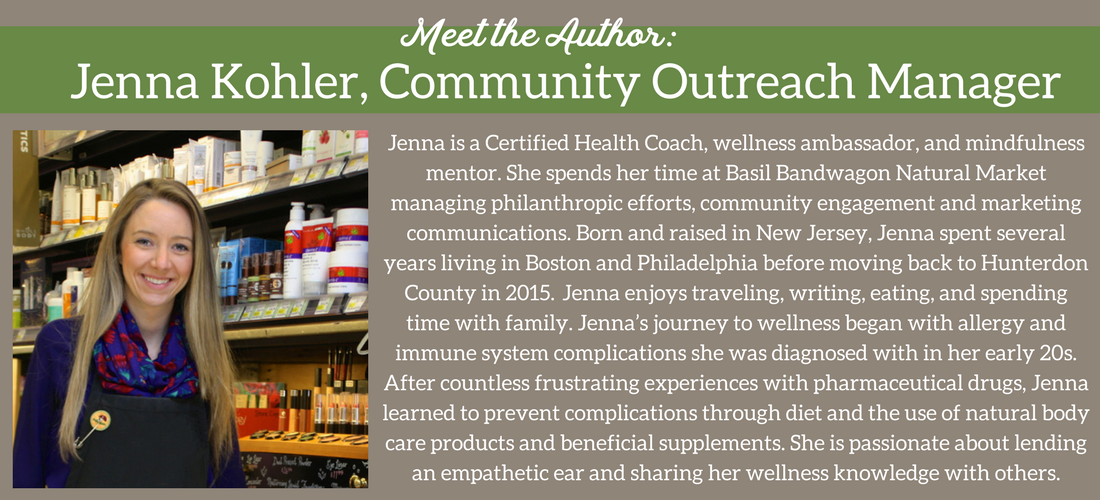
    By Jenna Kohler, Certified Health Coach & Basil Bandwagon Team Member

    So, you want to eat “healthy”, but “healthy” food costs too much…

    You had good intentions to stock your refrigerator with delicious, organic, local fruits and veggies, but instead ended up with a cabinet full of peanut butter, jelly, and boxed macaroni and cheese…

    Or, you did go out and fill up your shopping cart with lots of great healthy food, but you spent your whole paycheck…

    Sound familiar? We get it. And we’re here to help. We know how hard it can be to find the time and resources to make healthy living possible. Because – let’s face it – no one can afford to get sick and everyone has the right to feel good in their own skin.

    So far this summer, we’ve: improved our gut health, protected our skin, relieved stress naturally, healed insect bites, improved our fitness, learned about quality supplements, upgraded our “good fat” intake, redefined our use of food as medicine, and boosted our immunity. But Summer Camp wouldn’t be complete if we didn’t cover one of the most important exercises of all: learning to tone your budget!

    So, take it from us – follow these four simple tips to balance a healthy body and a healthy wallet:

    PLAN AHEAD:

    Make routine trips to your grocery store – with a list in hand. If time is limited, spread your trips farther apart with quick stops for just perishables scattered in between. Create a reusable list based on a core set of staple items for your household, according to your dietary needs and preferences. Assess what you have in stock before finalizing your list and heading to the store – re-buying items you already have in stock could result in food spoilage, which is an unnecessary cost to bear.

    If you can, spend some time researching sales at your store before your routine trips. When you know ahead of time about good deals, you can make quicker, more informed choices.

    Finally, be sure to account for food prep/cook time in your schedule. Buying a bunch of bulk raw ingredients for a great price is awesome, but not if they’re going to spoil sitting at home unprepared while you venture out to grab take-out in a hurry!

    PREPARE YOUR OWN FOOD MORE OFTEN:

    While eating out might be convenient, it certainly isn’t the best choice for your wallet. So, be conscious about how often you do go out to eat. Consider putting a limit on the amount you spend in a given month, or the number of times you eat out in a week. When you do go out, make smart choices. Often you can find great quick-service local eateries offering quality, local food without large price tags. (Like our Farm to Market Café!)

    Preparing your own food can offer enormous cost savings. Common misconception is that it’s a time-consuming process. The truth is, yes – it can be. But, it doesn’t have to be. Pick two days a week to cook and prepare meals and snacks. An hour or two of your time on a Sunday and Wednesday, for instance, can save you hours more throughout the week by repeating the same process.

    reusable, waterbottle

    BYOW: Invest in a fun, QUALITY water bottle like our Hydroflask products. These bottles come in fun colors and keep your drink at the perfect temperature so you can stay refreshed all day long. Bring the bottle with you every time you leave the house. When you get thirsty, not only will it keep you hydrated, but it’ll save you from reaching for a $1 for the vending machine.

    SHOP SMART:

    Buying foods in bulk can be a great place to start. Nuts, seeds, grains, dried fruit, baking ingredients, nut butters, spices, herbs, coffee beans and teas are all offered in bulk. Bulk foods – or “scoop your own” foods – can be offered at lower prices because they do not use expensive packaging and branding. They are a great way to shop for a variety of reasons:

    1. If you have a recipe that calls for a small amount of cinnamon, bulk is a great solution – because you can purchase only what you need.spices, organic, bulk
    2. If you have a large family that goes through many peanut butter sandwiches weekly, bulk is a great solution.bulk, budget, organic
    3. If you have food allergies and like to make your own trail mix with raw ingredients of certain proportions, bulk is a great solution.

    Bring your own shopping bags! Basil Bandwagon refunds customers 10 cents for each bag used during a purchase. Do the math – if your family of four uses 10 bags each week, that’s a $1 savings/week, which equates to over $50/year. FREE MONEY, folks! Need we say more?reuse, plastic

    Subscribe to our Basil Bandwagon email list here! We frequently email awesome coupons. Also, look for sales in store and online. You can find our sales flyer at the entrance of our stores as well as on our website.

    plant fusion

    If you know you will use it, opting for the larger choice of the same product is almost always more economical.  And as a bonus, if there is a product you use frequently or in large quantities, let us know you’d like to special order a case, and you’ll receive 10% off!

    PREVENT SPOILAGE:

    Air-tight glass containers and jars can help preserve your food purchases at home. For produce items, consider purchasing specialized produce bags to store fruits and veggies in within your refrigerator. They are specially designed to extend the life of your fresh produce so that it doesn’t spoil before you get to it.

    Lastly, if you are a frequent traveler or infrequently home, opt for frozen fruits and vegetables rather than fresh. They are a better investment for you and will remain available for preparing any time!

    For more money-saving tips and tricks, come visit our stores to speak with one of our friendly team members. 

  • Summer Camp Week 9: Boost Your Immunity!

    Summer Camp Week 9: Boost Your Immunity!

    This week at Summer Camp, we have an exciting guest post from one of our favorite local Chiropractors, Dr. Michele Gardner! Check out what Dr. Gardner has to share about optimizing immune health below.

    Summer is almost over which means school will be starting soon! There’s a funny thing that happens when children get together in large groups and have the added social stress of starting a new year. It seems to do with both stress-coping strategies and gut health. We now understand that stress affects our nervous system, which in turn alters immune function- especially when it is chronic. (Segerstrom, 2004) We also Dr. Gardner Quoteknow that a large percentage of our immune function resides in our gut. (Vighi, 2008) Each family essentially has its own ecosystem that gets challenged when encountering another that our immune system is unfamiliar with. (University of Utah, 2014) Fortunately, there are daily choices you can make to support general immune health, actions you can take for prevention during exposure to an illness or during a high stress time-period, and treatments you can use to ease your symptoms and possibly shorten their duration.

    For starters, I have never seen more stressed-out kids than those in school today. The level of academic and social demand placed on our children requires we teach them stress-coping strategies. Do you know what works for your child and your family? As parents, the pressure is just as great- in different ways. And if you’re a “big kid” – this applies to you too.

    Here’s my list of Top 10 Daily Choices to Support General Immune Health:


    1. Get adjusted by your family chiropractor. Adjustments not only boost immune function for hours afterward (Brennan, 1991), they increase relaxation and digestive health through the nervous system! (Yates, 1988) (Takeda)
    2. Consume high-quality, nutrient-dense food for a healthy gut. We have many knowledgeable people here in Flemington who can help you learn to make the best choices for you and your family. Just ask! We’ll help you get started by finding the right person for you. It can be simple too – no need to get overwhelmed. It can be all about adding in good stuff that crowds out what you don’t want. And, it can taste great so you don’t have to feel deprived. If you regularly eat at Basil Bandwagon’s Farm to Market Café, then you know I’m right!
    3. Find appropriate exercise. Did you know exercise immunology is a thing? Regular moderate exercise is shown to decrease risk of illness while over-training can have the opposite effect. (Gleeson, 2007)
    4. Get quality rest. Our bodies restore and regenerate while we sleep. The amount of sleep we require changes with age too. For most adults, seven to eight hours will suffice; teens and infants require more like ten to twelve! (Olson, 2015)
    5. Take quality, whole-foods supplements including vitamins and trace minerals tailored to your needs. Whether you need to establish/restore your gut health or counter the depleting effects of stress, supplementation can be instrumental in your health. The key is to first find out what your specific needs are, and that can often begin with bloods tests. There are certain supplements that are safe to use even if you don’t have a deficiency (essentially you’ll just eliminate the excess). But, there are others you want to take ONLY if you are deficient – especially fat-soluble vitamins (that means they get stored in your body). (Medicine Net, 1999) There are medical doctors with post-doctorate training in Functional Medicine or Integrative Medicine who have a more comprehensive understanding and testing capabilities. Again, we have many here in our community and neighboring counties.
    6. Learn to reduce stress. We’ve already established that our community has a high level of stress, and chronic stress affects our immune function. Help yourself and your family by cultivating stress-coping strategies. We aren’t going to eliminate the stress in our lives so we’d better adapt! And, for the love of Pete, don’t add this to your already overloaded to-do list and become the health “Nazi” in your family! These are strategies that develop over time, organically, and from self-love! Surround yourself with practitioners from traditions that make sense to you, who can guide you along this journey. Ask and we’ll help you find your:
      • Family Chiropractor
      • Community Acupuncturist
      • Aromatherapist
      • Massage Therapist
      • Yoga Instructor
      • Family Gestalt Therapist
      • Tai Chi or Qigong Instructor
      • Ayurvedic Practitioner
      • Minister
      • Energy Medicine Practitioner
      • Herbalist
      • Homeopath
      • Personal Trainer
      • Meditation Guru
      • Art Therapist
      • Hypnotherapist


    7. Make sure the humidity in your home stays close to 50%. In cold air our mucous membranes (lining of your respiratory tract) get dried out, which can lower our body’s defense to illness. Their job is to trap those pesky bacteria or viruses we don’t want so we can sneeze or cough them out. (Mercola, 2014)
    8. Play outdoors. Good ol’sunshine and fresh air! If you’ve had a recent physical, then your medical doctor has probably checked your vitamin D level. Direct sun exposure for 15 minutes without sunblock is still the best way to allow your body to absorb vitamin D. (Vitamin D Council)
    9. Hydrate on a cellular level. Those are fancy words for drinking water. Not just any old water, though. pH balance and mineral balance have an effect on cell uptake of water and hydration appears to be linked with immune function that starts in our saliva. (Adams) If you’ve got good well water- fantastic! If not, research options for quality filtration and consider electrolyte supplementation when appropriate. I like to avoid bottled water when possible, but there are bottled waters that provide trace minerals and a healthy pH.
    10. Laugh! Why does Snoop Dogg use an umbrella? For Drizzle! But, seriously, laughter is the best medicine. Laughter will reduce the stress response in your body, boost your immune system, relieve pain, and improve your mood. (Mayo Clinic, 2016) I hear we have some new comedy acts coming up here in Flemington…


    What actions can you take for prevention during exposure to an illness or during a time-period of high stress?


    Take all the above and add a few immune boosting tweaks:


          • Ask your family chiropractor if it is appropriate to increase your care during this time. If you’ve been under a Wellness Care Plan it might be time to return to a Condition Based or Corrective Care schedule. If you haven’t been under care, now is as good a time as any to start.
          • Vitamin C, Zinc (supplements/throat sprays/lozenges), Monolaurin (an anti-viral supplement from coconut), and Olive Leaf Extract are among the supplements I’ll use. There are many, many more: Echinacea, goldenseal, elderberry, and so on. The best people to ask are the staff at Basil Bandwagon!
          • Hydrogen peroxide rinse for your ears; especially if you notice your ears are itchy.
          • Keep your sinuses hydrated with a natural saline spray.
          • Focus on Gut health! Certain foods will suppress digestive health while others will support it: Check out this article. (Palevsky, 2006)
          • Essential Oils – almost all are anti-viral and anti-bacterial. Ask me for resources to practitioners who can teach you all about their many benefits. You can even diffuse them in your home or work place. (Pattnaik, 1996)
          • Rest! Remember you are a human Being, Not a human Doing.


    Last but not least, what to do to reduce your symptoms and shorten their duration:


      • Safely increase your supplements at the onset of your symptoms.
      • Ask for herbal remedies and treatments from your community acupuncturist, herbalist, ayurvedic practitioner, or naturopath.
      • Utilize homeopathy – while available at Basil Bandwagon, working with a practitioner to prescribe a remedy specific to you can be more potent than using blends or trying to guess yourself.
      • Rest!!!  Really!!!  Stay Home!!! Not only will you help yourself recover quicker, you’ll be taking care of your community by not sharing whatever it is with everyone else.

    There you have it, my friends! With a clear nervous system, quality nutrition, rest, recreation, exercise and hydration, you can achieve greater heights in your health. If you do start expressing symptoms, support your body to do what it knows how to do via your immune system and you’ll be well in no time. Snuggle on the couch and watch your favorite comedy shows while someone pampers you. And, if you don’t have someone to pamper you, call me – I’ll grab a healthy soup from Basil Bandwagon and bring you a care package fit for an Olympic Champion!

    chiropractor, flemington, flemington nj, hunterdon county


    Dr. Michele Gardner is a Holistic Chiropractor whose focus is on wellness and preventative care for families and individuals facing physical, mental and emotional issues.  She specializes in prenatal care and pediatrics.  Her passion is to educate and inspire everyone to achieve the best possible health without drugs or surgery.  Gardner Family Chiropractic is located in the Old Egg Auction complex at 84 Park Avenue, Suite G105 in Flemington,www.drmichelegardner.com, 908-782-7470, gfctasks@gmail.com.


    References:

    Adams, W. e. (n.d.). Immune Function: Basic Considerations of Exercise and Hydration. Retrieved August 15, 2016, from Korey Stringer Institute: University of Connecticut: http://ksi.uconn.edu/wp-content/uploads/sites/1222/2015/04/Immune-Function-and-Hydration.pdf

    Brennan, e. a. (1991). Enhanced phagocytic cell respiratory bursts induced by spinal manipulation: Potential Role of Substance P. Journal of Manipulative & Physiological Therapeutics , 399-400.

    Gleeson, M. (2007). Immune function in sport and exercise. Journal of Applied Physiology , 693-699.

    Mayo Clinic. (2016, April 21). Healthy Lifestyle: Stress Management. Retrieved August 15, 2016, from Mayo Clinic: http://www.mayoclinic.org/healthy-lifestyle/stress-management/in-depth/stress-relief/art-20044456?pg=1

    Medicine Net. (1999, October 14). water soluble vitamins vs fat soluble vitamins article. Retrieved August 14, 2016, from Medicine Net: http://www.medicinenet.com/script/main/art.asp?articlekey=10736

    Mercola. (2014, January 13). Effects of Low Humidity on Health. Retrieved August 15, 2016, from Mercola.com: http://articles.mercola.com/sites/articles/archive/2014/01/13/low-humidity-health-effects.aspx

    Olson, E. (2015, June 9). Expert Answers on Insomnia. Retrieved August 14, 2016, from Mayo Clinic: http://www.mayoclinic.org/diseases-conditions/insomnia/expert-answers/lack-of-sleep/faq-20057757

    Palevsky, L. (2006, December 1). A Holistic Perspective on the Digestive System of Infants and Children. Retrieved August 15, 2016, from ICPA: http://icpa4kids.org/Wellness-Articles/a-holistic-perspective-on-the-digestive-system-of-infants-and-children.html

    Pattnaik, S. e. (1996). Antibacterial and antifungal activity of ten essential oils in vitro. Microbios , 237-46.

    Segerstrom, S. C. (2004). Psychological Stress and the Human Immune System: A Meta-Analytic Study of 30 Years of Inquiry. Psychological Bulletin , abstract conclusion.

    Takeda, Y. e. Long Term Remission and Alleviation of Symptoms in Allergy and Crohn’s Disease Patients Following Spinal Adjustment for Reduction of Vertebral Subluxations. Journal of Vertebral Subluxation Research , 4 (4), 1.

    University of Utah. (2014, August 15). Your Changing Microbiome. Retrieved August 14, 2016, from Learn.Genetics. Genetic Science Learning Center.: http://learn.genetics.utah.edu/content/microbiome/changing/

    Vighi, G. e. (2008). Allergy and the gastrointestinal system. Clinical and Experimental Immunology , abstract.

    Vitamin D Council. (n.d.). How do I get the vitamin D my body needs? Retrieved August 15, 2016, from Vitamin D Council: http://www.vitamindcouncil.org/about-vitamin-d/how-do-i-get-the-vitamin-d-my-body-needs/

    Yates, e. a. (1988). Effects of chiropractic treatment on blood pressure and anxiety: a randomized, controlled trial. Journal of Manipulative & Physiological Therapeutics , 484-488.

  • Summer Camp Week 8: Food As Medicine

    Summer Camp Week 8: Food As Medicine

    Hippocrates wasn’t kidding when he said, “Let food be thy

    medicine and medicine be thy food.” The man knew what

    hedefinition of disease was talking about way back in (about) 475 BC – back when

    it was necessary for physicians (or healers) to know about

    nature. Ask a physician practicing traditional western

    medicine today about what you can eat to help

    diverticulitis, arthritis or a simple sinus infection, and you

    might be met with a confused face. Medical doctors in our

    western culture typically practice medicine by prescribing

    pharmaceutical drugs and addressing symptoms of disease.

    But what if we could replace disease with ease? Better yet, what if healthcare was all about maintaining

    ease instead of addressing symptoms of disease?

    Another smart man that we’re all familiar with – Mr. Thomas Edison – once said, “The doctor of the

    future will give no medicine, but will interest her or his patients in the care of the human

    frame, in a proper diet, and in the cause and prevention of disease.”

    With an ongoing discussion of preventive health amongst our community these days, more of us are

    now interested in what we can eat and how we can live to prevent disease.

    If you’re among the bunch that wishes to choose ease as a way of life, here’s an overview you may find

    to be a useful guide for living:

    Food for Thought

    Your body is an amazing machine of interconnected mechanisms that work together to generate

    a living, breathing, you. And though each function of your body is quite dependent on the functions of

    other parts of your body, there are specific foods that help support specific areas of your anatomy.

    (CLICK CHART FOR PDF VERSION)

    fam chart Bringing a regular supply of these foods into your diet can help support healthy function of all your body’s systems and mechanisms. Using these foods in times of disorder and disease can also prove to be supportive to your health.

    References

    www.clevelandclinic.com – Cleveland Clinic

    https://www.niddk.nih.gov/health-information/digestive-diseases – National Institute of Diabetes and Digestive and Kidney Disorders

    https://medlineplus.gov/throatdisorders.html – US National Library of Medicine

  • Ice Cream should be simple, right?

    Ice Cream should be simple, right?

    Ice Cream should be simple, right?

    We think so! That’s why we strive to sell ice cream that’s free of additives found in many commercial ice cream products. (Check out the labels the next time you’re picking up a treat – you might be shocked at what you’ll find.) Soft serve ice cream and frozen yogurt are some of the worst offenders, often laden with ingredients that yield a signature texture and look. For example,  corn syrup solids and mono and di-glycerides are added as emulsifiers.  Toppings and syrups are by far the worst offenders, as they are often made almost entirely of artificial colors and flavors to make them extra sweet, colorful and pourable.

    Free Scoop Fridays are our way of offering sweet indulgence without the harmful additives!  There actually ARE great companies out there making simple, clean, ice cream and dairy free alternatives and we want to share them with you!

    Come visit us between 4:00 – 8:00pm on Fridays this summer for a FREE scoop (in a cup or on a cone!). Each week we sample new flavors and always offer an allergen-free variety.

  • Summer Camp Week 7: Slim Down with Good Fats

    Summer Camp Week 7: Slim Down with Good Fats

    In the past, nutritional information has told us that consuming fat in our food was bad and would surely lead to weight gain.  Newer nutritional research has proven that theory to be oh-so-incorrect.  In fact, you need fat to stay healthy in so many ways. The key is to be selective with the sources of fat you are consuming and to consume them in proper amounts.

    Let’s take a look at what fat does for our bodies first before we delve into what kinds of foods are good choices for healthy fat.

    Fat helps burn fat.

    Our bodies need carbs, protein and fat to produce energy. One gram of fat provides more than twice the energy than protein or carbs produce. In order to regulate metabolism, fat is required.

    Fat makes you feel full. 

    Fat takes a long time to digest, so it sits in our digestive systems for a while and keeps you from feeling hungry for a longer period of time. 

    Fat helps make you happy.

    Omega 3 fatty acids have been shown to boost serotonin levels in the brain, which are responsible for your feelings of happiness and wellbeing.

    Fat helps build muscle.

    Fat is absolutely essential for normal growth and development.  And, the more energy (produced in part by fat) we have to work out, the better we are able to burn and tone!

    Fat makes absorption of some key nutrients possible.

    Vitamins A, D, E, K – among other critical nutrients – cannot be absorbed without the consumption of fat.  Deficiencies of these vitamins can cause brittle bones, muscle pain, fatigue, and more. 

    Generally speaking, current research tells us that monounsaturated and polyunsaturated fats are “good fats”, linked with a reduced risk of heart disease and healthy cholesterol levels.  Conversely, saturated fat (which we are suggested to use sparingly) and trans fat (which we are suggested to avoid entirely) are “bad fats”, linked with an increased risk of heart disease and heightened cholesterol levels.

    “Better for You” Fat Food Choices

    Sticking to this suggestion isn’t always easy – but that’s where supplements can help us. To ensure we get an adequate supply of “better for you” fat each day, there are a variety of liquid and pill supplements available to support us.

    Click here to check out an overview of Omega Oil supplements and come and visit one of our friendly team members at Basil Bandwagon to learn more about what supplement might be right for your health needs!

    References

    Livestrong Foundation: http://www.livestrong.com/article/557726-eat-fat-to-burn-fat/

    Academy of Nutrition & Dietetics: http://www.eatright.org/resource/health/weight-loss/tips-for-weight-loss/want-to-get-lean-eat-fat

    TIME Magazine: http://time.com/4411754/fat-mediterranean-diet/?utm_campaign=sniply&utm_medium=sniply&utm_source=sniply

    Harvard Health Publication: http://www.health.harvard.edu/staying-healthy/the-truth-about-fats-bad-and-good

    American Heart Association: http://www.heart.org/HEARTORG/HealthyLiving/HealthyEating/Nutrition/FATS-The-Good-the-Bad-and-the-Ugly-Infographic_UCM_468968_SubHomePage.jsp

    Cleveland Clinic: https://health.clevelandclinic.org/2014/10/heart-healthy-cooking-oils-101/