Category: Guest Post

  • Get to the heart of circulation

    Get to the heart of circulation

    Get to the heart of circulation

    Healthy blood flow, explained

    The circulatory system is a closed loop that starts and ends with the heart. While that sounds simple enough, it’s actually a highly intricate network composed of approximately 60,000 miles of blood vessels.

    The purpose of circulation

    The body’s muscles, tissues, and organs require a continuous replenishment of oxygen, nutrients, and hormones to maintain their physiologic functions. These materials are packaged in the blood and pumped by the heart to the target tissues via blood vessels.

    Once these goods are delivered to the muscles, tissues, and organs, the blood collects waste products, such as carbon dioxide, to be eliminated from the body.

    Anatomy

    Arteries are strong, muscular blood vessels which carry oxygen-rich blood away from the heart (except for the pulmonary arteries, which carry oxygen-poor blood from the heart to the lungs).

    Capillaries  are tiny, thin-walled blood vessels responsible for the delivery of oxygen, nutrients, and hormones to the tissues, as well as the collection of carbon dioxide and waste products.

    Veins are vessels responsible for returning deoxygenated blood to the heart. Veins operate with a system of valves to ensure blood moves in one direction.

    Live circuit

    Imagine the blood vessel network as a tree. A tree’s trunk branches off into a couple large branches, which continue to divide into smaller, more numerous twigs.

    In a similar way, the left side of the heart pumps oxygen-rich blood through the aorta, which then branches off into large arteries going to different places in the body. Arteries divide into smaller arterioles as they get closer to their destination, and then end in tiny capillaries which perfuse the target tissues with blood.

    Capillaries have thin walls, which allows for the delivery of oxygen, nutrients, and hormones from the blood to the tissues, as well as the collection of carbon dioxide and waste products.

    The capillaries also begin the process of returning oxygen-poor blood to the heart. Capillaries merge into venules, which eventually converge to form larger veins. Veins deliver deoxygenated blood to the heart.

    The right side of the heart then pumps this blood to the lungs to release carbon dioxide and reoxygenate the blood via respiration. The pulmonary veins return oxygenated blood to the heart so that the circuit can begin again.

    The heart of the matter

    The heart is the key player in the circulatory system. This hollow, muscular organ is responsible for maintaining strong, rhythmic contractions that pump blood into the arteries and maintain blood pressure.

    A healthy circulatory system depends upon the proper functioning of the heart itself, comprising its electrical conduction, valve system, as well as its own blood perfusion.

    Problems may arise if the heart’s electrical signaling becomes dysregulated (e.g., arrhythmia), its valves become leaky and allow for backward blood flow (e.g., valvular insufficiency), or if the heart muscles are poorly perfused with blood (e.g., coronary artery disease).

    Poor circulation

    Circulation is compromised if there is an obstacle to delivering blood to the tissues. This obstacle might arise anywhere in the circulatory system (e.g., plaque in the coronary artery, embolism in the lungs, valve dysfunction in the veins).

    Although the extremities are commonly affected, poor circulation can present with myriad signs and symptoms all over the body. The symptom presentation depends on the tissues being affected by the lack of oxygen.

    Bear in mind that poor circulation isn’t a disease in itself but a result of an underlying condition. Share your concerns with your healthcare provider so that you receive a thorough assessment and appropriate treatment.

    Symptoms of poor circulation include

    • cold extremities
    • numbness
    • tingling
    • muscular weakness or pain while walking
    • pale or blue skin
    • swelling
    • bulging veins

    Common causes of poor circulation include

    • diabetes
    • obesity
    • smoking
    • hypertension
    • atherosclerosis
    • peripheral artery disease
    • varicose veins
    • Raynaud’s disease
    • deep vein thrombosis

    Circulation-supporting supplements

    • Curcumin
    • Ginger
    • Chinese patent medicines
    • Ginkgo biloba
    • Hawthorn
    • L-arginine

    Always check with your health care practitioner before trying a new supplement, to make sure it’s right for you.

    By Dr. Cassie Irwin, ND

    Article Courtesy of Alive Magazine
  • What is VILPA …

    What is VILPA …

    What is VILPA …

    … and why should you consider adding it to your life?

    In 2020 the World Health Organization’s global Guidelines on Physical Activity and Sedentary Behaviour acknowledged that “all activity counts” and removed the stipulation that activity should be accumulated in 10-minute bouts.

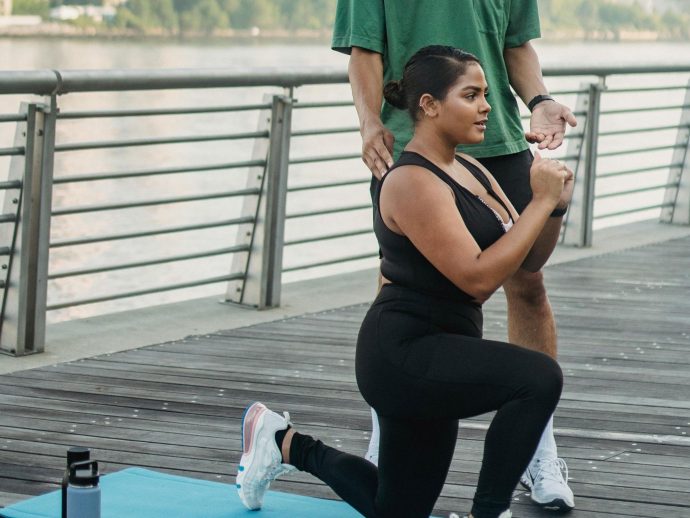
    VILPA, short for vigorous intermittent lifestyle physical activity, describes a way of thinking about movement that can be used to promote daily activity in those who don’t exercise routinely.

    Taking the stairs instead of the elevator, carrying groceries, vacuuming and washing floors, or playing with the kids are just some of the activities that could be considered VILPA. Just put a little more oomph into your activity to raise your heart rate for a minute or so and those chores turn into VILPA gold.

    It’s a viable alternative for those who are short on time or making their way back from being more sedentary to more active.

    “VILPA can work for most adults, and it’s especially useful for those who are sedentary and for people who don’t have a structured exercise routine,” says Jamie Hardy, a functional movement specialist.

    Movement as catalyst for better health

    In our history, humans have been active as a means to survival. In our modern lifestyles, it’s easy to settle on the sofa and order dinner with a touch of a button or a voice command. The problem is, though, all that sedentary living is bad for our health.

    If you happen to be stuck in a sedentary pattern, VILPA can help, and “you can add yet another beneficial layer to it,” says Hardy, “by adding a type of functional weight-bearing exercise when possible, such as squatting and carrying groceries up the stairs.”

    Long-term benefits

    Up to five minutes of VILPA daily (three bouts of one or two minutes peppered throughout the day) can reduce the risk of certain cancers (especially breast, endometrial, and colon cancer) by up to 40 percent. Also, the risk of cardiovascular disease following consistent VILPA is reduced by half.

    Short bouts of exercise that do not require extra time set aside might just be one solution, as long as they’re done regularly. “VILPA can help improve cardiovascular fitness over a few weeks of doing it consistently, and the advantage is that it’s accessible to most people and it can be done anywhere,” says Hardy.

    VILPA versus general movement recommendations

    It may sound like a few minutes of vigorous physical activity can replace the general weekly recommendations (at least 150 minutes of moderate to intense aerobic activity and at least two sessions of strength training) but that’s not the case.

    “VILPA … is less beneficial for achieving fitness goals that are usually linked to a consistent strength routine, for example,” says Hardy.

    However, considering that six weeks of short bursts of intermittent stair climbing led to an improvement in cardiorespiratory fitness levels of sedentary women in a recent scientific study, there is but one question to ask: why not?

    By Daniela Ginta, MSc, NNCP

    Article Courtesy of Alive Magazine
  • A new vitamin D discovery

    A new vitamin D discovery

    A new vitamin D discovery

    The sunshine vitamin and our cardiovascular health

    The celebrated “sunshine vitamin,” otherwise known as vitamin D, is commonly praised for its ability to support overall bone strength and immune function, but emerging research also continues to illuminate its benefits related to heart health.

    “Traditionally, [vitamin D] is known as something that’s good for the bones, because it helps improve calcium absorption in the bloodstream,” explains Laura Brass, ND. “But it’s been discovered over the years to benefit almost every system in the body—from the immune system to the cardiovascular system.”

     The power of vitamin D

    This powerhouse vitamin has many essential roles in the body. One of its long-hailed benefits is supporting calcium absorption in the gut for optimal bone health. It also promotes overall muscle strength and repair, and our immune system depends on the nutrient to ward off unwelcome bacteria and viruses.

    Recent research also indicates its potential impact on reducing major cardiovascular events among older adults, such as heart failure and hypertension, and suggests a deficiency in vitamin D could raise the risk factor for these diseases.

    “Vitamin D is known to help from an arterial perspective,” says Caitlyn Keates, ND. “It helps the blood vessel lining and blood to flow more freely through that lining, thereby reducing a lot of the inflammation that’s within the arterial wall of the heart.”

    While research is still emerging, and the connection between vitamin D and heart health is not yet conclusive, Brass says it’s about looking at the nutrient’s significance more holistically.

    “D” for deficient

    Vitamin D deficiency has been identified as a public health problem around the globe.  “When we see patients in practice, I’d say nine times out of 10, we see some sort of deficiency in vitamin D in their bloodwork,” explains Keates.

    While our body synthesizes vitamin D when our skin is exposed to sunlight, sunscreen (an obvious skincare essential) can hinder absorption by as much as 90 percent. Other factors such as age can also lessen the amount of the vitamin our skin absorbs. A person in their eighties, for instance, will produce about half as much vitamin D compared to someone in their twenties.

    Few foods naturally contain the nutrient. Some of the best whole food sources include fatty fish like salmon and trout, fish liver oils, and egg yolks.

    Supplementation

    Since adequate vitamin D levels are difficult to obtain from sun exposure and food sources alone, a supplement is often recommended by health professionals.

    Brass encourages people to prioritize a supplement containing vitamin D3 (versus D2) which has been shown to be a more effective form of the nutrient.

    Keates says the correct daily dosage will fluctuate for each person, and will depend on factors such as age, weight, and level of deficiency (which requires a blood test to determine). Your health care practitioner can help guide you in the right direction.

    By Brittany Devenyi

    Article Courtesy of Alive Magazine

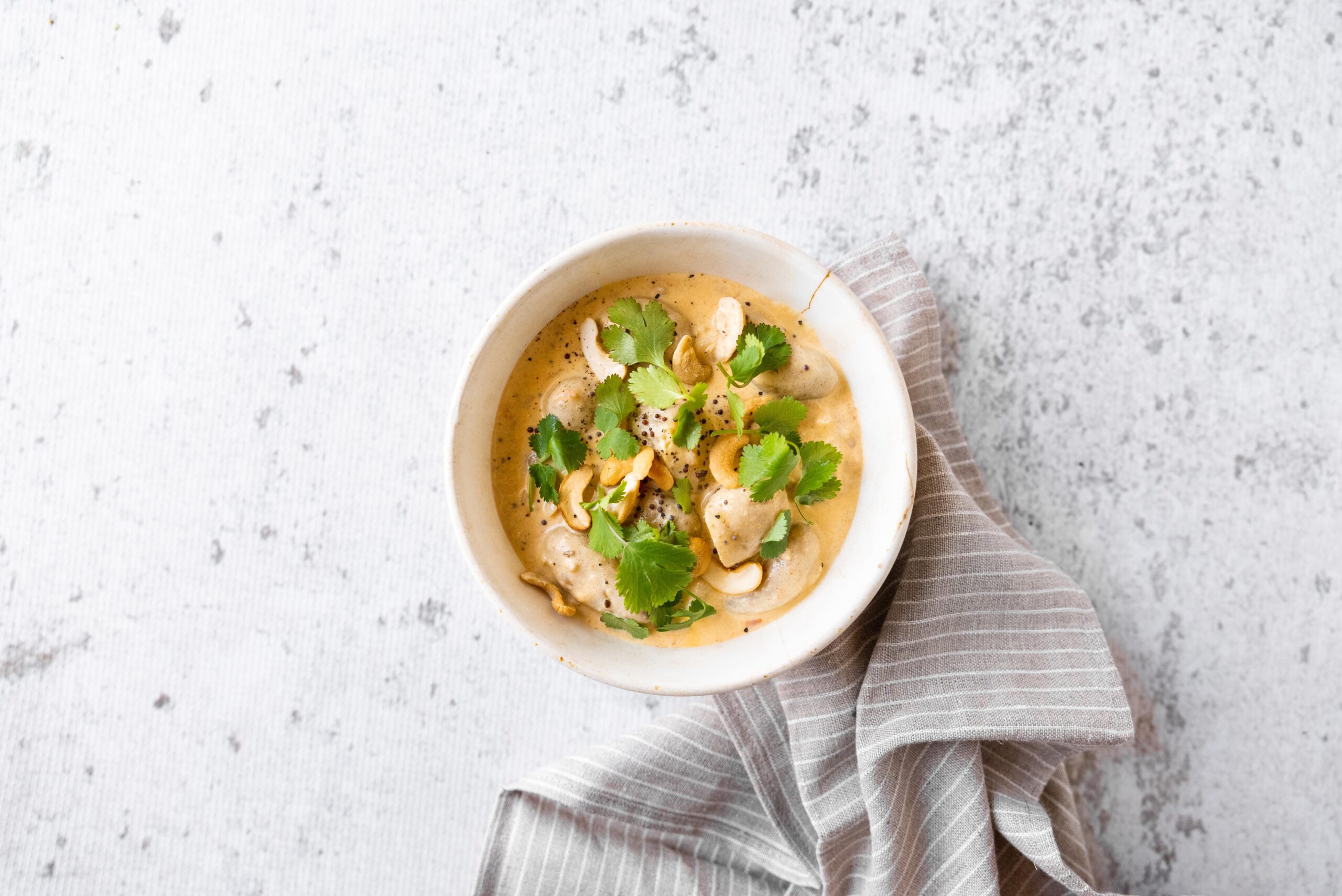
  • Potato Curry

    Potato Curry

    Potato Curry

    Servings: 4

    Ingredients
      

    • 1 pound creamer or fingerling potatoes
    • 2 tablespoons olive oil
    • 1 small yellow onion minced
    • 2 cinnamon sticks
    • 2 cardamom pods
    • ¾ teaspoon cumin seeds
    • ½ teaspoon brown mustard seeds
    • 1 large tomato diced
    • 2 large garlic cloves minced
    • ½ inch fresh ginger minced
    • 1 teaspoon fenugreek
    • 1 teaspoon garam masala
    • ½ teaspoon turmeric
    • ¾ teaspoon Celtic sea salt
    • ¼ teaspoon cayenne
    • 1 ½ cups water or broth
    • 1 cup plain Greek yogurt
    • 1 cup cilantro leaves
    • ⅓ cup roasted cashews

    Method
     

    1. Cut potatoes into 1-inch pieces if large. Place potatoes in a saucepan with salted water, bring to a boil and cook until tender. Drain and set aside.
    2. Heat olive oil in a sauté pan over medium-low heat.Add onion and whole spices. Sauté until onions are translucent and starting to brown.
    3. Stir in diced tomato, garlic, ginger, ground spices, salt, and water/broth. Bring to a gentle simmer and cook for 5-10 minutes, or until tomatoes break down.
    4. Add yogurt and stir until smooth then add in cooked potatoes. Heat through and serve garnished with cilantro and cashews.

    Notes

    • Pairs well with steamed rice, chicken skewers, or garlicky naan bread
    • Can be made dairy free by substituting Greek yogurt with a plant-based version
  • Chocolate Chia Seed Pudding

    Chocolate Chia Seed Pudding

    Chocolate Chia Seed Pudding

    Servings: 2

    Ingredients
      

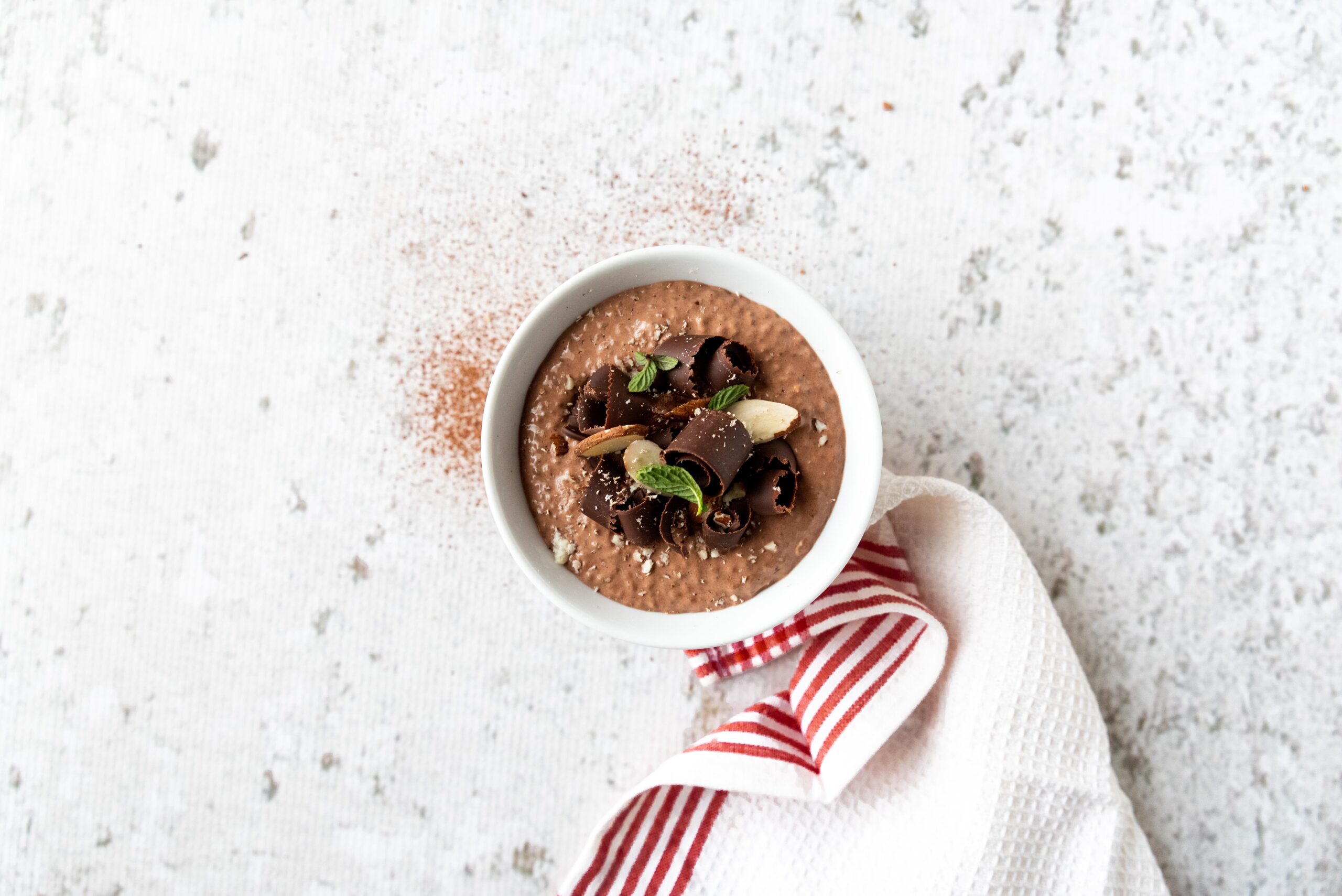
    • 1 cup milk (whole, almond, oat, etc.)
    • ½ cup plain yogurt
    • 1 teaspoon vanilla extract
    • ¼ cup chia seeds
    • 2-4 tablespoons agave syrup
    • 3 tablespoons cocoa powder sifted
    • 1 teaspoon mushroom powder
    • Pinch of salt
    • Shaved chocolate for garnish
    • Sliced almonds for garnish

    Method
     

    1. Whisk together all ingredients through salt in a mixing bowl until smooth. Adjust sweetness to taste and place in the refrigerator for 2-4 hours to thicken.
    2. Spoon pudding into serving dishes and garnish with shaved chocolate and sliced almonds.
  • Blood Orange Granita

    Blood Orange Granita

    Blood Orange Granita

    Servings: 4

    Ingredients
      

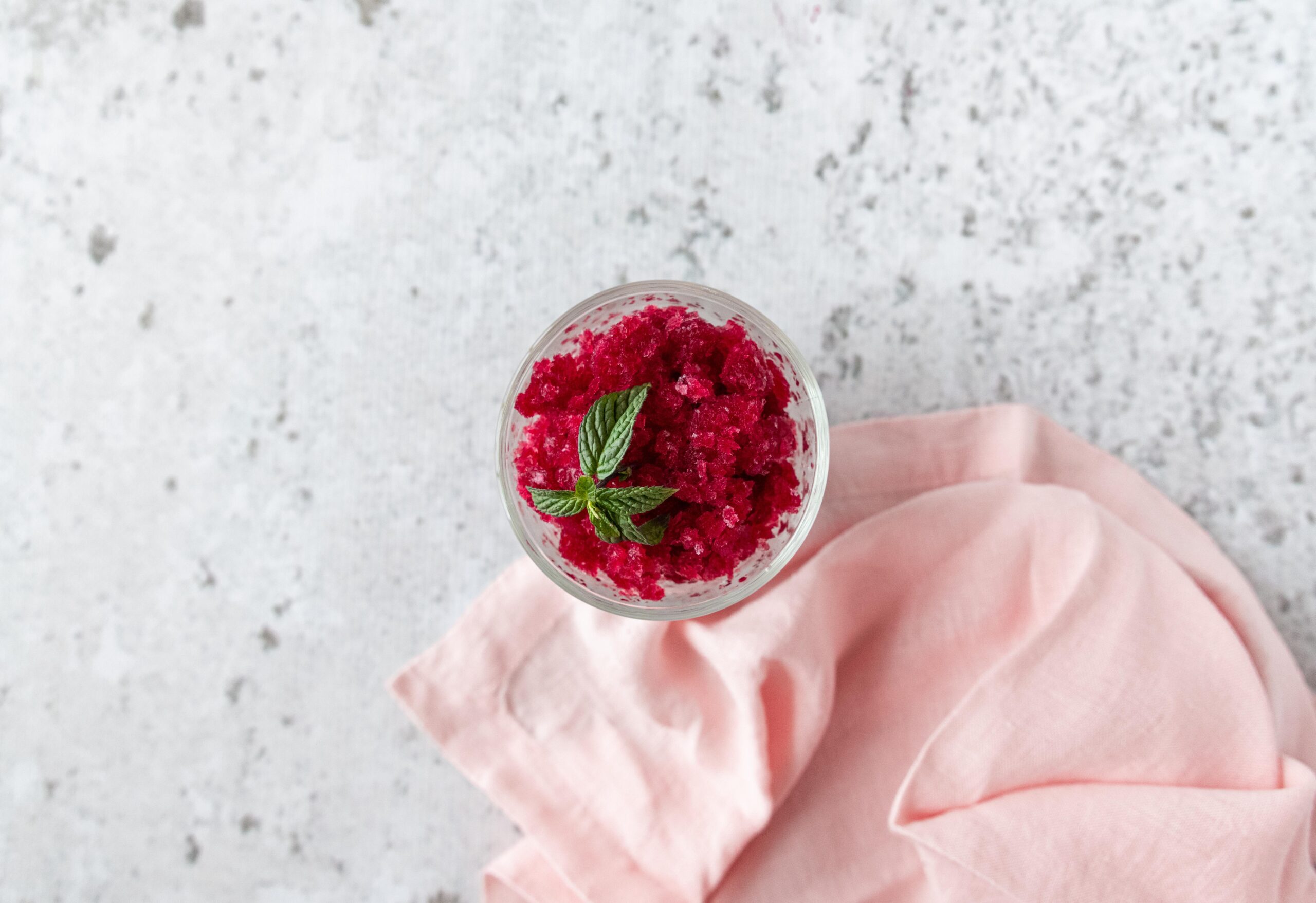
    • ¼ cup dry rosé wine or water
    • ¼ cup cane sugar
    • 2 cups fresh blood orange juice from about 8-10 medium oranges
    • Mint for garnish

    Method
     

    1. In a small saucepan, combine the wine or water and sugar.Heat on low until sugar has dissolved. Pour into a shallow pan and let cool.
    2. Add blood orange juice to the sugar syrup and mix to combine.Place in the freezer. After 1 hour, break up ice crystals by stirring with a fork. Continue to check every hour until all the mixture crystalized, approximately 3 hours.
    3. To serve, scoop into chilled serving dishes, garnish with mint and serve immediately.
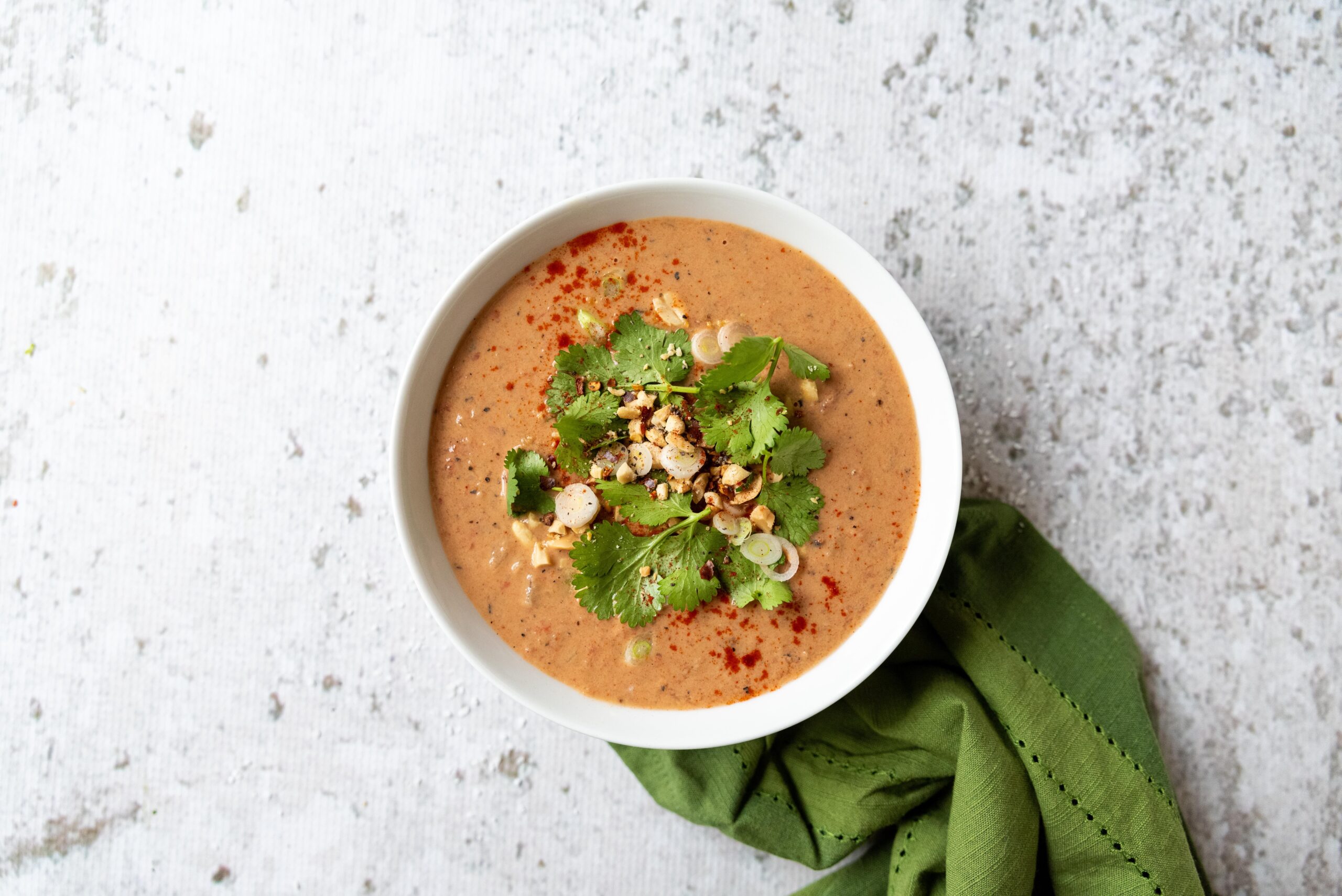
  • West African Peanut Soup

    West African Peanut Soup

    West African Peanut Soup

    Total Time 40 minutes
    Servings: 4

    Ingredients
      

    • 3 tablespoons olive oil
    • 1 large yellow onion diced
    • 6 large garlic cloves minced
    • 28 ounces diced tomatoes
    • 4 cups vegetable broth
    • 1 cup creamy peanut butter unsalted
    • 1 teaspoon sea salt
    • ½ teaspoon ground black pepper
    • ¾ cup roasted, salted peanuts
    • 1 bunch scallions thinly sliced
    • 1 cup cilantro chopped

    Method
     

    1. Heat olive oil in a stockpot over medium heat. Add onion and sauté until translucent and starting to brown. Add garlic and cook until fragrant.
    2. Add diced tomatoes and stock. Bring to a gentle simmer and cook for 10-15 minutes.
    3. Stir in peanut butter, salt, and black pepper.
    4. With an immersion blender, roughly blend soup. Alternatively, transfer soup to a blender and slowly blend with a kitchen towel over the lid to avoid splatters.
    5. To serve, ladle soup into serving bowls and garnish with peanuts, scallions, and cilantro.
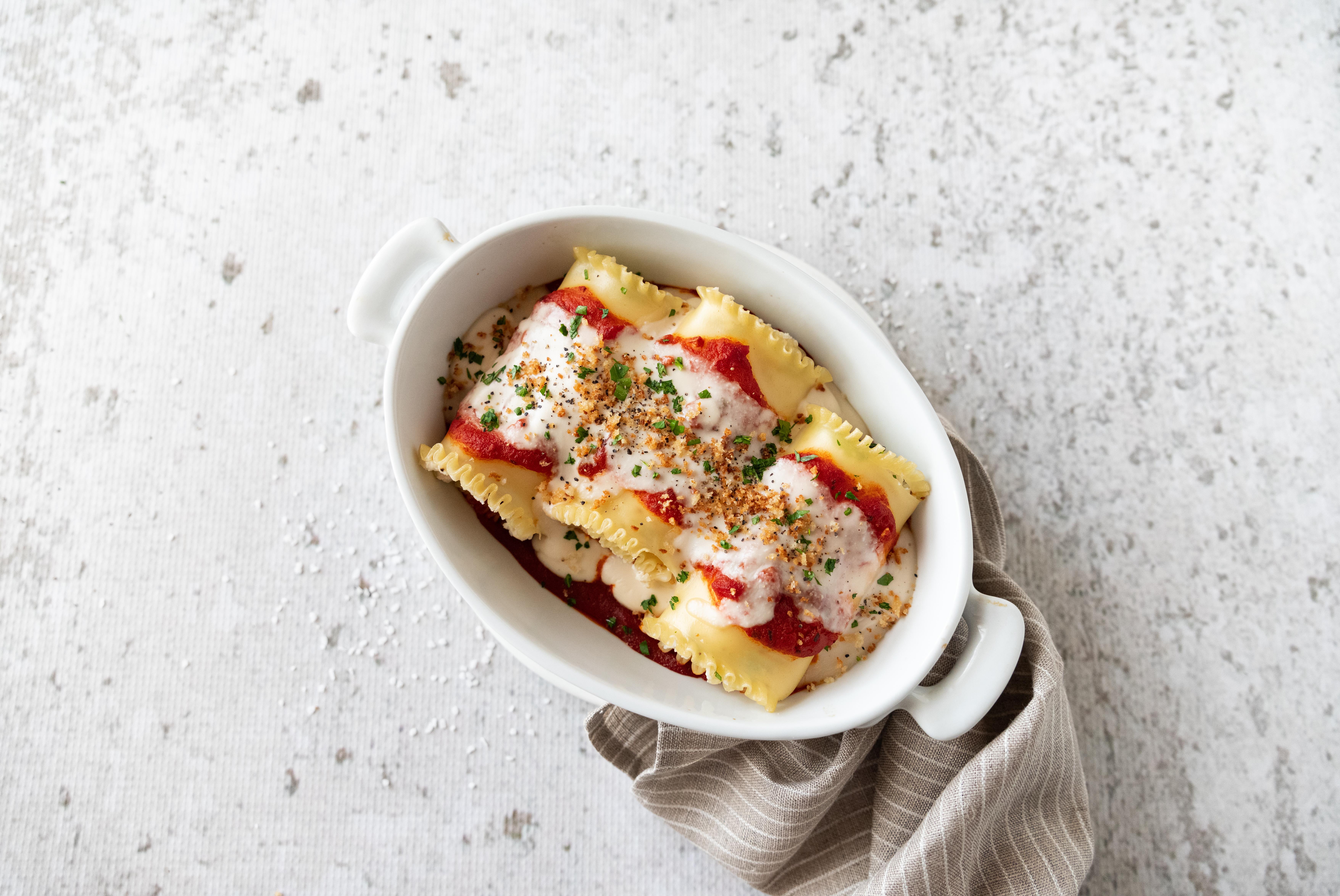
  • Vegan Lasagna Rolls

    Vegan Lasagna Rolls

    Vegan Lasagna Rolls

    Total Time 1 hour 30 minutes
    Servings: 4

    Ingredients
      

    • 10 lasagna noodles
    • 1 large zucchini
    • 16 ounces plant-based ricotta cheese such as Kite Hill
    • 2 large garlic cloves minced
    • ½ ounce fresh basil chopped
    • 2 tablespoons nutritional yeast
    • ½ teaspoon sea salt
    • ¼ teaspoon coarse ground black pepper
    • 1 25-oz jar marinara sauce such as Cadia
    • 1 ¼ cups pourable mozzarella such as Miyoko's Creamery

    Method
     

    1. Cook lasagna noodles based on the package instructions. Place noodles in a bowl of cool water until ready to use. This will prevent noodles from sticking together.
    2. Meanwhile, slice zucchini using a mandolin into long, 1/8" strips. Try to have at least 10 slices. Alternately, slice zucchini into thin rounds.
    3. Stir together plant-based ricotta, garlic, basil, salt, and pepper.
    4. To assemble, spread ricotta mixture onto each lasagna noodle, top with a slice of zucchini and roll up.
    5. Set aside 1 cup marinara sauce. Spread the remaining sauce on the bottom of a baking dish, and place lasagna rolls on top. Pour reserved marina sauce on top.
    6. Cover and bake for 30 minutes then pour on mozzarella.Continue to bake uncovered, until sauce is bubbling and cheese has set, approximately 10 minutes.
  • Give yourself a life detox!

    Give yourself a life detox!

    Give yourself a life detox!

    Follow through on your healthy living goals

    A healthy lifestyle is an accumulation of small actions that add up to vitality and longevity. Sometimes we know what changes we need to make in our lives but have a hard time getting around to doing them. And sometimes we know we need changes but aren’t clear about what to do. These tips from a professional psychotherapist will help you clarify goals, stop procrastinating, and start thriving.

    Step 1: Specify your goals

    “You can’t heal what you don’t acknowledge,” says Elenora Molnar, master therapeutic counselor.

    Step 2: Reflect on the goal

    It’s helpful to understand why you developed the unhealthy habit in the first place, so you can replace it with a healthier habit that fulfills the same need, says Molnar. If your mornings are hectic because you look at your phone for an hour before getting out of bed, it may be because you want to delay the start of the day without having to think or problem-solve.

    “Make a plan to start off your day without looking at your phone for one hour,” suggests Molnar. Instead of looking at social media, replace that time with a quick yoga video or walk around the neighbourhood. This gets your body active, while also letting your mind rest and gear up for the day.

    You may want to try a digital detox. Set some firm boundaries around screen time, consider deleting certain apps from your phone, or take a break from social media for a designated amount of time.

    Replace a bad habit with a good one

    “Start overriding your bad habits with new routines,” suggests Molnar. For example, if you want to start jogging, overwrite being sedentary in the evening by taking an easy jog at the same time you would usually be sitting down.

    If you’re trying to stop eating junk food at night, instead of turning on the TV, work on a puzzle, read a book, or do any activity that you don’t associate with snacking. Start with small steps that slowly become your new habits.

    Be flexible

    It’s great to have ambitious goals, but if you’re unrealistic at the beginning, you’ll have trouble meeting them. This can cause you to give up completely. “It’s great to have goals, but give yourself permission to say that goals can change. Always have a plan, but know you can change your plan,” says Molnar.

    Step 3: Find a support group

    Experts say that one of the surest ways to keep with your physical or mental health goals is to find a support group of likeminded people looking to accomplish similar goals.

    Explains Molnar, “When you’re in a group where everyone is focused on the same thing, it’s really powerful because you can be compassionately witnessed by those people. I’m thinking of therapy, but it doesn’t necessarily have to be therapy. It could be a running group or a gardening group.”

    By Stephanie MacDonald

    Article Courtesy of Alive Magazine
  • Supporting your body’s detox processes

    Supporting your body’s detox processes

    Supporting your body’s detox processes

    The basics and beyond

    Daily living exposes us and our environment to an increasing number of foreign chemicals and byproducts, often called xenobiotics. But our body is equipped with a complex system of detoxification processes that work to expel these foreign substances. Supporting this amazing system is key to good health.

    What are xenobiotics?

    The term xenobiotics includes a number of substances that are foreign to animal biological systems, such as drugs and pollutants.

    Many xenobiotics have been linked to negative health effects, including hormone-disrupting effects (xenoestrogens), neurological and immunological effects (heavy metals), and carcinogenic effects (alcohol, tobacco, nitrates, pesticides, and heterocyclic aromatic amines from charred food).

    Detoxification phases

    In addition to reducing potential exposures, detoxification involves enhancing the safe elimination of these products through the body’s internal systems of biotransformation. The detoxification pathway is divided into two main steps, phase I detoxification and phase II detoxification.

    Factors influencing detox

    When our detox and biotransformation processes don’t function optimally, it may be due to genetic factors, environmental overload, and/or nutrient deficiencies.

    A healthy diet, of course, influences beneficial effects on our body’s detoxification functions. A whole foods diet that includes a rich variety of fruits and vegetables, whole grains, and healthy proteins contains many phytonutrients and amino acids that enhance phase II enzyme activity. Research continues to uncover the complexities of specific food-derived components to the complex processes of biotransformation.

    Detox programs

    Fad detox programs beyond count have been popularized over the years. Unfortunately, many of these are unlikely to achieve long-term benefits. Given the pervasive ongoing nature of xenobiotic exposure in our world, a more consistent, comprehensive, and sustainable approach to detoxification is best.

    There’s a long tradition of spring cleanses or fasting periods in many cultures. This speaks to the wisdom of enforcing periods of time dedicated to cleaning up one’s diet and lifestyle. Additionally, it may be necessary at times to adopt ongoing changes to sustain long-term health improvement, particularly when it comes to nutritional strategies.

    According to Dr. Philip Rouchotas, ND, in general, components of a successful detox program should include the following elements.

    Clean diet

    Eliminate highly processed foods, sugars, alcohol, and excess caffeine; emphasize green vegetables and sufficient water intake. Check for food intolerances.

    Regular bowel function

    Diet and supplements such as probiotics, bitter herbs, or magnesium can help with this.

    Exercise

    Regular physical activity promotes mobilization of stored toxins from fat and the lymphatic system (a circulatory system made up of lymph vessels that includes the tonsils, spleen, lymph nodes, and lymph vessels).

    Natural detox support

    Always check with your primary care practitioner before trying a new supplement. Some commonly utilized natural health products include:

    • Sulphoraphane
    • Green tea
    • Indole-3-carbinol (I3C)
    • Curcumin
    • N-acetylcysteine (NAC)

    By Dr. Heidi Fritz, MA, ND

    Article Courtesy of Alive Magazine