Category: Guest Post

  • Reach out – don’t “man up”

    Reach out – don’t “man up”

    Reach out – don’t “man up”

    Why stress is different for men

    Men are no less immune than women from the effects of stress. But it’s the manifestations of that stress and how men deal with them that often differs dramatically. Here are some effective ways for men to manage that stress.

    What are the consequences of chronic stress?

    A certain amount of short-term stress can be a good thing: it boosts alertness and primes the brain for enhanced performance. Chronic stress, on the other hand, can lead to an increased risk of type 2 diabetes, high blood pressure, heart disease, depression, and anxiety, among other conditions. In men, high stress can also contribute to erectile dysfunction.

    What are the expectations for men versus women?

    Society places different, if outdated, expectations on men and women as to how they should deal with stressful situations. Men commonly feel that not revealing emotion is a show of strength. “A lot of times guys will revert to this or think it’s taboo,” says professor and research chair John Oliffe. Traditional expectations of “manning up” can affect men’s abilities to deal with stress in meaningful ways.

    Often, the way things unfold can be summed up by what Oliffe refers to as the “three I’s.”

    1. Injury (a major life transition such as a breakup or job loss), with men feeling as though they should be able to push through it until it goes away
    2. Interiority, with men looking internally to deal with a major stressor rather than reaching out to others, possibly turning to substance use to blunt their emotions
    3. Isolation—social isolation, Oliffe notes, is the biggest predictor of male suicide: “If you’ve got an injury and look internally—you’re not dealing with it and you’re isolating to conceal the injury—there’s a great amount of shame in not being able to solve problems or even in just having problems.”

    What can men do to effectively deal with stress?

    Exercise

    Physical activity boosts the body’s production of endorphins, or feel-good neurotransmitters; it improves mood, focus, productivity, and sleep.

    Reach out

    Reaching out to a partner, friends, or other trusted people in your life is another way to manage stress. “Think about it as mutual help: a lot of times if you have a conversation with another guy, they’ll have things that affirm you in your experience. There’s a reciprocity there. We do better with people around us, especially good people.”

    Consider professional help

    Accessing professional help can go a long way in handling stress, and more men are accessing such services, Oliffe says. Speaking with someone who’s outside of their personal situation can help men debrief with a view to seeing things from another point of view, ultimately giving them back some control.

    Supplements for stress

    Remember, always check with your health care practitioner before trying a new supplement to make sure it’s right for you.

    • B-complex vitamins
    • L-theanine
    • Lemon balm
    • Magnesium
    • Ashwagandha

    By Joanne Peters

    Article Courtesy of Alive Magazine
  • Buckwheat Noodles with Tofu

    Buckwheat Noodles with Tofu

    Buckwheat Noodles with Tofu

    Ingredients
      

    • 1 1/2 tbsp olive oil
    • 1 1/2 tbsp tamari
    • 1 tsp sesame seeds
    • 1/2 lb tofu cubed
    • 8 ounces 100% buckwheat soba noodles
    • 2 scallions thinly sliced
    • 1/4 bunch cilantro chopped
    • 2 tbsp olive oil
    • 2 tbsp sesame oil
    • 1 tbsp rice vinegar
    • 1 tbsp sriracha
    • 2 tsp cane sugar
    • 1 large garlic clove finely minced

    Method
     

    1. Preheat oven to 375°F. Whisk together olive oil, tamari, and sesame seeds and toss with tofu. Place tofu on a parchment lined baking sheet and bake for 15-18 minutes or until tofu is golden brown. Set aside to cool.
    2. Meanwhile, bring 8 cups of lightly salted water to a boil and add noodles. Gently simmer for 4-6 minutes, then drain and rinse.
    3. In a medium mixing bowl, whisk together dressing ingredients until emulsified. Add noodles, tofu, scallions, and cilantro. Toss to combine and adjust seasoning to taste.

    Notes

    Buckwheat is gluten free; some soba noodles are made with wheat flour and buckwheat flour. To make sure this recipe is gluten free, go for 100% buckwheat. If customers don’t need to avoid gluten, then regular soba noodles will work just the same.
     
  • Shrimp & Mango Spring Rolls

    Shrimp & Mango Spring Rolls

    Shrimp & Mango Spring Rolls

    The delicate flavor of shrimp pairs nicely with fresh herbs and sweet mango. Rolling your own spring rolls may be tricky at first, but you’ll impress your friends and have complete control of the ingredients. Don’t like cilantro? Leave it out! Want to go big on veggies? Try adding shredded carrot or thinly sliced bell pepper. The trickiest bit is dialing in just how long-or should we say short-to leave the rice paper round in water. They should still feel firm and tacky when you first pull them from the water. As you construct your spring roll masterpiece, the water is absorbed to give you the perfect, pliable, rollable wrapper. 

    Ingredients
      

    • 5 ounces rice vermicelli noodles
    • 1 pound cooked extra-large (16-20) peeled and deveined shrimp thawed if frozen
    • 12 9 ½ inch rice paper rounds
    • 1 large head romaine lettuce leaves quartered
    • 1 large cucumber peeled, seeded, and julienned
    • 1 large mango peeled, pitted, and sliced
    • ½ bunch cilantro
    • 1 ounce fresh mint stemmed
    • 1 ½ – 2 cups hoisin or sweet chili sauce

    Method
     

    1. Cook vermicelli noodles according to package instructions. Drain and rinse with cold water.
    2. Cut shrimp in half.
    3. In a large shallow bowl, place a couple of inches of water. 
    4. To assemble spring rolls, submerge one rice paper round in the water for a few seconds and place on a flat surface. The rice paper will still be firm but will soften quickly.
    5. Place the ingredients in the center of the rice paper starting with some romaine followed by cucumber and mango. Place three shrimp halves above the romaine and a small bundle of noodles below the romaine. Top with a sprinkle of herbs.
    6. Close the spring roll by folding in the sides covering the filling then rolling upwards until sealed. Repeat with remaining ingredients and serve with your dipping sauce of choice.

    Notes

    Shrimp sizing: Shrimp is measured by the number of shrimps in one pound. For example, 16/20 would indicate that there are 16 to 20 shrimp per pound. The higher the number, the smaller the shrimp are and vice versa.

    Recipe Courtesy of INFRA

  • Your menopause journey

    Your menopause journey

    Your menopause journey

    Tips to help you navigate

    Somewhere in our fourth decade of life, our bodies start acting up—hot flashes, night sweats, sleep problems, and irregular periods. Ditto for depression and mood swings, joint pain, bloating, memory issues, low libido, hair changes, and weight gain, particularly in the midsection.

    It’s a rollercoaster, and it starts with perimenopause around the age of 40 (or earlier) and it can last between six to eight years.

    Menopause is the one-day milestone women reach once they have gone without a period for a year (tracking makes sense!). After that, it’s all post-menopause. Many symptoms subside, but the risk of some chronic diseases can go up.

    Behind the scenes

    Estrogen and progesterone work together to orchestrate the menstrual cycle, and they start fluctuating during perimenopause. So does testosterone, which can cause depression and lower libido, and may increase the risk of cardiovascular diseases and insulin resistance during post-menopause.

    Estrogen keeps almost everything running smoothly in a woman’s body: menstrual cycles, glucose balance, brain and heart health, temperature control, immunity, bone and muscle health, pelvic floor health, and skin and hair, too. Low estrogen means hot flashes, insomnia, vaginal dryness, and incontinence, among others. Too much of it leads to breast tenderness, bloating, and heavy periods.

    How our bodies change

    After 30, we lose approximately 3 to 5 percent of our muscle mass each decade, which is due to aging (so is fat tissue accumulation), but menopause can add to it due to dwindling estrogen levels.

    We also lose bone tissue (20 percent of bone loss happens during menopause), more so after 50.

    Both menopause and the aging process have impacts on metabolism. Postmenopausal women often have higher blood glucose and insulin levels, which can increase the risk of metabolic syndrome and heart disease.

    Not exactly hot news, but it’s not all gloom and doom either. Science has answers!

    Eat better for a better journey

    • Consider following the Mediterranean diet
    • Get enough protein
    • Eat fermented foods such as sauerkraut and kimchi
    • Consume calcium-rich foods
    • Don’t forget vitamin D

    Lifestyle matters, too

    The menopausal journey overlaps high stress times for many women: parenting, work demands, caring for aging parents, and/or dramatic life changes.

    Slash stress levels with yoga and meditation and prioritize sleep with good habits: early dinners, choosing books over screens, reducing alcohol, swapping out beverages for soothing herbal teas, and staying social.

    Two to three sessions of resistance exercise weekly may help prevent muscle loss and bone loss, improve body composition, and boost cognition.

    Supplements to consider

    Remember, always check with your health care practitioner to ensure a supplement is right for you.

    flaxseedssource of fiber, omega-3s, and lignans (help eliminate excess estrogen)
    probiotics and prebioticsmay help with gut imbalances, including bloating and gas
    omega-3 fatty acidsanti-inflammatory, cardioprotective, increase insulin sensitivity
    vitamin B12red blood cell and DNA production, cardio- and neuroprotective

    By Daniela Ginta, MSc, NNCP

    Article Courtesy of Alive Magazine

  • Go glam for Mother’s Day

    Go glam for Mother’s Day

    Go glam for Mother’s Day

    A fresh, fab day of feel-good food for Mom

    These recipes are beautiful, delicious, and flexible, which means plant-based or vegetable-forward moms can be treated to a special occasion meal that will leave them feeling their best. Glam, doable, and oh-so-good recipes that will bring a smile to Mom’s face—this truly special lineup will be one to remember, share, and gush over, year after year.

    One-Bowl Cashew Milk Pancakes with the Fixins

    “Special” doesn’t mean challenging or a sink full of dishes—even kids can mix up this simple pancake batter and prep a toppings bar for mom to glow up her plate as she pleases.
    Servings: 6

    Ingredients
      

    Pancakes
    • 2 cups light spelt flour or 1:1 gluten-free all-purpose flour blend
    • ¼ cup coconut sugar
    • 1 tsp baking soda
    • ½ tsp salt
    • 1 ½ cups unsweetened cashew milk plus more to thin
    • ¼ cup coconut oil or butter melted, plus more for pan
    • 2 large eggs or 2 flax eggs (see method)
    • 1 tsp vanilla extract
    Glam toppings (optional, but recommended)
    • Maple syrup
    • Plain yogurt (nondairy or dairy)
    • Fresh fruit such as berries or sliced bananas
    • Natural nut butter
    • Coconut oil or butter
    • Grated dark chocolate bar

    Method
     

    1. Preheat oven to 200°F. Line large baking sheet with parchment paper and set aside. Acquire and assemble toppings so they’re ready to go when pancakes are cooked.
    2. For pancakes, in large bowl, stir to combine flour, sugar, baking soda, and salt. Mix in milk, melted coconut oil or butter, eggs (or for plant-based, 2 Tbsp flaxseed mixed with 1/2 cup water), and vanilla, stirring until fully combined. If batter is too thick to stir, thin with additional milk, as needed. The batter should be similar in texture to a bowl of oatmeal (on the thick side but still spoonable).
    3. To cook, preheat nonstick griddle or large pan over medium heat. Brush with additional melted coconut oil. Add dollops of pancake batter into pan, nudging corners with your ladle to spread out a bit. Cook for 2 to 3 minutes and flip once bubbles appear all over the surface. Lower heat, as necessary, to avoid burning. Flip and cook on the other side for another 2 minutes, until puffed and cooked through. Transfer to prepared baking sheet and keep warm in oven. Repeat with remaining batter.
    4. Serve pancakes warm with toppings of choice.

    Heirloom Veggie Grain Bowls with Chicken and Seared Halloumi

    A fresh lunch inspired by the warmer weather, all components of this dish can be made ahead, even packed for Mom and her family to take on a Mother’s Day picnic. The bowl gets glam with the addition of microgreens (or sprouts), heirloom veggies, and meaty halloumi cheese.
    Servings: 6

    Ingredients
      

    Dressing
    • ½ cup olive oil plus more for brushing
    • 2 tbsp apple cider vinegar
    • 1 ½ tbsp maple syrup
    • 1 tbsp dijon mustard
    • 1 garlic clove peeled and grated
    • ¼ tsp ground black pepper
    Bowls
    • 9 oz packaged herb and garlic or plain halloumi (halloom)
    • 1 head red leaf lettuce washed, dried well and torn
    • 3 cups cooked sprouted quinoa, brown rice, or millet
    • 2 colorful heirloom tomatoes sliced
    • ½ English cucumber peeled and diced
    • 1 large purple or orange carrot peeled and sliced
    • ½ cup raw or cooked corn kernels or green peas
    • 2 cups cooked chicken cold and shredded
    • 1 cup microgreens or colorful sprouts

    Method
     

    1. For dressing, to sealable jar or bowl, add all ingredients and shake or whisk to combine. Mix again before using.
    2. For bowls, slice halloumi into 1/4 in slabs and brush with a bit of olive oil. Heat large nonstick or cast iron skillet over medium heat and sear halloumi in batches until golden brown on both sides, 1 to 2 minutes a side. Set aside.
    3. In large bowl, toss lettuce with enough dressing to coat, and then add to 6 shallow bowls (such as pasta bowls) or plates followed by a scoop of cooked quinoa. Arrange tomatoes, cucumbers, carrot, and corn or peas on top in any pattern, then top with chicken, seared halloumi, and dressing, to taste. Garnish with microgreens or sprouts and serve.

    Rainbow Fruit and Veggie Platters with Two Plant-Based Dips

    More fun than a side salad, it’s a spread of the good stuff in a burst of glam color, with two dipping sauces: one sweet for the fruit and one savory for the veggies. Don’t forget to use Mom’s favorite fruits and veggies! Below are some suggestions to get you started.
    Servings: 10

    Ingredients
      

    Sweet Vanilla, Cardamom, and Coffee Dip
    • 1 cup raw cashews soaked for 2 hours, drained
    • ¾ cup recently boiled water plus more to thin
    • 1 tbsp coconut oil
    • 6 soft Medjool dates pitted, soaked for 2 hours, drained
    • 2 tsp lemon juice
    • 1 tsp vanilla bean paste or extract
    • ½ tsp instant coffee (optional)
    • ¼ tsp ground cardamom
    • tsp salt
    Savory Vegan Artichoke Dip
    • 2 tbsp olive oil
    • 2 garlic cloves peeled and minced
    • 14 oz can artichoke hearts drained well
    • ¾ cup raw cashews soaked for 2 hours, drained
    • ½ cup unsweetened nondairy milk (cashew, oat, or coconut milk)
    • 2 tbsp lemon juice
    • 1 tbsp miso paste
    • ½ cup chopped fresh parsley
    • Pinch of Aleppo-style pepper or red pepper flakes to serve
    Fruit Platter
    • 1 bunch of red or green seedless grapes halved if desired
    • 2 cups fresh blueberries
    • 2 cups fresh raspberries
    • 1 cup fresh blackberries
    • 1 melon such as cantaloupe peeled, seeded and cubed
    • 1 pineapple peeled, cored, and cubed
    Vegetable Platter
    • 5 stalks sliced
    • 2 large watermelon radishes sliced
    • 2 lbs rainbow carrots peeled and sliced
    • 1 English cucumber sliced
    • 1 head of broccoli or cauliflower cut into florets

    Method
     

    1. For sweet dip, to high-speed blender, add all Sweet Vanilla, Cardamom, and Coffee Dip ingredients and blend until smooth and creamy. Add additional water to thin until desired fruit dip consistency. Transfer to serving bowl, cover, and chill completely, about 4 hours or up to 4 days.
    2. For the savory dip, in saucepan, heat olive oil over medium, add garlic, and saute until fragrant, about 30 seconds. Immediately add drained artichoke hearts and saute for 3 minutes, until warmed through.
    3. To high-speed blender, add soaked and drained cashews, milk, lemon juice, and miso paste and blend until smooth. Add cooked artichoke mixture and parsley, and briefly pulse to chop but not blend completely. Transfer to serving bowl and chill for at least 2 hours or up to 4 days.
    4. For platters, arrange fruit and vegetables on separate platters or one extra-large platter in a pattern of your choice. Keep each fruit or vegetable in its own section (as opposed to mixing them all together) to create the rainbow appearance. Serve fruit with sweet dip and veggies with savory dip.

    By Allison Day

    Article Courtesy of Alive Magazine

  • Support your immune system

    Support your immune system

    Support your immune system

    Sift through the hype and learn the truth

    Since the onset of the COVID-19 pandemic, collective awareness of our immune system has increased. Once an invisible ally, our immunity is now the topic of Tiktok videos, news articles, and endless product recommendations. Sifting through the hype represents a monumental task.

    To boost or not to boost?

    Pandemic-driven Google searches focused on strengthening the immune response, but that may not be the best course for everyone. Indiscriminate immune boosting could be harmful in people with autoimmune disease, creating more damage than support to the body, overall.

    Research literacy 101

    If you’re going to use online resources, avoiding the pitfalls of misinformation can be overwhelming. Dr. Ellen Conte, ND, has a passion for teaching her patients to make informed decisions. “Be wary of statements that sound too good to be true,” she cautions. She guides people toward evidence-based resources like PubMed.gov as well as university and hospital websites.

    Supplements

    Understanding the specific immune influences of individual supplements can help you put reliable research into action. Always ask your health care practitioner if a supplement is right for you—especially if you are immune suppressed or have an autoimmune condition.

    Probiotics

    Beneficial strains of bacteria coat our bodies inside and out, creating a living shield to protect us from infection. Probiotic bacteria, both supplemental and naturally occurring, interact directly with our immune system, influencing its function.

    Elderberry

    Elderberry is an important traditional medicine, long used by the indigenous peoples of North America. Elderberry may boost the immune response by interacting with our dendritic cells—helper cells that spur other cells into action against invaders.

    Garlic

    In addition to banishing certain pointy-toothed figures of folklore, garlic is equally offensive to fungal and bacterial pathogens. Taking aged garlic extract may reduce the intensity and duration of colds while gently enhancing immune function.

    Turmeric

    Similar to probiotics, turmeric can dampen the inflammation that accompanies an immune response.

    Foods

    Include the following nutrients in your diet for ongoing immune benefits.

    Fats

    Avoid low-fat diets unless you have been otherwise instructed. Fat-containing foods help us to absorb key immune nutrients like vitamin A and vitamin D.

    Omega-3 fatty acids

    Polyunsaturated fats found in fish, chia seeds, flax, and omega-3 eggs can reduce inflammation and allow for balanced immune function.

    Mushrooms and seaweed

    These foods contain beta-glucans, soluble fibers that feed our gut flora and gently promote immune activity.

    Protein

    Amino acids such as arginine, glutamine, and tryptophan form the building blocks of cytokines and other immune factors.

    Vitamin C

    This well-known immune support cannot be made in the human body. Eat your fruits and veggies to stock up on this nutrient.

    Other nutrients

    Zinc, from pumpkin seeds; selenium from Brazil nuts; and B vitamins from grains, root veggies, and chickpeas support a wide range of immune functions.

    By Dr. Gillian Flower, ND

    Article Courtesy of Alive Magazine

  • A quick guide to botanicals

    A quick guide to botanicals

    A quick guide to botanicals

    What they are and what to be aware of

    Botanicals are any part of a plant that can be used medicinally and are attractive due to their tendency to be safe, have minimal side effects, function holistically, and even act preventively.

    Nearly 26,000 plants have been documented globally to have therapeutic uses—a vast store of potential medicine! Our growing desire to treat health more holistically, combined with our ability to assess the evidence critically, bodes well for a future where botanicals are integral to our well-being.

    What’s new?

    Science continues to investigate medicinal plant uses, sometimes confirming anecdotal evidence, sometimes setting the record straight.

    Adaptogens—botanicals that help the body adjust to stress and maintain balance—are of particular interest since our burden of stress has been mounting. Holistic nutritionist and health coach Sheena Huculak has seen the public increasingly seeking this class of remedy: “One that stands out the most for me is ashwagandha and other adaptogens like rhodiola, holy basil, and mushrooms.”

    Proof meets promotion

    But the popularity of plant remedies sometimes has the science scrambling to keep pace with marketing. For example, if consumers perceive acai as having health benefits, a chocolate-coated version of it becomes an easy sell even though the research is lacking and the product may be more sugar than anything else.

    In good measure

    Once you’ve gone beyond the marketing and landed on a botanical that has the weight of science behind it, its efficacy is still going to depend a great deal on the dose and consistency with which you take it.

    Sprinklings of widely tolerated botanicals may be a fine thing, but for medicinal effect you will need a medicinal dose. So go ahead and enjoy the health properties of a turmeric latte, but don’t expect it to cure your arthritis.

    Playing it safe

    How much of a botanical you take and for how long also become questions of safety; just as too little can be ineffectual, too much can be risky.

    Huculak cautions, “It is important to know there can be negative interactions between some natural health products and medications.” Botanicals can pose a risk in scenarios such as pregnancy or surgery, too, so it’s well worth running it past a health care professional and heeding the product label.

    Quality control

    Plant material is extremely complex and chemically diverse, making the task of identifying and standardizing particular botanical constituents very challenging. In the case of a blended supplement, interactions between the ingredients also need to be considered.

    Upping the standard

    Seeing this gap in the potential quality and safety of their offerings, many botanical supplement companies choose to have their products tested and certified by an independent lab and display that certification on their labels. But the natural health industry recognizes this is still an imperfect system, and there are initiatives underway to integrate better quality and safety controls into the market as a whole.

    By Jackie Skrypnek

    Article Courtesy of Alive Magazine
  • How to cook versatile sauces

    How to cook versatile sauces

    How to cook versatile sauces

    Dress up your meals

    Who doesn’t love a sauce? Whether it’s a salad or a grilled piece of chicken or fish, many of our meals can benefit from a tasty sauce to deliver a delicious burst of flavor. Having these versatile and easy-to-make-ahead sauces on hand will help you add interest to simple meals in a convenient way.

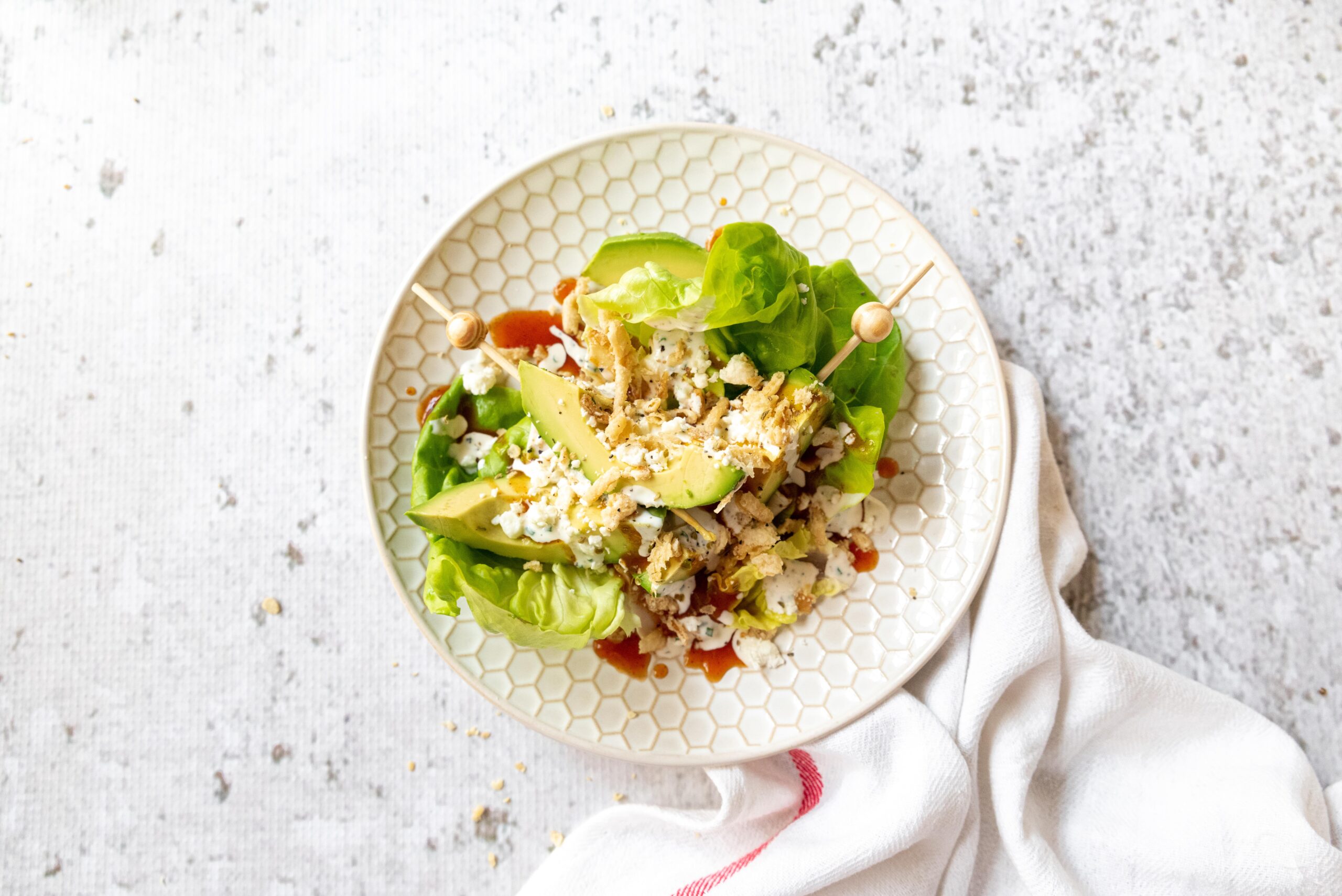
    Tarragon Yogurt Dressing

    Green and gorgeous on chicken, fish, salad, or vegetables. Yogurt gives this sauce a robust texture while tarragon imparts a licorice taste that suits salmon and poultry to a T.

    Ingredients
      

    • 1 cup chopped fresh tarragon
    • ½ cup chopped chives
    • ½ cup yogurt
    • 1 teaspoon lemon zest
    • 3 tablespoons lemon juice
    • 2 tablespoons olive oil
    • ¼ teaspoon salt
    • ¼ teaspoon black pepper
    • 2 garlic cloves peeled and crushed
    • 2 teaspoon honey

    Method
     

    1. In food processor or blender, combine all ingredients and blend until smooth. Store in covered jar in refrigerator. Sauce will thicken up in the refrigerator, so allow it to come to room temperature before using on salads.

    Ginger Miso Cashew Sauce

    This sauce has enough heft to dress up cabbage or broccoli salads, or to be used as a dipping sauce for vegetables or meats. Ginger and miso lend bright zing and luscious umami flavor.

    Ingredients
      

    • 1 cup raw cashews presoaked
    • ¾ cup water
    • 3 garlic cloves peeled and crushed
    • 1 tablespoon white miso paste
    • 2 tablespoons rice wine vinegar
    • 2 tablespoons grated gingerroot
    • 2 teaspoons tamari
    • 1 tablespoon orange juice
    • 1 teaspoon red chili flakes optional

    Method
     

    1. For a quick alternative to soaking cashews overnight, bring a medium pot of water to the boil. Remove from heat, place cashews in water, cover, and soak for 30 to 40 minutes.
    2. Drain cashews and place with fresh water in bowl of food processor or high-speed blender; blend until smooth. Add remaining ingredients and blend until combined.

    Blueberry Balsamic Sauce

    A sweet sauce with punchy balsamic vinegar. Perfect over ice cream, yogurt, or cakes, it’s also magnificent drizzled over meats such as duck or pork, or as a condiment for cheese. Convert it to a dressing with a few tablespoons of olive oil and pair it with peppery arugula.

    Ingredients
      

    • 2 cups frozen blueberries
    • ½ cup balsamic vinegar
    • 1 cup water
    • ¼ cup maple syrup
    • 1 teaspoon black pepper
    • Pinch of salt

    Method
     

    1. In saucepan, combine blueberries, vinegar, water, and maple syrup and bring to boil over high heat. Reduce heat and simmer for 5 minutes on medium-high heat. Remove pan from heat, season with pepper and salt, and set pan aside to cool for 10 minutes.
    2. In blender or food processor, blend mixture and then pass through a sieve. (Collect solids from the sieve and spread them on toast). Place sauce in jar and keep in the refrigerator for up to 1 week. It’s equally delicious served cold or gently warmed.

    By Helena McMurdo

    Article Courtesy of Alive Magazine

  • Emerald Pineapple Smoothie

    Emerald Pineapple Smoothie

    Emerald Pineapple Smoothie

    Ingredients
      

    • 1 coconut
    • 1 banana peeled
    • 10 ounces frozen pineapple
    • 1 handful baby spinach
    • 1 ½ teaspoons Emerald Energy or other spirulina greens powder

    Method
     

    1. To extract the coconut water, poke a hole with an awl into one of the three eyes, invert and allow water to drain. When all coconut water is extracted, wrap coconut in a cloth and using a hammer, carefully crack open the coconut. Alternately, use 1 cup bottled coconut water.
    2. In a blender pitcher, combine the coconut water, banana, pineapple, spinach, and greens powder.
    3. Blend contents until smooth and serve promptly.

    Notes

    If serving this as a smoothie bowl, pour smoothie into the split coconut (or bowl) and garnish with dragon fruit, blueberries, kiwi, flaked coconut, and chia seeds.

    Recipe Courtesy of INFRA

  • Kick seasonal allergies to the curb

    Kick seasonal allergies to the curb

    Kick seasonal allergies to the curb

    Magnifying the immune response

    Seasonal allergies plague sufferers with aggravating symptoms, which can reduce productivity, incur expenses, and have a negative impact on health-related quality of life. Having seasonal allergies also increases the risk of developing related conditions, such as asthma, chronic sinusitis, and nasal polyps. Those with seasonal allergies may wonder, why me?

    Staying immune

    The immune system is overworked and underpaid. It’s constantly responsible for scanning the body for precancerous cells, sensing and fighting infection, and regulating inflammation. The immune system must also maintain tolerance to the body’s own cells and tissues, as well as to antigens from food and the environment.

    Immune tolerance is the prevention of an immune response against a certain antigen. This is important for maintaining overall balance in the body and preventing autoimmune and allergic reactions. But when it comes to seasonal allergies, tolerance to a normally harmless environmental antigen, such as grass or birch pollen, is lost.

    What’s in a name?

    Also known as hay fever, allergic rhinitis symptoms include nasal congestion, runny nose, frequent sneezing, and itchy nose and eyes. Allergic rhinitis may result from both seasonal and perennial allergies.

    Seasonal allergens are airborne particles from the environment that, in those who are hypersensitive, trigger allergic rhinitis upon inhalation. Symptoms wax and wane with the season. Common seasonal allergens include pollen from grass, trees (including birch), ragweed, and mold.

    Perennial allergens are unrelated to the season and may cause allergic rhinitis in hypersensitive individuals all year long. Common perennial allergen sources include pet dander, house dust mites, and cockroaches.

    Treatment options

    If over-the-counter allergy medications just aren’t cutting it, consider asking for help. Allergists may offer skin prick testing and other forms of assessment. Treatment may include an intranasal, oral, or ocular antihistamine or corticosteroid, or a combination of both.

    Allergen immunotherapy (“allergy shots”) may be indicated for patients with persistent symptoms. This involves administering a small amount of allergen into the skin or under the tongue to stimulate an allergic response, with the goal of building tolerance over time.

    Acupuncturists and naturopaths can also provide individualized treatments for seasonal allergy sufferers.

    Lifestyle strategies

    • Wear a hat, glasses, and nasal filters when outdoors.
    • Shower upon return from work or a walk.
    • Irrigate nasal passageways via neti pot with distilled water and salt.
    • Keep windows closed.
    • Wash curtains, carpets, and bedding regularly.
    • Mop floors regularly.
    • Use HEPA air filters.
    • Eradicate mold.

    Supplements for seasonal allergies

    The following supplements may reduce symptom severity:

    • quercetin
    • green tea
    • propolis
    • bee pollen
    • probiotics
    • vitamin c

    Remember, always check with your health care practitioner before taking a new supplement.

    By Dr. Cassie Irwin, ND

    Article Courtesy of Alive Magazine