Category: Health and Beauty

  • The brain’s role in immune health and allergies

    The brain’s role in immune health and allergies

    The brain’s role in immune health and allergies

    The two systems are in constant communication

    The immune system

    Made up of structural barriers, organs, white blood cells, proteins, and chemicals, the immune system protects us from foreign antigens and helps our bodies heal from infections and injuries. To do this, the immune system and the nervous system maintain extensive and elaborate communication.

    This system has two pathways, a gas pedal (flight or fight pathway) and a brake (rest and digest pathway).

    We know that the brain influences the process of inflammation as part of the immune system’s fight against injury or infection. Too much inflammation can lead to problems, like chronic pain or diseases. The brain can help keep this in check, but, if it’s overwhelmed by too much stress or illness, inflammation can cause harm.

    What does the brain have to do with allergies?

    The allergic response

    In some cases, the immune system reacts by making antibodies to attack allergens that aren’t otherwise harmful. When someone with an allergy is exposed to the allergen, the immune system’s antibodies release histamine into the bloodstream that can cause symptoms, including inflamed skin, sinuses, airways, or digestive systems.

    Allergy symptoms can occur for the first time at any age, and can be affected by hormones, stress, smoke, medications, perfume, or environmental irritants. Some allergies can be outgrown, such as children’s allergies to certain foods. Airborne allergens can strike seasonally, during pollination, or year-round in the case of dust mites and animal dander.

    The brain’s role

    The brain plays a key role in the allergic response by directing the immune system how to respond. During times of stress, illness, or other factors, such as hormonal changes, our immune systems may be weakened, causing allergic reactions to be more severe.

    The brain’s inflammatory response to allergens becomes chronic with repeated exposures to the allergen, which creates long-term effects on the affected areas of the body, such as airways, eyes, and skin.

    Brain health ties to allergies

    Poor lifestyle habits—like lack of sleep, improper diet, chronic stress, and sedentary lifestyle—can lead to poor brain health, which, in turn, can result in higher sensitivity to allergens and more allergic reactions.

    Other strategies for maintaining the health of our brains and, thus, our immune systems include:

    • Engaging in regular exercise and physical activity
    • Avoiding excess alcohol, smoking, and other chemical exposures
    • Continuing to challenge our brains as we age by learning new things, staying socially engaged, and promoting new neural connections
    • Staying aware of the impacts that common diseases like high blood pressure, diabetes, and inflammation can have on brain health
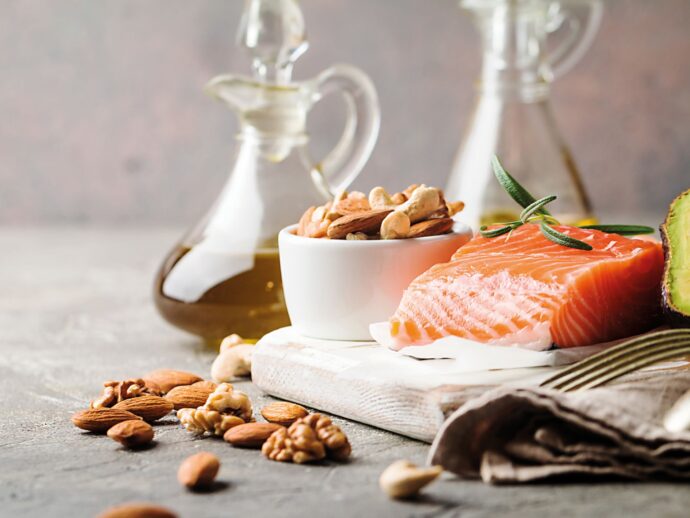
    • Ensuring a well-balanced diet that avoids excess neurostimulants, like caffeine, and chemicals, and focuses on antioxidant-rich vegetables, healthy omega oils, and optimal hydration

    by Joanne Peters

    Article Courtesy of Alive Magazine

  • Holistic happiness

    Holistic happiness

    Holistic happiness

    What makes us feel happy?

    Is there anything more highly desired, yet elusive, than happiness? Some describe it as a fleeting emotion along life’s journey, others as the ultimate destination. Some think about it in terms of genetic inheritance, others as the culmination of practices.

    How do you hold happy?

    Dr. Caroline Meyer, ND, experiences happiness by catching the small moments, pointing out that when we “rely on big moments, we miss the sustenance of daily pleasures.”

    For Josh Gitalis, clinical nutritionist and functional medicine practitioner, happiness is about attuned decision-making and feeling aligned with his purpose.

    For Chantée Dardaine, registered psychotherapist, happiness is an embodied feeling when engaged in doing something “soul-warming.”

    The “how” of happiness

    What is it that we’re experiencing when we say, “I’m happy”? Turns out, it’s physical, emotional, and intentional.

    Physically, Gitalis explains, the emotion we describe as happiness is the intersection of multiple factors: “Neurotransmitters that regulate mood, like dopamine, serotonin, and endorphins, are released in brain regions associated with happiness. Hormones such as oxytocin are influenced by hugging, bonding, and social interactions.”

    “The capacity for happiness relies on the health of our nervous system,” says Meyer.

    To counteract the less-than-happy autopilot many of us find ourselves in, leading to missing out on simple, happy moments, Dardaine brings “an intention of happiness.”

    It’s all about appreciation

    “Gratitude encourages us to look for pleasurable moments in daily life,” Meyer says. “Recalling with gratitude a few happy moments in each day has been a transformative practice,” she adds, “and mindfulness makes this possible.”

    It’s closer than you think

    “Growing up, happiness was related to goals,” says Dardaine. “I would frequently say ‘I’ll be happy when …’ which, looking back, made me feel that happiness was only waiting for me at the outcome. As it turns out, happiness is right in front of us.”

    Measuring happy

    Dardaine actively practises happiness by “scheduling moments of goodness,” such as afternoon tea or evening popcorn, while Graham intentionally cultivates things that evoke contentment or joy, such as time with friends or moving in nature.

    “Beyond purely pleasurable activities,” says Meyer, “I make sure to do a few mildly challenging habits every day.” At the end of each day, she experiences the “positive feeling of small accomplishments.”

    Highlighting happiness

    “Times of unhappiness can lead us to a deeper understanding of our needs, like what smells, sights, items, music, or people can support us coming into a state of happiness,” says Dardaine.

    Finally, Meyer suggests: “Place a hand on your heart during a happy experience and silently repeat, ‘Remember this moment.’ Happiness can become a sacred practice.”

    By Deena Kara Shaffer, PhD

    Article Courtesy of Alive Magazine

  • Sustainable you

    Sustainable you

    Sustainable you

    A gift to yourself

    The holiday season can elicit lots of notions about what you should be doing, and giving. There are even cautionary tales of how not to be—think Ebenezer Scrooge or the Grinch! In the face of these external pressures, it can be helpful to focus on your own preferences and expectations. Reflect on what you bring to the party yourself. Perhaps your presence, clarity, and joy can be a gift to others, and yourself!

    A unique gift

    Physical gifts are a familiar part of the holiday season. Another approach is the gift of an experience or service. You can take this a step further by considering what you need or want. Is there a way to fill up your own cup, to show yourself the same care you show others? This can support your sustainability. Friends, family, and colleagues will probably notice and benefit from your deeper presence.

    Reflections

    Begin by taking some focused breaths and observing your current experience, such as:

    • degree of present-focus (versus past or future focused)
    • mood
    • thought patterns
    • degree of embodiment (the sense of being in your physical body)
    • physical health
    • attitude toward the holiday season

    Now ’s the time to ask: “How am I right now? Is this how I want to be? And is it sustainable?”

    Inventory

    Now that you’ve checked in with yourself, it’s time to focus on what you might adjust to optimize your sense of well-being. Here are some areas to explore:

    • Brainstorm your idea of a perfect holiday season and see how much of this might be possible.
    • Evaluate your priorities―are some things getting too much attention? Are other things getting missed?
    • Explore back-up plans for situations that may be difficult, like handling awkward family members or struggling to carve out time to recharge.

    Boundaries

    Identifying your preferences is a great start. Frequently, it’s related to boundary quandaries. Effective boundaries include the following:

    • Identify, to yourself and to others, what you want and don’t want.
    • Explore implications, alternatives, and possible alignment if another person is involved.
    • Aim to support your own boundary while respecting others.

    Impact

    Think about the people and organizations you come into contact with during the holiday season and consider how you want to show up. The more present and balanced you are, the more positive the experience likely is for others.

    But, have some space for yourself and others to show up in less than your best―we all succumb to stress, physical illness, and distractions at times. Then our inner Grinch pops out! Just notice and then recalibrate. It’s possible to start over, beginning by taking a few conscious breaths.

    Now that you’re aiming for a sustainable you, focus on some simple doable steps, and repeat. Celebrate your unique presence in the world, just as you celebrate those around you. Remember that both Scrooge and the Grinch turned out to be very lovable. They just needed to dig deeper and focus on what matters!

    By Carole Ames

    Article Courtesy of Alive Magazine

  • The silent health saboteur

    The silent health saboteur

    The silent health saboteur

    Stress, deconstructed

    The mere mention of stress is enough to cause our muscles to tighten, breath to quicken, and heart rate to soar. We’ve all experienced stress—whether in our work, relationships, health, legal matters, or some other aspect of life. While it’s inseparable from living, it takes a toll on our health when it intensifies or becomes chronic.

    What is stress?

    Stress is the body’s natural reaction to changes or challenges, which includes many different physical, emotional, and behavioural responses. While it is a normal bodily function and an inevitable part of daily life, chronic stress and its effects can be destructive if they’re not managed.

    Impacts of stress on the body

    Chronic or severe stress can have a serious impact on a number of different parts of the body, including the brain, gut, heart, skin, and joints.

    Stress on the brain

    Stress triggers the release of the body’s primary stress hormone, cortisol. Research has established that, over time, elevated cortisol levels can lead to shrinkage of the hippocampus, a part of the brain involved in memory and learning.

    Not only does stress have long-term impacts, including increasing the risk of dementia, but it also affects us in the short-term. Because stress has been linked to impaired functioning of both the hippocampus and prefrontal cortex of the brain, it can exacerbate depression.

    Digesting stress

    Research has shown that the quantity and nature of beneficial bacteria found in the gut can affect the brain. In medical circles, the gut is sometimes referred to as the “second brain” because the health of the two organs are linked, a connection often called the gut-brain axis.

    That link between the digestive system and the nervous system can be directly impacted by stress. We know stress can be a causal factor of gut issues like heartburn, abdominal cramps, or loose stools; but stress, anxiety, or depression can also be the result of gut issues.

    A heavy heart

    Perhaps the least surprising effect of stress is its detrimental impact on the cardiovascular system. Studies demonstrate that high levels of cortisol can increase blood cholesterol, triglycerides, blood sugar, and blood pressure—some of the risk factors for heart disease.

    Stress-skin connection

    Stress can exacerbate skin conditions, including acne, eczema, and psoriasis, and it can also disrupt the epidermal barrier that moistens and protects the skin from harmful microbes.

    Stress effects on joint health

    Chronic stress can also aggravate inflammation in the body, exacerbating joint conditions such as rheumatoid arthritis. Stress-activated inflammation can even lead to increased pain sensitivity, creating a vicious cycle of stress, inflammation, and pain.

    Decompress and de- stress

    Before you become stressed at the mere discussion of stress, remember to break the cortisol cycle by slowing down, stretching, and reflecting. There are many great natural remedies as well as prevention and management strategies that can help; but, first, you just have to breathe.

    By Michelle Schoffro Cook, PhD, DNM

    Article Courtesy of Alive Magazine

  • Do You Really Need to Walk 10,000 Steps Per Day?

    Do You Really Need to Walk 10,000 Steps Per Day?

    Do You Really Need to Walk 10,000 Steps Per Day?

    New research shows that every step counts

    The health benefits of walking are well known—as is the adage that you must walk 10,000 steps every day to achieve them. We wanted to find out how many steps you actually have to take in order to reap the rewards of walking. The answer? Far fewer than you might think.

    Where did the 10,000-steps goal come from?

    In 1965, a Japanese company called Yamasa Clock released the Manpo-kei, a pedometer with a name that translates to “10,000 steps meter” in English. Although the name was merely intended to be used as a marketing tool, the concept of 10,000 steps is still synonymous with good health more than 50 years later.

    What are the primary benefits of walking?

    Walking is a form of cardiovascular exercise, which means it strengthens your heart, improves blood circulation, and increases your heart rate. Regular walking has been linked to a reduced risk of many health issues, including diabetes, hypertension, heart disease, and obesity.

    Research has also shown that a regular walking routine can improve mental health. Walking can even reduce joint pain, help maintain healthy immune function, and improve bone density (in conjunction with resistance and flexibility exercises).

    Does a smaller step count still offer benefits?

    You might be surprised to learn that the number of steps needed to glean the rewards of walking is significantly smaller than 10,000 steps. In fact, researchers behind a 2023 study conclude that the number of steps needed to reduce the mortality risk of any disease is only 3,867 steps. Only 2,337 steps per day are needed to reduce the risk of dying from cardiovascular disease.

    How to make your walks count

    Feeling inspired to step up your daily step count? Whether you want to hit 4,000 or 10,000 steps (or somewhere in between), there are endless ways to elevate your walking routine.

    Use a pedometer to make your steps count

    Step counters or pedometers are simple yet effective tools that can be used to help reach your fitness goals. If you’re in the beginning stages of your walking journey, take the first week to establish your baseline step count. From there, you can gradually begin to increase the amount.

    Add more steps as you adjust

    The key to building a stronger walking practice by adding more steps? Consistency. Try adding 300 to 500 steps per day, eventually moving up to 2,000 extra steps per day. With each passing week, aim to add more steps until you eventually reach 10,000 (or whatever number you want to achieve).

    Keep up the pace (any pace!)

    Whether you prefer a leisurely stroll or a power walk around the neighborhood, the health benefits of walking can be felt at any pace. For optimal protection against hypertension, high cholesterol, and diabetes, work on increasing your walking pace to a moderate-intensity level.

    By Ashley Linkletter

    Article Courtesy of Alive Magazine

  • Exercise is critical to maintain your brain

    Exercise is critical to maintain your brain

    Exercise is critical to maintain your brain

    Vitality happens where sweat meets synapse

    Lost in the grunts, groans, reps, and sets, we might overlook and undervalue the remarkable impact exercise has on our most vital organ, the brain. Before we get to the sweat, let’s ground ourselves in science.

    Recent studies reveal a strong link between regular exercise and improved brain health. As little as 2.5 hours of physical activity weekly can enhance memory, cognitive efficiency, and problem-solving skills, while also slowing age-related decline and disorders.

    Let’s get moody … or not

    Exercise also influences mood regulation, acting as a powerful stress reliever. It promotes the secretion of endorphins, hormones, and neurotransmitters that elevate mood and boost brain function. These effects can begin after just one workout, rewiring neural pathways over time.

    Your brain on proteins

    The food we eat also impacts cognitive health. A 2022 Harvard study of over 77,000 people over 20 years found that replacing animal proteins with plant proteins reduced dementia risk by up to 26 percent. Incorporating a scoop of plant-based protein daily can be a simple step toward better brain health.

    Your brain on proteins

    The food we eat also impacts cognitive health. A 2022 Harvard study of over 77,000 people over 20 years found that replacing animal proteins with plant proteins reduced dementia risk by up to 26 percent. Incorporating a scoop of plant-based protein daily can be a simple step toward better brain health.

    Rewiring your circuits

    Neuroplasticity, the brain’s ability to create new pathways, is key to learning new skills and adapting. Cardiovascular exercise triggers biochemical changes, increasing growth factors that promote neuroplasticity and angiogenesis, or new blood vessel formation. This process helps improve brain function and resilience.

    Brain-boosting workout

    Try three rounds (or four if you’re feeling squirrely) of this cardiovascular, circuit-rewiring circuit to boost your brain and brawn.

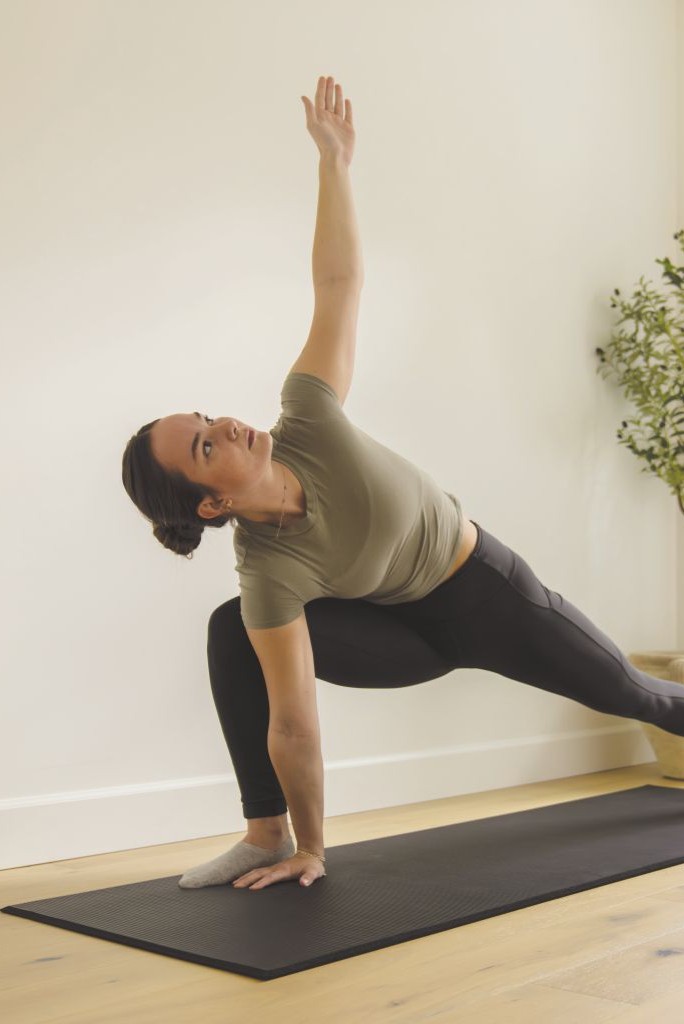
    The World’s Greatest Stretch

    3 sets of 8 repetitions per side

    • Step into a lunge, placing your right hand inside your right foot.
    • Rotate your torso, reaching your left arm up, opening your chest.
    • Return to start and repeat on the other side.

    Walkout Push-Up

    3 sets of 10 repetitions

    • Bend at the waist, place hands on the ground, walk into a plank.
    • Perform a push-up, then walk hands back to standing.

    Wall-Sit Wall Angels

    3 sets of 12 repetitions

    • Lean against a wall in a squat position.
    • Extend your arms out to the sides at shoulder height, bend your elbows at 90 degrees, and press the backs of your hands against the wall.
    • Keeping your back and arms in contact with the wall, slowly slide your arms up overhead.
    • Continue to slide your arms upward as far as you can comfortably go without arching your back or allowing your arms to lift off the wall.
    • Hold the top position for a moment, then slowly lower your arms back down to the starting position.

    Land Swimmers

    3 sets of 30-second intervals

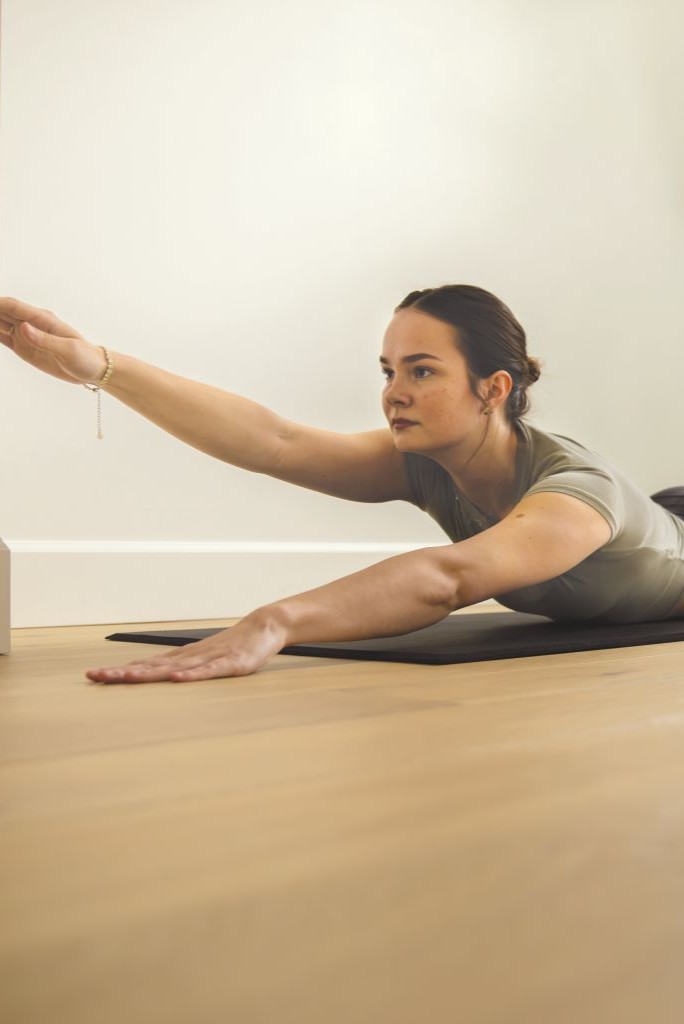
    • Lie face down, lift chest and legs slightly off the ground, keeping your neck in a neutral position.
    • Raise opposite arm and leg, hold, then switch sides in a controlled fluttering motion.

    Where to begin?

    If structured workouts aren’t your thing, incorporate activity naturally: park farther away, take the stairs, garden, cook, or do housework. The key is consistent movement, and the most beneficial exercise is one you will stick with, gradually increasing intensity while exercising safely. Moving more not only benefits your body but also keeps your brain sharp and resilient.

    By Brendan Rolfe, BA, DipA

    Article Courtesy of Alive Magazine

  • Genuinely green

    Genuinely green

    Genuinely green

    Beauty meets environmental stewardship

    Natural. Eco-friendly. Clean.

    It’s easy to believe marketers’ claims about beauty products being sustainable. However, these assertions can be misleading. Here’s how to spot greenwashing and make truly impactful purchases.

    Identifying greenwashing 

    Greenwashing is a marketing tactic that’s growing, yet there’s no single definition. It often involves companies misleading consumers into believing their products are more sustainable than they are. Common examples include claiming polypropylene is recyclable when it’s rarely recycled in practice.

    Other instances of greenwashing

    • Using nature-inspired imagery without making sustainability claims.
    • Highlighting one eco-friendly aspect while ignoring other less sustainable ones.
    • Falsely claiming certifications or mimicking certification graphics.
    • Sharing unsupported statistics or percentages without reliable backing.
    • Using vague terms like “nontoxic,” “green,” or “eco-friendly” without clear definitions.

    Making meaningful efforts
    To identify brands that genuinely practice sustainability, look for honesty and visible actions. For example, some brands are transparent about the trade-offs involved in their choices. A brand might use plastic in its refill program because it’s the best option available, explaining their rationale openly.

    Transparency involves sharing both the benefits and drawbacks of their practices, with an understanding that no solution is perfect. Many brands also donate a portion of profits to environmental causes, tracking their impact through apps that show how much plastic has been recovered or how much land has been protected.

    Other companies demonstrate environmental stewardship, like sourcing ingredients sustainably or supporting fair trade. For instance, some brands hand-pick local botanicals, while others buy plastic waste from waste pickers and recycle it into new packaging.

    A consumer’s game plan 

    To avoid falling for greenwashing, stay informed and skeptical. Words like “transparent” or “clean” shouldn’t be taken at face value. Investigate how brands define and implement these terms. Check if their claims are backed by supporting information or independent certifications.

    It’s also essential to consider the product’s end-of-life. Research whether your local recycling programs accept the packaging or contact experts for guidance. The percentage of recycled content in the packaging is crucial—higher is better. If a container has a grey tinge, it likely contains 100% post-consumer recycled material.

    By Carime Lane

    Article Courtesy of Alive Magazine

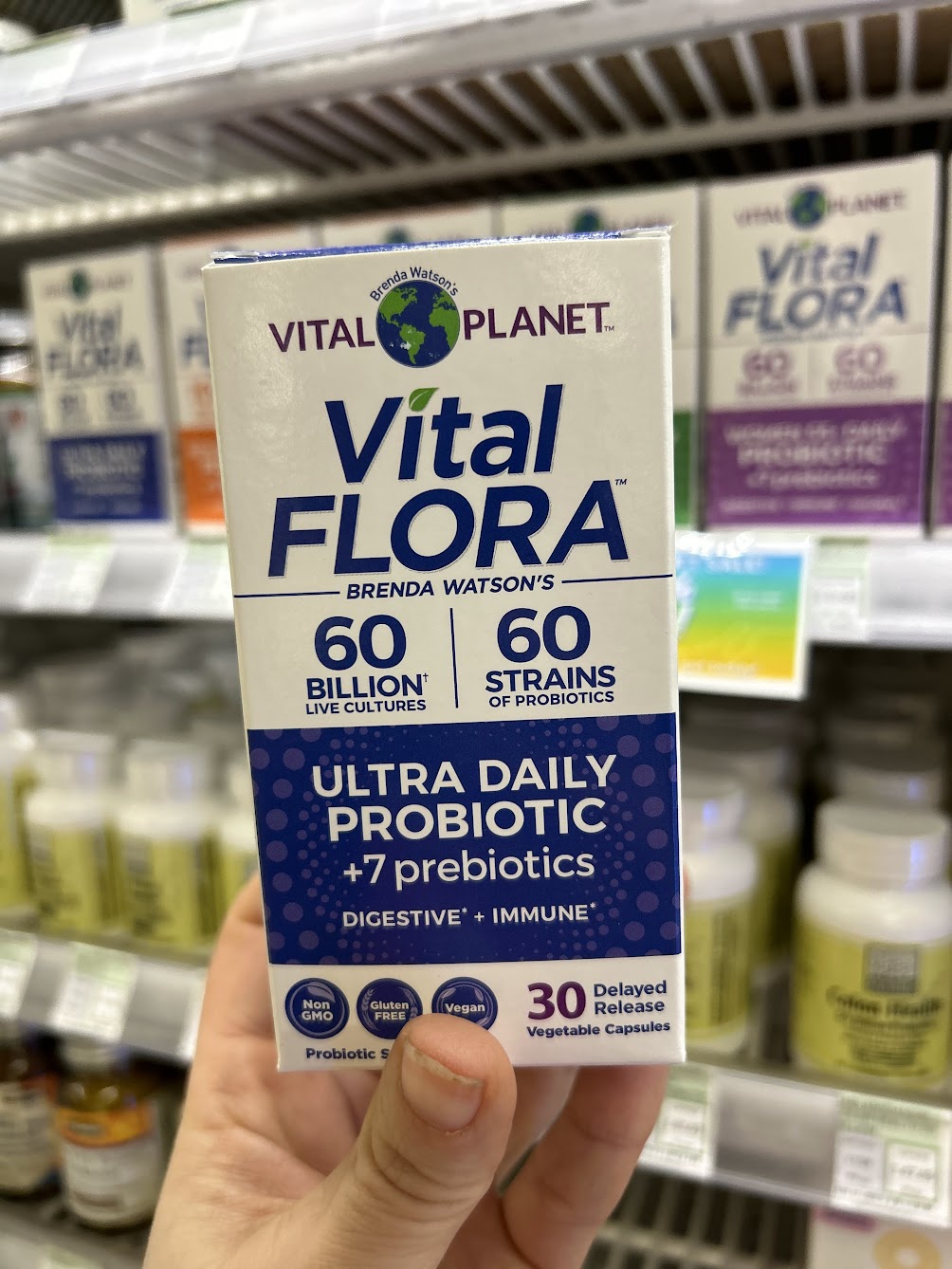
  • New Year, New Gut: Why Your Microbiome Matters and How Vital Planet Can Help

    New Year, New Gut: Why Your Microbiome Matters and How Vital Planet Can Help

    • Ease digestive discomfort: Say goodbye to bloating, constipation, and diarrhea. Probiotics can help regulate bowel movements and soothe irritated bowels.
    • Fortify your defenses: A healthy gut is a strong defense against pathogens. Probiotics can help fight off harmful bacteria and viruses, keeping you feeling your best.
    • Nurture your mood: The gut-brain connection is real! Probiotics may help alleviate symptoms of anxiety and depression by influencing brain chemistry and reducing inflammation.
    • Optimize nutrient absorption: Get the most out of your food. Probiotics can help your body absorb essential vitamins and minerals from your diet.

    • Potent: With up to 60 billion live cultures per serving, Vital Planet probiotics are some of the most potent on the market.
    • Diverse: They contain a variety of beneficial bacterial strains, which is important for creating a healthy and balanced gut microbiome.
    • Prebiotic-infused: Vital Planet probiotics include prebiotics, which are fibers that help nourish and support the growth of beneficial gut bacteria.
    • Delayed-release: This ensures that the live cultures reach the intestines alive, so they can be most effective.
    • Family-owned and operated: Vital Planet is a family-owned and operated company that is committed to quality and sustainability.

  • Three essential oils you might not know!

    Three essential oils you might not know!

    What is it good for?

    Three essential oils you might not know the benefits of.

    Whether you’re new to essential oils or already have some favorites, the variety of botanicals and their uses is so vast there’s always something to learn. Let’s delve into the fragrant world of three fantastic essential oils: lime, cedarwood, and geranium rose. Each one boasts a unique aroma and an array of potential uses, ready to enhance your well-being.

    Lime

    Lime essential oil is a ray of sunshine in a bottle. It’s uses extend far beyond adding a zing to your cocktail:

    • Mood Booster: The bright, cheerful aroma of lime oil can combat fatigue and lift your spirits. Diffuse it throughout your home or workplace for an instant pick-me-up.
    • Natural Deodorant: Lime oil’s antibacterial properties make it a fantastic natural deodorant. Dilute with coconut oil and apply it to your underarms.
    • Skin Cleanser: Lime oil can help regulate oily skin and minimize the appearance of pores. Add a drop or two to your DIY cleanser or toner.

    Cedarwood

    Earthy and grounding, cedarwood essential oil exudes a sense of calm and stability. It’s far from just a moth repellent for your closet!

    • Stress Relief: The warm, woody aroma of cedarwood can promote relaxation and ease anxiety. Diffuse it in your bedroom before bedtime or inhale carefully from the bottle for a moment of tranquility.
    • Scalp Soother: Cedarwood oil can help balance the scalp’s oil production and soothe itchiness. Dilute a few drops into an oil and massage it into your scalp.
    • Focus Enhancer: The grounding properties of cedarwood can help improve concentration and mental clarity. Diffuse it while studying or working on a complex task.

    Geranium Rose

    Floral and uplifting, geranium rose essential oil is a fragrant hug in a bottle.

    • Hormonal Balance: Geranium rose oil can help regulate hormones and ease symptoms of PMS and menopause. Dilute into grapeseed or your favorite carrier oil and massage it onto your lower abdomen. As a bonus, it’s been used to reduce the appearance of stretch marks!
    • Skin Savior: Geranium rose oil can balance sebum production, making it beneficial for both oily and dry skin. Add a drop or two to your moisturizer or facial serum.
    • Emotional Uplifter: The sweet, rosy aroma of geranium rose oil can combat feelings of sadness and promote emotional well-being. Diffuse it throughout your home or inhale directly from the bottle for a mood boost.

    Remember, these are just a few of the many potential uses for these amazing essential oils. Come into one of our locations and speak to one of our friendly wellness ambassadors so you can discover the perfect ways to incorporate these fragrant allies into your life and harness their many benefits. Pranarom Essential Oils, pre-mixed Wellness blends, and Hydrosols are all 20% off until the end of December. All of their products are third party certified organic – that’s NO synthetics, NO herbicides, NO pesticides, NO additives, NO animal testing. Just a few of the many reasons we love their products here at Basil Bandwagon!

  • Are you getting enough sleep?

    Are you getting enough sleep?


    Are you getting enough sleep?

    Why it matters, and what you should do.

    Approximately 25 to 33 percent of us aren’t getting enough sleep. While one night of lost sleep can impair mindfulness and reduce performance during the day that follows, the effects are usually corrected once sleep is restored. But the repercussions of chronic sleep loss are of greater concern for quality of life and disease risk in the years to come.

    Are you clocking enough hours?


    Experts suggest that six hours is the minimum length of sleep required for optimal health in average adults. A recent study investigated the impact of having fewer than six hours of sleep for eight consecutive nights. The findings suggested that just one night of insufficient sleep can cause both mental and physical symptoms, which worsen with consecutive nights of lost sleep.

    Consequences of chronic sleep loss


    Chronic sleep loss can contribute to systemic low-grade inflammation, which is involved in the development of conditions such as diabetes, atherosclerosis, and neurodegeneration. Research shows that sleep disturbance increases the risk of infectious disease and contributes to the development of cardiovascular disease, cancer, and depression.

    Sleep Rx


    Sleep allows the body to rest and repair, the effects of which are crucial for daytime functioning and overall health.

    • Mood: Sleep is vital for emotional processing and memory consolidation.
      Performance: Sleep loss impairs the speed and accuracy of task performance, decision-making, and exercise recovery.
    • Hormones: Sleep drives the synthesis of reproductive hormones, and sleep deprivation is associated with infertility in both men and women.
    • Immunity: Sleep promotes balance in the immune system by regulating inflammatory mediators known as cytokines.
    • Metabolism: Chronic sleep loss increases the risk of metabolic dysfunction and loss of muscle mass.

    Sleep tips to try


    Looking for a better night’s sleep? Start here.

    • Have a power nap. Napping has been shown to improve performance and alertness among those with regular sleep deprivation, including night shift workers and pilots.
    • Get your iron levels checked. Iron deficiency can contribute to restless leg syndrome, sleeping disorders, and chronic fatigue. To assess your iron storage, ask your doctor to test ferritin in the blood. If ferritin is low but you’re eating plenty of iron-rich foods, look into potential hindrances to iron absorption, such as antacid use, celiac disease, and pylori infection.
    • Ask your health care practitioner about supplements, such as melatonin, valerian, or passion flower.
    • Cut the caffeine cycle. It’s no surprise that caffeine can reduce total sleep time, impair sleep quality, and cause dependence. Baby steps are better than cold turkey. Slowly weaning off caffeine reduces the risk of caffeine withdrawal headaches and migraines.
    • Be mindful. Improve sleep quality and quantity with lifestyle practices such as deep breathing, yoga, mindfulness meditation, tai chi, and barefoot grounding.

    By Dr. Cassie Irwin, ND

    Content Courtesy of Alive Magazine