Category: Health and Beauty

  • How to eat for diabetes

    How to eat for diabetes


    How to eat for diabetes

    The power of a plant-based diet

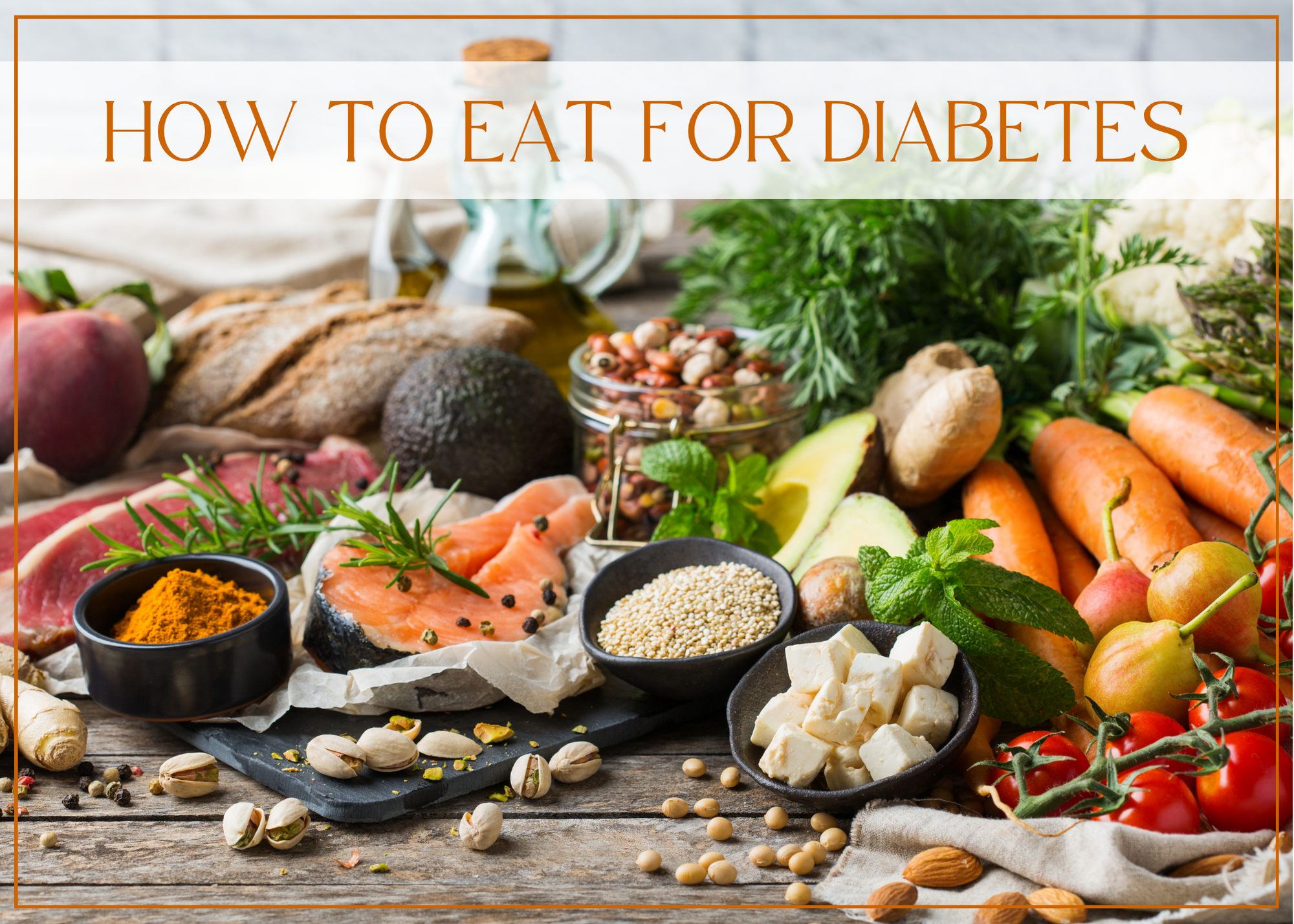
    Diabetes is a “silent killer.” Here’s how a plant-based dietary pattern (not a strict diet) can be a healthier way to manage diabetes.

    A diabetes recap


    Type 1 (insulin-dependent) diabetes is an autoimmune disease that generally develops in childhood or adolescence. The body can’t produce insulin and thus can’t regulate blood sugar. Insulin injections or an insulin pump is necessary to ensure the body has the right amount of insulin.

    Type 2 diabetes, most commonly developed in adulthood, occurs when the body can’t properly use its own insulin—or not enough insulin is produced. Type 2 diabetes can sometimes be managed with healthy eating and regular exercise alone, but may also require medications or insulin therapy.

    Know the signs


    Discovery is a crucial first step. Millions of people live with type 2 diabetes and don’t even know it.

    People who are asymptomatic, haven’t followed up on symptoms (which can include frequent urination, blurry vision, and extreme thirst), or don’t often use the health care system may not get a diagnosis until they’ve had it for years. This may mean they need more intensive treatments than if the disease had been caught earlier.

    Get the right care


    Diabetes is a progressive condition, which means that treatment plans should evolve along with the disease. Behavioral modifications such as a plant-based diet may help with blood sugar control at first, but eventually more extensive treatments such as blood glucose monitoring or medication may become necessary.

    What difference do plants make?


    The increased soluble fiber in many plant-based foods such as Brussels sprouts, black beans, and root vegetables can slow carbohydrate absorption and bind glucose. This slower rate of absorption helps stabilize blood sugars.

    In contrast, high amounts of refined sugar and carbohydrates spike glucose and cause the pancreas to produce extra insulin. Some of the extra glucose may be converted into triglycerides in the liver, and the fat may be shipped to the tissues.

    Vegan or vegetarian diets are also typically higher in pulses (like such as barley or quinoa). The high magnesium content of these whole grains helps regulate glucose, improves insulin sensitivity, and controls energy metabolism.

    Finally, vegetarians and vegans tend to consume fewer saturated fats. Since many meats contain more fat and calories, they may increase the risk of diabetes. In fact, some research suggests that red meat should be included in the list of diabetes risk factors.

    Remember—“vegetarian” doesn’t always mean “healthy”


    While a plant-based diet pattern is often higher in fiber, vitamins, and nutrients, it doesn’t guarantee weight loss or stable blood sugar levels. Check with your health care practitioner before adopting a new diet.

    Consider supplements


    Supplements to support healthy blood sugar include:

    • protein
    • magnesium
    • peppermint
    • pharmaGABA
    • quercetin


    The type and amount of supplemental support depend on your health, eating patterns, and lifestyle. Since supplements can interact with medications, it’s important to create an individualized plan with your health care practitioner.

    By Laurie Pawlik-Kienlen

    Content Courtesy of Alive Magazine


  • Cranberry and Walnut Stuffed Acorn Squash

    Cranberry and Walnut Stuffed Acorn Squash


    Cranberry and Walnut Stuffed Acorn Squash

    Acorn squash is a quintessential fall ingredient, and this Cranberry and Walnut Stuffed Acorn Squash recipe celebrates its natural sweetness while adding a delightful twist. It’s a gorgeous and healthy dish that will elevate your Thanksgiving table.


    Elisa Franco

    Cranberry and Walnut Stuffed Acorn Squash

    This Cranberry and Walnut Stuffed Acorn Squash is a work of art on your Thanksgiving table, and its taste is just as impressive. With the sweetness of the squash, the tartness of cranberries, and the crunch of walnuts, it's a symphony of flavors. Enjoy this healthy, elegant dish as you give thanks this holiday season.

    Ingredients
      

    • 2 acorn squashes halved and seeds removed
    • 1 cup quinoa rinsed
    • 2 cups vegetable broth or bone broth
    • 1/2 cup dried cranberries
    • 1/2 cup chopped walnuts
    • 2 tblsp maple syrup
    • 2 tblsp olive oil
    • salt and pepper to taste

    Method
     

    1. Preheat your oven to 375°F.
    2. Place the halved acorn squashes on a baking sheet, cut side up, and drizzle them with olive oil, maple syrup, salt, and pepper.
    3. Roast the squashes for about 35-40 minutes, or until they are tender.
    4. While the squashes are roasting, rinse the quinoa thoroughly and cook it in vegetable or bone broth according to package instructions.
    5. Once the quinoa is cooked, fluff it with a fork and stir in dried cranberries and chopped walnuts.
    6. Fill each roasted acorn squash half with the quinoa mixture.
    7. Place the stuffed squash back in the oven for an additional 10 minutes.
    8. Serve warm, drizzled with a bit of maple syrup if desired.

  • ’Til midlife do us part

    ’Til midlife do us part


    ’Til midlife do us part

    Create well-being during and after divorce

    When people decide to marry, it’s arguably with the intention of sharing a lifetime. And the ideal of lifelong partnership has historically been a social expectation. Although in recent years the upward trend of “grey divorce” (over age 50) has slowed, the highest percentage of marital splits in Canada and the US still happens at midlife. What’s happening?

    Changing perspectives

    Only in the last century has our lifespan increased by about 20 years and given us “middle years” between youth and old age. For many, these years are a time of reflection. We start to consider our mortality and realize we have less time ahead of us than behind. Not only have we learned a lot, but we still have the time, energy, health—and often freedom—to make changes.

    Updating your status

    Although the stigma of divorce has lost its sting, it can be a difficult conversation in some religious groups, or with parents and children. Experts agree that any children—no matter their ages—should hear the news before you make it public. Be honest with your offspring, but also have boundaries firmly in place about what they need to know.

    And while you think that your adult children will accept the news easily, be prepared to parent them through it, especially if they aren’t expecting it. Adult children may have a difficult time with the news and question the reality of their entire childhood. Be available to have some difficult conversations.

    Get support

    Consider working with a counselor, minister, therapist, or relationship life coach who can help you understand your role in the demise of your marriage. You are intimately aware of your previous partner’s role, and unless you acknowledge your own contributions, you will likely make the same mistakes in future relationships.

    Take time for yourself

    Particularly if the divorce was a long time coming, you might be tempted to rush into the dating pool, but experts suggest taking a pause before testing the waters. Whether you wanted the divorce or not, it’s a troubling experience. Give yourself time to heal. Get to know yourself as an individual after long-term coupledom.

    Healthy dating

    It can be tempting to let loneliness drive your desire to date. Instead, find ways to fill your social calendar through friendships, volunteering, hobbies, and support groups. Who knows? You might meet your next partner while you’re out doing something you enjoy!

    If you still have children living in your home, dating can be a tricky thing. Research on divorced mothers has shown that younger children become stressed when mom’s dating relationships end, so consider minimizing their exposure to a love interest until you are confident that the relationship has legs.

    Have fun

    Dating isn’t supposed to be a chore. It’s really about learning whether new people complement your life. Best of all? That decision is all yours.

    By Lisa Petty, PhD

    Content courtesy of Alive Magazine

  • Your blueprint for pain-free aging

    Your blueprint for pain-free aging


    Your blueprint for pain-free aging

    Top tips to start today

    While it’s a blessing to live a long life, the aging process comes with its share of aches and pains. The healing process is slower in an aging body, so underestimating pain, delaying treatment, or avoiding care due to pain-related fear may contribute to the development of chronic pain and associated disability.

    Here’s the good news: treating acute pain appropriately may prevent its development into chronic pain, while managing existing chronic pain can improve quality of life and promote a healthy lifespan in the years to come.

    When pain overstays its welcome
    Acute pain is usually triggered by injury or trauma and serves as a protection mechanism to deter us from further insult.

    But when acute pain is poorly managed, a pathological process takes place in the central and peripheral nervous systems, known as sensitization. This mechanism is theorized to drive the development of chronic pain. Pain is considered chronic when it has persisted for three months or longer.

    Collaborative care
    Curate your multidisciplinary pain management team by seeking the care of diverse practitioners, such as a naturopathic doctor, acupuncturist, psychotherapist, hypnotherapist, and osteopathic manual therapist. These care providers can offer evidence-based pain management treatments.

    Evidence-based pain treatments
    Acupuncture
    relieves pain by encouraging the body’s own production of opiates, endorphins, and corticosteroids, and has been shown to reduce chronic low back pain.
    Mind-body approaches such as cognitive behavioral therapy and mindfulness-based stress reduction help reduce chronic low back pain.
    Hypnotherapy is effective in reducing chronic pain for some individuals.
    Osteopathy is shown to be helpful in some cases of low back pain.
    Music therapy is effective in lowering pain for palliative care patients.

    Fight inflammation with food
    An anti-inflammatory approach to eating is helpful for managing acute and chronic pain. Cut back on sugar, processed foods, and trans fats, and opt for a food plan based on whole foods including fruits and vegetables, healthy fats, fish and unprocessed meats, and whole grains.

    If your pain originates from the digestive tract or from an autoimmune condition, consider testing for sensitivities to gluten and other foods.

    Easing up is wise
    With acute pain, it’s particularly important to rest the painful area to reduce inflammation and allow for healing. Manage chronic pain by interspersing periods of rest throughout activities that aggravate your pain.

    Staying active is important
    On top of strengthening muscles, improving flexibility, and promoting joint stability, research suggests that exercise also increases the body’s production of pain-relieving molecules known as endocannabinoids.

    Of course, when pain interferes with exercise, we have a problem! Consult with a physiotherapist or kinesiologist for an individualized exercise treatment program, which has been shown to reduce pain and promote function.

    Mind over matter works wonders
    We can tap into the mind-body connection and use it to our advantage! Optimism is protective against day-to-day pain-related disruptions and increases goal-directed activity in older adults.

    Dr. Cassie Irwin, ND

    Content courtesy of Alive Magazine

  • Simple and stress-free Thanksgiving

    Simple and stress-free Thanksgiving


    Simple and stress-free Thanksgiving

    Traditional recipes with a twist

    We all hope for simple and stress-free holidays. Simplifying traditional dishes and choosing ones that can be prepped days ahead of time will eliminate that stress and ensure your Thanksgiving leaves you feeling, well, thankful. You might even spend more time at the table with family than you do in the kitchen!

    Turkey Meatballs

    Stay traditional and go with turkey for your Thanksgiving dinner, but simplify things with these bite-size meatballs. Though small, they pack a punch of big flavors to rival any main attraction.

    12 oz (340 g) extra-lean ground turkey thigh

    1 egg

    1/2 yellow onion, finely chopped

    1 cup (250 mL) chopped spinach

    1 garlic clove, peeled and crushed

    2 tsp (10 mL) orange zest

    1 tsp (5 mL) chopped fresh sage

    1 tsp (5 mL) chopped fresh rosemary

    1 tsp (5 mL) chopped fresh thyme

    Salt and pepper, to taste (optional)

    Preheat oven to 375 F (190 C). Line baking sheet with parchment paper.

    In medium bowl, combine all ingredients and mix until just combined. Don’t overmix. Using approximately 1 1/2 Tbsp (22 mL) mixture, form meatballs and place evenly spaced out on parchment-lined baking sheet. Makes 16 meatballs.

    Bake for 15 to 20 minutes, giving baking sheet a shake midway through cooking so they cook evenly and acquire color on all sides. Continue cooking until internal temperature reaches 160 F (70 C). Serve with cranberry sauce.

    Serves 4

    Each serving contains: 203 calories; 27 g protein; 11 g fat (2 g sat. fat); 3 g carbohydrates (1 g sugars, 1 g fiber); 119 mg sodium


    Barley Stuffing

    Here, we’re creating a traditional dish with a twist by ditching the boring old bread of typical stuffings and replacing it with the ancient grain barley. This next-level stuffing is plant based, but mushrooms and fennel add a delicious meatiness.

    2 cups (500 mL) cooked barley

    1 Tbsp (15 mL) olive oil

    9 oz (250 g) cremini mushrooms, finely chopped (mixed mushrooms would work as well)

    1 cup (250 mL) finely chopped carrots

    1 cup (250 mL) finely chopped celery

    1 large yellow onion, finely chopped

    1 Granny Smith apple, cut into 1/2 in (1 cm) cubes

    1/4 cup (60 mL) water chestnuts, roughly chopped

    1 Tbsp (15 mL) fresh rosemary, chopped

    1 Tbsp (15 mL) fresh sage, chopped

    1 Tbsp (15 mL) fresh thyme, chopped

    1/2 tsp (2 mL) fennel seeds, ground in mortar and pestle or spice grinder

    Salt and pepper, to taste (optional)

    In advance, prepare 2 cups (500 mL) cooked barley according to package instructions. Set aside or make it a day or two ahead of time and store, covered, in refrigerator.

    In large frying pan on medium-high heat, add olive oil and mushrooms and cook until browned and all moisture is gone, stirring frequently.

    To frying pan with mushrooms, add carrots, celery, and onion; saute until soft but not browned, about 5 minutes. Add apple cubes and water chestnuts along with herbs and spices, and saute until apples are soft, about 5 minutes. Add in cooked barley and stir to combine.

    Place mixture into oven-safe dish with cover. Bake, covered, at 350 F (180 F) for 30 minutes. If you want the top to be crispy, remove cover approximately 5 to 10 minutes earlier.

    To save time on Thanksgiving Day, make this up to 2 days ahead and store in fridge before roasting. On the day of your dinner, let stand for 30 minutes, before roasting until crispy and warmed through.

    Serves 6

    Each serving contains: 305 calories; 10 g protein; 4 g fat (1 g sat. fat); 61 g carbohydrates (8 g sugars, 15 g fiber); 46 mg sodium


    Vegetable Mash

    Move over potato; there are plenty of other vegetables vying for the title of comfort in a bowl! This combination is full of flavor and is silky smooth and creamy.

    1 whole celery root, peeled and diced

    1 large butternut squash, peeled, seeded, and chopped

    2 garlic cloves, peeled

    Vegetable broth or water to cover vegetables

    1/4 cup (60 mL) nutritional yeast

    1 Tbsp (15 mL) butter or butter substitute

    Salt and pepper, to taste

    Into large saucepan, place chopped vegetables and garlic and add water or vegetable broth until just covered. Bring to a boil and cook until vegetables fall off a fork, about 25 minutes. Reserve 1/4 cup (60 mL) of cooking liquid and drain the remainder.

    Into blender, place cooked vegetables, nutritional yeast, and butter, and blend until smooth. If you prefer a thinner mixture, add reserved liquid to achieve your preferred consistency. Season with salt and pepper, to taste. Place in serving dish and enjoy. This dish can be prepared in advance and reheated before serving.

    Serves 6

    Each serving contains: 127 calories; 5 g protein; 3 g fat (1 g sat. fat); 24 g carbohydrates (4 g sugars, 5 g fiber); 101 mg sodium

    By Chelsea Gough

    Content courtesy of Alive Magazine

  • 6 knee-strengthening exercises

    6 knee-strengthening exercises


    6 knee-strengthening exercises

    We use our knees to walk, run, jump, sit, stand, and climb. As a result, it’s one of the easiest body parts to injure. Luckily, there are several knee-strengthening exercises to curb pain and prevent injury. Remember to check with your doctor before performing these exercises.

    Bodyweight squat

    Stand up straight with your legs hip-width apart. Shift your weight to your heels. Bend at your knees as if you’re sitting in a chair while shifting your torso forward to maintain balance. Lower yourself down only until your heels slightly lift off the floor. Using your thigh muscles, lift yourself back to the starting position. Perform this exercise five to eight times.

    Standing quadriceps stretch

    You should feel this stretch in the front of your thigh. Hold onto a wall or chair for extra support. Stand with your legs hip-width apart. Bend your left knee. With your left hand, grasp your left ankle and pull your heel toward your buttock. Hold this stretch for 30 to 60 seconds. Repeat two or three times. Perform this exercise on your right side.

    Glute bridge

    Lie on your back with your legs hip-width apart, knees bent, and feet flat on the floor. Keep your abdominal muscles strong. As you exhale, use your glutes to slowly lift your hips a few inches off the ground. Do not overarch your back. Inhale as you lower your hips down to the ground. Repeat this exercise eight times.

    Supine hamstring stretch

    Lie with your back flat against the floor with both knees bent and feet flat on the ground. Bring your right knee to your chest. Extend your right leg straight toward the ceiling until you feel a stretch behind your knee. With both hands, grab either your leg or thigh depending on your comfort level. Hold this position for 30 to 60 seconds. Repeat two to three times. Perform this stretch on your left leg.

    Calf raises

    You will need a chair to maintain balance. Stand straight with your feet hip-width apart. Hold onto the back of a chair for support. Lift your left foot off the floor. Raise your right heel so you’re standing on your tiptoes. Lower your heel back down. Repeat two sets of 10. Perform exercise on your left leg.

    Leg extensions

    Sit in a chair with both feet flat on the ground. Make sure you keep your back straight and abdominal muscles contracted. Raise your right leg until your leg is in a straight line from thigh to foot. Hold this position for five seconds. Return your leg to the starting position. Perform three sets of 10. Repeat on your left leg.

    By Gina Kelly

    Content courtesy of Alive Magazine

  • 4 tips for keeping your family virus free

    4 tips for keeping your family virus free


    4 tips for keeping your family virus free

    How to be a better household health advisor

    A lot has changed since the term “chief cook and bottle washer” was first coined in the 1800s to describe “the person in charge of practically everything.” Does this describe your position at home? In addition to your many duties as the chief cook and bottle washer, you may also find yourself in the role of chief medical officer (CMO), at least as far as your family is concerned.

    Plan ahead
    Don’t wait until sickness hits. Stock up on natural medicines and health-supporting foods such as whole grains and beans, or freeze or ferment fresh foods from the harvest that help to keep your family healthy.

    Practise prevention
    We all know we need to eat a healthy diet, exercise, get outside for fresh air, and reduce stress (or at least find healthy ways to lessen its effects), but it’s important to implement these prevention strategies. It’s also important to encourage these lifestyles without enforcing them like a drill sergeant, which is likely to create more stress among family members.

    Stock your at-home natural medicine cabinet
    Having a medicine cabinet stocked with natural products that work to prevent colds, flu, and other viral threats may help keep you and your family members strong against whatever virus is going.

    Know when you need assistance
    Any good CMO knows when to turn to other experts. Watch for signs that suggest you should see a doctor, which include but are not limited to

    • a high fever
    • a fever that lasts for more than a day
    • difficulty breathing
    • unusual symptoms
    • symptoms that are taking longer than normal to resolve
    • aggravations of any other health conditions

    Best antiviral supplements
    Always check with your health care practitioner before taking a new supplement.

    • Supplement Benefits
    • curcumin (Curcuma longa—compound found in turmeric) has been shown to reduce the ability of viruses to enter the cells
    • echinacea supplementation may decrease the duration and severity of acute respiratory tract infections
    • elderberry (Sambucus nigra) antiviral reputation is reinforced by research demonstrating its effectiveness against the flu
    • epigallocatechin gallate (EGCG—compound found in green tea) interferes with the viral replication process, resulting in antiviral effects
    • garlic (Allium sativum) contains organosulphur compounds that enhance immune response and block the ability of viruses to enter the cells
    • oregano oil (Origanum vulgare) demonstrates antiviral activity against multiple strains of influenza
    • probiotics have demonstrated beneficial effects in prevention and treatment of many viral infections
    • quercetin nutrient found in apples, berries, green tea, and onions; research shows quercetin inhibits the ability of a wide range of flu viruses to enter the cells
    • vitamin C (ascorbic acid) supports and directly stimulates cellular functions of the immune system
    • vitamin D3 (cholecalciferol) works against viruses in multiple ways, including lowering viral replication rates and reducing inflammatory cytokines.

    Content courtesy of Alive Magazine

  • Herbal Rehydration Drink

    Herbal Rehydration Drink


    Herbal Rehydration Drink featuring BodyBio

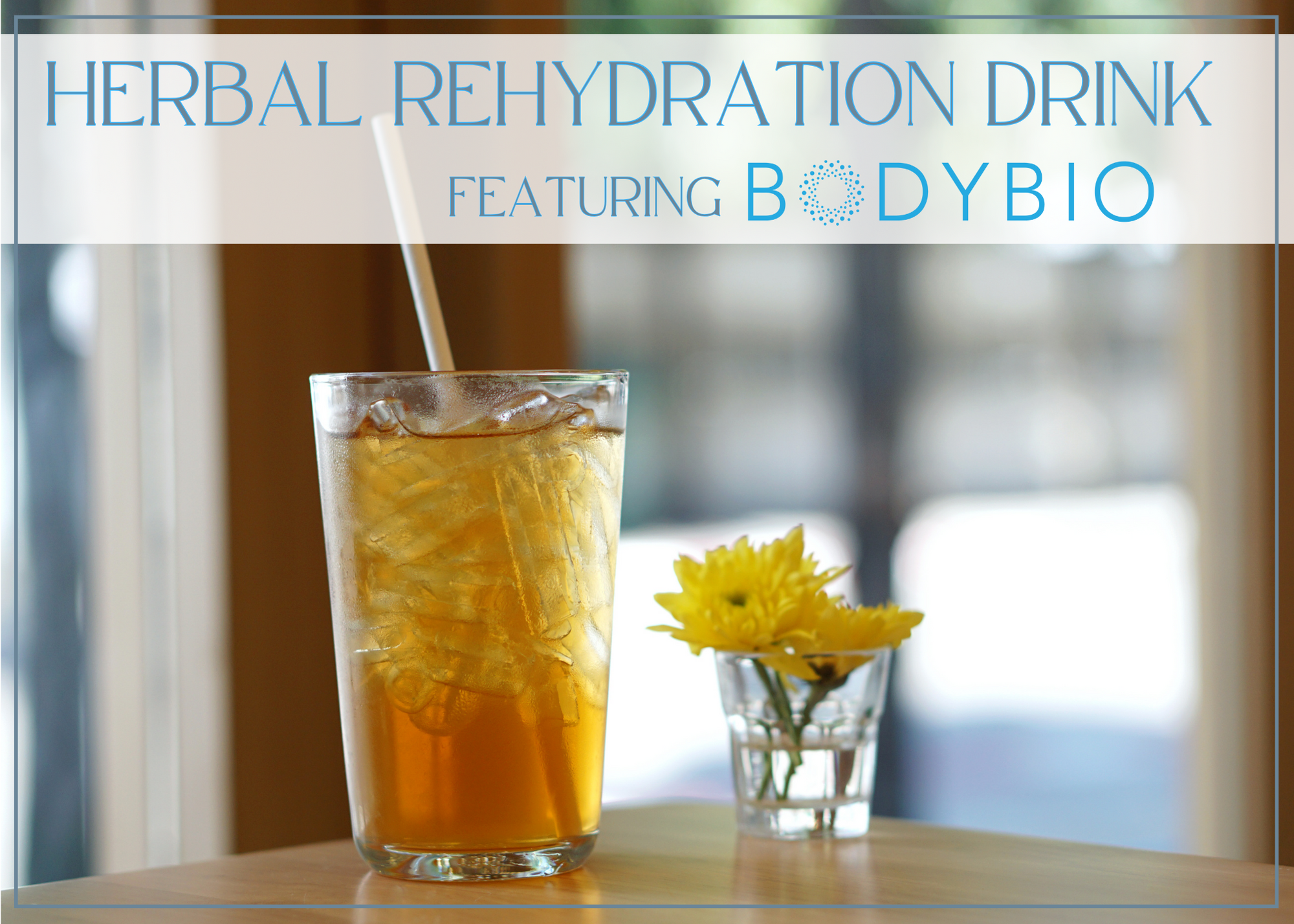
    A cold, long infusion of nourishing and healing herbs combine with the rehydration benefits of BodyBio’s E-Lyte. Think iced tea that is healing and hydrating on every level. Drink as a replacement of sugary sports drinks, after or during illness, or daily for optimal full spectrum health.


    This drink recipe was formulated for people who need a boost in hydration, vitality, and overall health. An excellent choice for pre and post-workouts and sports activities, nourishing during and after an illness where dehydration is a symptom, and an informed choice for those who seek to support adaptogenic homeostasis of their bodies.

    Below is a breakdown of the medicinal properties of each ingredient:

    E-Lyte by BodyBio:

    Simply put, E-Lyte mimics electrolyte levels in the body for optimal hydration. Think Gatorade, but more powerful, and without all the nasty ingredients.

    It is specially formulated to:

    • Fight cramps
    • Improve stamina and reduce fatigue
    • Boost energy
    • Maintain body temperature
    • Aid neurological function and enhance nerve signaling

    No sugars, no artificial sweeteners, just pure electrolytes in the millequivalent of human blood. E-Lyte is the perfect combination of sodium which contracts muscles, potassium, which relaxes them, and magnesium, which plays a role in more than 300 enzymatic processes and is the force that drives potassium to relax a contracted muscle. Ideal for everyday athletes, pregnant women, or anyone looking to reduce painful cramps and stay energized all day—without all the unnecessary ingredients.

    Most electrolyte concentrates are formulated specifically for professional athletes and contain levels of sodium and sugar that are way too high for daily use. That’s why we formulated E-Lyte with more potassium, less sodium, and no sugar to mimic human blood and give the body exactly what it needs!

    Marshmallow Root:

    (Althaea officinalis) has been used for centuries in traditional medicine for its potential healing properties. While scientific research on its benefits is ongoing, marshmallow root is believed to possess several potential health benefits, primarily due to its mucilage content—a thick, gel-like substance that forms when the root is mixed with water. Here are some of the healing properties associated with marshmallow root:

    Soothing Sore Throats and Coughs: Marshmallow root is known for its soothing properties and is often used to alleviate sore throats, dry coughs, and irritation. It forms a protective layer on the throat’s mucous membranes, providing relief from discomfort.

    Gastrointestinal Relief: The mucilage in marshmallow root may help soothe and protect the digestive tract. It can be used to relieve symptoms of conditions like gastritis, acid reflux, and irritable bowel syndrome (IBS). It may also help alleviate constipation by promoting regular bowel movements.

    Anti-Inflammatory Effects: Marshmallow root may have mild anti-inflammatory properties, making it useful for conditions involving inflammation, such as skin irritations, eczema, and joint pain.

    Respiratory Health: In addition to soothing sore throats and coughs, marshmallow root may help with respiratory issues like bronchitis and asthma by reducing irritation and inflammation in the airways.

    Urinary Health: Marshmallow root is sometimes used to alleviate symptoms of urinary tract infections (UTIs) and bladder issues due to its potential anti-inflammatory and soothing properties.

    Tulsi Leaf:

    Also known as holy basil (Ocimum sanctum or Ocimum tenuiflorum), is a popular herb in traditional Ayurvedic medicine and is revered in many cultures for its potential healing properties. While more research is needed to fully understand the extent of its therapeutic effects, tulsi is believed to have several healing properties:

    Adaptogenic: Tulsi is often classified as an adaptogen, which means it may help the body adapt to stress and promote overall resilience. It can help manage the body’s response to physical and emotional stressors.

    Immune Support: Tulsi is believed to boost the immune system. Its anti-inflammatory and antioxidant properties may help the body defend against infections and illnesses.

    Antioxidant: Tulsi is rich in antioxidants, which can help protect cells from damage caused by free radicals. This may contribute to its potential anti-aging and disease-fighting properties.

    Anti-Inflammatory: Tulsi has anti-inflammatory properties that can help reduce inflammation in the body. It may be beneficial for conditions characterized by chronic inflammation.

    Respiratory Health: Tulsi is often used to relieve respiratory issues, such as coughs, colds, and asthma. Its antimicrobial and anti-inflammatory properties may help clear the respiratory tract and provide relief from congestion.

    Digestive Health: Tulsi can aid in digestion and help alleviate digestive discomfort. It may be used to relieve symptoms of indigestion, gas, and bloating.

    Cardiovascular Health: Some studies suggest that tulsi may help lower cholesterol levels and regulate blood pressure, potentially reducing the risk of heart disease.

    Stress Reduction: Tulsi is known for its calming properties and is used to reduce stress and anxiety. It may help improve mental clarity and promote a sense of well-being.

    Antimicrobial: Tulsi possesses antimicrobial properties that can help combat various infections, including bacterial, viral, and fungal infections.

    Chamomile Flower:

    Chamomile is a well-known herb that has been used for centuries for its potential healing properties. Chamomile flowers, particularly those from the German chamomile (Matricaria chamomilla) and Roman chamomile (Chamaemelum nobile) species, are the parts of the plant most commonly used for therapeutic purposes. Here are some of the healing properties associated with chamomile flowers:

    Anti-Inflammatory: Chamomile contains compounds like chamazulene and alpha-bisabolol, which have anti-inflammatory properties. These properties make chamomile useful for reducing inflammation in various conditions, including skin irritations and gastrointestinal discomfort.

    Digestive Aid: Chamomile tea is often used to soothe digestive issues such as indigestion, bloating, and gas. It can help relax the muscles of the gastrointestinal tract and ease discomfort.

    Stress and Anxiety Reduction: Chamomile is known for its calming and mild sedative effects. Drinking chamomile tea or using chamomile essential oil in aromatherapy can help reduce stress and anxiety, promote relaxation, and improve sleep.

    Skin Health: Chamomile can be used topically to soothe skin irritations, such as insect bites, rashes, and minor burns. It may also help with conditions like eczema and psoriasis due to its anti-inflammatory and anti-itch properties.

    Oral Health: Chamomile’s anti-inflammatory and antimicrobial properties can be beneficial for oral health. It may help reduce gum inflammation, soothe mouth sores, and alleviate toothache discomfort.

    Respiratory Health: Inhaling steam from chamomile tea may help relieve congestion and ease respiratory discomfort associated with colds and allergies.

    Menstrual Pain Relief: Chamomile tea may help alleviate menstrual cramps and reduce the severity of premenstrual symptoms due to its muscle-relaxant and anti-inflammatory properties.

    Wound Healing: Chamomile may promote wound healing when applied topically, as it can help reduce inflammation and provide a soothing effect.

    Antioxidant Properties: Chamomile is rich in antioxidants, which can help protect cells from oxidative stress and may contribute to its anti-aging and disease-preventing effects.

    Anti-allergic: Chamomile may help reduce allergic reactions and symptoms by inhibiting the release of histamines, which play a role in allergy-related inflammation.

    Nettle Leaf:

    Nettle leaf, derived from the common stinging nettle plant (Urtica dioica), has been used traditionally for various medicinal purposes. It is rich in nutrients and bioactive compounds, which contribute to its potential healing properties. Here are some of the healing properties associated with nettle leaf:

    Anti-Inflammatory: Nettle leaf contains compounds like flavonoids and polyphenols that have anti-inflammatory properties. It may help reduce inflammation in conditions like arthritis, allergies, and inflammatory bowel diseases.

    Allergy Relief: Nettle leaf is often used to alleviate symptoms of seasonal allergies, such as hay fever. It may help reduce the release of histamines, which are responsible for allergy symptoms like sneezing and itching.

    Joint Health: Nettle leaf may provide relief from joint pain and stiffness in conditions like osteoarthritis and rheumatoid arthritis due to its anti-inflammatory and pain-reducing properties.

    Diuretic Effect: Nettle leaf has mild diuretic properties, which can promote the removal of excess fluids from the body. This may be beneficial for individuals with conditions like edema and high blood pressure.

    Prostate Health: Some studies suggest that nettle root, rather than the leaves, may have benefits for prostate health by reducing symptoms of benign prostatic hyperplasia (BPH), such as urinary frequency and urgency.

    Digestive Health: Nettle leaf can be used to soothe gastrointestinal discomfort, reduce symptoms of indigestion, and alleviate diarrhea. It may also support a healthy digestive tract.

    Hair and Skin Health: Topical application of nettle leaf extract or oil is believed to promote hair growth, reduce dandruff, and improve skin conditions like eczema and acne.

    Nutrient-Rich: Nettle leaf is a rich source of vitamins (such as A, C, and K), minerals (including iron, calcium, and magnesium), and antioxidants. Consuming nettle leaf as a tea or supplement can help meet nutritional needs.

    Blood Sugar Control: Some research suggests that nettle leaf may help regulate blood sugar levels, potentially benefiting individuals with diabetes or those at risk of developing the condition.

    Urinary Tract Health: Nettle leaf may be used to support urinary tract health, as it can help soothe irritation and reduce symptoms of urinary tract infections (UTIs).

    Give this drink a try, it’s not only nourishing, healing, and rehydrating, it is actually also very delicious and refreshing! Have questions? Come on in to any of our locations to speak with our wellness ambassadors, and don’t forget that we carry herbs in bulk for all of your herbalism and wellness needs!


    Elisa Franco

    Herbal Rehydration Drink

    A cold, long infusion of nourishing and healing herbs combine with the rehydration benefits of BodyBio's E-Lyte. Think iced tea that is healing and hydrating on every level. Drink as a replacement of sugary sports drinks, after or during illness, or daily for optimal full spectrum health.
    Servings: 4

    Ingredients
      

    • 30 ounces Water
    • 3 teabags Nettle Leaf
    • 3 teabags Chamomile Flower
    • 3 teabags Tulsi Leaf
    • 2 teabags Marshmallow Root
    • 2 capfuls BodyBio E-Lyte
    • 1 tblsp Honey, or sweetener of choice optional

    Equipment

    • 1 32 ounce Mason Jar with Lid

    Method
     

    1. Add water to a 32 ounce (quart size) mason jar, or other glass vessel with a lid.
    2. Add all of the tea bags to the water, no need to boil the water, room temperature or cold is fine.
    3. Put the lid on your mason jar. Place it in the fridge and let the herbs infuse into the water for 12-24 hours.
    4. After 12-24 hours, remove from fridge, remove all tea bags, add the 2 capfuls of E-Lyte, honey or sweetener of choice, cover with the lid again, and vigorously shake.
    5. Serve over ice, or as is, and enjoy!

    Product Information about E-Lyte is from BodyBio’s website.

  • Homemade Fire Cider

    Homemade Fire Cider


    Homemade Fire Cider

    Fire cider is a traditional herbal remedy known for its immune-boosting and warming properties. It is a potent infusion of herbs, spices, and vegetables steeped in apple cider vinegar.


    Fire cider is known for its potent and spicy flavor, as well as its potential health benefits. Feel free to adjust the ingredients to suit your taste and heat tolerance.

    Here are some common uses for fire cider:

    Immune Support

    Fire cider is often consumed as a daily tonic or during cold and flu season to help support the immune system. Its ingredients, such as garlic, ginger, and horseradish, are believed to have immune-boosting properties.

    Cold and Flu Relief

    Many people use fire cider at the onset of a cold or flu to help alleviate symptoms and speed up recovery. The warming and spicy nature of fire cider can help clear congestion and soothe a sore throat.

    Digestive Aid

    Fire cider can aid digestion and help relieve symptoms like indigestion, gas, and bloating. The combination of apple cider vinegar and herbs like ginger and rosemary may promote digestive health.

    Anti-Inflammatory

    Some of the ingredients in fire cider, such as turmeric and cayenne pepper, are known for their anti-inflammatory properties. It may be used by some individuals to help reduce inflammation in the body.

    Energy Booster

    The spicy and tangy nature of fire cider can provide an energy boost. It’s often taken in the morning as a natural pick-me-up.

    Circulation Support

    Ingredients like cayenne pepper in fire cider may help improve blood circulation. Some people use it to promote cardiovascular health.

    Sinus Congestion Relief

    The spicy components in fire cider, particularly horseradish and chili peppers, can help clear sinuses and provide relief from nasal congestion.

    General Wellness

    Many people incorporate fire cider into their wellness routines as a preventive measure to maintain overall health and vitality.

    Before using fire cider or any herbal remedy, it’s advisable to consult with a healthcare professional, especially if you have underlying health conditions, are pregnant or nursing, or are taking medications.


    Homemade Fire Cider

    Fire cider is a traditional immune-supporting remedy with deep roots in folk medicine.

    Ingredients
      

    • 1 medium onion chopped
    • 1/2 cup fresh horseradish root grated
    • 1/2 cup fresh ginger root grated
    • 1/2 cup fresh turmeric root grated
    • 10 cloves garlic crushed or minced
    • 2 jalapeño peppers chopped, adjust for spice preference
    • Zest and juice of 1 lemon
    • Zest and juice of 1 orange
    • 2 tbsp dried rosemary
    • 2 tbsp dried thyme
    • 1/4 tsp cayenne pepper adjust for spice preference
    • raw, unfiltered apple cider vinegar enough to cover all ingredients
    • raw honey to taste, optional

    Method
     

    1. Wash and chop the onion, horseradish, ginger, turmeric, garlic, and jalapeño peppers. You can leave the seeds in the jalapeños for extra heat, or remove them for milder fire cider.
    2. Zest the lemon and orange, and then juice them.
    3. In a clean, quart-sized glass jar, layer the chopped onion, grated horseradish, grated ginger, minced garlic, chopped jalapeño peppers, lemon zest, orange zest, dried rosemary, dried thyme, and cayenne pepper.
    4. Pour raw, unfiltered apple cider vinegar over the ingredients in the jar until they are completely covered. Make sure to leave a little space at the top for expansion.
    5. Seal the jar with a tight-fitting lid. If using a metal lid, place a piece of parchment paper or plastic wrap between the jar and the lid to prevent corrosion.
    6. Place the jar in a dark, cool place (like a pantry) for about 3 to 4 weeks. Shake the jar daily to help mix the ingredients.
    7. After 3 to 4 weeks, strain the mixture through a fine-mesh sieve or cheesecloth into a clean glass container.
    8. If you find the fire cider too strong, you can add raw honey to taste. This will also sweeten it a bit and make it more palatable.
    9. Store your fire cider in the refrigerator, where it can last for several months.
    10. To use, take 1-2 tablespoons daily as a tonic or when you feel like you need an immune boost. You can also use it in cooking or as a salad dressing ingredient.

  • Eat for life

    Eat for life


    Eat for life

    The lifelong impact of a child’s diet

    Today, three-quarters of children and teens don’t meet many of health experts’ basic recommendations. And nearly one-quarter of these kids’ daily calories come from high-fat, high-sugar processed foods.

    “The first five years of a child’s life is a period of rapid growth, when proper nutrition is essential for development,” says board-certified nutritionist Tara Bassi. “This period is also a crucial time when children develop eating behaviors that lay the foundation for their future diet and health.”

    Unless corrected, your child will be paying for their early food habits for years to come. A poor diet is associated with several health concerns, such as:

    • a weaker immune system
    • an increased risk of mental health
    • the risk of childhood obesity, which has tripled in the last few decades

    Cooking up a healing remedy

    Registered dietitian Trista Best says it’s common for parents and caregivers to feel overwhelmed when it comes to their child’s diet. “Parents are inundated with information and opinions regarding whenhow, and what they should feed their kids,” explains Best. “But we tend to overcomplicate their needs.”

    If you want to motivate children to eat healthily, Best’s best tips are all about returning to the basics.

    Fruits and vegetables

    Children need four to six servings of produce daily. Teens need seven to eight servings. “Offer a fruit and/or vegetable at every meal,” suggests Best, “and introduce a new one every week. Don’t stress about them eating it. Simply place it on their plate and allow them to discover it for themselves.”

    Whole grains

    At least half of your child’s grain intake should be from whole grains. “Replace your child’s common refined carbohydrates with whole grains,” says Best. “Try to ensure they’re eating at least one form of whole grain a day.”

    Protein

    “Plant proteins, eggs, and dairy can provide an adequate amount of protein for your child,” says Best. “Getting protein at every meal can look as simple as adding a serving of legumes, nut butter, eggs, or yogurt.”

    Keep it simple

    “These may sound like difficult rules to follow,” says Best, “but all of them can be achieved by replacing your child’s afternoon snack with a piece of raw fruit like an apple or a banana; adding carrots and hummus to their lunch plate in place of chips; or opting for juice with natural sweetener rather than refined sugar.”

    She also suggests reducing mealtime stress. “Try not to make food and mealtimes too stressful,” advises Best. “The more we build anxiety around food, the more likely our children will [be to] develop disordered eating habits.”

    By Joshua Duvauchelle

    Content courtesy of Alive Magazine