Category: Health and Beauty

  • Are our kids getting enough?

    Are our kids getting enough?


    Are our kids getting enough?

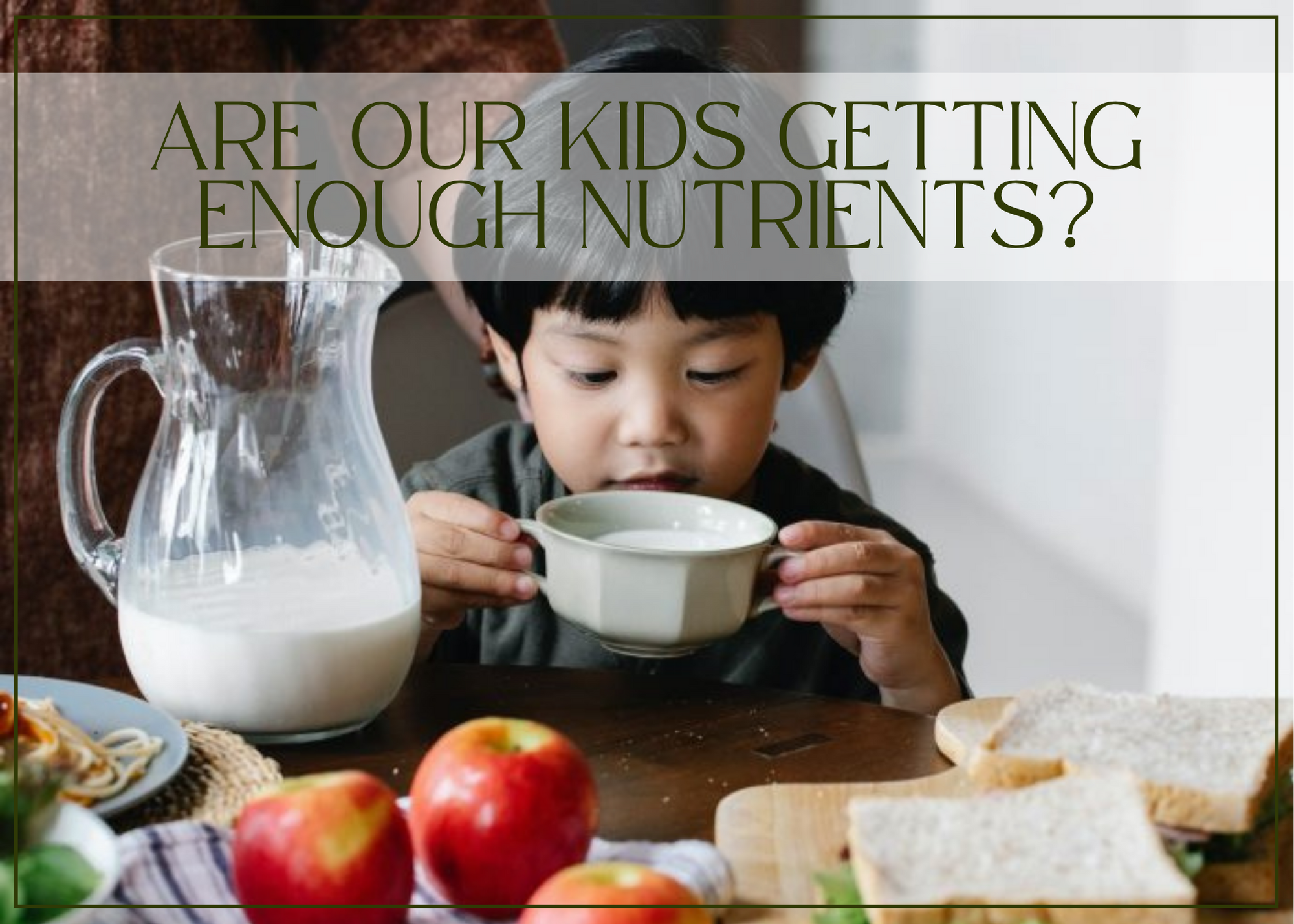
    If you’re a parent, you’ve probably spent plenty of time worrying—about all manner of childhood issues, including whether your kids are eating enough to keep them healthy. Because it can be such a worry, we explore how nutrient deficiencies can affect our kids, how to spot them, and, also, how to prevent them. Remember, always check with your health care practitioner before giving your child a new supplement.

    Vitamin Bs

    Collectively, B vitamins are essential to many aspects of brain function, energy production, and our body’s ability to build and repair muscle mass. Deficiencies in B vitamins are most often seen in vitamin B12 (especially for vegan and vegetarian kids) and B9 (folate).

    Signs of deficiency

    • fatigue
    • weakness
    • anemia
    • loss of appetite, weight loss
    • failure to thrive and grow
    • difficulty with memory and concentration

    Vitamin C

    With critical roles in our immune system, wound healing, bone health, and antioxidant protection, it’s especially important for our kids to get enough in their diets. Luckily, there are plenty of vitamin C-rich foods that’ll help keep intake up and their diet fun.

    Signs of deficiency

    • irritability
    • poor appetite
    • bleeding gums
    • easy bruising
    • dry skin
    • slow wound healing

    How to get more

    • bell peppers
    • citrus fruits
    • berries
    • kiwi fruit
    • Brussels sprouts, dark green veggies

    Supplements: powders, drops, chewable tablets, gummies, multis

    Vitamin D

    Also known as the sunshine vitamin, this fat-soluble essential vitamin aids in the regulation of calcium and phosphorous in our bodies. Because of this, vitamin D plays a very important role in building and maintaining our bones and teeth.

    Signs of deficiency

    • bone pain
    • muscle aches
    • fatigue
    • mood changes
    • dental problems

    How to get more

    • fortified dairy products
    • fatty fish (salmon, tuna, sardines)
    • egg yolks

    Supplements: capsules, drops, gummies, multis

    Calcium

    Bone calcium stops increasing in young adulthood, so getting off to a healthy start is critical to strong bones later in life.

    Signs of deficiency

    • muscle cramps or weakness
    • numbness or tingling in fingers, lips, feet
    • poor appetite
    • confusion, forgetfulness

    How to get more

    • cheese
    • yogurt
    • dark green veggies (broccoli, kale, spinach)
    • fish (canned salmon, sardine—with bones)
    • almonds

    Supplements: (often with vitamin D) chewable tablets, capsules, liquids, powders

    Magnesium

    Magnesium is also crucial for activating vitamin D, which has long been recognized as essential for a healthy immune system. Some older children can be more at risk of deficiency of this important mineral.

    Signs of deficiency

    • loss of appetite
    • nausea/vomiting
    • fatigue
    • weakness

    How to get more

    • leafy green veggies (spinach, kale)
    • nuts and seeds (almonds, pumpkin seeds)
    • cheese
    • yogurt
    • whole grains
    • avocado

    Supplements: capsules, tablets, liquids, multis

    Potassium

    The fact that kids consume far more sodium than is healthy for their long-term health is concerning, since the combination of too much sodium and too little potassium in our diet is associated with higher blood pressure.

    Signs of deficiency

    • muscle weakness
    • cramps
    • constipation
    • fatigue
    • confusion

    How to get more

    • dried fruit (apricots, prunes)
    • winter squash (acorn, butternut)
    • potato/sweet potato
    • banana
    • beans, lentils
    • yogurt

    Supplements: fizzy dissolving tablets, capsules, powders, liquids, multis

    Iron

    Children need a steady intake of iron to fuel their rapid growth and development. It’s especially important for teenage girls to replenish the iron that their bodies lose during menstruation.

    Signs of deficiency

    • weakness, fatigue
    • shortness of breath
    • dizziness, headache
    • irritability
    • feeling cold
    • pale skin

    How to get more

    • meat, poultry, seafood (beef, turkey, shrimp)
    • leafy green veggies (spinach, kale)
    • nuts and seeds (almonds, pumpkin seeds)
    • legumes (beans, lentils, chickpeas)
    • whole grains
    • soy (tempeh, tofu)

    Supplements: tablets, liquids, multis

    Zinc

    Zinc is important for growing kids’ brain development, sensory processing, memory, and cognition. It’s also an important element in immune function.

    Signs of deficiency

    • loss of appetite
    • hair loss
    • diarrhea
    • weight loss
    • delayed wound healing

    How to get more

    • chicken, turkey
    • whole grains
    • pumpkin seeds
    • cheese
    • eggs

    Supplements: chewable tablets, gummies, lozenges, liquids, multis

    Content courtesy of Alive Magazine

  • 4 Tips for Cultivating Mental Resilience

    4 Tips for Cultivating Mental Resilience


    4 Tips for Cultivating Mental Resilience

    Top tools for forgiveness and self-care


    Over the last few years, we’ve been severely challenged as a global society. While living through fear and uncertainty, we comforted each other with acts of kindness, and then kept plodding on toward the proverbial light at the end of the tunnel.

    Redefining mental well-being

    The simplest definition of mental well-being? Our ability to cope well with whatever life throws at us, to appreciate our own potential under challenging circumstances, to work productively, and to contribute to our communities.

    It sounds straightforward enough, as far as definitions go. When it comes to real life, though, we might find ourselves having to bypass some textbook definitions or at least having to constantly readjust them so they fit our needs and coping mechanisms.

    Resilience is an important concept

    In the engineering world, resilience is defined as the ability to absorb energy and resist shock and impact.

    When it comes to us humans, though, resilience is as complex as we are. It means being able to care for ourselves so we can also care for others, remembering to focus not just on the stressful events unfolding but on what comes afterward. It also means being flexible and willing to learn, grow, and adapt.

    Here are four strategies to help us become more resilient:

    1. Eat well to boost mental immunity

    Whole foods are loaded with nutrients, including antioxidants, minerals, and fiber, that arm our gut with microbiota important for improving overall health, including mental health, through a connector known as the gut-brain axis. Certain probiotic strains also produce compounds that, through this connector, influence our mental state, reducing stress and anxiety and improving our mood.

    2. Get moving for better resilience

    Being physically active will help boost your mood almost immediately, but when done regularly, it protects you from long-term stress and reduces your risk of cognitive decline down the road. Anything works. Go for a walk (exercising outdoors plus sunshine equals increased resilience), turn up the music and dance, or do a yoga session at home.

    3. Practice compassion as a stepping stone to resilience

    When people are faced with stressful situations, there is fear of course, but there is also the urge to help others. When we act with kindness and compassion toward our fellow humans, we increase our own mental resilience.

    Regardless of how we get there, cultivating positive values and beliefs can improve our adaptability and strength as we go through life, allowing our resilience to grow as we traverse through challenges.

    4. Adopt the new “F” word: Forgiveness

    You may have heard it said that forgiveness does more for those who give it than for those who receive it. It’s true. Forgiveness increases self-esteem, emotional stability, and resilience. When we forgive and let go of resentment, we make it easier for ourselves to recover from stress and trauma.


    Article courtesy of Alive Magazine, By Daniela Ginta, MSc, NNCP

  • 5 Brain “Washing” Tips

    5 Brain “Washing” Tips


    5 Brain “Washing” Tips

    Keep a clear head


    While we pay close attention to our body’s detox systems and work to support them through lifestyle choices, how many of us are thinking of detoxing our brains too? Here are some detox tips to help you keep a clear head.

    Your brain’s cleanup team

    It’s only been in the past few years that researchers have begun to understand how the brain keeps itself clean. Named to acknowledge the role of glial cells in the process, the “glymphatic system” relies on cerebrospinal fluid (CSF) filling spaces next to smaller blood vessels leading to the brain.

    The CSF interchanges with the fluid between brain cells, also known as interstitial fluid. Waste is then carried away, including tau proteins and amyloid-beta plaques associated with Alzheimer’s disease.

    Because neural cells are highly sensitive to their environment, waste products of neural metabolism must be promptly and efficiently removed from the interstitial space. The custodial team can experience a few obstacles, however.

    For example, animal research shows that daytime release of the hormone norepinephrine (an adrenal hormone that helps you wake up, focus, and store memories) could slow glymphatic clearance. The research also showed an 80 to 90 percent increase in glymphatic clearance during slow-wave sleep compared to awake time. We’re still learning about the glymphatic system, but so far it’s clear that the brain requires sleep.

    As scientists continue to learn more, here are five tips for a clearer brain:

    1. Avoid doomscrolling
      You probably didn’t need research to tell you that spending just a few minutes online can topple your emotional house of cards. If you must go online for news, get the info you need as quickly as possible and move on. Before getting back to your real life, seek out people and stories that leave you feeling optimistic about the state of the world.
    2. Turn down the volume
      Give yourself some daily silence. Evidence is mounting that noise stress impairs cognition, coordination, and eating. Studies also show that excessive noise adds to emotional stress and increases anxiety-like behavior. In your brain, noise stress increases nitric oxide and free-radical production, which can cause damage to brain cells.
    3. Turn out the lights
      Treat yourself to some blue-light blocking glasses to wear in the evening to trick your brain into producing melatonin. The sleep hormone melatonin is suppressed by short-wave (blue) light. This is a good thing during the day, but the blue light from devices and screens that can disrupt the body’s circadian rhythm can also have negative effects on our sleep patterns.
    4. Get grounded
      Research has shown that touching the earth with your feet helps restore your body’s natural electrical status and positively influences your nervous system and brain. Being in nature also improves mental and physical well-being.
    5. Consider supplements
      Ask your health care practitioner before taking any new supplement. The following may help support brain health.
      • Bacopa
      • Lion’s mane mushroom
      • Marine omega-3
      • Milk thistle


    Article courtesy of Alive Magazine, By Lisa Petty, PhD

  • From the Garden to the Dinner Table

    From the Garden to the Dinner Table


    From the Garden to the Dinner Table

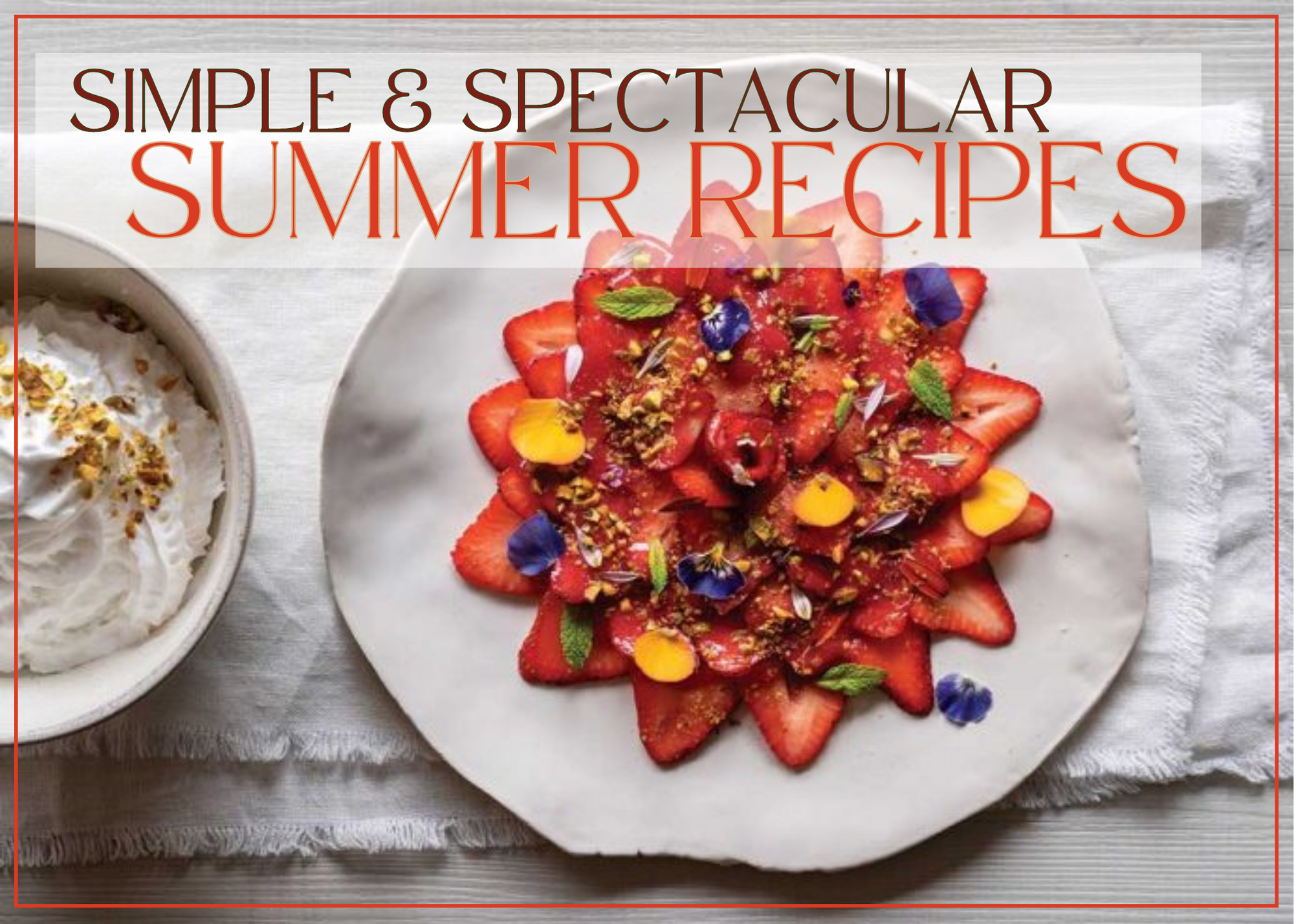
    Simple & spectacular summer recipes

    When it comes to cooking with sun-ripened garden crops, it’s best to keep it simple and let the flavor of your main ingredients shine. Garden-harvested foods are at their peak ripeness and will have more nutrients and flavor than store-bought fruits or vegetables that would have had to be picked early for market.


    Pea, Basil, and Feta Dip

    This dip can be whipped up in a flash and goes perfectly with any array of garden-fresh veggies available this time of year.

    Ingredients:

    8 oz (225 g) feta cheese

    1/4 cup (60 mL) plain Greek yogurt

    1/2 cup (125 mL) blanched fresh green peas, plus extra for garnish

    1/4 cup (60 mL) raw walnuts

    3/4 cup (180 mL) packed basil leaves and tender stems, plus extra for garnish

    1 garlic clove, peeled

    1 lemon

    2 Tbsp (30 mL) olive oil

    Salt, to taste

    Instructions:

    In food processor fitted with steel blade attachment, pulse together feta cheese and yogurt, scraping down bowl as needed, until smooth and creamy. Transfer to large plate, spreading over bottom of plate to cover. Set aside and wipe out food processor.

    To food processor, add peas, walnuts, basil, garlic, zest of half a lemon, juice of whole lemon, and olive oil. Blend, scraping down sides of bowl as needed, until textured but creamy and well combined. Taste and adjust seasoning with salt. Dollop basil mixture over whipped feta, running a knife lightly through mixture to marble the two dips together. Garnish with extra peas and basil leaves, if desired. Serve alongside crackers and vegetables for dipping.

    Serves 6

    Each serving contains: 215 calories; 14 g protein; 15 g total fat (7 g sat. fat); 7 g total carbohydrates (6 g sugars, 1 g fiber); 456 mg sodium


    Carrot, Raspberry, and Olive Tartine

    This lovely open-faced sandwich is at once earthy, bright, briny, and fruity.

    Ingredients:

    3/4 cup (180 mL) fresh raspberries, divided

    3 Tbsp (45 mL) olive oil

    1 large lemon

    1/3 lb (150 g) carrots, about 3 medium carrots

    1/2 cup (125 mL) coarsely chopped flat-leaf parsley leaves

    1/4 cup (60 mL) roughly chopped Castelvetrano olives

    1/3 cup (80 mL) ricotta cheese

    3 slices whole grain country loaf, toasted

    Instructions:

    In medium bowl, smash 1/4 cup (60 mL) raspberries with a fork. Add olive oil and zest and juice of lemon. Whisk until well combined and set aside.

    On large holes of box grater, grate carrots and add to dressing mixture. Gently fold in chopped parsley and olives.

    Divide ricotta cheese, spreading evenly over slices of bread. Generously heap on carrot mixture and top with fresh raspberries. Drizzle over any remaining vinaigrette left in bowl and serve.

    Serves 3

    Each serving contains: 332 calories; 7 g protein; 19 g total fat (4 g sat. fat); 33 g total carbohydrates (5 g sugars, 6 g fiber); 373 mg sodium


    Strawberry Carpaccio

    This simple dessert celebrates the glory that is the summer strawberry.

    Ingredients:

    3/4 lb (340 g) strawberries, washed and hulled, divided

    1/2 tsp (2 mL) orange blossom water

    1 to 2 tsp (5 to 10 mL) honey (optional)

    1/4 cup (60 mL) toasted pistachios, roughly chopped

    2 Tbsp (30 mL) mint leaves

    Edible flower petals, for garnish

    Instructions:

    In blender, add 1/4 lb (113 g) strawberries and orange blossom water. Blend until smooth. Taste and adjust sweetness with honey, if desired. Into small bowl, strain strawberry puree through fine-mesh sieve. Discard any pulp left in sieve and set aside.

    Cut remaining strawberries into thin slices, lengthwise. Arrange them over chilled serving plates in a single layer, slightly overlapping. Drizzle with a few spoonfuls of strawberry puree before garnishing with a scattering of pistachios, mint leaves, and edible flower petals.

    Serves 2

    Each serving contains: 108 calories; 3 g protein; 4 g total fat (0 g sat. fat); 19 g total carbohydrates (12 g sugars, 5 g fiber); 44 mg sodium


    Article courtesy of Alive Magazine

  • Elderflower Lemon Spritz with Vital Proteins® Lemon Collagen Peptides

    Elderflower Lemon Spritz with Vital Proteins® Lemon Collagen Peptides


    Elderflower Lemon Spritz with Vital Proteins® Lemon Collagen Peptides

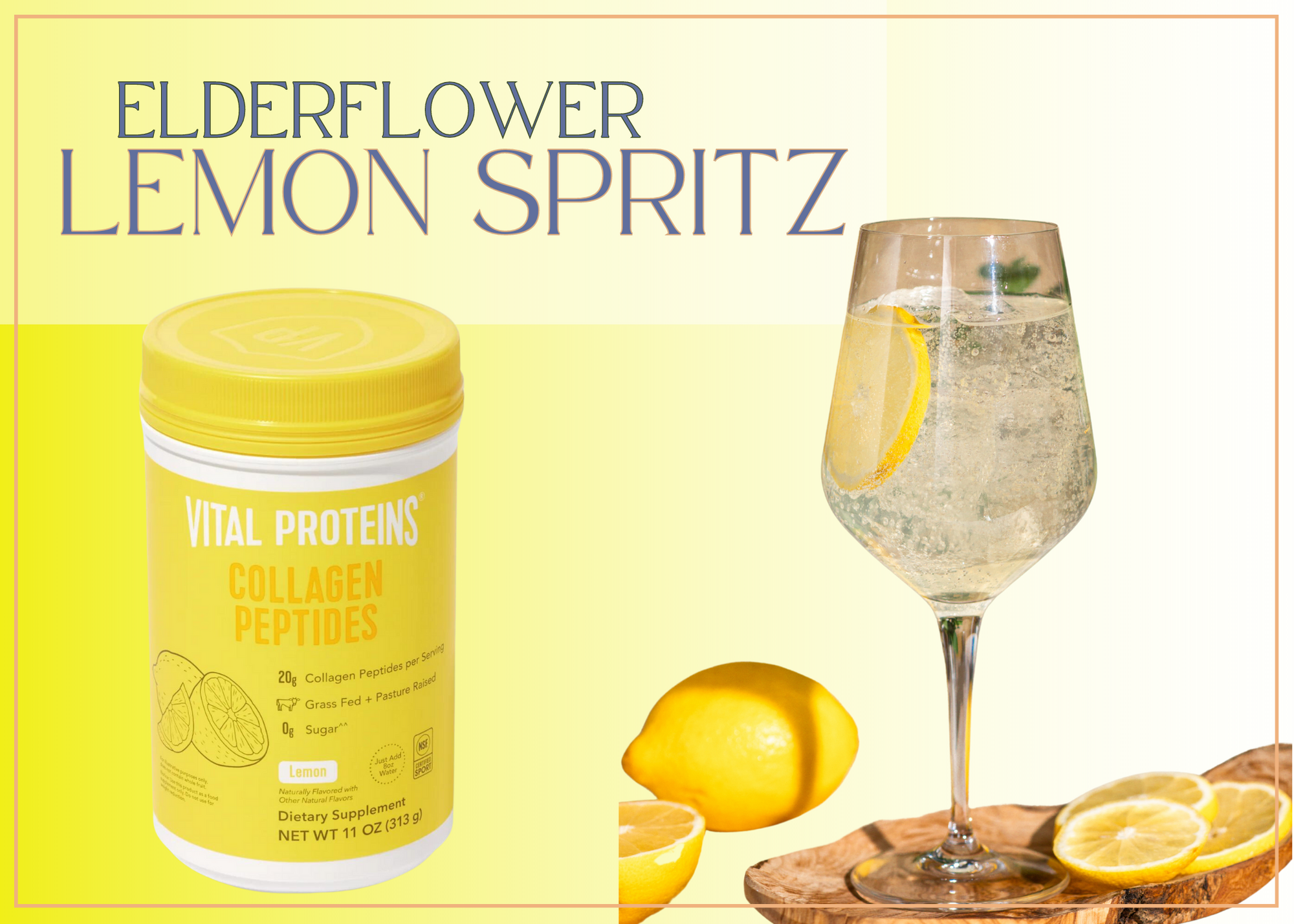
    The Elderflower Spritz is a refreshing pick-me up mocktail for that 3pm slump.

    Everyone has the same number of hours in a day, but sometimes you just don’t feel like using those hours for sleeping. Sometimes you feel like watching one too many episodes of your favorite reality TV show. Made with green tea, lemon juice, mint leaves, and elderflower tonic water, this fizzy and floral drink is the perfect mocktail recipe. 

    But what really sets this mocktail apart is the addition of Vital Proteins® Lemon Collagen Peptides. With just one serving, you can add the collagen that you love with a lemony flavor you’ll love even more.

    Go ahead and indulge in a delicious drink that’s also good for your daily dose of collagen. Make it squeezier.


    Elderflower Lemon Spritz

    A refreshing, relaxing, and nourishing mocktail!
    Servings: 1

    Ingredients
      

    • 1 Serving Vital Proteins® Lemon Collagen Peptides
    • 4 Ounces green tea or water
    • 3 Ounces Elderflower tonic water
    • 2 Ounces Lemon or grapefruit juice
    • Mint leaves or rosemary sprig as a garnish

    Method
     

    1. Add Vital Proteins® Lemon Collagen Peptides, green tea (or water) and lemon (or grapefruit) juice to a glass and mix using a frother or spoon
    2. Add ice
    3. Top with Elderflower tonic water
    4. Add mint leaf or rosemary sprig for garnish
    5. Enjoy!

    Recipe courtesy of Vital Proteins

  • Lemon Blueberry Muffin Mugs with Vital Proteins® Collagen Peptides

    Lemon Blueberry Muffin Mugs with Vital Proteins® Collagen Peptides


    Lemon Blueberry Muffin Mugs with Vital Proteins® Collagen Peptides

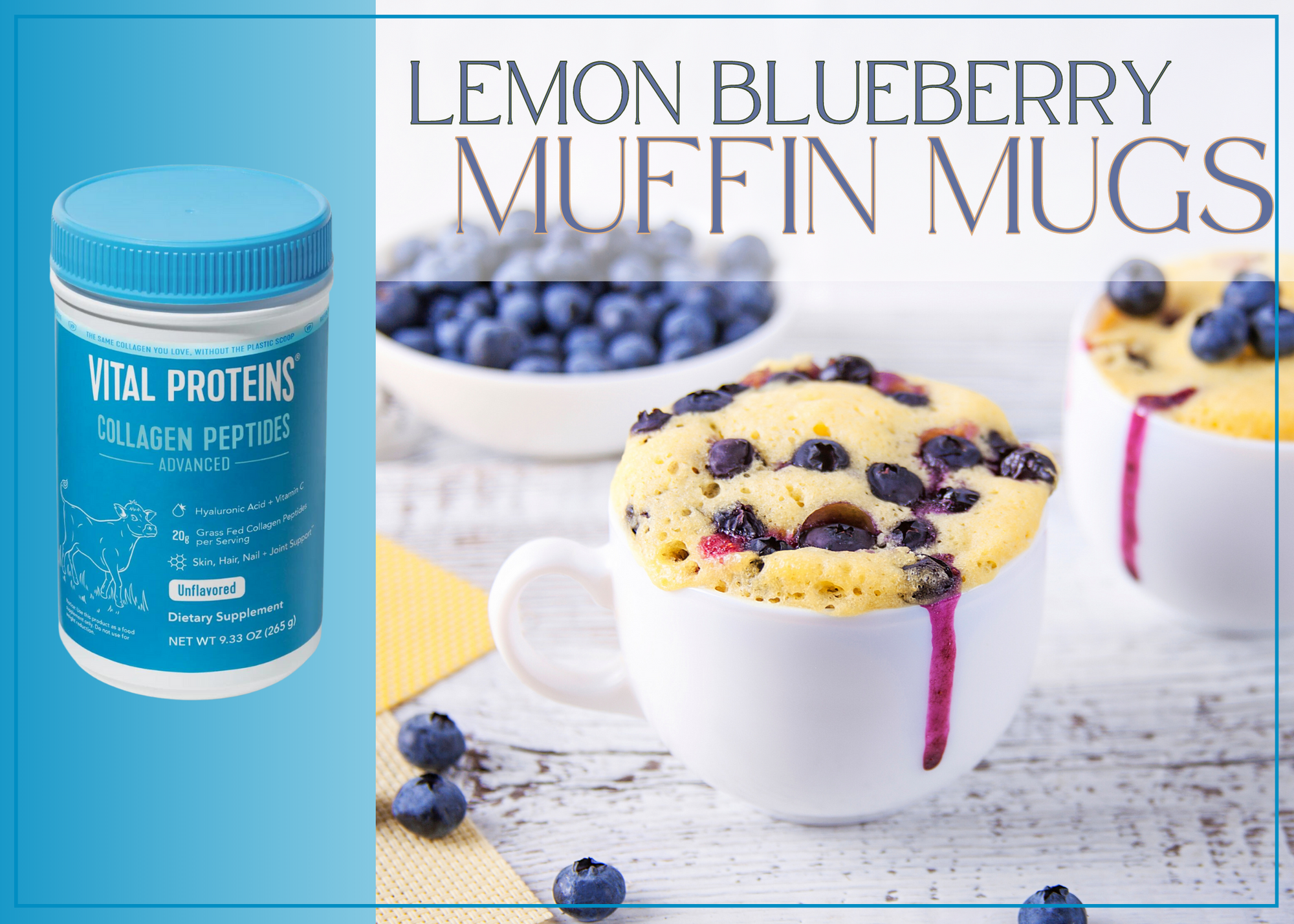
    This Lemon Blueberry Muffin is the perfect dessert when you are looking for something simple and easy to make that will fulfill your sweet cravings.

    Mug recipes are great because there are many different flavors and types you can make, they require minimal time and use just one dish.

    A serving of Vital Proteins® Collagen Peptides is featured in this recipe, which provides 20g collagen peptides per serving and hair, skin, nail, bone and joint health benefits.**

    The blueberries are a perfect touch as they have a sweet, yet neutral flavor that balances out the other ingredients. Topped with a coconut whipped cream, it captures all of the flavors together creating a perfect and sweet treat.


    Lemon Blueberry Muffin Mugs

    A yummy, nutrient-dense treat!
    Servings: 1

    Ingredients
      

    • 1/2 Cup flour gluten free 1:1 flour is used in this recipe
    • 1/2 Teaspoon baking powder
    • 1/2 Teaspoon baking soda
    • 1 Tablespoon cinnamon
    • 1 Serving Vital Proteins® Collagen Peptides
    • 1.5 Tablespoons maple syrup
    • 1 Teaspoon vanilla extract
    • 1/4 Cup almond milk
    • 1/2 Teaspoon lemon rinds grated
    • 1 Tablespoon butter melted or use any oil
    • 1/4 Cup blueberries fresh or frozen
    • coconut whipped cream for topping

    Method
     

    1. In a large mug, combine all of the dry ingredients except blueberries and mix together.
    2. Whisk in the wet ingredients and combine until they form a batter-like consistency.
    3. Add in the blueberries and then place on a plate in the microwave.
    4. Microwave for 2.5–3 minutes, pausing if batter looks like it may overflow. (Pausing will allow it to settle and not make a mess.)
    5. Take out of the microwave and top with coconut whipped cream and blueberries.
    6. Enjoy!

    **These statements have not been evaluated by the Food and Drug Administration. This product is not intended to diagnose, treat, cure, or prevent any disease.


    Recipe courtesy of Vital Proteins

  • Pomegranate “Gin” Fizz Mocktail with Vital Proteins® Marine Collagen Peptides

    Pomegranate “Gin” Fizz Mocktail with Vital Proteins® Marine Collagen Peptides


    Pomegranate “Gin” Fizz Mocktail with Vital Proteins® Marine Collagen Peptides

    A fun, effervescent way to enjoy your summer evenings.

    Filled with pomegranate juice, freshly squeezed lime juice, maple syrup, soda water, with a sprig of rosemary, this mocktail brings in flavors from the garden with a sweet twist. This mocktail is a great alternative when you are looking for something to sip on that is alcohol-free.

    What makes this mocktail toast-worthy, is the Vital Proteins® Marine Collagen Peptides that dissolves so effortlessly into the mixture and provides hair, skin, nail, bone and joint support.**


    Pomegranate “Gin” Fizz Mocktail

    Time to enjoy this delicious and simple Pomegranate Fizz Mocktail!
    Servings: 1

    Ingredients
      

    • 1/2 Cup pomegranate juice
    • 1 Teaspoon maple syrup
    • 1 Cup soda water
    • 1 Serving Vital Proteins® Marine Collagen
    • 1 Sprig rosemary
    • 1 lime wedge/round
    • 1 Tablespoon pomegranate seeds

    Method
     

    1. In a glass, add the lime, maple syrup, pomegranate juice and mix together well.
    2. Next, add the Marine Collagen and mix until it fully dissolves.
    3. Add the soda water to fill the glass.
    4. Top with a lime wedge, pomegranate and a rosemary sprig.
    5. Enjoy!

    **These statements have not been evaluated by the Food and Drug Administration. This product is not intended to diagnose, treat, cure, or prevent any disease.


    Recipe courtesy of Vital Proteins

  • What’s the deal with BCAAs?

    What’s the deal with BCAAs?

    What’s the deal with BCAAs?

    Breaking down the basics of branched-chain amino acids.


    BCAA supplements may be the talk of your gym, but are they all they’re cracked up to be? Before you make any decisions, go back to the BCAA basics. Here are 10 things you should know about BCAAs.


    1. Needed by your body

    Getting their name from their “branched” molecular structure, there are three types of BCAAs: leucine, isoleucine, and valine. This trio makes up three of your body’s nine essential amino acids—called so because your body needs them to function, but can’t produce them on its own.

    2. Found in your food 

    BCAAs are found in protein-rich plant and animal sources. In addition to beef, chicken, fish, eggs, and milk, you can get BCAAs from corn, soy, beans, chickpeas, lentils, whole wheat, brown rice, almonds, cashews, and pumpkin seeds.

    3. Available in supplements 

    If you are eating a balanced diet—especially one with adequate protein—you’re likely already getting enough BCAAs. Still, there are reasons that you may want to add a BCAA supplement to your routine. If you and your health care practitioner determine that a BCAA supplement could provide needed support, you’ll find them most commonly in the form of powders, tablets, or capsules.

    4. Ease muscle soreness 

    BCAAs can aid in reducing the muscle soreness you may feel after a workout.  Known as delayed-onset muscle soreness (DOMS), you may know the feeling best two or three days after a particularly hard workout.  Research has shown that BCAAs, especially when ingested prior to working out, can help suppress DOMS.

    5. Help you exercise longer 

    Studies have found that BCAAs can help enhance athletic performance by reducing exercise fatigue. The reason for this benefit has been linked to BCAAs’ ability to lower serotonin levels and interfere with tryptophan absorption—two chemicals that work to make you feel more tired during your workout.

    6. Protect your liver 

    Studies have shown that BCAAs help protect the liver of those who eat high-fat diets by providing support to gut flora that prevent fat accumulation in the liver. Further, BCAA supplementation has been shown to provide beneficial effects in those with advanced cirrhosis, a severe liver disease.

    7. Prevent muscle wasting 

    Muscle wasting is the reduction in skeletal muscle, which is brought on by a number of causes including disuse. BCAAs can help slow this muscle-wasting process. Separate studies have shown that BCAAs can provide beneficial effects to slow or prevent muscle wasting in a range of cases, including those involving cancer, advanced liver disease, and kidney damage.

    8. Support your well-being

    Adequate intake of BCAAs has been linked to a reduced risk of anxiety and depression, and an improved stress response.  In fact, one study showed that subjects with severe depression showed decreased BCAAs in their systems, suggesting that a low level of BCAAs could play a role in depression symptoms and low energy metabolism.


    Article courtesy of Alive Magazine by Laura Newton

  • Minted Strawberry Lemonade

    Minted Strawberry Lemonade

    Minted Strawberry Lemonade


    For a quick and delicious addition to your summer table try this minty-sweet-tart drink! Try different variations for a fun twist, such as basil instead of mint, or limes instead of lemons! Give it a try this summer to help beat the heat!


    Minted Strawberry Lemonade

    A bright, tart, and sweet summer beverage.
    Total Time 15 minutes
    Servings: 10

    Ingredients
      

    • 2 32 oz bottles Santa Cruz Organic® Lemonade chilled
    • 9 oz Strawberry spread (see notes)
    • 1 bushel Mint finely chopped
    • 1 whole Lemon thinly sliced
    • A few mint leaves for garnish

    Method
     

    1. COMBINE lemonade, fruit spread and chopped mint in pitcher. Stir until blended.
    2. SERVE over ice. Garnish with lemon slices and mint leaves.

    Notes

    Strawberry fruit spread, or jam, can be used for this recipe. Any other fruit spread or fruit preserve could be used as well.

    Recipe via Santa Cruz Organic

  • The Skin Breathes with evanhealy

    The Skin Breathes with evanhealy

    The Skin Breathes with evanhealy

    “Remember: our skin is alive, it breathes, it is our largest organ. It has a rhythm, an inhalation, and an exhalation.⁠” Plants and our skin speak the same language – and it should be a clean one. Check out one of their latest blog posts here to learn more about this natural connection.

    Have you ever wondered where evanhealy sources their herbal ingredients from?

    They source ingredients from remarkable human beings who share their values – “stewards of the Earth with a reverence for the sacredness of nature and human connection, who have a passion for the work they do.” That’s why they work directly with small family farms around the United States and Europe, and women’s co-ops & co-op villages in Africa.

    Every year, they invite their teams to witness and participate in the harvest and distillation of their own organic, artisan distilled hydrosouls. Want to take a look? Check out the video below!

    Want to try them for yourself? Purchase any of their products before their 20% OFF sale ends April 30, 2023!

    Resources

    https://www.evanhealy.com/blogs/stories/plants-and-skin-speak-the-same-language

    https://www.evanhealy.com

    https://www.evanhealy.com/blogs/stories/plants-and-skin-speak-the-same-language

    https://www.instagram.com/p/CqTfjKTyQM0/