Category: Health

  • Finding balance at the autumnal equinox

    Finding balance at the autumnal equinox

    Finding balance at the autumnal equinox

    A time to get grounded and prepare for the colder, darker season ahead

    September 22 marks the autumnal equinox and the start of fall. It is one of two times a year when daylight and night are equal. In nature, plants and animals use this time to balance and store energy for the longer nights and colder weather ahead. Trees, for example, shed their leaves and focus on their roots—something we can emulate. It’s a good time to slow down, look inward, and let go of what no longer serves us.

    Start with the harvest

    During fall, it’s beneficial to focus on seasonal foods that support health and energy. Root vegetables and orange squashes are especially important, providing grounding and warming qualities for the body. These foods are rich in antioxidants like beta carotene and vitamin A, essential for healthy skin, bones, and organs. Traditional autumnal foods such as cranberries, salmon, and wild game also support immune health with their mineral and protein content.

    Support your immune system

    Supporting the immune system during fall is crucial to prevent seasonal colds and flu. Nutrients like beta carotene, vitamins C and D, zinc, probiotics, and protein are vital. Maintaining gut health is especially important, as the digestive tract is a key part of immune defense. Probiotics can help keep gut flora balanced, strengthening the body’s ability to fend off illness.

    The season of sleep

    Autumn’s cooler temperatures and shorter days can improve sleep quality, which benefits overall health, mood, and immunity. Less daylight leads to increased melatonin production, the hormone responsible for regulating sleep cycles. Tart cherries are a natural source of melatonin, and early research suggests that drinking tart cherry juice may promote better, longer sleep. Additionally, it’s ideal to have three hours between eating and sleeping to optimize both sleep and metabolic health.

    Self-care tips for autumnal mental health

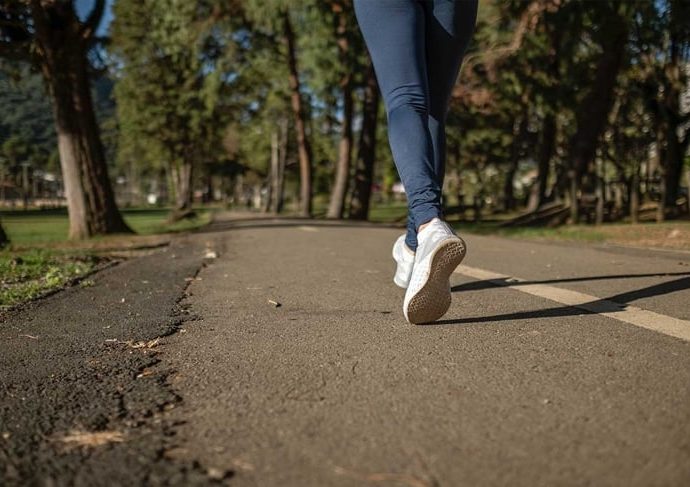
    This season also offers an opportunity to nurture mental health. Engaging in simple self-care practices—such as reading, taking baths, or walking in nature—can help ground and center you. Autumn’s energy encourages grounding, centering, and nurturing oneself, which can be especially helpful during this reflective time of year.

    By: Stephanie MacDonald

    Article Courtesy of Alive Magazine

  • The skinny on sore throats

    The skinny on sore throats

    The skinny on sore throats

    Ways to soothe and prevent

    How to manage a sore throat

    Gargling with salt water hourly at the first sign may help reduce pain and inflammation. Stay home if sick, avoid irritants, and use a cool mist vaporizer if dry air worsens symptoms. Keep hydrated and rest. Warm drinks like tea with honey can soothe the throat.

    Viral or bacterial?

    Most sore throats—about 90 percent—are caused by viruses. Viral infections often accompany symptoms like runny nose and cough, while bacterial infections tend to be more painful and may cause fever and swollen lymph nodes. Bacterial infections, such as strep throat, require a swab and possibly antibiotics. It’s important to see a doctor for an accurate diagnosis, as antibiotics only work against bacterial infections and do not treat viruses.

    Using antibiotics unnecessarily can pose health risks. They can cause side effects like rash, nausea, diarrhea, and yeast infections, and more serious issues include <Clostridioides diffcile> infection (also known as C. diffcile or C. diff), which causes diarrhea that can lead to severe colon damage. Overuse or misuse of antibiotics also contributes to antibiotic resistance, a growing global health concern. Bacteria that become resistant no longer respond to these drugs, making infections harder to treat. The World Health Organization reports that antimicrobial resistance was responsible for over 1.27 million deaths worldwide in 2019.

    Most sore throats will resolve on their own with home care. Seek medical attention if symptoms are severe, last more than two days, or if you notice white or red patches on your tonsils, a high fever, swollen lymph nodes, or a rash.

    Prevention tips

    Supporting a healthy immune system through a diet rich in whole foods, regular exercise, and adequate sleep can help prevent sore throats. Good hygiene practices, especially frequent handwashing, are essential to avoid catching or spreading infections.

    By Joanne Peters

    Article Courtesy of Alive Magazine

  • Children and the flu

    Children and the flu

    Children and the flu

    Arm yourself and your kids for flu season

    The coming fall season brings back-to-school time as well as back-to-cold-and-flu time for many families. What better time to arm ourselves with the information we need to keep our kids—and ourselves—safe against the viral onslaught.

    What is the flu?

    Caused by influenza viruses A, B, or C, the flu is a respiratory infection lasting about a week to 10 days. Seasonal outbreaks involving influenza A or B occur between November and April. While it can be severe in a small percentage of children under five, only about 1 percent require hospitalization.

    How is the flu different from a cold?

    The flu has a rapid onset of more severe symptoms compared to a cold. Flu symptoms include headache, chills, cough, fever, loss of appetite, muscle aches, and tiredness, sometimes with nausea, vomiting, and diarrhea. Fever lasts 3-4 days, with illness resolving in 7-10 days, and can be infectious for up to a week.

    A cold typically involves a runny nose, watery eyes, and sore throat, with milder symptoms developing gradually.

    How can influenza be prevented?

    Influenza spreads through droplets in the air and via contact with contaminated surfaces like toys or doorknobs. Since the virus can survive up to 48 hours on surfaces, frequent handwashing is essential. Other strategies include staying home when sick, teaching children to cover coughs and sneezes, and disinfecting surfaces.

    Can natural health products help in prevention?

    Natural health products can support immunity and reduce complications from secondary infections.

    • Probiotics have been shown to reduce respiratory infections, including the flu, by strengthening immune response.
    • Echinacea may stimulate immune activity and has been linked to fewer respiratory infections and flu cases when used preventively.
    • Vitamin D deficiency is associated with increased risk of respiratory infections; supplementation may help prevent influenza, especially in deficient children.
    • Medicinal mushrooms like turkey tail, shiitake, reishi, and chaga contain compounds that modulate the immune system and have shown antiviral activity in vitro.

    How do you treat the flu?

    Mild flu symptoms in children are best managed with supportive care: hydration, light clothing, and a comfortable environment. Tepid baths and cool-mist humidifiers can help reduce discomfort. Honey lozenges (for children over 3) and saltwater gargles can soothe symptoms.

    Over-the-counter cold medicines are not recommended for children under 6 without a doctor’s approval. Aspirin should never be given due to Reye syndrome risk.

    Treating with natural health products

    To reduce symptoms and disease duration, consider echinacea, elderberry, or vitamin D, tailored to your child’s age.

    • Elderberry has antiviral and anti-inflammatory effects and has been associated with reduced upper respiratory symptoms.
    • Echinacea at the start of symptoms may shorten illness duration and promote viral clearance.

    A naturopathic doctor can develop a customized protocol for your child at the first signs of cold or flu.

    By Heidi Fritz, MA, ND

    Article Courtesy of Alive Magazine

  • Let’s play!

    Let’s play!

    Let’s play!

    It’s essential for children’s growth and development

    Play matters, and here’s why

    Children learn about the world through play. Unstructured play is essential for developing imagination and creativity. Boredom also plays a role, as struggling with boredom can spark creativity.

    Unstructured play helps children develop communication, life skills, emotional self-regulation, and emotional well-being. Playing with sensory materials and engaging in physical activities foster fine motor skills, hand-eye coordination, and self-confidence.

    Toys―catalysts to creativity

    Walking through a thrift store or toy store reveals many options, from simple to elaborate. All toys have a role in development, but balance and moderation are key. Toys act as catalysts for creativity and imagination rather than the cause of it.

    Is less more?

    Having fewer toys can prevent feelings of being overwhelmed and encourage creativity. Versatile, age-fluid toys are a good choice, as they can be used in complex games at older ages. When celebrating birthdays, consider non-toy gifts like activities or experiences, or pooling contributions to buy meaningful toys or books.

    Learning to let go

    Toddlers enjoy basic puzzles and building blocks, but older children may prefer more complex toys. Passing on no-longer-used toys teaches kindness and charity.

    Play together in their world and yours

    Spending even 10-15 minutes playing with children fosters closeness and creativity. Incorporate play into daily routines like cooking or chores by giving children small tools and tasks. It promotes skill development and shared bonding.

    Where do screens come in?

    There’s hardly a parent out there who hasn’t, at one time or another, relied on screens to help occupy their children. Screens can provide a break for overwhelmed parents; however, balance is essential.

    Balance matters

    Limited, quality screen time can support learning, imagination, and language skills. Excessive use can hinder communication, social, emotional, and physical development.

    Boundaries where they matter

    Set screen time limits with timers and plan engaging activities afterward, like a snack, book, or outdoor play. Choosing physical activities over screens encourages bonding and healthier habits.

    Ultimately, play helps children grow in complex ways and allows them to see the world through an enchanted lens—a beautiful thing to witness.

    By Daniela Ginta, MSc

    Article Courtesy of Alive Magazine

  • Tapping into the mind-body magic (and science) of EFT

    Tapping into the mind-body magic (and science) of EFT

    Tapping into the mind-body magic (and science) of EFT

    The surprising power of a simple, gentle technique

    “I wish I could just press a button and make this go away!” Whether “this” is physical or psychological (or both), many have wished for an easy fix. While the magic button doesn’t exist, proponents of EFT (emotional freedom technique) have found a method that often yields impressive results.

    A simple but powerful intervention

    EFT, also known as tapping, blends cognitive therapy with acupressure principles from traditional Chinese medicine. Practitioners tap on specific points on the body while focusing on particular issues or emotions. The more specific the focus, the more effective the process, though multiple sessions can address complex problems. This mind-body approach aims to reduce stress and promote emotional and physical healing.

    What’s going on when we tap?

    Tapping appears to calm the amygdala, the brain’s stress response center, decreasing cortisol production—the hormone linked to stress. Studies suggest EFT benefits mental health by reducing anxiety, PTSD, depression, and overall stress.

    In addition to psychological benefits, EFT has shown effectiveness in alleviating physical pain. Focusing attention on pain while tapping seems to decrease brain activity in pain-processing regions, leading to reduced pain severity and interference. This can enhance quality of life, especially for chronic pain sufferers.

    The body as messenger

    EFT trials also demonstrate the deep connection between mind and body. The body often signals subconscious issues through physical sensations. For example, a neck ache might symbolize frustration or annoyance, while foot pain could reflect an inability to tolerate certain life circumstances.

    Understanding the language of the body allows somatic therapies like EFT to help interpret and address these messages more effectively. Recognizing physical sensations as signals from the subconscious can guide healing and emotional release.

    While EFT may not instantly resolve all problems, it is a proven, accessible tool for managing both emotional and physical discomfort. Whether using simple steps or working with a certified practitioner for more complex issues, EFT offers a promising approach for those seeking relief.

    By Heather Burt

    Article Courtesy of Alive Magazine
  • The big problem with microplastics

    The big problem with microplastics

    The big problem with microplastics

    Innovators work to solve a pollution problem in your food, drink, and air

    You can’t see them, but microplastics are ever-present in our environment. North Americans eat between 39,000 to 52,000 microplastics particles a year and breathe 35,000 to 69,000 particles annually. Microplastics may be tiny, but they pose significant risks—prompting innovative solutions.

    Plastic, plastic everywhere—even in your water

    Globally, billions of tons of plastic are discarded each year, with the majority not recycled. As plastics break down into microplastics (smaller than 5 millimetres, often invisible), they pollute soil, air, and water. These microplastics come from various sources, including household paints, adhesives, skincare exfoliating beads, and synthetic fibers in clothing.

    This pollution is now omnipresent: in the air we breathe (especially indoors), in human bloodstreams, and even in maternal wombs and breastmilk. In the Great Lakes, every sampled fish was contaminated with microplastics. Remote areas aren’t spared—microplastics have been found in polar ice, soil, and water.

    How do microplastics get inside of us?

    Microplastics enter our bodies mainly through what we eat and drink. Most meats, fruits, and vegetables have tested positive for microplastics. Fish absorb plastics in the ocean, which we then consume. Plants absorb plastics from the soil, accumulating in leaves and fruits.

    Tiny particles, big health questions

    Microplastic pollution is a rapidly growing issue, with scientists racing to understand its health impacts. Recent advancements include detecting microplastics in human blood, revealing widespread exposure. Studies suggest microplastics may cause inflammation, oxidative stress, cancer, and neurotoxicity. As we age, our ability to filter toxins diminishes, increasing the risk of serious health issues linked to plastic accumulation.

    Innovation to the rescue

    While research continues to uncover the effects of microplastics, entrepreneurs are actively seeking solutions. Take the new plastic-eating microorganisms developed by scientists last year—they “eat” and transform plastic compounds into useful products like vanilla flavoring and ingredients for medication and fragrances.

    But what if we changed the plastic itself? Traditional plastics last forever—they just break down into smaller pieces. Even microplastics fragment into nanoplastics. Some companies are exploring alternatives like polyhydroxyalkanoate (PHA).

    PHAs are produced by bacteria from sugars or lipids and are gaining attention as a biodegradable plastic. PHA naturally degrades in many environments, reducing pollution and harm to wildlife. It’s also more biocompatible, meaning it can be safely metabolized by our bodies.

    The future of plastics is here, with the aim of ensuring microplastics stay in the past.

    By Joshua Duvauchelle

    Article Courtesy of Alive Magazine

  • Fighting forever chemicals

    Fighting forever chemicals

    Fighting forever chemicals

    The pervasive substances that may affect bone health

    There are chemicals and then there are “forever chemicals,” the name given to per- and polyfluoroalkyl substances, or PFAS. They don’t easily break down in the environment or in our bodies.

    What are PFAS?

    PFAS is a broad group of synthetic chemicals used since the 1950s. They make products greaseproof, waterproof, stain-resistant, and stick-proof. PFAS are found in items like pizza boxes, makeup, carpets, and waterproof clothing. They also contaminate drinking water and food, accumulating in humans and animals over time. Exposure has been linked to health issues, including potential impacts on bone health.

    How prevalent are PFAS?

    There are about 4,700 known PFAS chemicals. The CDC’s National Exposure Report found PFAS in nearly every American’s blood. In Canada, exposure is almost universal but slightly lower, with levels decreasing over time due to regulation changes.

    How are we exposed to PFAS?

    People mainly encounter PFAS through contaminated water or food, products made with PFAS, or breathing air near manufacturing sites. PFAS can contaminate drinking water sources, and accumulate in fish, shellfish, livestock, and game animals. Once in the body, PFAS persist even after exposure stops, though blood levels may decrease over time.

    What about children?

    Children are more vulnerable because they breathe more, eat more, and crawl on floors, increasing exposure risks from dust, toys, and household products. Infants can be exposed via breast milk, contaminated formula, or in utero during pregnancy.

    What are the dangers of exposure?

    PFAS exposure is linked to health issues such as:

    – Reproductive effects like decreased fertility and high blood pressure in pregnant women

    – Developmental delays, low birth weight, behavioral changes

    – Increased risk of cancers (prostate, kidney, testicular)

    – Weakened immune response

    – Hormonal interference

    – Elevated cholesterol

    – Obesity risk

    How do PFAS affect bones?

    Emerging evidence links PFAS to lower bone mineral density, which can lead to osteoporosis. Bone density peaks between 20-30 years and declines with age. Studies show PFAS exposure may reduce bone density in adolescents. To mitigate risk, avoiding nonstick pans and PFAS-containing personal care products, along with staying active and maintaining a healthy weight, may help protect bone health.

    By Joanne Peters

    Article Courtesy of Alive Magazine

  • Pain points

    Pain points

    Pain points

    Turning to the breath and body for more balanced sleep

    When struggling with pain, it can be extraordinarily difficult to sleep, yet sleep is the very thing that heals or eases pain. While pharmaceutical interventions are often prescribed, breathwork, meditation, and understanding pain can also bring relief and rest.

    Painful nights

    Physical pain can hinder finding a restful sleep position. Pain during the day, along with restrictions on movement and exercise, can impact sleep quality. This creates a cycle: disrupted sleep at night and reduced activity during the day, which further worsens sleep and pain sensitivity.

    Whether from injury, headaches, arthritis, or chronic conditions, this cycle can make restful sleep impossible, increasing fatigue and pain sensitivity.

    Beginning with the basics

    Pain is the body’s way of recognizing harm or damage. It’s a feedback loop providing sensory information on tissue health, experienced as fast, reflexive, or slow, chronic sensations. Pain is felt through sensory nerves that report across muscles, bones, organs, and vessels, relayed via pathways to the brain.

    Further foundations

    Sleep is a vital rhythm for health, necessary for digestion, circulation, menstruation, and respiration. Each core process depends on sleep, and pain can disrupt these cycles.

    Putting things together

    Pain interferes with sleep by making core processes more difficult. When in pain, the body releases chemicals associated with the fight-or-flight response, which counteracts the calm needed for deep sleep. This stress cycle worsens sleep quality, increases pain, and hampers healing, creating a vicious cycle with added stress on the body.

    Bringing in breath

    While many products aim to improve sleep, breathwork offers a simple, effective approach. Breathwork involves consciously engaging with breathing to alter feelings, reduce pain, manage chronic symptoms, and combat sleep issues.

    Breath is an ancient, powerful medicine. Practices focusing on breath awareness and control can significantly impact stress, pain, and sleep quality.

    Five stories

    Breathwork changes breathing patterns and posture, influencing the body’s pressure distribution. The body has multiple diaphragms, including the pelvic floor, which work together. Proper movement of these diaphragms maintains nervous system balance and supports restful sleep. When diaphragms stop functioning rhythmically, tension builds, making quality sleep difficult.

    Diaphragmatic breathing

    Deep, intentional diaphragmatic breathing slows the heart rate, stabilizes blood pressure, reduces cortisol, and activates the vagus nerve. It can support symptoms of chronic pain, irritable bowel syndrome, anxiety, and sleep disorders.

    Daily activities, like washing dishes or walking, can be turned into mindful breathing exercises. Paying attention to how you breathe during routine tasks encourages slower, more aware breathing, promoting relaxation.

    A sigh of relief

    Focusing on and mobilizing diaphragms through attentive breathing helps sense internal states, reducing pain and stress, and improving sleep. Developing awareness of these internal processes can foster better rest and pain management.

    By Deena Kara Shaffer, PhD

    Article Courtesy of Alive Magazine

  • Genuinely green

    Genuinely green

    Genuinely green

    Beauty meets environmental stewardship

    Natural. Eco-friendly. Clean.

    It’s easy to believe marketers’ claims about beauty products being sustainable. However, these assertions can be misleading. Here’s how to spot greenwashing and make truly impactful purchases.

    Identifying greenwashing 

    Greenwashing is a marketing tactic that’s growing, yet there’s no single definition. It often involves companies misleading consumers into believing their products are more sustainable than they are. Common examples include claiming polypropylene is recyclable when it’s rarely recycled in practice.

    Other instances of greenwashing

    • Using nature-inspired imagery without making sustainability claims.
    • Highlighting one eco-friendly aspect while ignoring other less sustainable ones.
    • Falsely claiming certifications or mimicking certification graphics.
    • Sharing unsupported statistics or percentages without reliable backing.
    • Using vague terms like “nontoxic,” “green,” or “eco-friendly” without clear definitions.

    Making meaningful efforts
    To identify brands that genuinely practice sustainability, look for honesty and visible actions. For example, some brands are transparent about the trade-offs involved in their choices. A brand might use plastic in its refill program because it’s the best option available, explaining their rationale openly.

    Transparency involves sharing both the benefits and drawbacks of their practices, with an understanding that no solution is perfect. Many brands also donate a portion of profits to environmental causes, tracking their impact through apps that show how much plastic has been recovered or how much land has been protected.

    Other companies demonstrate environmental stewardship, like sourcing ingredients sustainably or supporting fair trade. For instance, some brands hand-pick local botanicals, while others buy plastic waste from waste pickers and recycle it into new packaging.

    A consumer’s game plan 

    To avoid falling for greenwashing, stay informed and skeptical. Words like “transparent” or “clean” shouldn’t be taken at face value. Investigate how brands define and implement these terms. Check if their claims are backed by supporting information or independent certifications.

    It’s also essential to consider the product’s end-of-life. Research whether your local recycling programs accept the packaging or contact experts for guidance. The percentage of recycled content in the packaging is crucial—higher is better. If a container has a grey tinge, it likely contains 100% post-consumer recycled material.

    By Carime Lane

    Article Courtesy of Alive Magazine

  • 10 Clever Workout Tips for Busy People

    10 Clever Workout Tips for Busy People

    10 Clever Workout Tips for Busy People

    Just because your schedule won’t slow down, doesn’t mean you have to

    With a new year comes an even busier schedule. That project you said you’d revisit? That after-school activity your child wants? That postponed get-together with friends? Everything seems to converge at once.

    Fitting regular exercise into your list might seem impossible. That’s why we’ve gathered quick workout ideas for your busy schedule.

    1. Prep your workouts

    You may have tried meal prepping, but what about workout prepping? Set aside time each week to plan your workouts, like hitting the gym or taking a daily walk—make it your own!

    Pro tip: Set out your workout clothes or pack your gym bag the night before to make exercise easier the next day.

    2. Walk and talk

    Don’t sacrifice time with loved ones for your workout. Combine social time by walking together around the neighborhood or on trails.

    Pro tip: Bring a health-boosting drink like matcha or rooibos tea to enjoy during your walk.

    3. Try bedtime yoga

    Can you only find time at night? Bedtime yoga helps you move and relax, prepping you for sleep while improving balance and strength.

    Pro tip: List what you’re thankful for during your yoga session to enhance your practice.

    4. Give HIIT workouts a shot

    High-intensity interval training (HIIT) packs big benefits into shorter sessions. Example: 45 seconds of jumping rope followed by a short break, then 45 seconds of squats. HIIT is ideal for those short on time.

    Pro tip: Download a HIIT timer app to track your sets.

    5. Multitask with a treadmill

    Working while walking on a treadmill is becoming popular for remote employees. It allows you to move while getting work done; walking can also curb cravings and boost immune function.

    Pro tip: Choose easy tasks to complete while walking, like reading or answering emails.

    6. Switch up your commute

    Vary your commute by running, walking, or biking a few days a week for a built-in workout. These activities can decrease stress and improve focus.

    Pro tip: Biking instead of driving once a day can decrease your carbon footprint by around 67 percent.

    7. Involve the kiddos

    Can’t find alone time? Involve the kids! Have them do yoga with you or bike alongside you while you run.

    Pro tip: If they can’t join, sign them up for an activity near your gym.

    8. Take a resistance band on the go

    Keep a resistance band handy for mini workouts anywhere. They’re affordable and effective for building strength.

    Pro tip: A jump rope is another portable tool for a great cardio workout.

    9. Create healthy hobbies

    Find exercises that bring you joy, like dancing, geocaching, or walking to your favorite coffee shop.

    Pro tip: Try indoor rock climbing for a unique, heart-pumping hobby.

    10. Switch it up

    Don’t stick to one workout. Mix it up with gym days, long walks, and yoga sessions to stay motivated throughout the year!

    Pro tip: Schedule rest days for muscle recovery and relaxation.

    By Makena Wardle

    Article Courtesy of Alive Magazine