Category: Health

  • Connect with nature this March

    Connect with nature this March

    Connect with nature this March

    Embrace the season and find joy

    Ask anyone what their least favorite month is and chances are March will be high on the list. Depending on what the weather throws at us, it can be more bleak than blossom, our doors still shut though we’re itching to bust them wide open. If winter feels like an annual rite of passage, then March is the final leg of it.

    Connect with nature

    How, then, do we make peace with this month? Regular connection with the natural world is one powerful strategy.

    Registered psychologist Sam Kriviak advises looking to nature as a model for being gentle with ourselves and the seasonal changes we experience in mood, energy, and productivity. “All species ebb and flow with the seasons in northern climates. The more connected we can be to nature, I think, the more we notice that our March will likely look and feel very different from our July or our October … and that’s okay!”

    Participants in a large UK study committed to some form of nature-based activity every day for a month. The result was an increase in nature connectedness, health, happiness, and conservation behaviors that lasted well past the 30 days. Spending time in nature can help foster physical health, and may even help to support our immune systems!

    Here are a few ways to foster connection in nature this season.

    Be attentive

    Simply locating ourselves in relation to Earth’s cycles can help us appreciate this time of year in a new light. Longstanding practices in your region, such as tapping of sugar maples or migratory bird counts, offer clues to the seasonal shifts happening around you.

    Do your own ancestral traditions offer a way to recognize this transitional month? And don’t forget to mark the spring equinox, either contemplatively or through a shared celebration such as a potluck, campfire, or walk with friends.

    Engage in comfort

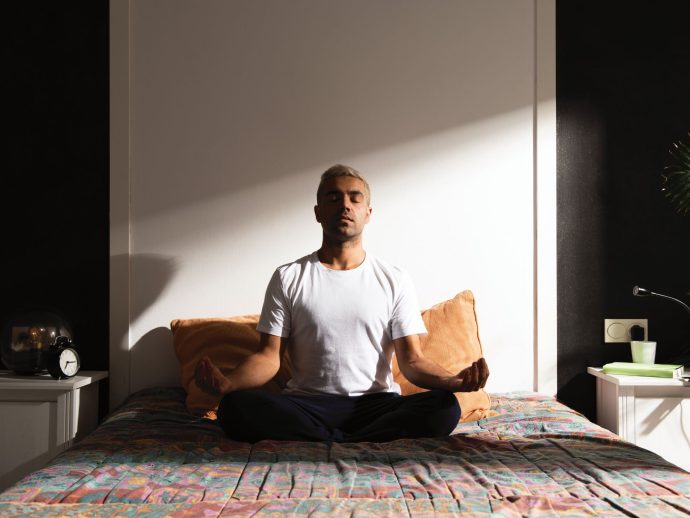
    Direct contact with nature can be had even from a comfortable place indoors. Whether you’re eating, napping, or getting a little work done, position yourself where sunbeams are entering your home and soak them up.

    Get out there

    Nothing can perk us up quite like getting outside and imbibing the medicine of the natural world through our senses. Perhaps stroll at your kids’ pace, using an app to identify birds by their song or guessing which tree or plant you’re looking at based solely on its bark or dried seed heads.

    Use your head

    Even when the weather truly relegates us to the indoors, nature can work its magic through our imaginations. Children might enjoy drawing what all the underground life is up to this time of year: roots, worms, and microbes still slumbering or beginning to stir and wake.

    Get a jump on spring

    It’s the ideal time to begin many plants indoors, giving them a head start on the growing season. Planting seeds is an inherently optimistic act.

    By Jackie Skrypnek

    Article Courtesy of Alive Magazine

  • Get to the heart of circulation

    Get to the heart of circulation

    Get to the heart of circulation

    Healthy blood flow, explained

    The circulatory system is a closed loop that starts and ends with the heart. While that sounds simple enough, it’s actually a highly intricate network composed of approximately 60,000 miles of blood vessels.

    The purpose of circulation

    The body’s muscles, tissues, and organs require a continuous replenishment of oxygen, nutrients, and hormones to maintain their physiologic functions. These materials are packaged in the blood and pumped by the heart to the target tissues via blood vessels.

    Once these goods are delivered to the muscles, tissues, and organs, the blood collects waste products, such as carbon dioxide, to be eliminated from the body.

    Anatomy

    Arteries are strong, muscular blood vessels which carry oxygen-rich blood away from the heart (except for the pulmonary arteries, which carry oxygen-poor blood from the heart to the lungs).

    Capillaries  are tiny, thin-walled blood vessels responsible for the delivery of oxygen, nutrients, and hormones to the tissues, as well as the collection of carbon dioxide and waste products.

    Veins are vessels responsible for returning deoxygenated blood to the heart. Veins operate with a system of valves to ensure blood moves in one direction.

    Live circuit

    Imagine the blood vessel network as a tree. A tree’s trunk branches off into a couple large branches, which continue to divide into smaller, more numerous twigs.

    In a similar way, the left side of the heart pumps oxygen-rich blood through the aorta, which then branches off into large arteries going to different places in the body. Arteries divide into smaller arterioles as they get closer to their destination, and then end in tiny capillaries which perfuse the target tissues with blood.

    Capillaries have thin walls, which allows for the delivery of oxygen, nutrients, and hormones from the blood to the tissues, as well as the collection of carbon dioxide and waste products.

    The capillaries also begin the process of returning oxygen-poor blood to the heart. Capillaries merge into venules, which eventually converge to form larger veins. Veins deliver deoxygenated blood to the heart.

    The right side of the heart then pumps this blood to the lungs to release carbon dioxide and reoxygenate the blood via respiration. The pulmonary veins return oxygenated blood to the heart so that the circuit can begin again.

    The heart of the matter

    The heart is the key player in the circulatory system. This hollow, muscular organ is responsible for maintaining strong, rhythmic contractions that pump blood into the arteries and maintain blood pressure.

    A healthy circulatory system depends upon the proper functioning of the heart itself, comprising its electrical conduction, valve system, as well as its own blood perfusion.

    Problems may arise if the heart’s electrical signaling becomes dysregulated (e.g., arrhythmia), its valves become leaky and allow for backward blood flow (e.g., valvular insufficiency), or if the heart muscles are poorly perfused with blood (e.g., coronary artery disease).

    Poor circulation

    Circulation is compromised if there is an obstacle to delivering blood to the tissues. This obstacle might arise anywhere in the circulatory system (e.g., plaque in the coronary artery, embolism in the lungs, valve dysfunction in the veins).

    Although the extremities are commonly affected, poor circulation can present with myriad signs and symptoms all over the body. The symptom presentation depends on the tissues being affected by the lack of oxygen.

    Bear in mind that poor circulation isn’t a disease in itself but a result of an underlying condition. Share your concerns with your healthcare provider so that you receive a thorough assessment and appropriate treatment.

    Symptoms of poor circulation include

    • cold extremities
    • numbness
    • tingling
    • muscular weakness or pain while walking
    • pale or blue skin
    • swelling
    • bulging veins

    Common causes of poor circulation include

    • diabetes
    • obesity
    • smoking
    • hypertension
    • atherosclerosis
    • peripheral artery disease
    • varicose veins
    • Raynaud’s disease
    • deep vein thrombosis

    Circulation-supporting supplements

    • Curcumin
    • Ginger
    • Chinese patent medicines
    • Ginkgo biloba
    • Hawthorn
    • L-arginine

    Always check with your health care practitioner before trying a new supplement, to make sure it’s right for you.

    By Dr. Cassie Irwin, ND

    Article Courtesy of Alive Magazine

  • What is VILPA …

    What is VILPA …

    What is VILPA …

    … and why should you consider adding it to your life?

    In 2020 the World Health Organization’s global Guidelines on Physical Activity and Sedentary Behaviour acknowledged that “all activity counts” and removed the stipulation that activity should be accumulated in 10-minute bouts.

    VILPA, short for vigorous intermittent lifestyle physical activity, describes a way of thinking about movement that can be used to promote daily activity in those who don’t exercise routinely.

    Taking the stairs instead of the elevator, carrying groceries, vacuuming and washing floors, or playing with the kids are just some of the activities that could be considered VILPA. Just put a little more oomph into your activity to raise your heart rate for a minute or so and those chores turn into VILPA gold.

    It’s a viable alternative for those who are short on time or making their way back from being more sedentary to more active.

    “VILPA can work for most adults, and it’s especially useful for those who are sedentary and for people who don’t have a structured exercise routine,” says Jamie Hardy, a functional movement specialist.

    Movement as catalyst for better health

    In our history, humans have been active as a means to survival. In our modern lifestyles, it’s easy to settle on the sofa and order dinner with a touch of a button or a voice command. The problem is, though, all that sedentary living is bad for our health.

    If you happen to be stuck in a sedentary pattern, VILPA can help, and “you can add yet another beneficial layer to it,” says Hardy, “by adding a type of functional weight-bearing exercise when possible, such as squatting and carrying groceries up the stairs.”

    Long-term benefits

    Up to five minutes of VILPA daily (three bouts of one or two minutes peppered throughout the day) can reduce the risk of certain cancers (especially breast, endometrial, and colon cancer) by up to 40 percent. Also, the risk of cardiovascular disease following consistent VILPA is reduced by half.

    Short bouts of exercise that do not require extra time set aside might just be one solution, as long as they’re done regularly. “VILPA can help improve cardiovascular fitness over a few weeks of doing it consistently, and the advantage is that it’s accessible to most people and it can be done anywhere,” says Hardy.

    VILPA versus general movement recommendations

    It may sound like a few minutes of vigorous physical activity can replace the general weekly recommendations (at least 150 minutes of moderate to intense aerobic activity and at least two sessions of strength training) but that’s not the case.

    “VILPA … is less beneficial for achieving fitness goals that are usually linked to a consistent strength routine, for example,” says Hardy.

    However, considering that six weeks of short bursts of intermittent stair climbing led to an improvement in cardiorespiratory fitness levels of sedentary women in a recent scientific study, there is but one question to ask: why not?

    By Daniela Ginta, MSc, NNCP

    Article Courtesy of Alive Magazine
  • A new vitamin D discovery

    A new vitamin D discovery

    A new vitamin D discovery

    The sunshine vitamin and our cardiovascular health

    The celebrated “sunshine vitamin,” otherwise known as vitamin D, is commonly praised for its ability to support overall bone strength and immune function, but emerging research also continues to illuminate its benefits related to heart health.

    “Traditionally, [vitamin D] is known as something that’s good for the bones, because it helps improve calcium absorption in the bloodstream,” explains Laura Brass, ND. “But it’s been discovered over the years to benefit almost every system in the body—from the immune system to the cardiovascular system.”

     The power of vitamin D

    This powerhouse vitamin has many essential roles in the body. One of its long-hailed benefits is supporting calcium absorption in the gut for optimal bone health. It also promotes overall muscle strength and repair, and our immune system depends on the nutrient to ward off unwelcome bacteria and viruses.

    Recent research also indicates its potential impact on reducing major cardiovascular events among older adults, such as heart failure and hypertension, and suggests a deficiency in vitamin D could raise the risk factor for these diseases.

    “Vitamin D is known to help from an arterial perspective,” says Caitlyn Keates, ND. “It helps the blood vessel lining and blood to flow more freely through that lining, thereby reducing a lot of the inflammation that’s within the arterial wall of the heart.”

    While research is still emerging, and the connection between vitamin D and heart health is not yet conclusive, Brass says it’s about looking at the nutrient’s significance more holistically.

    “D” for deficient

    Vitamin D deficiency has been identified as a public health problem around the globe.  “When we see patients in practice, I’d say nine times out of 10, we see some sort of deficiency in vitamin D in their bloodwork,” explains Keates.

    While our body synthesizes vitamin D when our skin is exposed to sunlight, sunscreen (an obvious skincare essential) can hinder absorption by as much as 90 percent. Other factors such as age can also lessen the amount of the vitamin our skin absorbs. A person in their eighties, for instance, will produce about half as much vitamin D compared to someone in their twenties.

    Few foods naturally contain the nutrient. Some of the best whole food sources include fatty fish like salmon and trout, fish liver oils, and egg yolks.

    Supplementation

    Since adequate vitamin D levels are difficult to obtain from sun exposure and food sources alone, a supplement is often recommended by health professionals.

    Brass encourages people to prioritize a supplement containing vitamin D3 (versus D2) which has been shown to be a more effective form of the nutrient.

    Keates says the correct daily dosage will fluctuate for each person, and will depend on factors such as age, weight, and level of deficiency (which requires a blood test to determine). Your health care practitioner can help guide you in the right direction.

    By Brittany Devenyi

    Article Courtesy of Alive Magazine
  • Set yourself up for success

    Set yourself up for success

    Set yourself up for success

    How to make better New Year’s resolutions

    Is resolution-setting a thing of the past? No way. Don’t give up on setting New Year’s resolutions. But this year, do it the right way!

    Push goals

    “Push goals are the ones you have to push yourself to do; for example, going to the gym after work,” says Kira Lynne, a life coach and registered professional counselor. You do it one day, or a few, but consistency may drop. That is true especially when you start from being entirely sedentary.

    Pull goals

    “Pull goals, on the other hand, pertain to activities you enjoy doing (dance class, yoga in the park, walks with a friend), which makes it easier to stick to your plan, because you love the activity and look forward to it,” says Lynne.

    But before you get started

    Do you drink enough water? Do you get enough quality sleep? Is your food intake adequate for your needs, no matter what life stage you’re in?

    Certain nutritional deficiencies or lifestyle habits can affect our energy levels, which undermine our progress and get in the way of the most carefully set resolutions.

    If it feels like a lot, there’s good news: good habits “stick” to one another. Better sleep enables healthier eating habits, improved energy levels, and a happier mood too.

    Failure comes with nuances

    Inspirational stories can fire us up. We get a routine going, but then life happens, and we don’t show up for a whole week, or two months. Cue shame and feelings of inadequacy.

    But there’s another way to look at it. “It is okay to fall off the wagon, and it’s not a sign of not putting enough effort or not being good enough,” says Lynne. “It’s important to know that when we want to make a change, it’s not [always] smooth sailing.” The opportunity to restart is always there!

    Small steps for long-term goals

    Break up a goal into doable steps. You were hoping for a half-hour jog, but you only have 10 minutes. Do it anyway, mark it as a win, and keep your big running dream alive. A challenging resolution can have a better chance of succeeding than settling for an easy one, because it pushes us to find ways to accomplish it.

    Keeping track of things

    Having an accountability partner is a great way to keep ourselves going, but, says Lynne, “rather than having that someone berate you for not keeping up, think of them as someone to have fun with.”

    If you’re better on your own, go right ahead, but have a reward system in place. “Whenever you fit activity into your day, make a checkmark on the calendar using different colors for different activities, or different colored beads that would go in jars,” suggests Lynne.

    When you reach a certain number of checkmarks or beads, reward yourself with something you like. It makes things fun while also creating positive brain conditioning.

    By Daniela Ginta, MSc, NNCP

    Article Courtesy of Alive Magazine

  • Give yourself a life detox!

    Give yourself a life detox!

    Give yourself a life detox!

    Follow through on your healthy living goals

    A healthy lifestyle is an accumulation of small actions that add up to vitality and longevity. Sometimes we know what changes we need to make in our lives but have a hard time getting around to doing them. And sometimes we know we need changes but aren’t clear about what to do. These tips from a professional psychotherapist will help you clarify goals, stop procrastinating, and start thriving.

    Step 1: Specify your goals

    “You can’t heal what you don’t acknowledge,” says Elenora Molnar, master therapeutic counselor.

    Step 2: Reflect on the goal

    It’s helpful to understand why you developed the unhealthy habit in the first place, so you can replace it with a healthier habit that fulfills the same need, says Molnar. If your mornings are hectic because you look at your phone for an hour before getting out of bed, it may be because you want to delay the start of the day without having to think or problem-solve.

    “Make a plan to start off your day without looking at your phone for one hour,” suggests Molnar. Instead of looking at social media, replace that time with a quick yoga video or walk around the neighbourhood. This gets your body active, while also letting your mind rest and gear up for the day.

    You may want to try a digital detox. Set some firm boundaries around screen time, consider deleting certain apps from your phone, or take a break from social media for a designated amount of time.

    Replace a bad habit with a good one

    “Start overriding your bad habits with new routines,” suggests Molnar. For example, if you want to start jogging, overwrite being sedentary in the evening by taking an easy jog at the same time you would usually be sitting down.

    If you’re trying to stop eating junk food at night, instead of turning on the TV, work on a puzzle, read a book, or do any activity that you don’t associate with snacking. Start with small steps that slowly become your new habits.

    Be flexible

    It’s great to have ambitious goals, but if you’re unrealistic at the beginning, you’ll have trouble meeting them. This can cause you to give up completely. “It’s great to have goals, but give yourself permission to say that goals can change. Always have a plan, but know you can change your plan,” says Molnar.

    Step 3: Find a support group

    Experts say that one of the surest ways to keep with your physical or mental health goals is to find a support group of likeminded people looking to accomplish similar goals.

    Explains Molnar, “When you’re in a group where everyone is focused on the same thing, it’s really powerful because you can be compassionately witnessed by those people. I’m thinking of therapy, but it doesn’t necessarily have to be therapy. It could be a running group or a gardening group.”

    By Stephanie MacDonald

    Article Courtesy of Alive Magazine

  • Supporting your body’s detox processes

    Supporting your body’s detox processes

    Supporting your body’s detox processes

    The basics and beyond

    Daily living exposes us and our environment to an increasing number of foreign chemicals and byproducts, often called xenobiotics. But our body is equipped with a complex system of detoxification processes that work to expel these foreign substances. Supporting this amazing system is key to good health.

    What are xenobiotics?

    The term xenobiotics includes a number of substances that are foreign to animal biological systems, such as drugs and pollutants.

    Many xenobiotics have been linked to negative health effects, including hormone-disrupting effects (xenoestrogens), neurological and immunological effects (heavy metals), and carcinogenic effects (alcohol, tobacco, nitrates, pesticides, and heterocyclic aromatic amines from charred food).

    Detoxification phases

    In addition to reducing potential exposures, detoxification involves enhancing the safe elimination of these products through the body’s internal systems of biotransformation. The detoxification pathway is divided into two main steps, phase I detoxification and phase II detoxification.

    Factors influencing detox

    When our detox and biotransformation processes don’t function optimally, it may be due to genetic factors, environmental overload, and/or nutrient deficiencies.

    A healthy diet, of course, influences beneficial effects on our body’s detoxification functions. A whole foods diet that includes a rich variety of fruits and vegetables, whole grains, and healthy proteins contains many phytonutrients and amino acids that enhance phase II enzyme activity. Research continues to uncover the complexities of specific food-derived components to the complex processes of biotransformation.

    Detox programs

    Fad detox programs beyond count have been popularized over the years. Unfortunately, many of these are unlikely to achieve long-term benefits. Given the pervasive ongoing nature of xenobiotic exposure in our world, a more consistent, comprehensive, and sustainable approach to detoxification is best.

    There’s a long tradition of spring cleanses or fasting periods in many cultures. This speaks to the wisdom of enforcing periods of time dedicated to cleaning up one’s diet and lifestyle. Additionally, it may be necessary at times to adopt ongoing changes to sustain long-term health improvement, particularly when it comes to nutritional strategies.

    According to Dr. Philip Rouchotas, ND, in general, components of a successful detox program should include the following elements.

    Clean diet

    Eliminate highly processed foods, sugars, alcohol, and excess caffeine; emphasize green vegetables and sufficient water intake. Check for food intolerances.

    Regular bowel function

    Diet and supplements such as probiotics, bitter herbs, or magnesium can help with this.

    Exercise

    Regular physical activity promotes mobilization of stored toxins from fat and the lymphatic system (a circulatory system made up of lymph vessels that includes the tonsils, spleen, lymph nodes, and lymph vessels).

    Natural detox support

    Always check with your primary care practitioner before trying a new supplement. Some commonly utilized natural health products include:

    • Sulphoraphane
    • Green tea
    • Indole-3-carbinol (I3C)
    • Curcumin
    • N-acetylcysteine (NAC)

    By Dr. Heidi Fritz, MA, ND

    Article Courtesy of Alive Magazine

  • How stress affects our bodies…

    How stress affects our bodies…

    How stress affects our bodies…

    …and what we can do about it

    We tend to think of stress as a bad thing, and that’s certainly fair considering how many chronic diseases and mental health issues are stress related. But we often fail to distinguish between sources of stress and the body’s response to those stressors. In doing so, we downplay our ability to change how we perceive life’s slings and arrows, thereby mitigating the effect of stress on our well-being.

    Understanding the body’s response to stressors and learning techniques to cope with stress are paramount for cultivating health now and minimizing the risk of stress-related disease in the years to come.

    How stress works

    The physiological stress response is triggered when we perceive there is a threat. The stress response, commonly referred to as the “fight-or-flight” response, is mediated by the sympathetic nervous system. Coming face-to-face with a lion, tiger, or bear triggers the adrenal glands to release neurotransmitters such as adrenalin and noradrenalin, as well as the hormone cortisol.

    For most of us, however, our stressors tend to look less like wild animals and more like rising inflation, work deadlines, and family responsibilities. While many of these stressors don’t pose a threat to our immediate survival, the body perceives them as a danger nonetheless, and launches the stress response to help us cope and perform.

    Coping mechanisms

    Acknowledging where you may be taking on unnecessary stressors may be helpful. “Many people with anxiety tend toward perfectionist thinking,” says Dr. Katie Thomson Aitken. This might present as feeling the need to maintain a spotless home at the expense of getting enough sleep, for instance. “This is the type of stressor that can be changed by internal work to challenge and reframe perfectionism.”

    When confronted by a stressor that feels massive, Thomson Aitken recommends reframing the problem by identifying what is within our control and what is not. “This type of thinking moves us from despair to hope,” says Thomson Aitken, “and can make a huge difference in how we experience a stressor.”

    Stress management

    Many people are aware of the benefits of meditation, deep breathing, and yoga for stress management. But oftentimes these practices are overwhelming for those who are new to them and are already feeling stressed.

    In this case, Thomson Aitken recommends getting back to basics by considering the foundations of health. Invest in your bedtime routine, nutrition habits, exercise regimen, mindfulness practice, and social connections. If that still feels like too much, choose one and watch what changes!

    You may benefit from outsourcing your stress management so that you can feel taken care of. Consider acupuncture or massage therapy to reduce stress and promote relaxation.

    Natural supports for stress

    Always chat with your health care practitioner before trying a new supplement to make sure it’s right for you. Supplements commonly used for stress include:

    • ashwagandha
    • L-theanine
    • magnesium
    • vitamin D and omega-3s
    • probiotics

    By Dr. Cassie Irwin, ND

    Article Courtesy of Alive Magazine

  • The renaissance of rest

    The renaissance of rest

    The renaissance of rest

    How to slow down

    When is the last time you truly rested? As the year draws to a close and a new one is set to begin, let’s recommit to rest.

    According to registered clinical counselor Laura Henderson, rest refers to the act of giving our bodies and minds a break from constant stimuli. “Our society’s ‘hustle culture’ doesn’t value rest,” Henderson explains, “but rest is essential to mental health.”

    Regular rest is thought to help us

    • heal our bodies
    • reduce stress and feel calmer
    • be more productive and more creative

    Types of rest

    According to author, physician, and researcher Dr. Saundra Dalton-Smith, people need seven types of rest to help recover from spending energy in seven key ways.

    Type of restExample
    physical resteither passive, such as sleeping, or active, such as massage therapy
    mental resttaking small breaks in your workday
    sensory resttaking breaks from screen time
    creative restexperiencing art or nature
    emotional restincludes everything from setting boundaries to expressing your emotions
    social restfocusing on relationships that lift you up
    spiritual restfinding belonging and purpose in your life

    Taking some time to contemplate each of these types of rest can help us uncover gaps and come up with an action plan. To start, it could be as simple as taking 10 minutes to savor a cup of tea every morning without any screens or distractions or committing to a daily after-dinner neighborhood stroll.

    Another example is to adopt the “walk, window, water” tactic at work, explains Henderson. That means taking a strategic break every hour or 90 minutes in which you get up and walk to a window, gaze far into the distance (preferably at something in nature, such as a tree), and have a sip of water. This can give our busy minds a moment to calm down.

    Your own personal recipe for rest

    It’s important to remember that our need for rest is highly individual. To find truly restful activities for you, Henderson suggests checking in with your body and how you’re feeling as you go through your day. For example, you might find baking meditative … or you might find it stressful.

    Our need for rest is also prone to change throughout our lives. If you’re a parent of young children, you may find that you crave some time alone or with your partner to recharge and reflect away from your kids. If you’re an introvert with a high-pressure career, you may find that you need extra rest after networking events.

    Proactive rest in the workplace

    Many progressive workplaces are embracing “proactive rest” to help increase productivity, reduce the risk of burnout, boost creativity and problem-solving skills, and improve employees’ quality of life.

    Within a workplace setting, proactive rest can look like the following.

    • encouraging active breaks throughout the day
    • advocating for work-life balance
    • enabling flexible working arrangements
    • providing resources for self-care and stress reduction
    • offering wellness programs

    By Leah Payne

    Article Courtesy of Alive Magazine

  • Listen to the rainbow

    Listen to the rainbow

    Listen to the rainbow

    Color noise for focus

    Even if you’ve never purposefully listened to white noise, or other color noises, you’re likely familiar with its sound. Whirring fans, humming refrigerators, staticky radios, pitter-pattering rain, roaring waterfalls—these are all forms of color noise, or what we call sound that is distributed with a continuous signal. Listening to color noises can improve sleep, increase focus, and enhance learning capacity.

    Listen to the rainbow

    Noise “colors” are distinguished from each other based on their spectral density—in essence, the way that the power contained by the noise signal is distributed over different frequencies. More simply, this refers to the variation in the location on the sound spectrum the noise’s energy concentrates, which subtly changes how the human ear perceives the signal.

    • Pink noise has more energy concentrated at the lower end of the spectrum—so it sounds like white noise with a lower, deeper rumble. Much of what we think of as white noise (including the sound made by white noise machines and white noise soundtracks) is actually pink noise—it’s less grating to our ears and minds.
    • Brown noise, short for Brownian noise and sometimes also called red noise, is a deeper sound more reminiscent of ocean waves.
    • Green noise has a similar frequency to white noise but with sounds that are more like nature and less like TV static.
    • Violet noise and grey noise also have variations of these traits. However, experts say that categorizing sound isn’t an exact science, so the differences between color noises aren’t firmly established and their sounds may overlap.
    • White noise is a uniform mixture of all frequencies detectable by the human ear. Calling noise “white,” therefore, is a nod to the color spectrum, as white light emits all pigments of light at equal intensity.

    Bringing the noise may have benefits

    So, what happens when we listen to color noise? More research is needed to fully understand its impacts on our brains, but one scientific theory, called stochastic resonance, posits that white noise can help us tune out external stimuli and unhelpful internal chatter to focus on other stimuli more clearly.

    Tune in with care

    Experts agree that listening to color noise is completely safe as long as—like with all music—you don’t listen to it too loudly. Listening to anything above 70 decibels for a prolonged period can damage your hearing.

    Start listening

    If you’re intrigued by the concept of color noise, it’s easy to start bringing it into your life and identifying which shades you like best. Try plugging in a pink noise machine while you’re sleeping or putting on a brown noise track during your morning meditation or afternoon report-writing session (particularly if colleagues are talking loudly around your desk!).

    Color noise also works while on the move: if you feel overwhelmed by the sounds of the city during your commute, listening to color noise in your headphones can be a great way to tune out and relax.

    By Isabela Vera

    Article Courtesy of Alive Magazine