Category: Health

  • Come home – to yourself!

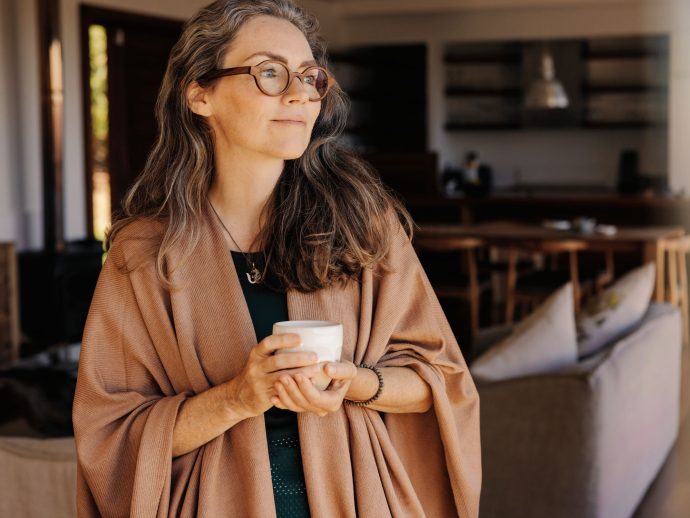
    Come home – to yourself!

    Come home – to yourself!

    Find ease this holiday season

    Most cultures and religions have significant days or periods in the calendar year; in this part of the world, several converge in the late December/early January period. Winter solstice, Hanukkah, Christmas, Kwanzaa, and New Year’s are some of them.

    This is potentially challenging, given the possibility for competing demands, conflicting expectations, financial stresses, and social/personal circumstances. Fortunately, there are tools, reframes, and resources that can help us to navigate this season intact and whole rather than frazzled and depleted! Here are some that can help.

    1. Know yourself

    Recognize what this season is like for you. In nature, the winter season is generally associated with quiet reflection, rest, and renewal. It can be a stretch for some of us to shift from this into social celebration mode.

    Identify ways to support yourself in any situations or environments that are typically difficult. This can include deciding in advance how long you’ll stay somewhere, or how you’ll handle tricky relationships as effectively as possible.

    2. Get your priorities straight

    Many people experience competing demands during the holiday season. Other people may be more solitary, whether by choice or happenstance. Regardless, it’s helpful to identify what matters most and what matters least, even if you keep these lists to yourself.

    One approach is to distinguish between what you believe you should do and what you actually want to do. Both of these are at play, and neglecting one can leave us off-kilter. For example, ignoring what you prefer to do can leave you resentful or unfulfilled; however, sometimes that’s a cost you may be willing to pay in order to maintain a family tradition. This can help you decide how you’ll spend your time, energy, and resources; it’s like installing a personal compass.

    3. Set boundaries

    Even if you’re clear about how you prefer to approach the holiday season, you’re not alone. Everyone has their own preferences. This is where boundaries become so vital. The challenge is to see how your preferences can fit with someone else’s, ideally so that no one is disregarded, disrespected, or ignored.

    Your body will give you clues as to how well you’re accomplishing this process: if you’re tired or short-tempered, something may not be working well; if you’re relaxed, present, and energized, this is probably working for you.

    4. Try a stress buster

    Identify what helps you be centered, rested, and clear-headed. These are some things that may help:

    • meditation
    • nature walks
    • napping
    • listening to music
    • hot bath
    • sipping fragrant tea
    • yoga or tai chi
    • journaling

    5. Lean into the potential

    The holiday season is a time of potential. So many people and faiths focus on this season for the opportunity to honor, celebrate, reflect, commune, pray, play, and center. Look for ways to keep yourself well, now and always.

    By Carole Ames

    Article Courtesy of Alive Magazine

  • Wake up to the reality of sleeping pills

    Wake up to the reality of sleeping pills

    Wake up to the reality of sleeping pills

    Alternatives for safe, natural sleep

    Sleep has long been an underappreciated determinant of health. It’s often the first thing cut from our crammed and overflowing routines. Sleep quantity and quality, however, affect many seemingly divergent areas of health, including hormonal and metabolic health; it’s also an essential prerequisite for normal daily functioning.

    When we don’t get enough

    A sleep disorder may be a wake-up call to address a more serious issue. Chronic sleep deprivation is linked with increased risk of heart disease, obesity, immune dysfunction, hormonal imbalances, and even cancer.

    Health risks of common sleep meds

    An alarmingly large percentage of the population relies on various sleep medications, but may be unaware of potential risks associated with their use, including dependency.

    The most common sleep medications are the older class benzodiazepines such as lorazepam (Ativan), alprazolam (Xanax), and diazepam (Valium), and the newer benzodiazepine-like drugs (“Z-drugs”) zopiclone and zolpidem.

    These drugs are all associated with risk of dependency and need to be used carefully in conjunction with other medications, especially opioids and alcohol, which can result in oversedation and even death.

    Recently, the US Food and Drug Administration (FDA) updated labeling requirements for all benzodiazepines due to “serious risks of abuse, addiction, physical dependence, and withdrawal reactions” which are common problems of benzodiazepine use even when only used regularly for days to weeks, and even at approved doses.

    Acute withdrawal can lead to seizures and even death, so these drugs need to be tapered slowly with medical supervision. Benzodiazepine use is also associated with increased risk of falls and injury in the elderly, as well as increased risk of pneumonia, because sedation leads to altered respiration.

    Natural sleep alternatives

    There are several natural health products with good safety profiles that may be helpful for those suffering from insomnia. Some of these include melatonin, magnesium, and valerian or passionflower.  Patients should consult a licensed health care practitioner for personalized advice regarding the use of natural health products as well as addressing the root cause of your insomnia. Do not stop the use of prescription medications without consulting your medical doctor.

    Melatonin

    One of the best-studied natural agents, melatonin has been shown to improve sleep parameters including sleep latency and total sleep time without significant side effects in several systematic reviews and meta-analyses. Melatonin secretion may be altered among people with altered sleep/wake schedules, such as shift workers and the elderly; melatonin supplementation may help correct this.

    Magnesium

    A relaxing mineral found in the muscles and the nervous system, many people find magnesium supplements helpful for promoting sleep. Magnesium supplementation has been shown to reduce sleep latency and increase total sleep time.

    Valerian and passionflower

    These mild sedative herbs have a long history of use for anxiety and insomnia. Constituents in these herbs bind to GABA receptors in the brain, exerting calming, inhibitory effects.

    By Dr. Heidi Fritz, MA, ND

    Article Courtesy of Alive Magazine

  • Happy days

    Happy days

    Happy days

    Find joy and build strength, starting now

    A recent Instagram video by Sheila Nollert, the powerhouse behind the account @grandma_moves, begins with her drinking tea in a rocking chair, covered with a blanket and reading a book. “Society says senior years look like this,” reads the words flashing across the screen. “Nope!”

    Down goes the teacup and up Nollert gets, casting off her blanket to reveal sportswear and running shoes. With the back of her heel, she tips over the rocking chair and strides into the forest to begin a vigorous workout.

    This short clip embodies the ethos that drives Nollert to share content through @grandma_moves. It’s a powerful message. How often do we put off living for today—doing activities that bring us joy or help us cultivate strength—because we feel there will be a better time to do so in the future, or that our best days are behind us?

    But learning to live for the here and now offers a wealth of mental and physical benefits, and it’s easier to do than you may think.

    Stop waiting

    Ageist messages, says Nollert, work to keep older folks down, making them feel as if they have no business in engaging in activities traditionally associated with a younger crowd. By accepting these narratives, we limit ourselves and miss out on opportunities for personal growth, strengthening our bodies, and connecting with others.

    Set long-term goals

    Setting and working toward long-term goals is one way to hold yourself accountable and ensure you don’t miss out on opportunities for joy and growth.

    If a particular goal feels inaccessible, says Nollert, try breaking it down into smaller steps. For example, maybe you’ve always wanted to run a half-marathon but now find running a challenge. Can you start strength training to make running a possibility again? If not, can you walk the half-marathon, or try out a 10 km route?

    Seize the day

    Along with long-term goal planning, we can work to enjoy daily moments to their fullest. Nollert lives by a simple motto to help make the most of the mundane: “Every day is a vacation day.” This motto can apply to anyone, whether you’re working full time or already enjoying retirement. What it means is to take the time to do something, no matter how small, that makes each day feel special.

    “Make a date with the sunrise,” suggests Nollert. “Even if it’s overcast, take the opportunity to look out to the horizon and be in that moment. [If] it’s the wintertime and it’s hard to get up, light a candle while you’re having breakfast.”

    Even an activity like walking the dog can bring joy, says Nollert, if we allow it to. “Instead of thinking of it as a chore, try to take it all in—the colors of the trees, the breeze, the sounds of the birds. Feel the earth under your feet. Enjoy.”

    By Isabela Vera

    Article Courtesy of Alive Magazine

  • Diabetes danger

    Diabetes danger

    Diabetes danger

    Don’t overlook this common condition

    Diabetes is now so common that it may be easy to forget the devastating consequences of this disease. Understanding this condition, its symptoms, and treatment strategies is the cornerstone of living well with diabetes.

    Types 1, 2 … and 3c?

    Our bodies get glucose from most foods in the diet (even broccoli) and circulate it through the bloodstream. Insulin, produced by the pancreas, escorts sugar into the cells, nourishing them and enabling our survival. If insulin is unavailable or ineffective, blood sugar levels escalate, leading to a diagnosis of diabetes.

    In type 1 diabetes, an autoimmune attack on the pancreas damages the insulin-producing beta cells, preventing insulin production. Surgeries or diseases such as cystic fibrosis and pancreatitis can also destroy beta cells, causing the lesser-known type 3c diabetes. People with type 1 or 3c diabetes rely on life-saving insulin injections for survival.

    By contrast, insulin is abundant in type 2 diabetes but blood sugar levels skyrocket nevertheless. The culprit? Insulin resistance. In this metabolic state, the body’s cells cannot respond to insulin signalling, leaving glucose stranded in the blood. Treatment of type 2 diabetes aims to improve the body’s response to insulin.

    Is sugar really that bad?

    Although sweets and processed foods may seem harmless, high blood levels are anything but benign. Glucose binds to cells, causing extensive damage to the cardiovascular system, hardening arteries, and depriving vital organs of blood. People with all forms of diabetes have cardiovascular disease, kidney and liver failure, blindness, and even amputation more often than nondiabetics.

    Surgeries, infections, and dental procedures are more complicated for diabetics, as glucose slows wound healing and suppresses immunity. Nerve damage from high sugar levels cause digestive problems and painful numbness and tingling in the feet, while also decimating sexual function. Sadly, sugar really is that bad.

    Treatments for diabetes

    The goal for all diabetics is to control blood sugar levels. Doing so may soften the impact of life-altering complications.

    To manage sugars, type 1 diabetics replace the insulin their bodies no longer make, although some people may receive islet-cell transplantation to restore insulin production. Insulin is injected several times per day or through a continuous insulin pump.

    Exercise, illness, surgery, or even delayed meals can change blood sugar levels dramatically, requiring constant vigilance of glucose levels and insulin dosing. Using too much or too little insulin can create a life-threatening health crisis in moments.

    In type 2 diabetes, blood sugar levels are reduced by restoring sensitivity to insulin. Diabetics of all persuasions can benefit from appropriate weight maintenance while reducing dietary sugar and eating whole foods that are high in fiber and plant content.

    Regular exercise, even a daily walk, can curb blood sugar surges, especially if done after eating. Be sure to advise your prescriber if you make big changes, in case medications need adjusting.

    Supplements, including berberine and inositol, may promote insulin sensitivity quite effectively, but as Dr. Tara Andresen, ND, says, “the most profound, healing impacts come from focused lifestyle changes.” Weight loss, a healthy diet, and exercise can put type 2 diabetes into remission.

    Diagnosing diabetes

    Three classic symptoms are associated with all forms of diabetes:

    • increased thirst
    • increased hunger
    • increased urination

    Fatigue, irritability, and blurred vision are additional warning signs.

    Unintentional weight loss can herald a type 1 diagnosis, and symptoms can come on very quickly.

    Symptoms in type 2 come on more slowly and can include frequent infections, slow wound healing, and tingling in extremities.

    Diabetes may also have no symptoms at all. Consider periodic blood testing with your health care practitioner, especially if you are at increased risk.

    By Dr. Gillian Flower, ND

    Article Courtesy of Alive Magazine

  • The benefits of daily movement

    The benefits of daily movement

    The benefits of daily movement

    Here’s the inspiration you need

    As children, we crave movement, but our grown-up selves often choose to forgo exercise. We’re stressed and tired, and exercise adds to that. Or does it? While a physical stress inducer, exercise helps our ability to deal with stress in general and makes us healthier too.

    What else can exercise accomplish? Here are some of the benefits to help motivate you to get moving!

    Brain health

    Regular exercise, because it delivers more oxygen to our brain, helps improve brain health, delay brain aging, and reduce the risk of neurodegenerative diseases such as dementia and Parkinson’s.

    Weight management

    While diet helps address weight issues, exercise helps with weight management and also reduces the risk of developing metabolic syndrome, insulin resistance and type 2 diabetes, cancer, and cardiovascular disease.

    Sleep and sex

    We sleep better with exercise, have a better sex life, and improve self-esteem, too.

    Stress relief

    As for exercise being stressful … It does increase cortisol levels, but unlike psychological stress, exercise-induced cortisol is soon inactivated, a desirable outcome that makes our bodies more resilient to stress.

    Balance

    As we age, certain exercises, such as standing on one leg, can help increase stability, which is essential for reducing the risk of falls and injury.

    Glucose management

    Active muscles are a great “sink” for glucose, helping the body’s response to the post-meal sugar influx. In the long run, daily exercise (ideally aerobic and resistance) can improve insulin sensitivity and reduce the risk of developing type 2 diabetes and metabolic syndrome.

    Healthy microbiome

    Our gut bugs also benefit from exercise. Active people tend to have more beneficial bacteria, some of which produce butyrate, a short-chain fatty acid with anti-inflammatory and gut lining repair properties, while others contribute to improved metabolic health. Regular exercise has positive impacts on dysbiosis as well as symptoms of irritable bowel syndrome.

    Mood manager

    Speaking of desirable highs, did you know that serotonin levels, known as “the happiness molecule,” increase when we exercise? Among others, this helps us manage emotions better (translation: step away from a conflict and go for a walk; you’ll find better words upon returning).

    Cardiovascular helper

    Nitric oxide, which also increases with exercise, can have an analgesic effect and helps improve cardiovascular health by reducing blood pressure, often a consequence of acute and chronic stress. Exercise can help the body develop a robust response to stress, dial down the risk of depression, and lower inflammation levels and oxidative stress in the brain.

    Counter cancer

    Higher levels of aerobic exercise can reduce the risk of breast, colon, bladder, endometrial, and digestive tract cancers, and picking up some weights may also work in our favor by slashing the risk of kidney and bladder cancer while also impacting total cancer mortality.

    By Daniela Ginta

    Article Courtesy of Alive Magazine

  • Nurture meaningful connections

    Nurture meaningful connections

    Nurture meaningful connections

    Find the way back to relationships

    Although the beginning of the pandemic may feel like a lifetime ago, the lessons we learned from that time are important to remember—namely the significance of collective resilience. Above all else, we acquired a deeper appreciation for nurturing connections, upholding the belief that being socially connected keeps us safer, healthier, and happier.

    Individual impacts

    There’s no doubt the pandemic made many of us a bit jumpy. Although we suffered collectively, the effects on various population groups have differed.

    “It’s important to acknowledge that people’s experiences of the pandemic had a lot to do with their life situation and the resources they had available to them, including the basics,” says David Gomes, life coach and mindfulness teacher. In general, women and parents experienced a heavier burden.

    Generation “this versus that”

    Like it or hate it, referring to different generations as X (born in the ’60s and ’70s), Y (millennials born in the ’80s and ’90s), and Z (post-millennials, born in 2000 and after) makes it easier to understand the impact of the global phenomenon that shook us all.

    Being able to navigate through the digital world with ease came in handy for the Y and Z generations, but it was hardly enough to make up for the loss of in-person socializing. Life milestones, such as graduation ceremonies, weddings, and celebrations of life, were put on hold.

    “Young people, especially, found themselves challenged by the pandemic, because it came at a time when they were stepping out into the world, having to find jobs and a way forward, which is something their parents didn’t have to contend with,” says Gomes.

    Screens to the rescue?

    It’s complicated. We know extensive use of screens is detrimental to our well-being. It can get in the way of being present; it can affect our sleep and shred our focus, which affects work productivity. But throw in a pandemic, and we’re suddenly relying on screens for most of our human interactions—from work and family online chats to dating and exercising.

    “Humans have always gathered around in a circle to tell stories, to celebrate, and to be with each other; it’s in our DNA,” says Gomes. The screens, love them or hate them, provided a relief from solitude during a time when we needed it the most.

    Mindfulness tools

    Life is the sum of many changes, most of which we have no control over—and the recent pandemic is proof of that. “Many of us don’t like change, so we try to keep things stable,” says Gomes.

    Developing coping skills, such as becoming mindful of transitions, can help reduce the anxiety often associated with life events, pandemic included.

    “Life is an endless series of transitions,” says Gomes. “[The pandemic] reminded us of the sacredness of being able to be outside and connecting with our fellow humans.”

    By Daniela Ginta, MSc, NNCP

    Article Courtesy of Alive Magazine

  • Think beyond your lifespan

    Think beyond your lifespan

    Think beyond your lifespan

    Consider your “healthspan” with regenerative medicine

    Regenerative medicine is a rapidly evolving field that promises to alter the way we view health and the aging process. Combining the fields of biology, medicine, and engineering, regenerative medicine aims to repair or replace damaged tissues and organs by harnessing the body’s capacity for self-healing.

    A beacon of hope for improved aging

    While we are far from discovering a “Fountain of Youth,” work in this area highlights the body’s potential to counteract time’s effects more efficiently than we previously understood, given the right tools and conditions. Consequently, regenerative medicine has emerged, showing promise as a source of improved natural aging.

    Aging is an inevitable process, and despite our best efforts, nothing can turn back the hands of time. That said, our understanding of the aging process has been profoundly deepened by the advancements in fields such as regenerative medicine.

    Innovative treatments, such as stem cell therapies and platelet-rich plasma (PRP) treatments, have moved from the realm of science fiction to reality, presenting opportunities for individuals with a range of health conditions to benefit from these therapies. However, to make the most informed decision, those interested in moving forward with these treatments should consult a trusted healthcare professional.

    Enriching our healthspan

    The promise of regenerative medicine extends beyond merely increasing our lifespan. It’s all about enriching our “healthspan”—the part of our lives spent in good health. The physical benefits associated with regenerative medicine should be matched with enhanced mental well-being, highlighting the connection between physical and mental health.

    The role of regenerative medicine in mental health has become increasingly important. Neurodegenerative diseases, like Alzheimer’s and Parkinson’s, are a significant concern for aging populations, but could potentially be combatted through the regeneration of brain cells. Overall, the improvement of cognitive function and overall mental health through regenerative therapies could drastically enhance the quality of life for aging individuals.

    Lifestyle influences aging

    Alongside regenerative therapies, lifestyle factors significantly influence aging. Adequate nutrition, regular physical activity, sufficient sleep, and active social engagement, alongside regenerative therapies, could contribute to a fulfilling aging experience.

    Envision a future where aging is not synonymous with decline, but with growth, wisdom, and an improved quality of life. That is the potential of regenerative medicine. It offers a proactive approach to health, promising a future where we don’t merely bear witness to our aging process but actively shape it.

    Regenerative lifestyle tips

    Adopting regenerative principles in daily life can foster greater healthspan.

    • There is strong evidence that physically active people have better health-related physical fitness and are at lower risk of developing many chronic diseases.
    • Eating a balanced diet rich in omega-3s improves cognitive health.
    • Maintaining social connections improves mental resilience.

    By Theodore D. Cosco, PhD

    Article Courtesy of Alive Magazine

  • Got 15 minutes?

    Got 15 minutes?

    Got 15 minutes?

    Get active this fall!

    MAs the days shorten and the weather cools, physical activity often falls by the wayside, and we retreat indoors to curl up with a book or binge-watch a few shows. But the end of summer doesn’t have to mean the end of your fitness routine. Here’s how to keep moving.

    “We come off this high at the end of summer thinking, ‘I’m always going to feel this good!’” says wellness expert Sonia Jhas. “And then we hit this slump that starts, quite insidiously, in the fall.” By accepting that fall may shift how we feel, she says, we can plan ways to stay active and motivated—before colder weather hits.

    Embrace mini-workouts

    While you can get exercise by hitting the gym for an hour or going for a long run, smaller amounts of physical activity count too.

    Research shows that multiple five- to 15-minute bouts of movement throughout the day offer similar fitness benefits to a single longer session. With vigorous activity, health benefits start to accumulate at just 15 to 20 minutes per week.

    But activity doesn’t have to be vigorous. Mini-workouts of any intensity “can build to more of a routine and a better foundation,” says Jhas.

    Use what you have

    One of the great things about physical activity is it doesn’t require much equipment. Jhas recommends starting with just a few tools, such as free weights and a floor mat. Then, she says, it’s about doing movements that help build strength and boost your metabolism.

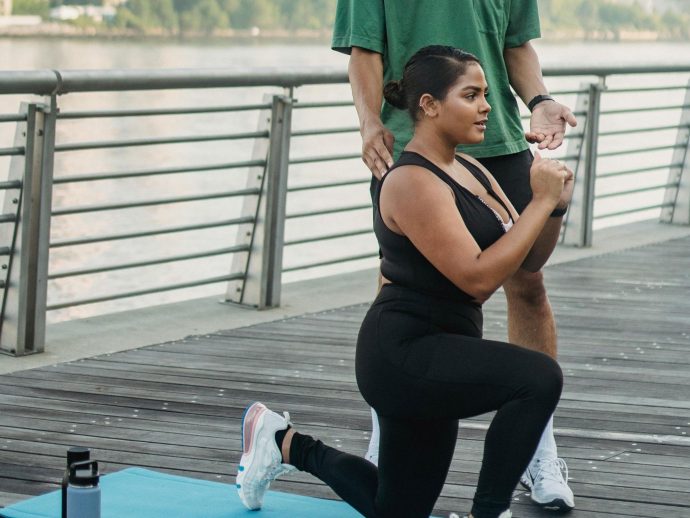
    For strength, try bodyweight exercises such as push-ups, squats, and pull-ups. Add in some burpees, jumping jacks, or mountain climbers for more cardio.

    You can also challenge yourself with everyday objects: cans of soup or a jug of laundry detergent for weights, a towel as a resistance band, or stairs for incline push-ups.

    Keep in mind that all movement counts, so if you want, clean your garden, play in the backyard, rake leaves, or learn line dancing.

    Get outside in nature

    While a home gym can keep you moving, Jhas also encourages people to get outdoors. “It may not be the same [amount of] exercise you were getting during the summer, but you can still maintain a positive relationship with being outside.”

    Focus on daily movements

    Here is some inspiration for moving throughout the week.

    Weekdays

    • Warm up, work out, and stretch.
    • Briskly walk to/from work or school and during lunch.
    • Break up periods of sitting with walking, yoga, and squats.
    • Walk during phone calls.
    • Do gentle stretches while reading or watching a show.

    Weekends

    • Get outside with family or friends for a hike, bike ride, or quick game.
    • Park farther away when shopping.
    • Pick your own apples or pumpkins.
    • Try a walking tour, dance party, bowling, or laser tag.
    • Briskly walk with family or friends before dinner.
    • Wind down in the evening with gentle stretches.

    By Shawn Radcliffe

    Article Courtesy of Alive Magazine

  • Nurture your self-awareness

    Nurture your self-awareness

    Nurture your self-awareness

    Tap into your hidden potential

    Most of us can describe ourselves reasonably well, including our strengths, weaknesses, likes, and dislikes. But a recent Harvard Health study concluded that only 10 to 15 percent of their research group knew themselves as well as they believed they did. Let’s see what we can do to shift that, and tap into your hidden potential!

    What is self-awareness?

    Self-awareness can be described as the ability to be self-reflective. This involves being able to do the following:

    • observe your sensations, thoughts, feelings, and behavior
    • discern patterns and themes
    • recognize your impact, both actual and potential

    What are the benefits?

    Increased self-awareness can lead to many benefits:

    • better understanding of your reactions
    • increased attunement to physical and emotional health
    • improved ability to see choices and make decisions
    • increased ability to maximize your energy and time

    Where to begin

    Self-awareness can begin with noting sensations—the experience of walking barefoot, a subtle yet persistent headache, a breeze brushing your skin, the taste of a sour fruit. Our bodies are continuously offering information about our physical and emotional state.

    Breath

    There are countless breathing techniques available with which you can experiment. Find what works for you with respect to grounding, ease, increased awareness, and sustainability. The bonus is that all of these approaches can reduce physical symptoms of stress and anxiety, increase relaxation, and strengthen immune system response.

    Reflection

    Reflection means the conscious observation of your life, all the way from the meaning of existence to the discomfort of a hangnail. However, once we become aware of something, especially if it’s concerning, we humans tend to leap to apologizing, blaming, or fixing, without actually reflecting. For true reflection, it’s most helpful to hold off on action and first really take in what you’re observing. From this place, you can be responsive rather than reactive.

    Shadow

    Shadow is any aspect of ourselves that we do not know or acknowledge. Consider something you dislike in others, something you’ve been criticized for, or something you’re shy to talk about. Acknowledging your Shadow parts can be freeing.

    Meditation and prayer

    You can explore numerous spiritual paths and wisdom traditions to support this journey. They tend to share common foundations—self-knowledge, compassionate inquiry, kindness, and self-responsibility. This type of practice can enhance your awareness of being part of something greater or beyond your individual being.

    Feedback

    Regardless of how rigorously we attempt to understand ourselves, there will always be aspects we do not see. This is where feedback can help us, so long as we’re game to hear what folks have to say.

    We all have blind spots, and those around us may have observations that can shed light on them. A tip is to receive feedback as information to consider, rather than criticisms or compliments. There may be some hidden gems!

    By Carole Ames

    Article Courtesy of Alive Magazine
  • Beat the relentless cold

    Beat the relentless cold

    Beat the relentless cold

    End the cycle

    When it comes to colds, most of us find solace in knowing that our sore throat or cough will be over quickly. But for some unlucky people, the prolonged suffering often called the “never-ending cold” may continue for weeks or months. Fortunately, these remedies and strategies might just help you feel back to normal in no time.

    The cold, harsh facts

    There are more than 200 viruses that cause colds, including rhinoviruses, coronaviruses, and respiratory syncytial viruses (RSV). The typical cold lasts one week but may last longer in children, the elderly, and those in poor health.

    The average adult gets two to four colds per year, while children average six to eight colds annually. Colds are typically characterized by congestion, coughing, reduced sense of taste and smell, runny nose, sneezing, and scratchy throat.

    Preventing colds

    It’s important to maintain a healthy lifestyle that promotes respiratory and immune health. There are some simple things you can do to help avoid getting colds:

    • Regularly wash your hands.
    • Avoid touching your eyes and nose.
    • Avoid smoking or vaping.
    • Exercise regularly.
    • Drink plenty of water or hydrating fluids.
    • Reduce sugar intake.
    • Eat plentiful amounts of vegetables.

    Treating the relentless cold

    If your suffering seems unending, consult a physician to determine whether other opportunistic infections, such as bronchitis or ear or sinus infections, may have taken hold. This is especially important if you suffer from a chronic condition like asthma. If you experience a high fever, ear pain, or unusually severe cold symptoms, it’s best to consult a physician.

    Chat with your primary health provider before trying any new supplement. Natural remedies that are thought to be hard-hitters against cold viruses include the following.

    • Curcumin. The yellow pigment that gives curries their signature yellow color has potent antiviral properties.
    • Echinacea. One of the most widely used herbs in the world, echinacea acts as an immune stimulant and antimicrobial agent.
    • Elderberry. This is an important traditional medicine, long used by the Indigenous peoples of North America.
    • Garlic. A culinary herb of choice and a popular traditional herb for the treatment of the common cold.
    • Ginger. Fresh ginger has long been used to ease the symptoms of the common cold.
    • Panax ginseng. Korean red (panax) ginseng has antiviral effects.
    • Quercetin. A type of flavonoid found in many fruits and vegetables, quercetin has been found, in cell studies, to be a potent antiviral agent, inhibiting viral replication of several respiratory viruses.
    • Vitamin C. Long-term supplementation with vitamin C has been shown to help shorten the duration of symptoms in those who are infected with respiratory viruses.
    • Vitamin D. Research over many decades has solidified the importance of maintaining adequate vitamin D levels for immune health to protect against viral infections.
    • Zinc. Important for the body’s ability to fight off viral and bacterial invaders, zinc is found in cells throughout the body.

    By Michelle Schoffro Cook, PhD, DNM

    Article Courtesy of Alive Magazine