Category: Herbs & Supplements

  • 6 exercises for carpal tunnel syndrome

    6 exercises for carpal tunnel syndrome


    6 exercises for carpal tunnel syndrome

    These simple movements may provide relief

    Carpal tunnel syndrome can cause pain, numbness, tingling, and weakness in the wrists and hands. The condition is caused by compression of the median nerve in the wrists. Specific exercises may help relieve mild to moderate cases of carpal tunnel syndrome.


    Carpal tunnel exercises:

    • are often used in conjunction with other treatments, like wearing a brace and behavioral changes
    • can help with mild to moderate cases of carpal tunnel syndrome
    • may be recommended after carpal tunnel surgery to help with the rehabilitation process
    • help prevent carpal tunnel syndrome from coming back after you’ve recovered


    1. Gentle shake
      Shaking your hands gently back and forth can provide some relief from the symptoms of carpal tunnel. You may find this particularly useful at night when symptoms may be at their worst.


    1. Prayer stretch
      – Starting with your palms together in front of your chest and just below your chin, slowly lower your hands down to your waistline.
      – Be sure to keep your hands close to your stomach and your palms together.
      – You should be able to feel a gentle stretch in your forearms.
      – Hold the stretch for 15 to 30 seconds.
      – Repeat this exercise 2 to 4 times.


    1. Wrist flexion stretch
      – With a straight elbow and wrist, extend your arm in front of you with your palm facing toward the floor.
      – Bend your wrist until the tips of your fingers point toward the floor.
      – With your other hand, gently bend your wrist further until you feel a mild to moderate stretch in your wrist and the topside of your forearm.
      – Hold the stretch for 15 to 30 seconds.
      – Repeat this exercise 2 to 4 times with each wrist.


    1. Wrist extension stretch
      – With a straight elbow and wrist, extend your arm in front of you with your palm facing toward the floor.
      – Bend your wrist up until the tips of your fingers point toward the ceiling.
      – With your other hand, gently bend your wrist further until you feel a mild to moderate stretch in your wrist and the underside of your forearm.
      – Hold the stretch for 15 to 30 seconds.
      – Repeat this exercise 2 to 4 times with each wrist.


    1. Fist to stop sign
      – Ball your hand into a fist in front of your body.
      – Extend your fingers out until they are pointing to the ceiling as though you are giving the sign to stop.
      – Repeat this motion about 5 to 10 times.


    1. Fist to fan
      – Ball your hand into a fist in front of your body.
      – Fan out your fingers as far as you can.
      – Repeat this motion about 5 to 10 times.


    Content Courtesy of Alive Magazine


  • Are you getting enough sleep?

    Are you getting enough sleep?


    Are you getting enough sleep?

    Why it matters, and what you should do.

    Approximately 25 to 33 percent of us aren’t getting enough sleep. While one night of lost sleep can impair mindfulness and reduce performance during the day that follows, the effects are usually corrected once sleep is restored. But the repercussions of chronic sleep loss are of greater concern for quality of life and disease risk in the years to come.

    Are you clocking enough hours?


    Experts suggest that six hours is the minimum length of sleep required for optimal health in average adults. A recent study investigated the impact of having fewer than six hours of sleep for eight consecutive nights. The findings suggested that just one night of insufficient sleep can cause both mental and physical symptoms, which worsen with consecutive nights of lost sleep.

    Consequences of chronic sleep loss


    Chronic sleep loss can contribute to systemic low-grade inflammation, which is involved in the development of conditions such as diabetes, atherosclerosis, and neurodegeneration. Research shows that sleep disturbance increases the risk of infectious disease and contributes to the development of cardiovascular disease, cancer, and depression.

    Sleep Rx


    Sleep allows the body to rest and repair, the effects of which are crucial for daytime functioning and overall health.

    • Mood: Sleep is vital for emotional processing and memory consolidation.
      Performance: Sleep loss impairs the speed and accuracy of task performance, decision-making, and exercise recovery.
    • Hormones: Sleep drives the synthesis of reproductive hormones, and sleep deprivation is associated with infertility in both men and women.
    • Immunity: Sleep promotes balance in the immune system by regulating inflammatory mediators known as cytokines.
    • Metabolism: Chronic sleep loss increases the risk of metabolic dysfunction and loss of muscle mass.

    Sleep tips to try


    Looking for a better night’s sleep? Start here.

    • Have a power nap. Napping has been shown to improve performance and alertness among those with regular sleep deprivation, including night shift workers and pilots.
    • Get your iron levels checked. Iron deficiency can contribute to restless leg syndrome, sleeping disorders, and chronic fatigue. To assess your iron storage, ask your doctor to test ferritin in the blood. If ferritin is low but you’re eating plenty of iron-rich foods, look into potential hindrances to iron absorption, such as antacid use, celiac disease, and pylori infection.
    • Ask your health care practitioner about supplements, such as melatonin, valerian, or passion flower.
    • Cut the caffeine cycle. It’s no surprise that caffeine can reduce total sleep time, impair sleep quality, and cause dependence. Baby steps are better than cold turkey. Slowly weaning off caffeine reduces the risk of caffeine withdrawal headaches and migraines.
    • Be mindful. Improve sleep quality and quantity with lifestyle practices such as deep breathing, yoga, mindfulness meditation, tai chi, and barefoot grounding.

    By Dr. Cassie Irwin, ND

    Content Courtesy of Alive Magazine


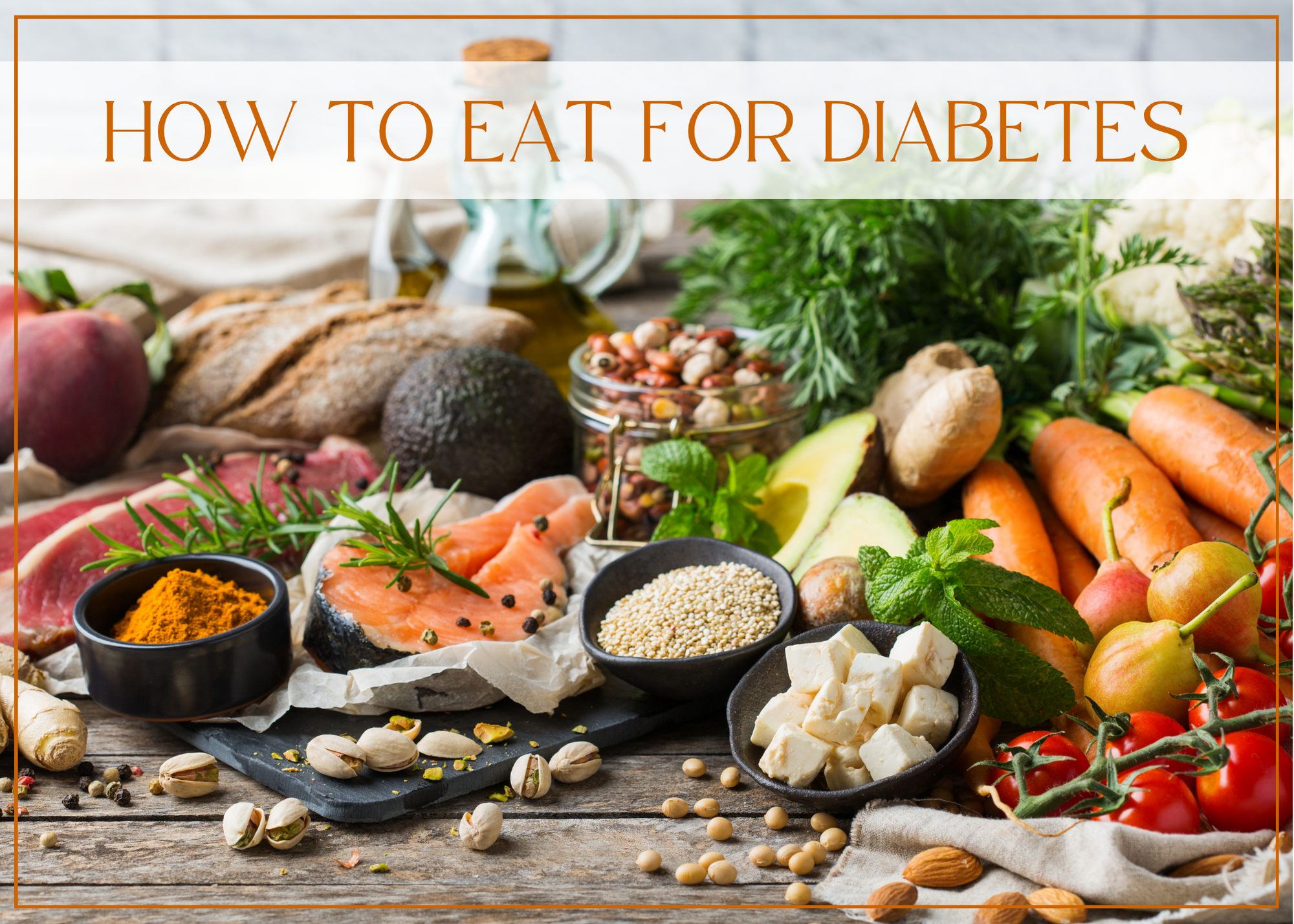
  • How to eat for diabetes

    How to eat for diabetes


    How to eat for diabetes

    The power of a plant-based diet

    Diabetes is a “silent killer.” Here’s how a plant-based dietary pattern (not a strict diet) can be a healthier way to manage diabetes.

    A diabetes recap


    Type 1 (insulin-dependent) diabetes is an autoimmune disease that generally develops in childhood or adolescence. The body can’t produce insulin and thus can’t regulate blood sugar. Insulin injections or an insulin pump is necessary to ensure the body has the right amount of insulin.

    Type 2 diabetes, most commonly developed in adulthood, occurs when the body can’t properly use its own insulin—or not enough insulin is produced. Type 2 diabetes can sometimes be managed with healthy eating and regular exercise alone, but may also require medications or insulin therapy.

    Know the signs


    Discovery is a crucial first step. Millions of people live with type 2 diabetes and don’t even know it.

    People who are asymptomatic, haven’t followed up on symptoms (which can include frequent urination, blurry vision, and extreme thirst), or don’t often use the health care system may not get a diagnosis until they’ve had it for years. This may mean they need more intensive treatments than if the disease had been caught earlier.

    Get the right care


    Diabetes is a progressive condition, which means that treatment plans should evolve along with the disease. Behavioral modifications such as a plant-based diet may help with blood sugar control at first, but eventually more extensive treatments such as blood glucose monitoring or medication may become necessary.

    What difference do plants make?


    The increased soluble fiber in many plant-based foods such as Brussels sprouts, black beans, and root vegetables can slow carbohydrate absorption and bind glucose. This slower rate of absorption helps stabilize blood sugars.

    In contrast, high amounts of refined sugar and carbohydrates spike glucose and cause the pancreas to produce extra insulin. Some of the extra glucose may be converted into triglycerides in the liver, and the fat may be shipped to the tissues.

    Vegan or vegetarian diets are also typically higher in pulses (like such as barley or quinoa). The high magnesium content of these whole grains helps regulate glucose, improves insulin sensitivity, and controls energy metabolism.

    Finally, vegetarians and vegans tend to consume fewer saturated fats. Since many meats contain more fat and calories, they may increase the risk of diabetes. In fact, some research suggests that red meat should be included in the list of diabetes risk factors.

    Remember—“vegetarian” doesn’t always mean “healthy”


    While a plant-based diet pattern is often higher in fiber, vitamins, and nutrients, it doesn’t guarantee weight loss or stable blood sugar levels. Check with your health care practitioner before adopting a new diet.

    Consider supplements


    Supplements to support healthy blood sugar include:

    • protein
    • magnesium
    • peppermint
    • pharmaGABA
    • quercetin


    The type and amount of supplemental support depend on your health, eating patterns, and lifestyle. Since supplements can interact with medications, it’s important to create an individualized plan with your health care practitioner.

    By Laurie Pawlik-Kienlen

    Content Courtesy of Alive Magazine


  • Combat loneliness as you age

    Combat loneliness as you age


    Combat loneliness as you age

    How to stay social and connected

    Far too often society brushes aside loneliness and social isolation as inevitable parts of aging. In reality, they are perilous issues, thought to increase one’s risk of things such as dementia, depression, and cardiovascular disease. Here’s how to protect yourself against loneliness as you age.

    A common problem


    Lana Adams never really experienced loneliness until she hit her seventies; for 68-year-old Uli Novak, it was when he retired. “I suddenly had all these empty days to fill,” Novak recalls. “I missed the daily banter with colleagues—and feeling needed and productive.”

    Adams’ and Novak’s stories are all too common. Although having fewer social connections as one ages contributes to loneliness, it doesn’t paint the whole picture. Things including loss of touch and intimacy, illness or disability, and bereavement of loved ones can all play a role. Pervasive ageist attitudes also contribute, as many seniors feel pushed to the periphery of society.

    And existential questions—such as “how is my life important?”—can also crop up. “I want this chapter of my life to be about more than just keeping busy,” says 73-year-old Barbara Hylton, who knows she’s not alone in this sentiment.

    There are no quick fixes to eradicate loneliness and isolation, and addressing these issues needs to occur at a widespread, systemic level. At the same time, smaller-scale, meaningful solutions to prevent and treat loneliness do exist.

    Consider a pet


    Studies suggest that the human-animal bond is a powerful one; it can decrease things such as blood pressure and stress and protect against cognitive decline in older adults.

    Nurture a positive mindset


    One study found that keeping a daily list of three positive events decreased stress in adults aged 60 and over.

    Foster intergenerational connections


    Research shows that when kids get regular care and attention from older adults, they have fewer emotional and behavioral problems. Older individuals also reap the benefits; studies show that regularly involved grandparents experience decreased risk of depression, cognitive decline, and mortality.

    Build a support network


    Having more hobbies and increased contact with friends and family reduces loneliness across age, gender, and other lifestyle factors. Combining social interaction with physical activity may be especially effective.

    Of course, socializing can be taxing if one is suffering from illness or disability, which can severely limit daily activities. Virtual alternatives—such as online support groups or messaging programs—can combat some of the impacts of loneliness for those with limitations.

    Give back


    When Hylton started volunteering with a seniors’ support program a couple years ago, it gave her a sense of purpose. “I like connecting with people older than I am, playing cards together or helping them out, and just sharing our stories,” she says.

    The health benefits of volunteerism are well documented, including its positive impact on longevity.

    By Dr. Amy Green

    Content courtesy of Alive Magazine


  • Cranberry and Walnut Stuffed Acorn Squash

    Cranberry and Walnut Stuffed Acorn Squash


    Cranberry and Walnut Stuffed Acorn Squash

    Acorn squash is a quintessential fall ingredient, and this Cranberry and Walnut Stuffed Acorn Squash recipe celebrates its natural sweetness while adding a delightful twist. It’s a gorgeous and healthy dish that will elevate your Thanksgiving table.


    Elisa Franco

    Cranberry and Walnut Stuffed Acorn Squash

    This Cranberry and Walnut Stuffed Acorn Squash is a work of art on your Thanksgiving table, and its taste is just as impressive. With the sweetness of the squash, the tartness of cranberries, and the crunch of walnuts, it's a symphony of flavors. Enjoy this healthy, elegant dish as you give thanks this holiday season.

    Ingredients
      

    • 2 acorn squashes halved and seeds removed
    • 1 cup quinoa rinsed
    • 2 cups vegetable broth or bone broth
    • 1/2 cup dried cranberries
    • 1/2 cup chopped walnuts
    • 2 tblsp maple syrup
    • 2 tblsp olive oil
    • salt and pepper to taste

    Method
     

    1. Preheat your oven to 375°F.
    2. Place the halved acorn squashes on a baking sheet, cut side up, and drizzle them with olive oil, maple syrup, salt, and pepper.
    3. Roast the squashes for about 35-40 minutes, or until they are tender.
    4. While the squashes are roasting, rinse the quinoa thoroughly and cook it in vegetable or bone broth according to package instructions.
    5. Once the quinoa is cooked, fluff it with a fork and stir in dried cranberries and chopped walnuts.
    6. Fill each roasted acorn squash half with the quinoa mixture.
    7. Place the stuffed squash back in the oven for an additional 10 minutes.
    8. Serve warm, drizzled with a bit of maple syrup if desired.

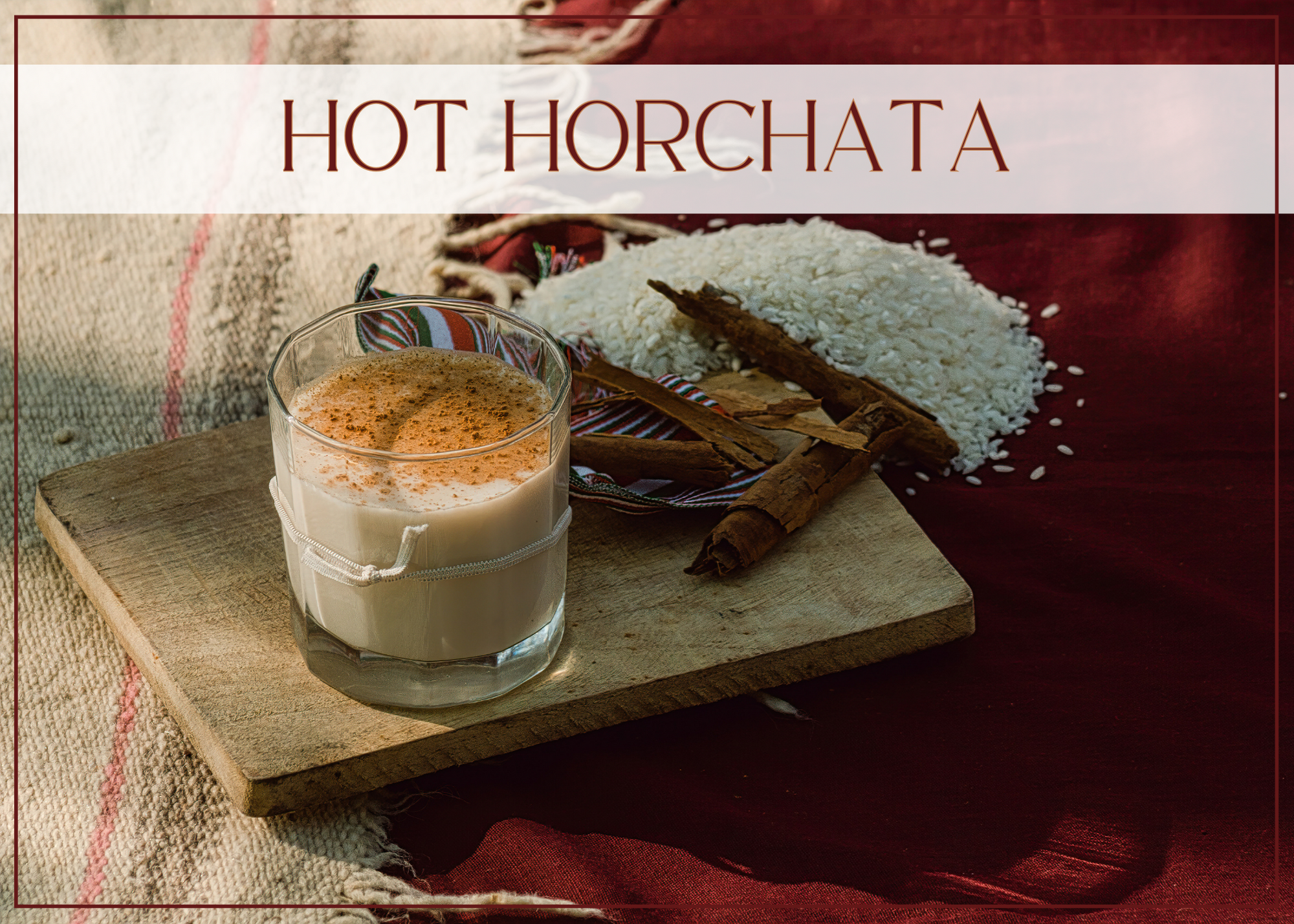
  • Hot Horchata

    Hot Horchata


    Hot Horchata

    There’s something truly comforting about a hot cup of this sweet, spiced rice beverage. In this recipe, we’ll show you how to create a soothing and aromatic hot horchata that’s perfect for those cozy moments when you need a little comfort and indulgence. Let’s dive into this simple hot horchata recipe.


    Elisa Franco

    Hot Horchata

    As the sweet and spicy aroma fills your kitchen, you'll find that hot horchata is delightful for those chilly evenings when you're craving a comforting treat. So, cozy up, savor the moment, and let the warmth of this drink serve you comfort in a cup!
    Servings: 4

    Ingredients
      

    • 1 cup long-grain white rice
    • 4 cups water
    • 1 cup milk of choice
    • 1 cinnamon stick
    • 1/4 cup honey, or sweetener of choice adjust to taste
    • 1 tsp vanilla extract
    • ground cinnamon for garnish

    Method
     

    1. Begin by rinsing the rice thoroughly under cold water until the water runs clear. This helps remove excess starch from the rice.
    2. Place the rinsed rice and cinnamon stick in a bowl, and add 4 cups of water. Allow the rice to soak for at least 3 hours or overnight. Soaking softens the rice and makes it easier to blend.
    3. After soaking, remove the cinnamon stick and transfer the rice and water to a blender. Blend until you have a smooth, creamy mixture. This may take a few minutes.
    4. Set a fine-mesh strainer or a nut milk bag over a large saucepan. Pour the blended rice mixture through the strainer, pressing on the solids to extract as much liquid as possible. Compost the rice solids.
    5. Place the saucepan with the strained rice liquid over medium heat. Add the honey or sweetener of choice, vanilla extract, and milk of choice, and stir until the honey dissolves completely. Heat the mixture gently, but do not let it boil over.
    6. Pour your hot horchata into cups or mugs. Sprinkle a pinch of ground cinnamon on top for garnish. Enjoy the soothing and comforting flavors of this hot horchata!

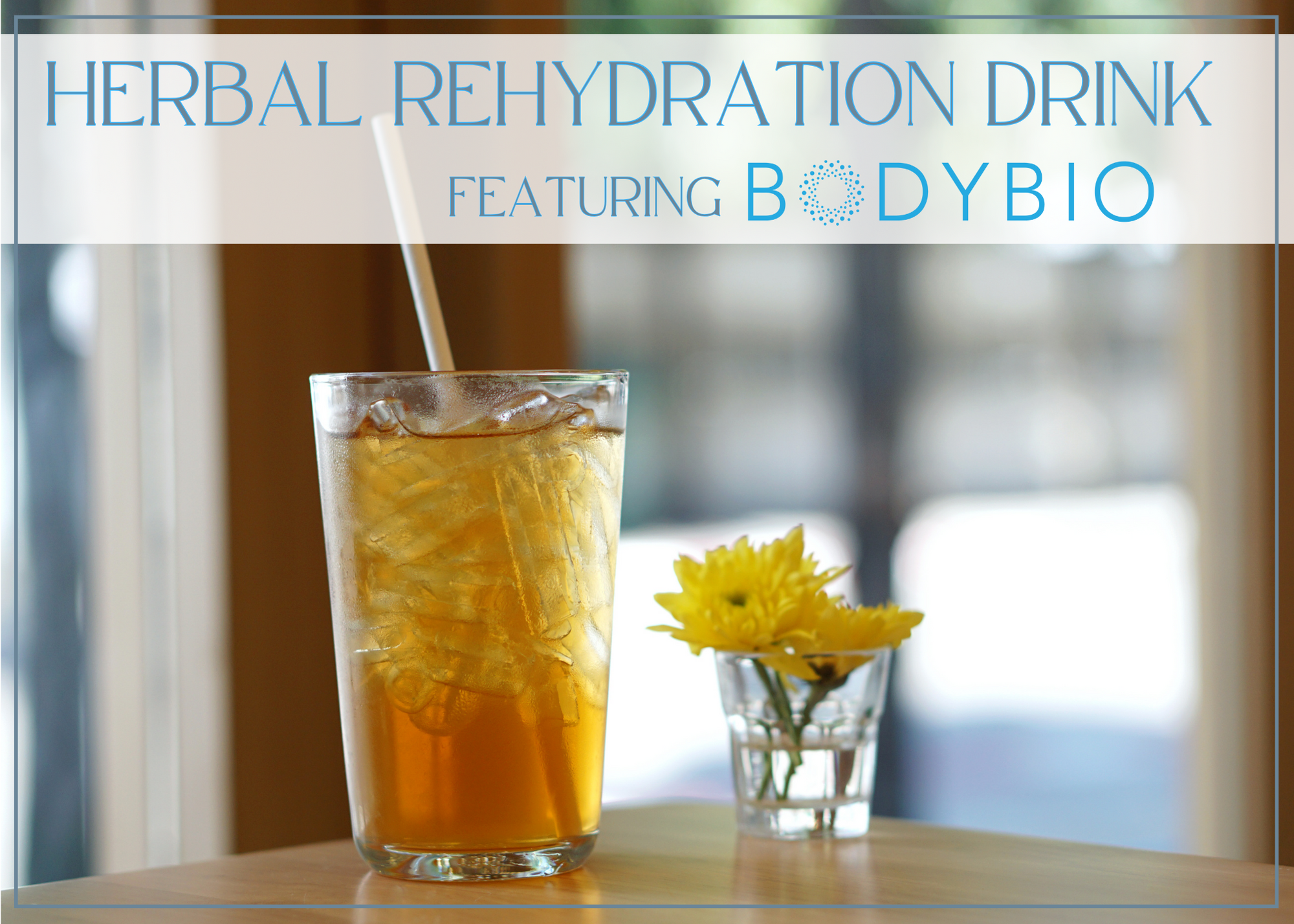
  • Herbal Rehydration Drink

    Herbal Rehydration Drink


    Herbal Rehydration Drink featuring BodyBio

    A cold, long infusion of nourishing and healing herbs combine with the rehydration benefits of BodyBio’s E-Lyte. Think iced tea that is healing and hydrating on every level. Drink as a replacement of sugary sports drinks, after or during illness, or daily for optimal full spectrum health.


    This drink recipe was formulated for people who need a boost in hydration, vitality, and overall health. An excellent choice for pre and post-workouts and sports activities, nourishing during and after an illness where dehydration is a symptom, and an informed choice for those who seek to support adaptogenic homeostasis of their bodies.

    Below is a breakdown of the medicinal properties of each ingredient:

    E-Lyte by BodyBio:

    Simply put, E-Lyte mimics electrolyte levels in the body for optimal hydration. Think Gatorade, but more powerful, and without all the nasty ingredients.

    It is specially formulated to:

    • Fight cramps
    • Improve stamina and reduce fatigue
    • Boost energy
    • Maintain body temperature
    • Aid neurological function and enhance nerve signaling

    No sugars, no artificial sweeteners, just pure electrolytes in the millequivalent of human blood. E-Lyte is the perfect combination of sodium which contracts muscles, potassium, which relaxes them, and magnesium, which plays a role in more than 300 enzymatic processes and is the force that drives potassium to relax a contracted muscle. Ideal for everyday athletes, pregnant women, or anyone looking to reduce painful cramps and stay energized all day—without all the unnecessary ingredients.

    Most electrolyte concentrates are formulated specifically for professional athletes and contain levels of sodium and sugar that are way too high for daily use. That’s why we formulated E-Lyte with more potassium, less sodium, and no sugar to mimic human blood and give the body exactly what it needs!

    Marshmallow Root:

    (Althaea officinalis) has been used for centuries in traditional medicine for its potential healing properties. While scientific research on its benefits is ongoing, marshmallow root is believed to possess several potential health benefits, primarily due to its mucilage content—a thick, gel-like substance that forms when the root is mixed with water. Here are some of the healing properties associated with marshmallow root:

    Soothing Sore Throats and Coughs: Marshmallow root is known for its soothing properties and is often used to alleviate sore throats, dry coughs, and irritation. It forms a protective layer on the throat’s mucous membranes, providing relief from discomfort.

    Gastrointestinal Relief: The mucilage in marshmallow root may help soothe and protect the digestive tract. It can be used to relieve symptoms of conditions like gastritis, acid reflux, and irritable bowel syndrome (IBS). It may also help alleviate constipation by promoting regular bowel movements.

    Anti-Inflammatory Effects: Marshmallow root may have mild anti-inflammatory properties, making it useful for conditions involving inflammation, such as skin irritations, eczema, and joint pain.

    Respiratory Health: In addition to soothing sore throats and coughs, marshmallow root may help with respiratory issues like bronchitis and asthma by reducing irritation and inflammation in the airways.

    Urinary Health: Marshmallow root is sometimes used to alleviate symptoms of urinary tract infections (UTIs) and bladder issues due to its potential anti-inflammatory and soothing properties.

    Tulsi Leaf:

    Also known as holy basil (Ocimum sanctum or Ocimum tenuiflorum), is a popular herb in traditional Ayurvedic medicine and is revered in many cultures for its potential healing properties. While more research is needed to fully understand the extent of its therapeutic effects, tulsi is believed to have several healing properties:

    Adaptogenic: Tulsi is often classified as an adaptogen, which means it may help the body adapt to stress and promote overall resilience. It can help manage the body’s response to physical and emotional stressors.

    Immune Support: Tulsi is believed to boost the immune system. Its anti-inflammatory and antioxidant properties may help the body defend against infections and illnesses.

    Antioxidant: Tulsi is rich in antioxidants, which can help protect cells from damage caused by free radicals. This may contribute to its potential anti-aging and disease-fighting properties.

    Anti-Inflammatory: Tulsi has anti-inflammatory properties that can help reduce inflammation in the body. It may be beneficial for conditions characterized by chronic inflammation.

    Respiratory Health: Tulsi is often used to relieve respiratory issues, such as coughs, colds, and asthma. Its antimicrobial and anti-inflammatory properties may help clear the respiratory tract and provide relief from congestion.

    Digestive Health: Tulsi can aid in digestion and help alleviate digestive discomfort. It may be used to relieve symptoms of indigestion, gas, and bloating.

    Cardiovascular Health: Some studies suggest that tulsi may help lower cholesterol levels and regulate blood pressure, potentially reducing the risk of heart disease.

    Stress Reduction: Tulsi is known for its calming properties and is used to reduce stress and anxiety. It may help improve mental clarity and promote a sense of well-being.

    Antimicrobial: Tulsi possesses antimicrobial properties that can help combat various infections, including bacterial, viral, and fungal infections.

    Chamomile Flower:

    Chamomile is a well-known herb that has been used for centuries for its potential healing properties. Chamomile flowers, particularly those from the German chamomile (Matricaria chamomilla) and Roman chamomile (Chamaemelum nobile) species, are the parts of the plant most commonly used for therapeutic purposes. Here are some of the healing properties associated with chamomile flowers:

    Anti-Inflammatory: Chamomile contains compounds like chamazulene and alpha-bisabolol, which have anti-inflammatory properties. These properties make chamomile useful for reducing inflammation in various conditions, including skin irritations and gastrointestinal discomfort.

    Digestive Aid: Chamomile tea is often used to soothe digestive issues such as indigestion, bloating, and gas. It can help relax the muscles of the gastrointestinal tract and ease discomfort.

    Stress and Anxiety Reduction: Chamomile is known for its calming and mild sedative effects. Drinking chamomile tea or using chamomile essential oil in aromatherapy can help reduce stress and anxiety, promote relaxation, and improve sleep.

    Skin Health: Chamomile can be used topically to soothe skin irritations, such as insect bites, rashes, and minor burns. It may also help with conditions like eczema and psoriasis due to its anti-inflammatory and anti-itch properties.

    Oral Health: Chamomile’s anti-inflammatory and antimicrobial properties can be beneficial for oral health. It may help reduce gum inflammation, soothe mouth sores, and alleviate toothache discomfort.

    Respiratory Health: Inhaling steam from chamomile tea may help relieve congestion and ease respiratory discomfort associated with colds and allergies.

    Menstrual Pain Relief: Chamomile tea may help alleviate menstrual cramps and reduce the severity of premenstrual symptoms due to its muscle-relaxant and anti-inflammatory properties.

    Wound Healing: Chamomile may promote wound healing when applied topically, as it can help reduce inflammation and provide a soothing effect.

    Antioxidant Properties: Chamomile is rich in antioxidants, which can help protect cells from oxidative stress and may contribute to its anti-aging and disease-preventing effects.

    Anti-allergic: Chamomile may help reduce allergic reactions and symptoms by inhibiting the release of histamines, which play a role in allergy-related inflammation.

    Nettle Leaf:

    Nettle leaf, derived from the common stinging nettle plant (Urtica dioica), has been used traditionally for various medicinal purposes. It is rich in nutrients and bioactive compounds, which contribute to its potential healing properties. Here are some of the healing properties associated with nettle leaf:

    Anti-Inflammatory: Nettle leaf contains compounds like flavonoids and polyphenols that have anti-inflammatory properties. It may help reduce inflammation in conditions like arthritis, allergies, and inflammatory bowel diseases.

    Allergy Relief: Nettle leaf is often used to alleviate symptoms of seasonal allergies, such as hay fever. It may help reduce the release of histamines, which are responsible for allergy symptoms like sneezing and itching.

    Joint Health: Nettle leaf may provide relief from joint pain and stiffness in conditions like osteoarthritis and rheumatoid arthritis due to its anti-inflammatory and pain-reducing properties.

    Diuretic Effect: Nettle leaf has mild diuretic properties, which can promote the removal of excess fluids from the body. This may be beneficial for individuals with conditions like edema and high blood pressure.

    Prostate Health: Some studies suggest that nettle root, rather than the leaves, may have benefits for prostate health by reducing symptoms of benign prostatic hyperplasia (BPH), such as urinary frequency and urgency.

    Digestive Health: Nettle leaf can be used to soothe gastrointestinal discomfort, reduce symptoms of indigestion, and alleviate diarrhea. It may also support a healthy digestive tract.

    Hair and Skin Health: Topical application of nettle leaf extract or oil is believed to promote hair growth, reduce dandruff, and improve skin conditions like eczema and acne.

    Nutrient-Rich: Nettle leaf is a rich source of vitamins (such as A, C, and K), minerals (including iron, calcium, and magnesium), and antioxidants. Consuming nettle leaf as a tea or supplement can help meet nutritional needs.

    Blood Sugar Control: Some research suggests that nettle leaf may help regulate blood sugar levels, potentially benefiting individuals with diabetes or those at risk of developing the condition.

    Urinary Tract Health: Nettle leaf may be used to support urinary tract health, as it can help soothe irritation and reduce symptoms of urinary tract infections (UTIs).

    Give this drink a try, it’s not only nourishing, healing, and rehydrating, it is actually also very delicious and refreshing! Have questions? Come on in to any of our locations to speak with our wellness ambassadors, and don’t forget that we carry herbs in bulk for all of your herbalism and wellness needs!


    Elisa Franco

    Herbal Rehydration Drink

    A cold, long infusion of nourishing and healing herbs combine with the rehydration benefits of BodyBio's E-Lyte. Think iced tea that is healing and hydrating on every level. Drink as a replacement of sugary sports drinks, after or during illness, or daily for optimal full spectrum health.
    Servings: 4

    Ingredients
      

    • 30 ounces Water
    • 3 teabags Nettle Leaf
    • 3 teabags Chamomile Flower
    • 3 teabags Tulsi Leaf
    • 2 teabags Marshmallow Root
    • 2 capfuls BodyBio E-Lyte
    • 1 tblsp Honey, or sweetener of choice optional

    Equipment

    • 1 32 ounce Mason Jar with Lid

    Method
     

    1. Add water to a 32 ounce (quart size) mason jar, or other glass vessel with a lid.
    2. Add all of the tea bags to the water, no need to boil the water, room temperature or cold is fine.
    3. Put the lid on your mason jar. Place it in the fridge and let the herbs infuse into the water for 12-24 hours.
    4. After 12-24 hours, remove from fridge, remove all tea bags, add the 2 capfuls of E-Lyte, honey or sweetener of choice, cover with the lid again, and vigorously shake.
    5. Serve over ice, or as is, and enjoy!

    Product Information about E-Lyte is from BodyBio’s website.

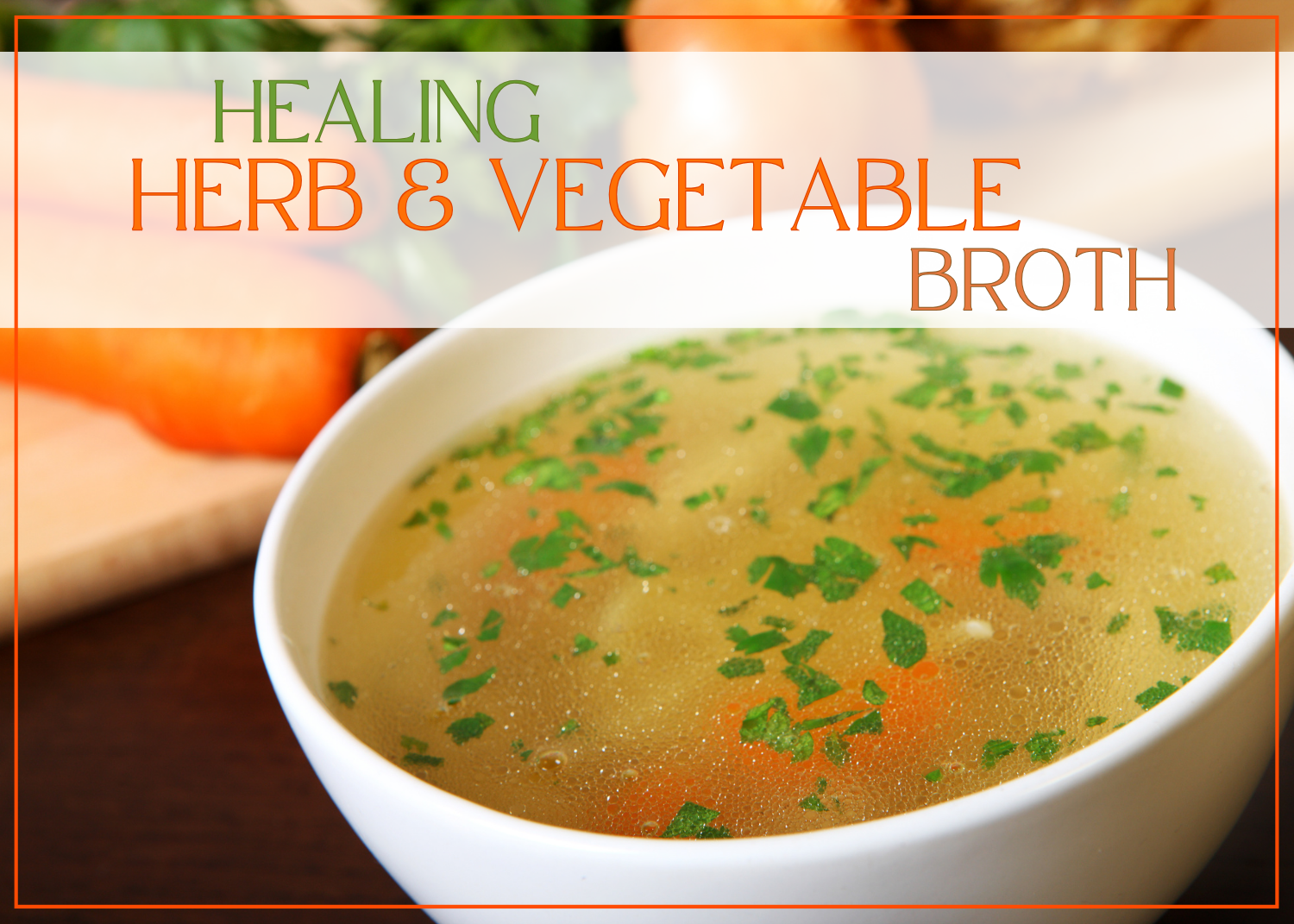
  • Healing Herb & Vegetable Broth

    Healing Herb & Vegetable Broth


    Healing Herb & Vegetable Broth

    When you’re looking for a soothing and nourishing recipe that can help boost your immune system and provide comfort, a healing herbal vegetable broth is the perfect choice.


    Packed with a variety of vegetables and aromatic herbs, this broth not only tastes delicious but also provides a wealth of vitamins, minerals, and antioxidants. Whether you’re feeling under the weather or just want to warm up on a chilly day, this recipe is sure to become a go-to in your kitchen.


    Elisa Franco

    Healing Herb & Vegetable Broth

    This healing herbal vegetable broth is a kitchen staple that you'll want to keep on hand year-round. Its nourishing properties make it a go-to when you're feeling unwell, and its delicious taste makes it a versatile addition to various recipes. Sip and enjoy the benefits of this homemade broth and share it with your loved ones. Store extra in the freezer to have at the ready.
    Servings: 4

    Ingredients
      

    • 2 carrots chopped
    • 2 celery stalks chopped
    • 1 onion peeled and quartered
    • 6 cloves garlic smashed
    • 1/2 whole lemon washed thoroughly
    • 1 leek cleaned and sliced
    • 1 red or green pepper chopped
    • 1 parsnip chopped
    • 1 small bunch of fresh parsley or cilantro
    • 1 sprig of fresh thyme, or 1 tsp dried
    • 1 sprig of fresh rosemary, or 1 tsp dried
    • 1 bay leaf
    • 1 tsp whole black peppercorns
    • 1 tsp coriander seeds
    • 1 tsp fennel seeds
    • 1 tsp turmeric powder or a small piece of fresh turmeric root
    • 1-inch knob of ginger sliced
    • 1 small handful of dried shiitake mushrooms
    • 12 cups water
    • salt and pepper to taste
    • 3 jalapeño slices optional, for heat
    • 1/2 cup sliced reishi mushroom, or 2 tbsp powdered optional, for immune boost
    • 1 piece kombu optional, for immune boost
    • 1 tbsp dried astragalus optional, for immune boost

    Method
     

    1. Gather all your ingredients and chop the vegetables as indicated.
    2. In a large soup pot, dry-toast the coriander seeds and fennel seeds over medium heat for a few minutes until fragrant. This step enhances their flavors.
    3. Add all of your ingredients, except the water, to the pot. Stir to combine.
    4. Pour 12 cups of water into the pot, covering all the ingredients. Slowly bring the mixture to a soft boil over medium high heat.
    5. Once it boils, reduce the heat to low, cover, and let the broth simmer for about 1.5 to 3 hours. This allows the flavors to meld and the vegetables to release their goodness. Add salt and pepper to taste during this time.
    6. After simmering, carefully strain the broth into another pot or large bowl. Discard the solids or save them for compost.
    7. Your healing herbal vegetable broth is ready to serve. Sip it as a comforting and soothing drink or use it as a base for soups, stews, or any recipe that calls for broth. It's a wonderful way to nourish your body and support your immune system.

  • Homemade Fire Cider

    Homemade Fire Cider


    Homemade Fire Cider

    Fire cider is a traditional herbal remedy known for its immune-boosting and warming properties. It is a potent infusion of herbs, spices, and vegetables steeped in apple cider vinegar.


    Fire cider is known for its potent and spicy flavor, as well as its potential health benefits. Feel free to adjust the ingredients to suit your taste and heat tolerance.

    Here are some common uses for fire cider:

    Immune Support

    Fire cider is often consumed as a daily tonic or during cold and flu season to help support the immune system. Its ingredients, such as garlic, ginger, and horseradish, are believed to have immune-boosting properties.

    Cold and Flu Relief

    Many people use fire cider at the onset of a cold or flu to help alleviate symptoms and speed up recovery. The warming and spicy nature of fire cider can help clear congestion and soothe a sore throat.

    Digestive Aid

    Fire cider can aid digestion and help relieve symptoms like indigestion, gas, and bloating. The combination of apple cider vinegar and herbs like ginger and rosemary may promote digestive health.

    Anti-Inflammatory

    Some of the ingredients in fire cider, such as turmeric and cayenne pepper, are known for their anti-inflammatory properties. It may be used by some individuals to help reduce inflammation in the body.

    Energy Booster

    The spicy and tangy nature of fire cider can provide an energy boost. It’s often taken in the morning as a natural pick-me-up.

    Circulation Support

    Ingredients like cayenne pepper in fire cider may help improve blood circulation. Some people use it to promote cardiovascular health.

    Sinus Congestion Relief

    The spicy components in fire cider, particularly horseradish and chili peppers, can help clear sinuses and provide relief from nasal congestion.

    General Wellness

    Many people incorporate fire cider into their wellness routines as a preventive measure to maintain overall health and vitality.

    Before using fire cider or any herbal remedy, it’s advisable to consult with a healthcare professional, especially if you have underlying health conditions, are pregnant or nursing, or are taking medications.


    Homemade Fire Cider

    Fire cider is a traditional immune-supporting remedy with deep roots in folk medicine.

    Ingredients
      

    • 1 medium onion chopped
    • 1/2 cup fresh horseradish root grated
    • 1/2 cup fresh ginger root grated
    • 1/2 cup fresh turmeric root grated
    • 10 cloves garlic crushed or minced
    • 2 jalapeño peppers chopped, adjust for spice preference
    • Zest and juice of 1 lemon
    • Zest and juice of 1 orange
    • 2 tbsp dried rosemary
    • 2 tbsp dried thyme
    • 1/4 tsp cayenne pepper adjust for spice preference
    • raw, unfiltered apple cider vinegar enough to cover all ingredients
    • raw honey to taste, optional

    Method
     

    1. Wash and chop the onion, horseradish, ginger, turmeric, garlic, and jalapeño peppers. You can leave the seeds in the jalapeños for extra heat, or remove them for milder fire cider.
    2. Zest the lemon and orange, and then juice them.
    3. In a clean, quart-sized glass jar, layer the chopped onion, grated horseradish, grated ginger, minced garlic, chopped jalapeño peppers, lemon zest, orange zest, dried rosemary, dried thyme, and cayenne pepper.
    4. Pour raw, unfiltered apple cider vinegar over the ingredients in the jar until they are completely covered. Make sure to leave a little space at the top for expansion.
    5. Seal the jar with a tight-fitting lid. If using a metal lid, place a piece of parchment paper or plastic wrap between the jar and the lid to prevent corrosion.
    6. Place the jar in a dark, cool place (like a pantry) for about 3 to 4 weeks. Shake the jar daily to help mix the ingredients.
    7. After 3 to 4 weeks, strain the mixture through a fine-mesh sieve or cheesecloth into a clean glass container.
    8. If you find the fire cider too strong, you can add raw honey to taste. This will also sweeten it a bit and make it more palatable.
    9. Store your fire cider in the refrigerator, where it can last for several months.
    10. To use, take 1-2 tablespoons daily as a tonic or when you feel like you need an immune boost. You can also use it in cooking or as a salad dressing ingredient.

  • Are our kids getting enough?

    Are our kids getting enough?


    Are our kids getting enough?

    If you’re a parent, you’ve probably spent plenty of time worrying—about all manner of childhood issues, including whether your kids are eating enough to keep them healthy. Because it can be such a worry, we explore how nutrient deficiencies can affect our kids, how to spot them, and, also, how to prevent them. Remember, always check with your health care practitioner before giving your child a new supplement.

    Vitamin Bs

    Collectively, B vitamins are essential to many aspects of brain function, energy production, and our body’s ability to build and repair muscle mass. Deficiencies in B vitamins are most often seen in vitamin B12 (especially for vegan and vegetarian kids) and B9 (folate).

    Signs of deficiency

    • fatigue
    • weakness
    • anemia
    • loss of appetite, weight loss
    • failure to thrive and grow
    • difficulty with memory and concentration

    Vitamin C

    With critical roles in our immune system, wound healing, bone health, and antioxidant protection, it’s especially important for our kids to get enough in their diets. Luckily, there are plenty of vitamin C-rich foods that’ll help keep intake up and their diet fun.

    Signs of deficiency

    • irritability
    • poor appetite
    • bleeding gums
    • easy bruising
    • dry skin
    • slow wound healing

    How to get more

    • bell peppers
    • citrus fruits
    • berries
    • kiwi fruit
    • Brussels sprouts, dark green veggies

    Supplements: powders, drops, chewable tablets, gummies, multis

    Vitamin D

    Also known as the sunshine vitamin, this fat-soluble essential vitamin aids in the regulation of calcium and phosphorous in our bodies. Because of this, vitamin D plays a very important role in building and maintaining our bones and teeth.

    Signs of deficiency

    • bone pain
    • muscle aches
    • fatigue
    • mood changes
    • dental problems

    How to get more

    • fortified dairy products
    • fatty fish (salmon, tuna, sardines)
    • egg yolks

    Supplements: capsules, drops, gummies, multis

    Calcium

    Bone calcium stops increasing in young adulthood, so getting off to a healthy start is critical to strong bones later in life.

    Signs of deficiency

    • muscle cramps or weakness
    • numbness or tingling in fingers, lips, feet
    • poor appetite
    • confusion, forgetfulness

    How to get more

    • cheese
    • yogurt
    • dark green veggies (broccoli, kale, spinach)
    • fish (canned salmon, sardine—with bones)
    • almonds

    Supplements: (often with vitamin D) chewable tablets, capsules, liquids, powders

    Magnesium

    Magnesium is also crucial for activating vitamin D, which has long been recognized as essential for a healthy immune system. Some older children can be more at risk of deficiency of this important mineral.

    Signs of deficiency

    • loss of appetite
    • nausea/vomiting
    • fatigue
    • weakness

    How to get more

    • leafy green veggies (spinach, kale)
    • nuts and seeds (almonds, pumpkin seeds)
    • cheese
    • yogurt
    • whole grains
    • avocado

    Supplements: capsules, tablets, liquids, multis

    Potassium

    The fact that kids consume far more sodium than is healthy for their long-term health is concerning, since the combination of too much sodium and too little potassium in our diet is associated with higher blood pressure.

    Signs of deficiency

    • muscle weakness
    • cramps
    • constipation
    • fatigue
    • confusion

    How to get more

    • dried fruit (apricots, prunes)
    • winter squash (acorn, butternut)
    • potato/sweet potato
    • banana
    • beans, lentils
    • yogurt

    Supplements: fizzy dissolving tablets, capsules, powders, liquids, multis

    Iron

    Children need a steady intake of iron to fuel their rapid growth and development. It’s especially important for teenage girls to replenish the iron that their bodies lose during menstruation.

    Signs of deficiency

    • weakness, fatigue
    • shortness of breath
    • dizziness, headache
    • irritability
    • feeling cold
    • pale skin

    How to get more

    • meat, poultry, seafood (beef, turkey, shrimp)
    • leafy green veggies (spinach, kale)
    • nuts and seeds (almonds, pumpkin seeds)
    • legumes (beans, lentils, chickpeas)
    • whole grains
    • soy (tempeh, tofu)

    Supplements: tablets, liquids, multis

    Zinc

    Zinc is important for growing kids’ brain development, sensory processing, memory, and cognition. It’s also an important element in immune function.

    Signs of deficiency

    • loss of appetite
    • hair loss
    • diarrhea
    • weight loss
    • delayed wound healing

    How to get more

    • chicken, turkey
    • whole grains
    • pumpkin seeds
    • cheese
    • eggs

    Supplements: chewable tablets, gummies, lozenges, liquids, multis

    Content courtesy of Alive Magazine