Category: Herbs & Supplements

  • Seed Cycling: Using Essential Fatty Acids and Minerals for Hormone Balancing

    Seed Cycling: Using Essential Fatty Acids and Minerals for Hormone Balancing


    • The four phases of the menstrual cycle are menstruation, follicular, ovulation, and luteal. It’s important to recognize that each one of these phases may need individualized support (mainly through diet and exercise), especially when hormone imbalances are a concern.
    • Seed cycling is a powerful hormone-balancing tool that uses the fatty acids, minerals, lignans, antioxidants, and vitamins in different seeds to create balance and rhythm in the body while restoring depleted nutrients.
    • While seed cycling shouldn’t replace any prescribed hormone treatment you’re already doing, it can be a great addition to your daily routine and could make a long-term difference, especially if you’re deficient in fatty acids.

    As a woman, your hormone levels are balanced and managed by these four essential phases:

    • Menstruation gets the most attention, as progesterone levels drop to shed the uterine lining in the absence of pregnancy, causing bleeding. 
    • Then we have the follicular phase, where the follicles in the ovaries begin to grow. This phase is characterized by the rise of estrogen and progesterone.
    • Ovulation occurs when the egg is ready and released into the body. Estrogen and testosterone are at their highest levels during this phase.
    • Finally, the luteal phase is characterized by a rise in progesterone and a drop in testosterone and estrogen. 

    Especially if you struggle with hormone-related symptoms, understanding your hormonal phases is key to managing hormone fluctuations and getting your life back on track. After all, there are a lot of changes to your hormone levels throughout the month, and learning how to support your body in each phase isn’t something most of us are taught growing up.

    Luckily, a little knowledge of your cycle and a few essential fatty acids can take you a long way. There are many all-natural methods you can try to take charge of your hormonal health, especially as it relates to the four phases. One of these methods is called seed cycling. 

    What is Seed Cycling?

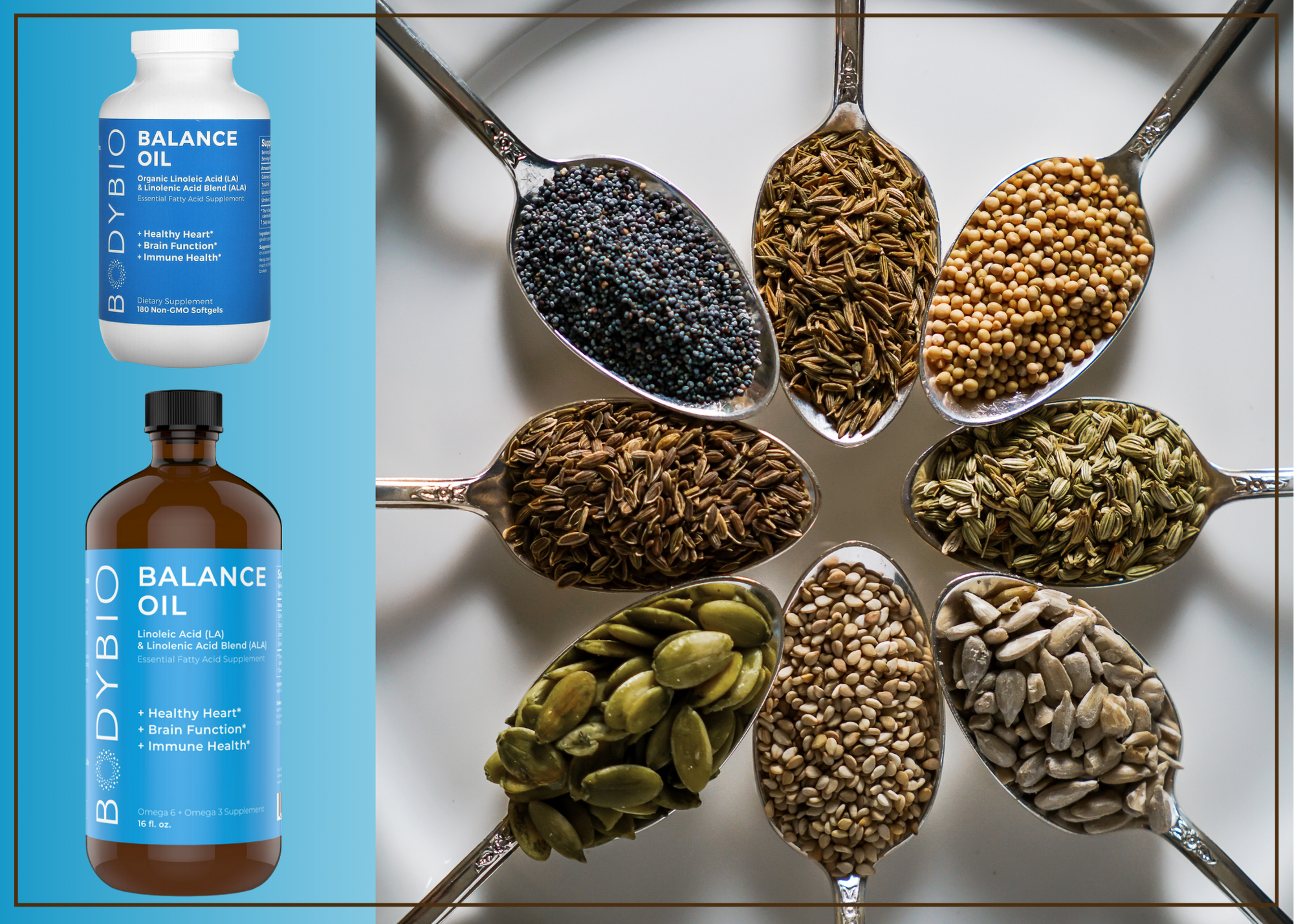
    Seed cycling uses ground sunflower, sesame, flax, and pumpkin seeds to optimize the hormones released in each cycle phase. The goal is to create balance and rhythm in the body while providing essential nutrients to help you build and release these hormones.

    Seed cycling is a newer holistic therapy (introduced around 2012), but the science behind it is ancient. The idea of seed cycling is to harness naturally occurring lignans (a type of polyphenol) and fatty acids found in seeds to improve menstrual and hormonal symptoms. Though studies are still being done on the overall benefits of seed cycling, many women swear by it!

    Unlike complicated diets or lifestyle changes, seed cycling is pretty simple. You only need one afternoon to prepare the seeds for an entire month’s cycle. While there are four hormonal phases, seed cycling targets the longest two phases in particular: Follicular and luteal. The goal is to take 1-2 tablespoons of the recommended seeds per day during each phase. That’s it!

    Seeds for the Follicular Phase

    A dose of flax and pumpkin seeds is recommended to support your follicular phase, when estrogen levels naturally rise. These seeds should be ground up together (half pumpkin seeds and half flax seeds), then saved in the fridge or freezer for your daily dose. Take 1-2 tablespoons of the ground mixture every day mixed in your smoothie, salad, yogurt bowl, or applesauce.

    Flax seed is high in vitamin B, magnesium, fatty acids, and lignans. Since they are also high in fiber, they can also keep stool moving out, pushing out unwanted toxins and remaining hormones from the previous phase in your cycle.

    Pumpkin seeds are high in dietary fiber and essential fatty acids. They are also high in minerals like zinc, iron, and magnesium which are much needed during any hormonal phase. 

    While grinding up flax and pumpkin seeds together is the easiest way to get your seed cycling dose, it’s not the only way. You can also sprinkle these seeds whole on salads, add them to baked oatmeal, homemade granola bars, and protein balls.

    Seeds for the Luteal Phase

    The seeds recommended for the luteal phase are sesame seeds and sunflower seeds. The goal of these seeds is to help balance progesterone while supporting the detox pathways for optimal estrogen release.

    Sesame seeds contain vitamin B, antioxidants, and fiber for a well-balanced approach to hormonal health. Like pumpkin seeds, they also pack a rich dose of minerals — much needed for the hormonal phases, especially as we are getting fewer minerals in our diet due to farming practices and climate change. 

    Sunflower seeds contain fatty acids vitamin E, calcium, amino acids, magnesium, and more. They pack a heavy punch as the final dose of seeds required for seed cycling. They are also high in selenium, which supports the liver as it detoxes unneeded estrogen from the follicular phase. 

    Adding these seeds to your diet doesn’t have to be complicated and won’t look much different from the follicular phase. Incorporate them in smoothies, oatmeal, yogurt, or even a healthy batch of brownies (shh we won’t tell).

    Seed Creams

    Another creative way to make seed cycling a part of your daily routine is to make what we call seed cream. Determine your dose of seeds for up to a week and soak them in water with several tablespoons of BodyBio E-Lyte for 48 hours. (You could omit the E-Lyte if you wanted, but we are looking to add extra minerals.) Then blend to create a “seed cream,” adding water as needed. This is easy to freeze and store in ice cube trays and then add to smoothies, seed puddings, and other meals. 

    Essential Fatty Acids to Boost Hormone Health

    What’s one thing all these seeds have in common? Essential fatty acids.

    From our decades of research on healthy fats, we know that essential fatty acids (omega-3 and omega-6) are a must-have for regulating hormones. Seed cycling relies on the strategic timing of different fatty acids during different parts of your cycle. It’s part of the reason seed cycling works!

    Not only do fatty acids help to regulate your hormones, but they’re also beneficial for brain health, cellular health, thyroid and adrenal function, liver wellness, blood pressure, and inflammation regulation. 

    Beware Toxic Seed Oils

    While we’re on the topic of seeds and seed oils, it’s important to mention that not all seed oils are created equal. Some include toxic fillers, heavy processing using high heat, or an imbalance of omega 3’s and omega 6’s, which defeats the purpose of seed cycling.

    High-quality and minimally processed oils retain their nutritional benefits, while heavily processed oils become toxic to our cells. It’s essential to pay attention to processing methods and quality when researching seeds and seed oils in supplements and personal care products. For seed cycling, we highly recommend purchasing organic, whole seeds and grinding them yourself. This will get you the highest nutritional value possible.

    If you’re looking for a high quality seed oil for general omega-6 and omega-3 intake, look no further than BodyBio Balance Oil.

    Is Seed Cycling a Good Idea for Hormone Health?

    While seed cycling itself is still undergoing studies, there are so many great medical resources that explain the benefits of essential fatty acids, lignans, minerals, and high-quality seeds and seed oils for hormonal health. 

    If you struggle with PCOS, thyroid issues, amenorrhoea, or endometriosis, seed cycling can be a great addition to your care plan. It’s easy to start, simple to maintain, and many women swear it makes a difference. 

    If seed cycling isn’t for you or if you want to supplement it with a dose of powerful (and well-balanced) essential fatty acids, BodyBio created Balance Oil to be just that. It’s perfectly formulated to provide a rich dose of omega-3 and omega-6 EFAs right to your cells. 


    References:

    Phipps, W. R., Martini, M. C., Lampe, J. W., Slavin, J. L., & Kurzer, M. S. (1993). Effect of flax seed ingestion on the menstrual cycle. The Journal of clinical endocrinology and metabolism, 77(5), 1215–1219. https://doi.org/10.1210/jcem.77.5.8077314

    Adlercreutz, H., Höckerstedt, K., Bannwart, C., Bloigu, S., Hämäläinen, E., Fotsis, T., & Ollus, A. (1987). Effect of dietary components, including lignans and phytoestrogens, on enterohepatic circulation and liver metabolism of estrogens and on sex hormone binding globulin (SHBG). Journal of steroid biochemistry, 27(4-6), 1135–1144. https://doi.org/10.1016/0022-4731(87)90200-7

    Ouladsahebmadarek, E., Khaki, A., Khanahmadi, S., Ahmadi Ashtiani, H., Paknejad, P., & Ayubi, M. R. (2014). Hormonal and metabolic effects of polyunsaturated fatty acid (omega-3) on polycystic ovary syndrome induced rats under diet. Iranian journal of basic medical sciences, 17(2), 123–127.

    Goyal, A., Sharma, V., Upadhyay, N., Gill, S., & Sihag, M. (2014). Flax and flaxseed oil: an ancient medicine & modern functional food. Journal of food science and technology, 51(9), 1633–1653. https://doi.org/10.1007/s13197-013-1247-9


    Written by Dr. Thomas Wnorowski for BodyBio

  • 4 Tips for Cultivating Mental Resilience

    4 Tips for Cultivating Mental Resilience


    4 Tips for Cultivating Mental Resilience

    Top tools for forgiveness and self-care


    Over the last few years, we’ve been severely challenged as a global society. While living through fear and uncertainty, we comforted each other with acts of kindness, and then kept plodding on toward the proverbial light at the end of the tunnel.

    Redefining mental well-being

    The simplest definition of mental well-being? Our ability to cope well with whatever life throws at us, to appreciate our own potential under challenging circumstances, to work productively, and to contribute to our communities.

    It sounds straightforward enough, as far as definitions go. When it comes to real life, though, we might find ourselves having to bypass some textbook definitions or at least having to constantly readjust them so they fit our needs and coping mechanisms.

    Resilience is an important concept

    In the engineering world, resilience is defined as the ability to absorb energy and resist shock and impact.

    When it comes to us humans, though, resilience is as complex as we are. It means being able to care for ourselves so we can also care for others, remembering to focus not just on the stressful events unfolding but on what comes afterward. It also means being flexible and willing to learn, grow, and adapt.

    Here are four strategies to help us become more resilient:

    1. Eat well to boost mental immunity

    Whole foods are loaded with nutrients, including antioxidants, minerals, and fiber, that arm our gut with microbiota important for improving overall health, including mental health, through a connector known as the gut-brain axis. Certain probiotic strains also produce compounds that, through this connector, influence our mental state, reducing stress and anxiety and improving our mood.

    2. Get moving for better resilience

    Being physically active will help boost your mood almost immediately, but when done regularly, it protects you from long-term stress and reduces your risk of cognitive decline down the road. Anything works. Go for a walk (exercising outdoors plus sunshine equals increased resilience), turn up the music and dance, or do a yoga session at home.

    3. Practice compassion as a stepping stone to resilience

    When people are faced with stressful situations, there is fear of course, but there is also the urge to help others. When we act with kindness and compassion toward our fellow humans, we increase our own mental resilience.

    Regardless of how we get there, cultivating positive values and beliefs can improve our adaptability and strength as we go through life, allowing our resilience to grow as we traverse through challenges.

    4. Adopt the new “F” word: Forgiveness

    You may have heard it said that forgiveness does more for those who give it than for those who receive it. It’s true. Forgiveness increases self-esteem, emotional stability, and resilience. When we forgive and let go of resentment, we make it easier for ourselves to recover from stress and trauma.


    Article courtesy of Alive Magazine, By Daniela Ginta, MSc, NNCP

  • 5 Brain “Washing” Tips

    5 Brain “Washing” Tips


    5 Brain “Washing” Tips

    Keep a clear head


    While we pay close attention to our body’s detox systems and work to support them through lifestyle choices, how many of us are thinking of detoxing our brains too? Here are some detox tips to help you keep a clear head.

    Your brain’s cleanup team

    It’s only been in the past few years that researchers have begun to understand how the brain keeps itself clean. Named to acknowledge the role of glial cells in the process, the “glymphatic system” relies on cerebrospinal fluid (CSF) filling spaces next to smaller blood vessels leading to the brain.

    The CSF interchanges with the fluid between brain cells, also known as interstitial fluid. Waste is then carried away, including tau proteins and amyloid-beta plaques associated with Alzheimer’s disease.

    Because neural cells are highly sensitive to their environment, waste products of neural metabolism must be promptly and efficiently removed from the interstitial space. The custodial team can experience a few obstacles, however.

    For example, animal research shows that daytime release of the hormone norepinephrine (an adrenal hormone that helps you wake up, focus, and store memories) could slow glymphatic clearance. The research also showed an 80 to 90 percent increase in glymphatic clearance during slow-wave sleep compared to awake time. We’re still learning about the glymphatic system, but so far it’s clear that the brain requires sleep.

    As scientists continue to learn more, here are five tips for a clearer brain:

    1. Avoid doomscrolling
      You probably didn’t need research to tell you that spending just a few minutes online can topple your emotional house of cards. If you must go online for news, get the info you need as quickly as possible and move on. Before getting back to your real life, seek out people and stories that leave you feeling optimistic about the state of the world.
    2. Turn down the volume
      Give yourself some daily silence. Evidence is mounting that noise stress impairs cognition, coordination, and eating. Studies also show that excessive noise adds to emotional stress and increases anxiety-like behavior. In your brain, noise stress increases nitric oxide and free-radical production, which can cause damage to brain cells.
    3. Turn out the lights
      Treat yourself to some blue-light blocking glasses to wear in the evening to trick your brain into producing melatonin. The sleep hormone melatonin is suppressed by short-wave (blue) light. This is a good thing during the day, but the blue light from devices and screens that can disrupt the body’s circadian rhythm can also have negative effects on our sleep patterns.
    4. Get grounded
      Research has shown that touching the earth with your feet helps restore your body’s natural electrical status and positively influences your nervous system and brain. Being in nature also improves mental and physical well-being.
    5. Consider supplements
      Ask your health care practitioner before taking any new supplement. The following may help support brain health.
      • Bacopa
      • Lion’s mane mushroom
      • Marine omega-3
      • Milk thistle


    Article courtesy of Alive Magazine, By Lisa Petty, PhD

  • Protect Your Brain

    Protect Your Brain


    Protect Your Brain

    How inflammation is connected to brain health


    The complexities of the human brain can leave both a scientist and layperson a tad awestruck. Research is beginning to elucidate the fascinating repercussions of inflammation in the brain.

    What is inflammation?


    Inflammation is a finely tuned biological defence system designed to maintain the body’s equilibrium. When the body perceives tissue damage or infection, it triggers inflammation as a protective response. A deep wound in the hand, for instance, causes the body to trigger acute inflammation in the area as a first aid measure.

    The redness, swelling, pain, heat, and loss of function in the hand are five hallmark signs and symptoms of acute inflammation. Once the wound is cleaned and stitched, the hand will begin to heal and the body will turn off the inflammation response. But if this defence system becomes dysregulated, inflammation can persist for months to years in the absence of an actual threat.


    Silent mode


    Chronic inflammation can be triggered by recurring episodes of acute inflammation, unresolved infections, exposure to harmful physical or chemical compounds, or genetic susceptibility. Advanced age and deficiencies in antioxidants, vitamins, and minerals can impair the body’s ability to resolve inflammation.

    The sneaky thing about chronic inflammation is that it often goes unnoticed. Low-grade, systemic inflammation can be simmering unnoticed for years, and eventually target the brain and nervous system in a process known as neuroinflammation. Neuroinflammation can cause cognitive changes and increase the risk of diseases such as multiple sclerosis and Alzheimer’s.


    Quell inflammation


    Quelling chronic inflammation can improve your mental well-being today and preserve your cognitive function in the years to come.

    Eat well


    The Western diet has been associated with intestinal hyperpermeability and low-grade systemic inflammation. Enjoy foods rich in flavanols (berries), healthy fats (fish), and whole grains.


    Consider supplements


    Always check with your health care practitioner before taking a new supplement. The following supplements may help reduce inflammation or support brain health:

    • fish oil
    • zinc
    • magnesium
    • resveratrol
    • curcumin
    • vitamin C
    • vitamin D
    • vitamin E
    • selenium


    Choose anti-inflammatory foods, like the following:

    FoodAnti-inflammatory effects
    cacaohas been shown to have an anti-inflammatory effect
    fishare rich in omega-3 fatty acids—a higher intake is associated with lower levels of the inflammatory marker C-reactive protein (CRP)
    green teapolyphenols in green and black tea are associated with a reduction in CRP
    berriesantioxidants and polyphenols may protect against inflammation
    olive oilmitigates pro-inflammatory markers tumor necrosis factor (TNF) and interleukin-6 (IL-6)
    tomatoesregular consumption of tomato juice, rich in the antioxidant lycopene, has been shown to reduce inflammation among overweight women
    broccoli sproutscompound has been shown to attenuate obesity-related inflammation
    whole grainsconsumed regularly, have been shown to reduce systemic low-grade inflammation
    beanshave been shown to reduce low-grade inflammation among those with cardiometabolic diseases
    avocadoconsumed once per day, is associated with a decrease in CRP
    mushroomsrich in anti-inflammatory polysaccharides, which may be helpful in diseases related to inflammation

    Article courtesy of Alive Magazine, By Dr. Cassie Irwin, ND

  • Cacao Superfood Trail Bars

    Cacao Superfood Trail Bars


    Cacao Superfood Trail Bars

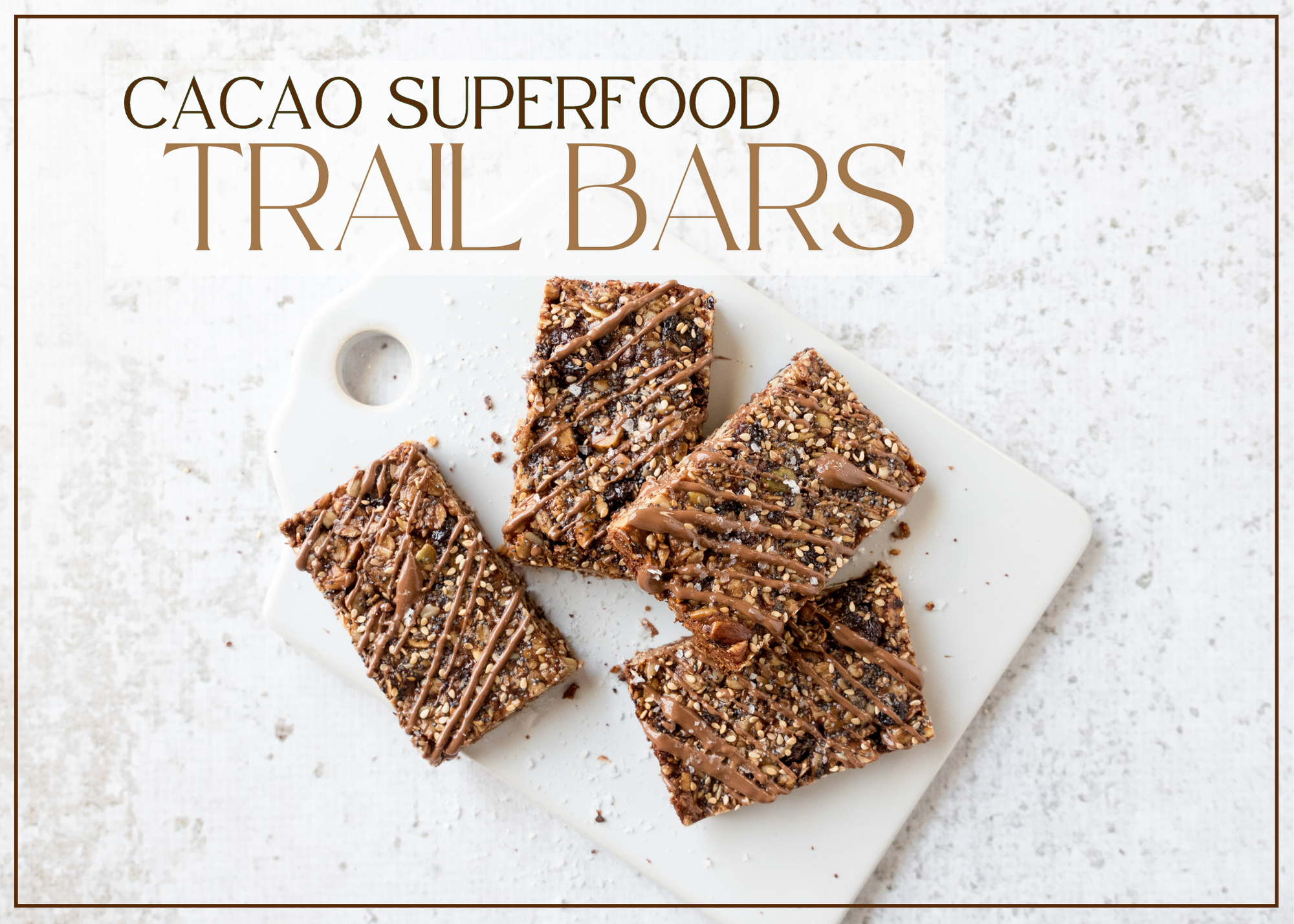
    Whether you’re hitting the trails or embarking on a summer road trip, having a convenient and nutritious snack on hand is a must!

    That’s where these Cacao Superfood Trail Bars come in.

    Packed with all the goodness of trail mix, including nuts, seeds, and dried fruit, these bars are the perfect fuel for any adventure. Plus, they’re super easy to make and can be customized to your liking. One of the best things about these bars is their portability. Simply pack them in a reusable container or wrap them in wax paper for a grab-and-go snack that’s perfect for hiking, camping, or any outdoor activity. And because they’re made with whole ingredients like oats, nuts, and dried fruit, you’ll feel satisfied and energized for hours.

    Not only are these bars convenient and nutritious, but they’re also affordable. Making your own snacks at home is a great way to save money, and these bars can be made in large batches to last you through multiple adventures. You can also get most of the ingredients from the bulk section, so you can avoid the single-use packaging that normally comes with granola bars.

    Next time you’re gearing up for an outdoor adventure, don’t forget to make a batch of Cacao Superfood Trail Bars!


    Cacao Superfood Trail Bars

    If you're looking for a delicious and portable snack that's perfect for your summer adventures, look no further than these Cacao Superfood Trail Bars!
    Servings: 8

    Ingredients
      

    • 1 Cup gluten-free rolled oats
    • 1/2 Cup dry roasted almonds roughly chopped
    • 1/3 Cup cacao nibs
    • 1/4 Cup dry roasted pecans roughly chopped
    • 1/2 Cup roasted sunflower seeds
    • 1/4 Cup hemp seeds
    • 1/4 Cup sesame seeds
    • 1/4 Cup currants
    • 1/2 Cup raw honey or syrup sweetener of choice
    • 1/3 Cup creamy peanut or almond butter
    • 2 Ounces dark chocolate chopped
    • 1/4 Teaspoon olive oil

    Method
     

    1. Preheat oven to 350° F. In a medium-size mixing bowl, combine oats, nuts, cacao nibs, sunflower seeds, hemp seeds, sesame seeds, and currants.
    2. Heat peanut or almond butter and honey or syrup sweetener in a small saucepan and stir until very warm. Pour over oat mixture and stir until well blended and everything is coated.
    3. Line a 9'x9" baking pan with parchment paper. Add mixture to the pan and with wet hands, press mixture flat.
    4. Bake for 15 minutes. Allow bars to cool before removing from the pan. Cut into eight bars and place on a cooling rack.
    5. Fill a medium-sized pot with two inches of water and place a heatproof metal or glass mixing bowl on top. You want it to fit snugly without touching the water. Bring the water to a simmer over medium-low heat. Add the chocolate and olive oil to the bowl and stir until melted and combined.
    6. Drizzle the chocolate over the cooled bars.
    7. Enjoy!

    Recipe Courtesy of INFRA

  • Elderflower Lemon Spritz with Vital Proteins® Lemon Collagen Peptides

    Elderflower Lemon Spritz with Vital Proteins® Lemon Collagen Peptides


    Elderflower Lemon Spritz with Vital Proteins® Lemon Collagen Peptides

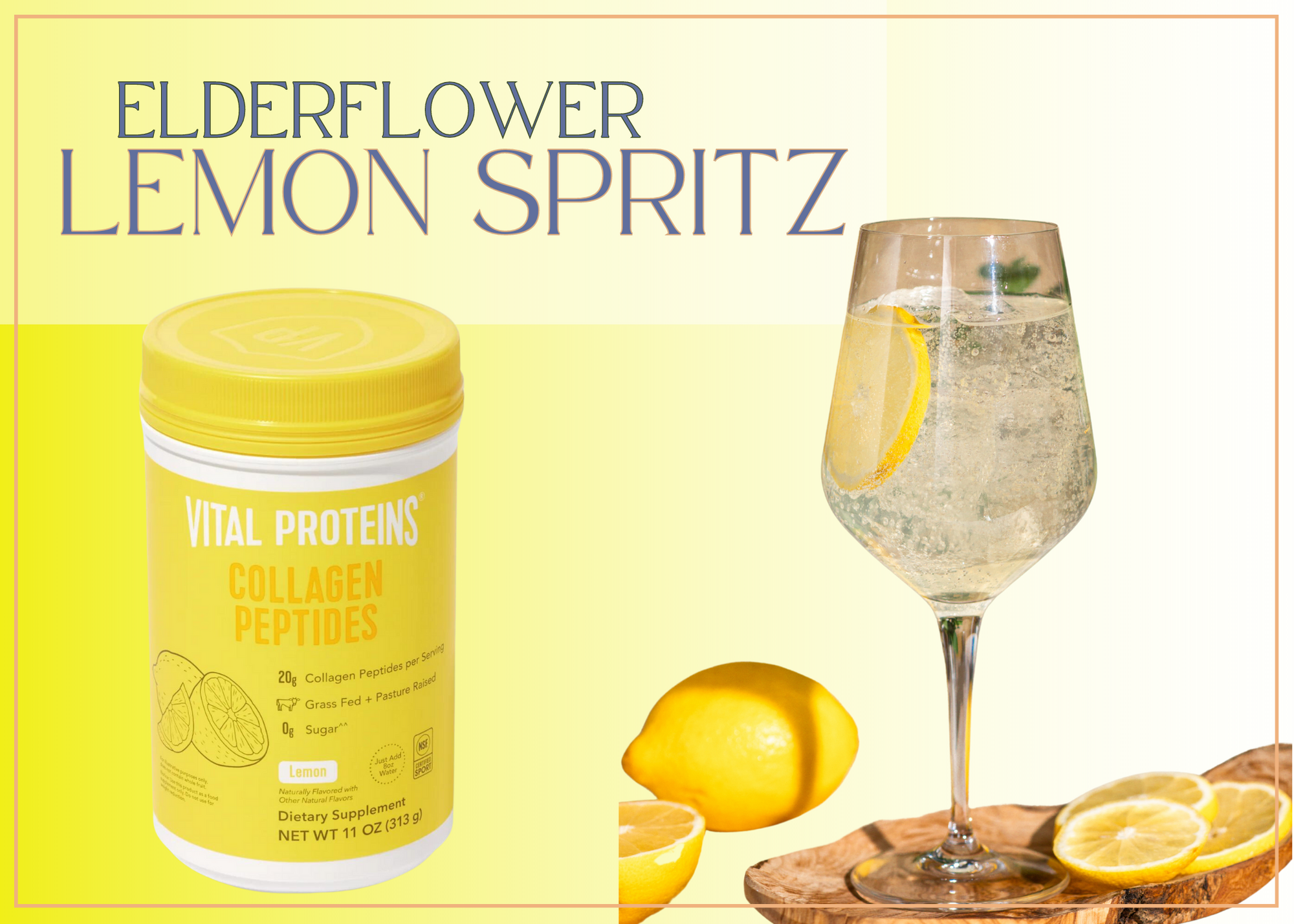
    The Elderflower Spritz is a refreshing pick-me up mocktail for that 3pm slump.

    Everyone has the same number of hours in a day, but sometimes you just don’t feel like using those hours for sleeping. Sometimes you feel like watching one too many episodes of your favorite reality TV show. Made with green tea, lemon juice, mint leaves, and elderflower tonic water, this fizzy and floral drink is the perfect mocktail recipe. 

    But what really sets this mocktail apart is the addition of Vital Proteins® Lemon Collagen Peptides. With just one serving, you can add the collagen that you love with a lemony flavor you’ll love even more.

    Go ahead and indulge in a delicious drink that’s also good for your daily dose of collagen. Make it squeezier.


    Elderflower Lemon Spritz

    A refreshing, relaxing, and nourishing mocktail!
    Servings: 1

    Ingredients
      

    • 1 Serving Vital Proteins® Lemon Collagen Peptides
    • 4 Ounces green tea or water
    • 3 Ounces Elderflower tonic water
    • 2 Ounces Lemon or grapefruit juice
    • Mint leaves or rosemary sprig as a garnish

    Method
     

    1. Add Vital Proteins® Lemon Collagen Peptides, green tea (or water) and lemon (or grapefruit) juice to a glass and mix using a frother or spoon
    2. Add ice
    3. Top with Elderflower tonic water
    4. Add mint leaf or rosemary sprig for garnish
    5. Enjoy!

    Recipe courtesy of Vital Proteins

  • Lemon Blueberry Muffin Mugs with Vital Proteins® Collagen Peptides

    Lemon Blueberry Muffin Mugs with Vital Proteins® Collagen Peptides


    Lemon Blueberry Muffin Mugs with Vital Proteins® Collagen Peptides

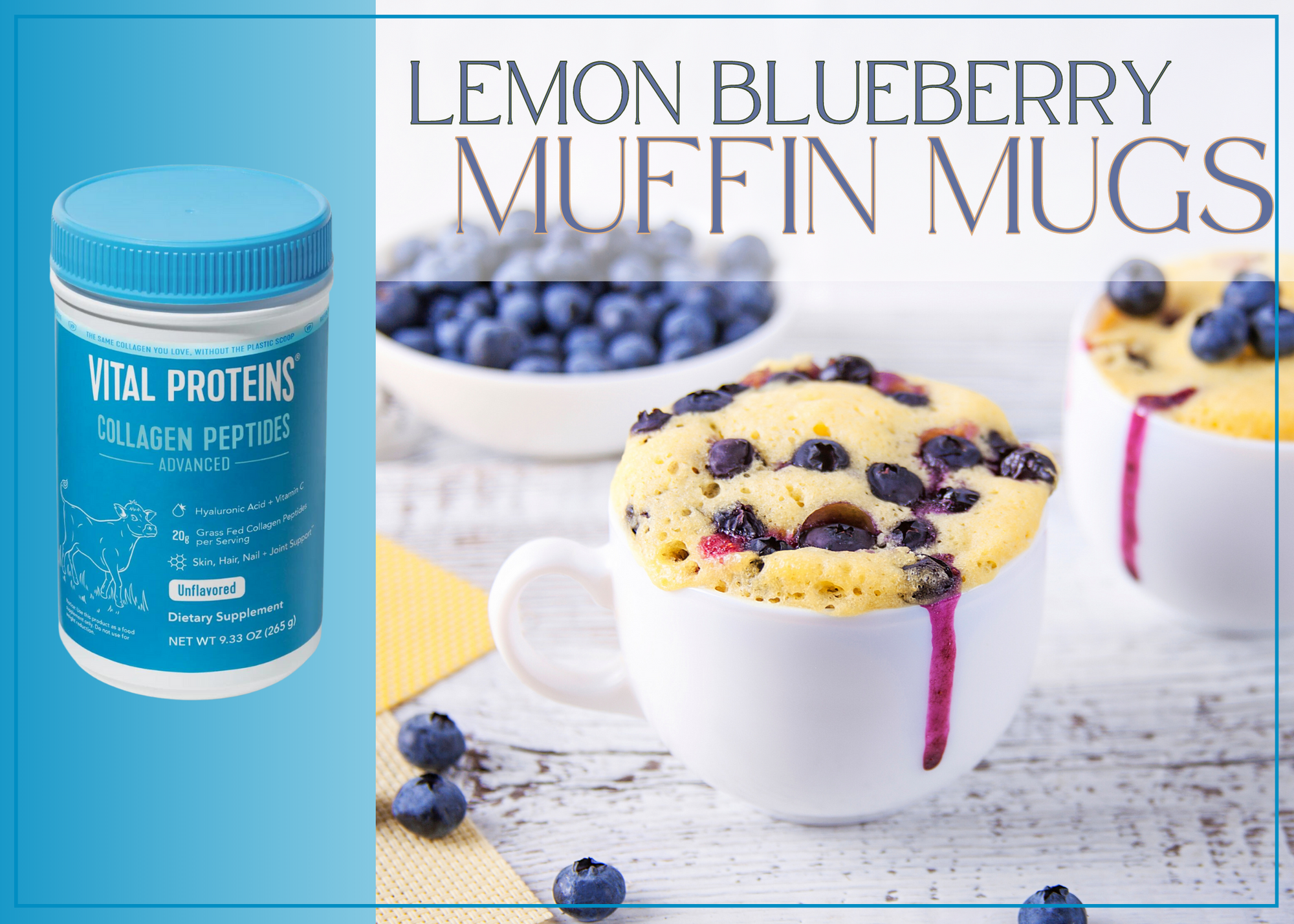
    This Lemon Blueberry Muffin is the perfect dessert when you are looking for something simple and easy to make that will fulfill your sweet cravings.

    Mug recipes are great because there are many different flavors and types you can make, they require minimal time and use just one dish.

    A serving of Vital Proteins® Collagen Peptides is featured in this recipe, which provides 20g collagen peptides per serving and hair, skin, nail, bone and joint health benefits.**

    The blueberries are a perfect touch as they have a sweet, yet neutral flavor that balances out the other ingredients. Topped with a coconut whipped cream, it captures all of the flavors together creating a perfect and sweet treat.


    Lemon Blueberry Muffin Mugs

    A yummy, nutrient-dense treat!
    Servings: 1

    Ingredients
      

    • 1/2 Cup flour gluten free 1:1 flour is used in this recipe
    • 1/2 Teaspoon baking powder
    • 1/2 Teaspoon baking soda
    • 1 Tablespoon cinnamon
    • 1 Serving Vital Proteins® Collagen Peptides
    • 1.5 Tablespoons maple syrup
    • 1 Teaspoon vanilla extract
    • 1/4 Cup almond milk
    • 1/2 Teaspoon lemon rinds grated
    • 1 Tablespoon butter melted or use any oil
    • 1/4 Cup blueberries fresh or frozen
    • coconut whipped cream for topping

    Method
     

    1. In a large mug, combine all of the dry ingredients except blueberries and mix together.
    2. Whisk in the wet ingredients and combine until they form a batter-like consistency.
    3. Add in the blueberries and then place on a plate in the microwave.
    4. Microwave for 2.5–3 minutes, pausing if batter looks like it may overflow. (Pausing will allow it to settle and not make a mess.)
    5. Take out of the microwave and top with coconut whipped cream and blueberries.
    6. Enjoy!

    **These statements have not been evaluated by the Food and Drug Administration. This product is not intended to diagnose, treat, cure, or prevent any disease.


    Recipe courtesy of Vital Proteins

  • Pomegranate “Gin” Fizz Mocktail with Vital Proteins® Marine Collagen Peptides

    Pomegranate “Gin” Fizz Mocktail with Vital Proteins® Marine Collagen Peptides


    Pomegranate “Gin” Fizz Mocktail with Vital Proteins® Marine Collagen Peptides

    A fun, effervescent way to enjoy your summer evenings.

    Filled with pomegranate juice, freshly squeezed lime juice, maple syrup, soda water, with a sprig of rosemary, this mocktail brings in flavors from the garden with a sweet twist. This mocktail is a great alternative when you are looking for something to sip on that is alcohol-free.

    What makes this mocktail toast-worthy, is the Vital Proteins® Marine Collagen Peptides that dissolves so effortlessly into the mixture and provides hair, skin, nail, bone and joint support.**


    Pomegranate “Gin” Fizz Mocktail

    Time to enjoy this delicious and simple Pomegranate Fizz Mocktail!
    Servings: 1

    Ingredients
      

    • 1/2 Cup pomegranate juice
    • 1 Teaspoon maple syrup
    • 1 Cup soda water
    • 1 Serving Vital Proteins® Marine Collagen
    • 1 Sprig rosemary
    • 1 lime wedge/round
    • 1 Tablespoon pomegranate seeds

    Method
     

    1. In a glass, add the lime, maple syrup, pomegranate juice and mix together well.
    2. Next, add the Marine Collagen and mix until it fully dissolves.
    3. Add the soda water to fill the glass.
    4. Top with a lime wedge, pomegranate and a rosemary sprig.
    5. Enjoy!

    **These statements have not been evaluated by the Food and Drug Administration. This product is not intended to diagnose, treat, cure, or prevent any disease.


    Recipe courtesy of Vital Proteins

  • CBD Limeade

    CBD Limeade


    Looking for a delicious and refreshing way to incorporate CBD into your summer routine? Look no further than CBD-infused limeade! This delightful beverage combines the tangy flavors of fresh limes with the potential relaxation benefits of CBD oil or CBD-infused tincture. Whether you’re hosting a summer gathering or simply want a relaxing drink to enjoy on a sunny day, this CBD limeade recipe is a fantastic choice.


    CBD Limeade

    Remember, it's crucial to follow the dosage guidelines provided with your CBD product and consult with a healthcare professional if you have any concerns or questions about using CBD. So, take a sip of this delightful beverage and savor the unique combination of zesty lime flavors and the potential benefits of CBD. Cheers to a refreshing and relaxing experience!
    Prep Time 20 minutes
    Servings: 4

    Ingredients
      

    • 6 Limes
    • 1/2 cup Fresh Lime Juice
    • 4 cups Water
    • 1/2 cup Honey adjust according to taste
    • CBD oil or CBD-infused tincture as per your desired dosage
    • Ice cubes
    • Lime slices for garnish
    • Fresh mint leaves for garnish

    Method
     

    1. Begin by squeezing the juice from 4 to 6 limes, collecting the juice in a pitcher.
    2. Add 4 cups of water to the pitcher along with the fresh lime juice.
    3. Stir in 1/2 cup of honey until it completely dissolves.
    4. Add your preferred dosage of CBD oil or CBD-infused tincture to the pitcher. Start with a small amount and gradually increase until you reach your desired dosage. Make sure to follow the instructions on the CBD product regarding dosage.
    5. Stir the limeade mixture well to ensure that the CBD is evenly distributed throughout.
    6. Take a moment to taste the limeade and adjust the flavor if needed. You can add more lime juice, water, or honey to achieve the desired taste profile.
    7. Fill glasses with ice cubes and pour the CBD-infused limeade over the ice, allowing it to chill.
    8. For an eye-catching presentation, garnish each glass with a lime slice and, if you like, a few fresh mint leaves.
    9. Enjoy!

  • What’s the deal with BCAAs?

    What’s the deal with BCAAs?

    What’s the deal with BCAAs?

    Breaking down the basics of branched-chain amino acids.


    BCAA supplements may be the talk of your gym, but are they all they’re cracked up to be? Before you make any decisions, go back to the BCAA basics. Here are 10 things you should know about BCAAs.


    1. Needed by your body

    Getting their name from their “branched” molecular structure, there are three types of BCAAs: leucine, isoleucine, and valine. This trio makes up three of your body’s nine essential amino acids—called so because your body needs them to function, but can’t produce them on its own.

    2. Found in your food 

    BCAAs are found in protein-rich plant and animal sources. In addition to beef, chicken, fish, eggs, and milk, you can get BCAAs from corn, soy, beans, chickpeas, lentils, whole wheat, brown rice, almonds, cashews, and pumpkin seeds.

    3. Available in supplements 

    If you are eating a balanced diet—especially one with adequate protein—you’re likely already getting enough BCAAs. Still, there are reasons that you may want to add a BCAA supplement to your routine. If you and your health care practitioner determine that a BCAA supplement could provide needed support, you’ll find them most commonly in the form of powders, tablets, or capsules.

    4. Ease muscle soreness 

    BCAAs can aid in reducing the muscle soreness you may feel after a workout.  Known as delayed-onset muscle soreness (DOMS), you may know the feeling best two or three days after a particularly hard workout.  Research has shown that BCAAs, especially when ingested prior to working out, can help suppress DOMS.

    5. Help you exercise longer 

    Studies have found that BCAAs can help enhance athletic performance by reducing exercise fatigue. The reason for this benefit has been linked to BCAAs’ ability to lower serotonin levels and interfere with tryptophan absorption—two chemicals that work to make you feel more tired during your workout.

    6. Protect your liver 

    Studies have shown that BCAAs help protect the liver of those who eat high-fat diets by providing support to gut flora that prevent fat accumulation in the liver. Further, BCAA supplementation has been shown to provide beneficial effects in those with advanced cirrhosis, a severe liver disease.

    7. Prevent muscle wasting 

    Muscle wasting is the reduction in skeletal muscle, which is brought on by a number of causes including disuse. BCAAs can help slow this muscle-wasting process. Separate studies have shown that BCAAs can provide beneficial effects to slow or prevent muscle wasting in a range of cases, including those involving cancer, advanced liver disease, and kidney damage.

    8. Support your well-being

    Adequate intake of BCAAs has been linked to a reduced risk of anxiety and depression, and an improved stress response.  In fact, one study showed that subjects with severe depression showed decreased BCAAs in their systems, suggesting that a low level of BCAAs could play a role in depression symptoms and low energy metabolism.


    Article courtesy of Alive Magazine by Laura Newton