Tag: supplements

  • New insights into immune health

    New insights into immune health

    New insights into immune health

    Pandemic lessons on immunity

    Health has never been a more prominent topic or concern than in the era of COVID. But for all of us, supporting our immune system is the cornerstone of our well-being, whether we’re living in a pandemic or not.

    “Health is defined now by most medical establishments as a state of complete physical, mental, and social well-being and not merely the absence of disease and infirmity,” says naturopathic doctor Brian Davies.

    Immune system redux

    To best support our immune system, it helps to have a sense of how it works. Put simply, its job is to defend against disease-causing microorganisms. It has two main components.

    1. Innate immunity, the immune system we’re born with, consists of physical barriers like our skin as well as cells that attack pathogens that enter the body, responding quickly via effects like fever.
    2. Adaptive immunity is the part of our immune system that learns to react to foreign agents. When it’s exposed to a new germ for the first time, it responds by trying to fight it off; we might get sick, but our immune cells remember the invader and mount a more rapid response when it returns.

    Having a healthy immune system doesn’t mean never getting ill. It’s quite the opposite, in fact. And remember that not all viruses are created equal, as we’ve all learned with SARS-CoV-2, the virus that causes COVID.

    “Having symptoms such as fever, cough, muscle aches, headache, and the like are indications that your immune system is working to fight off infection, not the infection itself,” says Ashley Stapleton, naturopathic doctor. Nevertheless, the global health crisis may have led to a greater awareness of the importance of taking care of ourselves, a wake-up call of sorts.

    Immune system support

    “When looking at key support for general immune health, a healthy lifestyle is a critical part of supporting our immune systems,” Davies says. Some people who should consider modifications to their lifestyle to better support their immune systems are those who

    • eat highly processed foods
    • don’t sleep well
    • are under excessive emotional or physical stress from injury or overexercise
    • consume excessive amounts of alcohol
    • smoke cigarettes

    All of these factors put excess stress on the body, which is known to suppress innate immunity and dysregulate our adaptive immune system.

    Caring for your immune system

    Here are some other approaches to providing your immune system with support.

    • Cut out sugar
    • Avoid alcohol
    • Get plenty of good sleep
    • Reduce stress

    Supplemental immune support

    Always check with your health care practitioner before trying a new supplement. Supplements that may help support your immune system include:

    • Probiotics
    • Vitamin C
    • Vitamin D
    • Zinc

    Article courtesy of Alive Magazine

  • The Joy of Sleep: LifeSeasons helps you get the rest you need!

    The Joy of Sleep: LifeSeasons helps you get the rest you need!

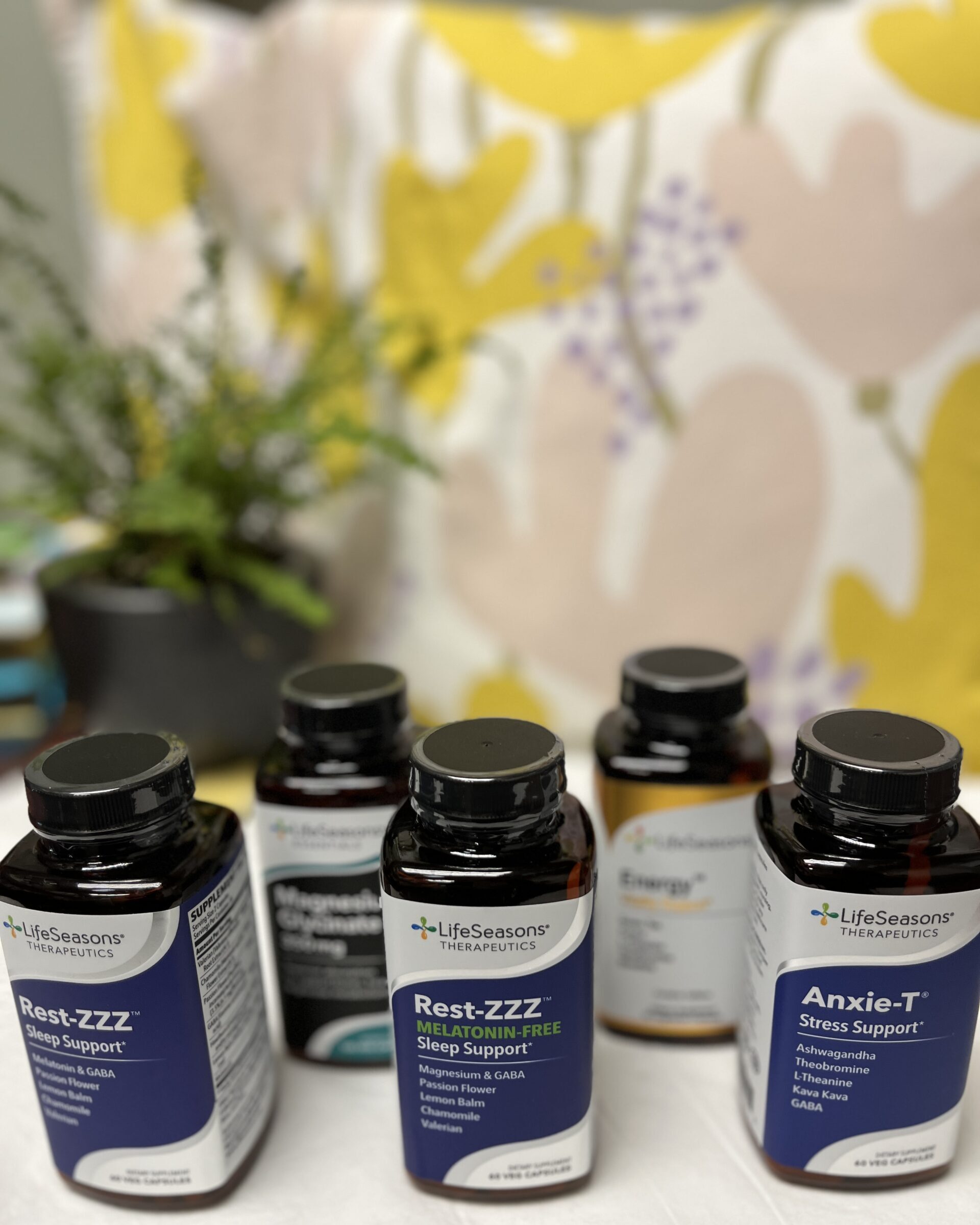
    National Sleep Awareness Week (March 12-18, 2023) highlights commitment to the vital refreshment of a good night’s sleep. Our bodies accomplish a great deal during sleep: bone, muscle, and tissue are repaired; our immune system is strengthened; memories are stored. Our systems slow down overnight, resetting energy levels for a fresh start.

    LifeSeasons offers a studied, full-body range of care, including support for stress, mind, and mood, all conducive to a productive night’s sleep. They also offer supplements that enhance the natural relaxation that leads to restful sleep.

    All LifeSeasons supplements are 25% OFF through March!

    Rest-ZZZ Sleep Support

    Encourage a healthy, restorative night’s rest with some soothing habits: a cool, darkened room, a warm bath, and a break from your screens. Rest-ZZZ can help by calming your nervous system, promoting your natural sleep cycle, and easing muscle tension, restlessness, and nerve-related sleeplessness.

    Rest-ZZZ Melatonin-Free

    Prefer to skip the melatonin? Rest-ZZZ Melatonin-FREE offers sleep support for those unable to tolerate melatonin. Ease yourself into a restful night’s sleep without feeling groggy or “hung over” the next morning.

    Anxie-T

    Stress challenges all our systems and can certainly interfere with the ability to fall asleep. Anxie-T nurtures a relaxed and calm mind by supporting the body’s natural abililty to respond to stress. This is a great way to start your self care stress relief.

    Magnesium Glycinate

    A better you starts with a better mood — create a routine to prioritize staying cool, calm, and collected. Both you and your sleep will benefit! Magnesium Glycinate aids mood and sleep support, while promoting bone and heart health, and helping to maintain normal blood sugar levels.

    Energy

    We all have those days when it’s just hard to get started. LifeSeasons’ Energy helps overcome tiredness and fatigue with a gentle boost to energy and mood. Natural ingredients such as green tea and cacao supply support for circulation and focus without unwanted jitters.

    Resources:

    https://lifeseasons.com/blog/sleep-stages/

    https://lifeseasons.com/product/rest-zzz/

    https://lifeseasons.com/product/rest-zzz-melatonin-free/

    https://lifeseasons.com/product/anxie-t/

    https://lifeseasons.com/product/magnesium-glycinate/

    https://lifeseasons.com/product/energy-natural-caffeine-supplement/

    https://www.instagram.com/lifeseasons/

  • Inflammatory facts about heart health

    Inflammatory facts about heart health

    Inflammatory facts about heart health

    How inflammation affects cardiovascular disease

    When you think of inflammation, you might think of pain. But inflammation is a key contributor to a number of surprising conditions, including cardiovascular disease. Here’s how inflammation works, and what we can do about it.

    How inflammation works

    It is now known that inflammation plays an important role in cardiovascular disease. But how could inflammation be a cause of something that seems as uninflammatory as heart disease?

    According to naturopath and cardiologist Decker Weiss, NMD, FASA, inflammation plays both a general and a specific role. Generally, inflammation contributes to cardiovascular disease because inflammatory conditions such as arthritis, autoimmune diseases, and diabetes increase the risk of developing heart disease.

    Specifically, Weiss says, “… elevated insulin, elevated blood sugar, trans fats, and homocysteine irritate and inflame the endothelium, or the lining of our blood vessels, initiating the process of coronary artery disease.” So, inflammation can both initiate and accelerate heart disease.

    How nutritional heart helpers work

    Think of some of the ways garlic and dark chocolate can help your heart. Inflammation causes endothelial dysfunction, which leads to vascular disease and atherosclerosis.

    Garlic

    may help tamp down inflammation. So, supplementing with garlic could aid in improving endothelial function and vascular elasticity and, thus, play an important role in preventing cardiovascular disease.

    Dark chocolate

    may also help reduce inflammation, and it may also improve endothelial function, improving blood vessel function and dilation enough to seriously reduce the risk of cardiovascular disease.

    Diet, inflammation, and heart disease

    One of the most innovative studies on preventing heart disease started with two things we know—that inflammation causes heart disease and that diet causes inflammation—and asked whether diet could cause heart disease.

    The huge study found that diets that were higher in foods that cause inflammation were associated with a 38 percent higher risk of cardiovascular disease, 46 percent higher risk of coronary heart disease, and 28 percent higher risk of stroke.

    Inflammatory foods included red meat, processed meat, organ meat, refined carbohydrates, and sweetened beverages.

    Anti-inflammatory foods are heart healthy and include leafy green vegetables, dark yellow vegetables, fruit, whole grains, and tea.

    Supplements to consider

    Always check with your health care practitioner before trying out a new supplement. The following supplements have anti-inflammatory properties and may have a positive effect in preventing heart disease:

    • omega-3s
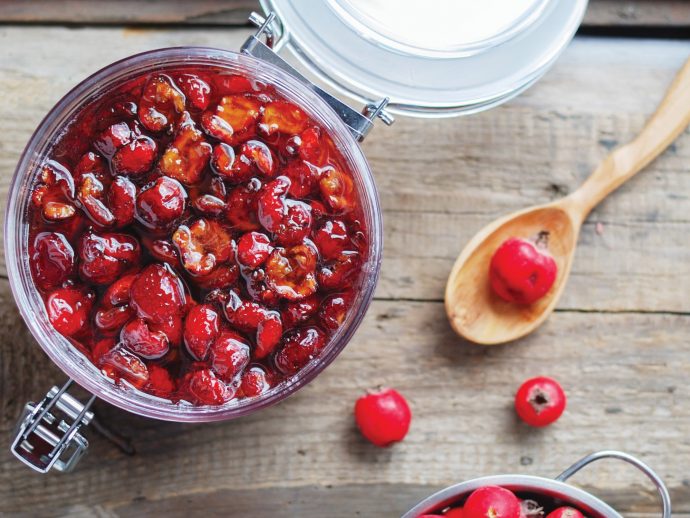
    • hawthorn
    • curcumin
    • ginkgo
    • olive leaf extract
    • pine bark extract
    • grapeseed extract
    • green tea
    • ginger
    • vitamins C and D
    • quercetin

    Foods for heart health

    FoodHeart-health benefitsNutrients
    soymay help significantly lower LDL (bad) cholesterolisoflavones
    nuts and seedsmay contribute to lowering LDL (bad) cholesterol and triglycerides and may help lower the risk of dying from cardiovascular diseasefiber; monounsaturated and polyunsaturated fats
    extra-virgin olive oilcan help reduce the risk of coronary artery disease and improve cholesterolmonounsaturated fats; phenolic compounds
    flaxseedmay help lower blood pressureomega-3 EFAs; lignans

  • How the gut and the lungs are connected

    How the gut and the lungs are connected

    How the gut and the lungs are connected

    What you eat can keep your respiratory health in top shape

    There was a time when we assumed that the gut is for eating and lungs are for breathing. Not long ago, research revealed that they communicate, and that means that your choice of food may help lower your risk of respiratory illnesses.

    What is the gut-lung axis?

    Bacteria get into the lungs from your mouth, from the air you breathe, and from the gut, hence both environmental factors and your gut microbiota will affect respiratory health. Metabolites such as short chain fatty acids (SCFAs) reach the lungs through the lymphatic system and blood circulation. They help reduce inflammation, repair the gut lining, and protect against lung infections.

    Though lungs have fewer bacteria than the gut, they are still a dynamic environment with ability to impact immunity.

    The gut-lung dialogue

    A healthy gut microbiome means better respiratory health and intact mucous layers in the gut and respiratory system. Gut dysbiosis (imbalance), on the other hand, increases the risk of asthma and allergies. Also, chronic respiratory illnesses occur more often in people with irritable bowel syndrome or inflammatory bowel disease.

    Antibiotic treatments, anti-ulcer, and anti-reflux medications affect the gut microbiota and can increase the risk of asthma, allergies, and upper respiratory infections.

    From the lung end, influenza and pneumonia can cause gut dysbiosis and can impact the renewal of intestinal cells.

    Microbiome 101

    Bacteria start colonizing the gut from birth, thriving as they feed on breastmilk prebiotic sugars. Then come solid foods, which further build the gut microbiome.

    Fiber and exposure to dirt help increase the diversity of bugs in our body microbiome, boosting overall health. Because the gut is not an isolated organ, any gut imbalance, or dysbiosis, will affect various parts of the body.

    Dysbiosis can occur at any age and for many reasons: environmental, unhealthy lifestyle, diet, and/or medication. The microbiome tends to become less robust as we age—yet another reason to maintain a fiber-rich diet.

    Supplements for digestive health

    Oral probiotics can reduce the severity of asthma attacks and allergy symptoms in children. They can also improve the gut barrier and reduce inflammation. However, given the multitude of options, consult with a health professional for best suited probiotic supplement.

    Meanwhile, munch on naturally fermented foods such as sauerkraut and kimchi regularly. They contain probiotic bacteria and prebiotics, plus vitamins and minerals formed during fermentation.

    Other supplements that may help include:

    • L-glutamine
    • Vitamin D
    • Vitamin C

    Check with your health care practitioner before taking a new supplement.

    Eating for trillions

    FoodsBenefits for our microbiomes
    legumessoluble and insoluble fiber; resistant starch
    flaxseedssoluble fiber
    chia seedssoluble fiber and mucilage
    fruitsoluble fiber; boosts respiratory health
    berriespolyphenols which impact gut microbiota directly or are metabolized into beneficial compounds
    leafy greenssoluble and insoluble fiber; complex carbohydrates that gut bacteria metabolize into pathogen-fighting compounds
    whole grainssoluble and insoluble fiber, resistant starch, and complex carbohydrates

    Article Provided by Alive Magazine

  • 6 ways to strengthen your natural immunity

    6 ways to strengthen your natural immunity

    6 ways to strengthen your natural immunity

    Simple lifestyle choices to keep you feeling good

    Fighting off germs is busy work for our immune systems, but we can make it easier on ourselves. Discover how small lifestyle choices can keep our immune systems ready for action—and make a big difference in our long-term health.

    According to Lisa Osborne, an assistant microbiology and immunology professor, there are simple things we can do to keep our immune systems strong. They come down to listening to what your mother told you growing up: “Activity, healthy diet, sunlight when you can get it. We know these are critical factors for mental health as well as physical health and supporting immune function,” she says. Osborne also strongly encourages vaccination.

    1. Eat well

    Healthy immunity starts on your plate. Focus on whole grains, fresh produce in an array of colors, and healthy proteins such as nuts and seeds to help your body produce infection-fighting white blood cells.

    2. Get moving

    Regular, moderate physical activity bolsters the immune system and its ability to fight off illnesses, including cold and flu viruses. According to the World Health Organization, adults should aim for 150 to 300 minutes of moderate-intensity aerobic exercise, or 75 to 150 minutes of vigorous aerobic exercise each week, with two sessions of strength training for best overall health.

    3. Get some sleep

    A good rule of thumb is to aim for at least seven hours of sleep each night. If you’re having trouble sleeping, set a consistent schedule, and avoid screens, alcohol, caffeine, and large meals before bed. If worry is keeping you awake, keep a notebook beside your bed to clear your head.

    4. Tackle stress

    Too much stress can disturb your immune response and lower your protection against infectious illnesses. To help lighten the load try meditation, yoga, or any form of movement.

    5. Prioritize your social life

    Perceived social isolation has been linked to impaired immunity and a whole host of other health issues. To combat loneliness, create and maintain meaningful social connections, stay in touch with loved ones, say yes to activities you enjoy, volunteer, or participate in book clubs or community groups.

    6. Consider supplements

    Check with your health care practitioner before taking a new supplement.

    vitamin Cmay help prevent and treat systemic and respiratory infections and help shorten colds
    vitamin Dmay help reduce the incidence of cold and flu, help control infections, and reduce inflammation
    magnesiumplays a key role in keeping the immune system strong
    zinchelps the immune system fight infections and heal wounds
    quercetinhelps stimulate the immune system and possesses antiviral, anti-inflammatory, and anti-allergic properties
    elderberriesmay reduce inflammation, lessen stress, and ease symptoms or reduce duration of cold and flu symptoms
    oil of oreganohas antimicrobial, antiviral, antifungal, antioxidant, and anti-inflammatory properties

    Article Provided by Alive Magazine

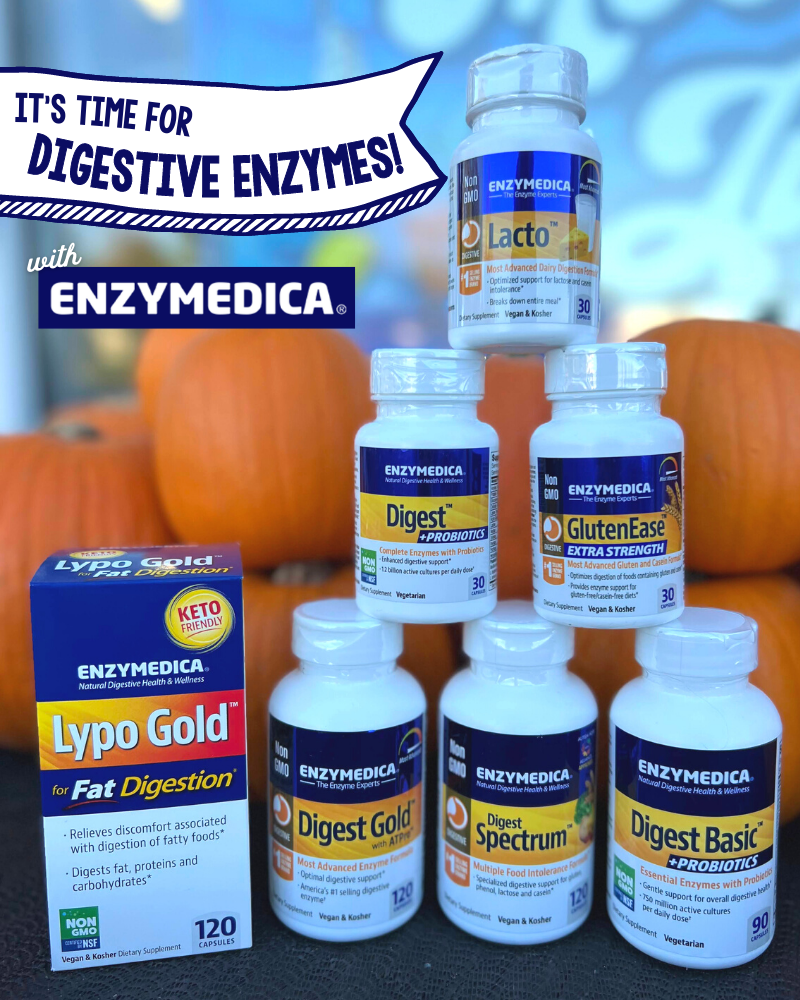
  • It’s Time for Digestive Enzymes!

    It’s Time for Digestive Enzymes!

    It’s Time for Digestive Enzymes!

    Do you experience the following after eating?

    1. Digestive distress

    2. Reduced energy

    3. Irregularity

    Well you’re not alone. Nearly 1 in 3 people in the U.S experience some kind of digestive problem.* And Enzymedica’s digestive enzymes can help!

    What are digestive enzymes?

    Enzymes are the super-efficient worker bees of your digestive system. They facilitate the chemical breakdown of foods, so that your body can send its nutrients off to cells to be converted into usable energy. Different enzymes work on different types of foods, and sometimes your body needs a little extra support making them depending on your diet.

    Take the quiz below to find out which enzyme is right for you!

    (You may need to refresh the webpage for the quiz to pop-up)

    November 2022 SALE – All Enzymedica products are 25% OFF! Sale ends November 30, 2022.

    *These statements have not been evaluated by the Food and Drug Administration. These products are not intended to diagnose, treat, cure or prevent any disease.

    Resources:

    https://www.instagram.com/p/CkQ8BYJJ1XG/

    https://enzymedica.com/blogs/ingredient-science/enzymes-vs-probiotics

    https://enzymedica.com/blogs/digest-this/what-are-digestive-enzymes-and-what-do-they-do

    https://enzymedica.com/collections/all?limit=60

  • Sleep better tonight!

    Sleep better tonight!

    Sleep better tonight!

    Try sound therapy for sleeping

    If you’re looking for a natural way to achieve relaxation and promote sleep, listen up! Sound therapy has been found to relieve stress, pain, and tension and increase spiritual well-being. It can also promote healing by sending you off to a sound snooze.

    What is sound therapy?

    “Sound therapy uses sounds, special instruments, voice and/or music, which are then played for the client in therapeutic ways to achieve certain frequencies and promote holistic well-being,” explains certified sound therapist May Globus.

    In Globus’s view, this therapy is both science and art, developed through the centuries. Sound therapists use instruments and modalities gathered from cultures including from Asia and Egypt, along with Indigenous cultures.

    Instruments used during a sound therapy session might include crystal bowls, gongs, drums, rattles, and tuning forks. Some, like Globus, also use their voice. During a sound therapy session, the client lies down with eyes closed and absorbs the sound frequencies created by the practitioner, says Globus.

    A sound way to improve sleep

    Some research shows that one particular method of sound therapy can prompt the brain to operate at a brainwave pattern that promotes relaxation, lowers anxiety, and makes it easier to fall asleep more easily and more soundly. One small study also found that sound therapy that creates this brainwave state also creates three other chemicals associated with sleep: DHEA, cortisol, and melatonin.

    Globus sees this borne out in practice. When she conducts her routine post-session check-in, most of her clients say they experienced a deep sleep.

    Getting started on sound therapy

    If you’re serious about experiencing sound therapy, Globus believes it’s best to start out by seeing a certified practitioner or by attending a group sound therapy session.

    “That way, you can feel the frequencies and vibrations in your body for an extended period of time,” says Globus. During a session, some people will feel physical sensations, some will see colors, and, for others, memories and scenes will come to mind.

    If you find this experience enjoyable, says Globus, you may want to visit a specialty store that carries sound therapy instruments, such as a sound bowl. Look for the one that resonates with you, suggests Globus. Then, you can make it part of your nightly bedtime ritual.

    Sound therapy is also easily accessible through YouTube. “Amazing practitioners from around the world upload videos of themselves playing bowls and other instruments,” says Globus.

    Supplements to help when you’re tired all the time

    Fatigue can have a wide variety of causes. It can come from conditions such as diabetes or other chronic illnesses or from lifestyle habits such as poor sleep management or stress. Consult your health care practitioner to eliminate any underlying conditions if you’re experiencing long-lasting and unexplained fatigue.

    You may find the following supplements helpful in supporting a stressed and fatigued system.

    • Melatonin
    • Magnesium
    • Valerian root
    • Lavender
    • Passionflower

    Article Provided by Alive Magazine

  • Power Your Immune System with MegaFood

    Power Your Immune System with MegaFood

    Power Your Immune System with MegaFood

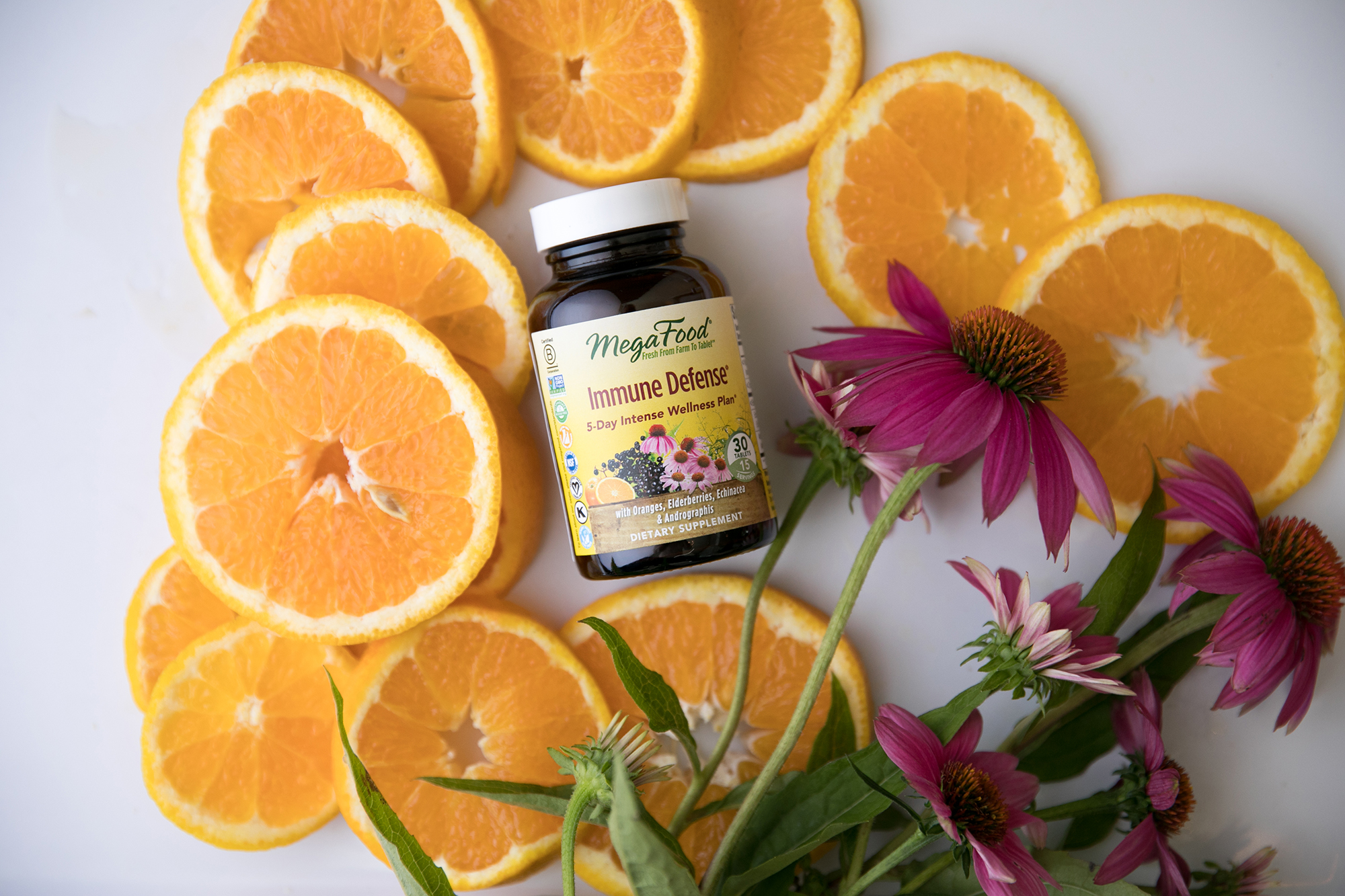
    Looking to power your immune system? Look no further than Immune Defense by MegaFood 🎉 Loaded with Vitamin C, Zinc & Black Elderberry, and herbs like Echinacea and Andrographis – your immune system will be locked and loaded, ready to go! Go ahead and show your immune system some love ❤️

    Immune Defense

    Starting to feel a cold coming on? Take two tablets three times per day for five days to get that immune boost you need!

    AND it checks ALL of the boxes:

    ✔️Powered by Elderberry
    ✔️Made with real food and added nutrients
    ✔️Non-GMO Project Verified
    ✔️Glyphosate residue free certified
    ✔️Gluten free
    ✔️Dairy & Soy free
    ✔️Vegan

    CLICK HERE to order online!

    Blood Builder Liquid Iron

    Did you know their Blood Builder Liquid Iron is clinically shown to:

    ✔️ support overall immune health*
    ✔️ increase iron levels and reduce fatigue*
    ✔️ help maintain healthy red blood cell production*
    ✔️ support optimal iron absorption*

    CLICK HERE to order online!

    OCTOBER 2022 BOGO – With the purchase of ANY MegaFood product, you’ll receive a FREE Blood Builder Liquid Iron supplement!*

    *While supplies last. Promotion ends 10/31/2022.

    *These statements have not been evaluated by the Food and Drug Administration. These products are not intended to diagnose, treat, cure or prevent any disease.

    Resources:

    https://megafood.com/blogs/all/blog-product-edu-acute-defense-immune-system-boost-html?q=acute%20defense

    https://megafood.com/products/blood-builder-liquid-iron-once-daily?_pos=3&_sid=254ff4a57&_ss=r

    https://megafood.com/products/immune-defense?_pos=1&_sid=db72b83f8&_ss=r

    https://megafood.com/blogs/all/blog-product-edu-lets-talk-immune-health-html

    https://megafood.com/blogs/all/blog-elderberry-winter-immune-herb-html

    https://megafood.com/blogs/all/the-health-problems-caused-by-low-iron

  • 7 health benefits of echinacea

    7 health benefits of echinacea

    7 health benefits of echinacea

    There’s more to this herb than meets the eye

    Echinacea isn’t just a pretty purple flower. It has some impressive healing properties. You may already know it helps the common cold—more on that below—but there are a lot of other health benefits of echinacea.

    1. Shortens the common cold

    A lot of people turn to echinacea at the start of a cold and with good reason. Research shows that echinacea possesses chemicals that may help increase the number of white blood cells in your body. White blood cells support your body while you fight off infections. Echinacea is a great immune-boosting supplement to keep on hand when you start to feel under the weather.

    2. Reduces inflammation

    Chronic inflammation may lead to illnesses such as heart disease, cancer, and Alzheimer’s disease. In one small study, participants who were non-responsive to non-steroidal anti-inflammatory drugs experienced reduced pain and anti-inflammatory results using a ginger and echinacea extract.

    3. Helps to reduce respiratory illness after travel

    When we fly, we encounter countless people and their microbes. However, echinacea may act as a defense against the germs we encounter when we travel. In one study, participants were asked to take either echinacea or placebo tablets before and during air travel. The echinacea group reported that they had lower respiratory symptoms compared to the placebo group.

    4. Boosts antioxidants

    When antioxidants are introduced to the body, they can delay or stop the damage from oxidative stress. Certain species of echinacea contain high levels of cichoric acid, which is a powerful antioxidant. By taking echinacea, the boost in free-radical fighting antioxidants may decrease the damage caused by oxidative stress.

    5. Protects against cancer

    In one study, researchers discovered the cichoric acid from Echinacea purpurea extract decreased colon cancer cell activity and eliminated some cancer cells. In another study, echinacea extract caused the death of lung cancer cells. Researchers need to conduct more research on these effects.

    6. Reduces the need for antibiotics

    Bacterial infections linked to ear infections, pneumonia, and sinus infections may require antibiotics. However, if antibiotics are used too frequently, it can lead to antimicrobial resistance and wipe out the “good” bacteria in our bodies. In a search to discover alternative treatments, scientists administered echinacea or vitamin C to a group of children. The children given echinacea were less likely to have respiratory illnesses that could develop into bacterial infections thus reducing the need for antibiotics.

    7. Relieves sore throats

    Although sore throats are often thought to be associated with strep throat, most are caused by viral infections. With a virus, you must wait for it to run its course and find symptom relief in the meantime. As a natural treatment option, echinacea has proven to be effective in relieving the symptoms of sore throats.

    Article Provided by Alive Magazine

  • Co-pilot vitamins

    Co-pilot vitamins

    Co-pilot vitamins

    How vitamin D and vitamin K2 work together

    Vitamin D got our attention for its promising role in immune health in 2020, but it doesn’t work alone. Learn about its lesser-known co-pilot, vitamin K2, and how these two nutrients collaborate for many aspects of health.

    Teamwork

    No nutrient works in isolation. For many aspects of well-being, notably bone and heart health, vitamin D teams up with vitamin K. Some of the same chronic illnesses that predict poor COVID prognosis also happen to be associated with reduced vitamin K status.

    Balancing act

    At the simplest level, vitamin D facilitates calcium absorption, while vitamin K2 directs that calcium toward bones and away from blood vessels. This particular synergy also means K2 may play a role in safeguarding against potential ill effects of excess vitamin D-induced calcium absorption, such as by restoring flexibility to hardened arteries.

    Digging deeper, vitamin D stimulates the production of metabolic proteins that remain essentially inactive until vitamin K2 flips their switch to “on.” Vitamin D encourages the action of bone-building cells, while vitamin K2 reins in the action of bone breakdown cells, a balance central to maintaining bone density. The combination of D and K2 together appear to help make bones both stronger and more flexible.

    This may be especially important for children’s health, since growing bones need vitamin K2 to effectively incorporate calcium into healthy bone architecture.

    Homing in on immune health, both vitamin D and K2 play a role in healthy lung function, with D modulating immune response to respiratory pathogens, while K2 is believed to help protect elastic tissues that give lungs their ability to expand and contract.

    Clearing up vitamin K confusion

    Vitamin K is not a singular vitamin but is actually a small family of vitamins largely represented by the siblings K1 and K2. While it’s rare to be deficient in vitamin K1, researchers believe that inadequate levels of vitamin K2 may be common.

    Vitamin D deficiency is common too. While vitamin D is mostly derived from sun exposure, with fatty fish being one of the very few food sources, so low levels are no mystery. The reasons behind a potential low vitamin K2 status are a little more complex. Some animal-based fare, namely egg yolks and butter, contain a pinch of K2. Certain fermented foods that are underrepresented in the North American diet, such as specific cheeses, are rich in vitamin K2.

    Supporting our immune health

    Many of us are thinking about the big picture of health resilience. Exercise and nutrition are parts of the solution. Topping up with key nutrients may prove inexpensive insurance against health vulnerabilities.

    To be clear, no nutrient has been proven to prevent or treat COVID-19. Clinical trials are ongoing. In the meantime, there’s no downside to making sure we are getting adequate amounts of important nutrients. Check with your health care practitioner for personalized advice.

    Article Provided by Alive Magazine