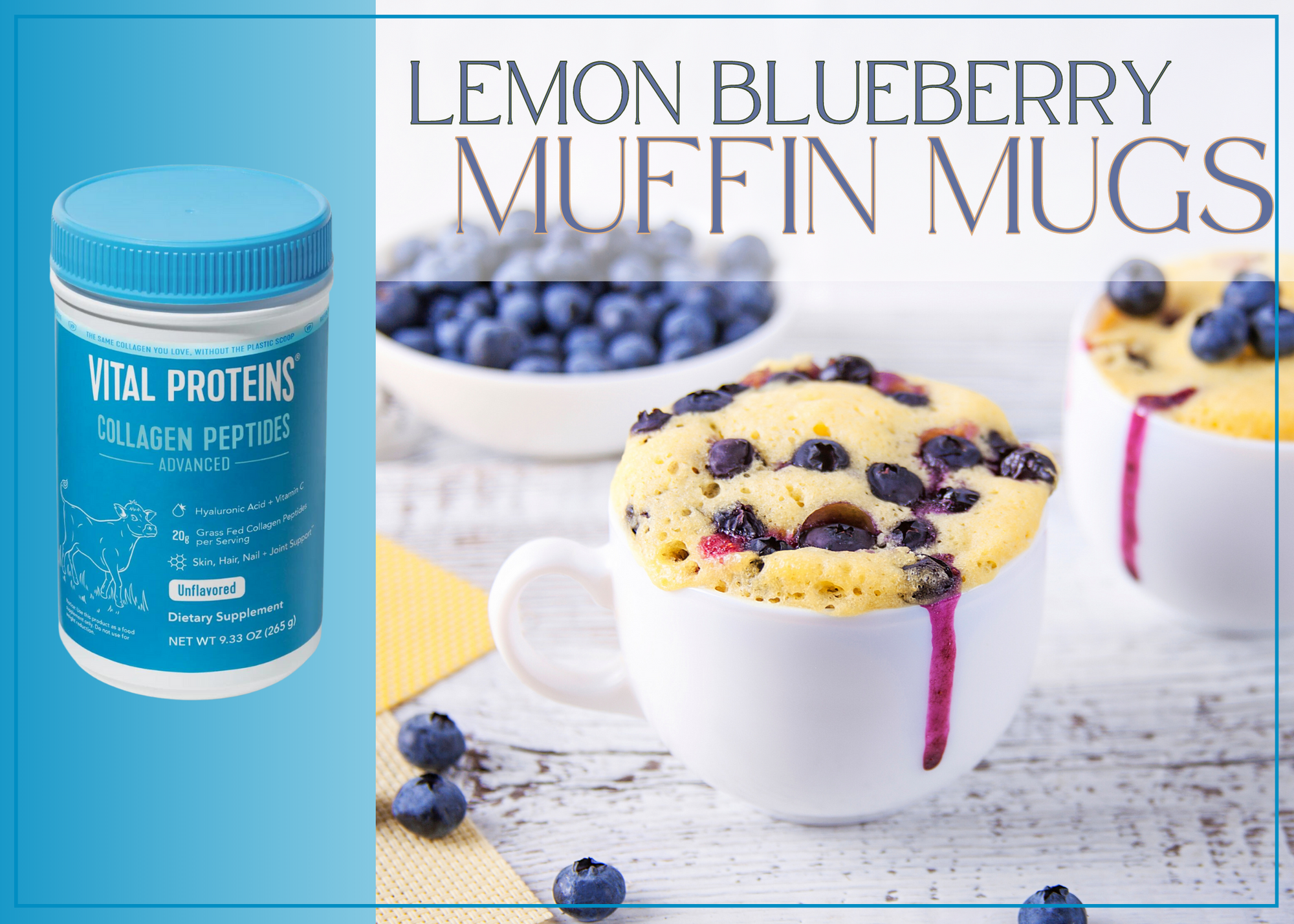
Lemon Blueberry Muffin Mugs with Vital Proteins® Collagen Peptides
This Lemon Blueberry Muffin is the perfect dessert when you are looking for something simple and easy to make that will fulfill your sweet cravings.
Mug recipes are great because there are many different flavors and types you can make, they require minimal time and use just one dish.
A serving of Vital Proteins® Collagen Peptides is featured in this recipe, which provides 20g collagen peptides per serving and hair, skin, nail, bone and joint health benefits.**
The blueberries are a perfect touch as they have a sweet, yet neutral flavor that balances out the other ingredients. Topped with a coconut whipped cream, it captures all of the flavors together creating a perfect and sweet treat.
1/2Cupflourgluten free 1:1 flour is used in this recipe
1/2 Teaspoonbaking powder
1/2Teaspoonbaking soda
1Tablespooncinnamon
1 ServingVital Proteins® Collagen Peptides
1.5Tablespoonsmaple syrup
1Teaspoonvanilla extract
1/4Cupalmond milk
1/2Teaspoonlemon rindsgrated
1Tablespoonbuttermelted or use any oil
1/4Cupblueberriesfresh or frozen
coconut whipped creamfor topping
Method
In a large mug, combine all of the dry ingredients except blueberries and mix together.
Whisk in the wet ingredients and combine until they form a batter-like consistency.
Add in the blueberries and then place on a plate in the microwave.
Microwave for 2.5–3 minutes, pausing if batter looks like it may overflow. (Pausing will allow it to settle and not make a mess.)
Take out of the microwave and top with coconut whipped cream and blueberries.
Enjoy!
**These statements have not been evaluated by the Food and Drug Administration. This product is not intended to diagnose, treat, cure, or prevent any disease.
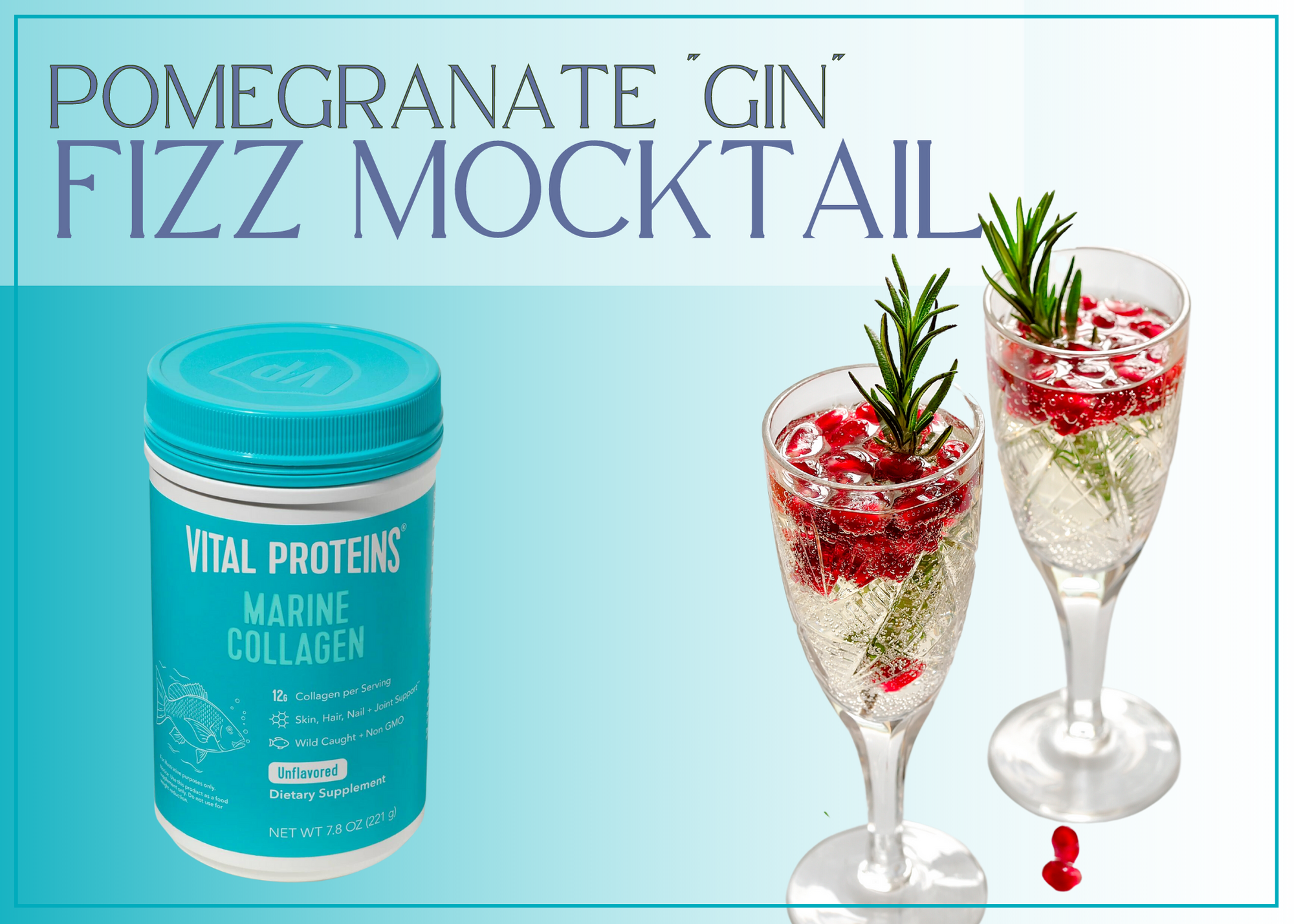
Pomegranate “Gin” Fizz Mocktail with Vital Proteins® Marine Collagen Peptides
A fun, effervescent way to enjoy your summer evenings.
Filled with pomegranate juice, freshly squeezed lime juice, maple syrup, soda water, with a sprig of rosemary, this mocktail brings in flavors from the garden with a sweet twist. This mocktail is a great alternative when you are looking for something to sip on that is alcohol-free.
What makes this mocktail toast-worthy, is the Vital Proteins® Marine Collagen Peptides that dissolves so effortlessly into the mixture and provides hair, skin, nail, bone and joint support.**
Pomegranate “Gin” Fizz Mocktail
Time to enjoy this delicious and simple Pomegranate Fizz Mocktail!
In a glass, add the lime, maple syrup, pomegranate juice and mix together well.
Next, add the Marine Collagen and mix until it fully dissolves.
Add the soda water to fill the glass.
Top with a lime wedge, pomegranate and a rosemary sprig.
Enjoy!
**These statements have not been evaluated by the Food and Drug Administration. This product is not intended to diagnose, treat, cure, or prevent any disease.
Why are some people healthier than others? Yes, your genes play a big role. But there are other determinants of health that have nothing to do with your genetic makeup. Where you live, how you’re educated, and other societal influences are all important factors in our health. Find out more.
Two hypothetical kids
There are significant implications for advantage and disadvantage related to social determinants of health. Look at socioeconomic position, for example: a child born into a higher tax bracket is much more likely to be in a higher tax bracket when they’re older.
Let’s take a look at the life course trajectories of two hypothetical kids. Joe is born into an affluent neighborhood, while John lives in subsidized housing with his six siblings in a single parent home.
Joe’s parents are able to afford organic produce, put Joe into private school, and drive him to and from his various sporting activities throughout his childhood. As a result, Joe gets an excellent education that allows him to attend university, secure a job in a top tax bracket, and enjoy an active social life.
John’s father works double shifts to make ends meet, but the only apartment he can afford has a black mold problem that has given John respiratory issues for years. John’s school is oversubscribed, and he’s falling behind because of sick days. To support the family, John takes a construction job and eventually drops out of high school. Years of manual labor and poor self-care have taken their toll on John, and he lives with chronic pain.
You can imagine that two very different states of health and well-being are being experienced by Joe and John in later life. These differences may not necessarily be due to differences in the individuals, but in the broader social and economic circumstances in which they find themselves.
What next?
To address systemic issues such as the negative impact of social determinants of health, we must look to addressing modifiable aspects of lifestyle at the individual level and systemic inequities at the population level.
Your DNA is not your destiny
Although there are many social determinants of health that you can’t control, focus on the ones that you can control, such as diet, exercise, and social connections.
Pack yourself a healthy lunch.
Go for an evening walk with your partner.
Plan a family gathering.
When you need nutritional help, chat with your health care practitioner. They may recommend certain supplements, such as the following:
Nutritional helper
Benefits
vitamin C
immune health, wound healing, bone health, antioxidant protection
vitamin D
bone health maintenance, decreased risk of cancer mortality, mood stabilization
vitamin B6
red blood cell formation, brain processes and development, immune function, and steroid hormone activity
vitamin B12
brain support, red blood cell genesis support, energy booster
magnesium
muscle repair, neuromuscular facilitation, blood sugar control
zinc
sleep support, digestive support, reproductive organ support
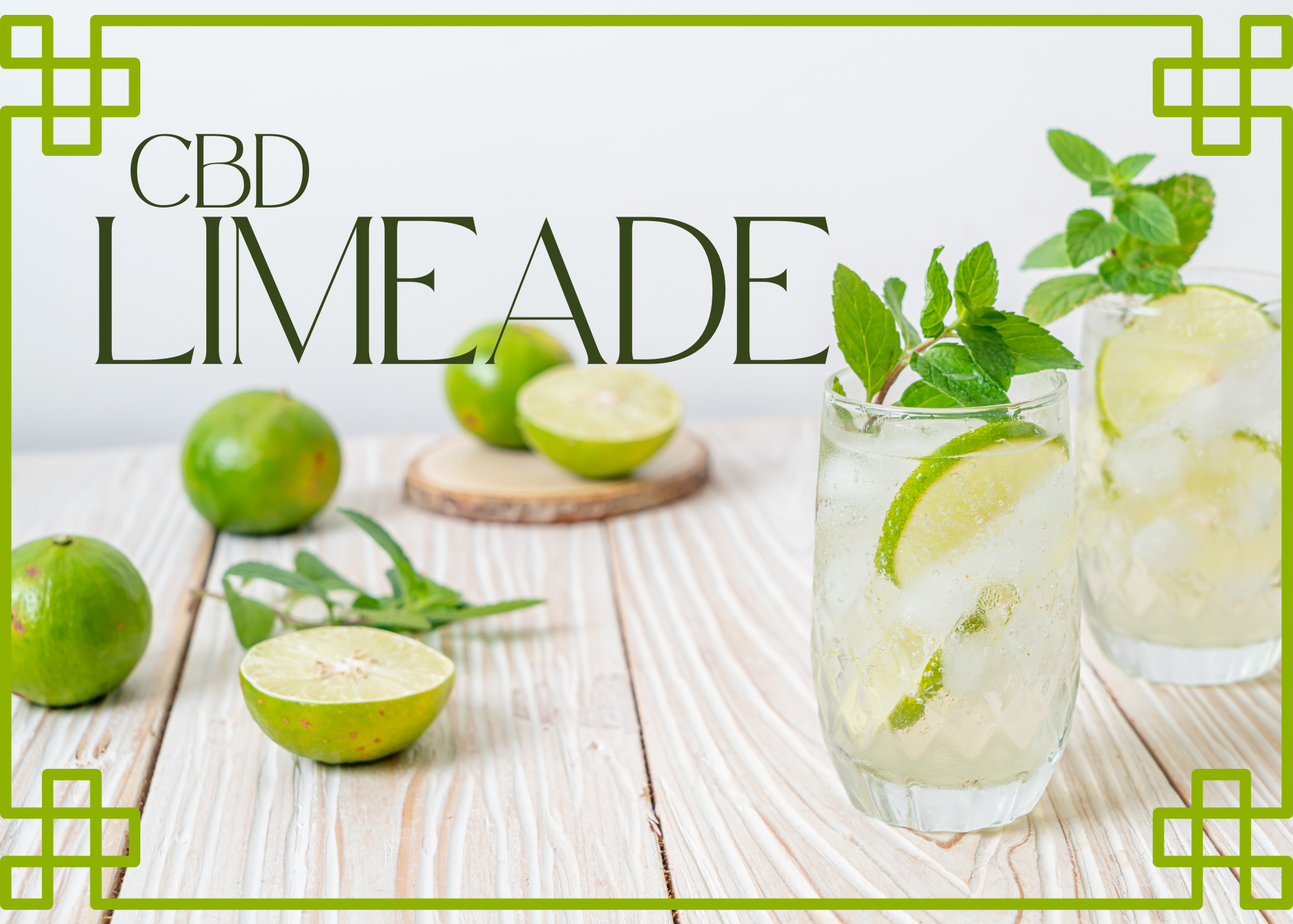
Looking for a delicious and refreshing way to incorporate CBD into your summer routine? Look no further than CBD-infused limeade! This delightful beverage combines the tangy flavors of fresh limes with the potential relaxation benefits of CBD oil or CBD-infused tincture. Whether you’re hosting a summer gathering or simply want a relaxing drink to enjoy on a sunny day, this CBD limeade recipe is a fantastic choice.
CBD Limeade
Remember, it's crucial to follow the dosage guidelines provided with your CBD product and consult with a healthcare professional if you have any concerns or questions about using CBD. So, take a sip of this delightful beverage and savor the unique combination of zesty lime flavors and the potential benefits of CBD. Cheers to a refreshing and relaxing experience!
CBD oil or CBD-infused tinctureas per your desired dosage
Ice cubes
Lime slicesfor garnish
Fresh mint leavesfor garnish
Method
Begin by squeezing the juice from 4 to 6 limes, collecting the juice in a pitcher.
Add 4 cups of water to the pitcher along with the fresh lime juice.
Stir in 1/2 cup of honey until it completely dissolves.
Add your preferred dosage of CBD oil or CBD-infused tincture to the pitcher. Start with a small amount and gradually increase until you reach your desired dosage. Make sure to follow the instructions on the CBD product regarding dosage.
Stir the limeade mixture well to ensure that the CBD is evenly distributed throughout.
Take a moment to taste the limeade and adjust the flavor if needed. You can add more lime juice, water, or honey to achieve the desired taste profile.
Fill glasses with ice cubes and pour the CBD-infused limeade over the ice, allowing it to chill.
For an eye-catching presentation, garnish each glass with a lime slice and, if you like, a few fresh mint leaves.
Breaking down the basics of branched-chain amino acids.
BCAA supplements may be the talk of your gym, but are they all they’re cracked up to be? Before you make any decisions, go back to the BCAA basics. Here are 10 things you should know about BCAAs.
1. Needed by your body
Getting their name from their “branched” molecular structure, there are three types of BCAAs: leucine, isoleucine, and valine. This trio makes up three of your body’s nine essential amino acids—called so because your body needs them to function, but can’t produce them on its own.
2. Found in your food
BCAAs are found in protein-rich plant and animal sources. In addition to beef, chicken, fish, eggs, and milk, you can get BCAAs from corn, soy, beans, chickpeas, lentils, whole wheat, brown rice, almonds, cashews, and pumpkin seeds.
3. Available in supplements
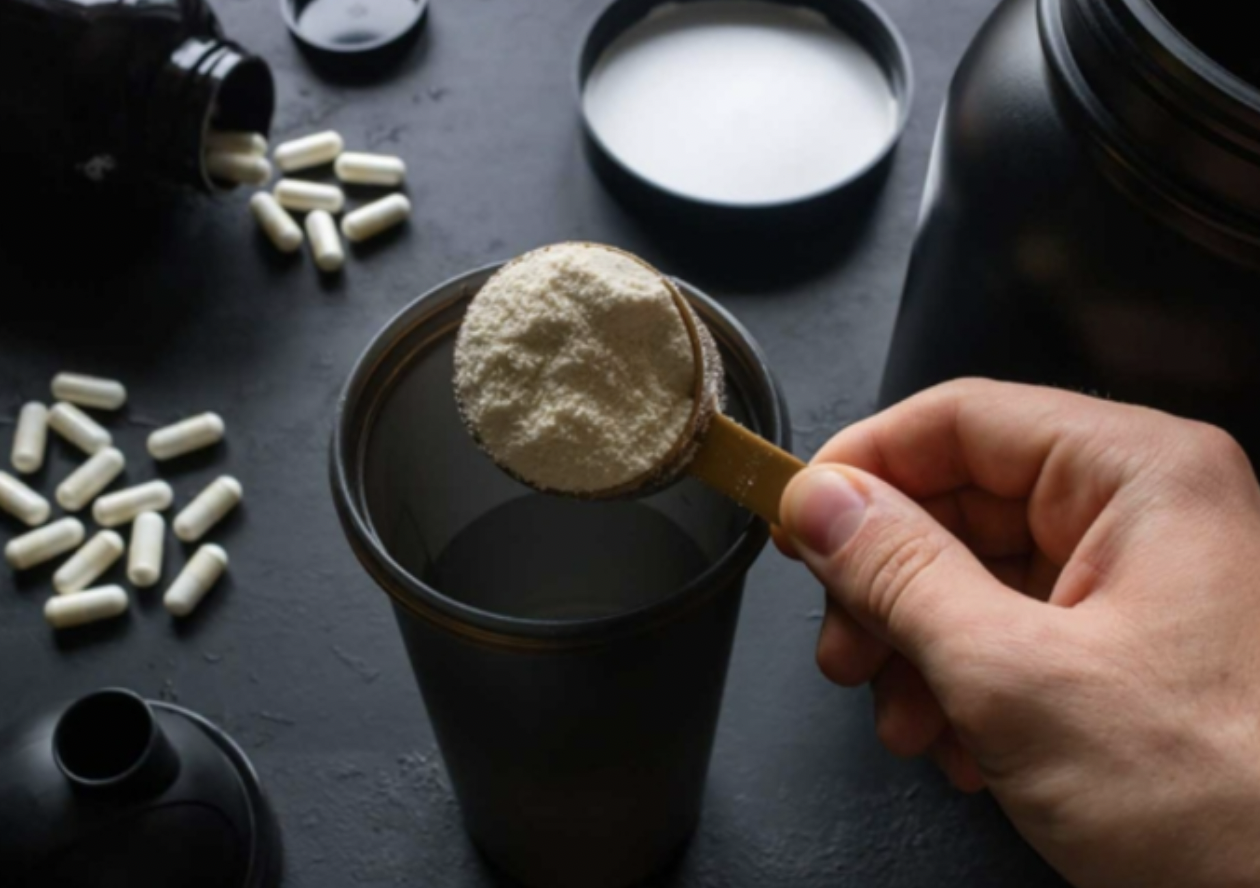
If you are eating a balanced diet—especially one with adequate protein—you’re likely already getting enough BCAAs. Still, there are reasons that you may want to add a BCAA supplement to your routine. If you and your health care practitioner determine that a BCAA supplement could provide needed support, you’ll find them most commonly in the form of powders, tablets, or capsules.
4. Ease muscle soreness
BCAAs can aid in reducing the muscle soreness you may feel after a workout. Known as delayed-onset muscle soreness (DOMS), you may know the feeling best two or three days after a particularly hard workout. Research has shown that BCAAs, especially when ingested prior to working out, can help suppress DOMS.
5. Help you exercise longer
Studies have found that BCAAs can help enhance athletic performance by reducing exercise fatigue. The reason for this benefit has been linked to BCAAs’ ability to lower serotonin levels and interfere with tryptophan absorption—two chemicals that work to make you feel more tired during your workout.
6. Protect your liver
Studies have shown that BCAAs help protect the liver of those who eat high-fat diets by providing support to gut flora that prevent fat accumulation in the liver. Further, BCAA supplementation has been shown to provide beneficial effects in those with advanced cirrhosis, a severe liver disease.
7. Prevent muscle wasting
Muscle wasting is the reduction in skeletal muscle, which is brought on by a number of causes including disuse. BCAAs can help slow this muscle-wasting process. Separate studies have shown that BCAAs can provide beneficial effects to slow or prevent muscle wasting in a range of cases, including those involving cancer, advanced liver disease, and kidney damage.
8. Support your well-being
Adequate intake of BCAAs has been linked to a reduced risk of anxiety and depression, and an improved stress response. In fact, one study showed that subjects with severe depression showed decreased BCAAs in their systems, suggesting that a low level of BCAAs could play a role in depression symptoms and low energy metabolism.
Piling into the car and hitting the open road presents both challenges and delights. When planning your on-the-road menu, choose dishes that pack well or that get better as leftovers. Dig out your cooler and read on—it’s time to hit the road!
Kale and Napa Cabbage Salad with Sumac Pickled Onions
Kale and Napa cabbage stand up for hours to the sweet and puckery dressing, and hearty farro will keep you going while on the road.
In small bowl, combine onion, vinegar, red pepper flakes, maple syrup, sumac, salt, and pepper, and set aside.
In large bowl, add 1 Tbsp olive oil and kale, and massage kale for a few minutes with your hands. Let stand for 20 minutes.
To assemble salad, toss kale, pickled onion dressing, and remaining olive oil with cabbage, mint, dates, and farro. Keep cool or refrigerate for up to 4 hours before enjoying.
Freeze-Ahead Breakfast Wraps
Make these wraps anytime and stick them in the freezer for your next excursion.
For wraps, in large skillet on medium-high, heat 1 Tbsp olive oil, add sweet potatoes, and cook for about 5 to 7 minutes, stirring occasionally. Once sweet potatoes are tender, pour into bowl and add sweet smoked paprika; stir through.
In the same skillet, add 1 Tbsp olive oil, shallots, and red bell pepper and cook on medium-low heat for 2 to 3 minutes, until soft and shallots are translucent. Scrape into bowl with sweet potatoes and add goat cheese and spinach leaves; stir to combine.
Wipe out skillet, add remaining 1 tsp olive oil, and heat on medium. Pour in beaten eggs and stir while cooking until you have a loose custard, approximately 3 minutes. Add vegetables from bowl into skillet and stir through to combine, being careful not to overcook eggs. Remove from heat.
Lay out tortillas, divide egg-vegetable mixture evenly among them, and wrap or roll. Allow to cool completely and pack for freezing.
To make ketchup, rub red bell pepper and tomatoes with olive oil, add to baking dish, then place under oven broiler. Turn pepper, broiling for 5 minutes on each side, until the whole pepper is blackened. Toss tomatoes occasionally and remove them in advance of the pepper if they’re getting too dark. They should be slightly charred. When pepper is black on all sides, remove from oven and place in paper bag to cool. Tomatoes can cool in baking dish.
Meanwhile, in food processor, pulse dates to chop. Once bell pepper is cool, remove and discard skin. In bowl of food processor, place pepper, tomatoes, and remaining ingredients and pulse until you have a sauce with a loose texture. Seal in container and refrigerate or freeze.
When it’s time to cook, thaw wraps and sauce in fridge or cooler for 8 hours or overnight. To cook wraps, warm on medium-hot grill for 5 to 7 minutes each side, until center of wrap is warm.
Vegetable and Cashew Salad Rolls with Peanut Sauce
Veggies and dip are a healthy road trip staple. Take them a step further in this recipe, inspired by Vietnamese-style salad rolls.
24cashewspulsed in food processor to pea-sized pieces
2medium carrotscut into matchsticks
1Cupbaby spinach leavesstems removed
Method
In small bowl, combine peanut butter, rice wine vinegar, sesame oil, and tamari. Add water, a little at a time, and mix slowly with a fork or spoon to gradually loosen the stiff peanut butter mixture. Once sauce is smooth, if you want a looser consistency, add more water, a teaspoon at a time. Once you’re happy with the consistency, add gingerroot, garlic, and red pepper flakes; mix through, and then pack into a sealable container.
To assemble rolls, first set out a clean cutting board for your workspace. Fill a wide, shallow bowl with hot (not boiling) water and, working quickly, soften one wrapper in water and lay it on your cutting board. Place 3 mint leaves and 3 radish slices on wrapper. Add lettuce, fill with cashews, a few slices of broccoli, and a few carrot matchsticks, and finally spinach. Roll tightly and repeat with remaining wrappers until you have 8 rolls.
Pack in a sealable container, keep cold, and eat within 24 hours with spicy peanut sauce.
Menopause is so seldom talked about openly. Aside from some of the most common discomforts, menopause is often shrouded in mystery, and perimenopause even more so. Let’s shine a light on both.
The meaning of menopause
Dr. Caroline Meyer, naturopathic doctor and energy healer, tells us that, in its most technical sense, menopause is the time in a woman’s life following the absence of a menstrual cycle for a minimum of 12 months.
Dr. Jeanne Paul, ND, the first First Nations person to graduate in this profession in Canada, shares this definition with her patients: “[You] are entering the age of becoming a Wise Woman, an Elder-in-training.”
From a medical perspective, says Paul, menopause is when all mature eggs, which have been decreasing since birth, have been used up. At that point, “she will now cease her monthly moons due to decreases in female hormones.”
The “symptoms” of menopause
“Many women experience no negative symptoms with this natural change in life,” assures Meyer. Other women, however, experience such symptoms as insomnia, anxiety, memory loss, depression, weight gain, irritability, fatigue, and, of course, those hot flashes.
Symptoms can, in turn, range in discomfort level from annoying to outright debilitating. Additional common symptoms of menopause include night sweats, a decrease in sexual drive due to vaginal dryness, uncontrolled mood changes, sleep pattern disturbances, bladder infections, and forgetfulness.
The precursor—perimenopause
The time leading up to menopause, perimenopause, is a phase of transition when mature eggs are diminishing and ovulation and menses become irregular. During this time, there is a drop in estrogen levels, and women begin to experience some symptoms resembling menopause. Declining fertility, period irregularity, urinary urgency, memory problems, sleep disruptions, and mood shifts are common.
The transition toolbox
Menopause is not a disease or ailment, but rather a natural, poignant time of life for every woman. Paul says, “Most cultures view menopause as a natural life process, a sociocultural event, and a positive part of a woman’s life.”
Partner support
Supportive partners and family members can have a major impact on a woman’s menopausal experience. Meyer suggests offering “patience and kindness to the women in their lives who are undergoing perimenopause or menopause.”
A time to turn inward
Positively managing stress is essential during the peri/menopausal years. Meyer recommends meditation, regular exercise, prioritizing rest and sleep, doing activities that bring joy, and moderating alcohol. And, she emphasizes that moving into menopause is a time for women to finally focus on themselves.
Natural remedies for menopause
Dr. Caroline Meyer’s suggestions for peri/menopausal symptom relief; however, she urges professional guidance.
As we age, our bodies can’t absorb some nutrients from food as well as they did years ago. Supplements can be beneficial. That’s why we’ve compiled a list of the nine best supplements for women over 40! Remember to consult your health care practitioner before starting any new vitamin regimen.
1. Vitamin B12
Vitamin B12 builds red blood cells and assists in brain function and development. Without it, you may experience low energy levels, memory loss, and nerve damage. It’s estimated that 30 to 50 percent of adults over 50 are B12 deficient.
2. Omega-3s fatty acids
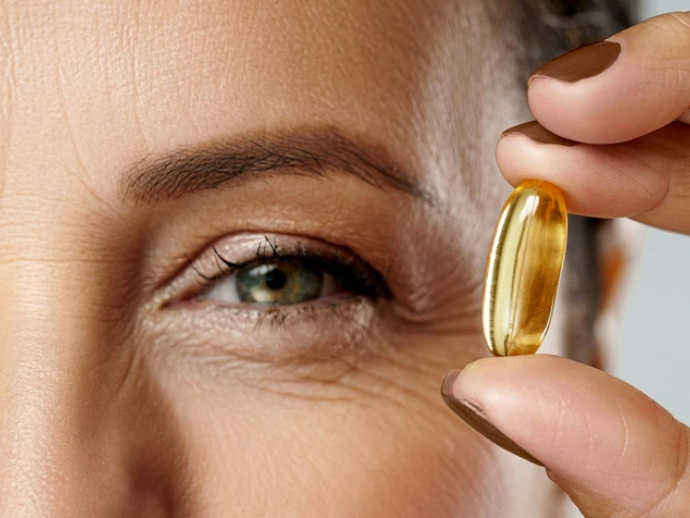
Omega-3 fatty acids support your heart, eyesight, and cognitive function. Studies also suggest they may play a role in preventing cancer. Since omega-3s may protect against age-related conditions, like heart disease and macular degeneration, experts recommend higher intakes of omega-3s for older adults.
3. Calcium
Nearly all the calcium in your body is stored in your bones. When you don’t eat enough of it, your body taps that bone reservoir to fulfill its physiological needs. This could weaken your bones and lead to osteoporosis. In women, estrogen helps the body absorb calcium. However, as you approach menopause, your estrogen levels dip, which results in poor absorption.
4. Vitamin B6
Vitamin B6 supports the body’s nervous and immune system. A deficiency may lead to depression, weakened immunity, and certain skin conditions. As you grow older, your body needs more B6. High levels of B6 have been linked to better memory in aging populations.
5. Potassium
Potassium keeps your bones strong and may reduce the risk of stroke and high blood pressure. It also supports your kidneys, muscles, nerves, and heart. Unfortunately, certain medications and health conditions block the absorption of potassium. If you’re over 40 years old, ask your health care practitioner if you’re getting enough of it.
6. Vitamin D
Vitamin D reduces inflammation, helps the body absorb calcium, and supports the immune system. When women turn 40 and creep closer to menopause, a lack of vitamin D may result in weakened bones and osteoporosis. Because it isn’t found in many foods, and most people aren’t absorbing enough of it from the sun, vitamin D supplements can be beneficial.
7. Probiotics
Good bacteria in your gut keep your immune system in check and aid digestion. If you’re stressed, took a round of antibiotics, or have certain medical conditions, your good gut bacteria could get wiped out. Probiotics help to maintain balance, and as you age, you’ll want to pay close attention to the different strains and their benefits.
8. Zinc
Zinc supports your immune system and metabolism. There’s also evidence that it shortens colds, slows the progression of macular degeneration, and reduces diarrhea. Since zinc is known to support the body in many important ways, it’s an important nutrient to focus on as you age.
9. Magnesium
Magnesium regulates nerve function and helps keep your blood sugar balanced. As you age, a mild magnesium deficit could result in sleep and cognitive disorders. Maintaining normal magnesium levels through the years may help stave off age-related chronic conditions, like heart disease and diabetes.
While women generally have an easier time talking about our health than do our male counterparts, one area in which we lag behind is being open about our digestive issues. Many women have chronic digestive issues that come with us to work and impair productivity, while reducing overall quality of life at home. Feeling stigmatization about digestive issues is associated with decreased access to medical care and greater psychological distress.
Digestive disease in women
Common signs and symptoms of digestive dysfunction include:
nausea
vomiting
trouble swallowing
heartburn
acid reflux
burping
bloating
abdominal pain
gas
constipation
diarrhea
Women are less likely than men to develop gastrointestinal reflux disease (GERD), peptic ulcers, colitis, and gastric cancer. Research shows that estrogen may have a protective role in the development of these particular conditions.
Women, though, draw the short straw with a higher prevalence of irritable bowel syndrome (IBS), celiac disease, and colon cancer than men. Women with IBS tend to experience more abdominal bloating, nausea, constipation, depression, and anxiety than do men with IBS. But some evidence suggests that IBS pain may improve after menopause.
Your digestion on hormones
Since there are receptors for estrogen and progesterone in the gastrointestinal tract, these reproductive hormones have a bearing on digestion.
For premenopausal women, the follicular phase of the menstrual cycle begins with the first day of menstrual flow and ends with ovulation. This phase is marked by high levels of estrogen. Research suggests that motility of the gastrointestinal organs is decreased among women during this time, which could contribute to constipation.
The luteal phase of the menstrual cycle begins with ovulation and ends with the onset of menstrual flow. In this phase, estrogen and progesterone levels are low. It’s common to experience loose stools during this phase.
During menstruation, diarrhea is the most commonly reported digestive symptom.
Pregnancy is supported by high progesterone, which tends to slow down gastrointestinal motility. This may contribute to pregnancy-related constipation, reflux, and biliary dysfunction.
Food: Friend or foe?
For most people, fiber-rich foods (oats, asparagus, legumes), and probiotic-rich foods (sauerkraut, kimchi, plain yogurt) are helpful for a happy tummy. But these very foods can sometimes aggravate digestive distress, and this is when it can be helpful to consider small intestinal bacterial overgrowth (SIBO), FODMAP intolerance (FODMAPs are specific carbohydrate molecules in some foods), and food sensitivities as underlying contributors to your symptoms.
Along with your health care practitioner, develop a diet plan that works for you. Supplements may also help, which should be taken with supervision. Examples that may help digestion include:
As the body’s largest organ, skin’s primary role is to maintain a healthy barrier between you and potential harm from the elements, including sun and rain, bacteria and germs, and stress. But are you protecting this important ally of your immune system?
Skin: A complex system of protection
The skin comprises three major divisions or layers, including the epidermis, the dermis, and the hypodermis.
Epidermis
This layer of your skin is the part you can see and touch. Despite the fact that it can be about as thin as tissue paper, the epidermis itself contains five sublayers. The uppermost sublayer is the stratum corneum, and it’s the first line of immune defense.
Dermis
Skin’s middle layer, or dermis, houses collagen that gives your skin strength as well as elastin that provides flexibility. Nerves located here keep you safe by triggering pain or letting you know, for example, when your hand is too close to the stove.
Hair follicles are rooted in the dermis, as well as oil and sweat glands. They play critical roles in your immune defense. Oil, for example, may help to seal hair follicles so that unfriendly microbes can’t enter deeper layers of the skin. It also helps repel water. Sweat helps you maintain a healthy body temperature.
Hypodermis
The hypodermis (also known as the subcutis or subcutaneous layer) is the deepest skin layer and consists primarily of connective tissue and fatty tissue. This layer allows skin to move smoothly over tissue and muscle and to act as a shock absorber. The hypodermis also insulates your body to protect you from the cold.
Skin’s microbiome
Given its extensive surface area, skin provides room and board to millions of bacteria. This adds an extra layer of protection, as these bacteria help prevent colonization and invasion by pathogenic microbes.
Barrier breakdown
Despite various skin fortifications, barrier function can be compromised—and it might start with simple water loss. H2O deficiency is associated with skin dysfunction, including atopic dermatitis and skin wrinkling. To keep skin healthy, you want to drink plenty of water and minimize transepidermal water loss or the moisture lost from skin cells through evaporation.
There are a lot of things working against that goal, such as stress and pollution. Certain topicals can also cause a breakdown in barrier function. Common foaming agents such as sodium lauryl sulphate and sodium laureth sulphate can strip away valuable moisture and cause skin irritation. Alcohols such as isopropyl alcohol, propanol, and benzyl alcohol may also rob your skin of moisture.
To lock in moisture, look for skincare helpers that mimic the natural lipids found in your skin. Borage, carrot, and evening primrose oil are rich in fatty acids. Try camelina oil, which is high in vitamin E and a rare plant source of omega-3 fats.