The oven won’t be the only thing heating up this weekend! These stuffed jalapeño poppers are the perfect combination of easy and fancy. Don’t let the puff pastry scare you. Creamy, cheesy, and wrapped up like a nice package, these poppers will be equally at home during halftime or a party spread.
Preheat oven to 400°F. Halve jalapeño peppers and remove seeds and pith.
In a medium bowl, combine cream cheese, Monterey jack cheese, Parmesan cheese, scallions, and salt.
Fill jalapeños with cheese mixture and smooth off the top. Set aside.
Lay out puff pastry and brush with beaten egg then sprinkle with poppy seeds. Cut pastry into ¼ inch strips, then wrap strips of pastry around jalapeños in a crisscross pattern.
Place assembled peppers on a parchment lined baking sheet and bake for 20–30 minutes or until puff pastry is golden in color. Serve with barbecue sauce.
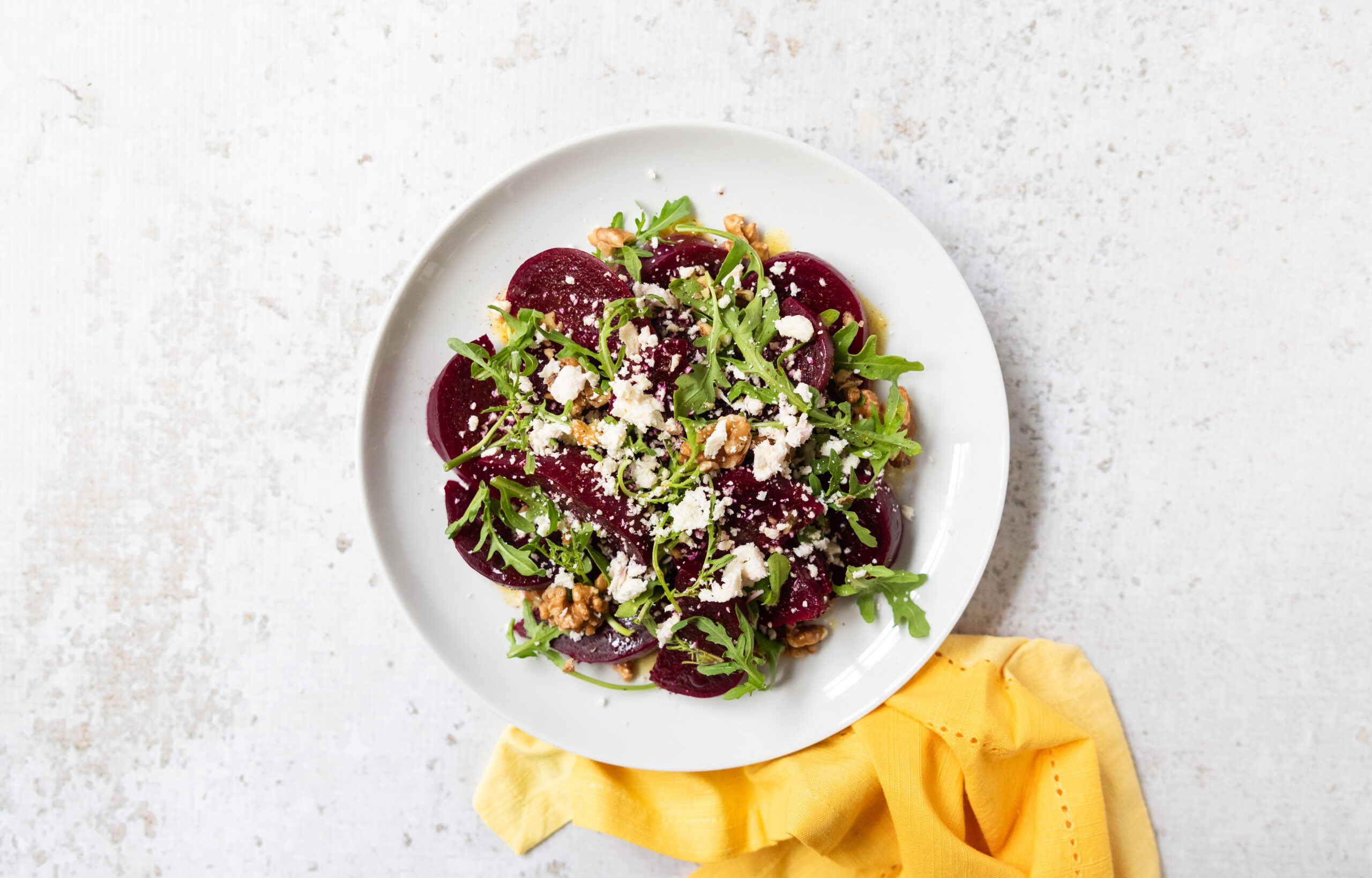
Tender beets can stand up to strong flavors like curry in this colorful fall salad. For a shortcut, opt for pre-steamed beets for a stunning salad in no time!
Opt for a seasonal goat cheese with cranberry flavor for an ideal pairing in this recipe.
Servings 2
Ingredients
2poundsred beets
2ozbaby arugula
½cupwalnutstoasted
½cupcrumbled feta or 2 ounces herbed goat cheesecrumbled
⅓cupavocado oil
3tbsprice vinegar
1tbsphoney
½tbspcurry powder
¼tspsea salt
Instructions
Preheat oven to 350°F. Place whole beets in a deep baking dish and cover with water. Cover and bake for 2–4 hours or until beets are knife tender, depending on the size of the beets.
When beets are tender, drain and submerge in cold water. Remove skins and set aside to cool completely.
To prepare salad, chop beets and place in a mixing bowl. Add arugula, walnuts, and feta or goat cheese. Whisk together avocado oil, rice vinegar, honey, curry powder, and salt. Pour over salad and toss. Adjust seasoning to taste and serve.
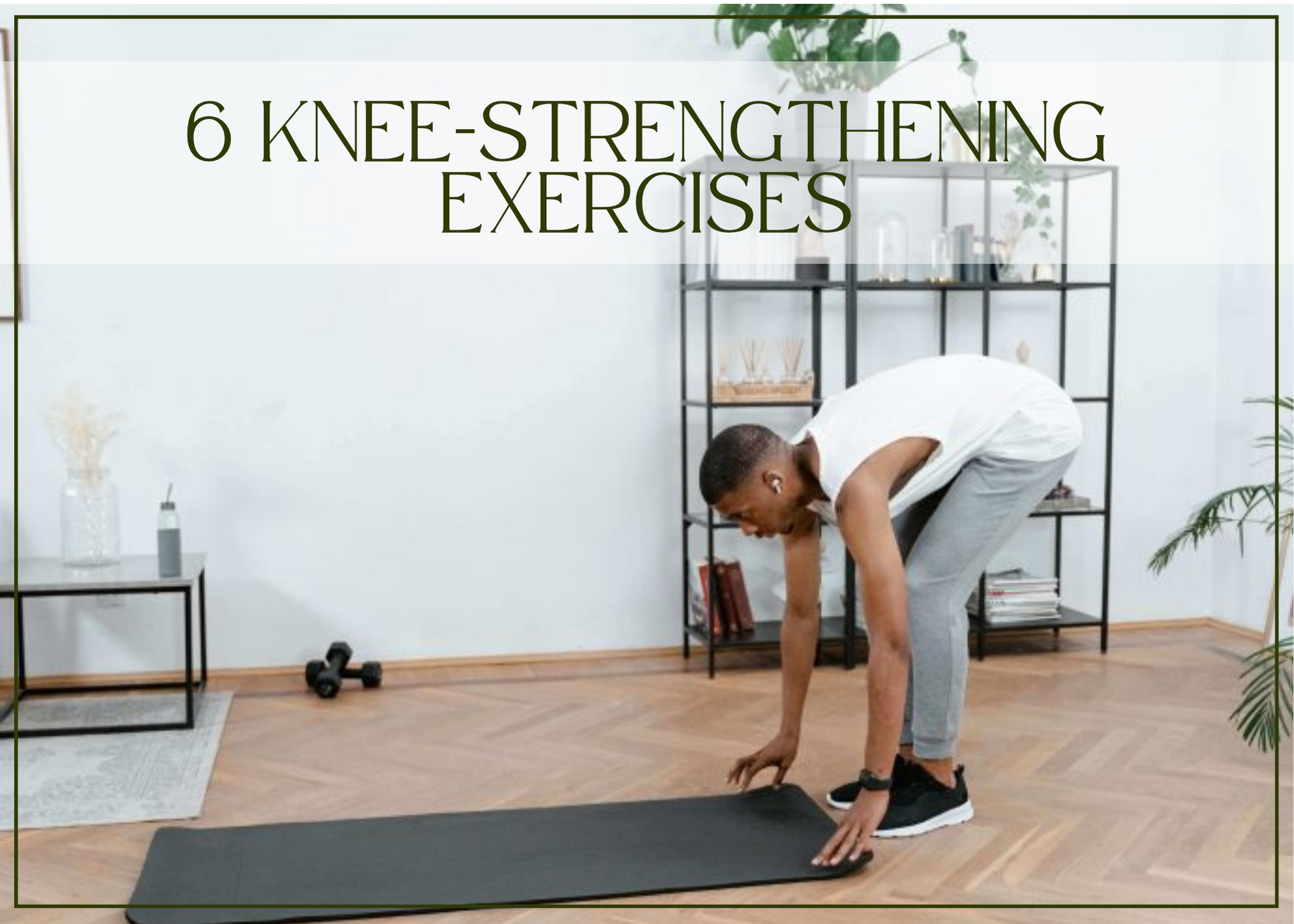
We use our knees to walk, run, jump, sit, stand, and climb. As a result, it’s one of the easiest body parts to injure. Luckily, there are several knee-strengthening exercises to curb pain and prevent injury. Remember to check with your doctor before performing these exercises.
Bodyweight squat
Stand up straight with your legs hip-width apart. Shift your weight to your heels. Bend at your knees as if you’re sitting in a chair while shifting your torso forward to maintain balance. Lower yourself down only until your heels slightly lift off the floor. Using your thigh muscles, lift yourself back to the starting position. Perform this exercise five to eight times.
Standing quadriceps stretch
You should feel this stretch in the front of your thigh. Hold onto a wall or chair for extra support. Stand with your legs hip-width apart. Bend your left knee. With your left hand, grasp your left ankle and pull your heel toward your buttock. Hold this stretch for 30 to 60 seconds. Repeat two or three times. Perform this exercise on your right side.
Glute bridge
Lie on your back with your legs hip-width apart, knees bent, and feet flat on the floor. Keep your abdominal muscles strong. As you exhale, use your glutes to slowly lift your hips a few inches off the ground. Do not overarch your back. Inhale as you lower your hips down to the ground. Repeat this exercise eight times.
Supine hamstring stretch
Lie with your back flat against the floor with both knees bent and feet flat on the ground. Bring your right knee to your chest. Extend your right leg straight toward the ceiling until you feel a stretch behind your knee. With both hands, grab either your leg or thigh depending on your comfort level. Hold this position for 30 to 60 seconds. Repeat two to three times. Perform this stretch on your left leg.
Calf raises
You will need a chair to maintain balance. Stand straight with your feet hip-width apart. Hold onto the back of a chair for support. Lift your left foot off the floor. Raise your right heel so you’re standing on your tiptoes. Lower your heel back down. Repeat two sets of 10. Perform exercise on your left leg.
Leg extensions
Sit in a chair with both feet flat on the ground. Make sure you keep your back straight and abdominal muscles contracted. Raise your right leg until your leg is in a straight line from thigh to foot. Hold this position for five seconds. Return your leg to the starting position. Perform three sets of 10. Repeat on your left leg.
Finding new ways to reinvent and reuse leftover ingredients to create simple and delicious meals is a perfect way to save time while still eating healthy during the busy back-to-school season. Less time, with less mess, means less stress!
Chicken Fajita and White Bean Soup Fajita inspired, colorful, and full of flavor, this soup quickly turns leftover chicken into a nourishing and hearty meal. Pair with a fresh crusty loaf of bread.
2 cups (500 mL) cooked chicken breast, shredded or diced
Salt and pepper, to taste
1 avocado, skin and pit removed, diced
In large soup pot, heat olive oil over medium and saute onion until translucent. Add garlic and saute a further minute before adding bell peppers. Saute all until peppers are soft but colors remain vibrant.
Remove 1 cup (250 mL) bell pepper and onion mixture from soup pot and set aside. Add cumin, oregano, coriander, and paprika, and stir well before adding broth and 2 cups (500 mL) beans.
With immersion blender, blend mixture in soup pot until smooth. Alternatively, ladle soup pot contents into blender; blend until smooth and return to soup pot. Add chicken, remaining 2 cups (500 mL) beans, and reserved bell pepper and onion mixture, and bring to a slow boil on medium heat. Add salt and pepper to taste and ladle into serving bowls. Top with diced avocado.
Serves 6
Each serving contains: 419 calories; 43 g protein; 13 g total fat (3 g sat. fat); 34 g total carbohydrates (3 g sugars, 18 g fiber); 594 mg sodium
Lentil and Shiitake Mushroom Potato Bake A plant-based spinoff of shepherd’s pie makes an ideal use for those surplus starches. It’s a satisfying comfort meal packed with nutrition and perfect for any cool-weather dinner.
In small bowl, make a slurry by whisking 3 Tbsp (45 mL) flour into 3 Tbsp (45 mL) mushroom broth. Set aside.
In large saucepan, heat olive oil over medium and saute onion until translucent. Add garlic, celery, mushrooms, rosemary, and 1/2 cup (125 mL) mushroom broth, and continue sauteing until mushrooms and celery are soft. Add lentils and 3 cups (850 mL) broth to mushroom mixture and bring to a simmering boil.
While stirring continuously, slowly add slurry to lentil mixture and return to a simmering boil; allow mixture to thicken and reduce. Add salt and pepper, to taste.
Transfer lentil and mushroom mixture to 9 x 13 in (23 x 33 cm) casserole dish and top evenly with a layer of mashed potatoes.
Place casserole dish in preheated oven with large baking sheet on the oven rack below it; bake, uncovered, for 20 to 25 minutes.
Serves 8
Each serving contains: 231 calories; 9 g protein; 4 g total fat (1 g sat. fat); 41 g total carbohydrates (2 g sugars, 5 g fiber); 355 mg sodium
Mediterranean Veggie Frittata with Basil Goat Cheese A bounty of grilled vegetables melds Mediterranean flavors with creamy goat cheese in a simple and tasty egg dish. Pair with a green salad.
4 tsp (20 mL) dried basil
3/4 cup (180 mL) goat cheese
1 Tbsp (15 mL) avocado oil
2 cups (500 mL) mix of bite-sized grilled zucchini, red bell peppers, yellow bell peppers, and red onion
8 large eggs
1/3 cup (80 mL) unsweetened, unflavored cashew milk, or whole milk
1/4 tsp (1 mL) salt
1/8 tsp (0.5 mL) ground pepper
Preheat oven to 425 F (220 C).
In small bowl, toss basil and goat cheese together and set aside.
In deep 9 in (13 cm) cast iron or ovenproof skillet, heat avocado oil over medium, coating bottom and sides. Add vegetables, then lightly saute until warmed through and colors remain vibrant. In skillet base, spread vegetables around, spacing evenly, before adding egg mixture.
While vegetables are warming up, in medium bowl, whisk eggs, milk, salt, and pepper together. Pour egg mixture slowly into skillet and cook on stovetop, without stirring, for 3 minutes.
To top of cooking egg mixture, add goat cheese evenly. Carefully remove skillet from stovetop and place in oven for 10 to 15 minutes, until eggs are set in the middle and top is beginning to brown. With an oven mitt, remove skillet from oven, loosen edges of frittata with spatula, divide, and serve!
Serves 6
Each serving contains: 196 calories; 15 g protein; 14 g total fat (7 g sat. fat); 4 g total carbohydrates (3 g sugars, 1 g fiber); 306 mg sodium
Simple ways to build and nurture social connection
Humans are wired for connection. So much so, in fact, that we tend to live longer and healthier lives when we have strong relationships with others. Here’s how to build and nurture social connection, reclaiming the powerful benefits of togetherness.
Find everyday opportunities to model positive socialization Say hello to others on the street or open the door for the person behind you. Engage in active listening. Put away your phone, avoid interrupting, and give your full attention to the speaker (including when that speaker is a child!). Emphasize quality over quantity. Reflect on how appreciative you were for a close friend who dropped by for a visit (versus how many likes your most recent post got on Instagram).
Help your kids if they struggle with social anxiety Work together to uncover the situations (going to a sleepover), thoughts (“Everybody will laugh at me if I say something wrong”), and physical sensations (stomach butterflies or racing heart) that accompany anxiety. Learn coping strategies. Practise mindfulness and relaxation strategies to help your child “ride out” the physical sensations of anxiety. Strategize ways in which your child could cope if their “worst case scenario” happened, focusing on the things they can control (“If you said something embarrassing, what could you do next?”). Balance thinking. Help your child evaluate how realistic their thoughts are (“Will everyone really laugh at you if you make a mistake, or does it just feel that way?”).
Choose more green, less screen Once a day, spend at least 20 minutes unplugged outside (such as playing in the backyard or taking a walk around the block). Once a week, plan a nature-based family activity (such as a picnic in the park, hiking a nature trail, or digging a garden patch). Ditch the guilt. It’s the last thing busy parents need. Instead of ruminating on the extra TV time your kids had today, focus on the half-hour you spent watering the flowers together outside. Use screens when needed. As anyone who’s been separated from loved ones knows, FaceTime can be a meaningful way to keep in touch. Where possible, socializing virtually should enhance—not replace—in-person connection.
Whether you work from home or at the office, you shouldn’t sit in a way that leaves you with neck pain, headaches, or fatigue. By creating an ergonomic workstation, you’ll feel comfortable and be more productive.
Straighten up You may not even realize it, but you could be slouching over your workstation. Since sitting up straight helps prevent back pain, make sure you maintain a good sitting posture.
Properly position your keyboard and mouse When typing, make sure your wrist is in line with the back of your hand so that your arms reach for the keys instead of overstretching your fingers.
Consider getting a headset Holding your phone between your ear and your shoulder results in excessive strain on your neck and upper back. If you use your phone a lot during the day, you may want to invest in a headset. If that’s not an option, use your speakerphone more often, especially if you’re typing while talking.
Lighten up Working in a poorly lit room may affect your productivity and result in headaches, fatigue, and back pain. Place a lamp close to your workstation and adjust the light according to your preference and comfort level.
Be mindful of where and how you sit Find a chair with lumbar (lower back) support. It should keep your back in an upright position with a comfortable arch. If it doesn’t, you can roll a towel and place it between your lower back and chair.
Eliminate eye strain Symptoms of digital eye strain (DES) may include dry eyes, blurred vision, and headaches. Counter DES by using computer glasses and make sure the screen is an arm’s length from you. Use a humidifier to help with dry eyes, and if you have contact lenses, wear glasses every so often to give your eyes a break.
Adjust your computer monitor’s position Since your eyes have a natural downward cast, placing your computer screen about 15 degrees below your eye level is ideal. Your monitor should be straight ahead and not off to the side, and it should be close enough so you don’t need to lean forward to read the screen.
Invest in a standing desk By using a standing desk, you can work and protect your health at the same time. If you can’t, change the way you work so you’re forced to move more often. This could mean standing every time you talk on the phone or moving filing cabinets across the room so you have to walk to them.
Find a footrest Your feet should rest firmly on the ground while your thighs are parallel to the floor. You should avoid crossing your legs for extended periods, as doing so can lead to poor posture over time.
It’s the tail end of the season for many of our summer favorites. This is more of a no-recipe recipe. Take eggplant, slimmer brighter Asian varieties or traditional purple globe eggplant and roast sliced rounds. Then you have a tasty base for all sorts of toppings that is keto, vegan, gluten-free, and more!
Is it a smoothie? Is it a mocktail? The only thing we care about is that it’s delicious! This spicy mango drink is the perfect blend (pun intended!) of sweet, spicy, and savory. Don’t skip the salted rim!
To make the mango puree, peel ripe mango and remove pit. Place fruit in a blender and bend on high until smooth. This makes enough puree for approximately four beverages.
To assemble, combine salt and cayenne pepper on a small plate. Dip the rim of four glasses in water then into the salt mixture.
Combine 1/3 cup mango puree, and 2 tablespoons lime juice in each prepared glass. Add ice and top off with ginger beer. Garnish with mint, lemon balm, or a jalapeño slice and serve.
Today, three-quarters of children and teens don’t meet many of health experts’ basic recommendations. And nearly one-quarter of these kids’ daily calories come from high-fat, high-sugar processed foods.
“The first five years of a child’s life is a period of rapid growth, when proper nutrition is essential for development,” says board-certified nutritionist Tara Bassi. “This period is also a crucial time when children develop eating behaviors that lay the foundation for their future diet and health.”
Unless corrected, your child will be paying for their early food habits for years to come. A poor diet is associated with several health concerns, such as:
a weaker immune system
an increased risk of mental health
the risk of childhood obesity, which has tripled in the last few decades
Cooking up a healing remedy
Registered dietitian Trista Best says it’s common for parents and caregivers to feel overwhelmed when it comes to their child’s diet. “Parents are inundated with information and opinions regarding when, how, and what they should feed their kids,” explains Best. “But we tend to overcomplicate their needs.”
If you want to motivate children to eat healthily, Best’s best tips are all about returning to the basics.
Fruits and vegetables
Children need four to six servings of produce daily. Teens need seven to eight servings. “Offer a fruit and/or vegetable at every meal,” suggests Best, “and introduce a new one every week. Don’t stress about them eating it. Simply place it on their plate and allow them to discover it for themselves.”
Whole grains
At least half of your child’s grain intake should be from whole grains. “Replace your child’s common refined carbohydrates with whole grains,” says Best. “Try to ensure they’re eating at least one form of whole grain a day.”
Protein
“Plant proteins, eggs, and dairy can provide an adequate amount of protein for your child,” says Best. “Getting protein at every meal can look as simple as adding a serving of legumes, nut butter, eggs, or yogurt.”
Keep it simple
“These may sound like difficult rules to follow,” says Best, “but all of them can be achieved by replacing your child’s afternoon snack with a piece of raw fruit like an apple or a banana; adding carrots and hummus to their lunch plate in place of chips; or opting for juice with natural sweetener rather than refined sugar.”
She also suggests reducing mealtime stress. “Try not to make food and mealtimes too stressful,” advises Best. “The more we build anxiety around food, the more likely our children will [be to] develop disordered eating habits.”
If you’re a parent, you’ve probably spent plenty of time worrying—about all manner of childhood issues, including whether your kids are eating enough to keep them healthy. Because it can be such a worry, we explore how nutrient deficiencies can affect our kids, how to spot them, and, also, how to prevent them. Remember, always check with your health care practitioner before giving your child a new supplement.
Vitamin Bs
Collectively, B vitamins are essential to many aspects of brain function, energy production, and our body’s ability to build and repair muscle mass. Deficiencies in B vitamins are most often seen in vitamin B12 (especially for vegan and vegetarian kids) and B9 (folate).
Signs of deficiency
fatigue
weakness
anemia
loss of appetite, weight loss
failure to thrive and grow
difficulty with memory and concentration
Vitamin C
With critical roles in our immune system, wound healing, bone health, and antioxidant protection, it’s especially important for our kids to get enough in their diets. Luckily, there are plenty of vitamin C-rich foods that’ll help keep intake up and their diet fun.
Signs of deficiency
irritability
poor appetite
bleeding gums
easy bruising
dry skin
slow wound healing
How to get more
bell peppers
citrus fruits
berries
kiwi fruit
Brussels sprouts, dark green veggies
Supplements: powders, drops, chewable tablets, gummies, multis
Vitamin D
Also known as the sunshine vitamin, this fat-soluble essential vitamin aids in the regulation of calcium and phosphorous in our bodies. Because of this, vitamin D plays a very important role in building and maintaining our bones and teeth.
Signs of deficiency
bone pain
muscle aches
fatigue
mood changes
dental problems
How to get more
fortified dairy products
fatty fish (salmon, tuna, sardines)
egg yolks
Supplements: capsules, drops, gummies, multis
Calcium
Bone calcium stops increasing in young adulthood, so getting off to a healthy start is critical to strong bones later in life.
Signs of deficiency
muscle cramps or weakness
numbness or tingling in fingers, lips, feet
poor appetite
confusion, forgetfulness
How to get more
cheese
yogurt
dark green veggies (broccoli, kale, spinach)
fish (canned salmon, sardine—with bones)
almonds
Supplements: (often with vitamin D) chewable tablets, capsules, liquids, powders
Magnesium
Magnesium is also crucial for activating vitamin D, which has long been recognized as essential for a healthy immune system. Some older children can be more at risk of deficiency of this important mineral.
Signs of deficiency
loss of appetite
nausea/vomiting
fatigue
weakness
How to get more
leafy green veggies (spinach, kale)
nuts and seeds (almonds, pumpkin seeds)
cheese
yogurt
whole grains
avocado
Supplements: capsules, tablets, liquids, multis
Potassium
The fact that kids consume far more sodium than is healthy for their long-term health is concerning, since the combination of too much sodium and too little potassium in our diet is associated with higher blood pressure.
Signs of deficiency
muscle weakness
cramps
constipation
fatigue
confusion
How to get more
dried fruit (apricots, prunes)
winter squash (acorn, butternut)
potato/sweet potato
banana
beans, lentils
yogurt
Supplements: fizzy dissolving tablets, capsules, powders, liquids, multis
Iron
Children need a steady intake of iron to fuel their rapid growth and development. It’s especially important for teenage girls to replenish the iron that their bodies lose during menstruation.
Signs of deficiency
weakness, fatigue
shortness of breath
dizziness, headache
irritability
feeling cold
pale skin
How to get more
meat, poultry, seafood (beef, turkey, shrimp)
leafy green veggies (spinach, kale)
nuts and seeds (almonds, pumpkin seeds)
legumes (beans, lentils, chickpeas)
whole grains
soy (tempeh, tofu)
Supplements: tablets, liquids, multis
Zinc
Zinc is important for growing kids’ brain development, sensory processing, memory, and cognition. It’s also an important element in immune function.
Signs of deficiency
loss of appetite
hair loss
diarrhea
weight loss
delayed wound healing
How to get more
chicken, turkey
whole grains
pumpkin seeds
cheese
eggs
Supplements: chewable tablets, gummies, lozenges, liquids, multis