Category: Guest Post

  • 5 Brain “Washing” Tips

    5 Brain “Washing” Tips


    5 Brain “Washing” Tips

    Keep a clear head


    While we pay close attention to our body’s detox systems and work to support them through lifestyle choices, how many of us are thinking of detoxing our brains too? Here are some detox tips to help you keep a clear head.

    Your brain’s cleanup team

    It’s only been in the past few years that researchers have begun to understand how the brain keeps itself clean. Named to acknowledge the role of glial cells in the process, the “glymphatic system” relies on cerebrospinal fluid (CSF) filling spaces next to smaller blood vessels leading to the brain.

    The CSF interchanges with the fluid between brain cells, also known as interstitial fluid. Waste is then carried away, including tau proteins and amyloid-beta plaques associated with Alzheimer’s disease.

    Because neural cells are highly sensitive to their environment, waste products of neural metabolism must be promptly and efficiently removed from the interstitial space. The custodial team can experience a few obstacles, however.

    For example, animal research shows that daytime release of the hormone norepinephrine (an adrenal hormone that helps you wake up, focus, and store memories) could slow glymphatic clearance. The research also showed an 80 to 90 percent increase in glymphatic clearance during slow-wave sleep compared to awake time. We’re still learning about the glymphatic system, but so far it’s clear that the brain requires sleep.

    As scientists continue to learn more, here are five tips for a clearer brain:

    1. Avoid doomscrolling
      You probably didn’t need research to tell you that spending just a few minutes online can topple your emotional house of cards. If you must go online for news, get the info you need as quickly as possible and move on. Before getting back to your real life, seek out people and stories that leave you feeling optimistic about the state of the world.
    2. Turn down the volume
      Give yourself some daily silence. Evidence is mounting that noise stress impairs cognition, coordination, and eating. Studies also show that excessive noise adds to emotional stress and increases anxiety-like behavior. In your brain, noise stress increases nitric oxide and free-radical production, which can cause damage to brain cells.
    3. Turn out the lights
      Treat yourself to some blue-light blocking glasses to wear in the evening to trick your brain into producing melatonin. The sleep hormone melatonin is suppressed by short-wave (blue) light. This is a good thing during the day, but the blue light from devices and screens that can disrupt the body’s circadian rhythm can also have negative effects on our sleep patterns.
    4. Get grounded
      Research has shown that touching the earth with your feet helps restore your body’s natural electrical status and positively influences your nervous system and brain. Being in nature also improves mental and physical well-being.
    5. Consider supplements
      Ask your health care practitioner before taking any new supplement. The following may help support brain health.
      • Bacopa
      • Lion’s mane mushroom
      • Marine omega-3
      • Milk thistle


    Article courtesy of Alive Magazine, By Lisa Petty, PhD
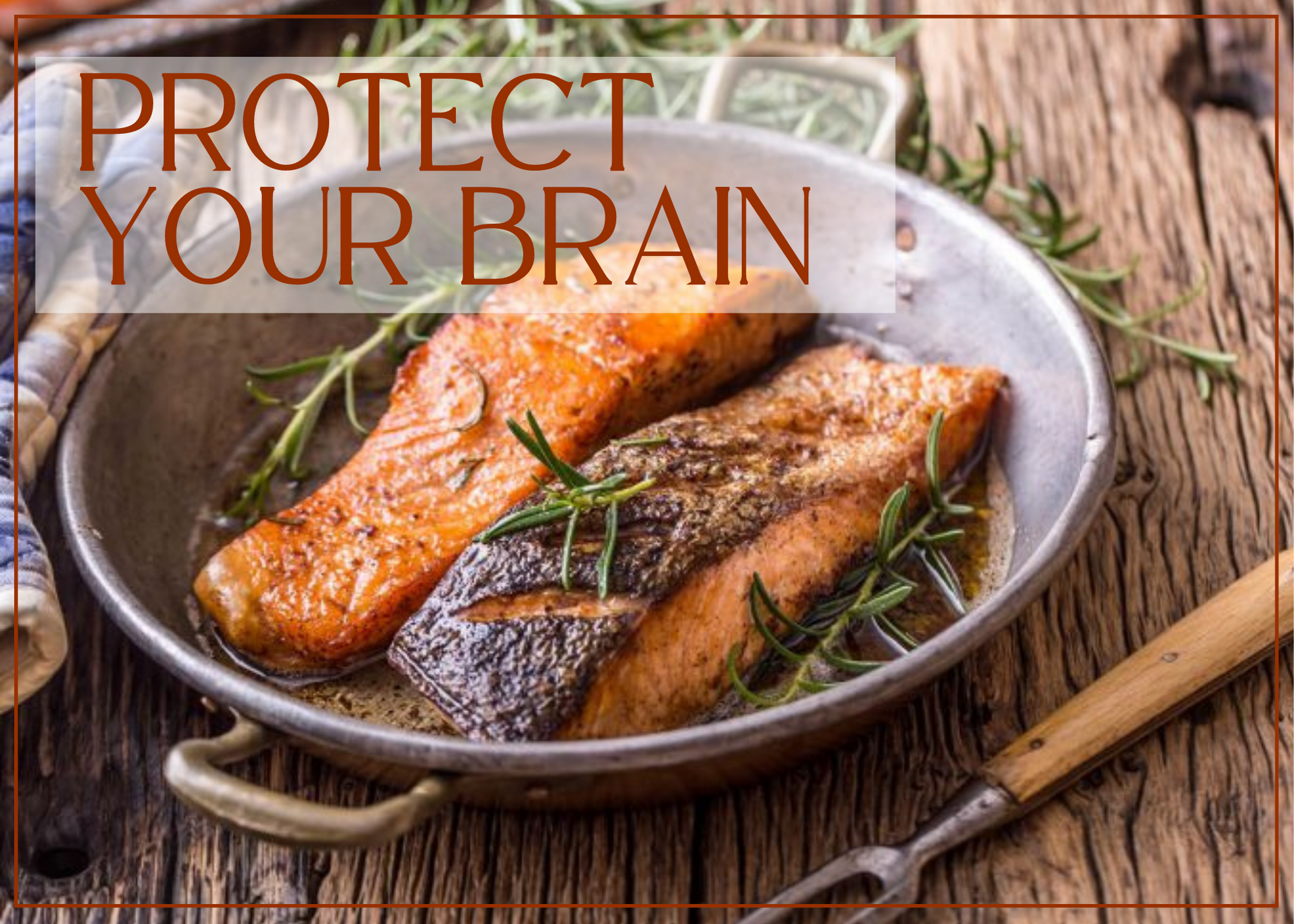
  • Protect Your Brain

    Protect Your Brain


    Protect Your Brain

    How inflammation is connected to brain health


    The complexities of the human brain can leave both a scientist and layperson a tad awestruck. Research is beginning to elucidate the fascinating repercussions of inflammation in the brain.

    What is inflammation?


    Inflammation is a finely tuned biological defence system designed to maintain the body’s equilibrium. When the body perceives tissue damage or infection, it triggers inflammation as a protective response. A deep wound in the hand, for instance, causes the body to trigger acute inflammation in the area as a first aid measure.

    The redness, swelling, pain, heat, and loss of function in the hand are five hallmark signs and symptoms of acute inflammation. Once the wound is cleaned and stitched, the hand will begin to heal and the body will turn off the inflammation response. But if this defence system becomes dysregulated, inflammation can persist for months to years in the absence of an actual threat.


    Silent mode


    Chronic inflammation can be triggered by recurring episodes of acute inflammation, unresolved infections, exposure to harmful physical or chemical compounds, or genetic susceptibility. Advanced age and deficiencies in antioxidants, vitamins, and minerals can impair the body’s ability to resolve inflammation.

    The sneaky thing about chronic inflammation is that it often goes unnoticed. Low-grade, systemic inflammation can be simmering unnoticed for years, and eventually target the brain and nervous system in a process known as neuroinflammation. Neuroinflammation can cause cognitive changes and increase the risk of diseases such as multiple sclerosis and Alzheimer’s.


    Quell inflammation


    Quelling chronic inflammation can improve your mental well-being today and preserve your cognitive function in the years to come.

    Eat well


    The Western diet has been associated with intestinal hyperpermeability and low-grade systemic inflammation. Enjoy foods rich in flavanols (berries), healthy fats (fish), and whole grains.


    Consider supplements


    Always check with your health care practitioner before taking a new supplement. The following supplements may help reduce inflammation or support brain health:

    • fish oil
    • zinc
    • magnesium
    • resveratrol
    • curcumin
    • vitamin C
    • vitamin D
    • vitamin E
    • selenium


    Choose anti-inflammatory foods, like the following:

    FoodAnti-inflammatory effects
    cacaohas been shown to have an anti-inflammatory effect
    fishare rich in omega-3 fatty acids—a higher intake is associated with lower levels of the inflammatory marker C-reactive protein (CRP)
    green teapolyphenols in green and black tea are associated with a reduction in CRP
    berriesantioxidants and polyphenols may protect against inflammation
    olive oilmitigates pro-inflammatory markers tumor necrosis factor (TNF) and interleukin-6 (IL-6)
    tomatoesregular consumption of tomato juice, rich in the antioxidant lycopene, has been shown to reduce inflammation among overweight women
    broccoli sproutscompound has been shown to attenuate obesity-related inflammation
    whole grainsconsumed regularly, have been shown to reduce systemic low-grade inflammation
    beanshave been shown to reduce low-grade inflammation among those with cardiometabolic diseases
    avocadoconsumed once per day, is associated with a decrease in CRP
    mushroomsrich in anti-inflammatory polysaccharides, which may be helpful in diseases related to inflammation

    Article courtesy of Alive Magazine, By Dr. Cassie Irwin, ND

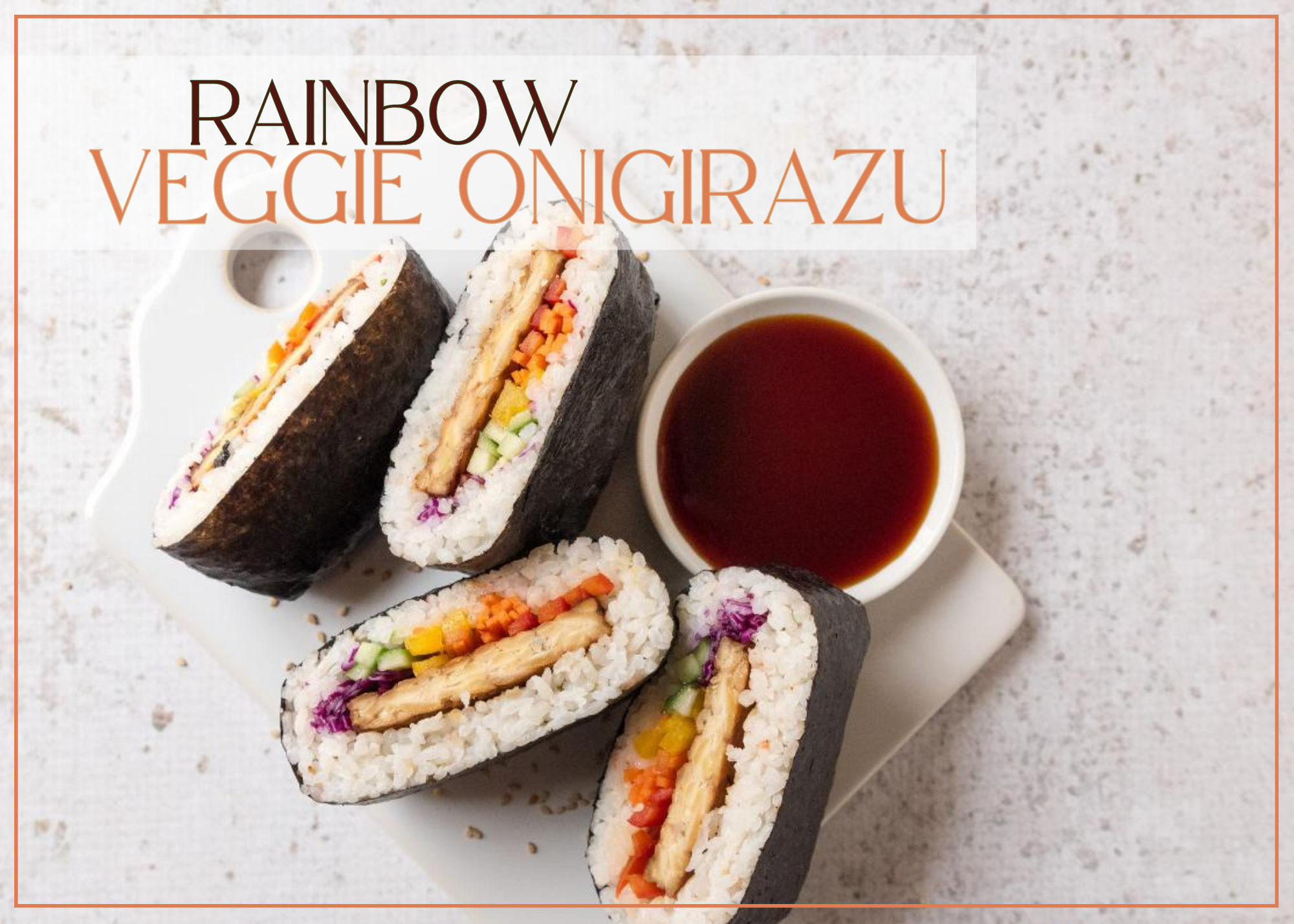
  • Rainbow Veggie Onigirazu

    Rainbow Veggie Onigirazu

    Rainbow Veggie Onigirazu


    Are you tired of the same old lunch options? Do you want to add more plant-based protein to your diet? Look no further than this Rainbow Veggie Onigirazu recipe, featuring tempeh!

    For those who are unfamiliar, onigirazu is a Japanese rice ball sandwich that’s wrapped in sheets of seaweed called nori instead of bread. It’s a convenient and portable option for lunch on-the-go. Plus, it’s easy to customize with your favorite fillings.

    In this recipe, we’re using colorful veggies like carrots, bell peppers, and cabbage, along with tempeh, a fermented soy product that’s packed with protein and nutrients. Tempeh has a nutty flavor and a firm texture, making it a great meat substitute for those who are trying to cut back on animal products.

    Not only is this Rainbow Veggie Onigirazu recipe beautiful to look at, but it’s also delicious and satisfying. The combination of nutty tempeh, crunchy veggies, and fluffy rice is a match made in heaven. Plus, it’s a great way to pack in a variety of nutrients in one meal.

    Give this recipe a try for your next lunch or meal prep session. You won’t be disappointed!


    onigirazu

    Rainbow Veggie Onigirazu

    For this recipe, use a variety of colorful veggies like carrots, bell peppers, and purple cabbage, along with some tempeh for protein. The result is not only visually stunning but also incredibly tasty!
    Prep Time 1 hour
    Servings: 8

    Ingredients
      

    Rice:
    • 2 cups sushi rice
    • 3 cups water
    • 1 teaspoon sea salt
    • 1/3 cup rice wine vinegar
    • 2 tablespoons cane sugar
    • 3 tablespoons furikake sushi seasoning (see notes)
    Pickled Vegetables:
    • 1/2 cup red bell pepper 2-inch julienne
    • 1/2 cup orange bell pepper 2-inch julienne
    • 1/2 cup yellow bell pepper 2-inch julienne
    • 1/3 cup julienned carrots
    Pickling Liquid:
    • 1/3 cup rice vinegar
    • 2 teaspoons cane sugar
    • 1 teaspoon sea salt
    • 1 large garlic clove minced
    • 1/4 teaspoon crushed red chilies
    • 8 12-inch square nori sheets
    • 1/3 cup vegan sriracha mayo
    • 2 8-ounce blocks seasoned tempeh
    • 1/2 cup cucumber 2-inch julienne
    • 1/3 cup purple cabbage shredded

    Method
     

    1. Place rice, water, and salt in a medium pan and bring toa simmer. Cover and reduce heat to low, cooking for 15-18 minutes. Turn offheat and allow rice to rest for 10 minutes.
    2. Whisk together the pickling liquid ingredients and tosswith vegetables. Allow to rest for 15 minutes, stirring occasionally.
    3. Stir together rice vinegar and cane sugar untildissolved. Place rice on a large baking sheet and pour over mixture, sprinkleon furikake, and fold rice to incorporate. Divide rice mixture into 16 evenportions.
    4. To assemble: place a nori sheet on a dry surface, lay arice portion in the center creating a flat 3-inch square shape, use wet handsto keep rice from sticking. Next, dollop 2 teaspoons sriracha mayo in thecenter then place a piece of tempeh on top. Arrange pickled vegetables,cucumber, and purple cabbage to form a rainbow pattern. Finish off with anotherportion of rice, forming it into a square and covering the fillings. Fold upnori sides, using water to seal the seams. Tightly wrap completed sandwich inplastic film and allow to rest for 15 minutes before eating.

    Notes

    Furikake seasoning contains fish. For a vegan version, use toasted sesame seeds and crushed nori.

    Recipe Courtesy of INFRA

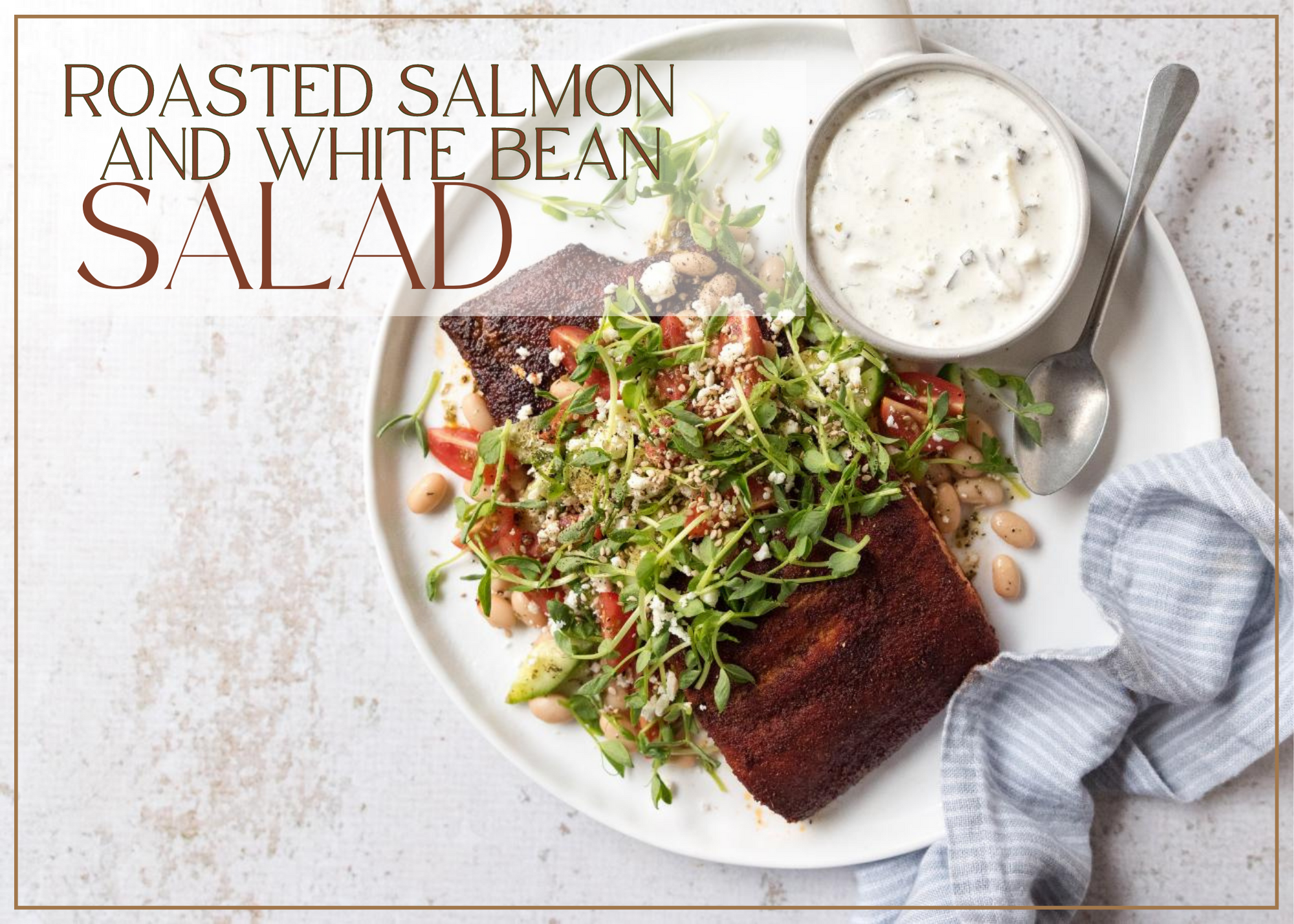
  • Roasted Salmon and White Bean Salad

    Roasted Salmon and White Bean Salad

    Roasted Salmon and White Bean Salad


    If you’re looking for a healthy, gluten-free meal that’s easy to make and packed with flavor, this Roasted Salmon & White Bean Salad recipe is just what you need.

    Salmon is an excellent source of protein and omega-3 fatty acids, which are essential for maintaining good health. When paired with white beans, cherry tomatoes, and cucumber, this dish becomes a satisfying and nutritious meal that’s perfect for lunch or dinner.

    Not only is this Roasted Salmon & White Bean Salad recipe delicious, but it’s also a great option for anyone with celiac disease or gluten sensitivity. By using gluten-free ingredients and skipping the bread, this meal is completely gluten-free.

    So next time you’re looking for a healthy and satisfying gluten-free meal, give this Roasted Salmon & White Bean Salad recipe a try. It’s sure to become a favorite in your household!


    Roasted Salmon and White Bean Salad

    Looking for a delicious and healthy gluten-free meal? Try this Roasted Salmon & White Bean Salad recipe! Not only is it packed with protein and fiber, but it's also bursting with flavor. It's the perfect meal for lunch or dinner, and it's sure to leave you feeling satisfied and energized.
    Total Time 30 minutes
    Servings: 4

    Ingredients
      

    • 2 pounds 2 pounds salmon fillet
    • 1/4 cup smoked paprika
    • 1 teaspoon sea salt
    • 1 teaspoon ground cumin
    • 1/4 cup olive oil
    • 2 cups pea shoots
    • 1 cup prepared tzatziki
    Salad:
    • 1/2 pint cherry tomatoes quartered
    • 2 Persian cucumbers diced
    • 1/2 cup crumbled feta
    • 1 15 ounce can cannellini beans drained and rinsed
    • 1/2 small red onion  julienned
    Dressing:
    • 1 tablespoon olive oil
    • 1 tablespoon tahini
    • 1 tablespoon lemon juice
    • 1 large garlic clove minced
    • 1/2 teaspoon dried oregano
    • 1/4 teaspoon sea salt

    Method
     

    1. Preheat oven to 350° F.
    2. Place salmon skin side down on a parchment-lined baking sheet.
    3. Combine paprika, salt, and cumin.
    4. Rub salmon with spice mix, drizzle on oil.
    5. Bake for 20 minutes or until the internal temperature reaches 145° F.
    6. Meanwhile, prepare the salad by tossing together tomatoes, cucumbers, feta, beans, and red onion in a serving bowl.
    7. Whisk together dressing ingredients until well blended then toss with salad.
    8. Adjust seasoning to taste.
    9. Place salmon on a platter and spoon dressed salad oversalmon.
    10. Garnish with pea shoots and serve with tzatziki sauce.

    Recipe Courtesy of INFRA

  • Reishi Cappuccino Smoothie

    Reishi Cappuccino Smoothie

    Reishi Cappuccino Smoothie


    Reishi Mushroom Smoothie: A Nutrient-Packed Way to Start Your Day
    If you’re looking for a healthy breakfast option that will boost your immune system, improve your focus, and give you sustained energy throughout the day, look no further than the reishi mushroom smoothie. This delicious and nutritious smoothie is packed with powerful ingredients like reishi mushrooms, dates, and cacao that offer numerous health benefits.


    Reishi mushrooms, also known as Lingzhi mushrooms, are one of the most popular medicinal mushrooms in the world. They have been used in traditional Chinese medicine for thousands of years to boost immunity, improve energy levels, and promote longevity. Reishi mushrooms contain polysaccharides, triterpenes, and other bioactive compounds that have been shown to have anti-inflammatory, anti-cancer, and antioxidant properties.


    In addition to reishi mushrooms, this smoothie contains dates, a natural sweetener that is a great alternative to refined sugar. Dates are high in fiber, potassium, and antioxidants, and they have a low glycemic index, which means they won’t cause a sudden spike in blood sugar levels. Dates also contain essential minerals such as iron, calcium, and magnesium, which are essential for maintaining healthy bones and muscles.


    Cacao is another superfood that adds flavor and nutrition to this smoothie. Cacao is the raw form of chocolate and is a great source of antioxidants, magnesium, iron, and fiber. It also contains theobromine, a natural stimulant that can improve mental focus and enhance mood. However, it’s important to note that cacao is not the same as commercial chocolate, which often contains added sugar and other ingredients that can negate its health benefits.


    This Reishi Cappuccino Smoothie is an excellent way to start your day with a boost of nutrients and health benefits. Reishi mushrooms, dates, and cacao are all powerful superfoods that can support your overall health and wellness. So, try this recipe today and enjoy the delicious and nutritious benefits!

    Reishi Cappuccino Smoothie

    This earthy and creamy concoction is not only delicious but also packed with amazing health benefits. Reishi mushrooms are known for their immune-boosting properties and are a great addition to any healthy lifestyle. If you're a fan of functional beverages or looking for a new twist on your smoothie routine, give this recipe a try!
    Total Time 5 minutes
    Servings: 1

    Ingredients
      

    • 1 frozen banana
    • 1 cup oat milk
    • 2 tablespoons almond butter
    • 4 deglet dates
    • 1 tablespoon cacao nibs or powder
    • 1 teaspoon reishi mushroom powder

    Method
     

    1. Place all ingredients in a blender and process until smooth. Adjust seasonings to taste and enjoy!

    Recipe Provided by INFRA

  • Simply stunning seafood

    Simply stunning seafood

    Simply stunning seafood

    An ocean of opportunities

    Seafood’s variety and versatility presents us with an ocean of delicious opportunities in the kitchen. Try these recipes for simple, flavorful, and diverse preparations.

    Open-Faced Shrimp Sandwich

    The delicate flavor of shrimp is highlighted with just a touch of lemon and a hint of mustard, while radish and celery give some fresh crunch to this dish.
    Servings: 4

    Ingredients
      

    • 1 cup small pink shrimp cooked and peeled
    • ¼ cup finely chopped celery
    • ¼ cup finely chopped green onion
    • ¼ cup finely sliced radish
    • ¼ teaspoon Dijon mustard
    • 1 tablespoon freshly squeezed lemon juice
    • 1 tablespoon finely chopped chives
    • Pinch of salt
    • ¼ teaspoon ground pepper
    • 1 cup sunflower or pea shoots
    • 4 butter lettuce leaves
    • 4 slices of whole grain bread

    Method
     

    1. In small bowl, mix all ingredients, except lettuce and bread, together and heap into lettuce cups. Toast bread (if desired) and place lettuce cups on toast.
    2. Enjoy!

    Mussels with Tomato, Saffron, and Fennel

    Steamed mussels are a classic way to enjoy seafood—and so is this rich, aromatic broth of tomato, fennel, and saffron.
    Servings: 4

    Ingredients
      

    • ½ teaspoon saffron threads
    • ½ cup hot (not boiling) water
    • 1 tablespoon olive oil
    • 2 shallots finely sliced
    • 3 garlic cloves peeled and crushed
    • 1 fennel bulb finely sliced, fronds reserved
    • ¼ teaspoon salt
    • ½ cup white wine
    • ½ cup low-sodium vegetable stock
    • 1 14.5-ounce can no-salt-added diced tomatoes
    • 1 pound farmed mussles scrubbed, beards removed
    • 2 tablespoons chopped parsley
    • 1 or 2 lemon wedges for serving

    Method
     

    1. In small bowl or glass, place saffron threads and hot water. Allow saffron “tea” to steep for 20 minutes.
    2. In large stock pot, heat olive oil, shallots, and garlic on medium-low. Cook for 5 minutes, until shallots are soft. Add sliced fennel and salt and cook for 3 to 5 minutes more on medium. Turn heat up to medium-high, while stirring fennel constantly, and add wine. Reduce heat to medium and add saffron tea, vegetable stock, and tomatoes. Cover and simmer for 20 minutes, stirring occasionally. Reduce heat to medium-low if contents of pot begin to boil. After 20 to 25 minutes, broth will be rich and aromatic. With heat on medium, add mussels, cover, and allow to steam for 2 minutes, or until mussel shells open.
    3. Pour broth into large serving bowl and, using slotted spoon, place mussels on top. Garnish with chopped fennel fronds and parsley and serve with crusty bread and lemon wedges.
    4. Enjoy!

    Poached Sablefish and Bok Choy

    For this recipe, sablefish’s luxurious taste is combined with a light fragrant broth of lemongrass and ginger punctuated with the heat of Thai chili.
    Servings: 2

    Ingredients
      

    • 2 cups low-sodium vegetable stock
    • 1 teaspoon tamari
    • 2 tablespoons rice wine vinegar
    • ½ Thai chili finely sliced
    • 1 piece lemongrass cut into 2 inch pieces
    • 1 thumb-sized piece of gingerroot sliced into 5-6 pieces
    • 1 tablespoon sesame oil
    • 2 pieces baby bok choy quartered
    • 2 6-ounce pieces sablefish skin removed
    • 1 tablespoon finely sliced green onions

    Method
     

    1. In medium-sized jug, combine stock, tamari, and vinegar, then add Thai chili, lemongrass, and gingerroot pieces. Set aside.
    2. In 10 inch skillet, heat sesame oil on medium-high. Sear bok choy for 2 minutes, until golden brown on all sides, turning as necessary. Reduce heat to medium and pour in stock mixture. Simmer for 2 minutes. Reduce heat to medium-low so that liquid is at a gentle simmer. Add fish pieces and cook for 5 to 7 minutes, or until sections of sablefish begin to flake apart but pieces remain intact.
    3. With tongs, remove bok choy and place on warmed plates. With slotted spoon or fish spatula, remove sablefish and place atop bok choy on each plate. Spoon a ladleful of cooking stock overtop, sprinkle with green onions, and serve.
    4. Enjoy!

    Article courtesy of Alive Magazine

  • Let’s demystify menopause and perimenopause

    Let’s demystify menopause and perimenopause

    Let’s demystify menopause and perimenopause

    A natural and poignant time

    Menopause is so seldom talked about openly. Aside from some of the most common discomforts, menopause is often shrouded in mystery, and perimenopause even more so. Let’s shine a light on both.

    The meaning of menopause

    Dr. Caroline Meyer, naturopathic doctor and energy healer, tells us that, in its most technical sense, menopause is the time in a woman’s life following the absence of a menstrual cycle for a minimum of 12 months.

    Dr. Jeanne Paul, ND, the first First Nations person to graduate in this profession in Canada, shares this definition with her patients: “[You] are entering the age of becoming a Wise Woman, an Elder-in-training.”

    From a medical perspective, says Paul, menopause is when all mature eggs, which have been decreasing since birth, have been used up. At that point, “she will now cease her monthly moons due to decreases in female hormones.”

    The “symptoms” of menopause

    “Many women experience no negative symptoms with this natural change in life,” assures Meyer. Other women, however, experience such symptoms as insomnia, anxiety, memory loss, depression, weight gain, irritability, fatigue, and, of course, those hot flashes.

    Symptoms can, in turn, range in discomfort level from annoying to outright debilitating. Additional common symptoms of menopause include night sweats, a decrease in sexual drive due to vaginal dryness, uncontrolled mood changes, sleep pattern disturbances, bladder infections, and forgetfulness.

    The precursor—perimenopause

    The time leading up to menopause, perimenopause, is a phase of transition when mature eggs are diminishing and ovulation and menses become irregular. During this time, there is a drop in estrogen levels, and women begin to experience some symptoms resembling menopause. Declining fertility, period irregularity, urinary urgency, memory problems, sleep disruptions, and mood shifts are common.

    The transition toolbox

    Menopause is not a disease or ailment, but rather a natural, poignant time of life for every woman. Paul says, “Most cultures view menopause as a natural life process, a sociocultural event, and a positive part of a woman’s life.”

    Partner support

    Supportive partners and family members can have a major impact on a woman’s menopausal experience. Meyer suggests offering “patience and kindness to the women in their lives who are undergoing perimenopause or menopause.”

    A time to turn inward

    Positively managing stress is essential during the peri/menopausal years. Meyer recommends meditation, regular exercise, prioritizing rest and sleep, doing activities that bring joy, and moderating alcohol. And, she emphasizes that moving into menopause is a time for women to finally focus on themselves.

    Natural remedies for menopause

    Dr. Caroline Meyer’s suggestions for peri/menopausal symptom relief; however, she urges professional guidance.

    Natural remedySymptom relief for
    ashwagandhastress relief; immune support
    ashwagandha/macalow libido
    maca/chasteberry/evening primrosebalancing estrogen and progesterone levels
    flaxseedregulating estrogen levels
    cinnamonglucose control and circulatory stimulation

    Article courtesy of Alive Magazine

  • 9 important supplements for women over 40

    9 important supplements for women over 40

    9 important supplements for women over 40

    There’s more than just calcium

    As we age, our bodies can’t absorb some nutrients from food as well as they did years ago. Supplements can be beneficial. That’s why we’ve compiled a list of the nine best supplements for women over 40! Remember to consult your health care practitioner before starting any new vitamin regimen.

    1. Vitamin B12

    Vitamin B12 builds red blood cells and assists in brain function and development. Without it, you may experience low energy levels, memory loss, and nerve damage. It’s estimated that 30 to 50 percent of adults over 50 are B12 deficient.

    2. Omega-3s fatty acids

    Omega-3 fatty acids support your heart, eyesight, and cognitive function. Studies also suggest they may play a role in preventing cancer. Since omega-3s may protect against age-related conditions, like heart disease and macular degeneration, experts recommend higher intakes of omega-3s for older adults.

    3. Calcium

    Nearly all the calcium in your body is stored in your bones. When you don’t eat enough of it, your body taps that bone reservoir to fulfill its physiological needs. This could weaken your bones and lead to osteoporosis. In women, estrogen helps the body absorb calcium. However, as you approach menopause, your estrogen levels dip, which results in poor absorption.

    4. Vitamin B6

    Vitamin B6 supports the body’s nervous and immune system. A deficiency may lead to depression, weakened immunity, and certain skin conditions. As you grow older, your body needs more B6. High levels of B6 have been linked to better memory in aging populations.

    5. Potassium

    Potassium keeps your bones strong and may reduce the risk of stroke and high blood pressure. It also supports your kidneys, muscles, nerves, and heart. Unfortunately, certain medications and health conditions block the absorption of potassium. If you’re over 40 years old, ask your health care practitioner if you’re getting enough of it.

    6. Vitamin D

    Vitamin D reduces inflammation, helps the body absorb calcium, and supports the immune system. When women turn 40 and creep closer to menopause, a lack of vitamin D may result in weakened bones and osteoporosis. Because it isn’t found in many foods, and most people aren’t absorbing enough of it from the sun, vitamin D supplements can be beneficial.

    7. Probiotics

    Good bacteria in your gut keep your immune system in check and aid digestion. If you’re stressed, took a round of antibiotics, or have certain medical conditions, your good gut bacteria could get wiped out. Probiotics help to maintain balance, and as you age, you’ll want to pay close attention to the different strains and their benefits.

    8. Zinc

    Zinc supports your immune system and metabolism. There’s also evidence that it shortens colds, slows the progression of macular degeneration, and reduces diarrhea. Since zinc is known to support the body in many important ways, it’s an important nutrient to focus on as you age.

    9. Magnesium

    Magnesium regulates nerve function and helps keep your blood sugar balanced. As you age, a mild magnesium deficit could result in sleep and cognitive disorders. Maintaining normal magnesium levels through the years may help stave off age-related chronic conditions, like heart disease and diabetes.

    Article courtesy of Alive Magazine

  • Ladies, it’s time for some toilet talk

    Ladies, it’s time for some toilet talk

    Ladies, it’s time for some toilet talk

    How hormones and stress affect our digestion

    While women generally have an easier time talking about our health than do our male counterparts, one area in which we lag behind is being open about our digestive issues. Many women have chronic digestive issues that come with us to work and impair productivity, while reducing overall quality of life at home. Feeling stigmatization about digestive issues is associated with decreased access to medical care and greater psychological distress.

    Digestive disease in women

    Common signs and symptoms of digestive dysfunction include:

    • nausea
    • vomiting
    • trouble swallowing
    • heartburn
    • acid reflux
    • burping
    • bloating
    • abdominal pain
    • gas
    • constipation
    • diarrhea

    Women are less likely than men to develop gastrointestinal reflux disease (GERD), peptic ulcers, colitis, and gastric cancer. Research shows that estrogen may have a protective role in the development of these particular conditions.

    Women, though, draw the short straw with a higher prevalence of irritable bowel syndrome (IBS), celiac disease, and colon cancer than men. Women with IBS tend to experience more abdominal bloating, nausea, constipation, depression, and anxiety than do men with IBS. But some evidence suggests that IBS pain may improve after menopause.

    Your digestion on hormones

    Since there are receptors for estrogen and progesterone in the gastrointestinal tract, these reproductive hormones have a bearing on digestion.

    • For premenopausal women, the follicular phase of the menstrual cycle begins with the first day of menstrual flow and ends with ovulation. This phase is marked by high levels of estrogen. Research suggests that motility of the gastrointestinal organs is decreased among women during this time, which could contribute to constipation.
    • The luteal phase of the menstrual cycle begins with ovulation and ends with the onset of menstrual flow. In this phase, estrogen and progesterone levels are low. It’s common to experience loose stools during this phase.
    • During menstruation, diarrhea is the most commonly reported digestive symptom.
    • Pregnancy is supported by high progesterone, which tends to slow down gastrointestinal motility. This may contribute to pregnancy-related constipation, reflux, and biliary dysfunction.

    Food: Friend or foe?

    For most people, fiber-rich foods (oats, asparagus, legumes), and probiotic-rich foods (sauerkraut, kimchi, plain yogurt) are helpful for a happy tummy. But these very foods can sometimes aggravate digestive distress, and this is when it can be helpful to consider small intestinal bacterial overgrowth (SIBO), FODMAP intolerance (FODMAPs are specific carbohydrate molecules in some foods), and food sensitivities as underlying contributors to your symptoms.

    Along with your health care practitioner, develop a diet plan that works for you. Supplements may also help, which should be taken with supervision. Examples that may help digestion include:

    • probiotics
    • fiber
    • psyllium
    • turmeric
    • peppermint
    • garlic
    • ginger
    • L-glutamine
    • licorice root

    Article courtesy of Alive Magazine

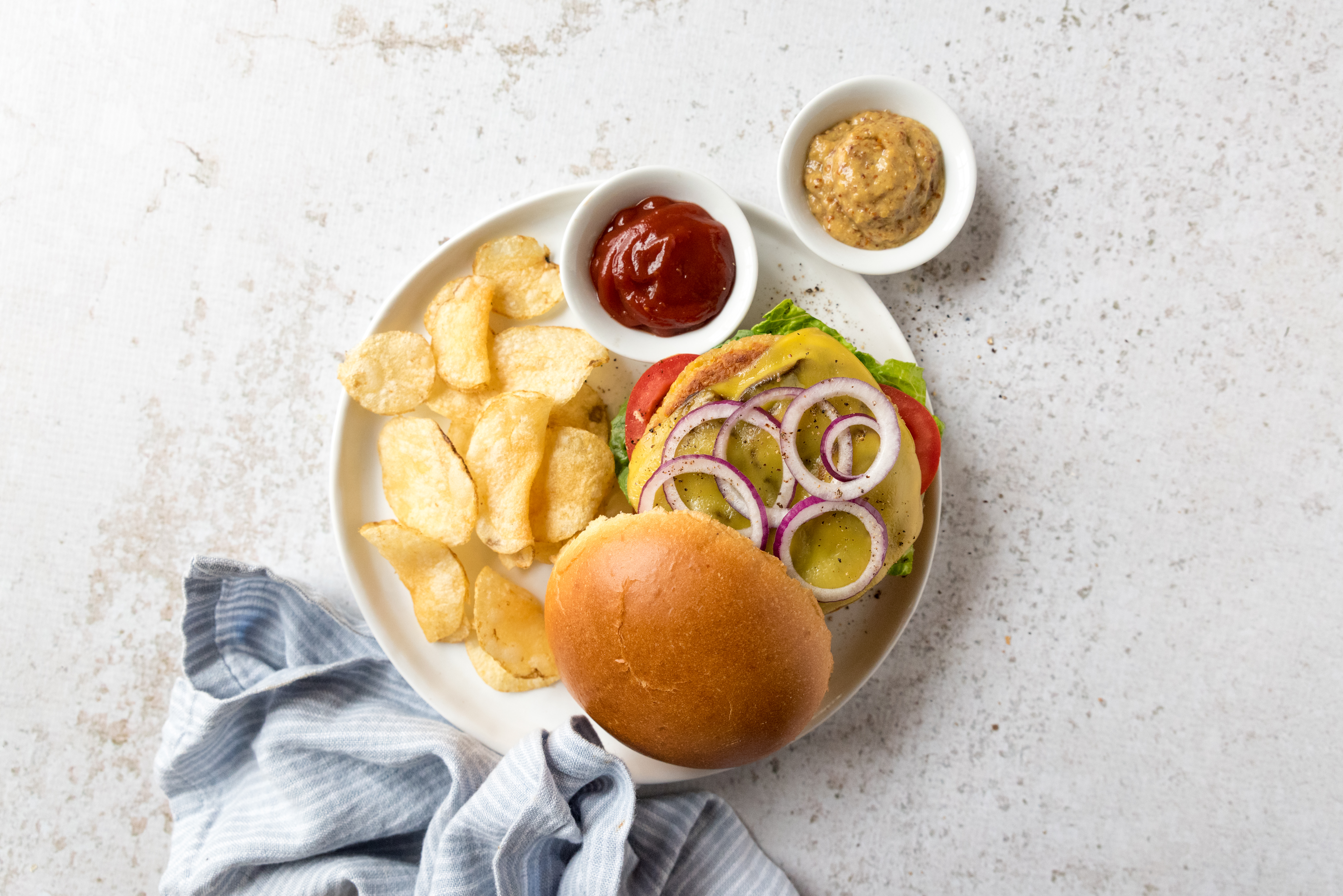
  • Swiss Mushroom Quinoa Burgers

    Swiss Mushroom Quinoa Burgers

    Swiss Mushroom Quinoa Burgers


    If you’re looking for ways to have a flavorful dose of protein between two buns this weekend for the unofficial start of summer, look no further than this Swiss mushroom quinoa burger. You can easily make a batch of 8 burgers to cook for a crowd or keep a few in the freezer for when you need a veggie option for a cookout. A meat-free bouillon paste adds savory umami notes. You likely have the rest of the ingredients for the patties in your pantry! 

    Swiss Mushroom Quinoa Burgers

    If you’re looking for ways to have a flavorful dose of protein between two buns this weekend for the unofficial start of summer, look no further than this Swiss mushroom quinoa burger.
    Servings: 8

    Ingredients
      

    • 2 large eggs
    • 4 large garlic cloves grated or finely minced
    • 2 tablespoons beef-less vegetarian soup base
    • 2 ½ cups cooked quinoa
    • 2 15-ounce cans chickpeas drained and mashed
    • ½ cup panko breadcrumbs
    • 3 tablespoons avocado oil
    • 8 burger buns
    • 8 slices plant-based Swiss cheese (Chao)
    • 8 ounces crimini mushrooms sliced
    • 4 romaine leaves
    • 1 beefsteak tomato sliced
    • 1 small red onion thinly sliced
    • Ketchup
    • Mustard

    Method
     

    1. In a mixing bowl, beat together eggs, garlic, oil, and soup base seasoning. Mix in cooked quinoa, mashed chickpeas, and breadcrumbs.
    2. Divide mixture into 8 equal parts and roll into balls. Flatten each ball into a 3 ½ inch patty. Place burgers on a parchment-lined baking sheet and refrigerate for an hour before cooking.
    3. Heat a skillet on medium with 3 tablespoons of avocado oil. Cook patties 3 minutes per side or until heated through and golden in color. Served topped with your favorite toppings.
    4. Enjoy!

    Recipe Provided by INFRA