Category: Guest Post

  • Red foods for heart health

    Red foods for heart health

    Red foods for heart health

    3 antioxidant-rich and delectable recipes

    Red is a color commonly associated with passion and love, but red foods may have a direct effect on our heart health. The same pigments that give red foods their color, called anthocyanins, are also responsible for a host of health benefits, including reduction of inflammation in the body, and have been shown to help with heart health, playing a role in better cholesterol and triglyceride profiles.

    Tuna-Stuffed Piquillo Peppers with Romesco-Style Sauce

    When paired with a salad, this dish easily serves two as a main meal, but it will stretch to a few more as part of a tapas-style meal.

    Ingredients
      

    • 6 ounces can tuna rinsed and drained
    • ¼ cup parsley
    • 1 teaspoon lemon zest
    • 1 tablespoon lemon juice
    • ½ teaspoon black pepper
    • 11-12 piquillo or sweet red peppers (drained contents of 9 1/2 oz jar)
    • 2 tablespoons whole hazelnuts
    • 1 tablespoon olive oil
    • 1 teaspoon sweet Spanish paprika
    • 1 garlic clove peeled
    • ½ teaspoon sherry vinegar
    • 2 teaspoon honey divided

    Method
     

    1. Preheat oven to 350°F.
    2. In small bowl, with fork, mix together tuna, parsley, lemon zest and juice, and black pepper. Set aside.
    3. Remove whole peppers from jar and set aside 6 to be stuffed. In bowl of food processor, place remaining peppers with hazelnuts, olive oil, paprika, garlic, sherry vinegar, and 1 tsp honey, and pulse to blend into a sauce. The texture will not be completely smooth.
    4. Add about 2 Tbsp of sauce to tuna mixture and stir through. Spoon remaining sauce into small baking dish to make a base for stuffed peppers.
    5. Stuff tuna mixture into 6 piquillo peppers and place them on top of the sauce in baking dish. Drizzle with remaining 1 tsp honey and bake for 15 to 20 minutes.
    6. Enjoy!

  • Inflammatory facts about heart health

    Inflammatory facts about heart health

    Inflammatory facts about heart health

    How inflammation affects cardiovascular disease

    When you think of inflammation, you might think of pain. But inflammation is a key contributor to a number of surprising conditions, including cardiovascular disease. Here’s how inflammation works, and what we can do about it.

    How inflammation works

    It is now known that inflammation plays an important role in cardiovascular disease. But how could inflammation be a cause of something that seems as uninflammatory as heart disease?

    According to naturopath and cardiologist Decker Weiss, NMD, FASA, inflammation plays both a general and a specific role. Generally, inflammation contributes to cardiovascular disease because inflammatory conditions such as arthritis, autoimmune diseases, and diabetes increase the risk of developing heart disease.

    Specifically, Weiss says, “… elevated insulin, elevated blood sugar, trans fats, and homocysteine irritate and inflame the endothelium, or the lining of our blood vessels, initiating the process of coronary artery disease.” So, inflammation can both initiate and accelerate heart disease.

    How nutritional heart helpers work

    Think of some of the ways garlic and dark chocolate can help your heart. Inflammation causes endothelial dysfunction, which leads to vascular disease and atherosclerosis.

    Garlic

    may help tamp down inflammation. So, supplementing with garlic could aid in improving endothelial function and vascular elasticity and, thus, play an important role in preventing cardiovascular disease.

    Dark chocolate

    may also help reduce inflammation, and it may also improve endothelial function, improving blood vessel function and dilation enough to seriously reduce the risk of cardiovascular disease.

    Diet, inflammation, and heart disease

    One of the most innovative studies on preventing heart disease started with two things we know—that inflammation causes heart disease and that diet causes inflammation—and asked whether diet could cause heart disease.

    The huge study found that diets that were higher in foods that cause inflammation were associated with a 38 percent higher risk of cardiovascular disease, 46 percent higher risk of coronary heart disease, and 28 percent higher risk of stroke.

    Inflammatory foods included red meat, processed meat, organ meat, refined carbohydrates, and sweetened beverages.

    Anti-inflammatory foods are heart healthy and include leafy green vegetables, dark yellow vegetables, fruit, whole grains, and tea.

    Supplements to consider

    Always check with your health care practitioner before trying out a new supplement. The following supplements have anti-inflammatory properties and may have a positive effect in preventing heart disease:

    • omega-3s
    • hawthorn
    • curcumin
    • ginkgo
    • olive leaf extract
    • pine bark extract
    • grapeseed extract
    • green tea
    • ginger
    • vitamins C and D
    • quercetin

    Foods for heart health

    FoodHeart-health benefitsNutrients
    soymay help significantly lower LDL (bad) cholesterolisoflavones
    nuts and seedsmay contribute to lowering LDL (bad) cholesterol and triglycerides and may help lower the risk of dying from cardiovascular diseasefiber; monounsaturated and polyunsaturated fats
    extra-virgin olive oilcan help reduce the risk of coronary artery disease and improve cholesterolmonounsaturated fats; phenolic compounds
    flaxseedmay help lower blood pressureomega-3 EFAs; lignans

  • Put your heart into it

    Put your heart into it

    Put your heart into it

    How our emotions affect our well-being

    More and more is being understood about the ways our hearts, minds, and contexts are interconnected. How we feel affects our health, and so, too, does our environment.

    Reuniting thoughts, feelings, and health

    “I believe it is important for one to realize that our thoughts and emotions, which are heavily connected, can impact our hearts,” explains Ashlene Crichlow, registered provisional psychologist. Whether directly or indirectly, Crichlow says that our thoughts and feelings affect all areas of our lives.

    The health science of emotion

    But how do emotions affect our heart physically? Naturopathic doctor Caroline Meyer says that “when the heart is in a state of coherence, its rhythm regulates and blood pressure lowers. In states of anxiety, worry, and anger, the heart becomes dysregulated, putting excess strain on this organ.”

    How we feel influences disease prevention, injury recovery, and longevity, and the specifics of this increasingly integrative science are compelling. Our feelings, thoughts, and somatic experiences are woven together in an interlinking, intercommunicating network.

    Research shows that our mind-heart-body system affects our immune system and overall well-being. High positive emotions promote healthy BMI and blood pressure, whereas low positive emotions increase the risk of heart disease.

    Heavy, healthy emotions

    “Of course, we have all experienced grief, heartache, sadness, anger, and fear,” affirms Meyer. “These emotional states, although temporary, can create psychological patterns that persist,” she adds, and, in turn, we might need to shift our behavior. Meyer explains that it’s important to attend to difficult emotions, rather than try to push them away.

    Contexts of emotional well-being

    It’s crucial to remember that environment, upbringing, and culture play a significant role in how one sees and interacts with the world.

    Crichlow says, “When an individual has experienced adversity, disconnect, or trauma, they might have a more pessimistic viewpoint and struggle with cognitive distortions that could negatively impact their overall well-being.”

    A helping hand for the heart

    Meyer encourages each one of us to support our well-being by remaining open and curious in our moment-to-moment awareness.

    “This is the key to balance and to health,” she says. “I recommend to all of my patients to check in with their heart, their emotional center, several times per day. Ask ‘How am I feeling?’ and ‘What do I need in this moment, heart?’”

    Should our emotions overwhelm our hearts and minds, Crichlow emphasizes the importance of both carving out time for joyful habits and pastimes as well as connecting with a “trusted mental health professional who can work on things like boundaries, coping, and acceptance that can contribute to one’s level of life satisfaction.”

    Healthy outlets for emotional release

    • Get physical, and use active well-being to uplift mood.
    • Tap into positive stress, which is called “eustress.”
    • Heal your heart with humor.
    • Immerse in nature to support your mental health.
    • Give voice to your emotions through creative expression.
    • Connect with others who make you feel good.
    • Spend time reflecting upon purpose and meaning.
  • 4 healthy food pairs

    4 healthy food pairs

    4 healthy food pairs

    These food duos are happy couples

    Heart health is important to us all. So, too, is good food. Food and heart health make a natural couple. Here are some more happy couples: food duos that, together, provide heart-healthy dividends.

    There are certain foods that, instead of taking a solo adventure to improve our heart health, instead, seem to perform better when set free to mingle. This is called food synergy: where the benefits of two or more foods eaten together can be greater than the sum of their parts. When working in unison, these foods amplify their nutritional benefits.

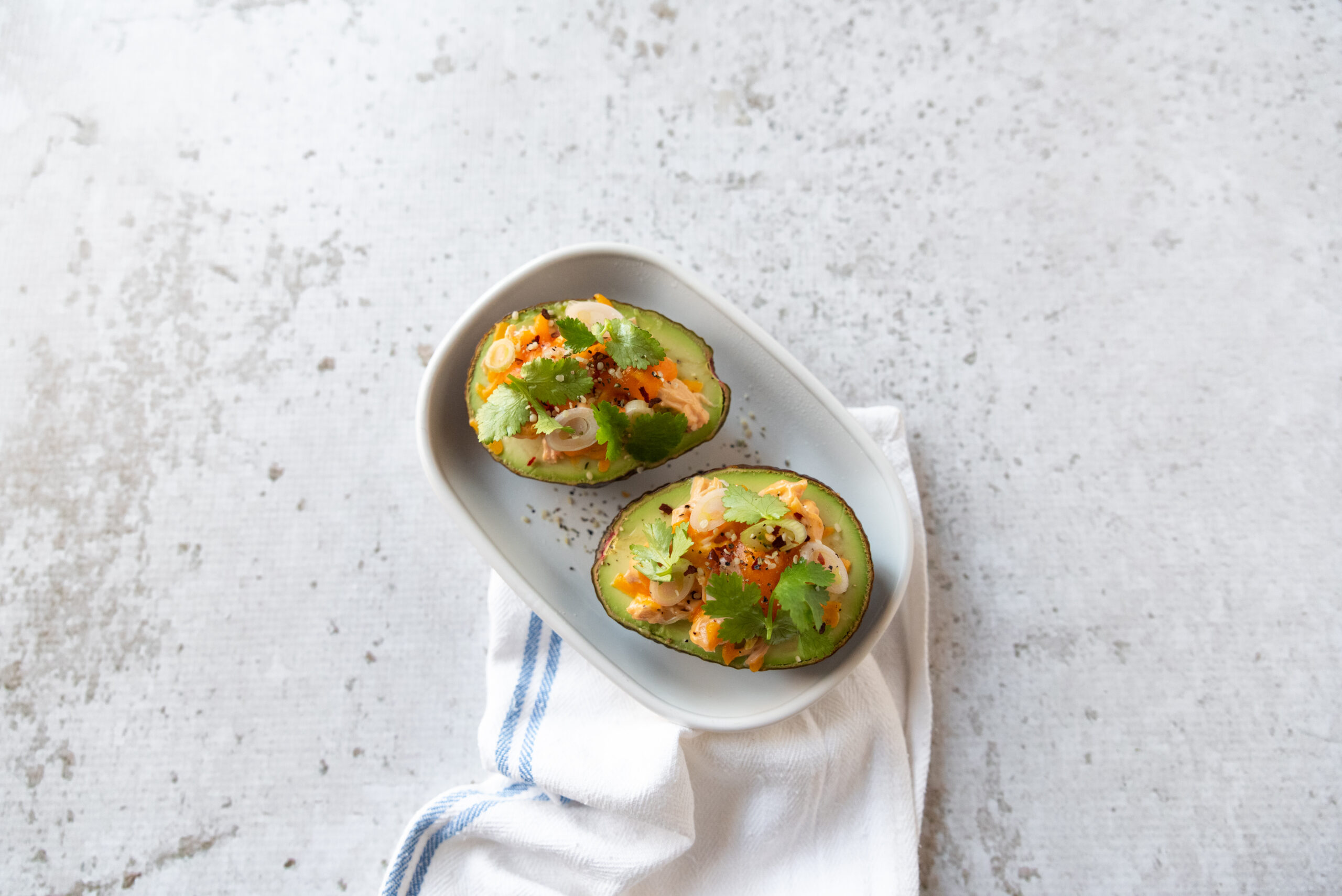
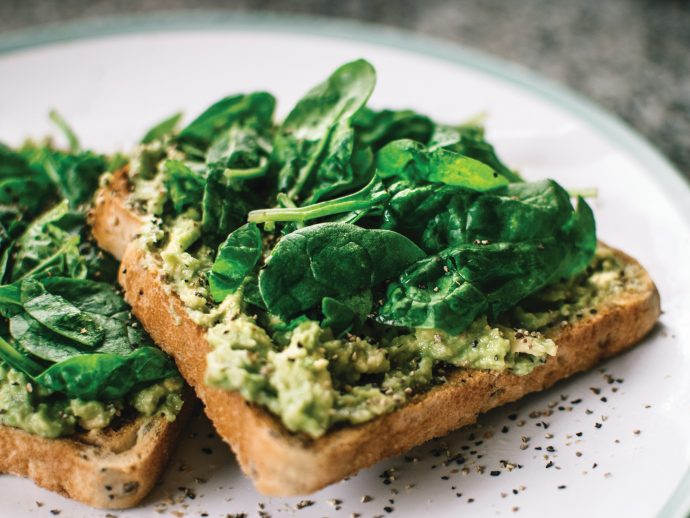
    Spinach and avocado

    Dark leafy greens such as spinach and kale are already nutritional heavy hitters, but if you really want to reap their rewards, make sure to fatten them up. Research shows that consuming foods such as kale, tomatoes, and carrots—good sources of carotenoid antioxidants including lycopene and beta carotene—with a dietary source of fat, such as avocado, can increase how much of these heart-friendly plant compounds we absorb.

    Turmeric and black pepper

    While turmeric is increasingly being studied for its heart-benefitting, lipid-lowering, and anti-inflammatory powers and a big reason why golden milk is trending, we don’t absorb its main bioactive compound, curcumin, into the bloodstream very well. The good news is that a chemical found in black pepper called piperine can greatly bolster our ability to take up curcumin. So, whenever you add the golden spice to curries, soups, sauces, and scrambled eggs, don’t forget to also include a few twists of the pepper grinder.

    Oats and berries

    Sure, a hunk of steak is a good source of iron, but you can also get the mineral from plant-based foods such as oats, beans, lentils, tofu, fortified cereals, and spinach. There’s a catch, though: only 2 to 20 percent of the iron found in plant foods, called non-heme iron, makes its way from your digestive tract into your blood. Mother Nature has provided an assist in the form of vitamin C (ascorbic acid)—present in edibles such as berries, bell pepper, tomatoes, broccoli, and citrus—which converts plant-based iron into a form that is more readily absorbed.

    Tea and lemon

    A recent study discovered that adults who consumed more green or black tea were, on average, more likely to have lower total and LDL (bad) cholesterol and higher HDL (good) cholesterol than those who didn’t consume tea. It might be that the potent antioxidants, including catechins, in green tea can improve your cholesterol profile. And it turns out you can make green tea even more of an antioxidant powerhouse by adding a squirt of lemon. Citrus juice can increase the amount of antioxidants in green tea that are available for the body to absorb by up to five-fold.

  • Find fitness joy

    Find fitness joy

    Find fitness joy

    You don’t need to choose function over fun

    By round of applause, who’s excited about their daily (or intended daily) workout? Crickets? But do you get excited about beach volleyball, pickleball, dancing, hiking …? Hobbies can be fun and physical!

    Fitness-life balance

    The buzzwords in today’s workplace include “work-life balance.” The phrase refers to the need for workers to have enough personal time outside of work so they are effective, engaged, and motivated workers while at work.

    The same balance is necessary for your workouts to be effective, when considering fitness and your life. In fact, the stakes are perhaps higher when it comes to your workout and fitness choices, because unfocused and disinterested workouts can result in injury.

    Find strength in sport and health in hobby

    It’s a commonly asked question: “What is the best exercise to keep you heathy?”

    Well, what do you think the answer is? CrossFit? Barre class? Yoga? High-intensity interval training? Low-impact steady-state training? The real answer is simple: the best exercise to keep you healthy is the exercise that you’ll actually do!

    There is a well-established and commonly understood connection between exercise and positive mental health. Less studied and understood is the significant positive correlation between positive mental health and exercise adherence. But, sure enough, it works both ways!

    This means that just as some people can spiral downward into negative mental and physical health, they can also lift themselves upward toward positive mental and physical health! The key is to find an activity that you enjoy doing and that still gives you bang for your buck.

    Healthiest hobbies

    Here’s a taste of some fun activities, caloric expenditure, and physical benefits (which, as we know, also carry mental health benefits).

    Gardening

    Gripping, bending, walking, lifting, stretching: gardening has it all, not to mention the mental benefits of taking care of plants, the mental exercise of planning over space and time, vitamin D, and fresh air. And you can burn a similar number of calories as you would at a fitness facility—“… there is a gym outside many a window,” as Sir Richard Thompson, past president of the Royal College of Physicians in London, UK, once said.

    Golf

    Depending on your sex, whether you walk or ride a golf cart, and how many holes you play (not to mention how many balls you have to go looking for), you can burn between 531 and 2,467 calories, on average, per 18 holes. Include hand-eye coordination, core strengthening, and “one-with-nature” benefits, and you’ve got one heck of a healthy hobby!

    Pickleball

    The average 65-year-old burns about 350 calories per 60-minute doubles match. Not only that, but cardiovascular conditioning, flexibility, and hand-eye coordination are all challenged in this most enjoyable tennis adaptation.

  • Celebrate National Oatmeal Month with MUSH Overnight Oats!

    Celebrate National Oatmeal Month with MUSH Overnight Oats!

    Celebrate National Oatmeal Month

    with MUSH Overnight Oats!

    Celebrate National Oatmeal Month with MUSH Overnight Oats! Did you know Americans buy more oats in January than any other month in the year? Thankfully with MUSH, you can take your energizing morning breakfast on-the-go, or add them with your favorite fruits and yogurt for a superfood yogurt bowl!

    So why should you eat their cold-soaked oats?

    Great question! Regular oats are coated by something called phytic acid – which acts as a nutrient block, preventing your body from absorbing all of the amazing nutrients found in oats (magnesium, zinc, iron, calcium, etc.). Soaking oats helps remove the phytic acid and allows for better digestion and nutrient absorption – and added bonus, they’re soaked in dairy-free milk so everyone can enjoy them!

    Looking for inspiration? Check out their Instagram account by clicking on the video below!

    Stock up on select flavors of their overnight oats before their sale ends January 31st, 2023!

    References:

    https://aultman.org/blog/healthy-living/national-oatmeal-month-health-gains-with-grains/#/

    https://www.instagram.com/reel/Cj8MpfpP478/

  • Niçoise Salad with Christine Waltermyer!

    Niçoise Salad with Christine Waltermyer!

    Niçoise Salad

    Thanks to Christine Waltermyer & The Natural Kitchen Cooking School!

    Christine Waltermyer is a local and renowned Wellness Chef, private chef to celebrities, published cookbook author and founder of the Natural Kitchen Cooking School, which offers an online Plant-Based Cooking Program. She also loves shopping at Basil Bandwagon! Visit naturalkitchenschool.com to subscribe to her email newsletter for new recipes, tips, and FREE access to the Power of Veggies mini-course!


    This classic French salad combines tuna, baby potatoes, crisp green beans, boiled eggs, cherry tomatoes, and a delicious lemon vinaigrette dressing to make a hearty salad that can be served as a meal.


    Thank you to Christine Waltermyer and the Natural Kitchen Cooking School for working with us to help promote healthy, nutritious meals and products that are affordable, full of nutrients, and simple to make at home!

  • Peanut Butter Yogurt Bowl

    Peanut Butter Yogurt Bowl

    Peanut Butter Yogurt Bowl


    The basic recipe consists of peanut butter, yogurt, and maple syrup, but you can get creative with any of your favorite toppings. May we suggest pumpkin seeds, dark chocolate, and your favorite granola? Or consider coconut shreds, sliced banana, and mixed berries. This creamy peanut butter yogurt bowl is perfect for meal prepping during busy weeks. Simply keep the ingredients on hand to make when the craving strikes or you can scale the recipe up and store it in the fridge for up to five days.

    Peanut Butter Yogurt Bowl

    This salty and sweet peanut butter yogurt bowl satisfies every craving! Get ready for your new breakfast or go-to afternoon snack with the goodness of collagen and protein to support wellness and sustain energy.
    Servings: 2

    Ingredients
      

    • ½ cup greek yogurt
    • ½ cup smooth peanut butter
    • 2 tablespoons maple syrup
    • 1 serving Vital Proteins Collagen Peptides
    Toppings
    • Coconut shreds
    • Dark chocolate pieces
    • Granola
    • Banana
    • Berries
    • Peanuts
    • Almonds
    • Honey
    • Pumpkin Seeds

    Method
     

    1. In a bowl, whisk together the Greek yogurt, peanut butter, maple syrup and Vital Proteins Collagen Peptides. Combine until creamy, whipped, and smooth.
    2. Divide into bowls and add the toppings of your choice. Enjoy!

    Recipe Provided by INFRA

  • Falafel Lunch Bowl

    Falafel Lunch Bowl

    Falafel Lunch Bowl


    Sometimes you just need an easy lunch idea. Instead of falling back on takeout, put together this easy falafel lunch bowl using already prepared ingredients! Don’t sleep on the salad bar for washed, prepped, and chopped veggies. You could make a simple yogurt sauce with shredded cucumber. We won’t tell anyone if you buy it though. Colorful, fresh, and simple, this is a tasty compromise between ease and quality. 

    Falafel Lunch Bowl

    Sometimes you just need an easy lunch idea. Instead of falling back on takeout, put together this easy falafel lunch bowl using already prepared ingredients!
    Servings: 2

    Ingredients
      

    • 2 handfuls mixed greens
    • cup hummus
    • 4 cooked falafel balls
    • ½ cup cucumber chopped
    • 5 cherry tomatoes halved
    • ¼ cup Kalamata olives pitted
    • ¼ cup red onion julienned
    • ¼ cup feta crumbles
    • cup tzatziki sauce

    Method
     

    1. Divide mixed greens between two bowls and place hummus and two falafel balls in the center of each bowl.
    2. Arrange cucumber, tomatoes, olives, onion, and feta as desired.
    3. Serve with tzatziki to dip as desired. Enjoy!

    Recipe Provided by INFRA

  • Warming Vegetable Soup with Ginger

    Warming Vegetable Soup with Ginger

    Warming Vegetable Soup with Ginger


    There are few things more comforting than a hot bowl of soup on a cold night. Think of this as a no-recipe recipe. Got leftover rice from takeout? Need to clean out the crisper drawer before heading to the store for a restock? Mix and match the vegetables in this warming vegetable soup to your preferences, but make sure to include the ginger! 

    Warming Vegetable Soup with Ginger

    There are few things more comforting than a hot bowl of soup on a cold night. Substitute veggie stock for a vegan version and know that you’ve got dinner covered!
    Servings: 6

    Ingredients
      

    • 2 tablespoons olive oil
    • 1 medium onion chopped
    • 3 inch fresh ginger peeled and minced
    • 2 quarts chicken stock (boxed or homemade)
    • 2 medium carrots peeled and chopped
    • 2 large russet potatoes peeled and cubed
    • 1 bunch kale stemmed and chopped
    • 2 cups cooked basmati rice
    • 2 ½ cups cooked wild rice
    • 2 teaspoons sea salt
    • 1 teaspoon coarse ground black pepper
    • 1 tablespoon sriracha hot sauce

    Method
     

    1. In a large stockpot, heat oil over medium heat. Add onion and sauté until tender. Add ginger and cook for a minute.
    2. Add stock and carrots. Bring to a gentle simmer and cook for 5 minutes. Add potatoes and kale and return to a simmer. Cook until potatoes are tender then stir in rice.  Season soup to taste with salt, pepper, and sriracha.
    3. Enjoy!

    Recipe Provided by INFRA