Category: Guest Post

  • Find fitness joy

    Find fitness joy

    Find fitness joy

    You don’t need to choose function over fun

    By round of applause, who’s excited about their daily (or intended daily) workout? Crickets? But do you get excited about beach volleyball, pickleball, dancing, hiking …? Hobbies can be fun and physical!

    Fitness-life balance

    The buzzwords in today’s workplace include “work-life balance.” The phrase refers to the need for workers to have enough personal time outside of work so they are effective, engaged, and motivated workers while at work.

    The same balance is necessary for your workouts to be effective, when considering fitness and your life. In fact, the stakes are perhaps higher when it comes to your workout and fitness choices, because unfocused and disinterested workouts can result in injury.

    Find strength in sport and health in hobby

    It’s a commonly asked question: “What is the best exercise to keep you heathy?”

    Well, what do you think the answer is? CrossFit? Barre class? Yoga? High-intensity interval training? Low-impact steady-state training? The real answer is simple: the best exercise to keep you healthy is the exercise that you’ll actually do!

    There is a well-established and commonly understood connection between exercise and positive mental health. Less studied and understood is the significant positive correlation between positive mental health and exercise adherence. But, sure enough, it works both ways!

    This means that just as some people can spiral downward into negative mental and physical health, they can also lift themselves upward toward positive mental and physical health! The key is to find an activity that you enjoy doing and that still gives you bang for your buck.

    Healthiest hobbies

    Here’s a taste of some fun activities, caloric expenditure, and physical benefits (which, as we know, also carry mental health benefits).

    Gardening

    Gripping, bending, walking, lifting, stretching: gardening has it all, not to mention the mental benefits of taking care of plants, the mental exercise of planning over space and time, vitamin D, and fresh air. And you can burn a similar number of calories as you would at a fitness facility—“… there is a gym outside many a window,” as Sir Richard Thompson, past president of the Royal College of Physicians in London, UK, once said.

    Golf

    Depending on your sex, whether you walk or ride a golf cart, and how many holes you play (not to mention how many balls you have to go looking for), you can burn between 531 and 2,467 calories, on average, per 18 holes. Include hand-eye coordination, core strengthening, and “one-with-nature” benefits, and you’ve got one heck of a healthy hobby!

    Pickleball

    The average 65-year-old burns about 350 calories per 60-minute doubles match. Not only that, but cardiovascular conditioning, flexibility, and hand-eye coordination are all challenged in this most enjoyable tennis adaptation.
  • Celebrate National Oatmeal Month with MUSH Overnight Oats!

    Celebrate National Oatmeal Month with MUSH Overnight Oats!

    Celebrate National Oatmeal Month

    with MUSH Overnight Oats!

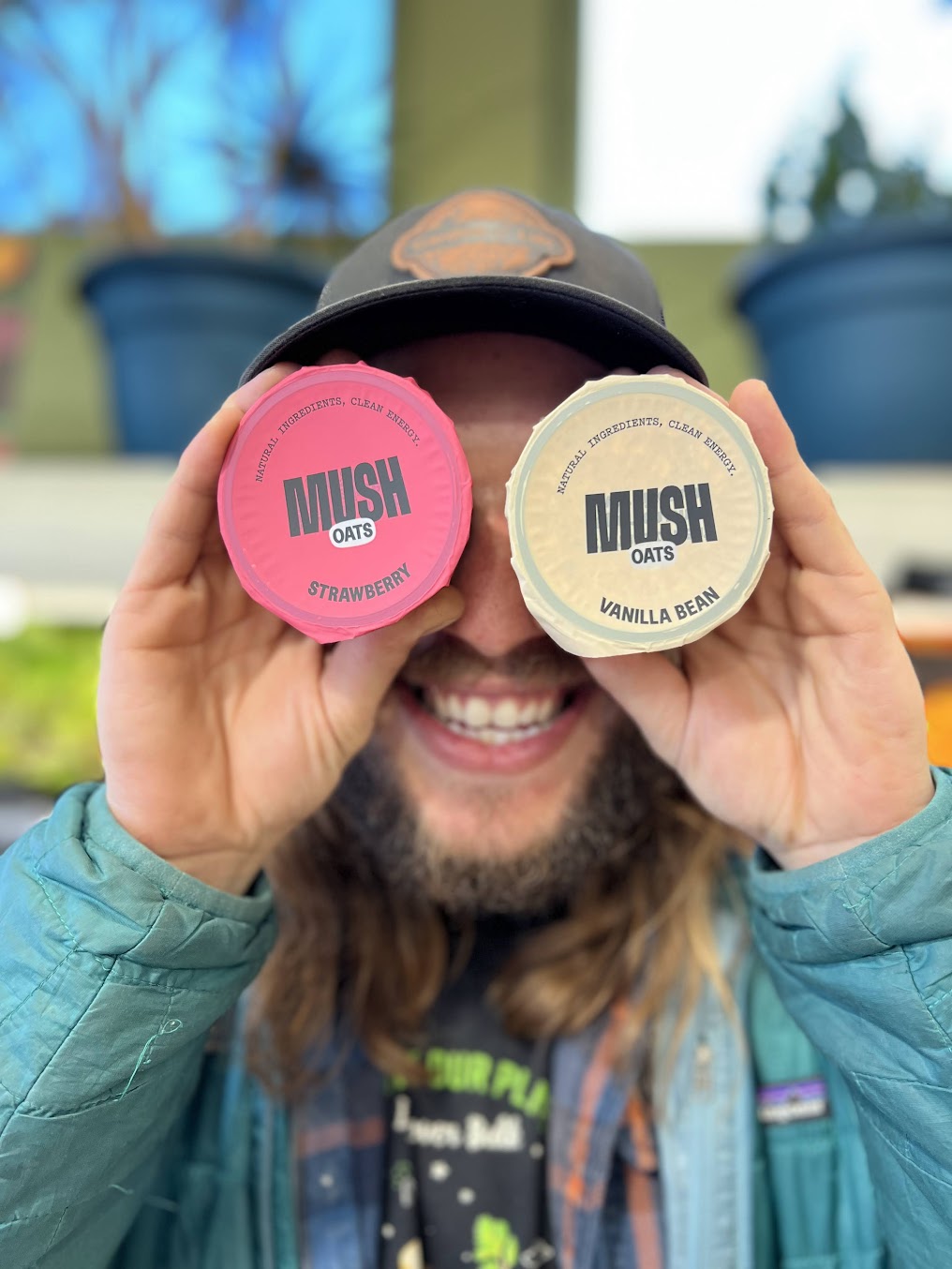
    Celebrate National Oatmeal Month with MUSH Overnight Oats! Did you know Americans buy more oats in January than any other month in the year? Thankfully with MUSH, you can take your energizing morning breakfast on-the-go, or add them with your favorite fruits and yogurt for a superfood yogurt bowl!

    So why should you eat their cold-soaked oats?

    Great question! Regular oats are coated by something called phytic acid – which acts as a nutrient block, preventing your body from absorbing all of the amazing nutrients found in oats (magnesium, zinc, iron, calcium, etc.). Soaking oats helps remove the phytic acid and allows for better digestion and nutrient absorption – and added bonus, they’re soaked in dairy-free milk so everyone can enjoy them!

    Looking for inspiration? Check out their Instagram account by clicking on the video below!

    Stock up on select flavors of their overnight oats before their sale ends January 31st, 2023!

    References:

    https://aultman.org/blog/healthy-living/national-oatmeal-month-health-gains-with-grains/#/

    https://www.instagram.com/reel/Cj8MpfpP478/

  • Niçoise Salad with Christine Waltermyer!

    Niçoise Salad with Christine Waltermyer!

    Niçoise Salad

    Thanks to Christine Waltermyer & The Natural Kitchen Cooking School!

    Christine Waltermyer is a local and renowned Wellness Chef, private chef to celebrities, published cookbook author and founder of the Natural Kitchen Cooking School, which offers an online Plant-Based Cooking Program. She also loves shopping at Basil Bandwagon! Visit naturalkitchenschool.com to subscribe to her email newsletter for new recipes, tips, and FREE access to the Power of Veggies mini-course!


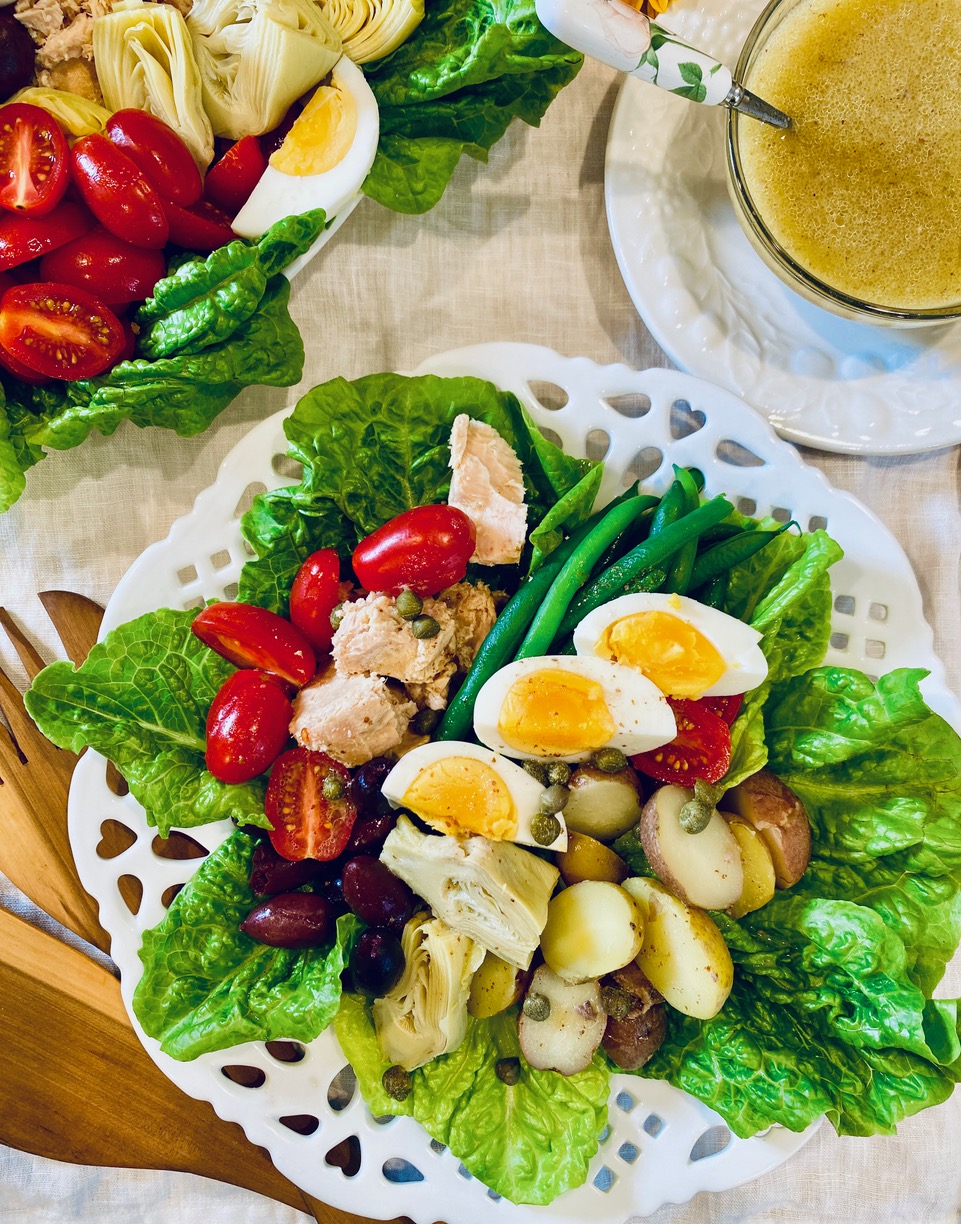
    This classic French salad combines tuna, baby potatoes, crisp green beans, boiled eggs, cherry tomatoes, and a delicious lemon vinaigrette dressing to make a hearty salad that can be served as a meal.

    Niçoise Salad

    This classic French salad combines tuna, baby potatoes, crisp green beans, boiled eggs, cherry tomatoes, and a delicious lemon vinaigrette dressing to make a hearty salad that can be served as a meal.
    Servings: 4
    Course: dinner, Lunch

    Ingredients
      

    • 1 cup baby Yukon gold or red potatoes
    • Sea salt
    • 1 cup haricot vert green beans
    • 4 eggs
    • 1 cup cherry tomatoes
    • 1 medium sized head lettuce – Boston or Romaine
    • ½ cup Kalamata olives pitted
    • 7 ounces canned tuna drained and lightly mashed
    • 2 tablespoons capers drained
    • 4 artichoke hearts drained and sliced in half
    Lemon Vinaigrette Dressing
    • ¼ cup fresh lemon juice
    • 1-2 anchovies chopped or smashed with a fork
    • ½ cup olive oil
    • 2 tablespoons brown or Dijon mustard
    • Sea salt
    • White pepper or black pepper to taste

    Method
     

    1. Cook the potatoes. Place the potatoes in a medium saucepan. Add enough cold water to cover the potatoes. Add a teaspoon of the sea salt. Bring to a boil, then reduce the heat to simmer, uncovered, on medium heat for about 10 minutes, or until fork-tender. Drain and cool the potatoes. Slice them in half.
    2. Cook the green beans. Fill another saucepan with water. Add sea salt to taste. Bring to a boil. Also, fill a bowl with some salted ice water. Add the green beans to the boiling water and cook for a few minutes, or until they are crisp-tender, but still bright green. Drain the green beans, then place them in the ice water for a few minutes. Drain and pat dry.
    3. Cook the eggs. Place them in a saucepan. Cover with cold water by one inch. Bring to a boil over medium high heat. Cover and remove from the heat. Set a timer for 11 minutes. Drain the eggs and place them in an ice bath or run them under cold water to make them easier to peel. I like to peel them under cold running water as well. Slice the eggs in halves or quarters.
    4. Make the lemon vinaigrette dressing. Whisk together in a bowl the lemon juice, anchovies, olive oil, brown or Dijon mustard and the white pepper. Taste and adjust the seasoning if needed. Add 3 to 4 tablespoons of this dressing to the cooked potatoes and toss.
    5. Prep the tomatoes. Slice the tomatoes in half. Place them in a small bowl. Add a little sea salt and pepper to taste. Toss to combine.
    6. Prep the lettuce. Wash and salad spin the lettuce. Separate the leaves. If using romaine lettuce like I did, you may wish to use only the more leafy tops.
    7. Assemble the salad. Prepare either 4 to 6 individual plates, or 1 large serving platter. Arrange the lettuce, tuna, potatoes, green beans, eggs, artichoke hearts, capers, cherry tomatoes, and Kalamata olives. Serve drizzled with the vinaigrette dressing.
    8. Enjoy!

    Thank you to Christine Waltermyer and the Natural Kitchen Cooking School for working with us to help promote healthy, nutritious meals and products that are affordable, full of nutrients, and simple to make at home!

  • Peanut Butter Yogurt Bowl

    Peanut Butter Yogurt Bowl

    Peanut Butter Yogurt Bowl


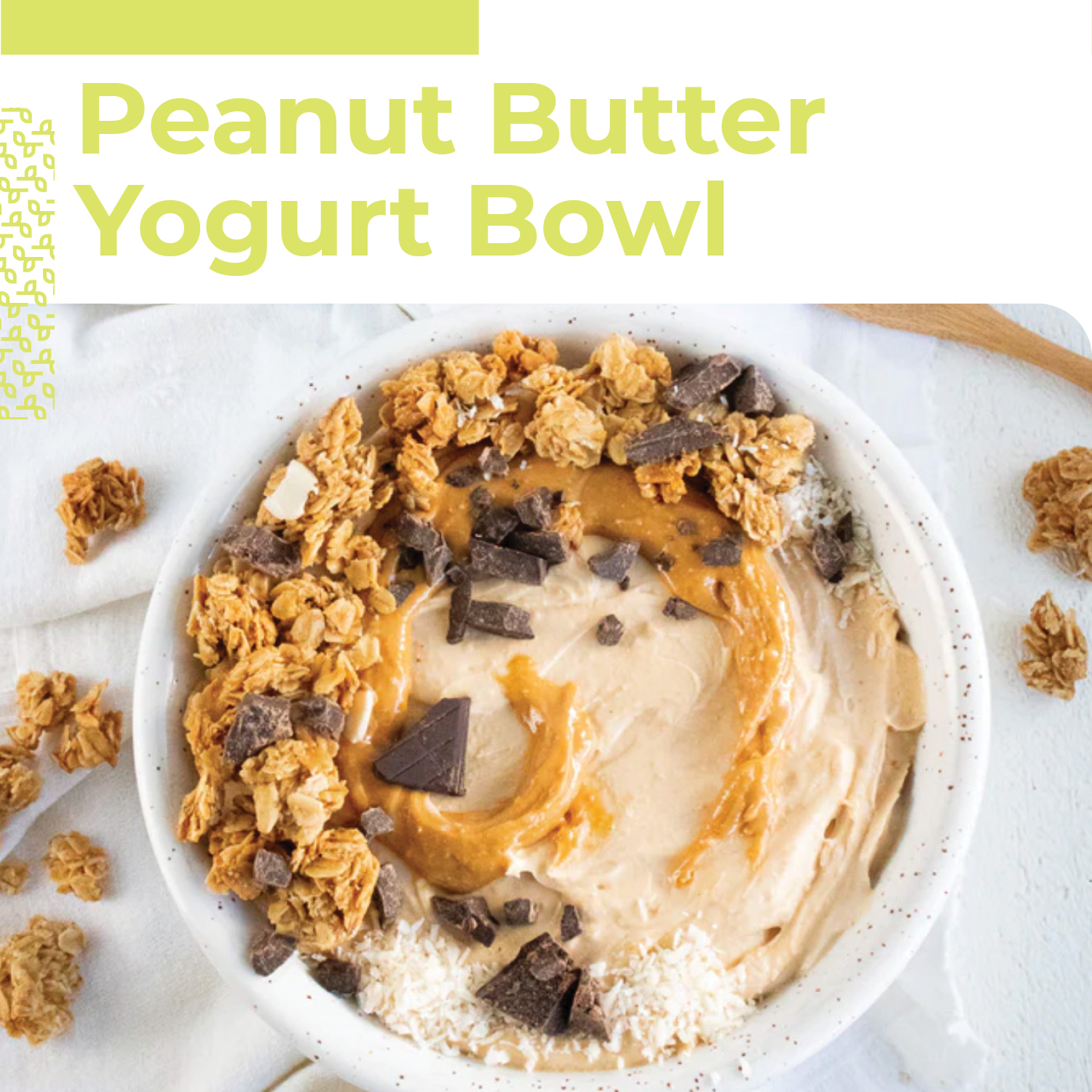
    The basic recipe consists of peanut butter, yogurt, and maple syrup, but you can get creative with any of your favorite toppings. May we suggest pumpkin seeds, dark chocolate, and your favorite granola? Or consider coconut shreds, sliced banana, and mixed berries. This creamy peanut butter yogurt bowl is perfect for meal prepping during busy weeks. Simply keep the ingredients on hand to make when the craving strikes or you can scale the recipe up and store it in the fridge for up to five days.

    Peanut Butter Yogurt Bowl

    This salty and sweet peanut butter yogurt bowl satisfies every craving! Get ready for your new breakfast or go-to afternoon snack with the goodness of collagen and protein to support wellness and sustain energy.
    Servings: 2

    Ingredients
      

    • ½ cup greek yogurt
    • ½ cup smooth peanut butter
    • 2 tablespoons maple syrup
    • 1 serving Vital Proteins Collagen Peptides
    Toppings
    • Coconut shreds
    • Dark chocolate pieces
    • Granola
    • Banana
    • Berries
    • Peanuts
    • Almonds
    • Honey
    • Pumpkin Seeds

    Method
     

    1. In a bowl, whisk together the Greek yogurt, peanut butter, maple syrup and Vital Proteins Collagen Peptides. Combine until creamy, whipped, and smooth.
    2. Divide into bowls and add the toppings of your choice. Enjoy!

    Recipe Provided by INFRA

  • Falafel Lunch Bowl

    Falafel Lunch Bowl

    Falafel Lunch Bowl


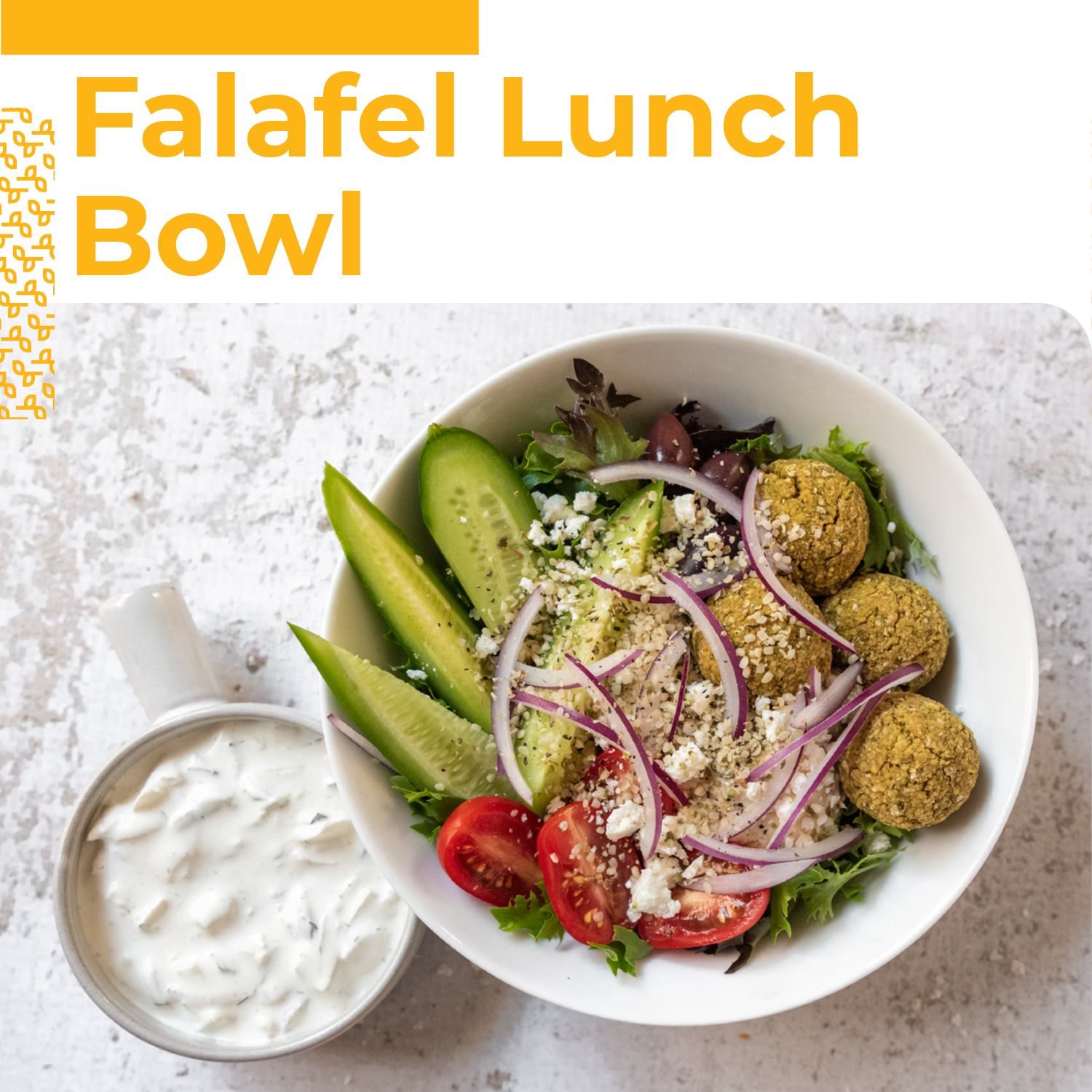
    Sometimes you just need an easy lunch idea. Instead of falling back on takeout, put together this easy falafel lunch bowl using already prepared ingredients! Don’t sleep on the salad bar for washed, prepped, and chopped veggies. You could make a simple yogurt sauce with shredded cucumber. We won’t tell anyone if you buy it though. Colorful, fresh, and simple, this is a tasty compromise between ease and quality. 

    Falafel Lunch Bowl

    Sometimes you just need an easy lunch idea. Instead of falling back on takeout, put together this easy falafel lunch bowl using already prepared ingredients!
    Servings: 2

    Ingredients
      

    • 2 handfuls mixed greens
    • ⅓ cup hummus
    • 4 cooked falafel balls
    • ½ cup cucumber chopped
    • 5 cherry tomatoes halved
    • ¼ cup Kalamata olives pitted
    • ¼ cup red onion julienned
    • ¼ cup feta crumbles
    • ⅓ cup tzatziki sauce

    Method
     

    1. Divide mixed greens between two bowls and place hummus and two falafel balls in the center of each bowl.
    2. Arrange cucumber, tomatoes, olives, onion, and feta as desired.
    3. Serve with tzatziki to dip as desired. Enjoy!

    Recipe Provided by INFRA

  • Warming Vegetable Soup with Ginger

    Warming Vegetable Soup with Ginger

    Warming Vegetable Soup with Ginger


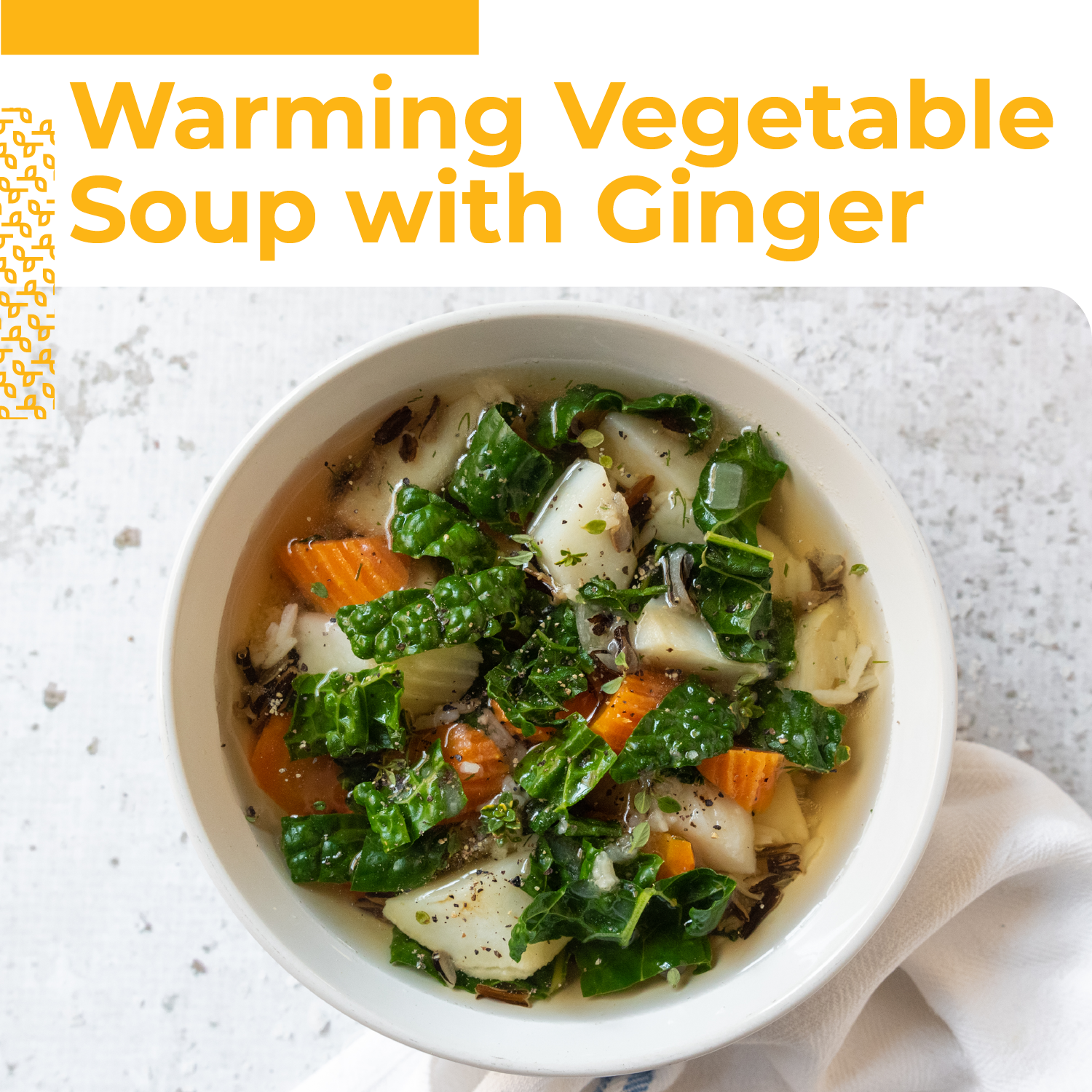
    There are few things more comforting than a hot bowl of soup on a cold night. Think of this as a no-recipe recipe. Got leftover rice from takeout? Need to clean out the crisper drawer before heading to the store for a restock? Mix and match the vegetables in this warming vegetable soup to your preferences, but make sure to include the ginger! 

    Warming Vegetable Soup with Ginger

    There are few things more comforting than a hot bowl of soup on a cold night. Substitute veggie stock for a vegan version and know that you’ve got dinner covered!
    Servings: 6

    Ingredients
      

    • 2 tablespoons olive oil
    • 1 medium onion chopped
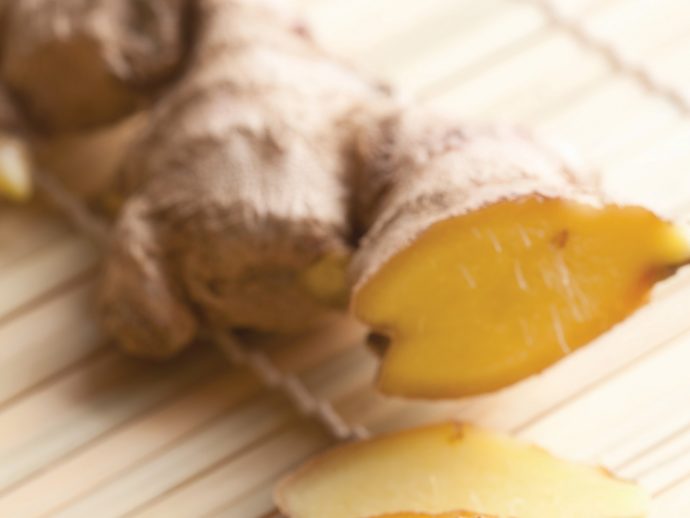
    • 3 inch fresh ginger peeled and minced
    • 2 quarts chicken stock (boxed or homemade)
    • 2 medium carrots peeled and chopped
    • 2 large russet potatoes peeled and cubed
    • 1 bunch kale stemmed and chopped
    • 2 cups cooked basmati rice
    • 2 ½ cups cooked wild rice
    • 2 teaspoons sea salt
    • 1 teaspoon coarse ground black pepper
    • 1 tablespoon sriracha hot sauce

    Method
     

    1. In a large stockpot, heat oil over medium heat. Add onion and sauté until tender. Add ginger and cook for a minute.
    2. Add stock and carrots. Bring to a gentle simmer and cook for 5 minutes. Add potatoes and kale and return to a simmer. Cook until potatoes are tender then stir in rice.  Season soup to taste with salt, pepper, and sriracha.
    3. Enjoy!

    Recipe Provided by INFRA

  • Tropical Smoothie Bowl

    Tropical Smoothie Bowl

    Tropical Smoothie Bowl


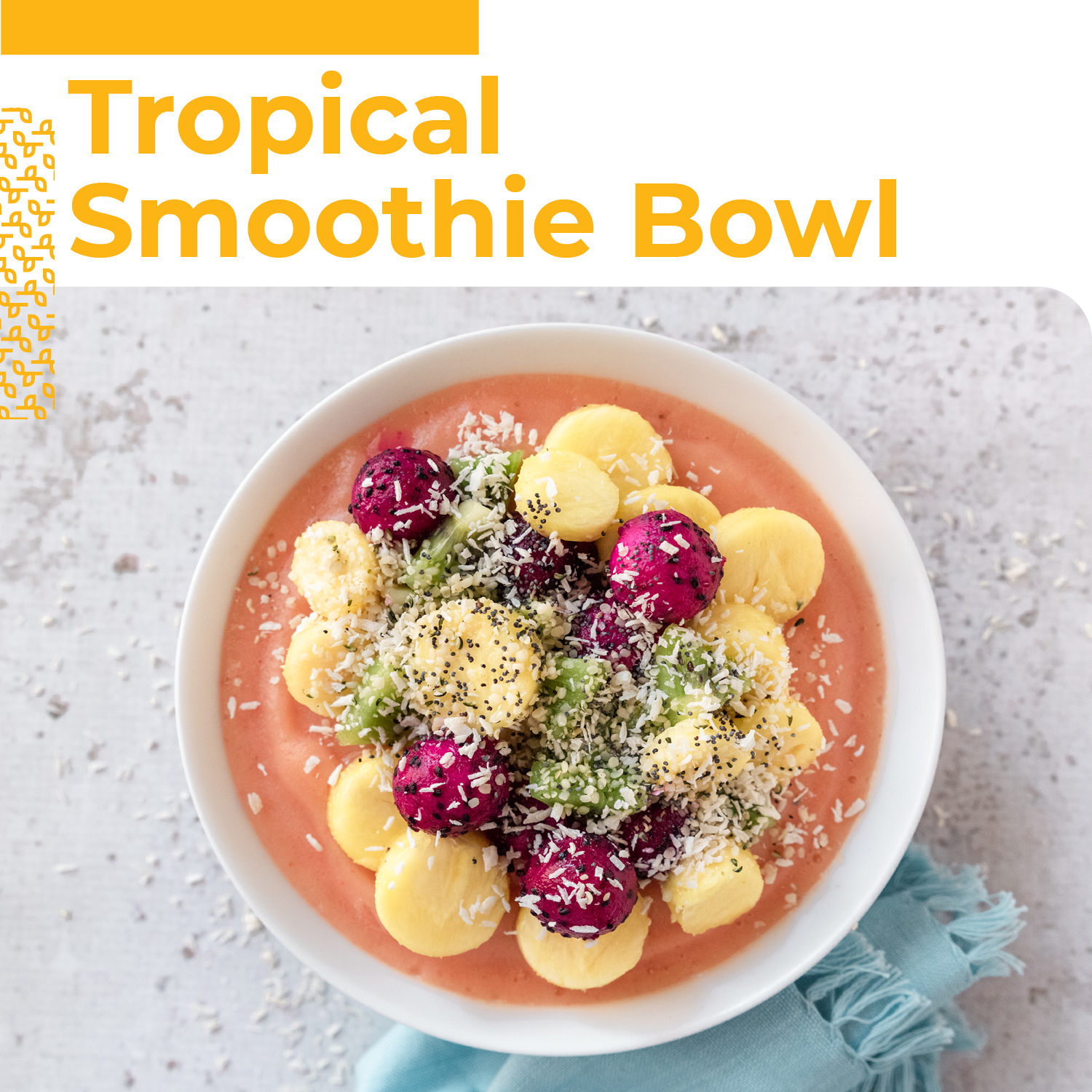
    Smoothie bowls are a perfect way to inject a little tropical flair, not to mention vitamin C, into these winter days. Does the idea of drinking a meal take away some of the satisfaction? Control the consistency of your blended serving of fruits and go wild with toppings!

    Tropical Smoothie Bowl

    Smoothie bowls are a perfect way to inject a little tropical flair, not to mention vitamin C, into these winter days. How will you top your tropical smoothie bowl?
    Servings: 2

    Ingredients
      

    • 10 ounces tropical frozen fruit blend
    • 1 cup almond milk
    • ½ cup orange juice
    • 1 tablespoon honey or to taste
    Toppings
    • 1 kiwi peeled and chopped
    • ½ cup chopped pineapple
    • 1 dragon fruit chopped
    • 1 teaspoon hemp hearts
    • ½ teaspoon chia seeds
    • ¼ cup shredded coconut

    Method
     

    1. Blend frozen fruit, almond milk, orange juice, and honey until smooth. Mixture will be thick. Pour into serving bowls.
    2. Top with fruit and sprinkle on chia seeds, hemp hearts, and shredded coconut. Serve immediately. Enjoy!

    Recipe Provided by INFRA

  • Celiac disease, wheat allergy, or gluten intolerance?

    Celiac disease, wheat allergy, or gluten intolerance?

    Celiac disease, wheat allergy, or gluten intolerance?

    We explain it all for you

    Tested negative for celiac disease but still have a problem with gluten? Here’s an in-depth look at three types of gluten intolerance. Learn how to determine which condition you might have, and how to manage it going forward.

    What’s in a name?

    Gluten intolerance is an umbrella term encompassing three distinct conditions: celiac disease, wheat allergy and non-celiac gluten sensitivity (NCGS), all of which are triggered by different mechanisms.

    Although all three conditions benefit from eating a gluten-free (GF) diet, it’s important to understand which condition is the cause of your gluten woes, so you can customize your approach for rebuilding health in the long term.

    Wheat allergy

    Wheat allergy is a hypersensitivity reaction in the immune system against wheat as a whole, rather than the gluten protein specifically. If your symptoms only occur after ingesting wheat but not after ingesting other gluten-containing grains, like rye and barley, then wheat allergy may be the cause.

    Celiac disease

    Celiac disease occurs when environmental factors, such as viral infections and gut dysbiosis, trigger an autoimmune response upon the ingestion of gluten. Celiac disease can be triggered at any age. Gastrointestinal symptoms occur from the immune system attacking one’s own tissues. The disease can progress to become multisystemic, affecting major organs including the heart and liver.

    Non-celiac gluten sensitivity (NCGS)

    NCGS is a reaction against gluten that is neither a hypersensitivity reaction nor an autoimmune one. Some researchers suggest that NCGS originates in the innate immune system, but we haven’t yet determined the mechanism underlying the condition.

    Spot the symptoms

    Celiac disease, wheat allergy, and NCGS can all present with nonspecific gastrointestinal symptoms, including bloating, abdominal discomfort, diarrhea, and flatulence. Based on digestive symptoms alone, it is difficult to differentiate between these conditions.

    Both NCGS and celiac disease are associated with other syndromes as well. NCGS is associated with Hashimoto’s thyroiditis, dermatitis herpetiformis, psoriasis, and rheumatologic diseases.

    Celiac disease can cause or contribute to serious complications including autoimmune thyroiditis, peripheral neuropathy, epilepsy, infertility, osteoporosis, dermatological conditions, and ataxia (poor balance, coordination, and speech).

    Testing and diagnosis

    When you tell your doctor about your gluten-related symptoms, you may be given a referral to an allergist for testing. Your allergist will likely perform an in-office skin prick test and order blood work to measure wheat-specific IgE. Having a positive result from either of these tests indicates a wheat allergy.

    Receiving negative results from these two tests (no wheat allergy) usually begins the process of screening for celiac disease. Blood tests for celiac include immunoglobulins such as tissue transglutaminase IgA. If this is positive, then a confirmatory small intestinal biopsy is performed.

    Non-celiac gluten sensitivity is a diagnosis of exclusion, only reached following negative results for all the above tests.

    Treatment

    Wheat allergy

    Treatment for wheat allergy requires a wheat-free diet; it may also benefit from gluten-free, too, since many grains are cross-contaminated with wheat. It’s possible for a wheat allergy to subside with time after implementing a wheat-free diet, but allergy severity and duration are different for everyone.

    Celiac disease and NCGS

    These both require a gluten-free diet for treatment. In celiac disease, complete adherence to a gluten-free diet is crucial. Those with NCGS may be able to tolerate a small amount of gluten in the diet, but the amount of gluten and timing of its reintroduction are different for everyone and should be discussed with a healthcare provider.

    It’s also key for your treatment to address nutrient deficiencies that occur from digestive malabsorption, as well as ones that commonly occur from a gluten-free diet.

    Speak with your healthcare provider to treat extraintestinal symptoms of gluten intolerance, such as headache, neuropathy, brain fog, and anxiety. If you have celiac disease, remember to regularly screen for associated conditions, like autoimmune thyroiditis and osteoporosis.

    Article Provided by Alive Magazine

  • How the gut and the lungs are connected

    How the gut and the lungs are connected

    How the gut and the lungs are connected

    What you eat can keep your respiratory health in top shape

    There was a time when we assumed that the gut is for eating and lungs are for breathing. Not long ago, research revealed that they communicate, and that means that your choice of food may help lower your risk of respiratory illnesses.

    What is the gut-lung axis?

    Bacteria get into the lungs from your mouth, from the air you breathe, and from the gut, hence both environmental factors and your gut microbiota will affect respiratory health. Metabolites such as short chain fatty acids (SCFAs) reach the lungs through the lymphatic system and blood circulation. They help reduce inflammation, repair the gut lining, and protect against lung infections.

    Though lungs have fewer bacteria than the gut, they are still a dynamic environment with ability to impact immunity.

    The gut-lung dialogue

    A healthy gut microbiome means better respiratory health and intact mucous layers in the gut and respiratory system. Gut dysbiosis (imbalance), on the other hand, increases the risk of asthma and allergies. Also, chronic respiratory illnesses occur more often in people with irritable bowel syndrome or inflammatory bowel disease.

    Antibiotic treatments, anti-ulcer, and anti-reflux medications affect the gut microbiota and can increase the risk of asthma, allergies, and upper respiratory infections.

    From the lung end, influenza and pneumonia can cause gut dysbiosis and can impact the renewal of intestinal cells.

    Microbiome 101

    Bacteria start colonizing the gut from birth, thriving as they feed on breastmilk prebiotic sugars. Then come solid foods, which further build the gut microbiome.

    Fiber and exposure to dirt help increase the diversity of bugs in our body microbiome, boosting overall health. Because the gut is not an isolated organ, any gut imbalance, or dysbiosis, will affect various parts of the body.

    Dysbiosis can occur at any age and for many reasons: environmental, unhealthy lifestyle, diet, and/or medication. The microbiome tends to become less robust as we age—yet another reason to maintain a fiber-rich diet.

    Supplements for digestive health

    Oral probiotics can reduce the severity of asthma attacks and allergy symptoms in children. They can also improve the gut barrier and reduce inflammation. However, given the multitude of options, consult with a health professional for best suited probiotic supplement.

    Meanwhile, munch on naturally fermented foods such as sauerkraut and kimchi regularly. They contain probiotic bacteria and prebiotics, plus vitamins and minerals formed during fermentation.

    Other supplements that may help include:

    • L-glutamine
    • Vitamin D
    • Vitamin C

    Check with your health care practitioner before taking a new supplement.

    Eating for trillions

    FoodsBenefits for our microbiomes
    legumessoluble and insoluble fiber; resistant starch
    flaxseedssoluble fiber
    chia seedssoluble fiber and mucilage
    fruitsoluble fiber; boosts respiratory health
    berriespolyphenols which impact gut microbiota directly or are metabolized into beneficial compounds
    leafy greenssoluble and insoluble fiber; complex carbohydrates that gut bacteria metabolize into pathogen-fighting compounds
    whole grainssoluble and insoluble fiber, resistant starch, and complex carbohydrates

    Article Provided by Alive Magazine

  • 6 ways to strengthen your natural immunity

    6 ways to strengthen your natural immunity

    6 ways to strengthen your natural immunity

    Simple lifestyle choices to keep you feeling good

    Fighting off germs is busy work for our immune systems, but we can make it easier on ourselves. Discover how small lifestyle choices can keep our immune systems ready for action—and make a big difference in our long-term health.

    According to Lisa Osborne, an assistant microbiology and immunology professor, there are simple things we can do to keep our immune systems strong. They come down to listening to what your mother told you growing up: “Activity, healthy diet, sunlight when you can get it. We know these are critical factors for mental health as well as physical health and supporting immune function,” she says. Osborne also strongly encourages vaccination.

    1. Eat well

    Healthy immunity starts on your plate. Focus on whole grains, fresh produce in an array of colors, and healthy proteins such as nuts and seeds to help your body produce infection-fighting white blood cells.

    2. Get moving

    Regular, moderate physical activity bolsters the immune system and its ability to fight off illnesses, including cold and flu viruses. According to the World Health Organization, adults should aim for 150 to 300 minutes of moderate-intensity aerobic exercise, or 75 to 150 minutes of vigorous aerobic exercise each week, with two sessions of strength training for best overall health.

    3. Get some sleep

    A good rule of thumb is to aim for at least seven hours of sleep each night. If you’re having trouble sleeping, set a consistent schedule, and avoid screens, alcohol, caffeine, and large meals before bed. If worry is keeping you awake, keep a notebook beside your bed to clear your head.

    4. Tackle stress

    Too much stress can disturb your immune response and lower your protection against infectious illnesses. To help lighten the load try meditation, yoga, or any form of movement.

    5. Prioritize your social life

    Perceived social isolation has been linked to impaired immunity and a whole host of other health issues. To combat loneliness, create and maintain meaningful social connections, stay in touch with loved ones, say yes to activities you enjoy, volunteer, or participate in book clubs or community groups.

    6. Consider supplements

    Check with your health care practitioner before taking a new supplement.

    vitamin Cmay help prevent and treat systemic and respiratory infections and help shorten colds
    vitamin Dmay help reduce the incidence of cold and flu, help control infections, and reduce inflammation
    magnesiumplays a key role in keeping the immune system strong
    zinchelps the immune system fight infections and heal wounds
    quercetinhelps stimulate the immune system and possesses antiviral, anti-inflammatory, and anti-allergic properties
    elderberriesmay reduce inflammation, lessen stress, and ease symptoms or reduce duration of cold and flu symptoms
    oil of oreganohas antimicrobial, antiviral, antifungal, antioxidant, and anti-inflammatory properties

    Article Provided by Alive Magazine