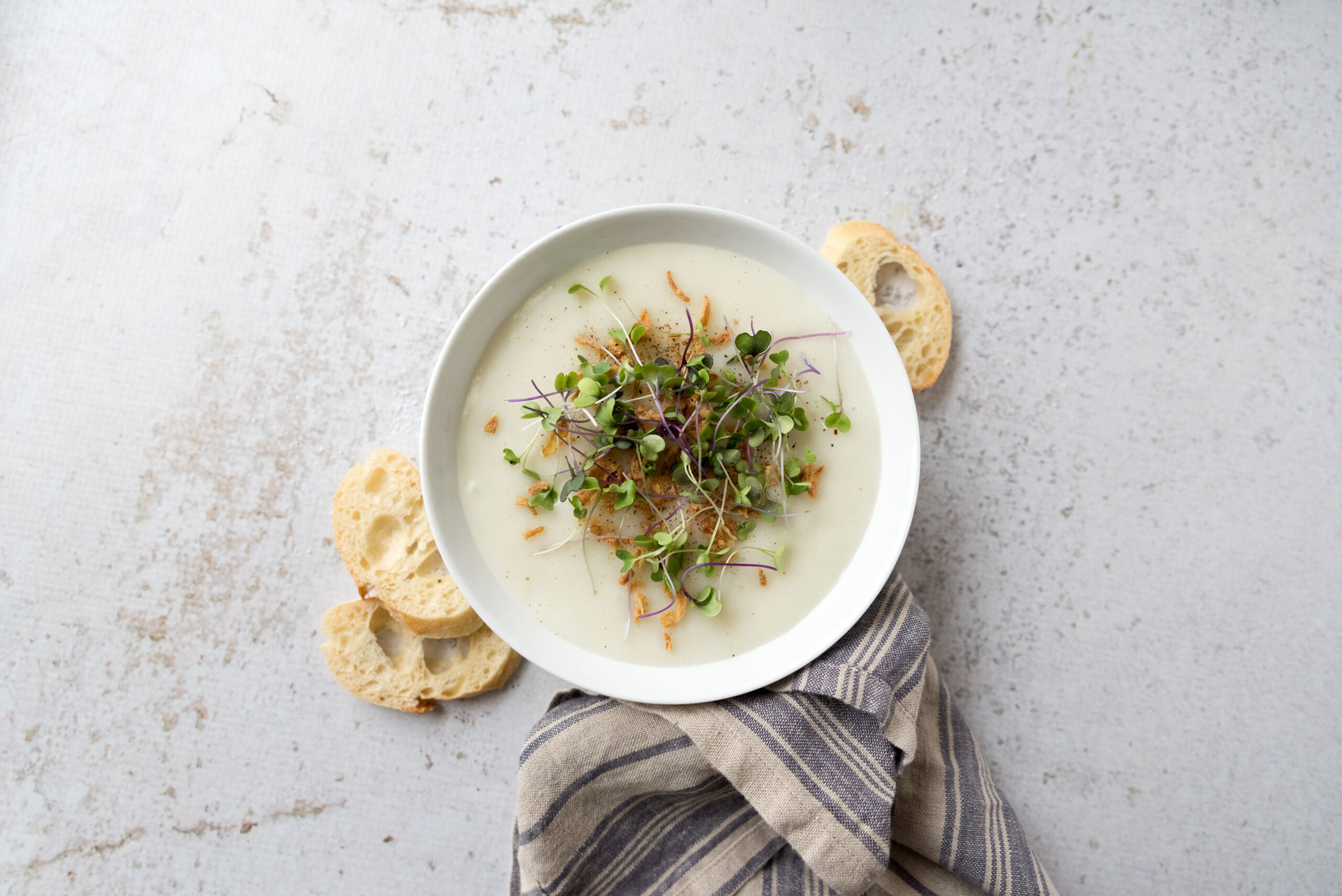
With just a few ingredients, you can make this luxurious, creamy soup. Perfect for days that don’t quite feel like spring, take storage potatoes, spring leeks, and the best vegetable stock you can find, whether it’s homemade or boxed. Adding a hefty pour of cream brings decadence that will satisfy you even if you’d rather soup season were behind you. An immersion blender makes quick work of creating the smooth texture, but don’t be afraid to leave the soup chunky or use a countertop blender if that’s what you’ve got. Crusty bread makes this soup a meal!
Potato Leek Soup
With just a few ingredients, you can make this luxurious, creamy soup. Perfect for days that don’t quite feel like spring.
Thanks to Christine Waltermyer & The Natural Kitchen Cooking School!
Christine Waltermyer is a local and renowned Wellness Chef, private chef to celebrities, published cookbook author and founder of the Natural Kitchen Cooking School, which offers an online Plant-Based Cooking Program. She also loves shopping at Basil Bandwagon! Visit naturalkitchenschool.com to subscribe to her email newsletter for new recipes, tips, and FREE access to the Power of Veggies mini-course!
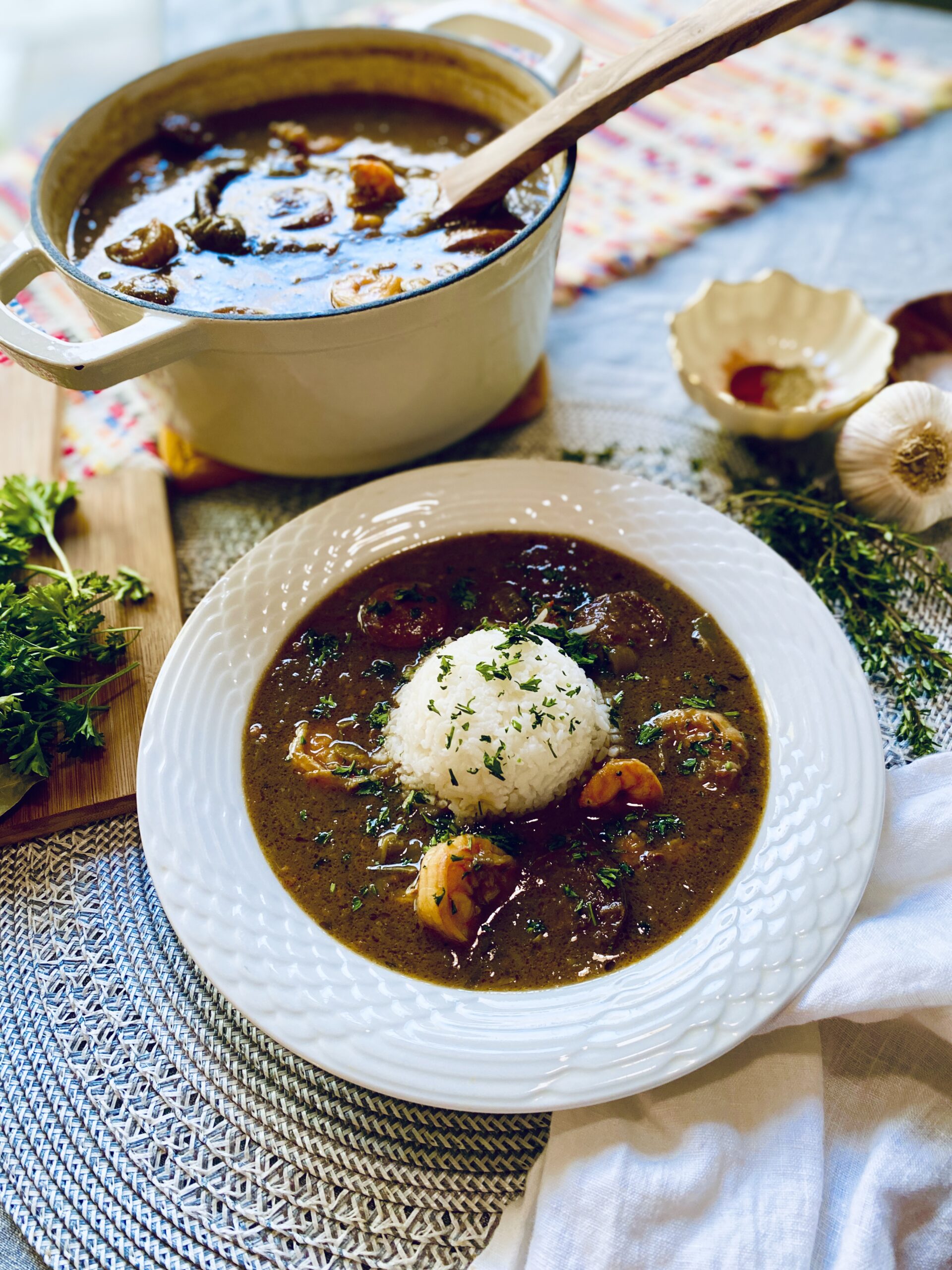
New Orleans Gumbo is an amazing fusion of cultures and flavors. While the roots of gumbo are African, the modern dish is a culmination of contributions from Native American, French, Spanish, and Caribbean cuisines. Enjoy!
½cupghee (clarified butter)divided (or tallow or bacon fat)
2cupsfrozen okrasliced and thawed
½cupall-purpose flour
1medium yellow onionchopped
1medium bell pepperseeded and chopped
2stalks celerychopped
2cloves garlicminced
2bay leaves
1poundsausagesliced
5sprigsfresh thyme
1tablespooncoconut aminos
Sea saltto taste
White or black pepperto taste
2poundsshrimppeeled, deveined, and rinsed
4cupscooked rice
1-2teaspoonsfilé powder
Fresh parsleyto garnish
Method
Make the seafood gumbo stock
In a large soup pot, place all of the seafood gumbo stock ingredients. Bring to a boil over medium high heat. Reduce the heat to medium-low and simmer for 30 minutes. Strain the stock through a large fine-mesh strainer. Set aside. If not using right away, the stock can be cooled and stored in a glass jar in the refrigerator for up to 3 days.
Make the mild Creole seasoning
In a small bowl, stir together all of the Mild Creole Seasoning ingredients until well combined.
Fry the okra
Heat 2 tablespoons of the ghee in a large skillet over medium heat. Add the okra and fry for a few minutes. Use a slotted spoon to transfer the okra to a paper towel-lined plate.
Make the roux
Whisk together the remaining ghee and the flour in a large soup pot over medium-low heat until for 25 minutes. Whisk constantly, until it turns a rich brown color. Watch closely, being careful not to burn the roux. Remove from the heat and continue whisking until it cools down.
Cook the gumbo
Place the soup pot containing the roux back on the stove. Add the onion, bell pepper, celery, and the mild creole seasoning. If you like more seasoning, feel free to increase the amount of spices used. Cook and stir for 5 minutes over medium heat, or until the onions have softened. Add the garlic and bay leaves.
Increase the heat to medium-high heat. While whisking or stirring constantly, add the seafood gumbo stock, a few cups at a time. Add the okra, sausage, thyme, and coconut aminos. Bring to a boil, then reduce the heat to low and simmer uncovered for 1 hour. Add more salt and pepper to taste. Stir in the shrimp. Cook for 10 more minutes. Stir in the filé powder.
Ladle 2 cups of the hot gumbo into each bowl. Add one cup of rice in the center of each bowl. Enjoy!
Notes
Note: Cool any remaining gumbo by placing the soup pot in an ice bath, then transfer to a covered container and refrigerate immediately to prevent spoilage.
Thank you to Christine Waltermyer and the Natural Kitchen Cooking School for working with us to help promote healthy, nutritious meals and products that are affordable, full of nutrients, and simple to make at home!
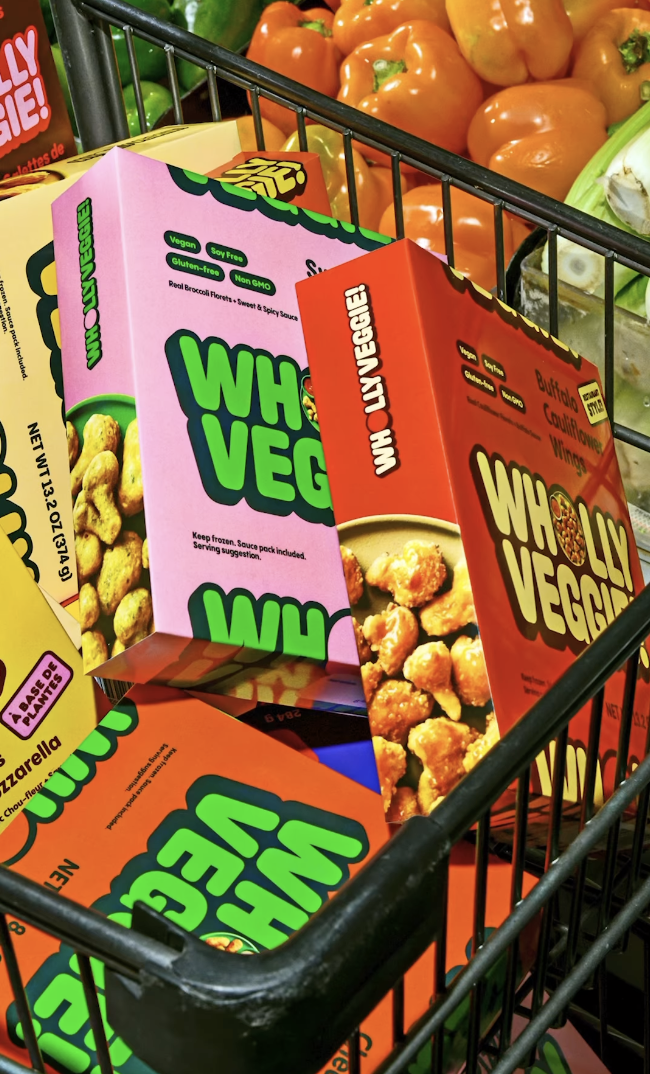
If you’re on the hunt for delicious, plant-based snacks that even a non-plant-based eater would enjoy, we got you! Wholly Veggie’s snacks are the perfect addition to your foodie collection – especially for your full spread for Sunday’s big game 🏈 Check out their gluten-free, vegan goodies below – including a Cheeze Stick Caprese Salad recipe, too!
Mozzarella Style Sticks
Perfectly good veggies were rescued to create our crispy crust. It’s called upcycling. Your mouth tastes cheesy, gooey goodness, your body gets veggies. Your brain explodes.
Buffalo Cauliflower Wings
Full cauliflower florets, lightly coated in a crunchy panko crust. Our gluten free, panko coating gives our cauliflower a unique, crunchy bite. Paired with our outrageously popular Buffalo Sauce, our Buffalo Cauliflower is perfect as an after work or after school snack. Just bake n’ snack.
Ranch Cauliflower Wings
Full cauliflower florets, lightly coated in a crunchy panko crust. Our gluten free, panko coating gives our cauliflower a unique, crunchy bite. Paired with a plant based ranch sauce. Perfect for taco night or Sunday game day. Just bake n’ snack.
Cheeze Stick Caprese
This Caprese Salad made from Wholly Veggie's plant-based cheeze sticks is festive, fresh, and perfect for any party or holiday meal! Not only does this showstopper look great, it's super simple to make.
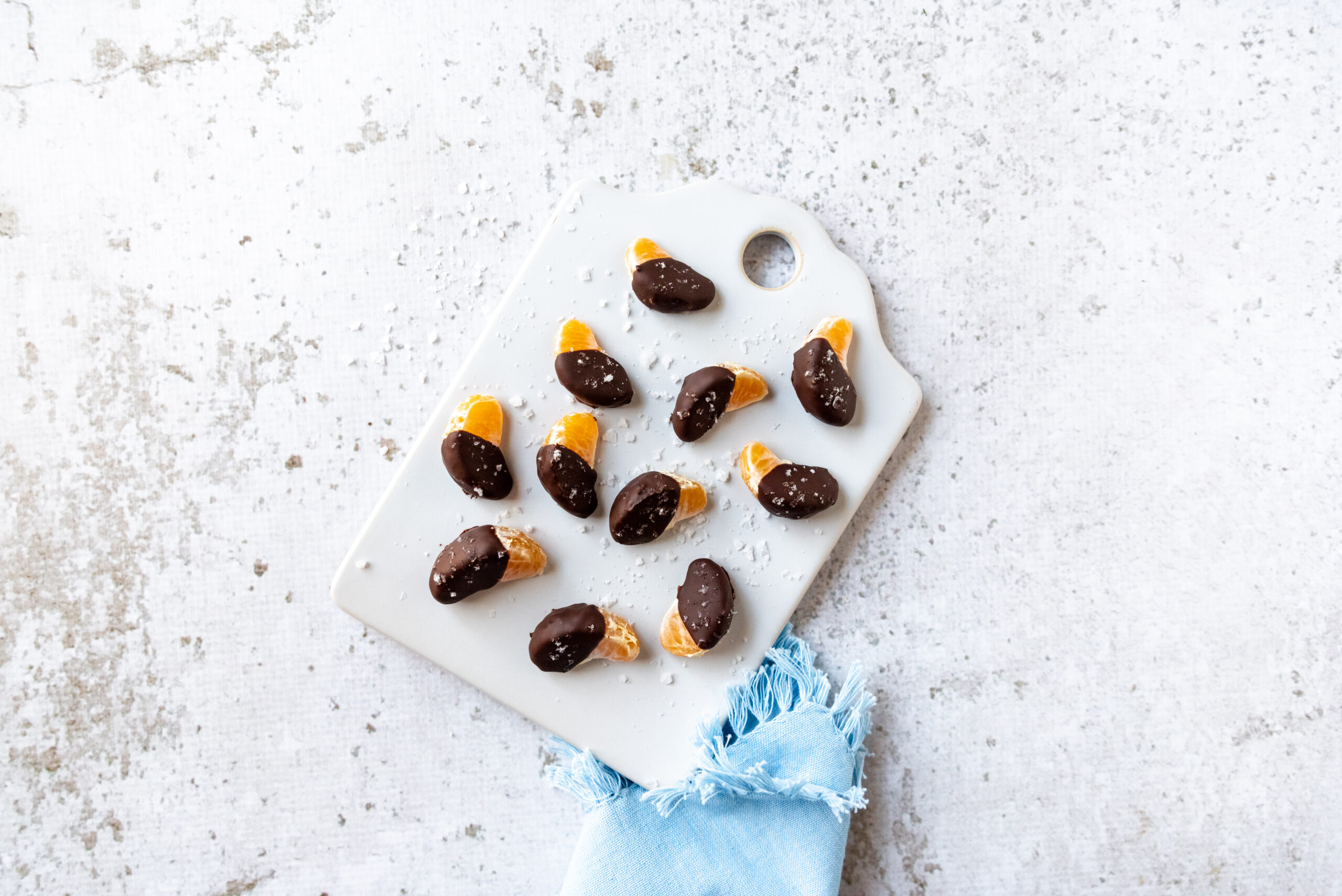
Chocolate covered strawberries look impressive, but the flavors of chocolate and orange are a classic combination that shouldn’t be forgotten this time of year. With peak season citrus and a dash of flaky sea salt, these chocolate sea salt mandarin oranges will be bursting with juicy flavor. They’re super easy to make, and you’ll get credit for a homemade Valentine’s gift. You can turn to this recipe year-round whenever you want to impress or have an abundance of citrus on hand.
Chocolate Sea Salt Mandarin Oranges
A Valentine’s mainstay is the chocolate covered strawberry, but we think seasonal citrus and just the right amount of flaky sea salt is an even better expression of your love.
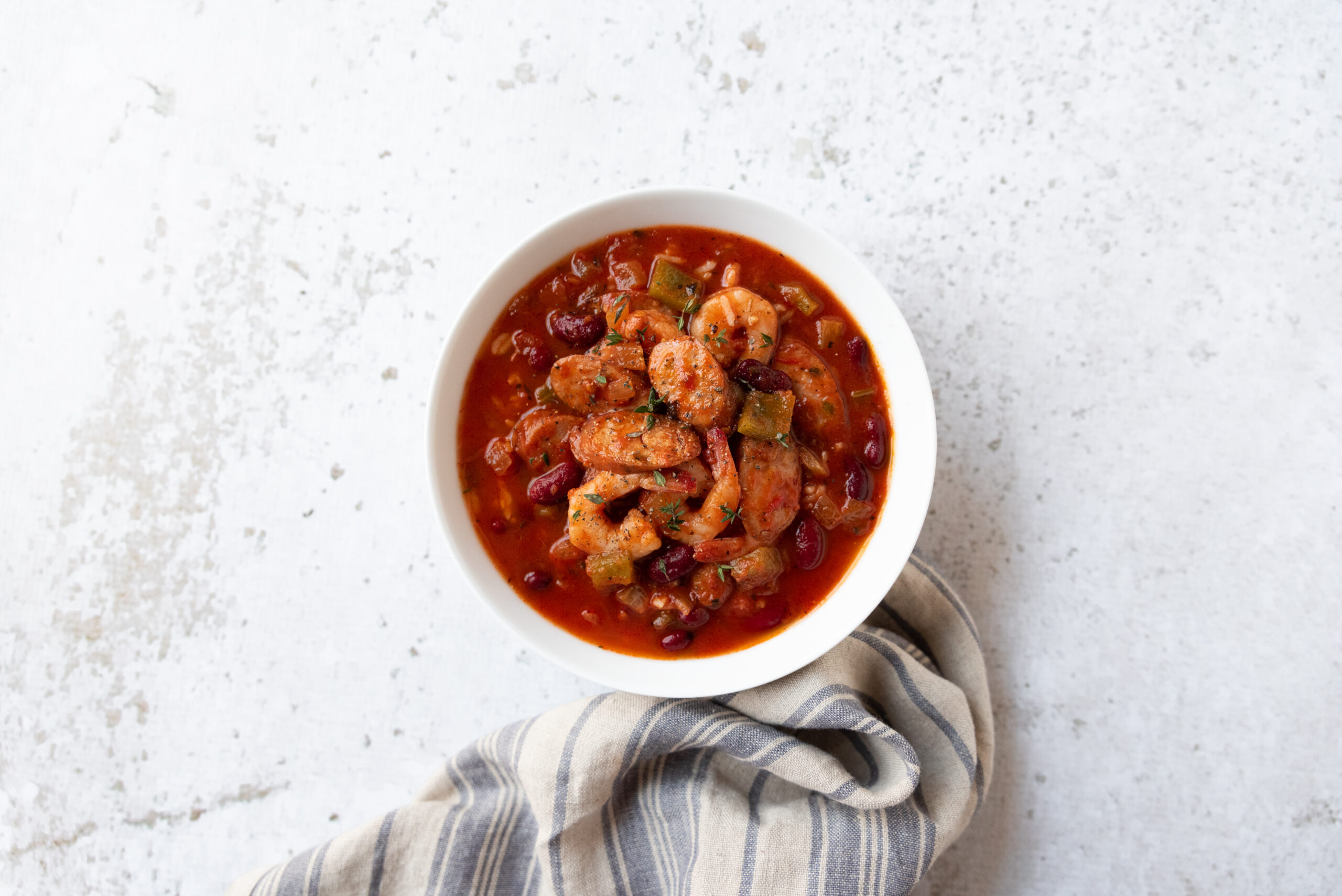
Getting ready for Mardi Gras? This Jambalaya Stew should be in your meal plan. A nod to the classic jambalaya, it’s filled with sausage, shrimp, veggies, and plenty of herbs and spices. You’ll build so much flavor in under an hour, this could be a weeknight meal, especially if you’ve got some leftover rice in the fridge. The holy trinity of creole cooking, onion, celery, and green bell pepper, form the base of the dish, with dried herbs, premixed spice blends, and a bit of harissa paste adding flavor and spice. Laissez les bons temps rouler!
Jambalaya Stew
Getting ready for Mardi Gras? This Jambalaya Stew should be in your meal plan. A nod to the classic jambalaya, it’s filled with sausage, shrimp, veggies, and plenty of herbs and spices.
In a large pot, heat oil over medium heat. Sauté sausage slices until browned. Remove from pan and set aside.
In the same pan, add onion and sauté until translucent. Stir in celery and green bell pepper, sauté for three minutes then add garlic and cook for another minute.
Stir in broth, tomatoes, harissa, Creole seasoning, paprika, thyme, and salt. Bring to a simmer and cook for 20 minutes. Add in peeled shrimp and cook until shrimp turns opaque, approximately three minutes.
Add in kidney beans, cooked rice, and sausage. Heat through and adjust seasonings to taste.
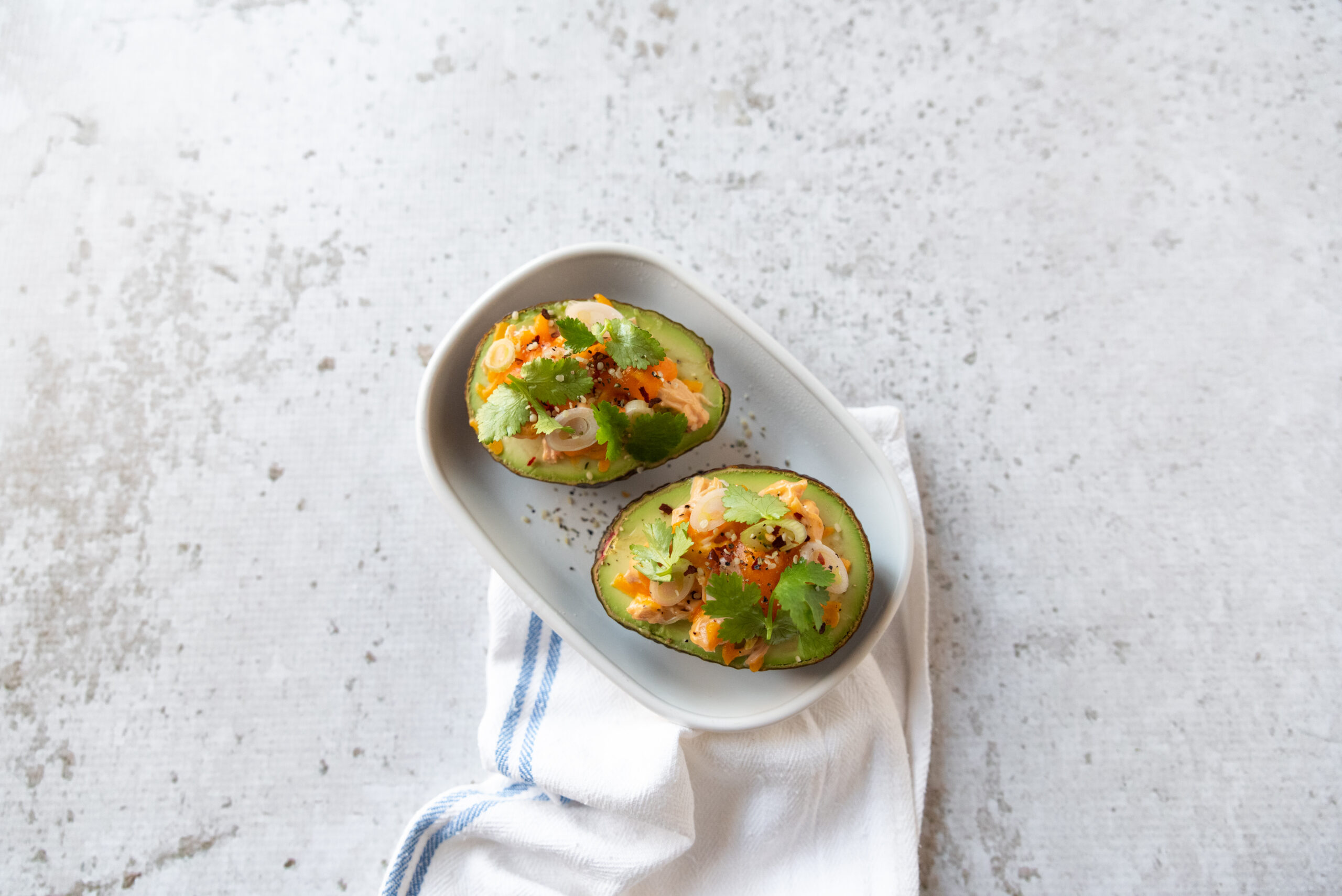
Whether you’re hosting for the big game or just want to feed a crowd easily, this Buffalo Chicken Stuffed Avocados recipe will make you the MVP! With healthy fats and protein, you’ll be satisfied long after the last whistle. Can’t find ready to eat buffalo chicken salad? You can always take your favorite chicken salad recipe and substitute some buffalo sauce for some of the mayonnaise. For an even easier hack, just stir in buffalo sauce to a prepared chicken salad. It is sure to be saucy and delicious!
Buffalo Chicken Stuffed Avocados
Ready for the big game? The first thing you may think of serving at half time is guacamole. Take it one step further with Buffalo Chicken Stuffed Avocados! It’s Keto. It’s easy. It’s delicious. Whether your team is winning or losing, this dish puts you on the winning team.
Red is a color commonly associated with passion and love, but red foods may have a direct effect on our heart health. The same pigments that give red foods their color, called anthocyanins, are also responsible for a host of health benefits, including reduction of inflammation in the body, and have been shown to help with heart health, playing a role in better cholesterol and triglyceride profiles.
Tuna-Stuffed Piquillo Peppers with Romesco-Style Sauce
When paired with a salad, this dish easily serves two as a main meal, but it will stretch to a few more as part of a tapas-style meal.
11-12piquillo or sweet red peppers (drained contents of 9 1/2 oz jar)
2tablespoonswhole hazelnuts
1tablespoonolive oil
1teaspoonsweet Spanish paprika
1garlic clovepeeled
½teaspoonsherry vinegar
2teaspoonhoneydivided
Method
Preheat oven to 350°F.
In small bowl, with fork, mix together tuna, parsley, lemon zest and juice, and black pepper. Set aside.
Remove whole peppers from jar and set aside 6 to be stuffed. In bowl of food processor, place remaining peppers with hazelnuts, olive oil, paprika, garlic, sherry vinegar, and 1 tsp honey, and pulse to blend into a sauce. The texture will not be completely smooth.
Add about 2 Tbsp of sauce to tuna mixture and stir through. Spoon remaining sauce into small baking dish to make a base for stuffed peppers.
Stuff tuna mixture into 6 piquillo peppers and place them on top of the sauce in baking dish. Drizzle with remaining 1 tsp honey and bake for 15 to 20 minutes.
Enjoy!
Red Berry Salad
Delicious, sweet berries and sharp red onion combine, with the help of some balsamic vinegar and a hint of basil, to make a classic salad.
In large skillet, toast pumpkin seeds over medium-high heat, stirring frequently, until golden brown. Pour onto plate to cool and set aside.
In bowl, place berries, basil, vinegar, and maple syrup, and stir gently to coat. Set aside and allow to marinate for about 30 minutes. After time has elapsed, into large bowl, strain any liquid and add one or two raspberries, reserving the remainder.
Mash the two raspberries in liquid in large bowl, add olive oil and salt, and whisk together. Add red onion and greens and toss to coat. Arrange on large platter, placing reserved marinated berries on top. Sprinkle with pumpkin seeds and serve.
Enjoy!
Spicy, Smoky Tomato-Braised Eggs
This simple yet luxurious dish is based on a dish from the south of Spain, similar to a North African shakshuka. It’s a satisfying meal, equally at home on the dinner table as on the breakfast bar.
Turn oven broiler to high. Rub red pepper with 1 tsp olive oil and place in baking pan. Place pan under broiler. While watching carefully, turn pepper occasionally as each side blackens under the heat, about 10 minutes. When all sides of red pepper have been fully blackened, remove from oven and place in paper bag to cool.
Add 1 Tbsp olive oil to 9 in cast iron skillet and saute onion on medium-low heat for about 5 minutes, until soft. Add garlic and red pepper flakes, and continue to cook for a further 5 minutes, until garlic is translucent. Add sweet smoked paprika and tomatoes to pan, stir thoroughly to incorporate, and allow to simmer on medium heat for 20 to 30 minutes.
Once pepper is cool, peel and discard skin and seeds. Place flesh in food processor or blender and puree. Add pepper puree to tomato sauce with salt, honey, and, if desired, hot smoked paprika. Allow sauce to simmer for 15 minutes more. Add in red chard and mix through.
Crack eggs into individual pinch bowls or glasses and set aside. Press the bowl of a soup ladle into sauce, and pour in an egg. Then tip contents slowly into tomato mixture. Repeat with remaining eggs, arranging them evenly over surface of skillet. For soft eggs, simmer for approximately 10 minutes, covering halfway through. Sprinkle with parsley and serve with a warm tortilla or a piece of crusty bread.
When you think of inflammation, you might think of pain. But inflammation is a key contributor to a number of surprising conditions, including cardiovascular disease. Here’s how inflammation works, and what we can do about it.
How inflammation works
It is now known that inflammation plays an important role in cardiovascular disease. But how could inflammation be a cause of something that seems as uninflammatory as heart disease?
According to naturopath and cardiologist Decker Weiss, NMD, FASA, inflammation plays both a general and a specific role. Generally, inflammation contributes to cardiovascular disease because inflammatory conditions such as arthritis, autoimmune diseases, and diabetes increase the risk of developing heart disease.
Specifically, Weiss says, “… elevated insulin, elevated blood sugar, trans fats, and homocysteine irritate and inflame the endothelium, or the lining of our blood vessels, initiating the process of coronary artery disease.” So, inflammation can both initiate and accelerate heart disease.
How nutritional heart helpers work
Think of some of the ways garlic and dark chocolate can help your heart. Inflammation causes endothelial dysfunction, which leads to vascular disease and atherosclerosis.
Garlic
may help tamp down inflammation. So, supplementing with garlic could aid in improving endothelial function and vascular elasticity and, thus, play an important role in preventing cardiovascular disease.
Dark chocolate
may also help reduce inflammation, and it may also improve endothelial function, improving blood vessel function and dilation enough to seriously reduce the risk of cardiovascular disease.
Diet, inflammation, and heart disease
One of the most innovative studies on preventing heart disease started with two things we know—that inflammation causes heart disease and that diet causes inflammation—and asked whether diet could cause heart disease.
The huge study found that diets that were higher in foods that cause inflammation were associated with a 38 percent higher risk of cardiovascular disease, 46 percent higher risk of coronary heart disease, and 28 percent higher risk of stroke.
Inflammatory foods included red meat, processed meat, organ meat, refined carbohydrates, and sweetened beverages.
Anti-inflammatory foods are heart healthy and include leafy green vegetables, dark yellow vegetables, fruit, whole grains, and tea.
Supplements to consider
Always check with your health care practitioner before trying out a new supplement. The following supplements have anti-inflammatory properties and may have a positive effect in preventing heart disease:
omega-3s
hawthorn
curcumin
ginkgo
olive leaf extract
pine bark extract
grapeseed extract
green tea
ginger
vitamins C and D
quercetin
Foods for heart health
Food
Heart-health benefits
Nutrients
soy
may help significantly lower LDL (bad) cholesterol
isoflavones
nuts and seeds
may contribute to lowering LDL (bad) cholesterol and triglycerides and may help lower the risk of dying from cardiovascular disease
fiber; monounsaturated and polyunsaturated fats
extra-virgin olive oil
can help reduce the risk of coronary artery disease and improve cholesterol
Heart health is important to us all. So, too, is good food. Food and heart health make a natural couple. Here are some more happy couples: food duos that, together, provide heart-healthy dividends.
There are certain foods that, instead of taking a solo adventure to improve our heart health, instead, seem to perform better when set free to mingle. This is called food synergy: where the benefits of two or more foods eaten together can be greater than the sum of their parts. When working in unison, these foods amplify their nutritional benefits.
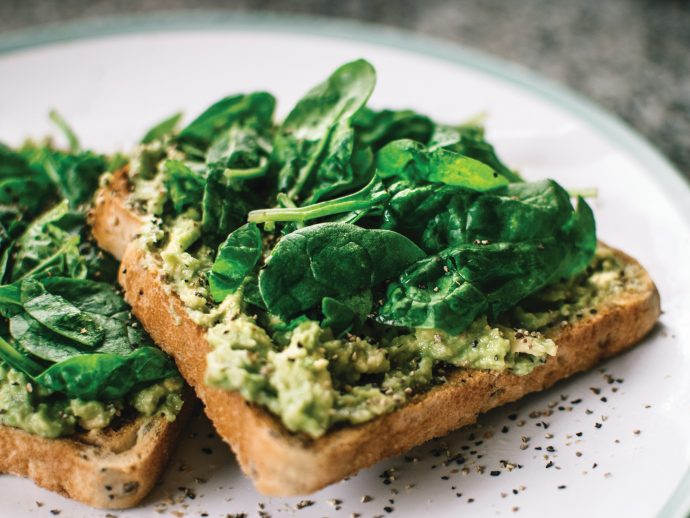
Spinach and avocado
Dark leafy greens such as spinach and kale are already nutritional heavy hitters, but if you really want to reap their rewards, make sure to fatten them up. Research shows that consuming foods such as kale, tomatoes, and carrots—good sources of carotenoid antioxidants including lycopene and beta carotene—with a dietary source of fat, such as avocado, can increase how much of these heart-friendly plant compounds we absorb.
Turmeric and black pepper
While turmeric is increasingly being studied for its heart-benefitting, lipid-lowering, and anti-inflammatory powers and a big reason why golden milk is trending, we don’t absorb its main bioactive compound, curcumin, into the bloodstream very well. The good news is that a chemical found in black pepper called piperine can greatly bolster our ability to take up curcumin. So, whenever you add the golden spice to curries, soups, sauces, and scrambled eggs, don’t forget to also include a few twists of the pepper grinder.
Oats and berries
Sure, a hunk of steak is a good source of iron, but you can also get the mineral from plant-based foods such as oats, beans, lentils, tofu, fortified cereals, and spinach. There’s a catch, though: only 2 to 20 percent of the iron found in plant foods, called non-heme iron, makes its way from your digestive tract into your blood. Mother Nature has provided an assist in the form of vitamin C (ascorbic acid)—present in edibles such as berries, bell pepper, tomatoes, broccoli, and citrus—which converts plant-based iron into a form that is more readily absorbed.
Tea and lemon
A recent study discovered that adults who consumed more green or black tea were, on average, more likely to have lower total and LDL (bad) cholesterol and higher HDL (good) cholesterol than those who didn’t consume tea. It might be that the potent antioxidants, including catechins, in green tea can improve your cholesterol profile. And it turns out you can make green tea even more of an antioxidant powerhouse by adding a squirt of lemon. Citrus juice can increase the amount of antioxidants in green tea that are available for the body to absorb by up to five-fold.
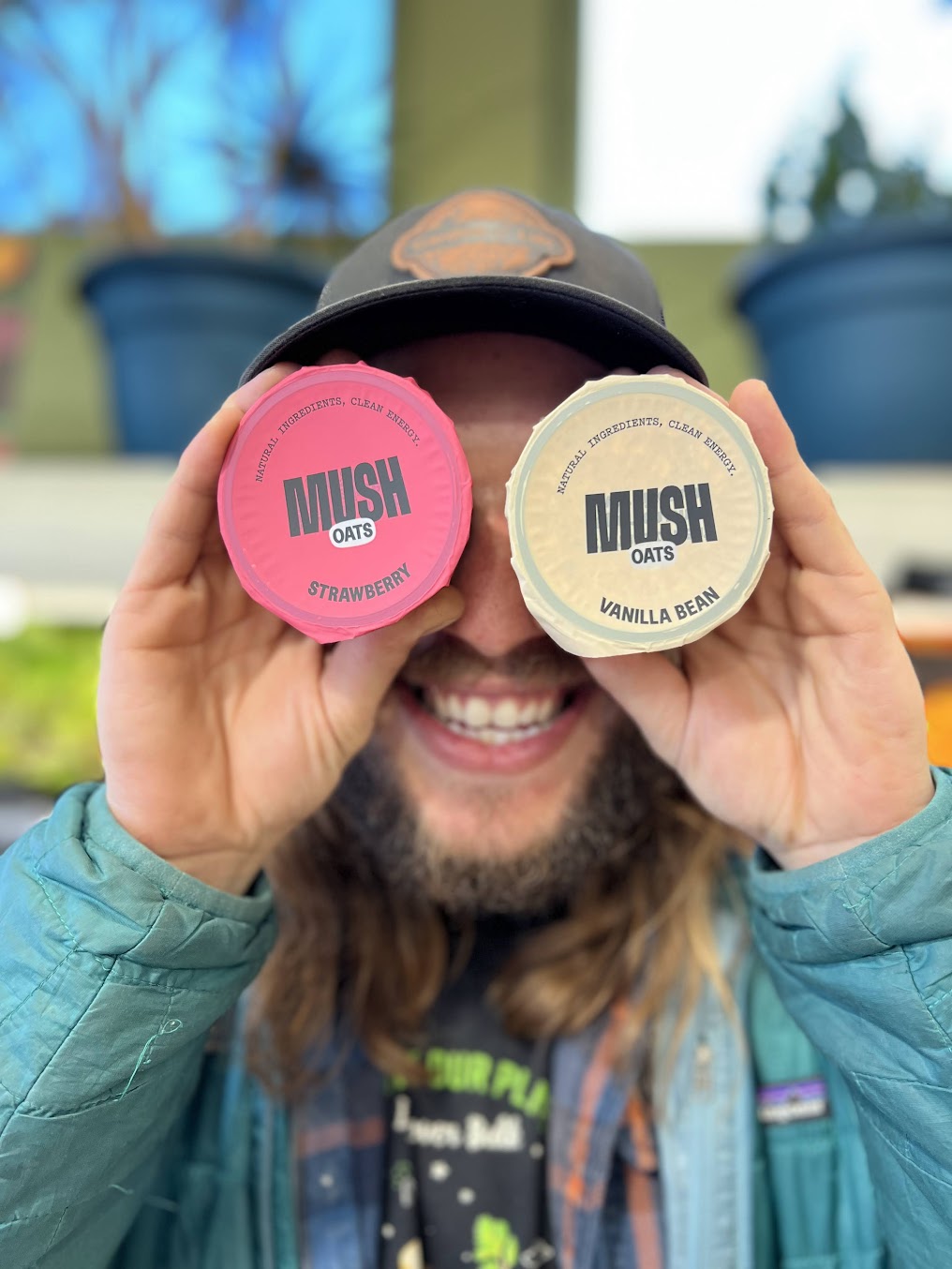
Celebrate National Oatmeal Month with MUSH Overnight Oats! Did you know Americans buy more oats in January than any other month in the year? Thankfully with MUSH, you can take your energizing morning breakfast on-the-go, or add them with your favorite fruits and yogurt for a superfood yogurt bowl!
So why should you eat their cold-soaked oats?
Great question! Regular oats are coated by something called phytic acid – which acts as a nutrient block, preventing your body from absorbing all of the amazing nutrients found in oats (magnesium, zinc, iron, calcium, etc.). Soaking oats helps remove the phytic acid and allows for better digestion and nutrient absorption – and added bonus, they’re soaked in dairy-free milk so everyone can enjoy them!
Looking for inspiration? Check out their Instagram account by clicking on the video below!