Category: Guest Post

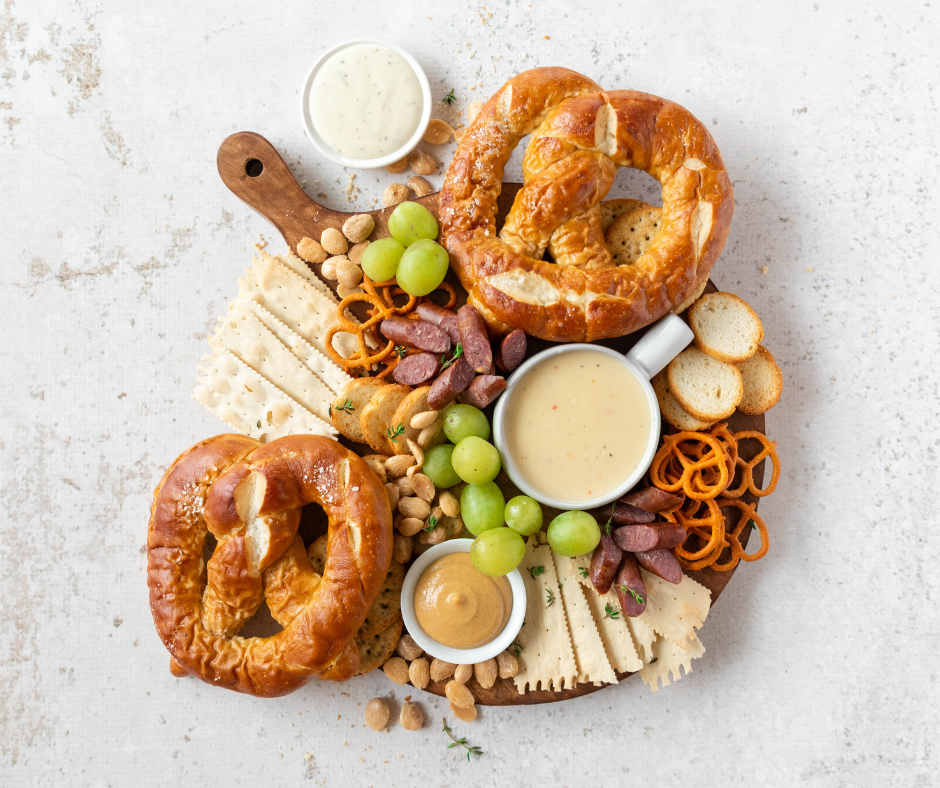
  • Charcuterie Board

    Charcuterie Board

    Charcuterie Board

    Total Time 25 minutes

    Ingredients
      

    Cheeses
    • Select a mixture of soft, semi-soft, firm and hard cheeses
    Cured Meats
    • Cured meats work great. Select salami, prosciutto, calabrese, etc.
    Crackers and Bread
    • Various crackers (plain, seeded, fruit studded)
    • Breads such as baguettes or sourdough
    Fruits and Nuts
    • Popular Fresh Fruit: red and green grapes, apples, figs
    • Popular Dried: apricots, figs
    Salty, Briny Elements
    • Olives, cornichons, pickles vegetables, caperberries
    Spreads
    • Complementary jams, preserves, or marmalade
    • Savory spreads and pates

    Method
     

    1. On a large platter, cutting board, or even directly on a butcher paper wrapped table, display the charcuterie board elements.Slice cheeses and meats if they don't come pre-sliced.
    2. Shingle them so guests can pick them up one at a time. Arrange all the meats and cheeses, keeping them separated by type.
    3. Then, mix the breads, crackers, and fruit into the remaining space. Feel free to put the salty, briny elements into small bowls to place around the board. Don't forget small tongs or knives and small plates to make it easy to serve. Enjoy!
  • Cranberry Apple Punch

    Cranberry Apple Punch

    Cranberry Apple Punch

    Ingredients
      

    Serves 1
    • 2 ounces apple cider
    • ¾ ounce no added sugar cranberry juice
    • 2 ounces ginger beer
    • 1 ounce bourbon optional
    • Garnishes: apple slices, cranberries, and cinnamon sticks
    Serves 32 (Party Size)
    • 64 ounces apple cider (2-32 oz bottles)
    • 24 ounces no added sugar cranberry juice (3 cups)
    • 67.6 ounces ginger beer (4-16.9 oz bottles)
    • 32 ounces bourbon (4 cups)

    Method
     

    Single Serving
    1. Place all ingredients in a tumbler then fill with ice and stir.
    2. Garnish glass with apple slices, a few cranberries and a cinnamon stick. Enjoy!
    For A Crowd
    1. Scale the recipe to make as many servings as desired and serve in a punch bowl. To keep it chilled, make ice cubes with apple cider, or fill a bundt pan with cider to make an ice ring. Place all ingredients in the punch bowl, then float the ice ring on top. Garnish with apple slices, cranberries, and cinnamon sticks. Enjoy!
  • Green Chicken Chili

    Green Chicken Chili

    Green Chicken Chili

    Total Time 25 minutes
    Servings: 4

    Ingredients
      

    • 2 tablespoons olive oil
    • 1 small yellow onion minced
    • 1 large poblano pepper chopped
    • 1 large jalapeño pepper minced
    • 1 4 ounces can diced green chiles
    • 2 tablespoons minced garlic
    • 2 teaspoons ground cumin
    • 1 ½ teaspoons chili powder
    • 1 teaspoon sea salt
    • 1 quart chicken stock
    • 1 15.5 ounce jar green salsa such as salsa verde or tomatillo salsa*
    • 1 15 ounce can great northern beans drained and rinsed
    • 1 ½ pounds pulled rotisserie chicken**
    • Optional garnishes: sour cream, cilantro, tortilla chips, cotija cheese, sliced avocado, thinly sliced radishes

    Method
     

    1. Heat olive oil in a large soup pot over medium heat. Add onion, peppers, and chiles. Sauté for 3-5 minutes or until tender then add in garlic and cook for an additional 30 seconds.
    2. Add cumin, chili powder, salt, chicken stock, and salsa verde. Bring mixture to a gentle simmer and cook for 5 minutes.Stir in chicken and beans.
    3. Heat through and serve with toppings of your choice. Enjoy!

    Notes

    *Note that green salsas can vary wildly in their spice level, so be sure to select a salsa the fits your spice preferences.
    **Substitute turkey for chicken for a deeper flavor.
  • Unravelling the mysteries of memory

    Unravelling the mysteries of memory

    Unravelling the mysteries of memory

    Sharpen your brain with a deeper understanding

    Nearly half of us say we’re concerned about memory loss and declining brain health, despite these issues affecting a smaller group of people. These statistics reveal common misunderstandings about memory and encourage us to explore how we can keep our minds sharp at any age.

    The building blocks of memory

    Memory involves both conscious and unconscious processes. When learning a new skill, like riding a bike, you actively think about each action. Repetition moves this information into a subconscious part of the brain, where recall becomes automatic.

    Information is initially received through senses and encoded into the brain in visual, auditory, or semantic forms. Stored in areas like the hippocampus, this information can be retrieved when needed, prompted by cues such as questions, sensory experiences, or visual triggers.

    Short-term versus long-term memory

    Short-term memory holds information for seconds to minutes. Without effort to transfer it into long-term storage, it’s forgotten. Long-term memory retains information for days, years, or a lifetime, including memories from childhood or recent events.

    Stacking (and unstacking) the building blocks of memory

    Research shows that many can recall moments from when they were just two years old. As we age, brain networks become less segregated, making multitasking more difficult and increasing the risk of cognitive decline.

    Cognition begins to decline in our thirties, with more noticeable changes in our sixties and beyond. Memory can be affected by diseases like Alzheimer’s, which impair recall. As we age, information storage increases, and retrieval can slow down.

    How much of your brain do you really use?

    The myth that we only use 10 percent of our brains is false. Older adults often remember past events better than recent ones because memory-impairing diseases tend to affect parts of the brain responsible for recent information.

    Protect the building blocks of memory

    Lifestyle choices are crucial for brain health and memory preservation.

    Diet

    A healthy diet, such as the Mediterranean or MIND diets, emphasizes whole grains, fresh produce, and fish. Maintaining these diets over decades supports long-term brain health.

    Sleep

    Sleep is vital for clearing toxins and consolidating memories. Seven to eight hours of rest help the brain process and store new information. Even lying down with eyes closed offers rest.

    Exercise

    Physical activity helps re-establish brain connections and enhances encoding abilities. Just one session of exercise, like cycling, can improve learning, speed, accuracy, and memory recall. Exercise also guards against age-related cognitive decline.

    In summary, understanding memory and brain health highlights the importance of healthy lifestyle habits—balanced diet, restful sleep, and regular exercise—to keep our minds sharp at any age.

    By Joshua Duvauchelle

    Article Courtesy of Alive Magazine

  • Finding joy in the darkness

    Finding joy in the darkness

    Finding joy in the darkness

    Tips for coping with seasonal affective disorder

    Do you look forward to the coziness of colder months, or do you find yourself contemplating hibernation until spring? About 15 percent of Canadians experience variations of the winter blues, and seasonal affective disorder (SAD) affects two to three percent, especially women and younger people.

    For some, adjusting to rain, snow, and darkness is a matter of reframing their mindset. But beyond mindset shifts, there are ways to ease the seasonal journey.

    Shades of (winter) blues

    Winter blues are milder than SAD, a depressive mood disorder linked to seasonal changes. SAD usually occurs in fall or winter but can also happen in spring or summer.

    The blues may cause slight sadness, less motivation, and a desire to curl up with comfort foods. SAD, however, can be more severe—interfering with routines, social withdrawal, loneliness, irritability, weight gain, and disrupted sleep.

    Light levels matter

    Less sunlight affects serotonin, a mood-regulating neurotransmitter. Reduced light increases melatonin, making us sleepier. Low vitamin D levels, common in winter, are also linked to lower moods.

    Some find relief with light therapy—using bright light sources far stronger than regular indoor lighting.

    Plan for darker days

    Balancing hibernation and activity is key. Schedule regular social events like dinners or movie nights, and aim for daily walks. Talking about feelings can help; cognitive behavioral therapy is often as effective as light therapy.

    Setting up for sleep

    Too little sleep harms mood, but oversleeping can also be problematic. Maintaining consistent bedtimes and wake times, aiming for seven to nine hours, supports mood. Routine sleep patterns maximize mood-boosting benefits.

    Eat to support your body (and theirs, too)

    Regular mealtimes help regulate your circadian rhythms and improve mood. Feed your gut bacteria with fiber, protein, healthy fats, and unrefined carbs—they boost serotonin and support mental health.

    Taking care of ourselves during cold months doesn’t mean avoiding a “down” day. Observe, breathe deeply, and allow yourself slow, restful days. Balance is everything.

    By Daniela Ginta

    Article Courtesy of Alive Magazine
  • Currents in aquaculture

    Currents in aquaculture

    Currents in aquaculture

    Solutions are needed to support research, technology, and social influence

    The seemingly straightforward definition of aquaculture—the cultivation of aquatic organisms in water environments—has a web of history, controversy, and complexity beneath it. It addresses critical issues facing the environment today.

    In the beginning

    Aquaculture is not new. Evidence of various forms dates back millennia, though large-scale commercial fish farming became prominent in the mid-20th century. Initially, aquaculture served recreational purposes, with publicly funded hatcheries producing sport fish like trout and bass for stocking waters.

    As the world’s population grew and demand for fish and shellfish increased, pressures on certain species intensified. This led to a significant shift in the mid-20th century, giving rise to a new industry focused on food production.

    Feeding the masses

    The first commercial aquaculture efforts in the US began in the 1950s, spreading globally in the 1960s and ’70s. However, this growth brought environmental issues: shrimp farms in Asia destroyed mangroves and polluted waterways, and open-net pens for salmon threatened local ecosystems.

    Other challenges included untested management practices and dealing with unforeseen consequences. Advances in technology, better management, and regulations have addressed some of these problems, but many issues remain.

    Pushing forward

    Two of the companies at the forefront of that movement are LocalCoho and Bluehouse Salmon. Both are braving uncharted waters to find solutions.

    For these innovators, the central challenge lies in striking a balance between meeting rising global demand for seafood and reducing the environmental impact of production. Climate change adds another layer of complexity, raising questions about whether historically well-suited ocean regions will remain viable for open-net pen farming in the future.

    This is why land-based aquaculture is increasingly seen as a promising alternative—one that avoids operating “in the commons” of the ocean and reduces reliance on government consent for offshore sites. Despite the hurdles, both companies are motivated by the opportunity to transform aquaculture into a more sustainable and resilient industry.

    Another perspective

    Patagonia Provisions, part of the environmentally focused Patagonia, promotes eating lower on the food chain to reduce the impact on larger species like tuna and salmon. They offer products featuring species such as mackerel, anchovies, and pink salmon, supporting traditional, sustainable, local farming methods that benefit communities and the environment.

    Learning and choosing

    Consumers play a key role in supporting sustainable seafood. Learning from organizations that monitor and analyze industry practices helps. Certifications like those from the Aquaculture Stewardship Council indicate responsible farming practices.

    The Monterey Bay Aquarium’s Seafood Watch program offers current data on sustainable seafood options worldwide. Their standards are based on science and collaboration, setting a high bar for environmental responsibility.

    A look ahead

    Aquaculture’s role will only grow; it is the world’s fastest-growing food sector and essential for future protein needs. It supports global food security but also raises questions about environmental sustainability.

    Can we feed the world while protecting the environment? The ongoing search for solutions continues.

    By Neil Zevnik

    Article Courtesy of Alive Magazine

  • Exercise is critical to maintain your brain

    Exercise is critical to maintain your brain

    Exercise is critical to maintain your brain

    Vitality happens where sweat meets synapse

    Lost in the grunts, groans, reps, and sets, we might overlook and undervalue the remarkable impact exercise has on our most vital organ, the brain. Before we get to the sweat, let’s ground ourselves in science.

    Recent studies reveal a strong link between regular exercise and improved brain health. As little as 2.5 hours of physical activity weekly can enhance memory, cognitive efficiency, and problem-solving skills, while also slowing age-related decline and disorders.

    Let’s get moody … or not

    Exercise also influences mood regulation, acting as a powerful stress reliever. It promotes the secretion of endorphins, hormones, and neurotransmitters that elevate mood and boost brain function. These effects can begin after just one workout, rewiring neural pathways over time.

    Your brain on proteins

    The food we eat also impacts cognitive health. A 2022 Harvard study of over 77,000 people over 20 years found that replacing animal proteins with plant proteins reduced dementia risk by up to 26 percent. Incorporating a scoop of plant-based protein daily can be a simple step toward better brain health.

    Your brain on proteins

    The food we eat also impacts cognitive health. A 2022 Harvard study of over 77,000 people over 20 years found that replacing animal proteins with plant proteins reduced dementia risk by up to 26 percent. Incorporating a scoop of plant-based protein daily can be a simple step toward better brain health.

    Rewiring your circuits

    Neuroplasticity, the brain’s ability to create new pathways, is key to learning new skills and adapting. Cardiovascular exercise triggers biochemical changes, increasing growth factors that promote neuroplasticity and angiogenesis, or new blood vessel formation. This process helps improve brain function and resilience.

    Brain-boosting workout

    Try three rounds (or four if you’re feeling squirrely) of this cardiovascular, circuit-rewiring circuit to boost your brain and brawn.

    The World’s Greatest Stretch

    3 sets of 8 repetitions per side

    • Step into a lunge, placing your right hand inside your right foot.
    • Rotate your torso, reaching your left arm up, opening your chest.
    • Return to start and repeat on the other side.

    Walkout Push-Up

    3 sets of 10 repetitions

    • Bend at the waist, place hands on the ground, walk into a plank.
    • Perform a push-up, then walk hands back to standing.

    Wall-Sit Wall Angels

    3 sets of 12 repetitions

    • Lean against a wall in a squat position.
    • Extend your arms out to the sides at shoulder height, bend your elbows at 90 degrees, and press the backs of your hands against the wall.
    • Keeping your back and arms in contact with the wall, slowly slide your arms up overhead.
    • Continue to slide your arms upward as far as you can comfortably go without arching your back or allowing your arms to lift off the wall.
    • Hold the top position for a moment, then slowly lower your arms back down to the starting position.

    Land Swimmers

    3 sets of 30-second intervals

    • Lie face down, lift chest and legs slightly off the ground, keeping your neck in a neutral position.
    • Raise opposite arm and leg, hold, then switch sides in a controlled fluttering motion.

    Where to begin?

    If structured workouts aren’t your thing, incorporate activity naturally: park farther away, take the stairs, garden, cook, or do housework. The key is consistent movement, and the most beneficial exercise is one you will stick with, gradually increasing intensity while exercising safely. Moving more not only benefits your body but also keeps your brain sharp and resilient.

    By Brendan Rolfe, BA, DipA

    Article Courtesy of Alive Magazine
  • Chicken Apple Cider Skillet

    Chicken Apple Cider Skillet

    Chicken Apple Cider Skillet

    Total Time 1 hour 35 minutes
    Servings: 4

    Ingredients
      

    • 1 tablespoon avocado oil
    • 2 pounds bone in, skin on chicken thighs
    • ½ cup minced shallot
    • 1 large garlic clove (about 2 teaspoons)
    • 1 cup chicken broth
    • 1 tablespoon fresh thyme leaves
    • 1 teaspoon sea salt
    • ¼ teaspoon ground black pepper
    • 2 cups apple cider
    • 2 medium gala apples cored and thickly sliced

    Method
     

    1. Preheat oven to 350°F. Heat avocado oil in an oven-safe skillet over medium low heat. Place chicken thighs skin side down and sear for 5-8 minutes until lightly golden brown. Remove from skillet.
    2. Drain any excess fat leaving a tablespoon. Sauté shallots until translucent, then add garlic and cook for 30 seconds.
    3. Deglaze pan with broth to loosen the brown bits off the skillet then stir in salt and thyme. Return chicken to skillet, skin side up. Pour in enough cider to cover the chicken, leaving the skin out of the liquid.
    4. Place skillet in oven and bake for 30 minutes. Add in the apples and continue to cook for 30 more minutes or until chicken is tender. Enjoy!
  • Savory Onion and Squash Scones

    Savory Onion and Squash Scones

    Savory Onion and Squash Scones

    Total Time 45 minutes

    Ingredients
      

    • 3 cups all-purpose flour
    • ¾ cup shredded asiago cheese
    • 1 tablespoon cane sugar
    • 1 tablespoon baking powder
    • 1 teaspoon sea salt
    • 1 stick unsalted butter cold
    • 1 cup buttermilk plus 2 tablespoons
    • cup squash puree
    • 1 large egg
    • 4 tablespoons chopped chives

    Method
     

    1. Preheat oven to 350°F. Combine flour, cheese, sugar, baking powder and sea salt in a large mixing bowl.
    2. In a separate bowl, whisk together 1 cup buttermilk, squash puree, egg and chives.
    3. Cut butter into the dry mixture until it resembles coarse cornmeal. Stir in wet ingredients until just combined.
    4. Turn dough onto a lightly floured surface, divide into two pieces and form each into 6-inch disks.
    5. Cut each disk into 6 wedges and place on a baking sheet lined with parchment. Brush scone tops with remaining buttermilk, and bake for 25 minutes or until edges are starting to turn golden. Enjoy!

    Notes

    Makes 12.
  • Pumpkin White Chocolate Snickerdoodle Cookies

    Pumpkin White Chocolate Snickerdoodle Cookies

    Pumpkin White Chocolate Snickerdoodle Cookies

    Cook Time 40 minutes
    Chilling Time 45 minutes

    Ingredients
      

    • 1 ⅔ cup plus all-purpose flour
    • 1 ½ teaspoons pumpkin pie spice
    • ½ teaspoon sea salt
    • ¼ teaspoon cream of tartar
    • ¼ teaspoon baking soda
    • teaspoon ground nutmeg
    • 4 ounces unsalted butter softened
    • ¾ cup light brown sugar
    • ¾ cup cane sugar divided
    • 1 large egg
    • cup reduced pumpkin puree*
    • 1 ½ teaspoons vanilla extract
    • ¾ cup white chocolate chips
    • 2 teaspoons ground cinnamon

    Method
     

    1. In a bowl, whisk together the dry ingredients and set aside.
    2. Cream together butter, brown sugar, and ¼ cup of cane sugar then beat in egg, reduced pumpkin puree, and vanilla extract.
    3. Stiry in dry ingredients until just combined then add white chocolate chips.
    4. Chill cookie dough for 45 minutes then portion dough with a #20 scoop (3 tablespoons).
    5. Combine remaining ½ cup of cane sugar with the cinnamon. Roll scooped dough into balls and coat in cinnamon sugar.
    6. Place 6 cookies per lined baking sheet and press down by half. Bake for 18-20 minutes at 350°F.
    7. To decorate, melt white chocolate in a bowl over barely simmered water then drizzle over cooled cookies. Enjoy!

    Notes

    Makes 12 cookies.
    *Cook canned pumpkin on low heat for 35 minutes, stirring frequently to remove access moisture, alternatively drain overnight in cheesecloth in the fridge. Measure pumpkin once it has been cooked or drained then proceed with recipe.