Category: Guest Post

  • Calling Dr. Tree, MD

    Calling Dr. Tree, MD

    Calling Dr. Tree, MD

    In 2023, health workers and volunteers planted more than 1,000 trees at Edmonton’s Grey Nuns Community Hospital. It’s all part of a nationwide movement to tap into one of the most well-documented forms of healing medicine: nature, green spaces, and forests.

    Trees are medicine

    Trees for Life, a national organization focused on creating a “healthier, happier Canada by planting native tress where we live, work, and play,” worked with the city in 2023 to plant nearly 20,000 trees across Edmonton, including the ones at Grey Nuns Hospital. Today, the hospital’s staff, patients, and the broader community have access to an enhanced public greenspace.

    It was the charity’s biggest tree-planting project in its history, but it wasn’t just about beautifying an urban space—it’s also the irrefutable evidence of how forests and nature improve every aspect of our general wellness and health.

    Take mental health, for instance. Researchers at Stanford University found that simply being exposed to nature decreased overall risks of mental illness.

    But that’s not all:

    • People with an office view of trees take fewer sick days and see a significant rise in productivity compared to those who don’t.
    • A systematic review of more than 50 different studies found that access to nature significantly reduced the odds of mortality from heart attacks and other cardiovascular diseases.
    • Hospital patients with a view of trees recover faster than patients who don’t have an outdoor view or who have a view but without trees.

    Experts say there may be many reasons for this since trees contribute numerous benefits, including increasing an area’s oxygen levels, muffling sound pollution, and creating cleaner air. While the underlying factors are multifaceted, the results are clear.

    And you can see that taking shape from coast to coast to coast.

    The growing movement to plant trees for health

    In 2023 alone, Trees for Life worked with 19 partners and 2,400 volunteers to plant 137,000 trees in Alberta, Ontario, and New Brunswick.

    Other organizations and projects include the Canadian Health Care Forests by the Canadian Coalition for Green Health Care; Trees for Hamilton, which recently worked with St. Joseph’s Urgent Care; and the City of London’s Million Tree Challenge, which has partnered with health care facilities like London Health Sciences Centre.

    From fewer hospital visits to lower reported stress and anxiety levels, these tree projects align perfectly with these hospitals’ goals. It’s a movement that continues to gain momentum to this day.

    by Joshua Duvauchelle

    Article Courtesy of Alive Magazine

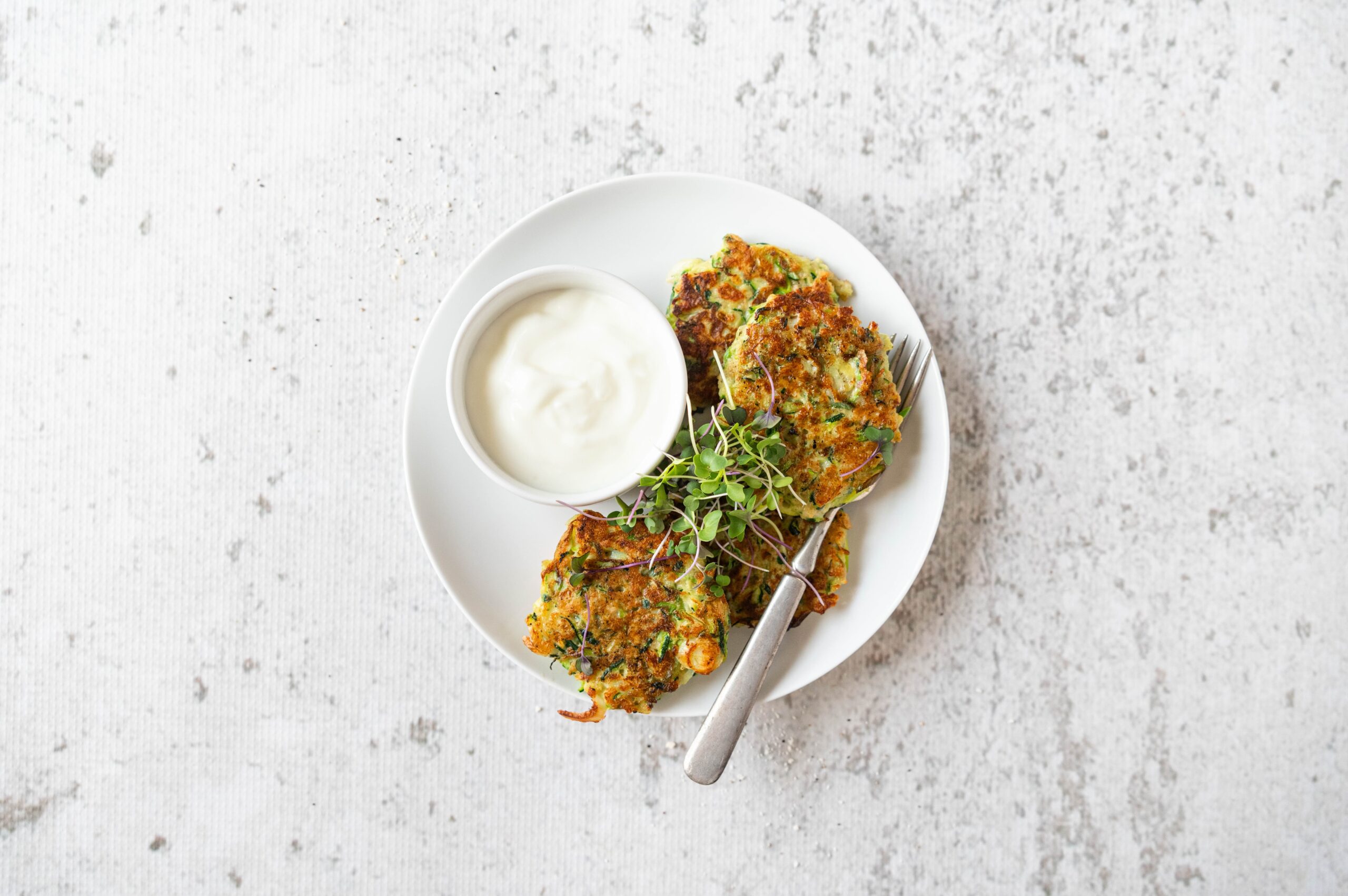
  • Ramp and Zucchini Fritters

    Ramp and Zucchini Fritters

    Ramp and Zucchini Fritters

    Servings: 12 fritters

    Ingredients
      

    • 2 large zucchini
    • ½ teaspoon sea salt
    • 2 large eggs
    • cup panko breadcrumbs
    • ½ cup grated Parmesan cheese
    • 2 cups chopped ramps or thinly sliced green onions
    • 6 tablespoons all-purpose flour
    • ½ teaspoon garlic powder
    • Avocado oil for cooking
    • Sour cream or plain yogurt for serving

    Method
     

    1. Grate the zucchini using a box grater.Place in a mixing bowl, toss with sea salt, and let sit for 15 minutes to draw out excess moisture.
    2. Drain the zucchini, then transfer handfuls to cheesecloth or a clean kitchen towel and wring out as much liquid as possible.
    3. In a large bowl, combine the drained zucchini with the eggs, panko, cheese, ramps (or green onions), 4 tablespoons of flour, and garlic powder. Mix until well combined. If the mixture is very liquid, you can add up to 2 tablespoons of additional flour.
    4. Heat a skillet over medium heat and add a small amount of avocado oil. Working in batches, scoop the zucchini mixture into the skillet (about 3 tablespoons per fritter) and press flat to form 3-inch-wide fritters. Cook for 2-3 minutes per side, adjusting heat as needed to prevent burning, until golden brown and cooked through.
    5. Serve immediately while still warm with sour cream or plain yogurt.

    Recipe Courtesy of INFRA

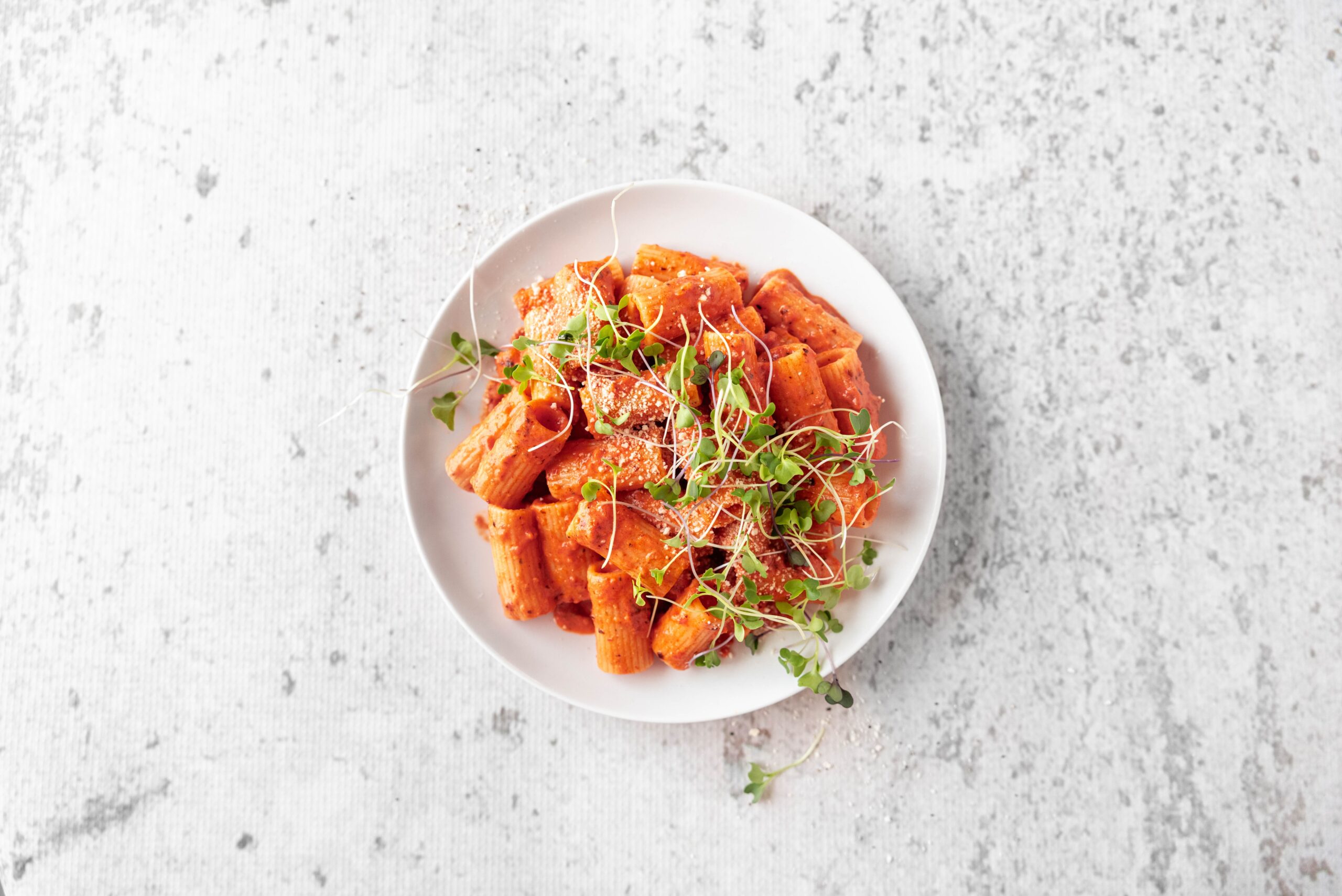
  • Tomato and Herbed Cheese Pasta

    Tomato and Herbed Cheese Pasta

    Tomato and Herbed Cheese Pasta

    Servings: 4

    Ingredients
      

    • 1 pound rigatoni pasta
    • 2 tablespoons olive oil
    • ¼ teaspoon crushed red pepper flakes
    • 25 ounces roasted garlic tomato sauce
    • 4 ounces garlic and chive herbed cheese such as a soft goat's cheese
    • Salt and pepper to taste
    • Grated Parmesan cheese for serving

    Method
     

    1. Cook the rigatoni according to package directions.
    2. Meanwhile, heat olive oil in a large pan over medium heat. Add the crushed red pepper flakes and cook for about 30 seconds, until fragrant.
    3. Carefully pour in the tomato sauce and bring to a gentle simmer. Stir in the cheese and cook until fully incorporated and smooth. Season with salt and pepper to taste.
    4. Drain the pasta and add it directly to the sauce. Toss to coat evenly.
    5. Serve topped with grated Parmesan and crusty French bread, if desired.

    Recipe Courtesy of INFRA

  • Crispy Rice Salad

    Crispy Rice Salad

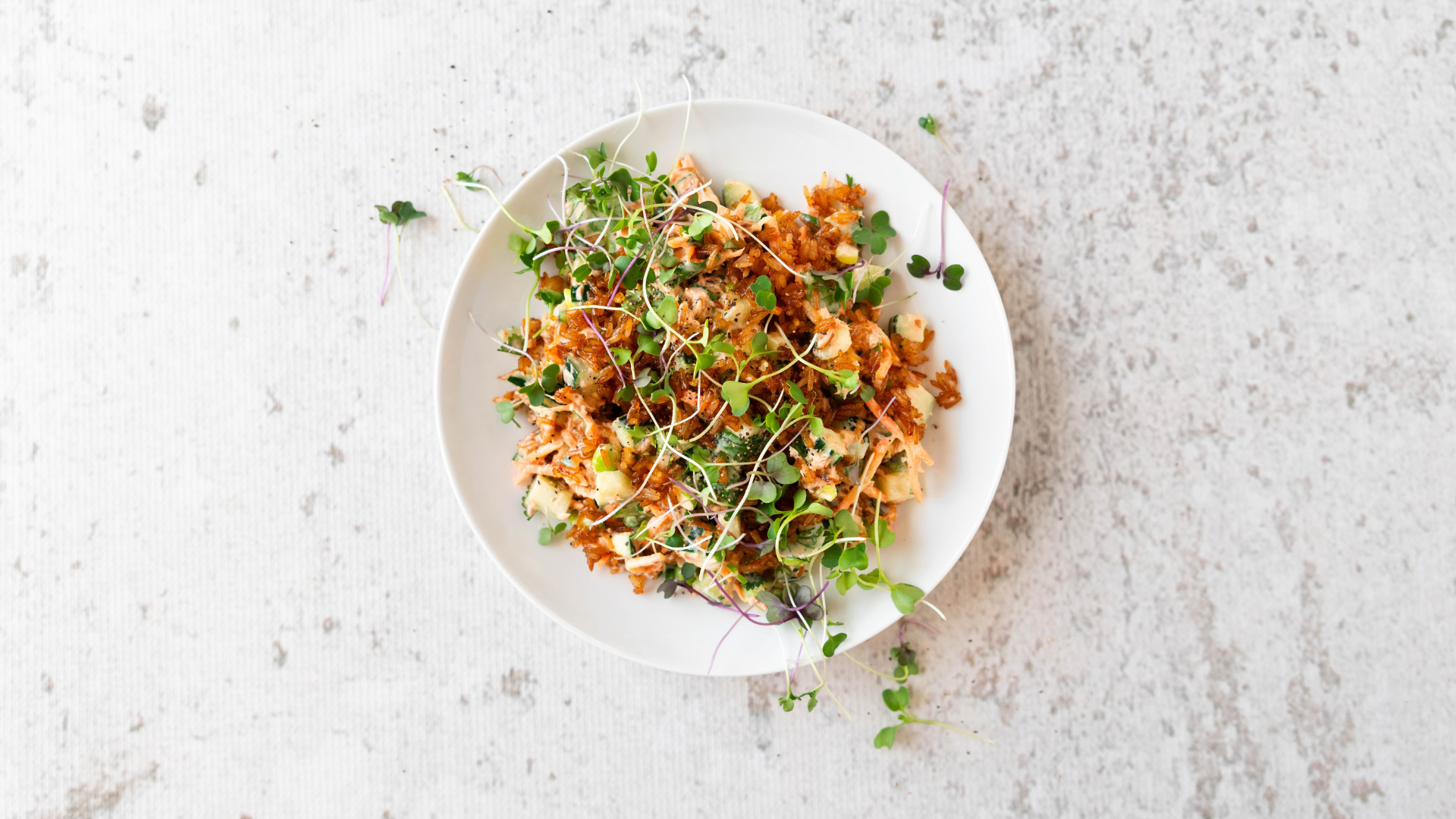
    Crispy Rice Salad

    Servings: 4

    Ingredients
      

    For the Crispy Rice
    • 1 ½ cups cooked rice cooled
    • 1 ½ tablespoons avocado oil
    • 1 ½ tablespoons tamari
    • 1 ½ tablespoons toasted sesame oil
    For the Salad
    • 5 ounces canned tuna drained (optional)
    • 1 cup seeded and chopped cucumber
    • ½ cup grated carrot
    • 1 cup loosely packed cilantro rough chopped
    • 4 small scallions thinly sliced
    • cup frozen edamame thawed
    Dressing
    • ½ cup mayonnaise
    • 1 tablespoon rice vinegar
    • 1 tablespoon sriracha
    • 1 tablespoon honey
    • ¼ teaspoon sea salt

    Method
     

    1. Preheat oven to 400°F. In a mixing bowl, combine the cooked rice, avocado oil, tamari, and toasted sesame oil. Spread the rice onto a baking sheet in a thin, even layer. Bake for 30-40 minutes, stirring every 10 minutes with a spatula to help it crisp evenly. The rice should be golden and crispy but not hard. Remove from the oven and let cool.
    2. In a large mixing bowl, combine the tuna (if using), cucumber, carrot, cilantro, scallions, and edamame.
    3. Stir together the mayonnaise, rice vinegar, sriracha, honey, and sea salt until smooth. Pour over the vegetable mixture and toss to coat.
    4. Add the cooled crispy rice to the dressed vegetable mixture and gently toss to combine. Serve immediately for maximum crunch.

    Recipe Courtesy of INFRA

  • Staying young with friends

    Staying young with friends

    Staying young with friends

    How social relationships can lead to better health outcomes

    An abundance of research indicates that the quality of our social relationships can play a critical role in our well-being as we age. The strength of our social ties may even have effects on our physical health, contributing to how well we age.

    Importance of meaningful relationships

    In an analysis of data from a longitudinal study, my colleagues and I found that individuals with greater social support and community cohesion experienced better mental health later in life, particularly amongst those who had had challenging childhoods.

    Among the resources examined, the quality, rather than the quantity, of these relationships was found to offset some of the negative experiences that participants had had in early life, leading to greater resilience and better mental health as they grew older.

    Functions of friendship

    A systematic review of adult friendship and well-being speaks to several important functions of close adult friendships, including three forms of social support:

    • Emotional support: friends offer acceptance, sympathy, love, and encouragement—a critical buffer against life’s stressors.
    • Instrumental support: friends may also provide practical help, such as financial assistance or help with daily tasks.
    • Informational support: friends share advice or guidance as a key function of friendship.

    And the six functional components that generally determine the quality of the relationship include the following:

    • Help, which includes the three aforementioned forms of social support.
    • Stimulating companionship, which involves participating in activities with another person.
    • Emotional security, in which close friends provide a sense of safety during new or challenging situations, thus reducing stress.
    • Reliable alliance, where trust and loyalty form the foundation of any deep friendship, making sure someone will always have your back.
    • Self-validation, where friends provide the reassurance and encouragement needed to maintain a positive self-image.
    • Intimacy, where the willingness to share personal thoughts and feelings builds a unique bond that is essential for emotional well-being.

    Health benefits of strong social relationships

    A recent study found that social isolation reduced physical activity levels in older adults, leading to diminished cognitive performance. This was especially evident in individuals over 65, with effects on memory and executive function. This research emphasizes that staying socially connected, either through direct interaction or through group activities, can significantly affect the physical and mental aspects of aging.

    Conversely, loneliness and social isolation have been linked to a higher risk of developing health issues such as cardiovascular disease, cognitive decline, and even premature mortality. Social isolation can reduce motivation for physical activity, and loneliness can increase stress levels, contributing to a range of health problems.

    Embrace and cultivate rich relationships

    Take this time to reflect on the people in your life. Which relationships bring you joy and fulfillment? Who can you reach out to today to make a positive connection? Whether it’s a close friend or a family member, deepening your social ties may bring health and happiness into your life.

    Healthy aging is more than a matter of diet and exercise—it’s also about keeping those rich relationships that help us bloom, even as we grow older.

    by Theodore D. Cosco, PhD (Cantab), CPsychol

    Article Courtesy of Alive Magazine

  • Break free from conventions with traditional medicine

    Break free from conventions with traditional medicine

    Break free from conventions with traditional medicine

    Bridge the gap between conventional and traditional medicine to enhance health

    Traditional Chinese medicine

    Traditional Chinese medicine (TCM) revolves around qi, a concept in Chinese culture describing the energy that flows through everything. An imbalance of qi can cause disease. The ancient Chinese believed that good health comes down to achieving an equilibrium between your internal organs and natural surroundings. Acupuncture, tai chi, and cupping therapy are all TCM modalities.

    Traditional Indian medicine

    In India, traditional medicine is divided into three categories: Ayurveda, Siddha, and Unani. Ayurveda, the most used, is a holistic, personalized system aimed at promoting longevity. As in TCM, Indian medicine is centred on balancing bodily organs and external elements.

    Traditional Indigenous medicine

    For centuries, Indigenous populations in North America have practised their own traditional forms of wellness through ceremonies; plant, animal, or mineral-based medicines; energetic therapies; and physical or hands-on techniques, all of which rely upon an emphasis on Mother Earth.

    Traditional African medicine

    Traditional African medicine is deeply rooted in the spiritual, with many practitioners using divination to connect with the gods and ancestral spirits for diagnosis before treatment with herbal medicines.

    How is traditional medicine different?

    Traditional medicine is often treated as pre-scientific, but a lot of conventional medicines come from plants. For example, aspirin was derived from the bark of a willow tree and morphine is extracted from the opium poppy, while vincristine—long-used in chemotherapy treatments—was isolated in 1961 from a Madagascar periwinkle flower.

    Benefits of traditional medicine

    One of the key benefits of traditional and alternative medicine is its holistic approach to health. Alternative medicine practitioners often spend over an hour with a patient each session, addressing a myriad of different concerns.

    Complementary and alternative medicines

    HerbUses
    garlicmay help reduce inflammation, cholesterol, blood pressure, and blood sugar levels and to help support immunity
    gingermay help treat nausea, heartburn, and bloating; may help reduce inflammation
    elderfloweris used to help treat colds, flu, and constipation; may help lower blood pressure
    ginsengmay boost energy and sex drive
    shea butteris anti-inflammatory; protects skin cells; is used to treat skin and eczema
    ashwagandhamay reduce inflammation, pain, and anxiety
    cuminmay help reduce cholesterol; may help maintain healthy blood sugar levels
    turmericmay help treat arthritis pain, anxiety, and inflammation
    cardamommay help treat nausea; may help to reduce blood pressure, blood sugar, inflammation
    echinaceamay help treat colds, flus, infections, and wounds

    Article Courtesy of Alive Magazine

  • Halibut Tacos with Spicy Cilantro Pea Purée

    Halibut Tacos with Spicy Cilantro Pea Purée

    Halibut Tacos with Spicy Cilantro Pea Purée

    This dish takes inspiration from two classic fish dishes―the mushy peas served with fish and chips and spicy fish tacos. We’ve made the peas fresh, bright, and a little spicy by using fresh or frozen peas, lots of fresh cilantro, serrano pepper, and lime juice. Combined with lightly marinated and baked halibut and topped with radishes and more cilantro, these tacos are satisfying and delicious.

    Halibut Tacos with Spicy Cilantro Pea Purée

    Servings: 4

    Ingredients
      

    Pea Purée
    • 2 tablespoons extra-virgin olive oil divided
    • 1 garlic clove peeled and crushed
    • 1 shallot finely diced
    • 1 cup frozen or fresh shelled peas
    • Pinch salt
    • 1 cup loosely packed cilantro leaves and stems plus more for garnish
    • ½ serrano pepper
    • 1 tablespoon freshly squeeze lime juice
    Fish
    • 8 ounces halibut fillet
    • 1 tablespoon extra-virgin olive oil divided
    • 1 garlic clove peeled and crushed
    • ½ teaspoon sweet smoked paprika
    • ¼ teaspoon cumin
    • Pinch cayenne pepper
    • Pinch salt
    • 1 tablespoon freshly squeezed lime juice
    • 6 corn tortillas
    • 6 radishes sliced

    Method
     

    1. In glass container with lid, drizzle olive oil over fish. Crush garlic overtop and use brush to coat fish on both sides.
    2. In small bowl, combine paprika, cumin, cayenne, and salt; sprinkle on both sides of fish.
    3. Drizzle lime juice on both sides. Marinate fish, covered, in refrigerator for 30 minutes. Prior to cooking, remove from refrigerator and allow to come to room temperature.
    4. Preheat oven to 375 F°.
    5. Place fish on parchment-lined baking sheet. Bake for 4 minutes on each side.
    6. While fish is cooking, in large saucepan, heat 1 tablespoon olive oil and sauté garlic and shallot on medium-low heat for about 2 minutes, or until soft and translucent. Remove from heat and set aside.
    7. Bring 2 cups water to the boil. Add peas and pinch of salt. Cook peas for 4 to 6 minutes. Drain.
    8. Use rubber spatula to scrape garlic, shallots, and olive oil into bowl of food processor. Add cooked peas, cilantro, serrano pepper, lime juice, and a further 1 tablespoon olive oil. Blend to a fine purée.
    9. Toast or grill tortilla shells. Spread some pea purée onto each tortilla shell, top with fish, and garnish with sliced radishes and additional cilantro.

    by Helena McMurdo

    Recipe Courtesy of Alive Magazine
  • Spicy Ginger and Garlic Braised Bok Choy with Egg and Rice

    Spicy Ginger and Garlic Braised Bok Choy with Egg and Rice

    Spicy Ginger and Garlic Braised Bok Choy with Egg and Rice

    This is a quick and easy meal full of powerful flavour that you can throw together in minutes from a handful of cupboard ingredients. The starring green is delicate baby bok choy which is lavished with ginger, chili, and crispy garlic, then braised just enough to make it tender with a bit of a bite. Serve it on green onion-studded rice, top it with an egg, and you’re done.

    Spicy Ginger and Garlic Braised Bok Choy with Egg and Rice

    Servings: 4

    Ingredients
      

    • 1 cup jasmine rice
    • 1 tablespoon sesame oil
    • 1 Thai chili
    • 6 cloves garlic peeled and sliced crosswise
    • 1 1-inch piece of gingerroot sliced into matchsticks
    • 1 teaspoon Sichuan peppercorns crushed with a rolling pin
    • 4 baby bok choy quartered, rinsed, and held in cold water
    • 1 tablespoon seasoned rice vinegar
    • 2 green onions green and white parts sliced
    • 1 tablespoon extra-virgin olive oil
    • 4 organic eggs
    • 1 teaspoon black sesame seeds

    Method
     

    1. Cook rice according to package directions. Keep warm.
    2. In large skillet, on medium-high, heat sesame oil and sauté chili, garlic, and ginger for about 2 minutes, stirring constantly to keep garlic from burning. Add crushed peppercorns. Lower heat slightly, drain bok choy pieces and, without drying them, add to pan and sauté for a further 2 minutes, stirring constantly. The garlic should start to get crispy but if it doesn’t, turn heat up slightly. Add vinegar and remove from heat.
    3. Add green onions to cooked rice and stir to combine.
    4. Place a scoop of rice on each of 4 plates, place 4 quarters of bok choy on top, being sure to include crispy garlic, chili, and ginger. To a skillet, add 1 tablespoon olive oil and fry eggs. Place one fried egg on each plate atop rice and bok choy. Sprinkle with black sesame seeds.

    by Helena McMurdo

    Recipe Courtesy of Alive Magazine

  • Maintaining the brain as we age

    Maintaining the brain as we age

    Maintaining the brain as we age

    How to leverage nutrition and lifestyle science to slow brain aging

    A 2024 brain-imaging study in older adults compared intake measures of key nutrients with signs of brain health, identifying the foods and nutrients most strongly associated with slower brain aging.

    Omega-3 fatty acids

    Individuals who demonstrated signs of delayed brain aging tended to have higher bodily concentrations of the anti-inflammatory omega-3 fatty acids Inflammation is considered a hallmark of brain aging as it disrupts the blood-brain barrier, making the brain more susceptible to structural damage over time.

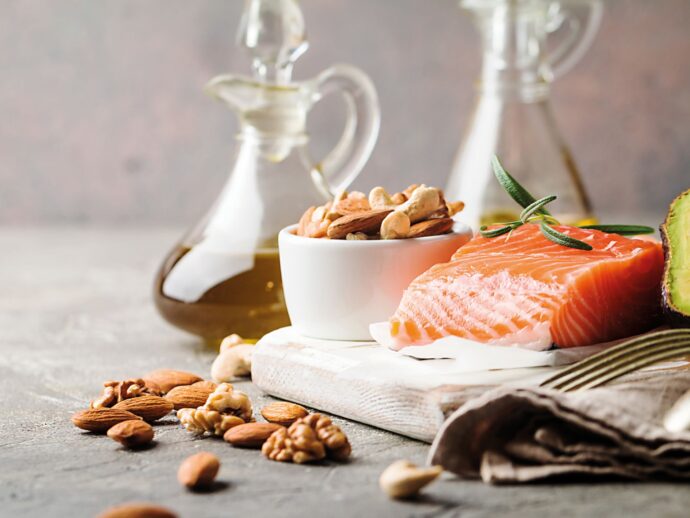
    EPA and DHA are found in fatty fish like salmon, sardines, and trout, while ALA is found in flaxseed, hempseed, chia seed, soy-based foods, and walnuts.

    Carotenoids

    Oxidative stress, which carotenoids help to combat, is considered another hallmark of brain aging. It’s unsurprising that a high carotenoid intake was associated with better brain health.

    Carotenoid sources include spinach, kale, bell peppers, tomato, watermelon, broccoli, carrots, grapefruit, and cantaloupe.

    Vitamin E and choline

    Having higher bodily levels of vitamin E is associated with better cognitive health. Vitamin E is found primarily in nuts, seeds, leafy greens, and fish.

    Choline is a precursor to creating a compound known as phosphatidylcholine, which populates brain cell membranes and regulates the release of various neurotransmitters required for optimal brain function. Choline is found in foods including eggs, edamame, cauliflower, beef, chicken, peas, pork, broccoli, and milk.

    The gut-brain connection

    Older adults with cognitive issues are much more likely to have a gut microbiome characterized by imbalances in good and bad bacteria, with an overrepresentation of pro-inflammatory species.

    A healthy gut microbiome produces beneficial compounds known as short-chain fatty acids (SCFAs), which have an anti-inflammatory influence and facilitate healthy gut-brain communication via multiple pathways.

    These influences include enhanced nutrient absorption and keeping the intestinal lining strong, thus preventing toxins from entering the blood stream and crossing the blood-brain barrier via the gastrointestinal tract. This is where polyphenols come in.

    Polyphenols―the gut-brain connectors

    Polyphenols are a family of plant-based compounds known to encourage gut bacteria to produce beneficial SCFAs.

    In 2018, Neurology published a study—involving 1,329 older adults followed over 12 years—that found those in the highest consumption category of polyphenols had a 50 percent lower risk of dementia than those in the lowest consumption category.

    Easy ways to boost your dietary exposure to polyphenols include cocoa powder, ground flaxseed, artichoke, blueberries, and more frequent use of culinary herbs/spices.

    by Andy De Santis, RD, MPH

    Article Courtesy of Alive Magazine
  • Cookies & Cream Dirt Dessert

    Cookies & Cream Dirt Dessert

    Cookies & Cream Dirt Dessert

    Total Time 30 minutes
    Servings: 12

    Ingredients
      

    • 2 packages 3.4 ounce – vanilla instant pudding mix
    • 3 cups cold milk
    • 4 tablespoons unsalted butter room temperature
    • 8 ounces cream cheese softened
    • cup powdered sugar
    • 1 cup heavy whipping cream
    • 10.5 ounces chocolate vanilla sandwich crème cookies
    • Gummy worms

    Method
     

    1. In a large bowl, whisk together the pudding mix and milk for 1-2 minutes until fully combined.Place in the fridge to chill while you proceed.
    2. In a separate bowl, beat the butter, cream cheese, and powdered sugar until smooth and uniform. In another bowl, whip the heavy cream to stiff peaks.
    3. Combine cream cheese mixture with the chilled pudding mixture until fully combined. Then, gently fold the whipped cream into the pudding mixture until smooth and fluffy.
    4. Crush cookies with a rolling pin until a coarse crumb forms or pulse briefly in a food processor.
    5. Spoon half of the cookie crumbs into the bottom of 12 serving dishes or a 9×13-inch pan. Top with the pudding mixture-if making individual cups, aim for a scant ½ cup of pudding per cup. Top with remaining cookie crumbs.
    6. Decorate with gummy worms and serve promptly.