Category: Guest Post

  • Beer Cheese Dip

    Beer Cheese Dip

    Beer Cheese Dip

    Total Time 30 minutes
    Servings: 3.5 cups

    Ingredients
      

    • 3 tablespoons all-purpose flour
    • 3 tablespoons unsalted butter
    • ¼ teaspoon red pepper flakes
    • 1 cup lager beer
    • 1 cup whole milk
    • 1 teaspoon Dijon mustard
    • 1 teaspoon Worcestershire sauce
    • ¾ teaspoon garlic powder
    • ¼ teaspoon sea salt
    • ¼ teaspoon white pepper
    • 8 ounces shredded sharp cheddar cheese

    Method
     

    1. Heat butter and pepper flakes over medium heat until butter is melted and bubbling. Add flour and whisk, cooking for 3 minutes.
    2. Slowly add the beer while constantly whisking. When smooth, add milk and whisk smooth and well mixed. 
    3. Add Dijon mustard, Worcestershire sauce, garlic powder, salt, and white pepper. Bring mixture to a gentle simmer and cook for 3-5 minutes, stirring frequently.
    4. Add shredded cheese and stir until melted. Serve while warm with fresh soft pretzels.
  • Strawberry Banana Smoothie

    Strawberry Banana Smoothie

    Strawberry Banana Smoothie

    Total Time 5 minutes
    Servings: 1

    Ingredients
      

    • 1 ripe banana peeled
    • ¼ cup unsweetened cashew butter
    • ½ cup oat milk
    • ½ – ¾ cup fresh or frozen strawberries
    • Plant-based protein powder optional

    Method
     

    1. In a blender, add banana, cashew butter, oat milk, strawberries, and protein powder, if using.
    2. Blend at high speed until the mixture is smooth and creamy. Pour smoothie into a glass and enjoy.
  • Detox Salad

    Detox Salad

    Detox Salad

    Total Time 35 minutes
    Servings: 4

    Ingredients
      

    • ¾ pound green cabbage
    • ½ pound broccoli florets
    • ½ bunch lacinato kale
    • ¼ pound carrots
    • ½ cup roasted almonds
    • cup sunflower seeds roasted
    Maple-Tahini Dressing
    • cup tahini
    • 5 tablespoons water
    • 4 tablespoons apple cider vinegar
    • 3 tablespoons maple syrup (or to taste)
    • 2 tablespoons olive oil
    • ¾ teaspoon sea salt

    Method
     

    1. Thinly slice cabbage and broccoli. Remove kale from stems and roughly chop. Peel and grate carrots. Add vegetables to a mixing bowl.
    2. In a separate bowl, whisk together dressing ingredients until smooth and creamy. Adjust seasoning to taste.
    3. Pour 1/3 of the dressing over the salad and toss to combine, adding more dressing as needed.
    4. Roughly chop the roasted almonds. Top salad with almonds and sunflower seeds.
  • Taking metabolic health to heart

    Taking metabolic health to heart

    Taking metabolic health to heart

    Understanding and improving your metabolism

    Can you be gifted an efficient one at birth? Or be cursed with a slow metabolism that, like a rusty engine block, churns out more smoke than speed? Or can you craft one to your liking with proper fuel and maintenance?

    The answer is as complex as the metabolism itself.

    Born this way

    Your metabolism is basically what’s keeping you alive. It’s breaking down food; it’s giving you energy; it’s keeping all of your systems running. Your cells are then using that as fuel and pumping out energy that your body uses. So, it’s all of the systems working together to allow you to live. The source of fuel is vital, but not everyone is born with access to the same class of vessel.

    People are born with certain genetics that determine their basal metabolic rate, but there are other factors like disorders of the thyroid gland that affect individual metabolisms.

    If your thyroid gland makes more hormones, your heart rate will speed up and your metabolism speeds up. Hypothyroidism is an autoimmune disease, but this time the antibodies actually destroy the thyroid gland, and you get the opposite: you get weight gain, you feel sluggish, and the metabolism is slow.

    Fuel to burn long and strong

    Maintaining a healthy gut begins with reaching for healthy food source. Try a daily diet of whole foods like the Mediterranean diet and DASH (dietary approaches to stop hypertension), which recommend lean meats; poultry and fish; and proper amounts of fruits, vegetables, and sources of healthy oils and plant proteins.

    Exercise (but have fun doing it!)

    Using your energy through exercise is vital to keeping your metabolism in good working order. People who exercise raise their metabolic rate, so if you keep in shape, your basal metabolic rate will be higher.

    What is most important about exercise is wanting to exercise. A recent study reported in Frontiers in Psychology drew a direct link between how much people enjoyed their exercise and how likely they were to continue exercising. So choose something you enjoy—be it walking, playing tennis, or weight lifting—and be consistent.

    Just breathe—and sleep

    Finally, proper rest is absolutely vital. Our bodies do important work overnight so that we wake up the next morning ready to go again. Good sleep benefits weight management. But if you’re stressed, this can make it harder to sleep well, which in turn can make it harder to lose weight; stress elevates cortisol levels that can lead to weight gain, thus impacting our metabolic and cardiovascular health.

    For people who may have trouble gearing down after their day—for instance those of us who may have a hollow leg but a hassled brain—try meditation, even if it’s just three minutes per day.

    by Kenny Bodanis

    Article Courtesy of Alive Magazine

  • The heart-gut connection

    The heart-gut connection

    The heart-gut connection

    How a healthy gut improves your heart (and vice versa)

    Most cases of premature cardiovascular disease are preventable. A growing body of research points to an oft-overlooked factor that can help you avoid heart disease and improve your overall wellness: the heart-and-gut connection.

    Your gut microbiome influences your heart health

    Researchers have found that most adults have poor gut health, with the majority of people experiencing regular symptoms, including bloating, cramping, and abdominal discomfort, that indicate an opportunity for gut-health improvement.

    Research shows that a healthy gut may have the following effects:
    ● improved cholesterol numbers
    ● better blood pressure support
    ● better fat metabolization
    ● healthier heart contractions and regular heartbeat maintenance

    This link between a healthy gut and a healthy heart is likely due to the chemical compounds produced by the good bacteria in your digestive system, as well as how a healthy gut is better equipped to help process and break down the foods you eat. And many of the things that affect gut health have also been linked to heart health.

    Take smoking as a prime example. Smoking is one of the biggest risk factors for heart disease, and smokers also have higher numbers of “bad” bacteria in their guts compared to those who don’t smoke (on par with those who have IBD).

    Improve your lifestyle and improve the heart-gut connection

    Your gut health has a direct correlation with heart health, and the things that are good for improving your cardiovascular wellness are also associated with enhanced gut health. Both aspects of your health are influenced by the same lifestyle factors, allowing you to tackle these two major health concerns in a significant and practical way.

    Eat more fibre

    Foods rich in fibre, including fruits, veggies, and whole grains, promote gut health, reducing harmful compounds linked to heart disease.

    Fibre doesn’t just improve gut health, but it’s also directly linked with improved cardiovascular health. A study following participants on a high-fibre diet over six months reported a 15 percent reduction in systolic blood pressure, 28 percent lower blood sugar levels, and 23 percent reduced triglyceride levels.

    • Eat less processed foods, which throw off the gut microbiome, leading to increased inflammation, and are also linked to a significant increase in heart disease.
    • Eat more fermented foods like yogurt and sauerkraut, which help populate your gut with beneficial bacteria while improving cholesterol levels and other heart disease risk factors.
    • Exercise regularly to significantly reduce heart disease risk and improve the diversity and abundance of beneficial bacteria in your gut.
    • Increase your hydration to support healthy digestion and maintain the balance of bacterial and immunological functioning in the gut.
    • Regularly wash your hands, which minimizes the risk of introducing bad bacteria into your gut.

    by Joshua Duvauchelle

    Article Courtesy of Alive Magazine

  • Cottage Cheese Cheesecake

    Cottage Cheese Cheesecake

    Cottage Cheese Cheesecake

    This take on a creamy, crustless cheesecake satisfies your chocolate cravings without derailing your health goals. Cottage cheese has been having a moment lately, and for great reason. Its mild flavour lends itself to so many culinary preparations, and the protein found in cottage cheese has been shown to help build muscle.

    Cottage Cheese Cheesecake

    Servings: 6

    Ingredients
      

    • 1 ¼ cups cottage cheese
    • ¼ cup maple syrup
    • 1 teaspoon vanilla extract
    • cup natural cocoa powder
    • 2 tablespoons cornstarch or arrowroot powder
    • 3 large organic eggs
    • Mixed red berries, such as raspberries, strawberries, or pomegranate arils for garnish
    • Melted dark chocolate for garnish (optional)

    Method
     

    1. Preheat oven to 350 F°. Line 6 inch round cake pan or springform pan with parchment paper. It’s easiest to cut a large square of parchment paper, scrunch it up tightly, smooth out again, place over cake pan, and press down; smooth into corners as best you can. No need to trim any overhanging paper from pan; this will assist in removing the cake from the pan once cooked and cooled. Set prepared cake pan aside.
    2. To bowl of food processor, add cottage cheese, maple syrup, vanilla extract, cocoa powder, cornstarch, and eggs. Blend until smooth, stopping to scrape down sides of bowl, as needed, with rubber spatula. Pour mixture into prepared pan.
    3. Bake cheesecake in preheated oven until sides of cheesecake are set, top of cake is puffed, and centre has a slight wobble, about 30 to 35 minutes. Remove from oven to a wire rack and allow cheesecake to set in the pan for 20 minutes. The top of the cheesecake will deflate a little. Remove from pan with the aid of any overhanging parchment paper and place on serving plate, leaving parchment paper on cheesecake. Refrigerate cheesecake at least 2 hours and up to overnight.
    4. When ready to serve, garnish with red berries and a drizzle of chocolate, if desired. Slice and serve.

    by Lawren Moneta

    Recipe Courtesy of Alive Magazine

  • Red Velvet Fudge

    Red Velvet Fudge

    Red Velvet Fudge

    This little indulgence is the perfect high-protein treat to share with someone special. Packed with protein and fibre, gluten free, and naturally coloured, this sweet treat may become your favourite all year long. This fudge also freezes wonderfully for times when the urge for a little something sweet hits.

    Red Velvet Fudge

    Servings: 25 squares

    Ingredients
      

    • 2 medium red beets trimmed
    • ½ cup almond butter or cashew butter
    • ½ cup unsweetened almond milk or alternative milk of your choice
    • 1 tablespoon vanilla extract
    • 1 ⅓ cups chocolate vegan protein powder
    • cups finely ground oat flour
    • ¼ teaspoon finely ground Himalayan pink salt or fine sea salt
    • 2 ½ ounces dark chocolate chips melted

    Method
     

    1. Preheat oven to 400 F°.
    2. With fork, pierce each beet several times. Wrap each in parchment paper, making sure to fold over the edges to seal each beet. Place parchment-wrapped beets on rimmed baking tray or in small baking dish. Roast beets in preheated oven until easily pierced with a fork, about 50 to 60 minutes. Set aside until cool enough to handle, about 30 minutes. Carefully unwrap and, with spoon, scrape off and discard beet skins (they should come off very easily). Roughly chop skinned beets and place in food processor or blender; purée, scraping down sides of container with rubber spatula as needed, until very smooth.
    3. Transfer beet purée to bowl of stand mixer fitted with paddle attachment or a mixing bowl, if using an electric hand mixer. Add almond butter, almond milk, vanilla extract, protein powder, oat flour, and salt. Mix on low speed until everything is very well combined. Mixture should resemble thick cookie dough. Line 8 inch square baking pan with parchment paper. Firmly press mixture in one layer into prepared baking pan. Refrigerate fudge for at least 4 hours and up to overnight.
    4. Line a baking tray with parchment paper and place a wire cooling rack on top of parchment paper.
    5. Lift fudge out of pan with help of parchment paper and cut into 1 1/2 inch squares. Place squares of fudge on wire rack before drizzling with melted chocolate. Place baking tray with fudge in refrigerator for 10 minutes. Transfer red velvet fudge to a serving plate and enjoy.
    6. Any extra fudge may be stored in an airtight container in refrigerator for up to 1 week or freezer for up to 2 months. Let thaw slightly before enjoying.

    by Lawren Moneta

    Recipe Courtesy of Alive Magazine

  • Mocha Orange Tiramisu

    Mocha Orange Tiramisu

    Mocha Orange Tiramisu

    Indulge your loved ones this Valentine’s Day with a delightful plant-based twist on a beloved classic. This innovative recipe swaps the traditional dairy cream filling for a tofu-based one and uses rye crispbread instead of the traditional cookies. Rye crackers have been shown to help benefit heart and digestive health and are a great low-sugar alternative in this tiramisu preparation.

    Servings: 12

    Ingredients
      

    • 1 cup strong, hot coffee
    • 2 ounces dark chocolate
    • 10.5 ounces firm silken tofu drained
    • ¼ cup golden cane sugar
    • 1 tablespoon natural cocoa powder plus extra for garnish
    • 2 tablespoons apple cider vinegar
    • 1 teaspoon vanilla extract
    • 2 teaspoon finely grated orange zest plus extra for garnish
    • 2 cups thick portion of canned coconut cream about 2 – 14 ounce cans
    • Rye crispbread crackers or gluten-free crackers as needed
    • Cocoa nibs for garnish (optional)

    Method
     

    1. In medium heatproof bowl, whisk together hot coffee and dark chocolate until chocolate is melted. Set aside to cool at room temperature.
    2. Meanwhile, make creamy tofu filling. To blender, add tofu, sugar, cocoa powder, vinegar, vanilla, and orange zest. Blend until smooth and creamy with no more tofu chunks, stopping to scrape down sides of blender container as needed. Add coconut cream to blender and mix until just combined, about 1 minute. Take care: if mixture is blended too long it may split. If this happens, simply continue blending; the mixture will warm up and emulsify again. This process could take up to 5 minutes.
    3. To assemble, set an 8 inch square baking dish in front of you. Have cooled mocha mixture, crispbread or cookies, and tofu filling all close at hand. Dip crispbread in coffee mixture for 6 to 10 seconds, then quickly transfer to bottom of baking dish. Repeat until you have an even layer of dipped crispbread covering bottom of dish. Pour half of tofu filling over soaked crispbread and smooth out into an even layer completely covering crispbread. Dip more crispbread into mocha mixture and lay another layer of dipped crispbread on top of filling layer, covering completely. Pour remaining tofu filling overtop and smooth out into an even layer, again covering crispbread completely. Cover baking dish with lid or beeswax wrap and chill in refrigerator at least 4 hours or overnight.
    4. Just before serving, dust top of tiramisu with some cocoa powder and additional finely grated orange zest. For some textural contrast, a sprinkling of cocoa nibs would be lovely here, but is optional. Spoon into bowls and serve. Any leftovers will keep, covered, in refrigerator for up to 3 days.

    by Lawren Moneta

    Recipe Courtesy of Alive Magazine

  • Climb beyond your limits

    Climb beyond your limits

    Climb beyond your limits

    How to adopt healthy habits, one step at a time

    Habit stacking for health and fitness

    Habit stacking is the process of slowly pairing an established habit with a new one to create transformation over time. For example, if you’re already going for daily walks, why not try adding a five minute guided mediation while doing so?
    A big part of what habit stacking refers to is having discipline. That can manifest in a lot of ways, but whatever a person is doing, having discipline is what ensures it gets done.

    The power of a focused mindset

    Habit stacking requires a lot of work to build, hone, and adhere to routines, but it’s important to recognize that we’re also human. There are days we don’t feel like doing it. In these times, try slogans that motivate you. If you’re looking for an excuse to skip the gym, you might use, “I’m a person who goes to the gym when I don’t feel like going to the gym.” But it’s also important to listen to your body’s needs.
    For anyone who wants to make changes this year but feels overwhelmed or fears failing, try embracing the process. Transforming your life in 2026, whether that means adopting a plant-based diet to improve your heart health or focusing your workouts on improving your metabolic fitness, happens one step at a time.

    Habit stacking for all levels

    Ready to get stacking? Whether you’re a newbie or a habit-changing pro, this guide will help you make positive changes more easily.

    LevelFormulaExample
     beginnerAfter/before [current habit], I will [new habit].After I make tea in the morning, I will journal for 5 minutes.
     intermediateAfter/before [current habit], I will [new habit 1]. After [new habit 1], I will [new habit 2].Before I close my laptop for lunch, I will spend five minutes listening to a guided meditation. After I finish my lunch, I will take a 15-minute walk before I return to work.
     advancedAfter/before [current habit], I will [new habit 1]. After [new habit 1], I will [new habit 2]. After [new habit 2], I will [new habit 3].Repeat another chain of habits in a different part of the day.After I take my vitamins in the morning, I will put on my workout clothes. After I get dressed, I’ll go for a 20-minute run. After my run, I’ll drink a glass of water.After I eat dinner, I will wash my dirty dishes. After the dishes are clean, I will wipe down the kitchen. After the kitchen is clean, I will do 15 minutes of yin yoga.

    by Karli Petrovic

    Article Courtesy of Alive Magazine

  • Food waste and packaging sustainability

    Food waste and packaging sustainability

    Food waste and packaging sustainability

    Global waste reduction targets

    With the United Nations’ Sustainable Development Goals including a 50 percent per capita reduction in global food waste by 2030, the pressure is on to find ways to extend shelf life and make better use of our food.

    Enter packaging. Shrink wrap on an English cucumber protects these thin-skinned staples from bruising, drying out, or being exposed to too much moisture and rotting. Polylactic acid (PLA), used to make compostable plastic clamshells, improves blueberry shelf life.

    But are we trading one problem for another when we opt for produce packaged in plastic to keep it fresher longer?

    When biodegradable or compostable doesn’t help

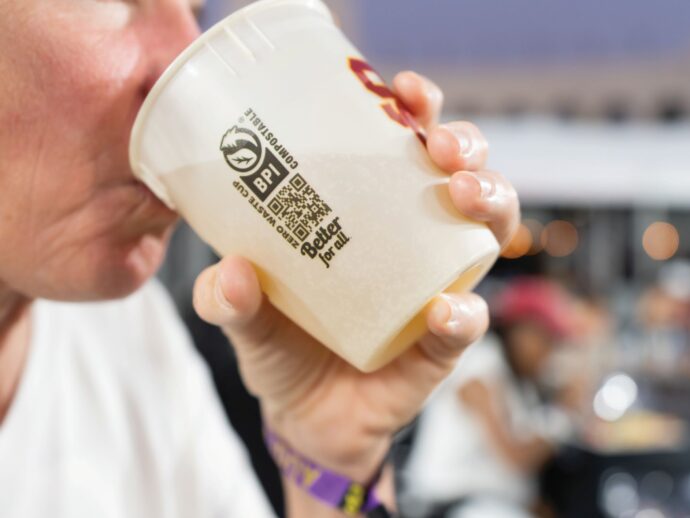
    Many of the existing biodegradable or compostable plastics used for packaging end up in landfills because they only break down in specific conditions and often not fast enough for most commercial compost facilities, where turnaround time is one to three months.

    Packaging with a label on them are automatically diverted to landfill because the labels are made of different material that would contaminate recycled plastic.

    Calling all YIMBYs (yes, in my backyard-types)

    The backyard compost heap is where yard waste, food scraps, and some compostable packaging breaks down into humus, a dark, granular substance that can be added to soil to condition it—and grow more food right outside your door.

    One of backyard composting’s greatest benefits is that it’s done at the source, making it more cost-effective than municipal options. Unlike municipal green bins, however, backyard composters are no place for meat, bones, or animal fats. Putting those items in the backyard composter can attract pests. It can also harbour pathogens, such as E. coli, if the pile is not hot enough to kill them off.

    Local versus organic versus natural

    It’s enough to make one’s brow furrow. Should you choose food produced locally or go organic? Does it have to be one or the other? And what the heck does “natural” mean?

    CSAs = local, organic, and natural

    Community-supported agriculture (CSA) models consist of consumers who buy a share of a growing season upfront and are paid in dividends of fresh produce as it’s harvested.

    Local = environmentally friendlier

    Local conventional produce also has its benefits, aside from travelling a shorter distance to get to your table. It often comes with less plastic packaging. Think berries sold in paperboard pints that can be torn up and thrown in the backyard composter or tossed in municipal green bins.

    And “natural” = …

    As for natural food, the US Food and Drug Administration defines it as free of added colour, artificial flavours, or synthetic ingredients. Unlike organic, however, it’s not an entirely regulated term, which can naturally lead to consumer confusion.

    by Tiffany Mayer

    Article Courtesy of Alive Magazine