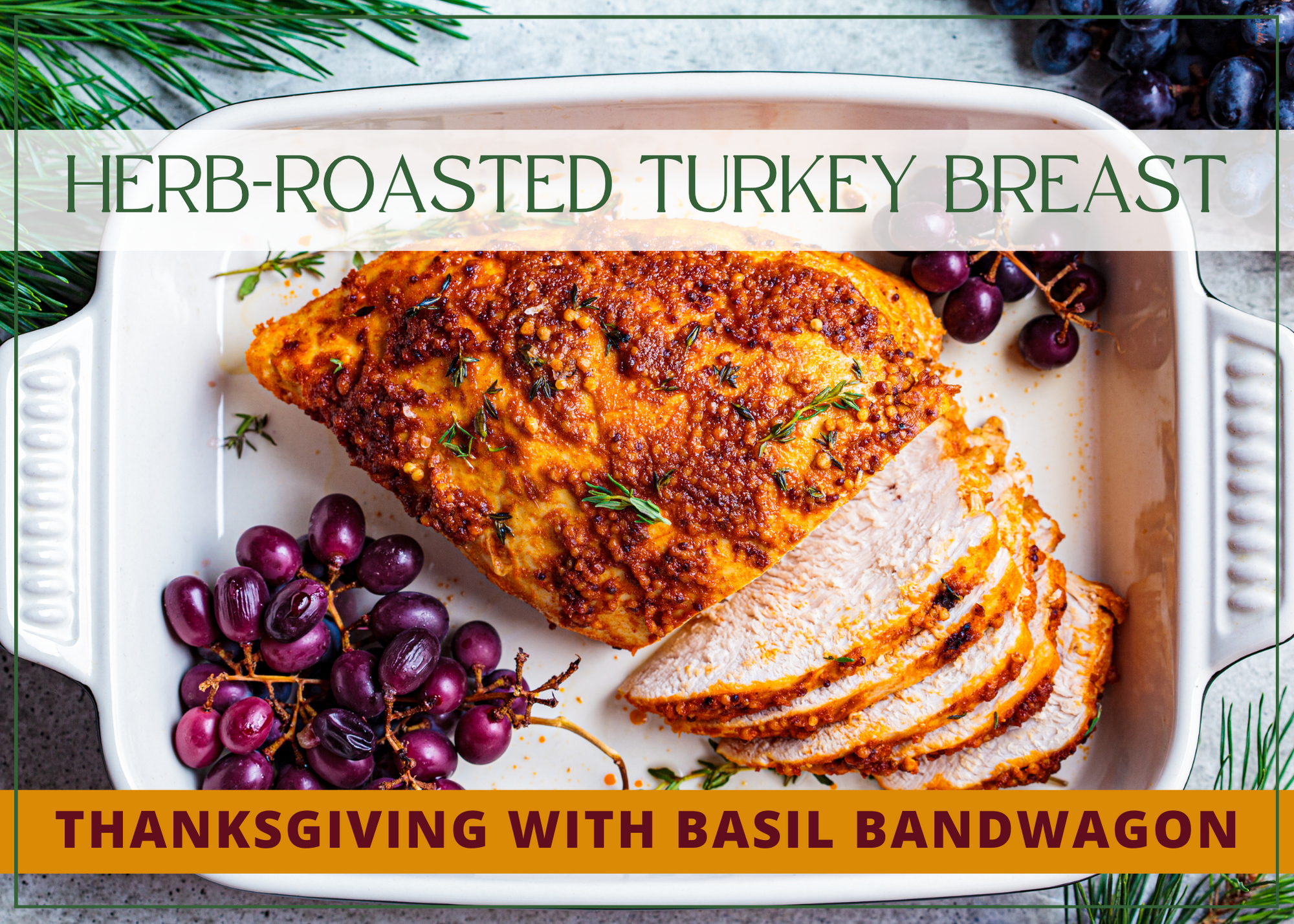
Thanksgiving wouldn’t be complete without turkey, and this Herb-Roasted Turkey Breast is a healthier option that still delivers all the savory goodness you crave. With a blend of fresh herbs, it’s a mouthwatering centerpiece for your holiday feast.
Elisa Franco
Herb-Roasted Turkey Breast
The combination of fresh herbs infuse the meat with incredible flavor, making it a delightful centerpiece for your holiday celebration.
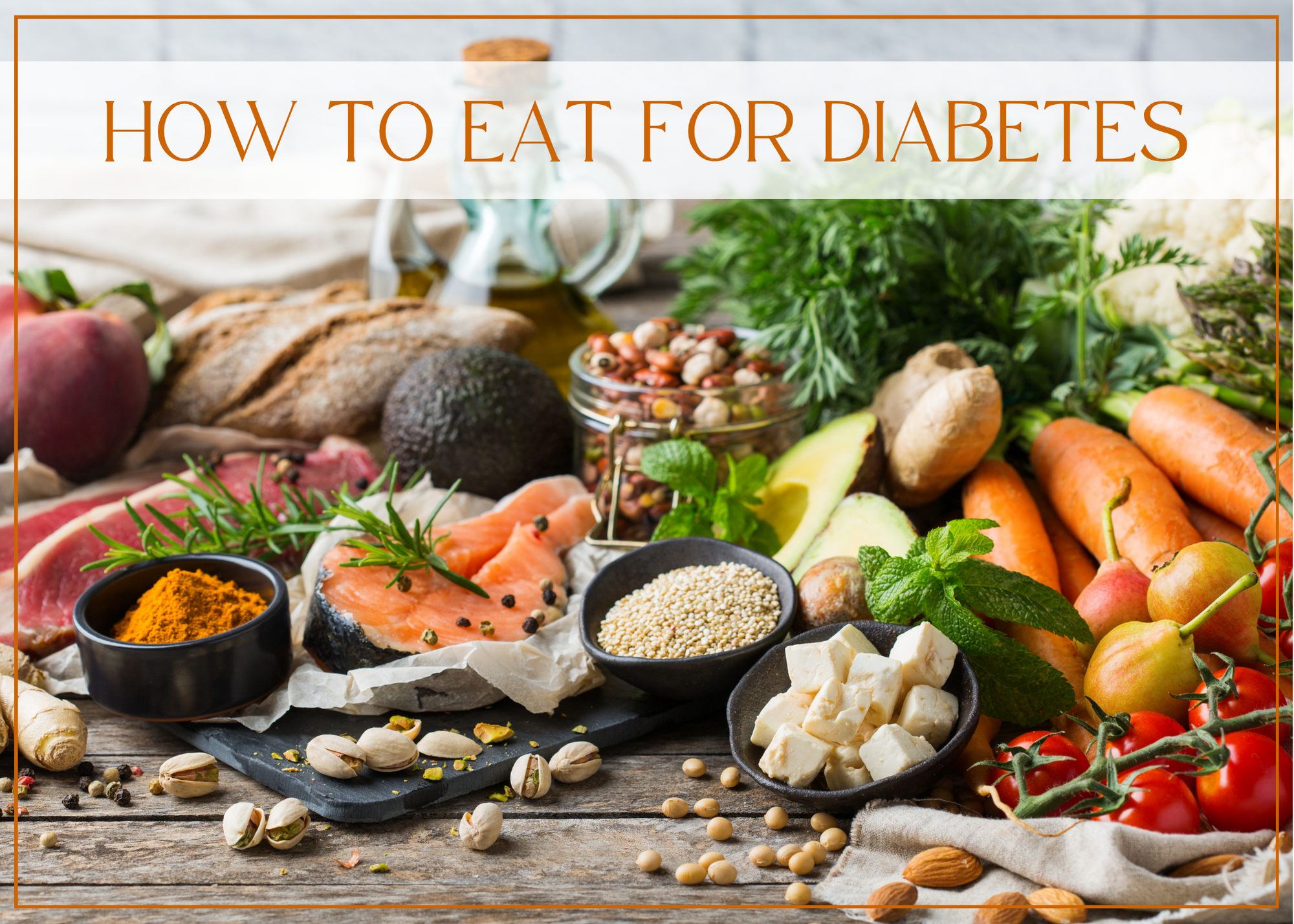
Diabetes is a “silent killer.” Here’s how a plant-based dietary pattern (not a strict diet) can be a healthier way to manage diabetes.
A diabetes recap
Type 1 (insulin-dependent) diabetes is an autoimmune disease that generally develops in childhood or adolescence. The body can’t produce insulin and thus can’t regulate blood sugar. Insulin injections or an insulin pump is necessary to ensure the body has the right amount of insulin.
Type 2 diabetes, most commonly developed in adulthood, occurs when the body can’t properly use its own insulin—or not enough insulin is produced. Type 2 diabetes can sometimes be managed with healthy eating and regular exercise alone, but may also require medications or insulin therapy.
Know the signs
Discovery is a crucial first step. Millions of people live with type 2 diabetes and don’t even know it.
People who are asymptomatic, haven’t followed up on symptoms (which can include frequent urination, blurry vision, and extreme thirst), or don’t often use the health care system may not get a diagnosis until they’ve had it for years. This may mean they need more intensive treatments than if the disease had been caught earlier.
Get the right care
Diabetes is a progressive condition, which means that treatment plans should evolve along with the disease. Behavioral modifications such as a plant-based diet may help with blood sugar control at first, but eventually more extensive treatments such as blood glucose monitoring or medication may become necessary.
What difference do plants make?
The increased soluble fiber in many plant-based foods such as Brussels sprouts, black beans, and root vegetables can slow carbohydrate absorption and bind glucose. This slower rate of absorption helps stabilize blood sugars.
In contrast, high amounts of refined sugar and carbohydrates spike glucose and cause the pancreas to produce extra insulin. Some of the extra glucose may be converted into triglycerides in the liver, and the fat may be shipped to the tissues.
Vegan or vegetarian diets are also typically higher in pulses (like such as barley or quinoa). The high magnesium content of these whole grains helps regulate glucose, improves insulin sensitivity, and controls energy metabolism.
Finally, vegetarians and vegans tend to consume fewer saturated fats. Since many meats contain more fat and calories, they may increase the risk of diabetes. In fact, some research suggests that red meat should be included in the list of diabetes risk factors.
Remember—“vegetarian” doesn’t always mean “healthy”
While a plant-based diet pattern is often higher in fiber, vitamins, and nutrients, it doesn’t guarantee weight loss or stable blood sugar levels. Check with your health care practitioner before adopting a new diet.
Consider supplements
Supplements to support healthy blood sugar include:
protein
magnesium
peppermint
pharmaGABA
quercetin
The type and amount of supplemental support depend on your health, eating patterns, and lifestyle. Since supplements can interact with medications, it’s important to create an individualized plan with your health care practitioner.
Far too often society brushes aside loneliness and social isolation as inevitable parts of aging. In reality, they are perilous issues, thought to increase one’s risk of things such as dementia, depression, and cardiovascular disease. Here’s how to protect yourself against loneliness as you age.
A common problem
Lana Adams never really experienced loneliness until she hit her seventies; for 68-year-old Uli Novak, it was when he retired. “I suddenly had all these empty days to fill,” Novak recalls. “I missed the daily banter with colleagues—and feeling needed and productive.”
Adams’ and Novak’s stories are all too common. Although having fewer social connections as one ages contributes to loneliness, it doesn’t paint the whole picture. Things including loss of touch and intimacy, illness or disability, and bereavement of loved ones can all play a role. Pervasive ageist attitudes also contribute, as many seniors feel pushed to the periphery of society.
And existential questions—such as “how is my life important?”—can also crop up. “I want this chapter of my life to be about more than just keeping busy,” says 73-year-old Barbara Hylton, who knows she’s not alone in this sentiment.
There are no quick fixes to eradicate loneliness and isolation, and addressing these issues needs to occur at a widespread, systemic level. At the same time, smaller-scale, meaningful solutions to prevent and treat loneliness do exist.
Consider a pet
Studies suggest that the human-animal bond is a powerful one; it can decrease things such as blood pressure and stress and protect against cognitive decline in older adults.
Nurture a positive mindset
One study found that keeping a daily list of three positive events decreased stress in adults aged 60 and over.
Foster intergenerational connections
Research shows that when kids get regular care and attention from older adults, they have fewer emotional and behavioral problems. Older individuals also reap the benefits; studies show that regularly involved grandparents experience decreased risk of depression, cognitive decline, and mortality.
Build a support network
Having more hobbies and increased contact with friends and family reduces loneliness across age, gender, and other lifestyle factors. Combining social interaction with physical activity may be especially effective.
Of course, socializing can be taxing if one is suffering from illness or disability, which can severely limit daily activities. Virtual alternatives—such as online support groups or messaging programs—can combat some of the impacts of loneliness for those with limitations.
Give back
When Hylton started volunteering with a seniors’ support program a couple years ago, it gave her a sense of purpose. “I like connecting with people older than I am, playing cards together or helping them out, and just sharing our stories,” she says.
The health benefits of volunteerism are well documented, including its positive impact on longevity.
Science shows that what you eat can influence how much quality sleep you get. So, with some savvy cooking, there is hope for finally getting the ever-elusive shut-eye of your dreams and feeling like a champ. These recipes feature the foods you need to help bring on sweet dreams.
Pumpkin Crusted Salmon with Sweet Potato Mash
Good news for the reluctant or harried cook: this dish comes together quickly but presents itself as something truly fanciful. Rainbow trout and arctic char are good stand-ins for salmon with nearly the same sleep-inducing nutritional make-up.
Heat oven to 325 F (162 C). Line baking sheet with parchment paper.
In blender or mini food processor, pulse pumpkin seeds, olive oil, garlic powder, cayenne, 1/4 tsp (1 mL) salt, and black pepper until mixture forms a semi-dry paste. Alternatively, in bowl, finely chop pumpkin seeds and mix with other ingredients.
Coat salmon fillets with pumpkin mixture. Bake salmon for 18 minutes, or until just barely cooked through in the center.
As salmon cooks, place sweet potatoes in large saucepan. Cover with cold water. Bring to a boil over high heat. Boil, uncovered, for 15 minutes, or until tender. Drain and mash with butter, thyme, mustard, and 1/4 tsp (2 mL) salt. Alternatively, steam sweet potato cubes until tender and then mash with the other ingredients.
Spread sweet potato mash on serving plates and top with salmon.
Yogurt Bowl with Tart Cherry Compote
If you’re hungry for a nighttime snack, then spoon up this creamy, sweet-tart yogurt bowl. It’s also a great breakfast option with a little granola tossed on top.
1 cup (250 mL) tart cherry juice 1 Tbsp (15 mL) honey 1 cup (250 mL) dried tart cherries 1 Tbsp (15 mL) minced fresh ginger 2 tsp (10 mL) grated orange zest Pinch of salt 1 tsp (5 mL) vanilla extract 3 cups (750 mL) plain yogurt 1/2 cup (125 mL) chopped walnuts
In medium saucepan, place cherry juice, honey, dried cherries, ginger, orange zest, and a pinch of salt. Bring to a boil, reduce heat to low, cover, and simmer gently for 15 minutes.
With slotted spoon, remove dried cherries from pan and set aside. Raise heat to high and boil, uncovered, for 3 minutes, or until liquid is reduced by about half and syrupy. Stir cherries back into liquid and add vanilla.
Place yogurt in serving bowls and top with cherry compote and walnuts.
Southwest Tofu Scramble Tacos
Stuffing a highly seasoned tofu scramble into steamy tortillas proves that tacos can handle all sorts of whims and fancies. And it’s a speedy meatless meal that can help you snag more zzz’s.
1 block (12 oz/350 g) extra-firm tofu 2 tsp (10 mL) grapeseed oil or avocado oil 1 cup (250 mL) chopped yellow onion 2 garlic cloves, peeled and minced 1/2 tsp (2 mL) turmeric 1/2 tsp (2 mL) ground coriander 1/2 tsp (2 mL) ancho chili pepper or 1/4 tsp (1 mL) cayenne 1/4 tsp (1 mL) salt 1/4 tsp (1 mL) black pepper 1 yellow or orange bell pepper, chopped 3 Tbsp (45 mL) nutritional yeast 1 cup (250 mL) cooked or canned black beans 1/2 cup (125 mL) chopped cilantro 8 corn tortillas, warmed 1 avocado, cubed 1/2 cup (125 mL) salsa of choice Lime wedges
Using large holes of box grater, grate tofu into pebble-sized pieces, or finely chop with knife.
In large skillet, heat oil over medium heat. Add onion and garlic, and cook for 5 minutes, stirring often. Stir in turmeric, coriander, ancho pepper or cayenne, salt, and pepper; heat for 30 seconds. Add tofu, bell pepper, and nutritional yeast to skillet and cook for 3 minutes, stirring often. Stir in black beans, heat for 2 more minutes, and then add cilantro.
Divide tofu mixture among tortillas and top with avocado and salsa. Squirt on lime juice.
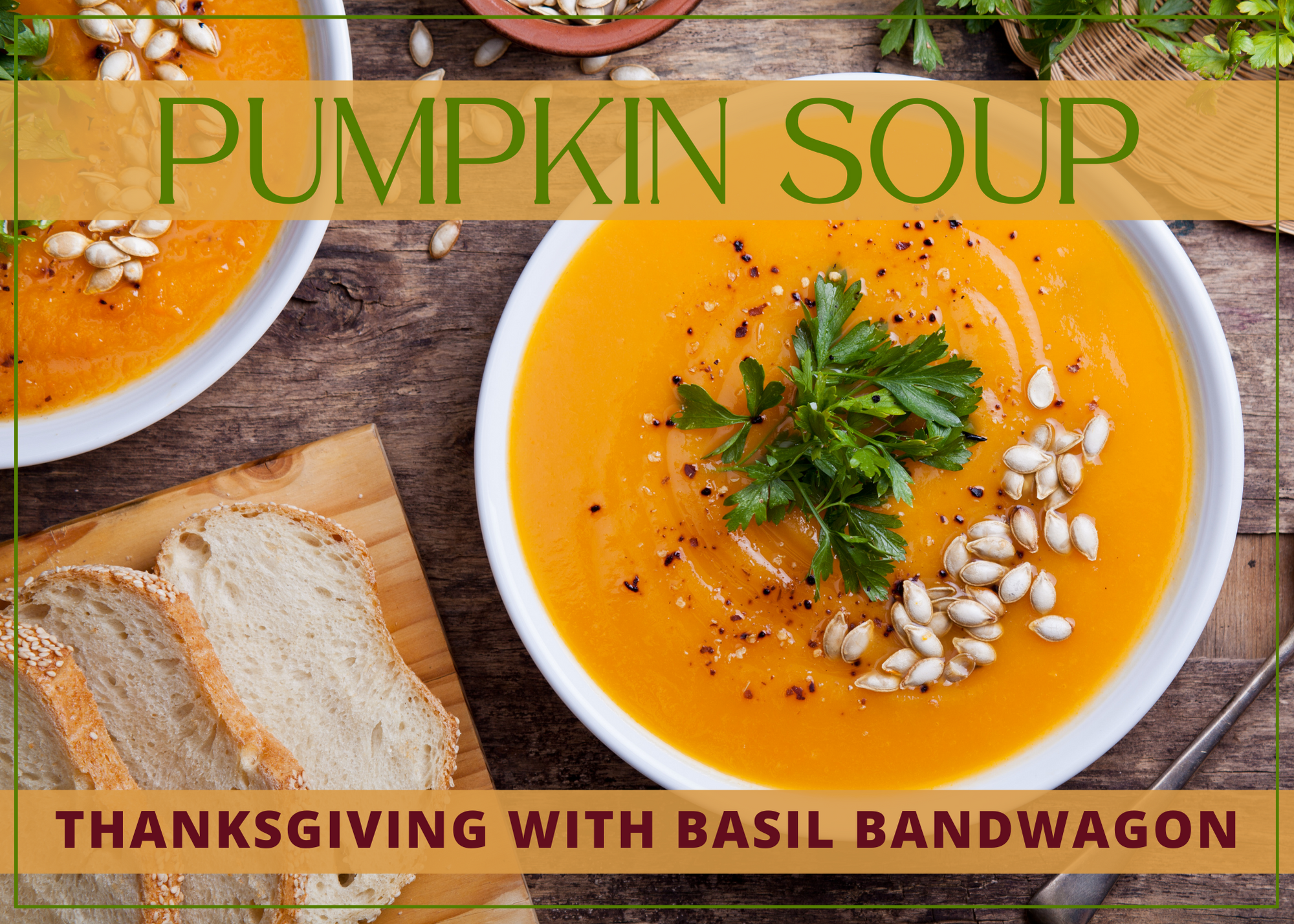
This Pumpkin Soup is like a warm hug on a chilly Thanksgiving day.
It’s a simple yet flavorful addition to your holiday spread, and it’s a great way to embrace the flavors of the season.
Enjoy the comfort and healthiness of this soup as you gather with loved ones to celebrate Thanksgiving.
Elisa Franco
Pumpkin Soup
Warm up your Thanksgiving dinner with a cozy and nutritious Pumpkin Soup. This hearty soup is a fantastic way to incorporate seasonal flavors into your holiday menu while keeping it healthy.
1cupheavy creamor substitute with coconut milk for a dairy-free option
2tblspolive oilor butter
roasted pumpkin seedsfor toppings
1bunchparsleychopped, for toppings
1dollopsour cream or yogurtfor toppings
Method
In a large soup pot or Dutch oven, heat the olive oil or melt the butter over medium heat.
Add the chopped onion and minced garlic. Sauté for about 5-7 minutes, or until the onions are soft and translucent.
Add the canned pumpkin to the pot and stir well.
Season the mixture with the ground cinnamon, nutmeg, ginger, salt, and pepper. Continue to stir, ensuring the spices are evenly distributed.
Pour in the vegetable or chicken broth and bring the mixture to a gentle simmer. Allow it to cook for about 10-15 minutes, stirring occasionally to meld the flavors.
Reduce the heat to low, and then stir in the heavy cream (or coconut milk) to the soup. Let it heat through but avoid boiling.
Taste the soup and adjust the seasoning with additional salt and pepper if necessary.
Serve hot, garnished with your choice of toppings, such as roasted pumpkin seeds, fresh parsley, or a dollop of sour cream or yogurt.
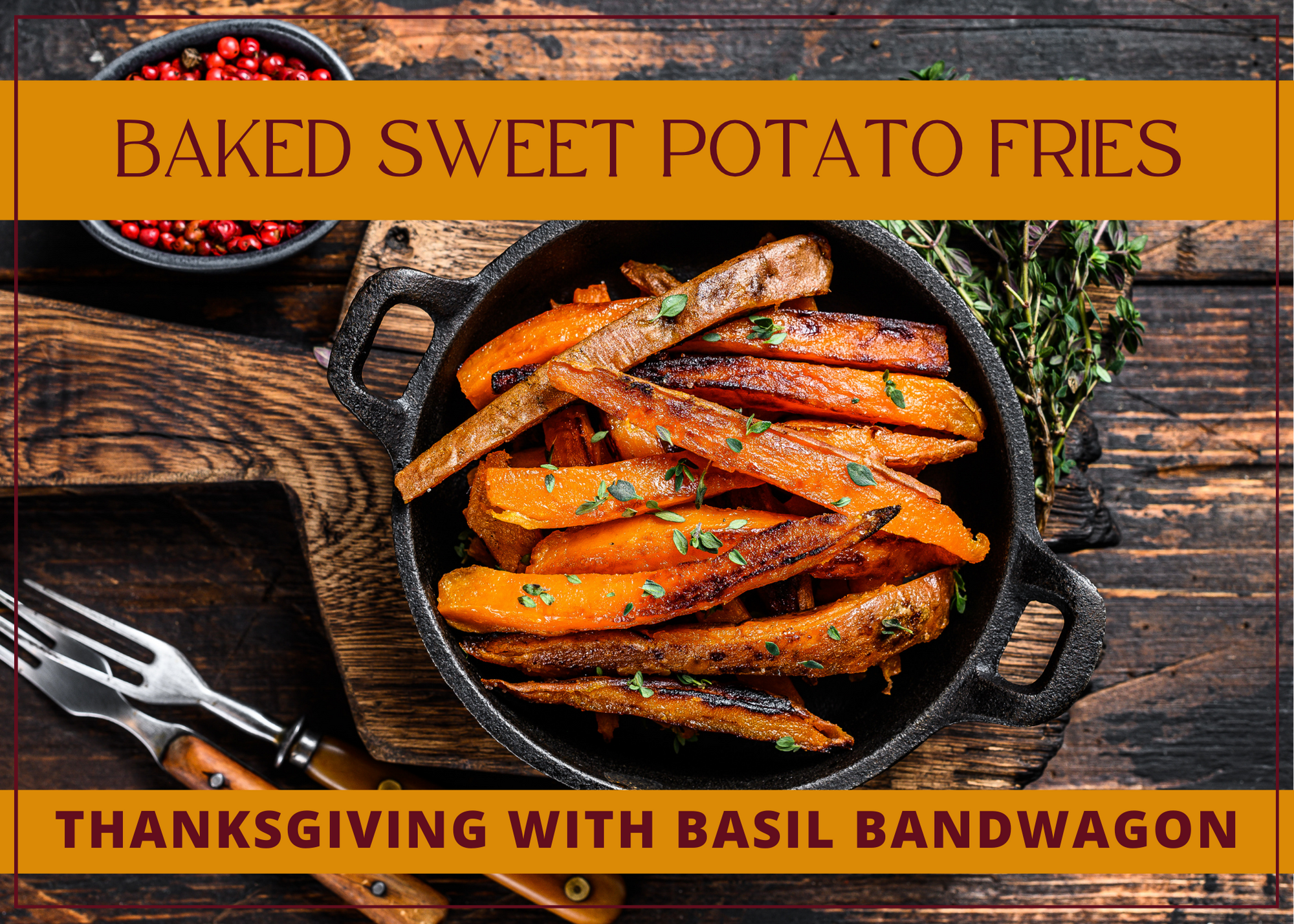
Looking for a healthier alternative to traditional French fries for your Thanksgiving gathering? These Baked Sweet Potato Fries are a tasty and nutritious choice. They’re crispy on the outside and tender on the inside, making them a perfect side dish for the holiday.
Elisa Franco
Baked Sweet Potato Fries
These Baked Sweet Potato Fries are a crowd-pleaser that won't leave you feeling guilty after indulging. Add them to your Thanksgiving menu for a healthier twist on a classic favorite. Your guests will love the crispy, flavorful goodness of these fries!
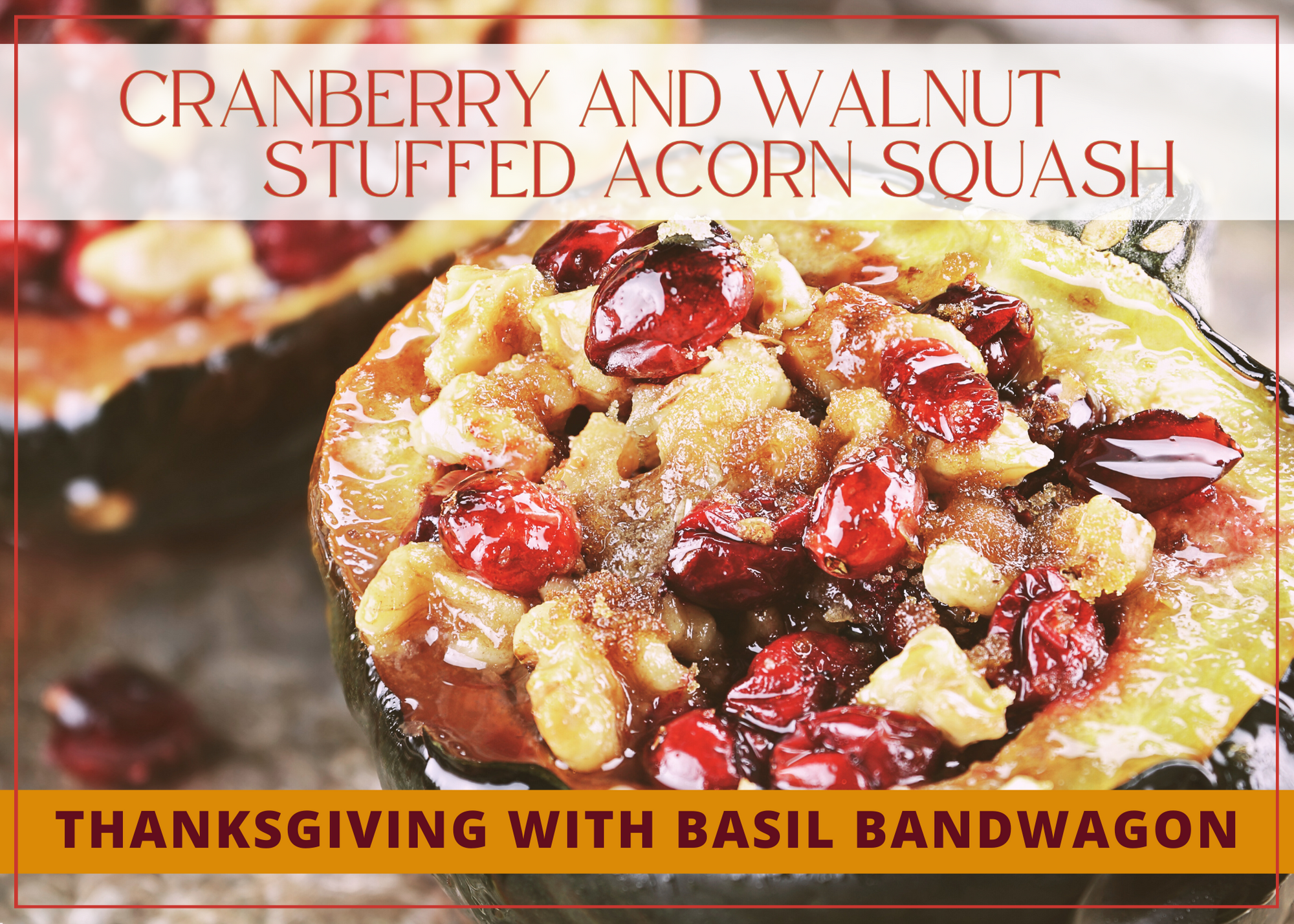
Acorn squash is a quintessential fall ingredient, and this Cranberry and Walnut Stuffed Acorn Squash recipe celebrates its natural sweetness while adding a delightful twist. It’s a gorgeous and healthy dish that will elevate your Thanksgiving table.
Elisa Franco
Cranberry and Walnut Stuffed Acorn Squash
This Cranberry and Walnut Stuffed Acorn Squash is a work of art on your Thanksgiving table, and its taste is just as impressive. With the sweetness of the squash, the tartness of cranberries, and the crunch of walnuts, it's a symphony of flavors. Enjoy this healthy, elegant dish as you give thanks this holiday season.
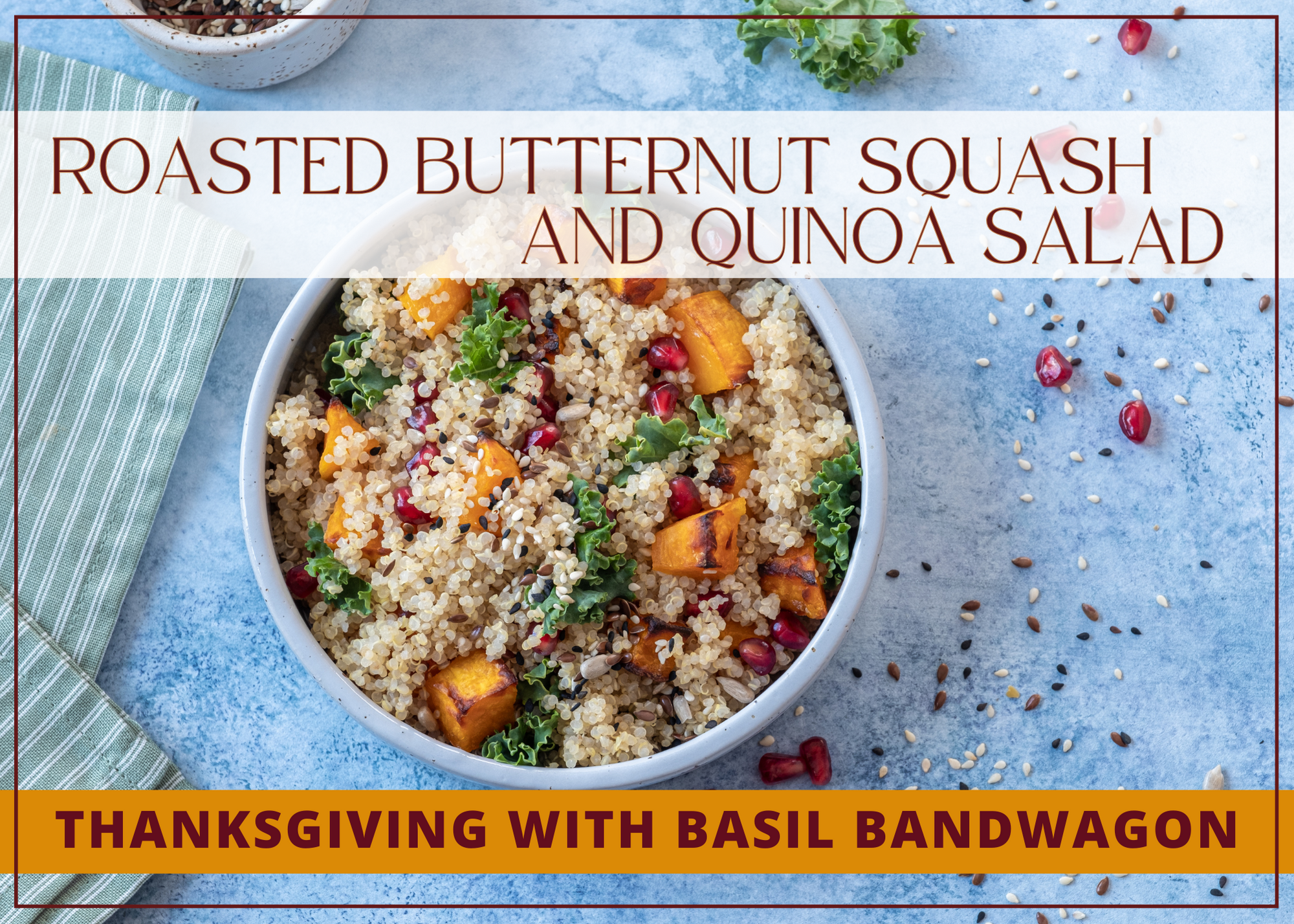
As Thanksgiving approaches, it’s essential to have some healthier options on the menu. This Roasted Butternut Squash and Quinoa Salad is not only delicious but also packed with nutrients. It’s a perfect side dish to balance out the indulgent treats on your Thanksgiving table.
Elisa Franco
Roasted Butternut Squash and Quinoa Salad
This Roasted Butternut Squash and Quinoa Salad is a delightful addition to your Thanksgiving spread. It's not only a treat for your taste buds but also a nourishing choice for your body. Enjoy this healthy, colorful dish as you celebrate gratitude and good food this Thanksgiving!
We have about 100 billion neurons (what we sometimes call “brain cells”). For decades, it was believed that the neurons we had at birth were the ones we got for our entire lives. But, beginning in the 1980s and moving forward, research suggests that, yes, we can and do create new neurons as we age.
“Neurogenesis is the way our bodies create new neurons in the brain, mainly occurring in the hippocampus,” says Bryan Bruno, MD, medical director at Mid City TMS. “Many different kinds of neurons are created during this process in embryonic development. And this phenomenon continues throughout our lives.
If we pay attention to how this happens and the activities that best support neurogenesis, we may be able to keep sharp as we age and perhaps prevent or delay dementia in our later years. Here’s how.
Get moving
Just like our bodies need aerobic exercise, so do our brains. “It’s cool how analogous our brains are to our muscles,” says Cathy Spencer-Browning, a human movement expert and vice-president of programming and training at MOSSA, a group fitness firm.
“Like muscle fibers breaking down and rebuilding to create stronger muscles, our neurons break down, then recover and become stronger and more resilient. Yes, our brain’s anatomy can change when we exercise.”
The blood pumping to the brain during exercise, be it a bike ride, a hike, or even sex, can be a boost for neurogenesis, says Ellen Albertson, PhD, author of Rock Your Midlife (Tiger Wellness, 2021).
Try new things
Bruno and other experts agree that the best way to maintain the brain’s plasticity is to learn something new. Every single day. It doesn’t matter what it is, but it does matter that it is new, because it is about the process, not the product.
Feed the brain
Albertson, who is also a registered dietitian nutritionist, says diet plays a role, too. Many experts, including Albertson, consider a Mediterranean diet, high in whole plant foods and occasional seafood, to be a brain-friendly approach.
Look for foods high in omega-3 fatty acids, which can boost memory. Salmon, walnuts, and leafy greens are among the smart (pun intended) ingredients. Foods high in antioxidants, such as (again) leafy greens, plus berries and dark chocolate, can reduce inflammation and slow brain aging, she says.
Reduce stress
Because adrenal glands produce and release more cortisol when we’re stressed, more cortisol may have an effect on both memory and cognitive function. A 2020 paper published in the Journal of Neuroscience found that chronic stress can result in a loss of brain synapses related to changes in plasticity.
Consider a brain-boosting supplement
Remember, always check with your health care practitioner before trying a new supplement.
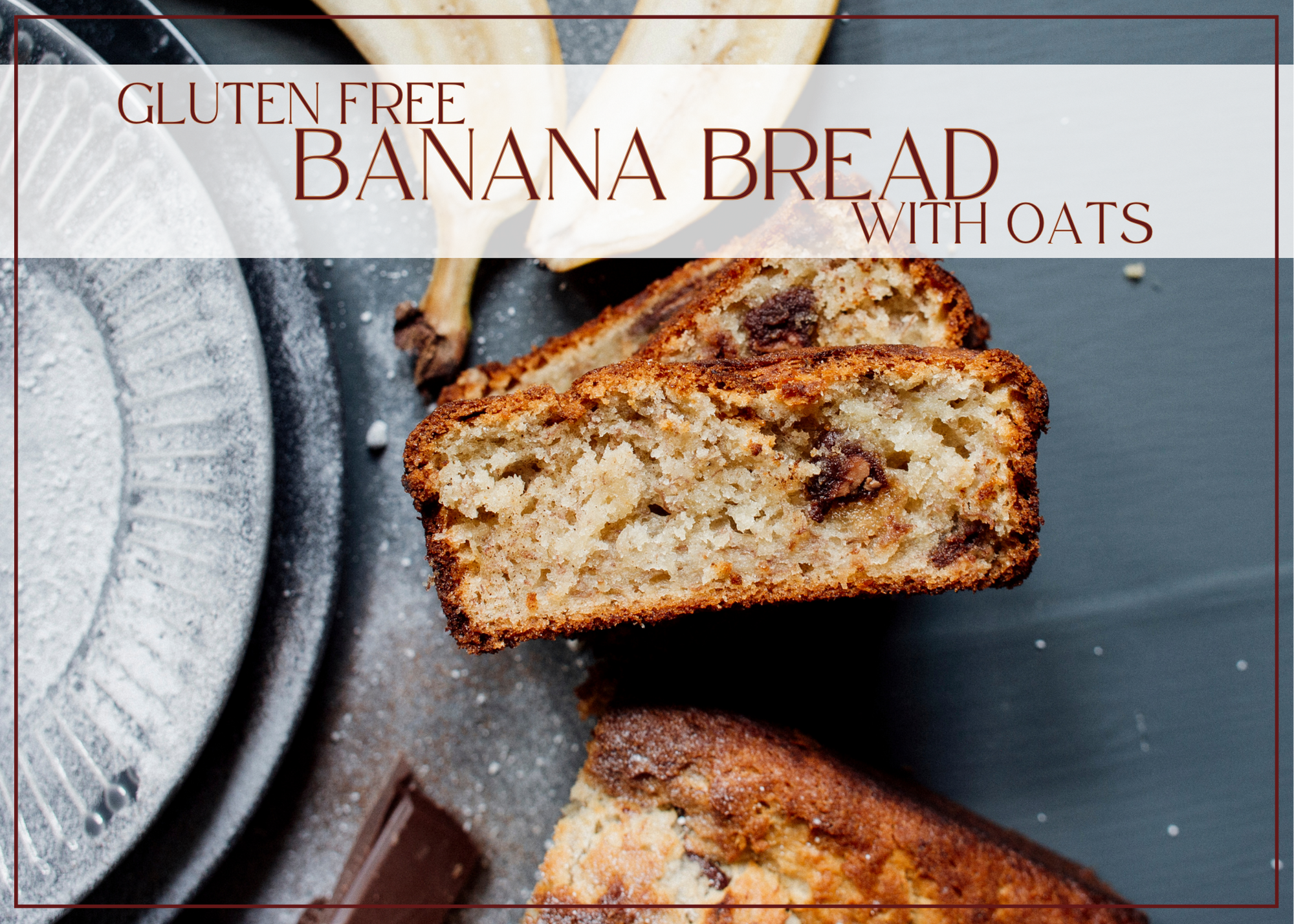
Are you looking for a delicious and wholesome twist on classic banana bread?
You’re in for a treat! This recipe combines the comforting flavor of ripe bananas with the heartiness of oats, making it a perfect breakfast or snack option.
Plus, it’s gluten-free without the need for any specialty flour. Let’s dive into making this delectable oat-based banana bread.
Elisa Franco
Gluten Free Banana Bread with Oats
A delicious and gluten-free banana bread recipe made with hearty oats!
Preheat Your Oven: Start by preheating your oven to 350°F. Grease a 4×8 inch loaf pan or line it with parchment paper.
Prepare the Bananas: In a mixing bowl, mash the ripe bananas with a fork until they form a smooth puree.
Combine Wet Ingredients: Stir the melted butter into the mashed bananas. Then, add the baking soda, and a pinch of salt. Mix well.
Sweeten It Up: Add the coconut sugar to the banana mixture, followed by the beaten egg and vanilla extract. Stir until all the ingredients are thoroughly combined.
Oats and More: In a separate bowl, combine the old-fashioned rolled oats, baking powder, and ground cinnamon.
Mix Everything Together: Gradually add the dry oat mixture to the banana mixture, stirring until just incorporated. Be careful not to overmix; simply combine until there are no visible streaks of dry ingredients.
Optional Add-Ins: If you desire extra texture and flavor, fold in the chopped nuts or chocolate chips.
Baking Time: Pour the batter into your prepared loaf pan.
Bake to Perfection: Bake in the preheated oven for approximately 45-60 minutes. To check for doneness, insert a toothpick or cake tester into the center of the loaf; it should come out clean. Depending on your oven, start checking around 40 minutes.
Cooling and Serving: Once done, remove your oat-based banana bread from the oven and let it cool in the pan for about 10 minutes. Afterward, transfer it to a wire rack to cool completely.