Tag: vegan

  • Adaptogenic Hot Chocolate Bliss

    Adaptogenic Hot Chocolate Bliss


    Adaptogenic Hot Chocolate Bliss

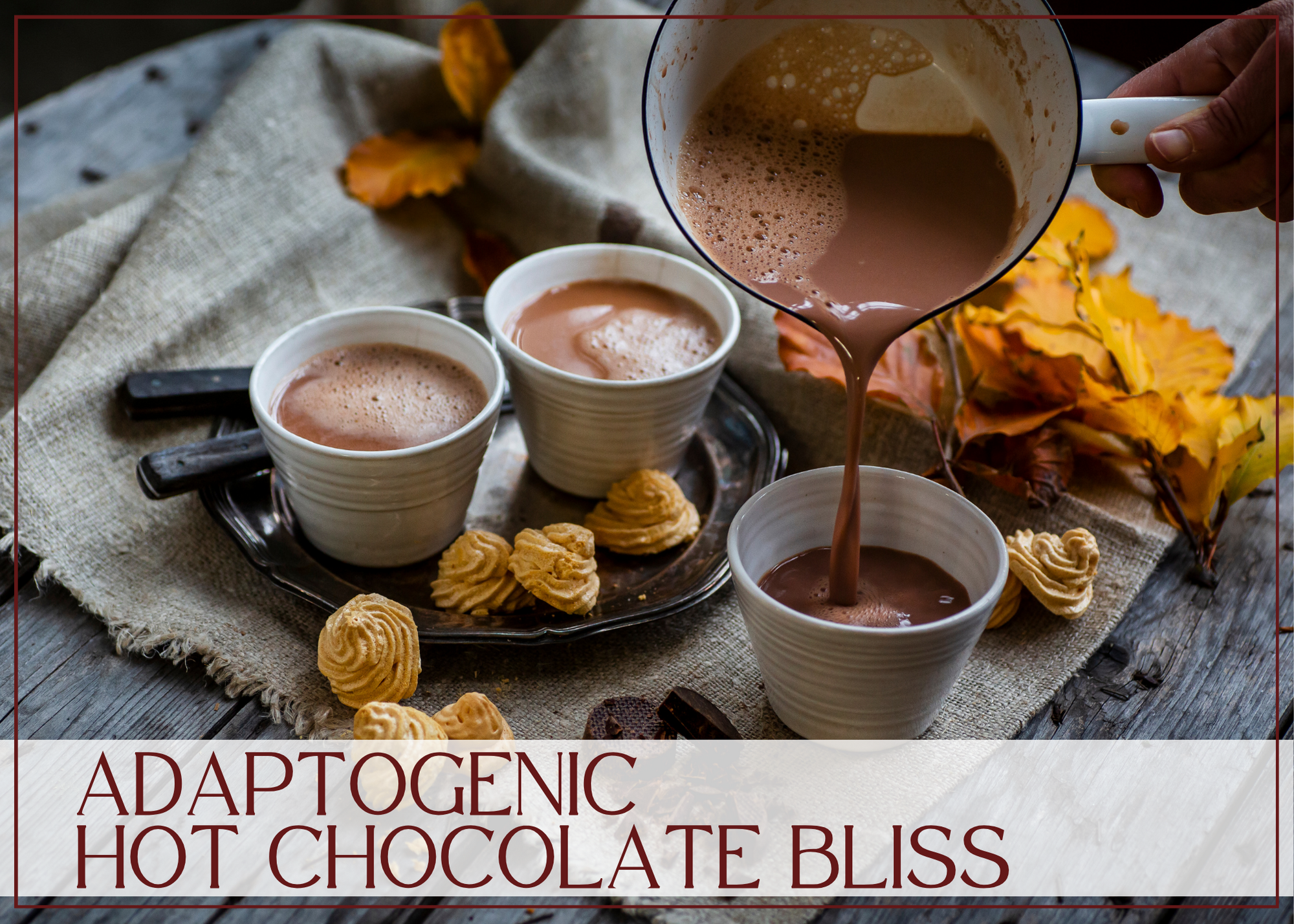
    This adaptogenic hot chocolate aims to provide a sense of calm and balance, thanks to the inclusion of an ashwagandha and mushroom blend, known for their adaptogenic properties.

    Adaptogens are a class of herbs and mushrooms that are believed to help the body adapt to stress and maintain balance. They have been used in traditional medicine systems, such as Ayurveda and Traditional Chinese Medicine, for centuries. While the scientific understanding of adaptogens is still evolving, there are several potential reasons why they are considered beneficial:

    Stress Response Regulation: Adaptogens are thought to modulate the body’s stress response by regulating the production of stress hormones, such as cortisol. They may help the body adapt to both physical and mental stressors, promoting a more balanced response.

    Homeostasis Promotion: Adaptogens are believed to support homeostasis, the body’s natural state of balance and stability. By helping the body maintain equilibrium, adaptogens may contribute to overall well-being.

    Energy and Endurance: Some adaptogens are thought to enhance physical and mental performance by supporting energy production and increasing endurance. They may help the body cope with fatigue and improve stamina.

    Immune System Support: Adaptogens are thought to have immune-modulating properties, meaning they may help regulate the immune system. This could contribute to a better defense against infections and diseases.

    Antioxidant Properties: Many adaptogens have antioxidant properties, which means they can help neutralize free radicals in the body. This antioxidative effect may contribute to cellular health and longevity.

    Cognitive Function: Some adaptogens are believed to have neuroprotective effects and may support cognitive function. They are thought to enhance mental clarity, focus, and memory.

    It’s important to note that while adaptogens have a long history of use in traditional medicine, scientific research on their efficacy is still ongoing, and more evidence is needed to fully understand their mechanisms of action and potential health benefits. Additionally, individual responses to adaptogens can vary, and they may interact with medications or have contraindications in certain situations. Before incorporating adaptogens into your routine, it’s advisable to consult with a healthcare professional to ensure they are safe and appropriate for your specific health needs.


    Elisa Franco

    Adaptogenic Hot Chocolate Bliss

    Warm, cozy, adaptogenic hot chocolate to soothe your worries.
    Servings: 2

    Ingredients
      

    • 2 cups almond milk or your preferred milk
    • 2 tblsp cacao powder
    • 2 tblsp maple syrup
    • 1 tblsp OM Master Blend powder
    • pinch of sea salt
    • whipped cream or marshmallows optional

    Method
     

    1. In a saucepan, heat milk over medium heat.
    2. Whisk in cacao powder, maple syrup, OM Master Blend powder, and a pinch of sea salt.
    3. Heat until hot but not boiling.
    4. Pour into mugs and top with whipped cream or marshamallows if desired.

  • Traditional Cranberry Sauce

    Traditional Cranberry Sauce


    Traditional Cranberry Sauce

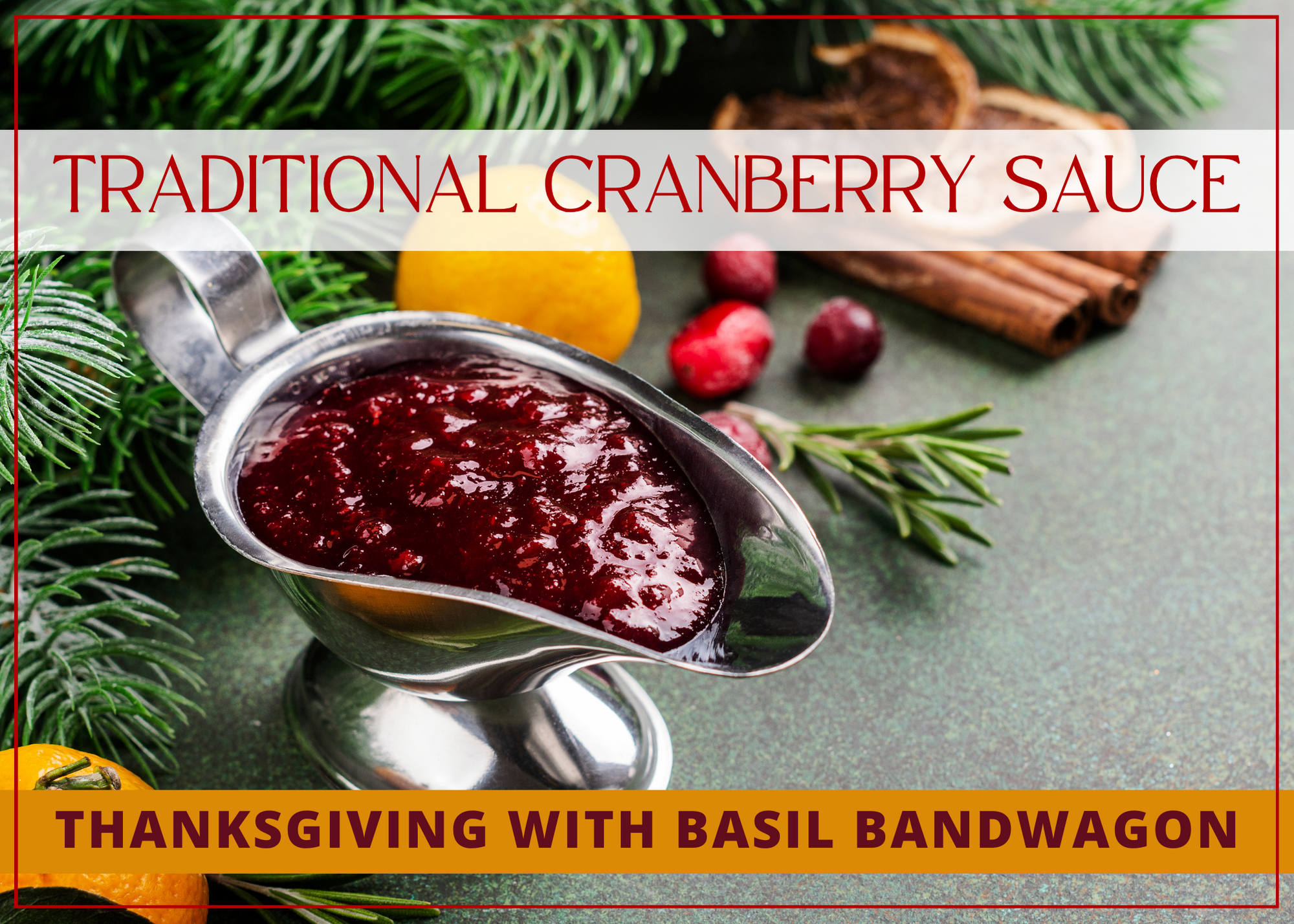
    Welcome to the heartwarming season of Thanksgiving, where the aroma of roasting turkey and the comforting laughter of loved ones fill the air. No Thanksgiving table is complete without the classic accompaniment – cranberry sauce.

    This recipe pays homage to tradition, offering a burst of sweet and tart flavors that perfectly complement the richness of the holiday feast. Join us in crafting a simple yet sublime cranberry sauce that will elevate your Thanksgiving experience.


    Elisa Franco

    Traditional Cranberry Sauce

    As you gather with family and friends around the Thanksgiving table, let this traditional cranberry sauce be the jewel of your feast, bringing a burst of flavor that complements the holiday spirit. The simplicity of this recipe ensures that you spend less time in the kitchen and more time making cherished memories with your loved ones. May your Thanksgiving be filled with gratitude, joy, and the delightful tastes of this timeless cranberry sauce. Happy Thanksgiving!
    Servings: 8

    Ingredients
      

    • 4 cups fresh cranberries
    • 1 cup sugar or sweetener of choice, such as honey
    • 1.5 cups water
    • zest of one orange
    • 1/4 tsp ground cinnamon

    Method
     

    1. Rinse the cranberries under cold water, removing any stems or debris.
    2. In a medium saucepan, combine the cranberries, sugar, and water. Stir well.
    3. Add the zest of one orange to the saucepan. The citrusy notes will enhance the cranberry flavor.
    4. Bring the mixture to a boil over medium-high heat. Once boiling, reduce the heat to low and let it simmer for about 10-15 minutes, or until the cranberries burst and the sauce thickens.
    5. Stir in the ground cinnamon for a touch of warmth and spice. Adjust the sugar to your taste preference if needed.
    6. Remove the saucepan from heat and let the cranberry sauce cool to room temperature. It will continue to thicken as it cools.

  • Baked Sweet Potato Fries

    Baked Sweet Potato Fries


    Baked Sweet Potato Fries

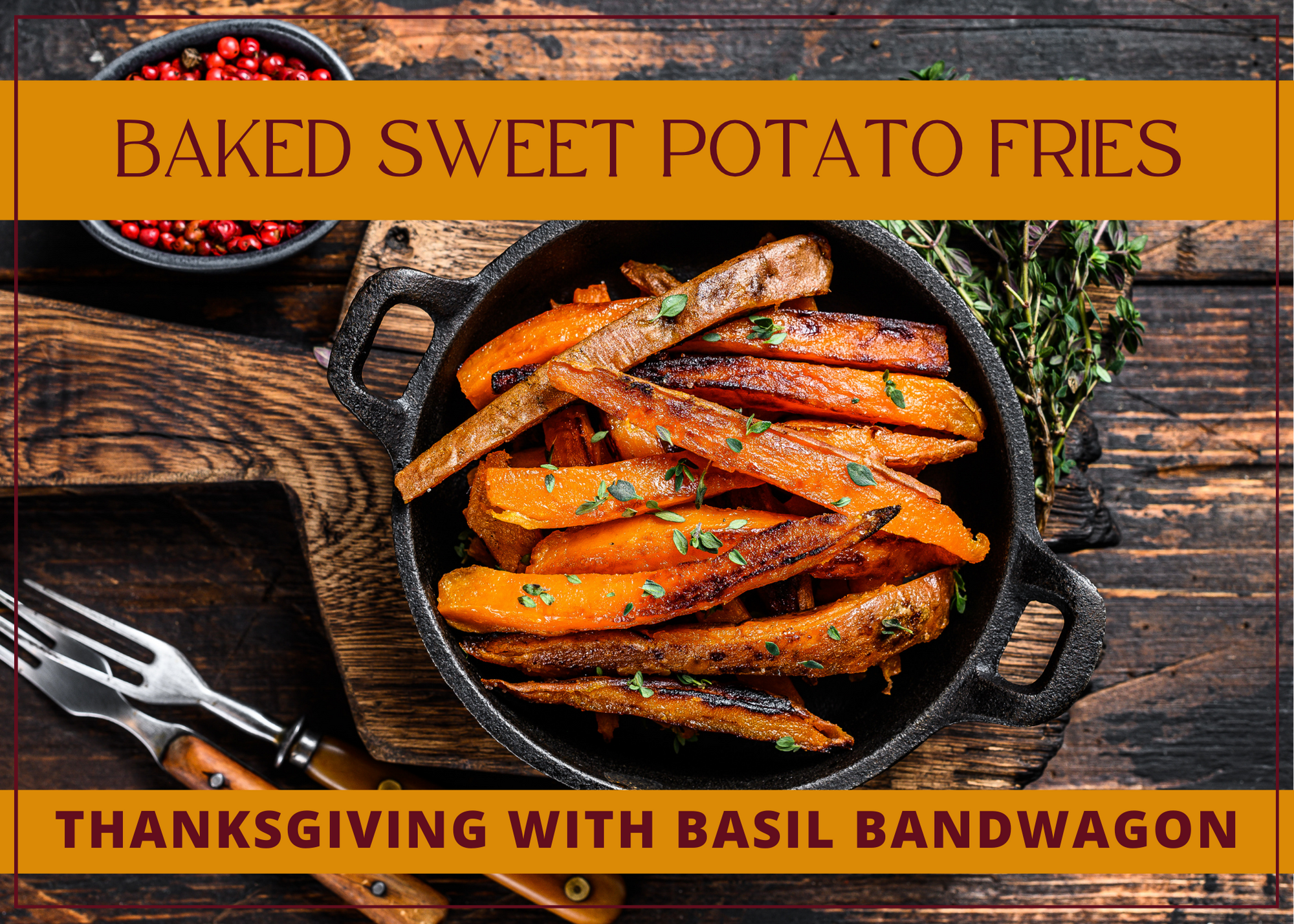
    Looking for a healthier alternative to traditional French fries for your Thanksgiving gathering? These Baked Sweet Potato Fries are a tasty and nutritious choice. They’re crispy on the outside and tender on the inside, making them a perfect side dish for the holiday.


    Elisa Franco

    Baked Sweet Potato Fries

    These Baked Sweet Potato Fries are a crowd-pleaser that won't leave you feeling guilty after indulging. Add them to your Thanksgiving menu for a healthier twist on a classic favorite. Your guests will love the crispy, flavorful goodness of these fries!
    Servings: 4

    Ingredients
      

    • 3 large sweet potatoes peeled and cut into fries
    • 2 tblsp olive oil
    • 1 tsp paprika
    • 1/2 tsp garlic powder
    • 1/2 tsp salt flakes
    • 1/4 tsp coarse ground black pepper
    • fresh thyme for garnish

    Method
     

    1. Preheat your oven to 425°F and line a baking sheet with parchment paper.
    2. In a large bowl, toss the sweet potato fries with olive oil, paprika, garlic powder, salt flakes, and black pepper until evenly coated.
    3. Arrange the fries in a single layer on the prepared baking sheet, making sure they are not crowded.
    4. Bake for 20-25 minutes, flipping the fries halfway through, until they are golden brown and crispy.
    5. Garnish with thyme, serve with your favorite dipping sauce.
    6. Enjoy!

  • Cranberry and Walnut Stuffed Acorn Squash

    Cranberry and Walnut Stuffed Acorn Squash


    Cranberry and Walnut Stuffed Acorn Squash

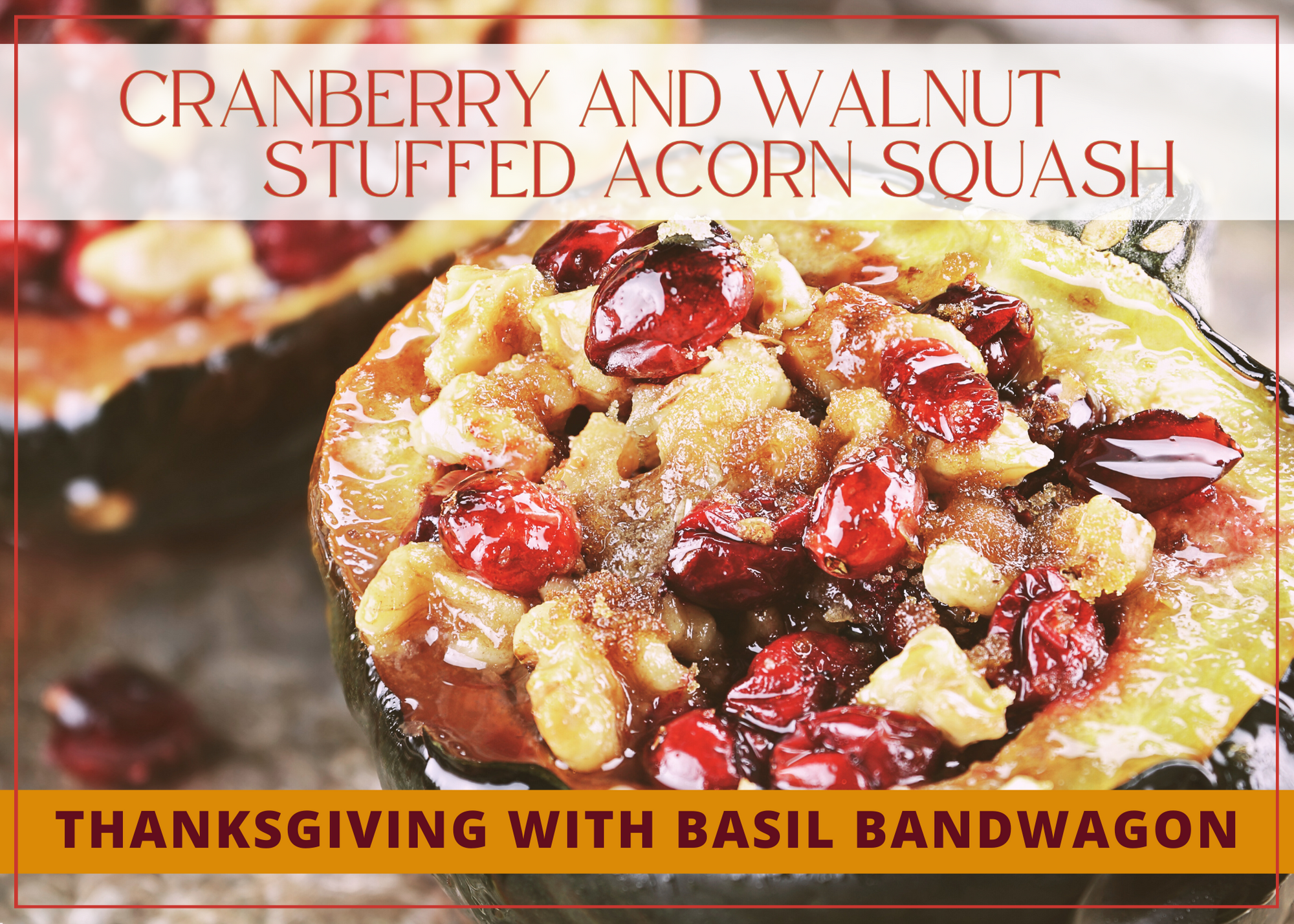
    Acorn squash is a quintessential fall ingredient, and this Cranberry and Walnut Stuffed Acorn Squash recipe celebrates its natural sweetness while adding a delightful twist. It’s a gorgeous and healthy dish that will elevate your Thanksgiving table.


    Elisa Franco

    Cranberry and Walnut Stuffed Acorn Squash

    This Cranberry and Walnut Stuffed Acorn Squash is a work of art on your Thanksgiving table, and its taste is just as impressive. With the sweetness of the squash, the tartness of cranberries, and the crunch of walnuts, it's a symphony of flavors. Enjoy this healthy, elegant dish as you give thanks this holiday season.

    Ingredients
      

    • 2 acorn squashes halved and seeds removed
    • 1 cup quinoa rinsed
    • 2 cups vegetable broth or bone broth
    • 1/2 cup dried cranberries
    • 1/2 cup chopped walnuts
    • 2 tblsp maple syrup
    • 2 tblsp olive oil
    • salt and pepper to taste

    Method
     

    1. Preheat your oven to 375°F.
    2. Place the halved acorn squashes on a baking sheet, cut side up, and drizzle them with olive oil, maple syrup, salt, and pepper.
    3. Roast the squashes for about 35-40 minutes, or until they are tender.
    4. While the squashes are roasting, rinse the quinoa thoroughly and cook it in vegetable or bone broth according to package instructions.
    5. Once the quinoa is cooked, fluff it with a fork and stir in dried cranberries and chopped walnuts.
    6. Fill each roasted acorn squash half with the quinoa mixture.
    7. Place the stuffed squash back in the oven for an additional 10 minutes.
    8. Serve warm, drizzled with a bit of maple syrup if desired.

  • Roasted Butternut Squash and Quinoa Salad

    Roasted Butternut Squash and Quinoa Salad


    Roasted Butternut Squash and Quinoa Salad

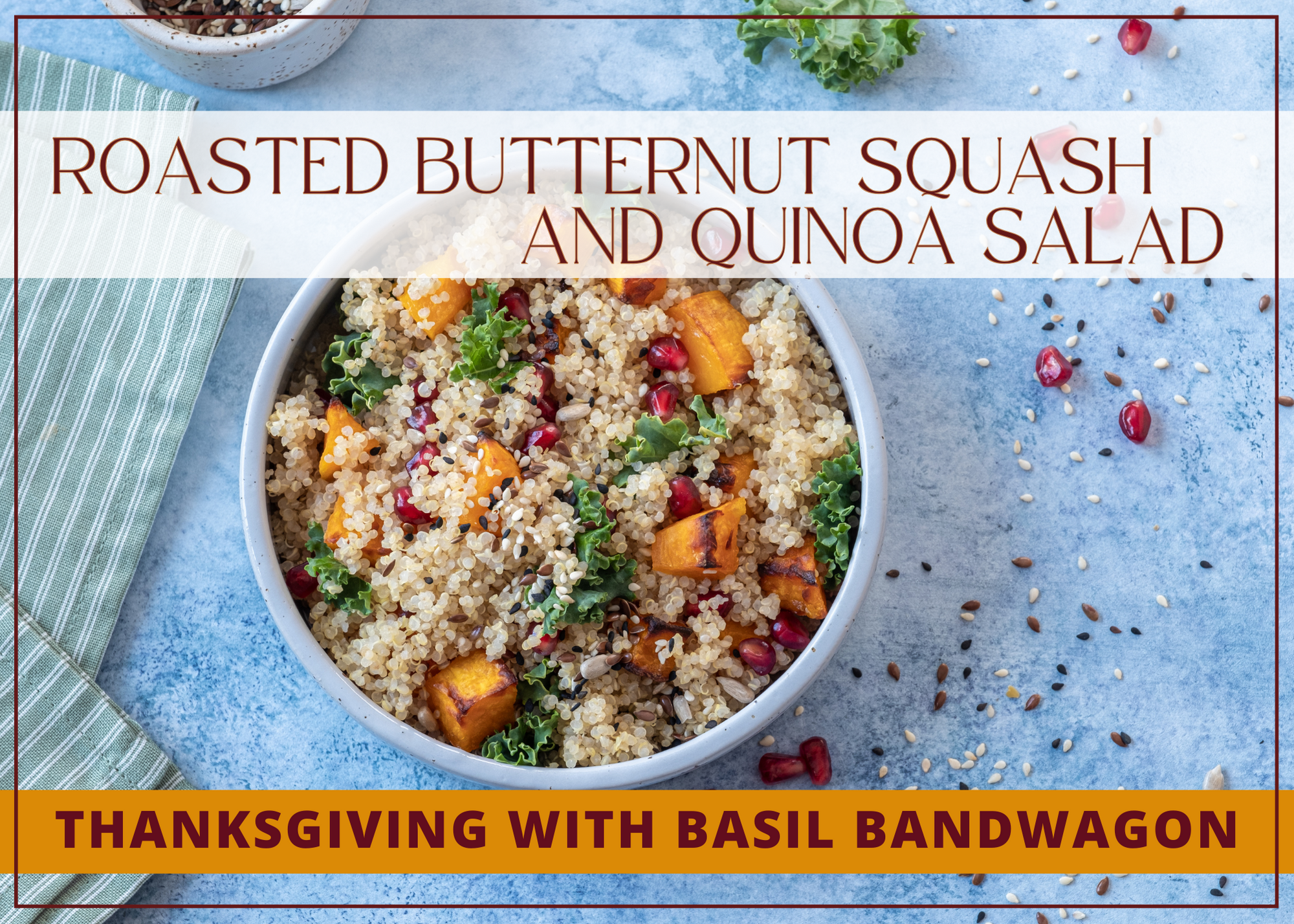
    As Thanksgiving approaches, it’s essential to have some healthier options on the menu. This Roasted Butternut Squash and Quinoa Salad is not only delicious but also packed with nutrients. It’s a perfect side dish to balance out the indulgent treats on your Thanksgiving table.


    Elisa Franco

    Roasted Butternut Squash and Quinoa Salad

    This Roasted Butternut Squash and Quinoa Salad is a delightful addition to your Thanksgiving spread. It's not only a treat for your taste buds but also a nourishing choice for your body. Enjoy this healthy, colorful dish as you celebrate gratitude and good food this Thanksgiving!
    Servings: 4

    Ingredients
      

    • 1 small butternut squash peeled and diced
    • 1 cup quinoa rinsed
    • 1 cup kale chopped
    • 2 cups vegetable broth
    • 1/2 cup pomegranate seeds
    • 1/4 cup fresh parsley chopped
    • 1/4 cup pecans chopped
    • 2 tbsp olive oil
    • salt and pepper to taste

    Method
     

    1. Preheat your oven to 400°F.
    2. Toss the diced butternut squash with olive oil, salt, and pepper. Roast in the oven for 25-30 minutes or until tender and slightly caramelized.
    3. While the squash is roasting, rinse the quinoa thoroughly and cook it in vegetable broth according to package instructions.
    4. Once the quinoa and butternut squash are ready, combine them in a large bowl.
    5. Add pomegranate seeds, chopped parsley, chopped kale and chopped pecans. Mix well.
    6. Season with salt and pepper to taste.
    7. Serve warm or at room temperature.

  • ’Til midlife do us part

    ’Til midlife do us part


    ’Til midlife do us part

    Create well-being during and after divorce

    When people decide to marry, it’s arguably with the intention of sharing a lifetime. And the ideal of lifelong partnership has historically been a social expectation. Although in recent years the upward trend of “grey divorce” (over age 50) has slowed, the highest percentage of marital splits in Canada and the US still happens at midlife. What’s happening?

    Changing perspectives

    Only in the last century has our lifespan increased by about 20 years and given us “middle years” between youth and old age. For many, these years are a time of reflection. We start to consider our mortality and realize we have less time ahead of us than behind. Not only have we learned a lot, but we still have the time, energy, health—and often freedom—to make changes.

    Updating your status

    Although the stigma of divorce has lost its sting, it can be a difficult conversation in some religious groups, or with parents and children. Experts agree that any children—no matter their ages—should hear the news before you make it public. Be honest with your offspring, but also have boundaries firmly in place about what they need to know.

    And while you think that your adult children will accept the news easily, be prepared to parent them through it, especially if they aren’t expecting it. Adult children may have a difficult time with the news and question the reality of their entire childhood. Be available to have some difficult conversations.

    Get support

    Consider working with a counselor, minister, therapist, or relationship life coach who can help you understand your role in the demise of your marriage. You are intimately aware of your previous partner’s role, and unless you acknowledge your own contributions, you will likely make the same mistakes in future relationships.

    Take time for yourself

    Particularly if the divorce was a long time coming, you might be tempted to rush into the dating pool, but experts suggest taking a pause before testing the waters. Whether you wanted the divorce or not, it’s a troubling experience. Give yourself time to heal. Get to know yourself as an individual after long-term coupledom.

    Healthy dating

    It can be tempting to let loneliness drive your desire to date. Instead, find ways to fill your social calendar through friendships, volunteering, hobbies, and support groups. Who knows? You might meet your next partner while you’re out doing something you enjoy!

    If you still have children living in your home, dating can be a tricky thing. Research on divorced mothers has shown that younger children become stressed when mom’s dating relationships end, so consider minimizing their exposure to a love interest until you are confident that the relationship has legs.

    Have fun

    Dating isn’t supposed to be a chore. It’s really about learning whether new people complement your life. Best of all? That decision is all yours.

    By Lisa Petty, PhD

    Content courtesy of Alive Magazine

  • Your blueprint for pain-free aging

    Your blueprint for pain-free aging


    Your blueprint for pain-free aging

    Top tips to start today

    While it’s a blessing to live a long life, the aging process comes with its share of aches and pains. The healing process is slower in an aging body, so underestimating pain, delaying treatment, or avoiding care due to pain-related fear may contribute to the development of chronic pain and associated disability.

    Here’s the good news: treating acute pain appropriately may prevent its development into chronic pain, while managing existing chronic pain can improve quality of life and promote a healthy lifespan in the years to come.

    When pain overstays its welcome
    Acute pain is usually triggered by injury or trauma and serves as a protection mechanism to deter us from further insult.

    But when acute pain is poorly managed, a pathological process takes place in the central and peripheral nervous systems, known as sensitization. This mechanism is theorized to drive the development of chronic pain. Pain is considered chronic when it has persisted for three months or longer.

    Collaborative care
    Curate your multidisciplinary pain management team by seeking the care of diverse practitioners, such as a naturopathic doctor, acupuncturist, psychotherapist, hypnotherapist, and osteopathic manual therapist. These care providers can offer evidence-based pain management treatments.

    Evidence-based pain treatments
    Acupuncture
    relieves pain by encouraging the body’s own production of opiates, endorphins, and corticosteroids, and has been shown to reduce chronic low back pain.
    Mind-body approaches such as cognitive behavioral therapy and mindfulness-based stress reduction help reduce chronic low back pain.
    Hypnotherapy is effective in reducing chronic pain for some individuals.
    Osteopathy is shown to be helpful in some cases of low back pain.
    Music therapy is effective in lowering pain for palliative care patients.

    Fight inflammation with food
    An anti-inflammatory approach to eating is helpful for managing acute and chronic pain. Cut back on sugar, processed foods, and trans fats, and opt for a food plan based on whole foods including fruits and vegetables, healthy fats, fish and unprocessed meats, and whole grains.

    If your pain originates from the digestive tract or from an autoimmune condition, consider testing for sensitivities to gluten and other foods.

    Easing up is wise
    With acute pain, it’s particularly important to rest the painful area to reduce inflammation and allow for healing. Manage chronic pain by interspersing periods of rest throughout activities that aggravate your pain.

    Staying active is important
    On top of strengthening muscles, improving flexibility, and promoting joint stability, research suggests that exercise also increases the body’s production of pain-relieving molecules known as endocannabinoids.

    Of course, when pain interferes with exercise, we have a problem! Consult with a physiotherapist or kinesiologist for an individualized exercise treatment program, which has been shown to reduce pain and promote function.

    Mind over matter works wonders
    We can tap into the mind-body connection and use it to our advantage! Optimism is protective against day-to-day pain-related disruptions and increases goal-directed activity in older adults.

    Dr. Cassie Irwin, ND

    Content courtesy of Alive Magazine

  • Hot Horchata

    Hot Horchata


    Hot Horchata

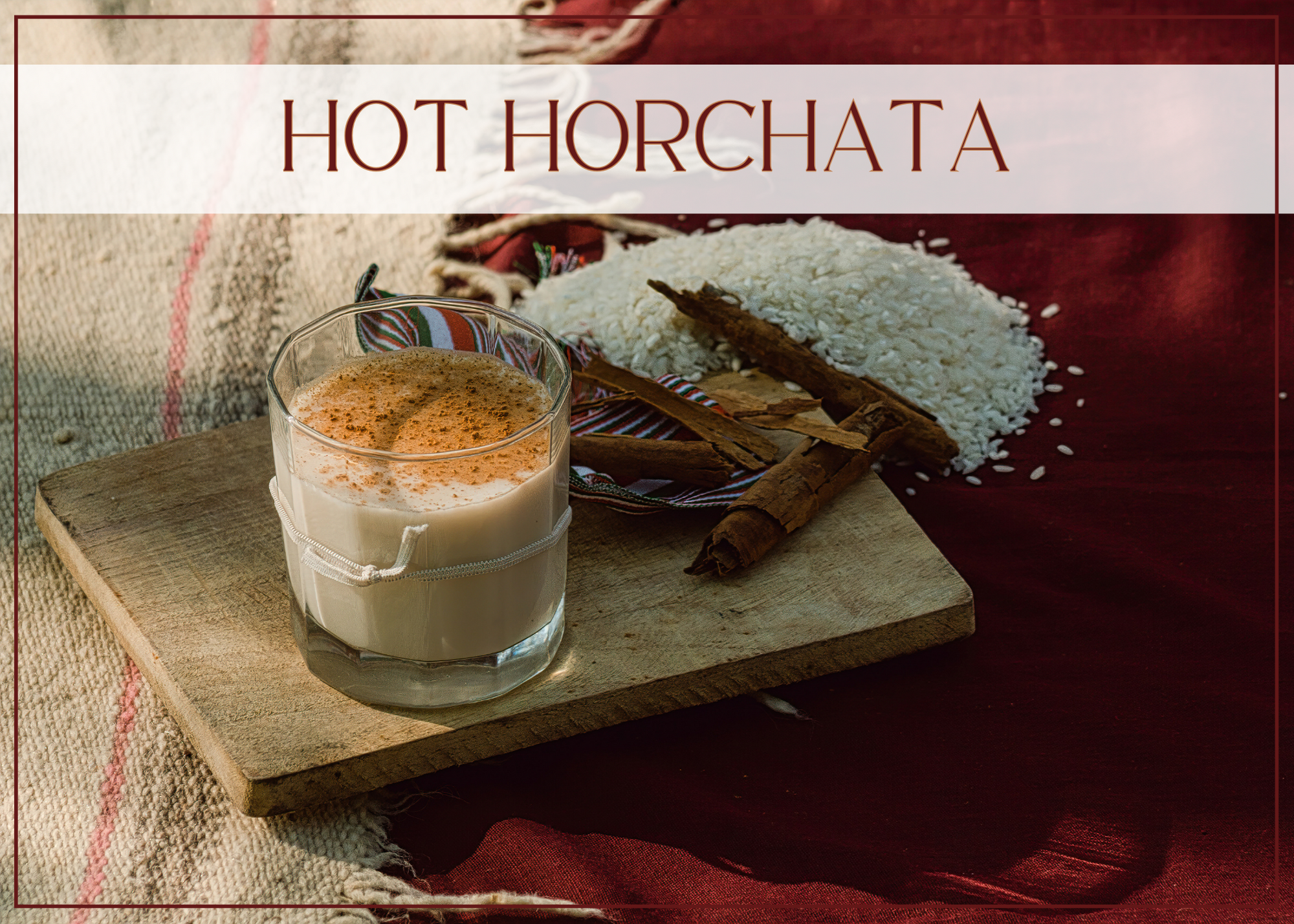
    There’s something truly comforting about a hot cup of this sweet, spiced rice beverage. In this recipe, we’ll show you how to create a soothing and aromatic hot horchata that’s perfect for those cozy moments when you need a little comfort and indulgence. Let’s dive into this simple hot horchata recipe.


    Elisa Franco

    Hot Horchata

    As the sweet and spicy aroma fills your kitchen, you'll find that hot horchata is delightful for those chilly evenings when you're craving a comforting treat. So, cozy up, savor the moment, and let the warmth of this drink serve you comfort in a cup!
    Servings: 4

    Ingredients
      

    • 1 cup long-grain white rice
    • 4 cups water
    • 1 cup milk of choice
    • 1 cinnamon stick
    • 1/4 cup honey, or sweetener of choice adjust to taste
    • 1 tsp vanilla extract
    • ground cinnamon for garnish

    Method
     

    1. Begin by rinsing the rice thoroughly under cold water until the water runs clear. This helps remove excess starch from the rice.
    2. Place the rinsed rice and cinnamon stick in a bowl, and add 4 cups of water. Allow the rice to soak for at least 3 hours or overnight. Soaking softens the rice and makes it easier to blend.
    3. After soaking, remove the cinnamon stick and transfer the rice and water to a blender. Blend until you have a smooth, creamy mixture. This may take a few minutes.
    4. Set a fine-mesh strainer or a nut milk bag over a large saucepan. Pour the blended rice mixture through the strainer, pressing on the solids to extract as much liquid as possible. Compost the rice solids.
    5. Place the saucepan with the strained rice liquid over medium heat. Add the honey or sweetener of choice, vanilla extract, and milk of choice, and stir until the honey dissolves completely. Heat the mixture gently, but do not let it boil over.
    6. Pour your hot horchata into cups or mugs. Sprinkle a pinch of ground cinnamon on top for garnish. Enjoy the soothing and comforting flavors of this hot horchata!

  • Herbal Rehydration Drink

    Herbal Rehydration Drink


    Herbal Rehydration Drink featuring BodyBio

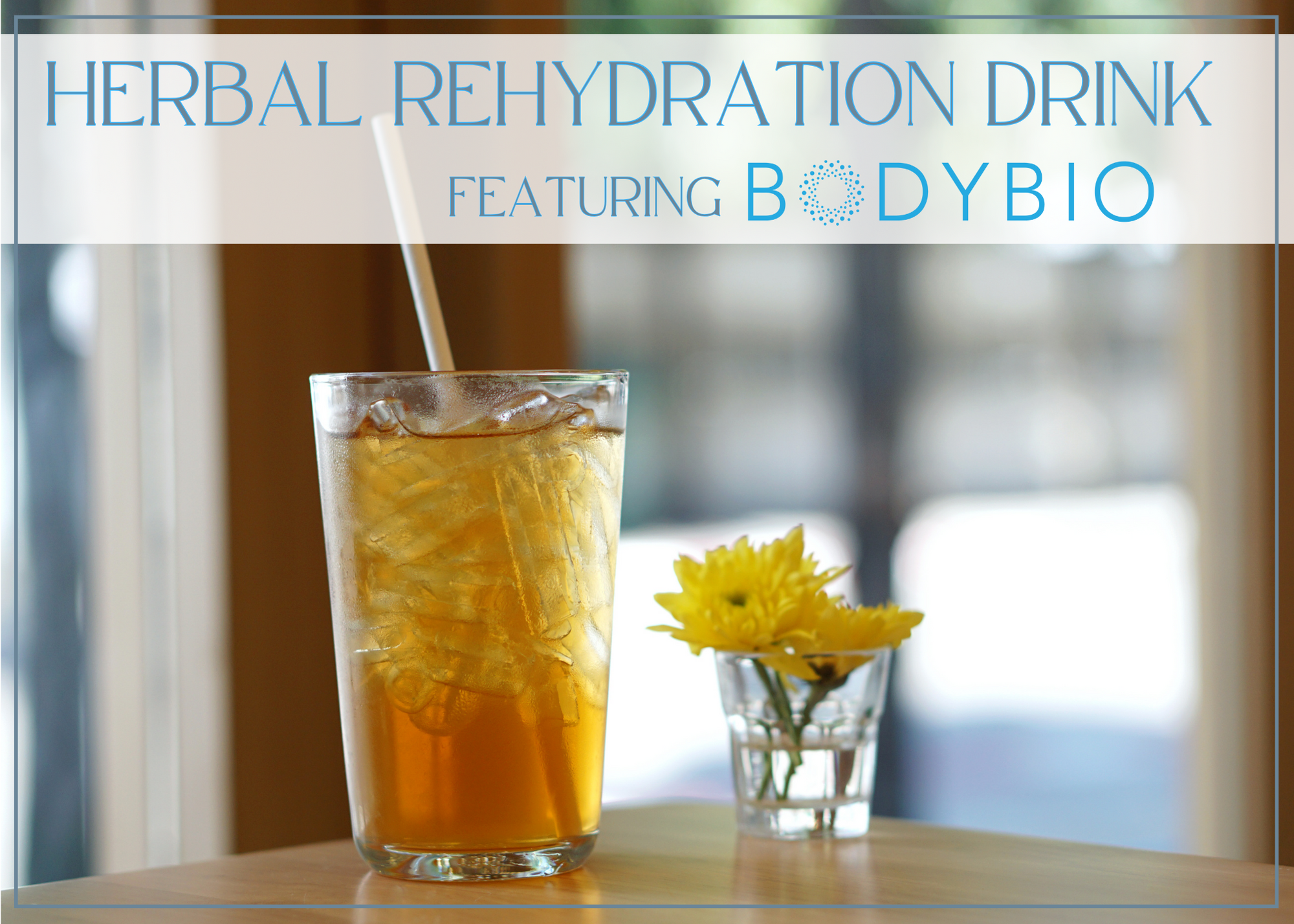
    A cold, long infusion of nourishing and healing herbs combine with the rehydration benefits of BodyBio’s E-Lyte. Think iced tea that is healing and hydrating on every level. Drink as a replacement of sugary sports drinks, after or during illness, or daily for optimal full spectrum health.


    This drink recipe was formulated for people who need a boost in hydration, vitality, and overall health. An excellent choice for pre and post-workouts and sports activities, nourishing during and after an illness where dehydration is a symptom, and an informed choice for those who seek to support adaptogenic homeostasis of their bodies.

    Below is a breakdown of the medicinal properties of each ingredient:

    E-Lyte by BodyBio:

    Simply put, E-Lyte mimics electrolyte levels in the body for optimal hydration. Think Gatorade, but more powerful, and without all the nasty ingredients.

    It is specially formulated to:

    • Fight cramps
    • Improve stamina and reduce fatigue
    • Boost energy
    • Maintain body temperature
    • Aid neurological function and enhance nerve signaling

    No sugars, no artificial sweeteners, just pure electrolytes in the millequivalent of human blood. E-Lyte is the perfect combination of sodium which contracts muscles, potassium, which relaxes them, and magnesium, which plays a role in more than 300 enzymatic processes and is the force that drives potassium to relax a contracted muscle. Ideal for everyday athletes, pregnant women, or anyone looking to reduce painful cramps and stay energized all day—without all the unnecessary ingredients.

    Most electrolyte concentrates are formulated specifically for professional athletes and contain levels of sodium and sugar that are way too high for daily use. That’s why we formulated E-Lyte with more potassium, less sodium, and no sugar to mimic human blood and give the body exactly what it needs!

    Marshmallow Root:

    (Althaea officinalis) has been used for centuries in traditional medicine for its potential healing properties. While scientific research on its benefits is ongoing, marshmallow root is believed to possess several potential health benefits, primarily due to its mucilage content—a thick, gel-like substance that forms when the root is mixed with water. Here are some of the healing properties associated with marshmallow root:

    Soothing Sore Throats and Coughs: Marshmallow root is known for its soothing properties and is often used to alleviate sore throats, dry coughs, and irritation. It forms a protective layer on the throat’s mucous membranes, providing relief from discomfort.

    Gastrointestinal Relief: The mucilage in marshmallow root may help soothe and protect the digestive tract. It can be used to relieve symptoms of conditions like gastritis, acid reflux, and irritable bowel syndrome (IBS). It may also help alleviate constipation by promoting regular bowel movements.

    Anti-Inflammatory Effects: Marshmallow root may have mild anti-inflammatory properties, making it useful for conditions involving inflammation, such as skin irritations, eczema, and joint pain.

    Respiratory Health: In addition to soothing sore throats and coughs, marshmallow root may help with respiratory issues like bronchitis and asthma by reducing irritation and inflammation in the airways.

    Urinary Health: Marshmallow root is sometimes used to alleviate symptoms of urinary tract infections (UTIs) and bladder issues due to its potential anti-inflammatory and soothing properties.

    Tulsi Leaf:

    Also known as holy basil (Ocimum sanctum or Ocimum tenuiflorum), is a popular herb in traditional Ayurvedic medicine and is revered in many cultures for its potential healing properties. While more research is needed to fully understand the extent of its therapeutic effects, tulsi is believed to have several healing properties:

    Adaptogenic: Tulsi is often classified as an adaptogen, which means it may help the body adapt to stress and promote overall resilience. It can help manage the body’s response to physical and emotional stressors.

    Immune Support: Tulsi is believed to boost the immune system. Its anti-inflammatory and antioxidant properties may help the body defend against infections and illnesses.

    Antioxidant: Tulsi is rich in antioxidants, which can help protect cells from damage caused by free radicals. This may contribute to its potential anti-aging and disease-fighting properties.

    Anti-Inflammatory: Tulsi has anti-inflammatory properties that can help reduce inflammation in the body. It may be beneficial for conditions characterized by chronic inflammation.

    Respiratory Health: Tulsi is often used to relieve respiratory issues, such as coughs, colds, and asthma. Its antimicrobial and anti-inflammatory properties may help clear the respiratory tract and provide relief from congestion.

    Digestive Health: Tulsi can aid in digestion and help alleviate digestive discomfort. It may be used to relieve symptoms of indigestion, gas, and bloating.

    Cardiovascular Health: Some studies suggest that tulsi may help lower cholesterol levels and regulate blood pressure, potentially reducing the risk of heart disease.

    Stress Reduction: Tulsi is known for its calming properties and is used to reduce stress and anxiety. It may help improve mental clarity and promote a sense of well-being.

    Antimicrobial: Tulsi possesses antimicrobial properties that can help combat various infections, including bacterial, viral, and fungal infections.

    Chamomile Flower:

    Chamomile is a well-known herb that has been used for centuries for its potential healing properties. Chamomile flowers, particularly those from the German chamomile (Matricaria chamomilla) and Roman chamomile (Chamaemelum nobile) species, are the parts of the plant most commonly used for therapeutic purposes. Here are some of the healing properties associated with chamomile flowers:

    Anti-Inflammatory: Chamomile contains compounds like chamazulene and alpha-bisabolol, which have anti-inflammatory properties. These properties make chamomile useful for reducing inflammation in various conditions, including skin irritations and gastrointestinal discomfort.

    Digestive Aid: Chamomile tea is often used to soothe digestive issues such as indigestion, bloating, and gas. It can help relax the muscles of the gastrointestinal tract and ease discomfort.

    Stress and Anxiety Reduction: Chamomile is known for its calming and mild sedative effects. Drinking chamomile tea or using chamomile essential oil in aromatherapy can help reduce stress and anxiety, promote relaxation, and improve sleep.

    Skin Health: Chamomile can be used topically to soothe skin irritations, such as insect bites, rashes, and minor burns. It may also help with conditions like eczema and psoriasis due to its anti-inflammatory and anti-itch properties.

    Oral Health: Chamomile’s anti-inflammatory and antimicrobial properties can be beneficial for oral health. It may help reduce gum inflammation, soothe mouth sores, and alleviate toothache discomfort.

    Respiratory Health: Inhaling steam from chamomile tea may help relieve congestion and ease respiratory discomfort associated with colds and allergies.

    Menstrual Pain Relief: Chamomile tea may help alleviate menstrual cramps and reduce the severity of premenstrual symptoms due to its muscle-relaxant and anti-inflammatory properties.

    Wound Healing: Chamomile may promote wound healing when applied topically, as it can help reduce inflammation and provide a soothing effect.

    Antioxidant Properties: Chamomile is rich in antioxidants, which can help protect cells from oxidative stress and may contribute to its anti-aging and disease-preventing effects.

    Anti-allergic: Chamomile may help reduce allergic reactions and symptoms by inhibiting the release of histamines, which play a role in allergy-related inflammation.

    Nettle Leaf:

    Nettle leaf, derived from the common stinging nettle plant (Urtica dioica), has been used traditionally for various medicinal purposes. It is rich in nutrients and bioactive compounds, which contribute to its potential healing properties. Here are some of the healing properties associated with nettle leaf:

    Anti-Inflammatory: Nettle leaf contains compounds like flavonoids and polyphenols that have anti-inflammatory properties. It may help reduce inflammation in conditions like arthritis, allergies, and inflammatory bowel diseases.

    Allergy Relief: Nettle leaf is often used to alleviate symptoms of seasonal allergies, such as hay fever. It may help reduce the release of histamines, which are responsible for allergy symptoms like sneezing and itching.

    Joint Health: Nettle leaf may provide relief from joint pain and stiffness in conditions like osteoarthritis and rheumatoid arthritis due to its anti-inflammatory and pain-reducing properties.

    Diuretic Effect: Nettle leaf has mild diuretic properties, which can promote the removal of excess fluids from the body. This may be beneficial for individuals with conditions like edema and high blood pressure.

    Prostate Health: Some studies suggest that nettle root, rather than the leaves, may have benefits for prostate health by reducing symptoms of benign prostatic hyperplasia (BPH), such as urinary frequency and urgency.

    Digestive Health: Nettle leaf can be used to soothe gastrointestinal discomfort, reduce symptoms of indigestion, and alleviate diarrhea. It may also support a healthy digestive tract.

    Hair and Skin Health: Topical application of nettle leaf extract or oil is believed to promote hair growth, reduce dandruff, and improve skin conditions like eczema and acne.

    Nutrient-Rich: Nettle leaf is a rich source of vitamins (such as A, C, and K), minerals (including iron, calcium, and magnesium), and antioxidants. Consuming nettle leaf as a tea or supplement can help meet nutritional needs.

    Blood Sugar Control: Some research suggests that nettle leaf may help regulate blood sugar levels, potentially benefiting individuals with diabetes or those at risk of developing the condition.

    Urinary Tract Health: Nettle leaf may be used to support urinary tract health, as it can help soothe irritation and reduce symptoms of urinary tract infections (UTIs).

    Give this drink a try, it’s not only nourishing, healing, and rehydrating, it is actually also very delicious and refreshing! Have questions? Come on in to any of our locations to speak with our wellness ambassadors, and don’t forget that we carry herbs in bulk for all of your herbalism and wellness needs!


    Elisa Franco

    Herbal Rehydration Drink

    A cold, long infusion of nourishing and healing herbs combine with the rehydration benefits of BodyBio's E-Lyte. Think iced tea that is healing and hydrating on every level. Drink as a replacement of sugary sports drinks, after or during illness, or daily for optimal full spectrum health.
    Servings: 4

    Ingredients
      

    • 30 ounces Water
    • 3 teabags Nettle Leaf
    • 3 teabags Chamomile Flower
    • 3 teabags Tulsi Leaf
    • 2 teabags Marshmallow Root
    • 2 capfuls BodyBio E-Lyte
    • 1 tblsp Honey, or sweetener of choice optional

    Equipment

    • 1 32 ounce Mason Jar with Lid

    Method
     

    1. Add water to a 32 ounce (quart size) mason jar, or other glass vessel with a lid.
    2. Add all of the tea bags to the water, no need to boil the water, room temperature or cold is fine.
    3. Put the lid on your mason jar. Place it in the fridge and let the herbs infuse into the water for 12-24 hours.
    4. After 12-24 hours, remove from fridge, remove all tea bags, add the 2 capfuls of E-Lyte, honey or sweetener of choice, cover with the lid again, and vigorously shake.
    5. Serve over ice, or as is, and enjoy!

    Product Information about E-Lyte is from BodyBio’s website.

  • Camper’s Stuffed Apples

    Camper’s Stuffed Apples


    Camper’s Stuffed Apples

    These stuffed apples are EASIER than pie! With a quick oat streusel filling, you can recreate the fall flavors of apple pie without fussing with a crust. If you really want to lean into the name, you can wrap the stuffed apples in foil and toss them in the embers of a campfire or pop them on the grill to slow roast them directly in the fire.


    If you have one foot in summer and one in fall, this recipe is for you! Still enjoying the outdoors with camping trips or grilling? This is the perfect dessert to cap a day in nature. You can also toss this together and pop it in the oven for a satisfying, warming peek into fall flavors. Stuffed apples give you all the flavor of apple pie with half the work. That’s a good recipe in any season.


    Camper’s Stuffed Apples

    These stuffed apples are EASIER than pie! With a quick oat streusel filling, you can recreate the fall flavors of apple pie without fussing with a crust. If you really want to lean into the name, you can wrap the stuffed apples in foil and toss them in the embers of a campfire or pop them on the grill to slow roast them directly in the fire.

    Ingredients
      

    • 6 Braeburn apples
    • 1/2 cup rolled oats
    • 1/3 cup light brown sugar
    • 4 tblsp unsalted butter or plant-based alternative 
    • 1/2 tsp ground cinnamon 

    Method
     

    1. Preheat oven to 375° F. Combine oats, brown sugar, butter, and cinnamon in a small bowl until well mixed.
    2. Core apples, starting at the stem and core towards the base, leaving the bottom intact.
    3. Fill apples with oat mixture and arrange in an oven safe baking dish. 
    4. Bake apples for 40 minutes or until knife tender. Alternatively, cover apples with aluminum foil and place pan on the grill to bake. 

    Recipe courtesy of INFRA