Category: Nourish

  • Nurture your self-awareness

    Nurture your self-awareness

    Nurture your self-awareness

    Tap into your hidden potential

    Most of us can describe ourselves reasonably well, including our strengths, weaknesses, likes, and dislikes. But a recent Harvard Health study concluded that only 10 to 15 percent of their research group knew themselves as well as they believed they did. Let’s see what we can do to shift that, and tap into your hidden potential!

    What is self-awareness?

    Self-awareness can be described as the ability to be self-reflective. This involves being able to do the following:

    • observe your sensations, thoughts, feelings, and behavior
    • discern patterns and themes
    • recognize your impact, both actual and potential

    What are the benefits?

    Increased self-awareness can lead to many benefits:

    • better understanding of your reactions
    • increased attunement to physical and emotional health
    • improved ability to see choices and make decisions
    • increased ability to maximize your energy and time

    Where to begin

    Self-awareness can begin with noting sensations—the experience of walking barefoot, a subtle yet persistent headache, a breeze brushing your skin, the taste of a sour fruit. Our bodies are continuously offering information about our physical and emotional state.

    Breath

    There are countless breathing techniques available with which you can experiment. Find what works for you with respect to grounding, ease, increased awareness, and sustainability. The bonus is that all of these approaches can reduce physical symptoms of stress and anxiety, increase relaxation, and strengthen immune system response.

    Reflection

    Reflection means the conscious observation of your life, all the way from the meaning of existence to the discomfort of a hangnail. However, once we become aware of something, especially if it’s concerning, we humans tend to leap to apologizing, blaming, or fixing, without actually reflecting. For true reflection, it’s most helpful to hold off on action and first really take in what you’re observing. From this place, you can be responsive rather than reactive.

    Shadow

    Shadow is any aspect of ourselves that we do not know or acknowledge. Consider something you dislike in others, something you’ve been criticized for, or something you’re shy to talk about. Acknowledging your Shadow parts can be freeing.

    Meditation and prayer

    You can explore numerous spiritual paths and wisdom traditions to support this journey. They tend to share common foundations—self-knowledge, compassionate inquiry, kindness, and self-responsibility. This type of practice can enhance your awareness of being part of something greater or beyond your individual being.

    Feedback

    Regardless of how rigorously we attempt to understand ourselves, there will always be aspects we do not see. This is where feedback can help us, so long as we’re game to hear what folks have to say.

    We all have blind spots, and those around us may have observations that can shed light on them. A tip is to receive feedback as information to consider, rather than criticisms or compliments. There may be some hidden gems!

    By Carole Ames

    Article Courtesy of Alive Magazine

  • Adaptogenic Hot Chocolate Bliss

    Adaptogenic Hot Chocolate Bliss


    Adaptogenic Hot Chocolate Bliss

    This adaptogenic hot chocolate aims to provide a sense of calm and balance, thanks to the inclusion of an ashwagandha and mushroom blend, known for their adaptogenic properties.

    Adaptogens are a class of herbs and mushrooms that are believed to help the body adapt to stress and maintain balance. They have been used in traditional medicine systems, such as Ayurveda and Traditional Chinese Medicine, for centuries. While the scientific understanding of adaptogens is still evolving, there are several potential reasons why they are considered beneficial:

    Stress Response Regulation: Adaptogens are thought to modulate the body’s stress response by regulating the production of stress hormones, such as cortisol. They may help the body adapt to both physical and mental stressors, promoting a more balanced response.

    Homeostasis Promotion: Adaptogens are believed to support homeostasis, the body’s natural state of balance and stability. By helping the body maintain equilibrium, adaptogens may contribute to overall well-being.

    Energy and Endurance: Some adaptogens are thought to enhance physical and mental performance by supporting energy production and increasing endurance. They may help the body cope with fatigue and improve stamina.

    Immune System Support: Adaptogens are thought to have immune-modulating properties, meaning they may help regulate the immune system. This could contribute to a better defense against infections and diseases.

    Antioxidant Properties: Many adaptogens have antioxidant properties, which means they can help neutralize free radicals in the body. This antioxidative effect may contribute to cellular health and longevity.

    Cognitive Function: Some adaptogens are believed to have neuroprotective effects and may support cognitive function. They are thought to enhance mental clarity, focus, and memory.

    It’s important to note that while adaptogens have a long history of use in traditional medicine, scientific research on their efficacy is still ongoing, and more evidence is needed to fully understand their mechanisms of action and potential health benefits. Additionally, individual responses to adaptogens can vary, and they may interact with medications or have contraindications in certain situations. Before incorporating adaptogens into your routine, it’s advisable to consult with a healthcare professional to ensure they are safe and appropriate for your specific health needs.


    Elisa Franco

    Adaptogenic Hot Chocolate Bliss

    Warm, cozy, adaptogenic hot chocolate to soothe your worries.
    Servings: 2

    Ingredients
      

    • 2 cups almond milk or your preferred milk
    • 2 tblsp cacao powder
    • 2 tblsp maple syrup
    • 1 tblsp OM Master Blend powder
    • pinch of sea salt
    • whipped cream or marshmallows optional

    Method
     

    1. In a saucepan, heat milk over medium heat.
    2. Whisk in cacao powder, maple syrup, OM Master Blend powder, and a pinch of sea salt.
    3. Heat until hot but not boiling.
    4. Pour into mugs and top with whipped cream or marshamallows if desired.

  • Traditional Cranberry Sauce

    Traditional Cranberry Sauce


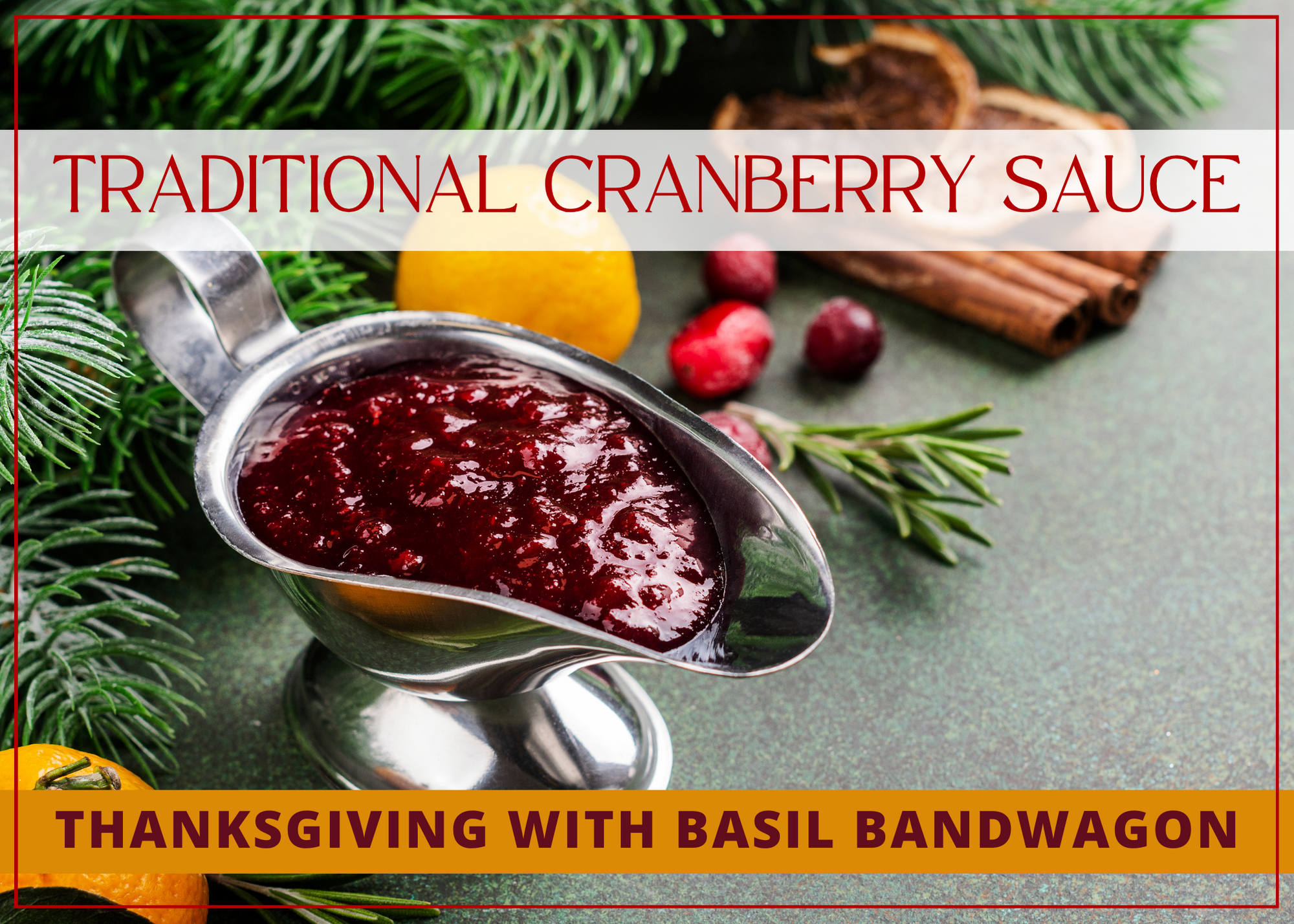
    Traditional Cranberry Sauce

    Welcome to the heartwarming season of Thanksgiving, where the aroma of roasting turkey and the comforting laughter of loved ones fill the air. No Thanksgiving table is complete without the classic accompaniment – cranberry sauce.

    This recipe pays homage to tradition, offering a burst of sweet and tart flavors that perfectly complement the richness of the holiday feast. Join us in crafting a simple yet sublime cranberry sauce that will elevate your Thanksgiving experience.


    Elisa Franco

    Traditional Cranberry Sauce

    As you gather with family and friends around the Thanksgiving table, let this traditional cranberry sauce be the jewel of your feast, bringing a burst of flavor that complements the holiday spirit. The simplicity of this recipe ensures that you spend less time in the kitchen and more time making cherished memories with your loved ones. May your Thanksgiving be filled with gratitude, joy, and the delightful tastes of this timeless cranberry sauce. Happy Thanksgiving!
    Servings: 8

    Ingredients
      

    • 4 cups fresh cranberries
    • 1 cup sugar or sweetener of choice, such as honey
    • 1.5 cups water
    • zest of one orange
    • 1/4 tsp ground cinnamon

    Method
     

    1. Rinse the cranberries under cold water, removing any stems or debris.
    2. In a medium saucepan, combine the cranberries, sugar, and water. Stir well.
    3. Add the zest of one orange to the saucepan. The citrusy notes will enhance the cranberry flavor.
    4. Bring the mixture to a boil over medium-high heat. Once boiling, reduce the heat to low and let it simmer for about 10-15 minutes, or until the cranberries burst and the sauce thickens.
    5. Stir in the ground cinnamon for a touch of warmth and spice. Adjust the sugar to your taste preference if needed.
    6. Remove the saucepan from heat and let the cranberry sauce cool to room temperature. It will continue to thicken as it cools.

  • 6 exercises for carpal tunnel syndrome

    6 exercises for carpal tunnel syndrome


    6 exercises for carpal tunnel syndrome

    These simple movements may provide relief

    Carpal tunnel syndrome can cause pain, numbness, tingling, and weakness in the wrists and hands. The condition is caused by compression of the median nerve in the wrists. Specific exercises may help relieve mild to moderate cases of carpal tunnel syndrome.


    Carpal tunnel exercises:

    • are often used in conjunction with other treatments, like wearing a brace and behavioral changes
    • can help with mild to moderate cases of carpal tunnel syndrome
    • may be recommended after carpal tunnel surgery to help with the rehabilitation process
    • help prevent carpal tunnel syndrome from coming back after you’ve recovered


    1. Gentle shake
      Shaking your hands gently back and forth can provide some relief from the symptoms of carpal tunnel. You may find this particularly useful at night when symptoms may be at their worst.


    1. Prayer stretch
      – Starting with your palms together in front of your chest and just below your chin, slowly lower your hands down to your waistline.
      – Be sure to keep your hands close to your stomach and your palms together.
      – You should be able to feel a gentle stretch in your forearms.
      – Hold the stretch for 15 to 30 seconds.
      – Repeat this exercise 2 to 4 times.


    1. Wrist flexion stretch
      – With a straight elbow and wrist, extend your arm in front of you with your palm facing toward the floor.
      – Bend your wrist until the tips of your fingers point toward the floor.
      – With your other hand, gently bend your wrist further until you feel a mild to moderate stretch in your wrist and the topside of your forearm.
      – Hold the stretch for 15 to 30 seconds.
      – Repeat this exercise 2 to 4 times with each wrist.


    1. Wrist extension stretch
      – With a straight elbow and wrist, extend your arm in front of you with your palm facing toward the floor.
      – Bend your wrist up until the tips of your fingers point toward the ceiling.
      – With your other hand, gently bend your wrist further until you feel a mild to moderate stretch in your wrist and the underside of your forearm.
      – Hold the stretch for 15 to 30 seconds.
      – Repeat this exercise 2 to 4 times with each wrist.


    1. Fist to stop sign
      – Ball your hand into a fist in front of your body.
      – Extend your fingers out until they are pointing to the ceiling as though you are giving the sign to stop.
      – Repeat this motion about 5 to 10 times.


    1. Fist to fan
      – Ball your hand into a fist in front of your body.
      – Fan out your fingers as far as you can.
      – Repeat this motion about 5 to 10 times.


    Content Courtesy of Alive Magazine

  • Are you getting enough sleep?

    Are you getting enough sleep?


    Are you getting enough sleep?

    Why it matters, and what you should do.

    Approximately 25 to 33 percent of us aren’t getting enough sleep. While one night of lost sleep can impair mindfulness and reduce performance during the day that follows, the effects are usually corrected once sleep is restored. But the repercussions of chronic sleep loss are of greater concern for quality of life and disease risk in the years to come.

    Are you clocking enough hours?


    Experts suggest that six hours is the minimum length of sleep required for optimal health in average adults. A recent study investigated the impact of having fewer than six hours of sleep for eight consecutive nights. The findings suggested that just one night of insufficient sleep can cause both mental and physical symptoms, which worsen with consecutive nights of lost sleep.

    Consequences of chronic sleep loss


    Chronic sleep loss can contribute to systemic low-grade inflammation, which is involved in the development of conditions such as diabetes, atherosclerosis, and neurodegeneration. Research shows that sleep disturbance increases the risk of infectious disease and contributes to the development of cardiovascular disease, cancer, and depression.

    Sleep Rx


    Sleep allows the body to rest and repair, the effects of which are crucial for daytime functioning and overall health.

    • Mood: Sleep is vital for emotional processing and memory consolidation.
      Performance: Sleep loss impairs the speed and accuracy of task performance, decision-making, and exercise recovery.
    • Hormones: Sleep drives the synthesis of reproductive hormones, and sleep deprivation is associated with infertility in both men and women.
    • Immunity: Sleep promotes balance in the immune system by regulating inflammatory mediators known as cytokines.
    • Metabolism: Chronic sleep loss increases the risk of metabolic dysfunction and loss of muscle mass.

    Sleep tips to try


    Looking for a better night’s sleep? Start here.

    • Have a power nap. Napping has been shown to improve performance and alertness among those with regular sleep deprivation, including night shift workers and pilots.
    • Get your iron levels checked. Iron deficiency can contribute to restless leg syndrome, sleeping disorders, and chronic fatigue. To assess your iron storage, ask your doctor to test ferritin in the blood. If ferritin is low but you’re eating plenty of iron-rich foods, look into potential hindrances to iron absorption, such as antacid use, celiac disease, and pylori infection.
    • Ask your health care practitioner about supplements, such as melatonin, valerian, or passion flower.
    • Cut the caffeine cycle. It’s no surprise that caffeine can reduce total sleep time, impair sleep quality, and cause dependence. Baby steps are better than cold turkey. Slowly weaning off caffeine reduces the risk of caffeine withdrawal headaches and migraines.
    • Be mindful. Improve sleep quality and quantity with lifestyle practices such as deep breathing, yoga, mindfulness meditation, tai chi, and barefoot grounding.

    By Dr. Cassie Irwin, ND

    Content Courtesy of Alive Magazine


  • Herb-Roasted Turkey Breast

    Herb-Roasted Turkey Breast


    Herb-Roasted Turkey Breast

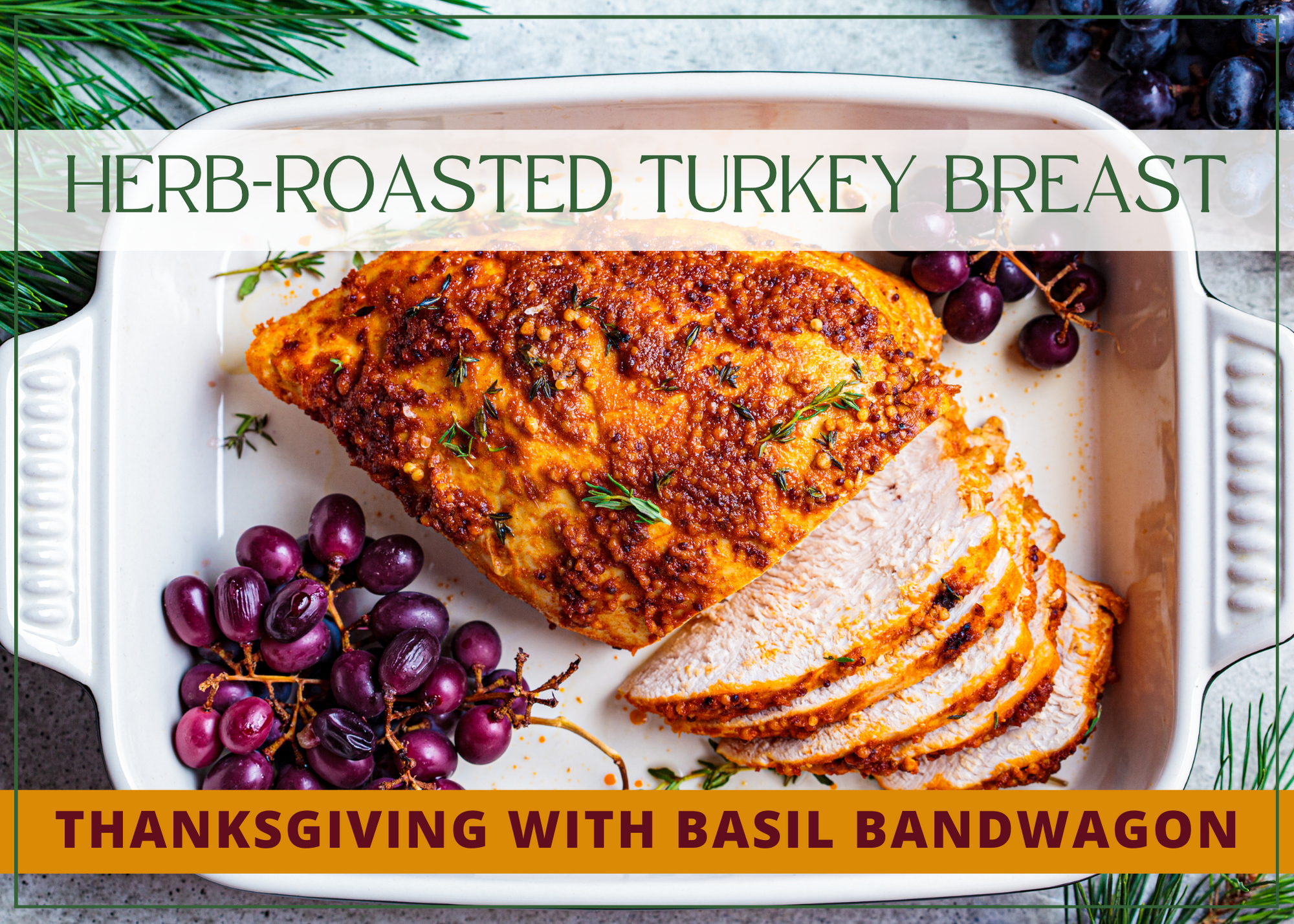
    Thanksgiving wouldn’t be complete without turkey, and this Herb-Roasted Turkey Breast is a healthier option that still delivers all the savory goodness you crave. With a blend of fresh herbs, it’s a mouthwatering centerpiece for your holiday feast.


    Elisa Franco

    Herb-Roasted Turkey Breast

    The combination of fresh herbs infuse the meat with incredible flavor, making it a delightful centerpiece for your holiday celebration.
    Servings: 4

    Ingredients
      

    • 1 bone-in skin-on turkey breast about 4-5 pounds
    • 2 tblsp olive oil
    • 2 cloves garlic minced
    • 1 tblsp fresh thyme leaves
    • 1 tblsp fresh rosemary leaves
    • 1 tblsp fresh sage leaves
    • salt and pepper to taste

    Method
     

    1. Preheat your oven to 350°F.
    2. In a small bowl, combine the minced garlic, fresh thyme, rosemary, sage, olive oil, salt, and pepper to make a herb rub.
    3. Pat the turkey breast dry with paper towels and rub the herb mixture all over the skin and under the skin where possible.
    4. Place the turkey breast in a roasting pan, skin-side up.
    5. Roast in the preheated oven for about 1.5 to 2 hours, or until the internal temperature reaches 165°F.
    6. Let the turkey rest for 15 minutes before carving.

  • Recipes to Dream About

    Recipes to Dream About


    Recipes to dream about

    Science shows that what you eat can influence how much quality sleep you get. So, with some savvy cooking, there is hope for finally getting the ever-elusive shut-eye of your dreams and feeling like a champ. These recipes feature the foods you need to help bring on sweet dreams.

    Pumpkin Crusted Salmon with Sweet Potato Mash


    Good news for the reluctant or harried cook: this dish comes together quickly but presents itself as something truly fanciful. Rainbow trout and arctic char are good stand-ins for salmon with nearly the same sleep-inducing nutritional make-up.

    1/3 cup (80 mL) pumpkin seeds
    1 Tbsp (15 mL) olive oil
    1/2 tsp (2 mL) garlic powder
    1/8 tsp (0.5 mL) cayenne
    1/2 tsp (2 mL) salt, divided
    1/4 tsp (1 mL) black pepper
    1 lb (450 g) salmon fillets
    2 medium-sized sweet potatoes
    2 Tbsp (30 mL) butter
    1 Tbsp (15 mL) fresh thyme
    1 tsp (5 mL) Dijon mustard

    Heat oven to 325 F (162 C). Line baking sheet with parchment paper.

    In blender or mini food processor, pulse pumpkin seeds, olive oil, garlic powder, cayenne, 1/4 tsp (1 mL) salt, and black pepper until mixture forms a semi-dry paste. Alternatively, in bowl, finely chop pumpkin seeds and mix with other ingredients.

    Coat salmon fillets with pumpkin mixture. Bake salmon for 18 minutes, or until just barely cooked through in the center.

    As salmon cooks, place sweet potatoes in large saucepan. Cover with cold water. Bring to a boil over high heat. Boil, uncovered, for 15 minutes, or until tender. Drain and mash with butter, thyme, mustard, and 1/4 tsp (2 mL) salt. Alternatively, steam sweet potato cubes until tender and then mash with the other ingredients.

    Spread sweet potato mash on serving plates and top with salmon.


    Yogurt Bowl with Tart Cherry Compote

    If you’re hungry for a nighttime snack, then spoon up this creamy, sweet-tart yogurt bowl. It’s also a great breakfast option with a little granola tossed on top.

    1 cup (250 mL) tart cherry juice
    1 Tbsp (15 mL) honey
    1 cup (250 mL) dried tart cherries
    1 Tbsp (15 mL) minced fresh ginger
    2 tsp (10 mL) grated orange zest
    Pinch of salt
    1 tsp (5 mL) vanilla extract
    3 cups (750 mL) plain yogurt
    1/2 cup (125 mL) chopped walnuts

    In medium saucepan, place cherry juice, honey, dried cherries, ginger, orange zest, and a pinch of salt. Bring to a boil, reduce heat to low, cover, and simmer gently for 15 minutes.

    With slotted spoon, remove dried cherries from pan and set aside. Raise heat to high and boil, uncovered, for 3 minutes, or until liquid is reduced by about half and syrupy. Stir cherries back into liquid and add vanilla.

    Place yogurt in serving bowls and top with cherry compote and walnuts.


    Southwest Tofu Scramble Tacos

    Stuffing a highly seasoned tofu scramble into steamy tortillas proves that tacos can handle all sorts of whims and fancies. And it’s a speedy meatless meal that can help you snag more zzz’s.

    1 block (12 oz/350 g) extra-firm tofu
    2 tsp (10 mL) grapeseed oil or avocado oil
    1 cup (250 mL) chopped yellow onion
    2 garlic cloves, peeled and minced
    1/2 tsp (2 mL) turmeric
    1/2 tsp (2 mL) ground coriander
    1/2 tsp (2 mL) ancho chili pepper or 1/4 tsp (1 mL) cayenne
    1/4 tsp (1 mL) salt
    1/4 tsp (1 mL) black pepper
    1 yellow or orange bell pepper, chopped
    3 Tbsp (45 mL) nutritional yeast
    1 cup (250 mL) cooked or canned black beans
    1/2 cup (125 mL) chopped cilantro
    8 corn tortillas, warmed
    1 avocado, cubed
    1/2 cup (125 mL) salsa of choice
    Lime wedges

    Using large holes of box grater, grate tofu into pebble-sized pieces, or finely chop with knife.

    In large skillet, heat oil over medium heat. Add onion and garlic, and cook for 5 minutes, stirring often. Stir in turmeric, coriander, ancho pepper or cayenne, salt, and pepper; heat for 30 seconds. Add tofu, bell pepper, and nutritional yeast to skillet and cook for 3 minutes, stirring often. Stir in black beans, heat for 2 more minutes, and then add cilantro.

    Divide tofu mixture among tortillas and top with avocado and salsa. Squirt on lime juice.


    By Matthew Kadey, MSc, RD

    Content courtesy of Alive Magazine

  • Pumpkin Soup

    Pumpkin Soup


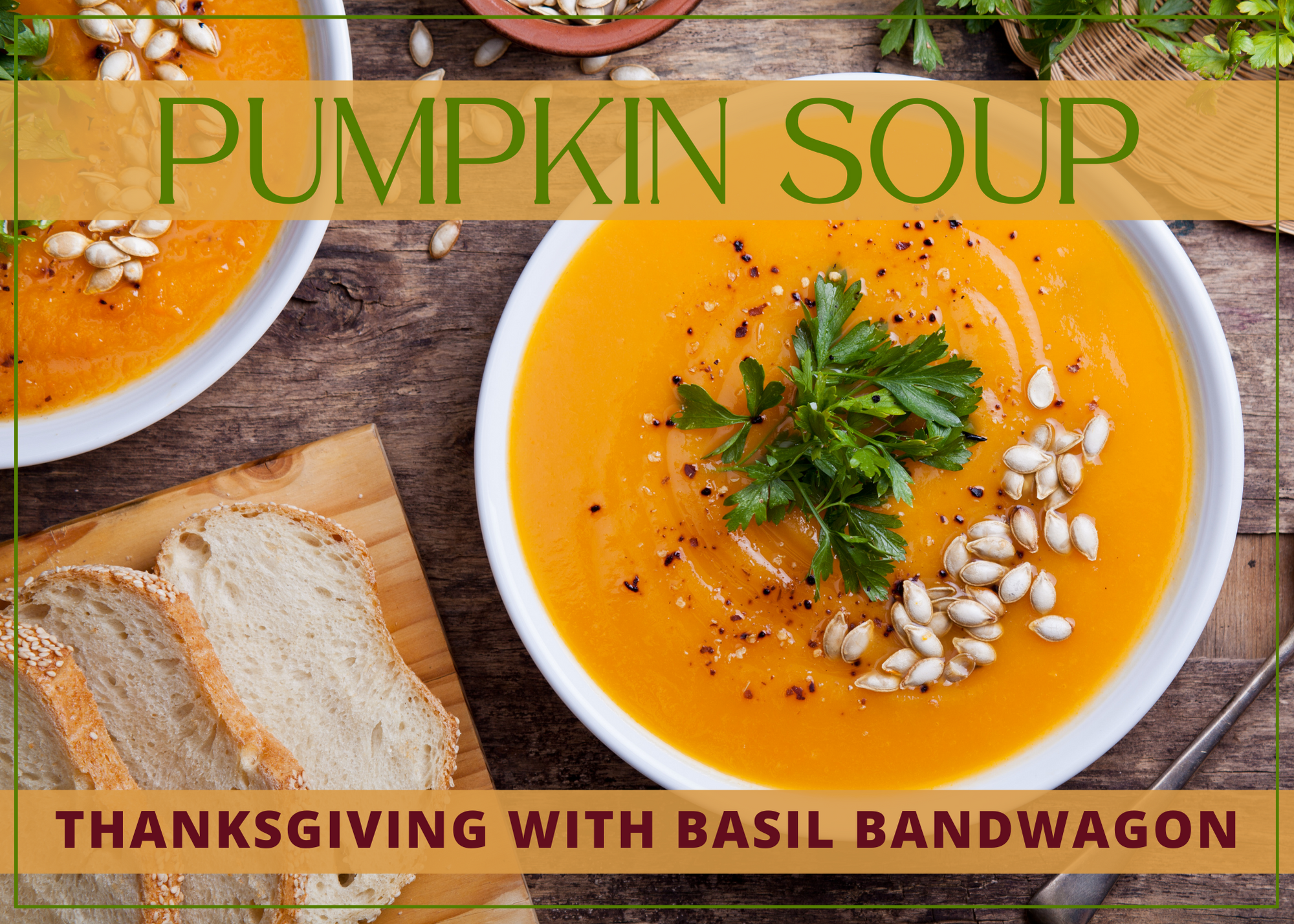
    Pumpkin Soup

    This Pumpkin Soup is like a warm hug on a chilly Thanksgiving day.

    It’s a simple yet flavorful addition to your holiday spread, and it’s a great way to embrace the flavors of the season.

    Enjoy the comfort and healthiness of this soup as you gather with loved ones to celebrate Thanksgiving.


    Elisa Franco

    Pumpkin Soup

    Warm up your Thanksgiving dinner with a cozy and nutritious Pumpkin Soup. This hearty soup is a fantastic way to incorporate seasonal flavors into your holiday menu while keeping it healthy.
    Servings: 4

    Ingredients
      

    • 2 cans pumpkin puree
    • 1 medium onion finely chopped
    • 2 cloves garlic minced
    • 4 cups vegetable or chicken broth
    • 1 tsp ground cinnamon
    • 1/2 tsp ground nutmeg
    • 1/2 tsp ground ginger
    • salt and pepper to taste
    • 1 cup heavy cream or substitute with coconut milk for a dairy-free option
    • 2 tblsp olive oil or butter
    • roasted pumpkin seeds for toppings
    • 1 bunch parsley chopped, for toppings
    • 1 dollop sour cream or yogurt for toppings

    Method
     

    1. In a large soup pot or Dutch oven, heat the olive oil or melt the butter over medium heat.
    2. Add the chopped onion and minced garlic. Sauté for about 5-7 minutes, or until the onions are soft and translucent.
    3. Add the canned pumpkin to the pot and stir well.
    4. Season the mixture with the ground cinnamon, nutmeg, ginger, salt, and pepper. Continue to stir, ensuring the spices are evenly distributed.
    5. Pour in the vegetable or chicken broth and bring the mixture to a gentle simmer. Allow it to cook for about 10-15 minutes, stirring occasionally to meld the flavors.
    6. Reduce the heat to low, and then stir in the heavy cream (or coconut milk) to the soup. Let it heat through but avoid boiling.
    7. Taste the soup and adjust the seasoning with additional salt and pepper if necessary.
    8. Serve hot, garnished with your choice of toppings, such as roasted pumpkin seeds, fresh parsley, or a dollop of sour cream or yogurt.

  • Baked Sweet Potato Fries

    Baked Sweet Potato Fries


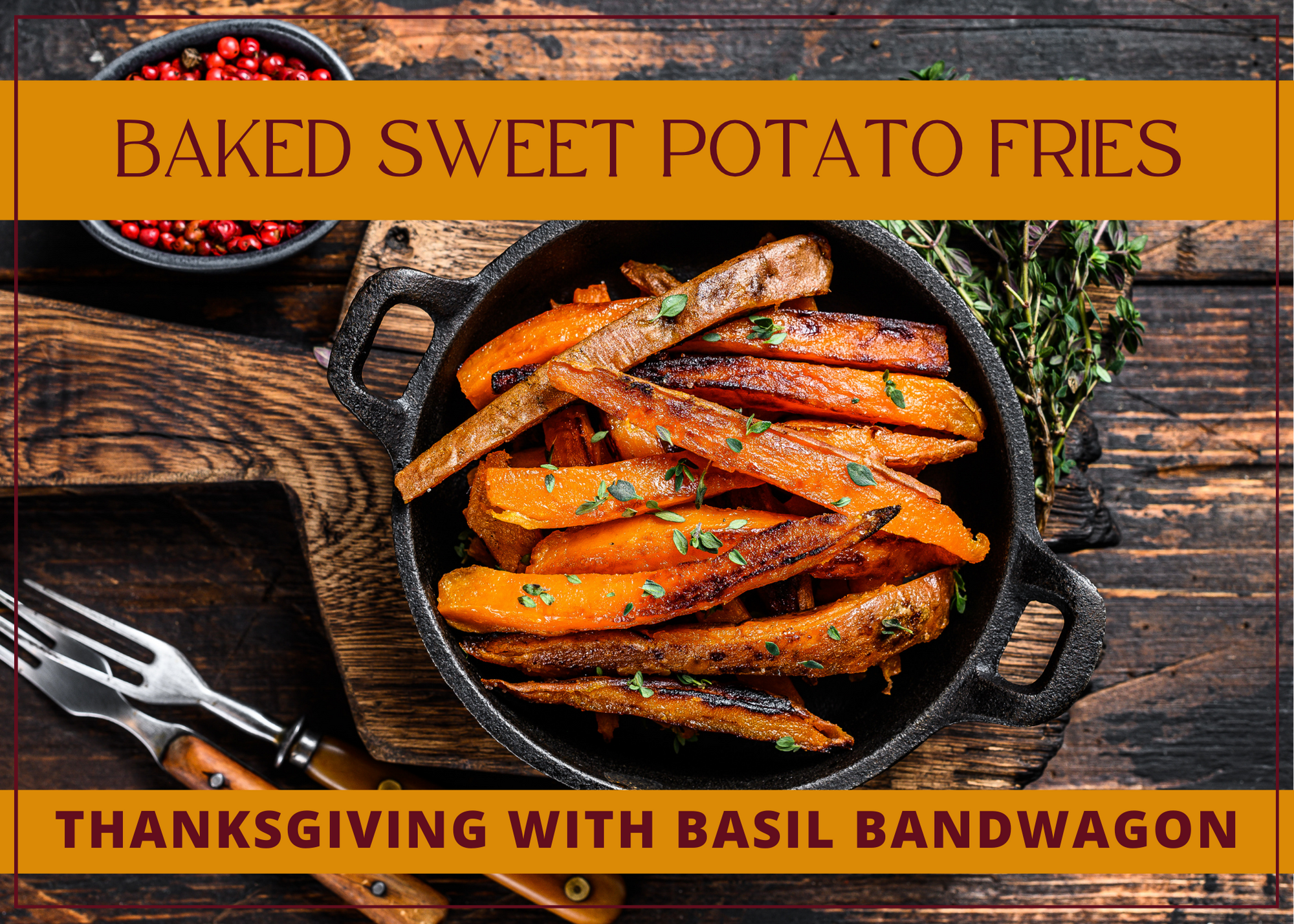
    Baked Sweet Potato Fries

    Looking for a healthier alternative to traditional French fries for your Thanksgiving gathering? These Baked Sweet Potato Fries are a tasty and nutritious choice. They’re crispy on the outside and tender on the inside, making them a perfect side dish for the holiday.


    Elisa Franco

    Baked Sweet Potato Fries

    These Baked Sweet Potato Fries are a crowd-pleaser that won't leave you feeling guilty after indulging. Add them to your Thanksgiving menu for a healthier twist on a classic favorite. Your guests will love the crispy, flavorful goodness of these fries!
    Servings: 4

    Ingredients
      

    • 3 large sweet potatoes peeled and cut into fries
    • 2 tblsp olive oil
    • 1 tsp paprika
    • 1/2 tsp garlic powder
    • 1/2 tsp salt flakes
    • 1/4 tsp coarse ground black pepper
    • fresh thyme for garnish

    Method
     

    1. Preheat your oven to 425°F and line a baking sheet with parchment paper.
    2. In a large bowl, toss the sweet potato fries with olive oil, paprika, garlic powder, salt flakes, and black pepper until evenly coated.
    3. Arrange the fries in a single layer on the prepared baking sheet, making sure they are not crowded.
    4. Bake for 20-25 minutes, flipping the fries halfway through, until they are golden brown and crispy.
    5. Garnish with thyme, serve with your favorite dipping sauce.
    6. Enjoy!

  • Cranberry and Walnut Stuffed Acorn Squash

    Cranberry and Walnut Stuffed Acorn Squash


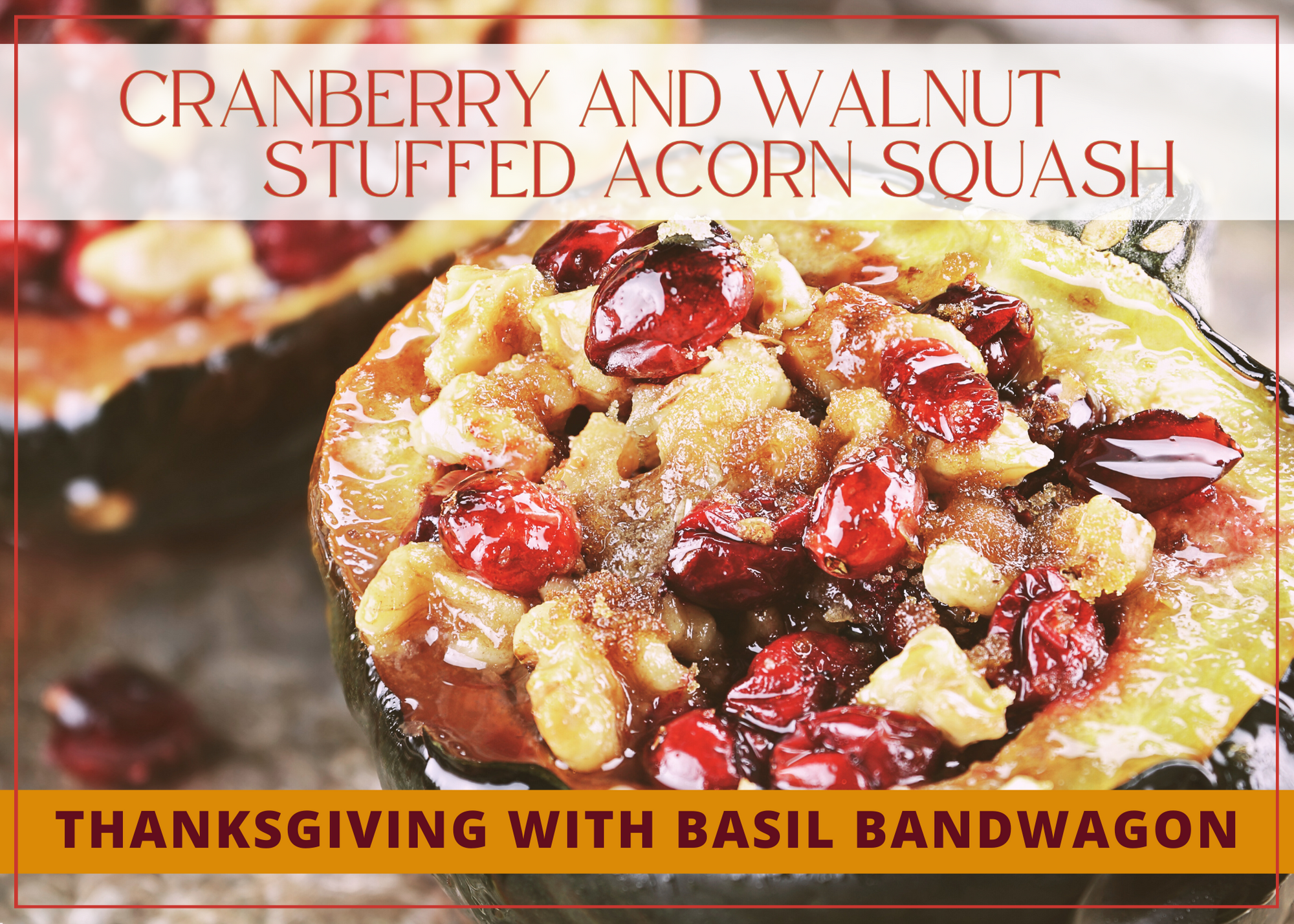
    Cranberry and Walnut Stuffed Acorn Squash

    Acorn squash is a quintessential fall ingredient, and this Cranberry and Walnut Stuffed Acorn Squash recipe celebrates its natural sweetness while adding a delightful twist. It’s a gorgeous and healthy dish that will elevate your Thanksgiving table.


    Elisa Franco

    Cranberry and Walnut Stuffed Acorn Squash

    This Cranberry and Walnut Stuffed Acorn Squash is a work of art on your Thanksgiving table, and its taste is just as impressive. With the sweetness of the squash, the tartness of cranberries, and the crunch of walnuts, it's a symphony of flavors. Enjoy this healthy, elegant dish as you give thanks this holiday season.

    Ingredients
      

    • 2 acorn squashes halved and seeds removed
    • 1 cup quinoa rinsed
    • 2 cups vegetable broth or bone broth
    • 1/2 cup dried cranberries
    • 1/2 cup chopped walnuts
    • 2 tblsp maple syrup
    • 2 tblsp olive oil
    • salt and pepper to taste

    Method
     

    1. Preheat your oven to 375°F.
    2. Place the halved acorn squashes on a baking sheet, cut side up, and drizzle them with olive oil, maple syrup, salt, and pepper.
    3. Roast the squashes for about 35-40 minutes, or until they are tender.
    4. While the squashes are roasting, rinse the quinoa thoroughly and cook it in vegetable or bone broth according to package instructions.
    5. Once the quinoa is cooked, fluff it with a fork and stir in dried cranberries and chopped walnuts.
    6. Fill each roasted acorn squash half with the quinoa mixture.
    7. Place the stuffed squash back in the oven for an additional 10 minutes.
    8. Serve warm, drizzled with a bit of maple syrup if desired.