Who says you can’t indulge in something sweet and refreshing that’s also healthy and affordable?
Made with whole ingredients like lemon yogurt, fresh blueberries, and a crunchy granola topping, these pops are tasty and nutritious. Plus, making your own summer treats at home can be a lot more affordable than buying them at the store.
Not only are these pops healthy, they’re also easy to make. Simply combine the ingredients with a hand mixer, pour into popsicle molds, and let them freeze. In just a few hours, you’ll have a batch of delicious and refreshing treats that you can enjoy guilt-free all summer long.
The next time you’re craving something sweet, skip the store-bought options and make your own Lemon Blueberry Cheesecake Pops. Not only will your taste buds thank you, but your wallet and your body will too!
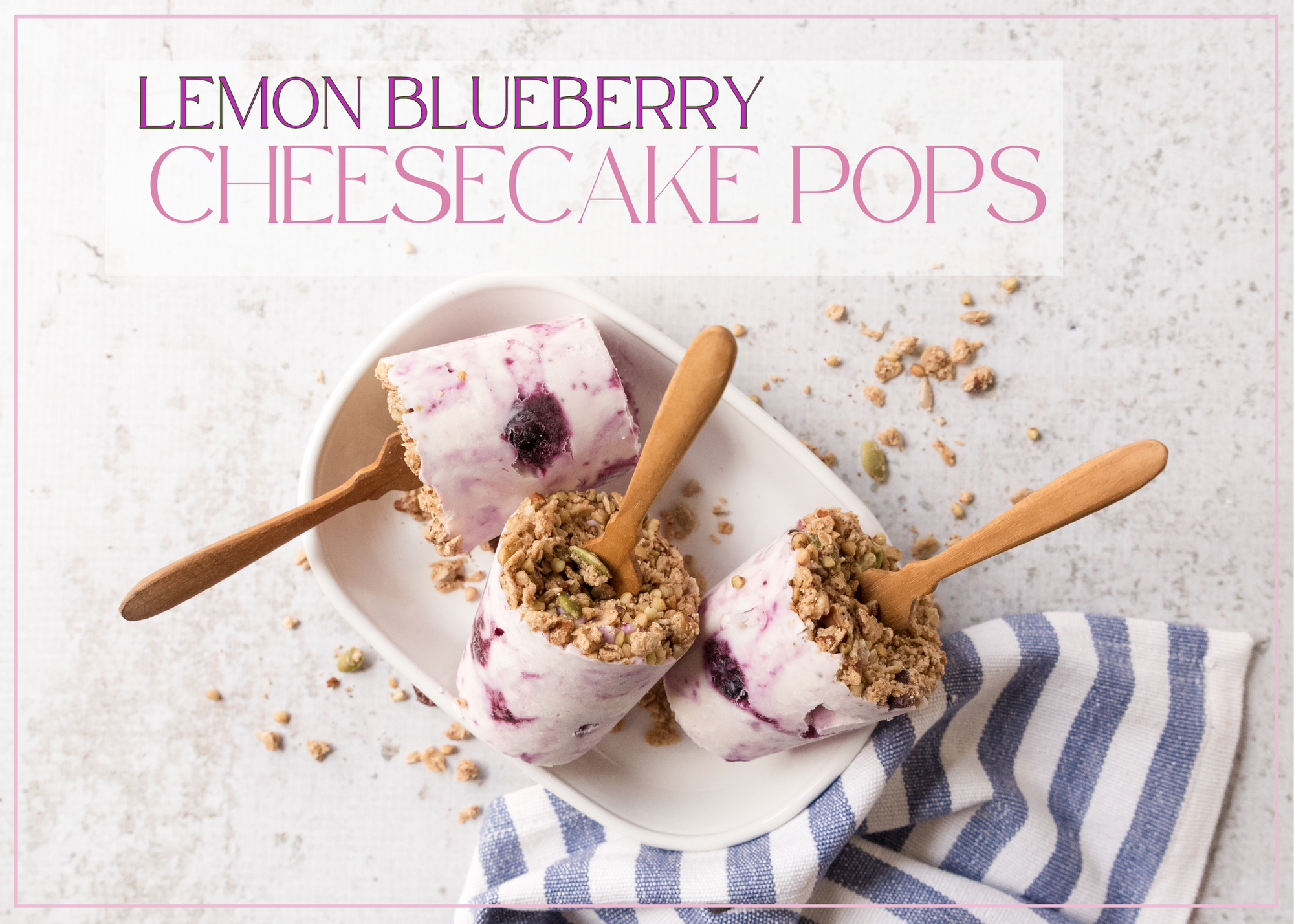
Lemon Blueberry Cheesecake Pops
Lemon blueberry cheesecake pops are a refreshing and delicious treat that's perfect for summer! Made with whole ingredients, these pops are easy and a cinch to make!
8wooden popsicle sticks or small reusable popsicle molds with sticks
Method
Place blueberries, two tablespoons sugar, water, and lemon zest in a small saucepan and bring to a simmer. Cook for five minutes or until blueberries are tender and mixture has thickened. Set aside to cool.
In a mixing bowl, use a hand mixer to cream together cream cheese and remaining sugar until fluffy. Stir in yogurt until thoroughly mixed. Fold in blueberry mixture to create swirls of fruit.
Spoon mixture into eight small paper cups leaving a quarter inch of space from the top of the cups.
Top off cups with granola and gently press into the cheesecake mixture. Insert a popsicle stick into the center of each cup and freeze for a minimum of four hours.
Over the last few years, we’ve been severely challenged as a global society. While living through fear and uncertainty, we comforted each other with acts of kindness, and then kept plodding on toward the proverbial light at the end of the tunnel.
Redefining mental well-being
The simplest definition of mental well-being? Our ability to cope well with whatever life throws at us, to appreciate our own potential under challenging circumstances, to work productively, and to contribute to our communities.
It sounds straightforward enough, as far as definitions go. When it comes to real life, though, we might find ourselves having to bypass some textbook definitions or at least having to constantly readjust them so they fit our needs and coping mechanisms.
Resilience is an important concept
In the engineering world, resilience is defined as the ability to absorb energy and resist shock and impact.
When it comes to us humans, though, resilience is as complex as we are. It means being able to care for ourselves so we can also care for others, remembering to focus not just on the stressful events unfolding but on what comes afterward. It also means being flexible and willing to learn, grow, and adapt.
Here are four strategies to help us become more resilient:
1. Eat well to boost mental immunity
Whole foods are loaded with nutrients, including antioxidants, minerals, and fiber, that arm our gut with microbiota important for improving overall health, including mental health, through a connector known as the gut-brain axis. Certain probiotic strains also produce compounds that, through this connector, influence our mental state, reducing stress and anxiety and improving our mood.
2. Get moving for better resilience
Being physically active will help boost your mood almost immediately, but when done regularly, it protects you from long-term stress and reduces your risk of cognitive decline down the road. Anything works. Go for a walk (exercising outdoors plus sunshine equals increased resilience), turn up the music and dance, or do a yoga session at home.
3. Practice compassion as a stepping stone to resilience
When people are faced with stressful situations, there is fear of course, but there is also the urge to help others. When we act with kindness and compassion toward our fellow humans, we increase our own mental resilience.
Regardless of how we get there, cultivating positive values and beliefs can improve our adaptability and strength as we go through life, allowing our resilience to grow as we traverse through challenges.
4. Adopt the new “F” word: Forgiveness
You may have heard it said that forgiveness does more for those who give it than for those who receive it. It’s true. Forgiveness increases self-esteem, emotional stability, and resilience. When we forgive and let go of resentment, we make it easier for ourselves to recover from stress and trauma.
Article courtesy of Alive Magazine, By Daniela Ginta, MSc, NNCP
While we pay close attention to our body’s detox systems and work to support them through lifestyle choices, how many of us are thinking of detoxing our brains too? Here are some detox tips to help you keep a clear head.
Your brain’s cleanup team
It’s only been in the past few years that researchers have begun to understand how the brain keeps itself clean. Named to acknowledge the role of glial cells in the process, the “glymphatic system” relies on cerebrospinal fluid (CSF) filling spaces next to smaller blood vessels leading to the brain.
The CSF interchanges with the fluid between brain cells, also known as interstitial fluid. Waste is then carried away, including tau proteins and amyloid-beta plaques associated with Alzheimer’s disease.
Because neural cells are highly sensitive to their environment, waste products of neural metabolism must be promptly and efficiently removed from the interstitial space. The custodial team can experience a few obstacles, however.
For example, animal research shows that daytime release of the hormone norepinephrine (an adrenal hormone that helps you wake up, focus, and store memories) could slow glymphatic clearance. The research also showed an 80 to 90 percent increase in glymphatic clearance during slow-wave sleep compared to awake time. We’re still learning about the glymphatic system, but so far it’s clear that the brain requires sleep.
As scientists continue to learn more, here are five tips for a clearer brain:
Avoid doomscrolling You probably didn’t need research to tell you that spending just a few minutes online can topple your emotional house of cards. If you must go online for news, get the info you need as quickly as possible and move on. Before getting back to your real life, seek out people and stories that leave you feeling optimistic about the state of the world.
Turn down the volume Give yourself some daily silence. Evidence is mounting that noise stress impairs cognition, coordination, and eating. Studies also show that excessive noise adds to emotional stress and increases anxiety-like behavior. In your brain, noise stress increases nitric oxide and free-radical production, which can cause damage to brain cells.
Turn out the lights Treat yourself to some blue-light blocking glasses to wear in the evening to trick your brain into producing melatonin. The sleep hormone melatonin is suppressed by short-wave (blue) light. This is a good thing during the day, but the blue light from devices and screens that can disrupt the body’s circadian rhythm can also have negative effects on our sleep patterns.
Get grounded Research has shown that touching the earth with your feet helps restore your body’s natural electrical status and positively influences your nervous system and brain. Being in nature also improves mental and physical well-being.
Consider supplements Ask your health care practitioner before taking any new supplement. The following may help support brain health.
Bacopa
Lion’s mane mushroom
Marine omega-3
Milk thistle
Article courtesy of Alive Magazine, By Lisa Petty, PhD
The complexities of the human brain can leave both a scientist and layperson a tad awestruck. Research is beginning to elucidate the fascinating repercussions of inflammation in the brain.
What is inflammation?
Inflammation is a finely tuned biological defence system designed to maintain the body’s equilibrium. When the body perceives tissue damage or infection, it triggers inflammation as a protective response. A deep wound in the hand, for instance, causes the body to trigger acute inflammation in the area as a first aid measure.
The redness, swelling, pain, heat, and loss of function in the hand are five hallmark signs and symptoms of acute inflammation. Once the wound is cleaned and stitched, the hand will begin to heal and the body will turn off the inflammation response. But if this defence system becomes dysregulated, inflammation can persist for months to years in the absence of an actual threat.
Silent mode
Chronic inflammation can be triggered by recurring episodes of acute inflammation, unresolved infections, exposure to harmful physical or chemical compounds, or genetic susceptibility. Advanced age and deficiencies in antioxidants, vitamins, and minerals can impair the body’s ability to resolve inflammation.
The sneaky thing about chronic inflammation is that it often goes unnoticed. Low-grade, systemic inflammation can be simmering unnoticed for years, and eventually target the brain and nervous system in a process known as neuroinflammation. Neuroinflammation can cause cognitive changes and increase the risk of diseases such as multiple sclerosis and Alzheimer’s.
Quell inflammation
Quelling chronic inflammation can improve your mental well-being today and preserve your cognitive function in the years to come.
Eat well
The Western diet has been associated with intestinal hyperpermeability and low-grade systemic inflammation. Enjoy foods rich in flavanols (berries), healthy fats (fish), and whole grains.
Consider supplements
Always check with your health care practitioner before taking a new supplement. The following supplements may help reduce inflammation or support brain health:
fish oil
zinc
magnesium
resveratrol
curcumin
vitamin C
vitamin D
vitamin E
selenium
Choose anti-inflammatory foods, like the following:
Food
Anti-inflammatory effects
cacao
has been shown to have an anti-inflammatory effect
fish
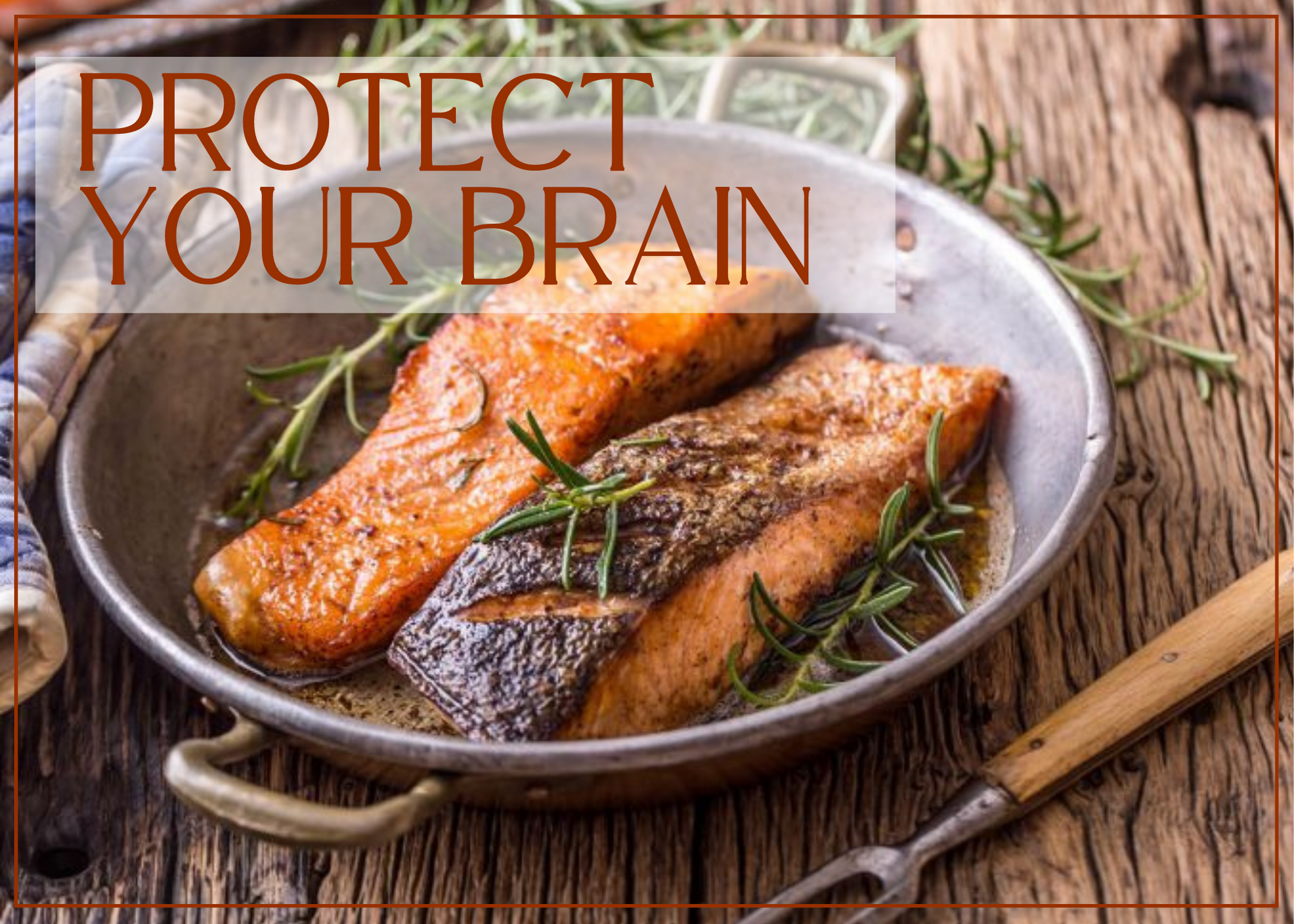
are rich in omega-3 fatty acids—a higher intake is associated with lower levels of the inflammatory marker C-reactive protein (CRP)
green tea
polyphenols in green and black tea are associated with a reduction in CRP
berries
antioxidants and polyphenols may protect against inflammation
olive oil
mitigates pro-inflammatory markers tumor necrosis factor (TNF) and interleukin-6 (IL-6)
tomatoes
regular consumption of tomato juice, rich in the antioxidant lycopene, has been shown to reduce inflammation among overweight women
broccoli sprouts
compound has been shown to attenuate obesity-related inflammation
whole grains
consumed regularly, have been shown to reduce systemic low-grade inflammation
beans
have been shown to reduce low-grade inflammation among those with cardiometabolic diseases
avocado
consumed once per day, is associated with a decrease in CRP
mushrooms
rich in anti-inflammatory polysaccharides, which may be helpful in diseases related to inflammation
Article courtesy of Alive Magazine, By Dr. Cassie Irwin, ND
When it comes to cooking with sun-ripened garden crops, it’s best to keep it simple and let the flavor of your main ingredients shine. Garden-harvested foods are at their peak ripeness and will have more nutrients and flavor than store-bought fruits or vegetables that would have had to be picked early for market.
Pea, Basil, and Feta Dip
This dip can be whipped up in a flash and goes perfectly with any array of garden-fresh veggies available this time of year.
Ingredients:
8 oz (225 g) feta cheese
1/4 cup (60 mL) plain Greek yogurt
1/2 cup (125 mL) blanched fresh green peas, plus extra for garnish
1/4 cup (60 mL) raw walnuts
3/4 cup (180 mL) packed basil leaves and tender stems, plus extra for garnish
1 garlic clove, peeled
1 lemon
2 Tbsp (30 mL) olive oil
Salt, to taste
Instructions:
In food processor fitted with steel blade attachment, pulse together feta cheese and yogurt, scraping down bowl as needed, until smooth and creamy. Transfer to large plate, spreading over bottom of plate to cover. Set aside and wipe out food processor.
To food processor, add peas, walnuts, basil, garlic, zest of half a lemon, juice of whole lemon, and olive oil. Blend, scraping down sides of bowl as needed, until textured but creamy and well combined. Taste and adjust seasoning with salt. Dollop basil mixture over whipped feta, running a knife lightly through mixture to marble the two dips together. Garnish with extra peas and basil leaves, if desired. Serve alongside crackers and vegetables for dipping.
Serves 6
Each serving contains: 215 calories; 14 g protein; 15 g total fat (7 g sat. fat); 7 g total carbohydrates (6 g sugars, 1 g fiber); 456 mg sodium
Carrot, Raspberry, and Olive Tartine
This lovely open-faced sandwich is at once earthy, bright, briny, and fruity.
Ingredients:
3/4 cup (180 mL) fresh raspberries, divided
3 Tbsp (45 mL) olive oil
1 large lemon
1/3 lb (150 g) carrots, about 3 medium carrots
1/2 cup (125 mL) coarsely chopped flat-leaf parsley leaves
1/4 cup (60 mL) roughly chopped Castelvetrano olives
1/3 cup (80 mL) ricotta cheese
3 slices whole grain country loaf, toasted
Instructions:
In medium bowl, smash 1/4 cup (60 mL) raspberries with a fork. Add olive oil and zest and juice of lemon. Whisk until well combined and set aside.
On large holes of box grater, grate carrots and add to dressing mixture. Gently fold in chopped parsley and olives.
Divide ricotta cheese, spreading evenly over slices of bread. Generously heap on carrot mixture and top with fresh raspberries. Drizzle over any remaining vinaigrette left in bowl and serve.
Serves 3
Each serving contains: 332 calories; 7 g protein; 19 g total fat (4 g sat. fat); 33 g total carbohydrates (5 g sugars, 6 g fiber); 373 mg sodium
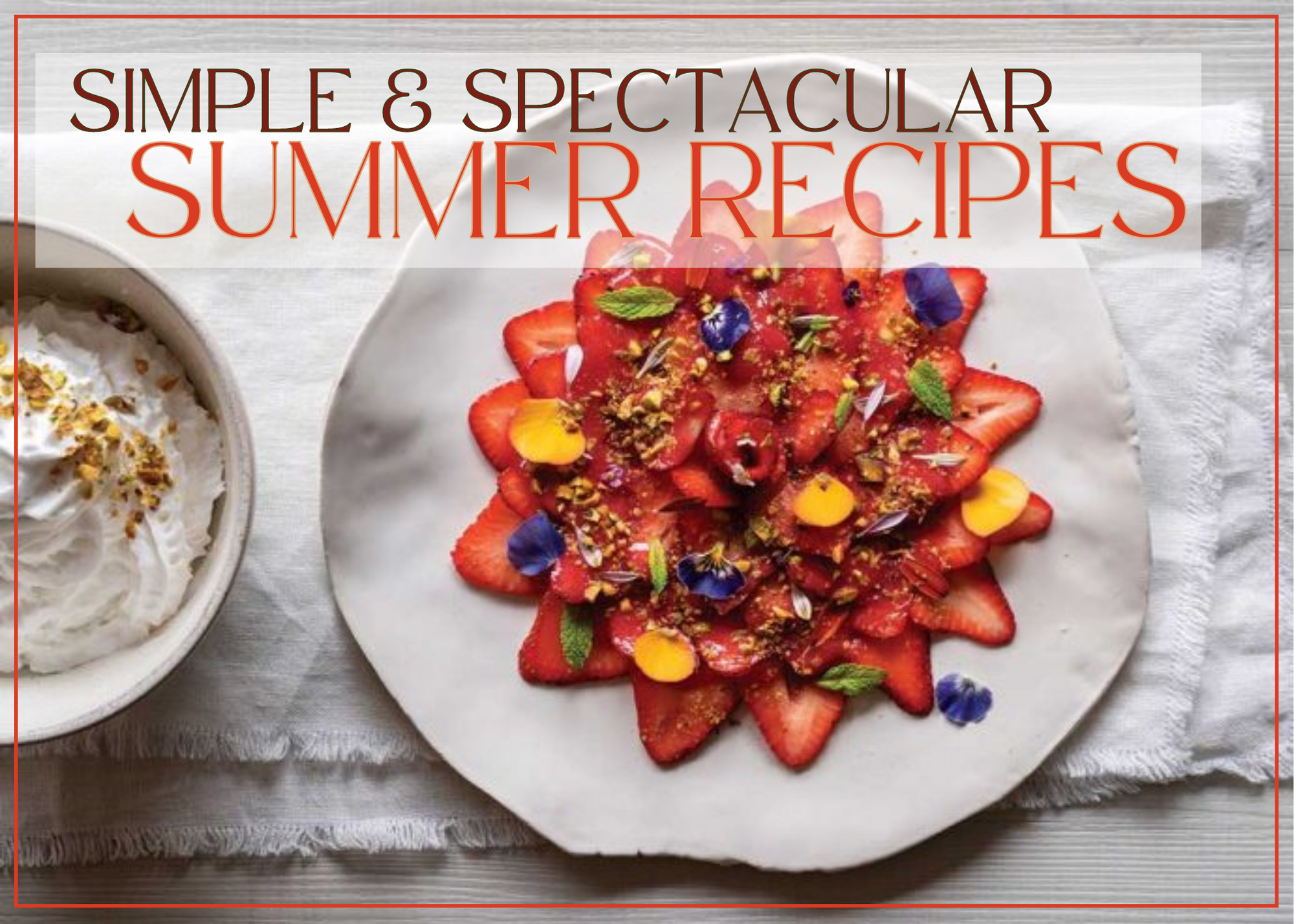
Strawberry Carpaccio
This simple dessert celebrates the glory that is the summer strawberry.
Ingredients:
3/4 lb (340 g) strawberries, washed and hulled, divided
1/2 tsp (2 mL) orange blossom water
1 to 2 tsp (5 to 10 mL) honey (optional)
1/4 cup (60 mL) toasted pistachios, roughly chopped
2 Tbsp (30 mL) mint leaves
Edible flower petals, for garnish
Instructions:
In blender, add 1/4 lb (113 g) strawberries and orange blossom water. Blend until smooth. Taste and adjust sweetness with honey, if desired. Into small bowl, strain strawberry puree through fine-mesh sieve. Discard any pulp left in sieve and set aside.
Cut remaining strawberries into thin slices, lengthwise. Arrange them over chilled serving plates in a single layer, slightly overlapping. Drizzle with a few spoonfuls of strawberry puree before garnishing with a scattering of pistachios, mint leaves, and edible flower petals.
Serves 2
Each serving contains: 108 calories; 3 g protein; 4 g total fat (0 g sat. fat); 19 g total carbohydrates (12 g sugars, 5 g fiber); 44 mg sodium
Whether you’re hitting the trails or embarking on a summer road trip, having a convenient and nutritious snack on hand is a must!
That’s where these Cacao Superfood Trail Bars come in.
Packed with all the goodness of trail mix, including nuts, seeds, and dried fruit, these bars are the perfect fuel for any adventure. Plus, they’re super easy to make and can be customized to your liking. One of the best things about these bars is their portability. Simply pack them in a reusable container or wrap them in wax paper for a grab-and-go snack that’s perfect for hiking, camping, or any outdoor activity. And because they’re made with whole ingredients like oats, nuts, and dried fruit, you’ll feel satisfied and energized for hours.
Not only are these bars convenient and nutritious, but they’re also affordable. Making your own snacks at home is a great way to save money, and these bars can be made in large batches to last you through multiple adventures. You can also get most of the ingredients from the bulk section, so you can avoid the single-use packaging that normally comes with granola bars.
Next time you’re gearing up for an outdoor adventure, don’t forget to make a batch of Cacao Superfood Trail Bars!
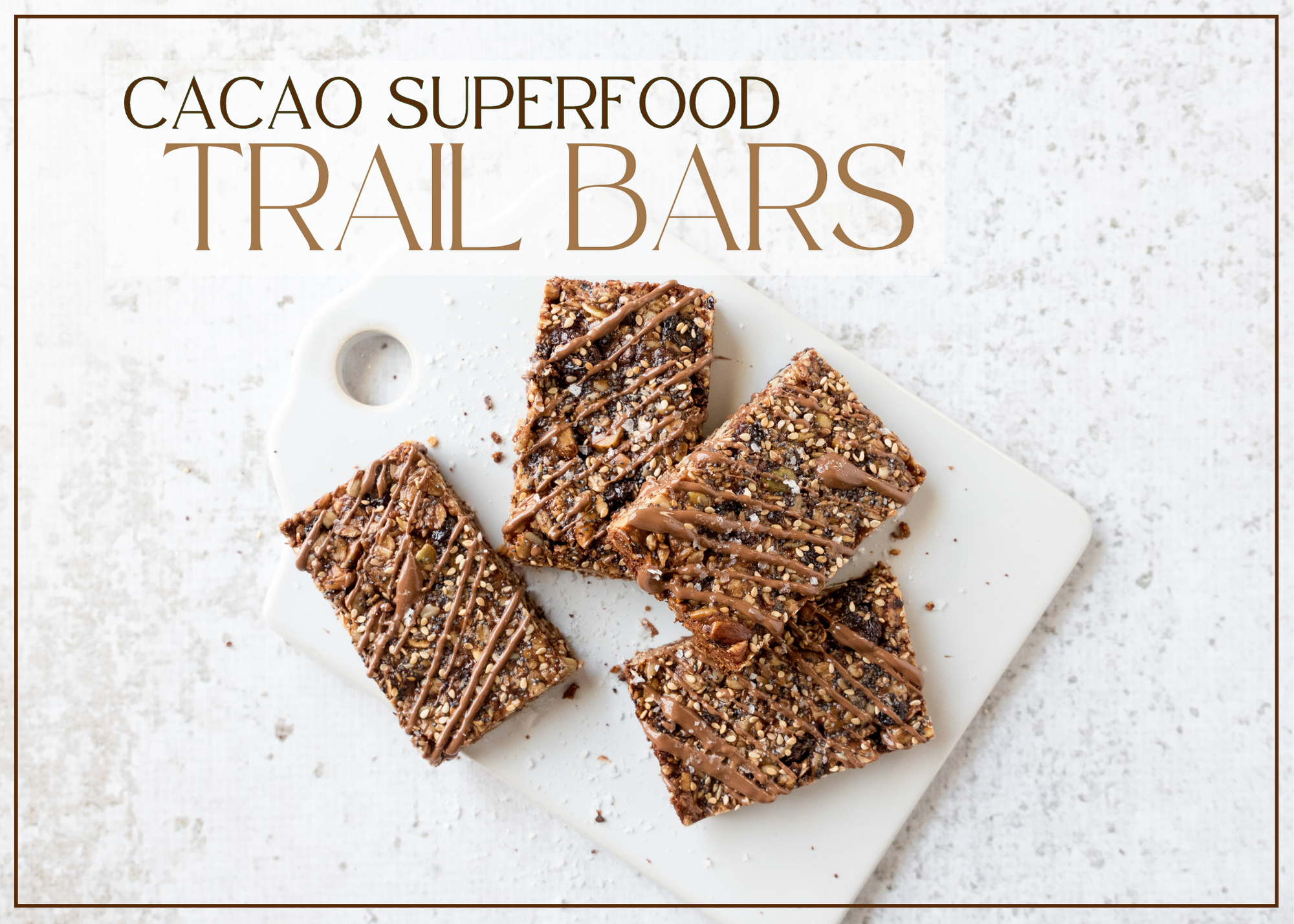
Cacao Superfood Trail Bars
If you're looking for a delicious and portable snack that's perfect for your summer adventures, look no further than these Cacao Superfood Trail Bars!
Preheat oven to 350° F. In a medium-size mixing bowl, combine oats, nuts, cacao nibs, sunflower seeds, hemp seeds, sesame seeds, and currants.
Heat peanut or almond butter and honey or syrup sweetener in a small saucepan and stir until very warm. Pour over oat mixture and stir until well blended and everything is coated.
Line a 9'x9" baking pan with parchment paper. Add mixture to the pan and with wet hands, press mixture flat.
Bake for 15 minutes. Allow bars to cool before removing from the pan. Cut into eight bars and place on a cooling rack.
Fill a medium-sized pot with two inches of water and place a heatproof metal or glass mixing bowl on top. You want it to fit snugly without touching the water. Bring the water to a simmer over medium-low heat. Add the chocolate and olive oil to the bowl and stir until melted and combined.
The combination of sweet and savory flavors from the mango chutney paired with the smoky and satisfying taste of plant-based hot dogs creates a truly delicious and satisfying experience.
Give a new flavor profile to the folks sitting around your table—whether they be picky kids or adventurous eaters, experienced in plant-based or just experimenting with alternatives. There are many reasons to enjoy plant-based mango chutney hot dogs.
Looking for another way to spice things up? Customize your mayo with a touch of sriracha and black pepper or lime zest and chopped cilantro.
Whether it’s for the unique flavor, nutritional benefits, or ethical considerations, these hot dogs are a delicious and satisfying choice for any occasion. Plus, you can have a meal ready to go in less than 20 minutes! You can have more time to enjoy time outside after warming up the grill.
Mango Relish Dogs
These are perfect for those who love a little bit of sweetness and tanginess in their hot dogs. Plus, it's vegan and plant-based!
Combine all relish ingredients in a bowl and adjust seasoning to taste.
Butterfly hot dogs and sear each side in a hot skillet with olive oil until golden crisp, approximately three minutes per side. Alternatively, grill hot dogs.
To assemble, place hot dogs in buns then fill with relish. Drizzle on mayo and garnish with red onion.
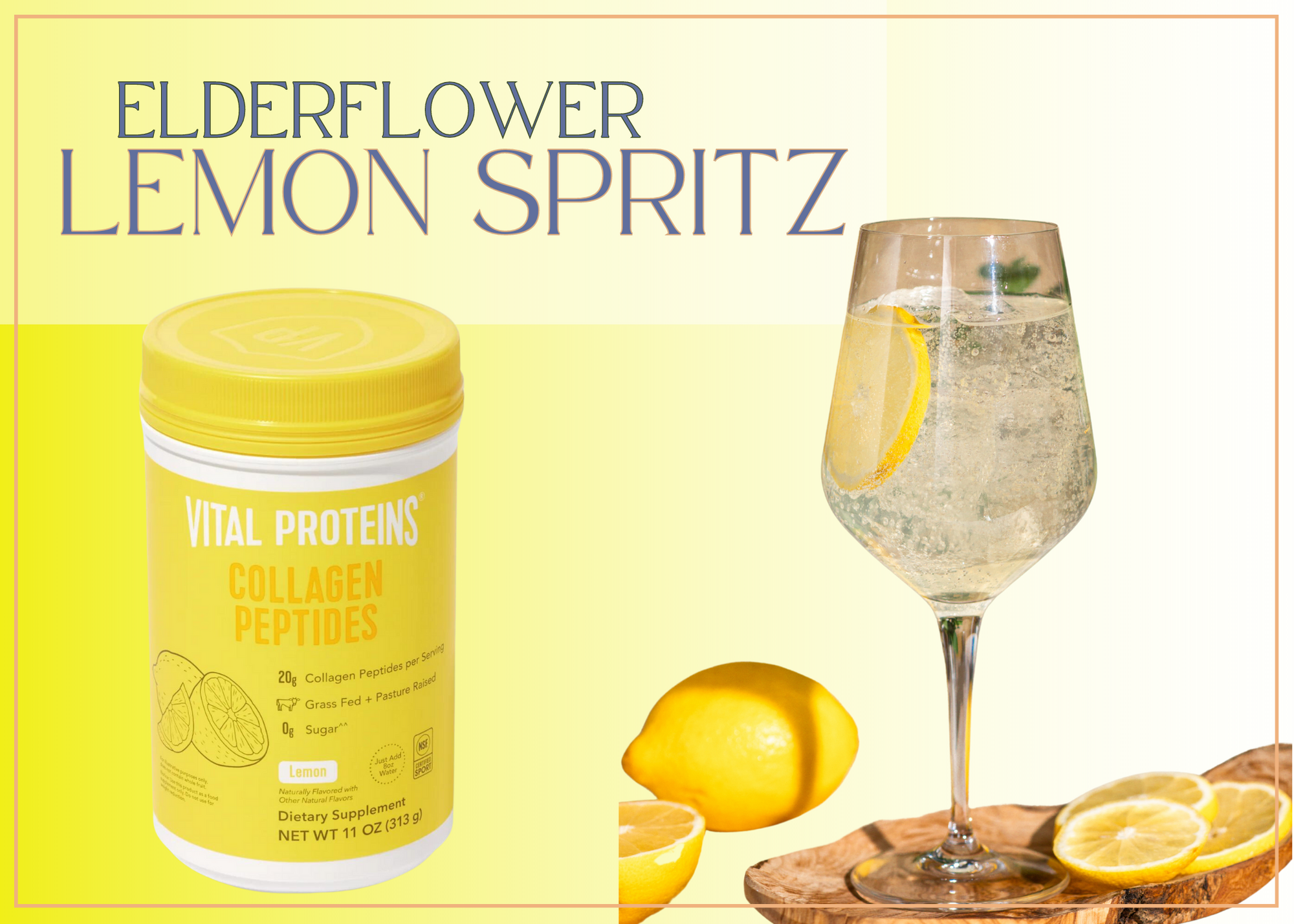
Elderflower Lemon Spritz with Vital Proteins® Lemon Collagen Peptides
The Elderflower Spritz is a refreshing pick-me up mocktail for that 3pm slump.
Everyone has the same number of hours in a day, but sometimes you just don’t feel like using those hours for sleeping. Sometimes you feel like watching one too many episodes of your favorite reality TV show. Made with green tea, lemon juice, mint leaves, and elderflower tonic water, this fizzy and floral drink is the perfect mocktail recipe.
But what really sets this mocktail apart is the addition of Vital Proteins® Lemon Collagen Peptides. With just one serving, you can add the collagen that you love with a lemony flavor you’ll love even more.
Go ahead and indulge in a delicious drink that’s also good for your daily dose of collagen. Make it squeezier.
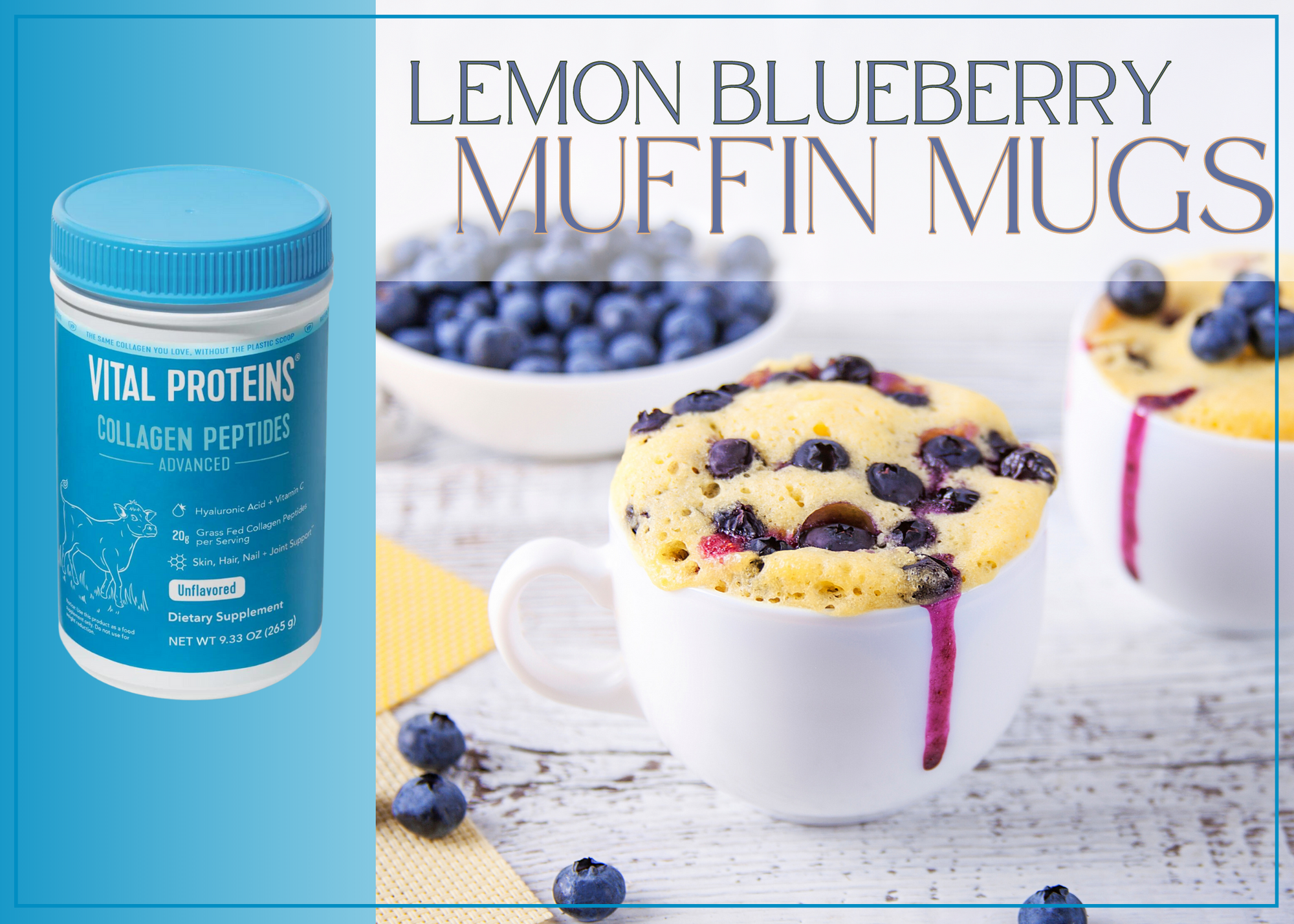
Lemon Blueberry Muffin Mugs with Vital Proteins® Collagen Peptides
This Lemon Blueberry Muffin is the perfect dessert when you are looking for something simple and easy to make that will fulfill your sweet cravings.
Mug recipes are great because there are many different flavors and types you can make, they require minimal time and use just one dish.
A serving of Vital Proteins® Collagen Peptides is featured in this recipe, which provides 20g collagen peptides per serving and hair, skin, nail, bone and joint health benefits.**
The blueberries are a perfect touch as they have a sweet, yet neutral flavor that balances out the other ingredients. Topped with a coconut whipped cream, it captures all of the flavors together creating a perfect and sweet treat.
1/2Cupflourgluten free 1:1 flour is used in this recipe
1/2 Teaspoonbaking powder
1/2Teaspoonbaking soda
1Tablespooncinnamon
1 ServingVital Proteins® Collagen Peptides
1.5Tablespoonsmaple syrup
1Teaspoonvanilla extract
1/4Cupalmond milk
1/2Teaspoonlemon rindsgrated
1Tablespoonbuttermelted or use any oil
1/4Cupblueberriesfresh or frozen
coconut whipped creamfor topping
Method
In a large mug, combine all of the dry ingredients except blueberries and mix together.
Whisk in the wet ingredients and combine until they form a batter-like consistency.
Add in the blueberries and then place on a plate in the microwave.
Microwave for 2.5–3 minutes, pausing if batter looks like it may overflow. (Pausing will allow it to settle and not make a mess.)
Take out of the microwave and top with coconut whipped cream and blueberries.
Enjoy!
**These statements have not been evaluated by the Food and Drug Administration. This product is not intended to diagnose, treat, cure, or prevent any disease.
Pomegranate “Gin” Fizz Mocktail with Vital Proteins® Marine Collagen Peptides
A fun, effervescent way to enjoy your summer evenings.
Filled with pomegranate juice, freshly squeezed lime juice, maple syrup, soda water, with a sprig of rosemary, this mocktail brings in flavors from the garden with a sweet twist. This mocktail is a great alternative when you are looking for something to sip on that is alcohol-free.
What makes this mocktail toast-worthy, is the Vital Proteins® Marine Collagen Peptides that dissolves so effortlessly into the mixture and provides hair, skin, nail, bone and joint support.**
Pomegranate “Gin” Fizz Mocktail
Time to enjoy this delicious and simple Pomegranate Fizz Mocktail!
In a glass, add the lime, maple syrup, pomegranate juice and mix together well.
Next, add the Marine Collagen and mix until it fully dissolves.
Add the soda water to fill the glass.
Top with a lime wedge, pomegranate and a rosemary sprig.
Enjoy!
**These statements have not been evaluated by the Food and Drug Administration. This product is not intended to diagnose, treat, cure, or prevent any disease.